Complaint Conversion Form Withdrawal
Description
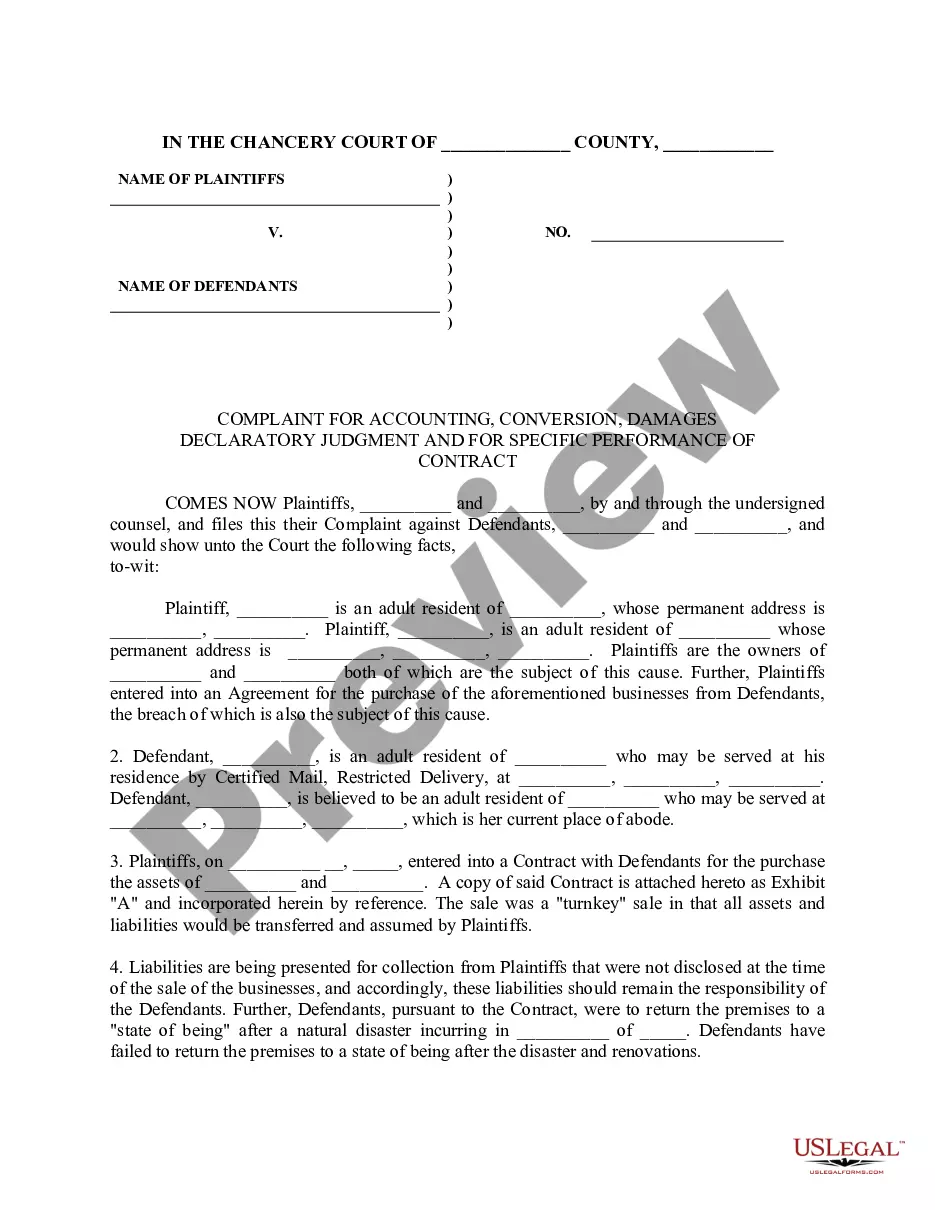
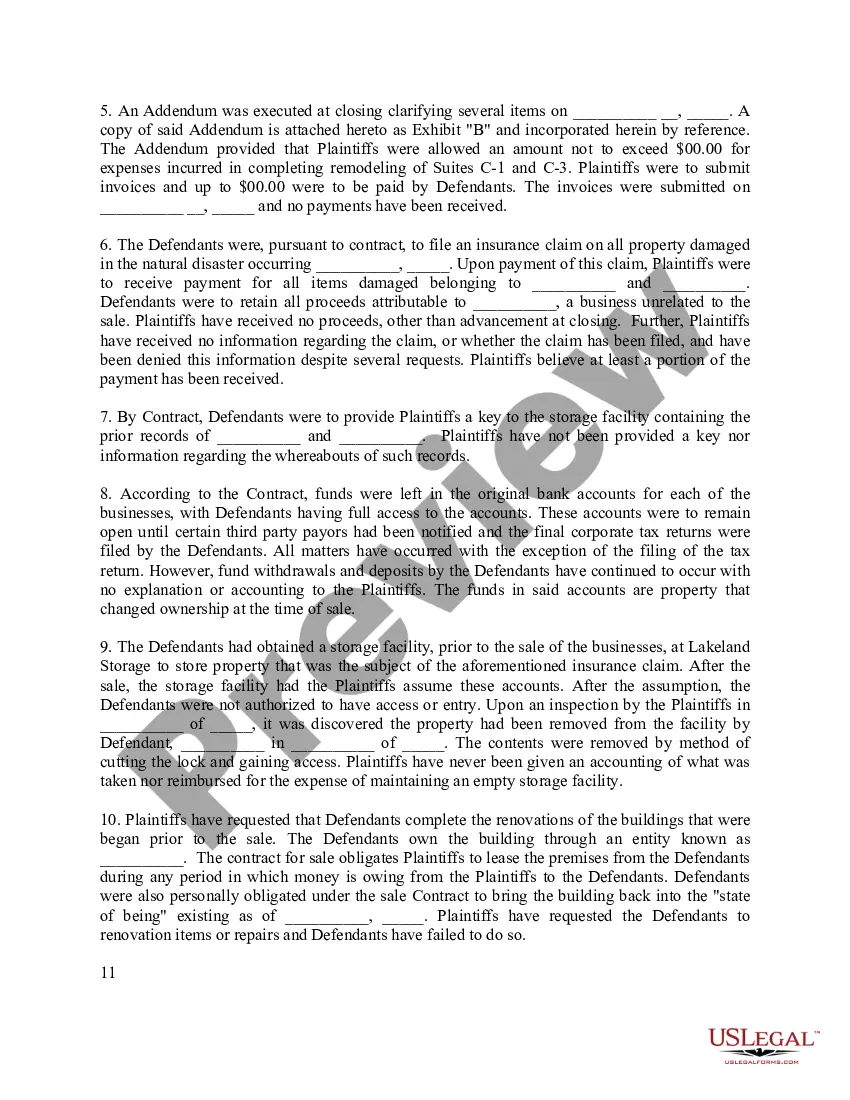
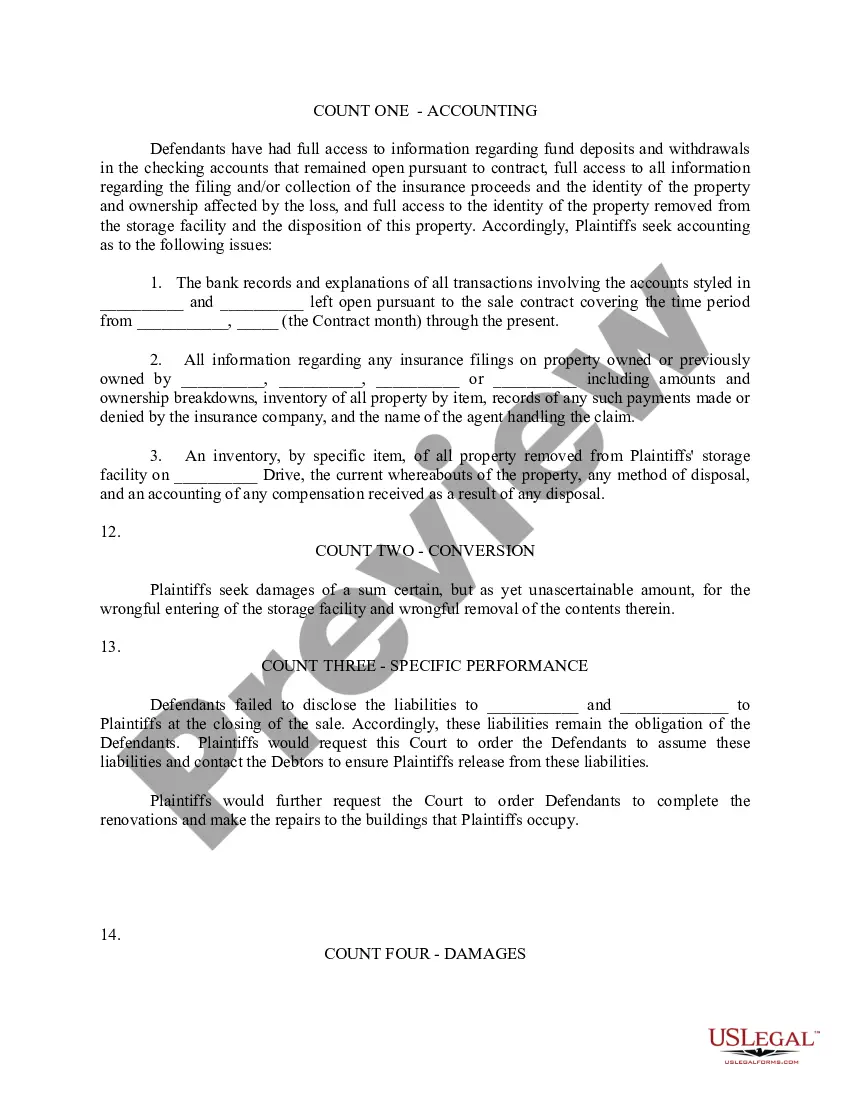
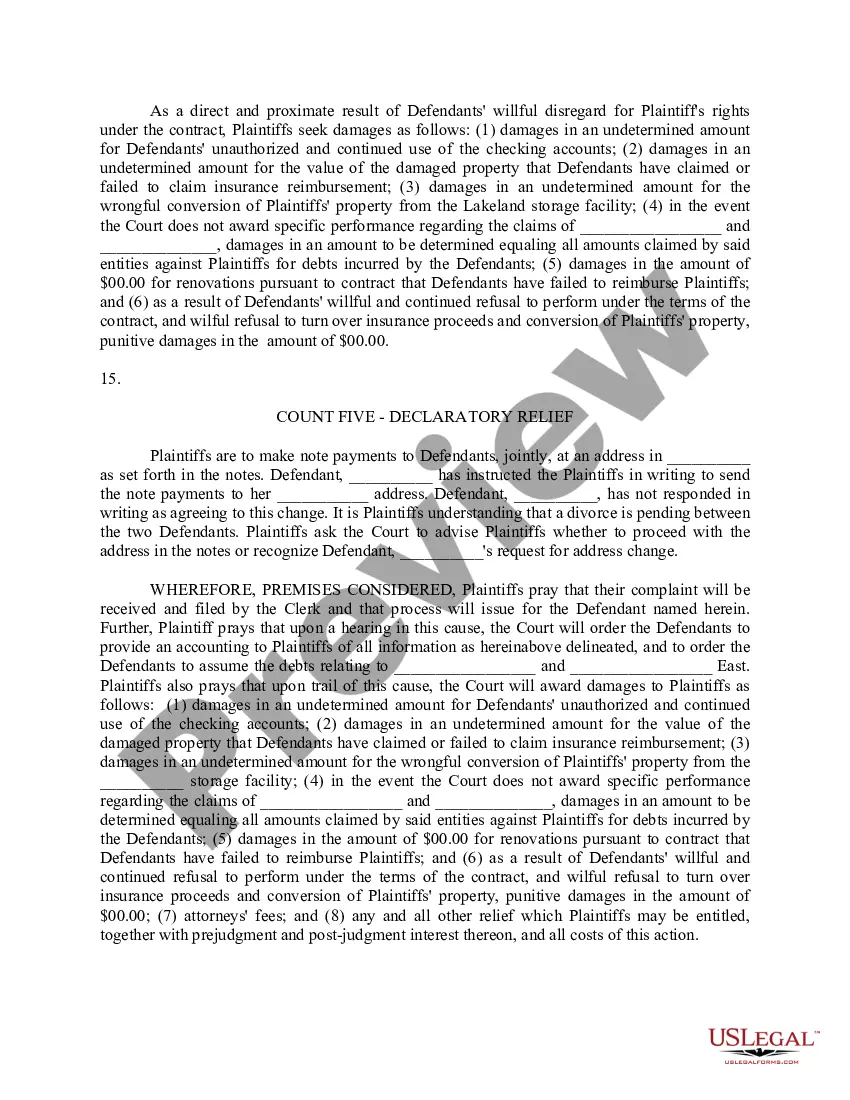



Get your form ready online
Our built-in tools help you complete, sign, share, and store your documents in one place.
Make edits, fill in missing information, and update formatting in US Legal Forms—just like you would in MS Word.
Download a copy, print it, send it by email, or mail it via USPS—whatever works best for your next step.
Sign and collect signatures with our SignNow integration. Send to multiple recipients, set reminders, and more. Go Premium to unlock E-Sign.
If this form requires notarization, complete it online through a secure video call—no need to meet a notary in person or wait for an appointment.
We protect your documents and personal data by following strict security and privacy standards.

Make edits, fill in missing information, and update formatting in US Legal Forms—just like you would in MS Word.

Download a copy, print it, send it by email, or mail it via USPS—whatever works best for your next step.

Sign and collect signatures with our SignNow integration. Send to multiple recipients, set reminders, and more. Go Premium to unlock E-Sign.

If this form requires notarization, complete it online through a secure video call—no need to meet a notary in person or wait for an appointment.

We protect your documents and personal data by following strict security and privacy standards.
Looking for another form?
How to fill out Complaint For Accounting, Conversion, Damages Declaratory Judgment And For Specific?
Whether for commercial purposes or for personal issues, everyone must confront legal circumstances at some point in their lives.
Completing legal paperwork necessitates meticulous care, beginning with selecting the appropriate form template.
Once downloaded, you can fill out the form using editing software or print it for manual completion. With a comprehensive US Legal Forms catalog available, you won’t need to waste time searching for the right template online. Utilize the library’s intuitive navigation to find the suitable form for any circumstance.
- Obtain the template you require using the search option or catalog navigation.
- Review the details of the form to ensure it aligns with your case, jurisdiction, and region.
- Click on the preview of the form to inspect it.
- If it is the incorrect document, return to the search tool to find the Complaint Conversion Form Withdrawal template you need.
- Download the file if it satisfies your requirements.
- If you possess a US Legal Forms account, simply click Log in to access formerly saved documents in My documents.
- If you haven't created an account yet, you can download the form by clicking Buy now.
- Select the appropriate pricing option.
- Complete the account registration form.
- Choose your payment method: either use a credit card or a PayPal account.
- Select the desired document format and download the Complaint Conversion Form Withdrawal.
Form popularity
FAQ
The total value of all accounts receivable is listed on the balance sheet as current assets and include invoices that clients owe for items or work performed for them on credit.
Accounts receivable are legally enforceable claims for amounts owed for goods supplied and/or services rendered. These are generally in the form of invoices issued for payment within an agreed-upon time frame.
A good accounts receivable turnover ratio is 7.8. This means that, on average, a company will collect its accounts receivable 7.8 times per year. A higher number is better, since it means the company is collecting its receivables more quickly.
How to process accounts receivable Step 1: Develop a credit approval process for your customers. Be sure to develop a credit approval process for your business. ... Step 2: Create an invoice for your customers. Invoicing is important. ... Step 3: Track accounts receivable balances. ... Step 4: Post payments.
8 Best Practices to Improve your Accounts Receivable Management Use Electronic Billing & Online Payments. ... Use the Right KPIs. ... Outline Clear Billing Procedures. ... Set Credit & Collection Policies ? and Stick to Them. ... Collect Payments Proactively. ... Set up Automations. ... Make Payments Easy for Customers.
Majorly, receivables can be divided into three types: trade receivable/accounts receivable (A/R), notes receivable, and other receivables.
Accounts Receivable are the most common kind of receivable. Accounts Receivable are amounts due from customers from the sale of services or merchandise on credit. They are usually due in 30 ? 60 days. They are classified on the Balance Sheet as current assets.
A N assignment of accounts receivable is a popular security device. ' This appears to be an ideal security device for creditor and debtor. It seems to carry with it no burdens and few risks.