Joint Venture Company With
Description
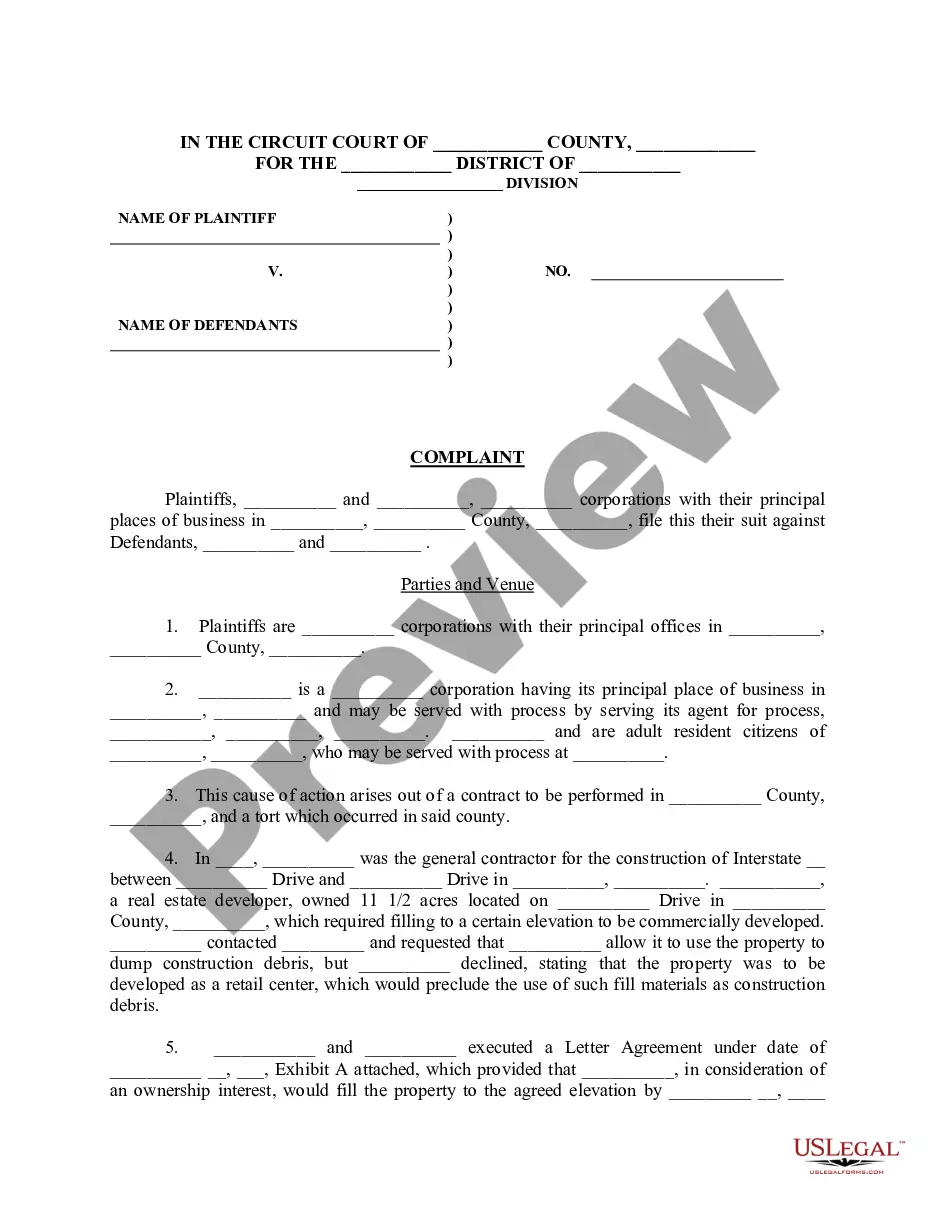
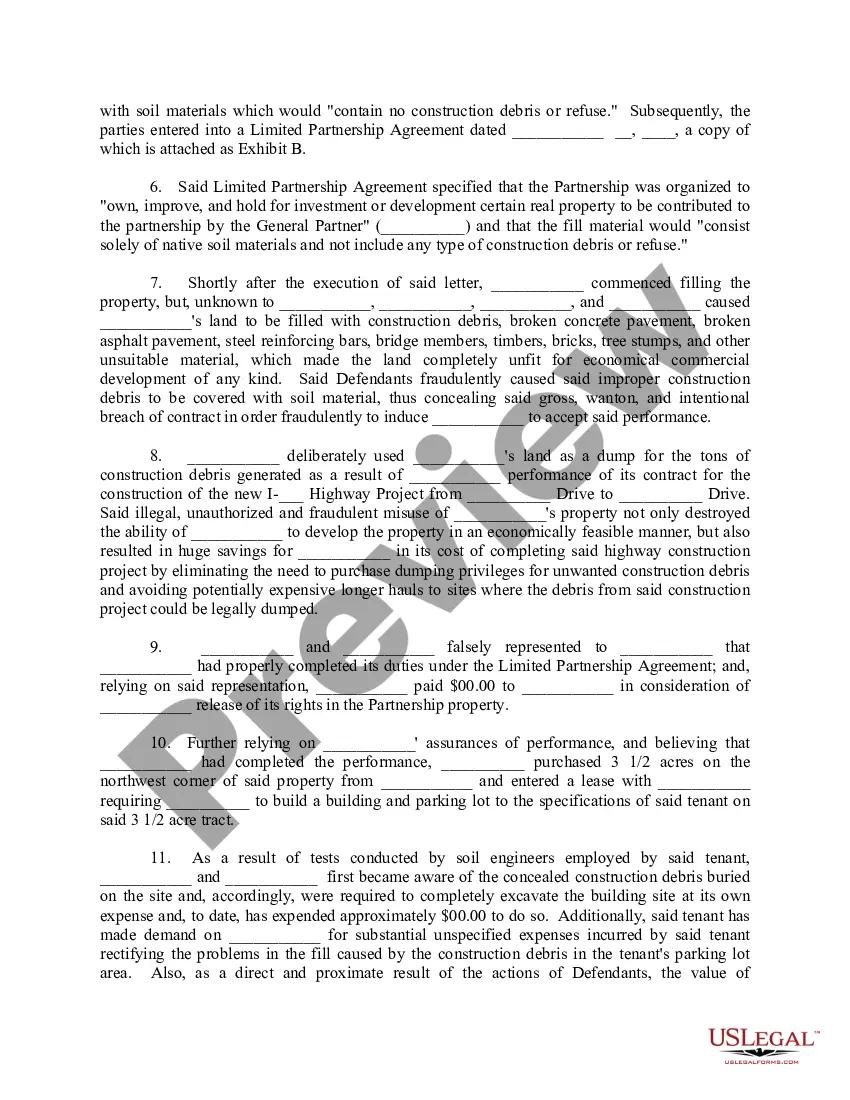
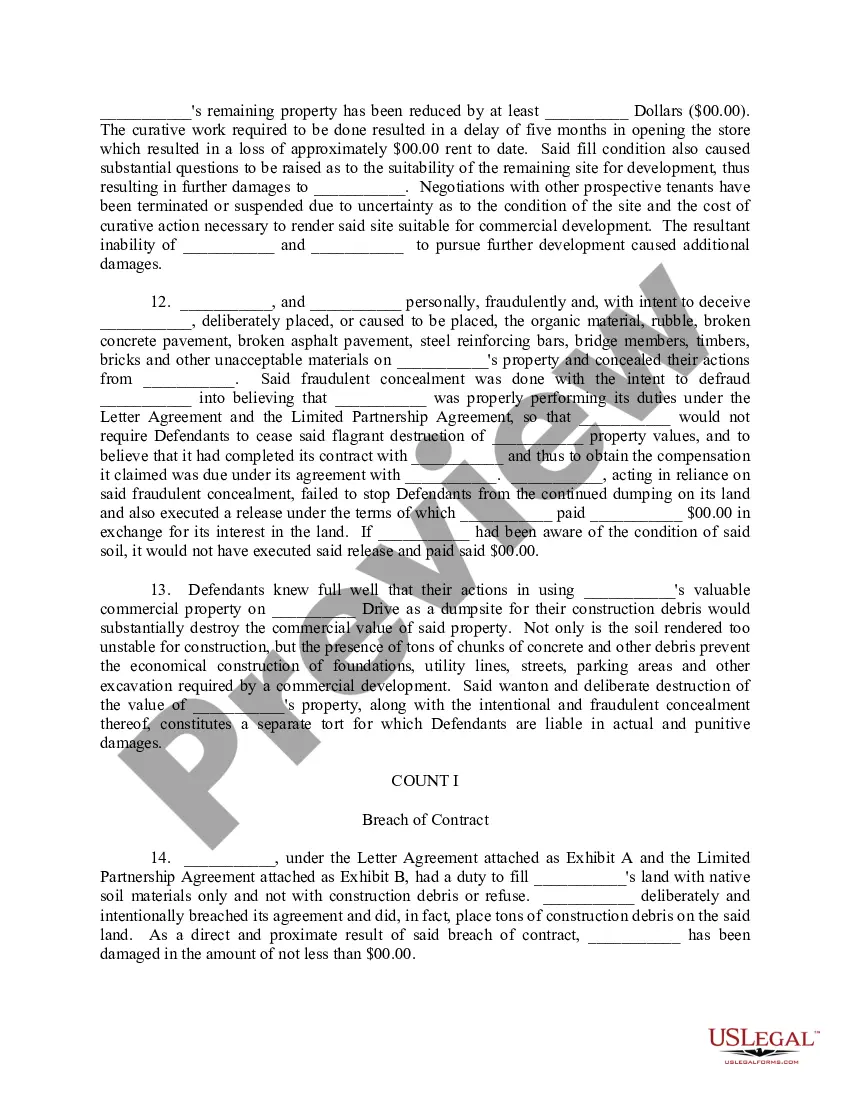
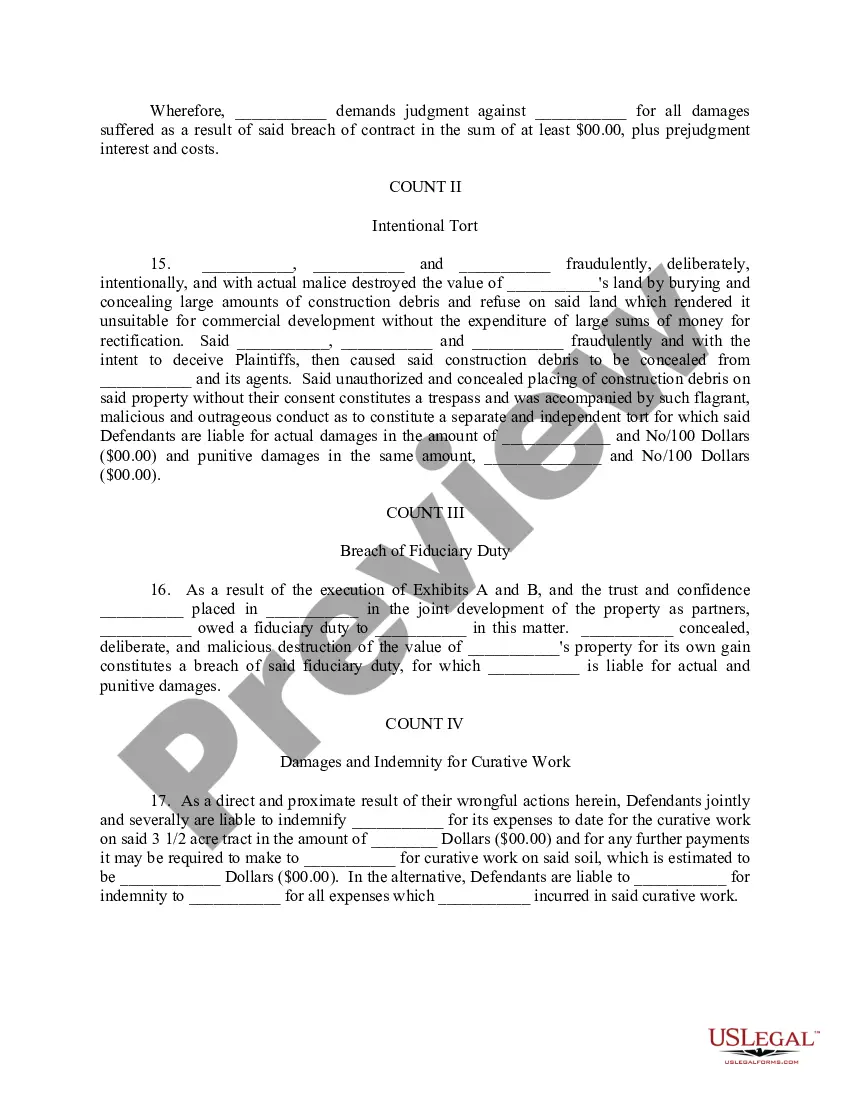
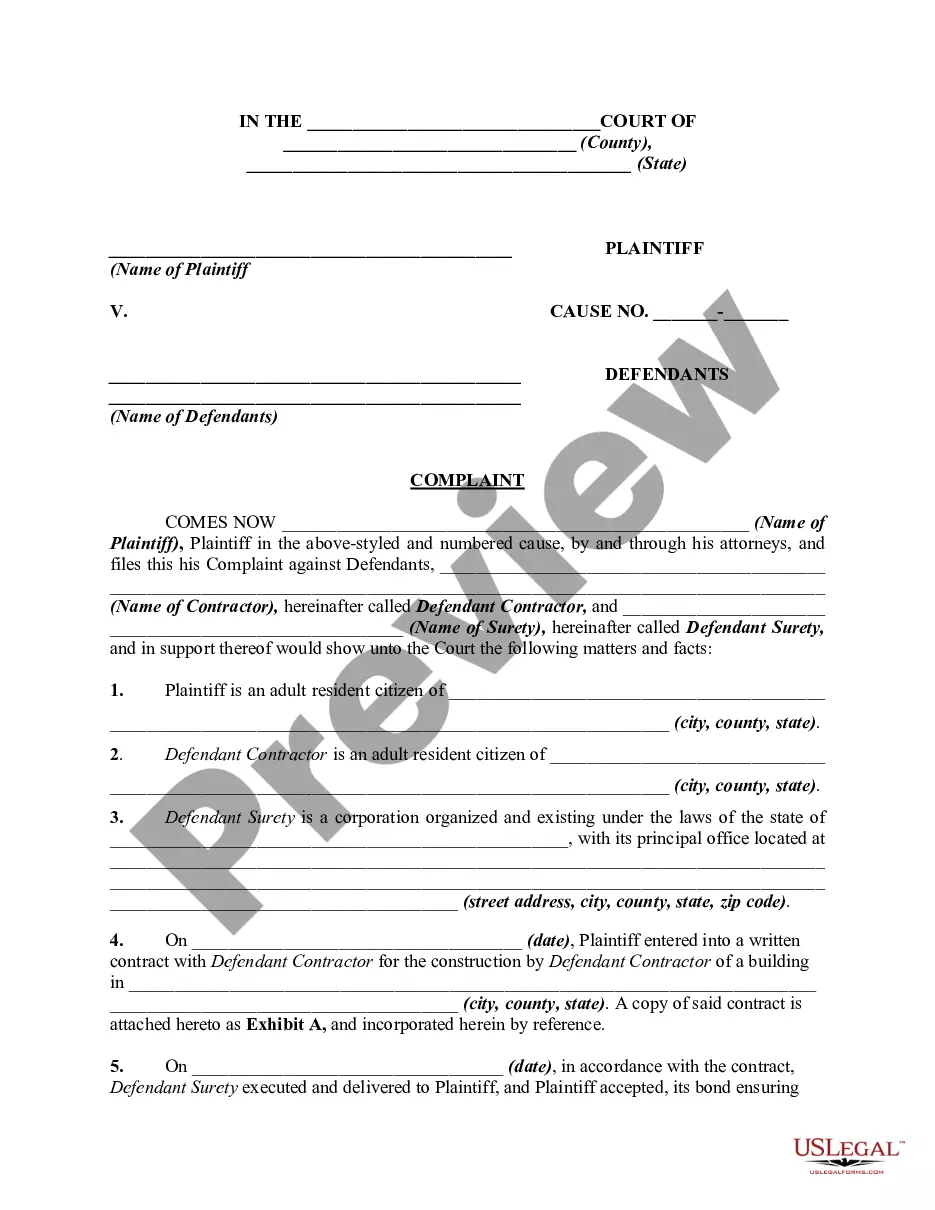
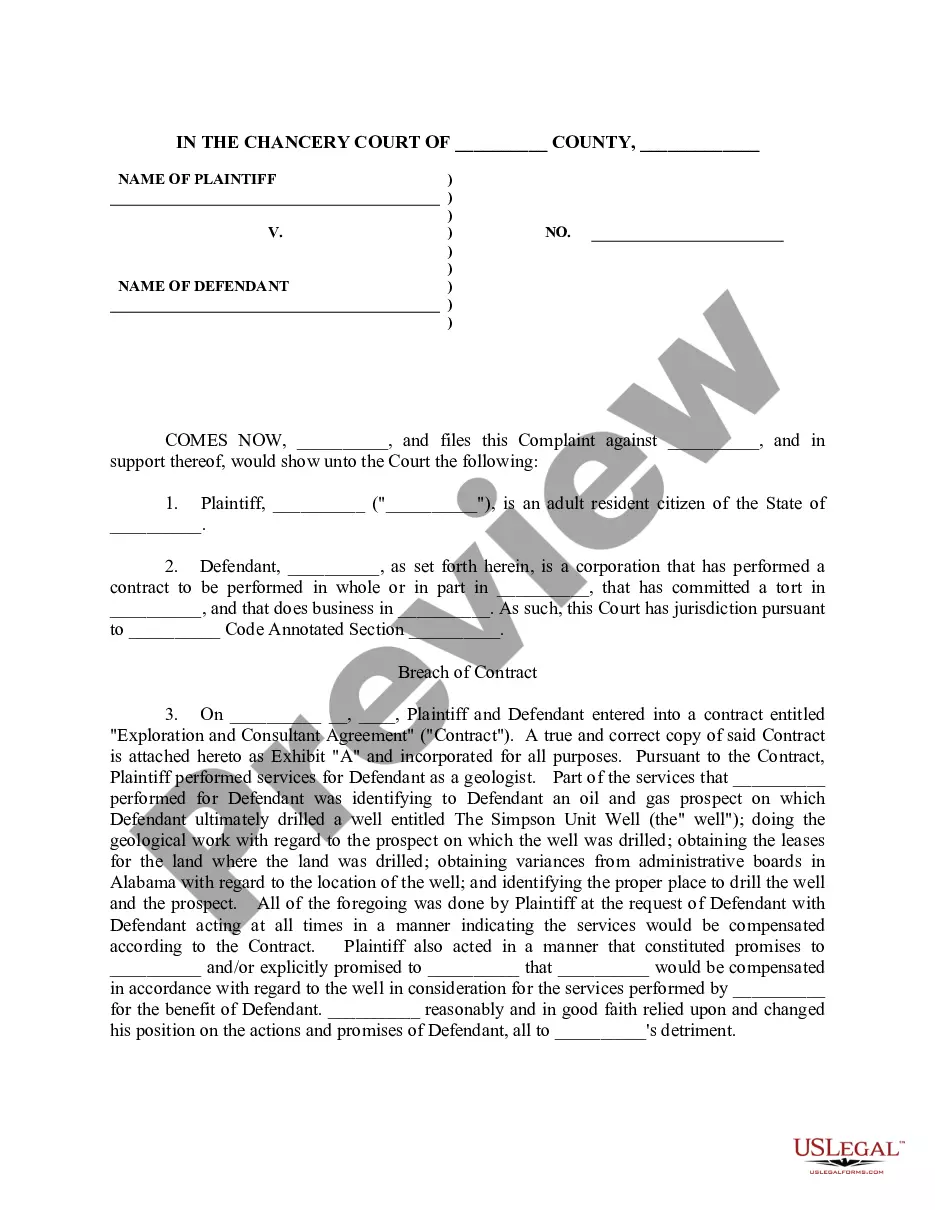
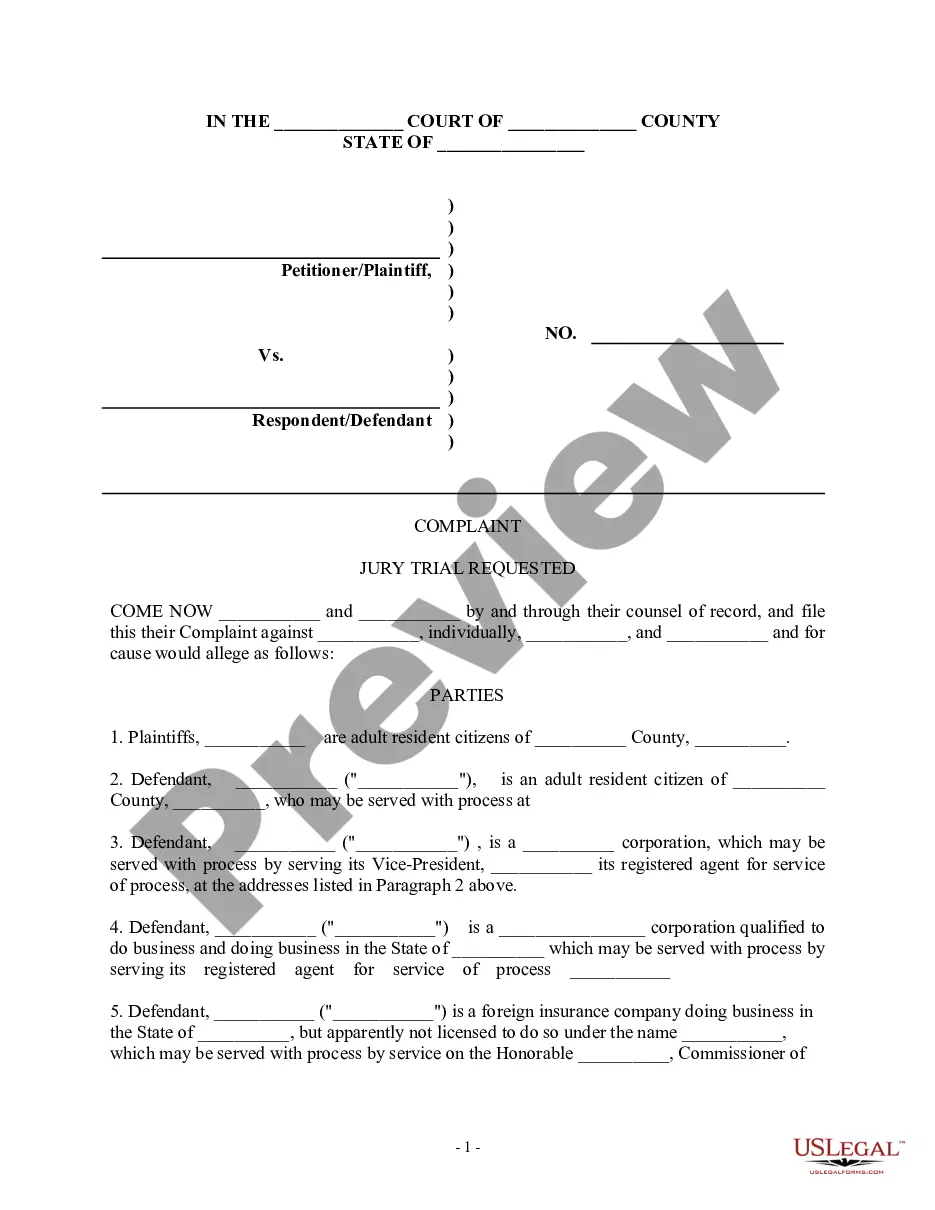
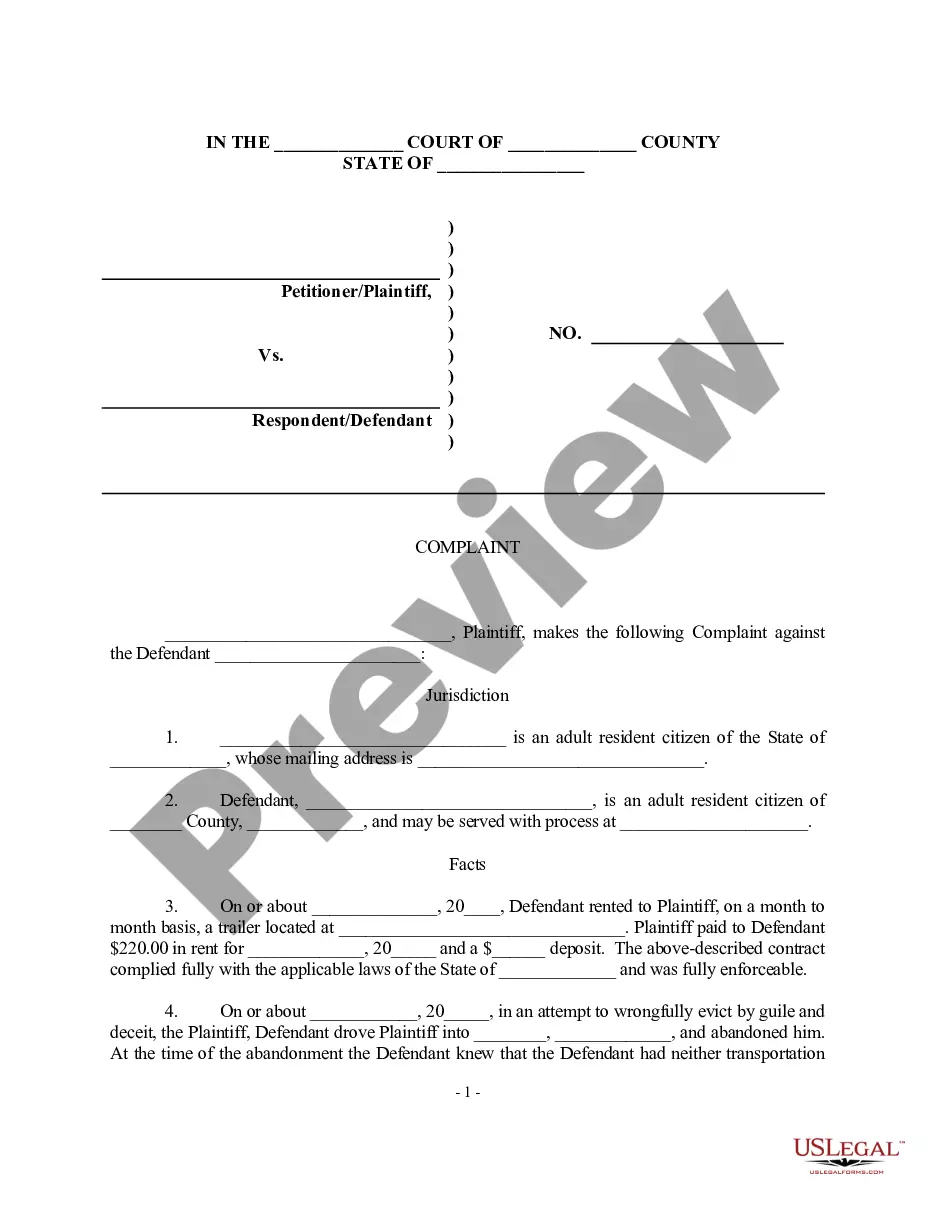

How to fill out Sample Complaint - Joint Venture Between Owner And Contractor - Defective Fill Materials Used By Contractor To Fill Property For Ownership Interest?
Finding a reliable source for the latest and pertinent legal templates is a significant part of navigating bureaucracy.
Selecting the appropriate legal documents necessitates precision and carefulness, which is why it's essential to obtain samples of Joint Venture Company With solely from trustworthy sources, such as US Legal Forms. An incorrect template will consume your time and hinder your progress.
Once you possess the form on your device, you may modify it with the editor or print it out and complete it by hand. Alleviate the stress associated with your legal documentation. Explore the comprehensive US Legal Forms collection where you can discover legal samples, verify their relevance to your situation, and download them right away.
- Utilize the library navigation or search bar to find your template.
- Examine the form’s details to verify if it meets the requirements of your state and region.
- Check the form preview, if available, to confirm that it is the document you are looking for.
- Return to the search and seek the correct template if the Joint Venture Company With does not meet your needs.
- If you are confident about the form’s relevance, download it.
- If you are a registered user, click Log in to verify and access your chosen templates in My documents.
- If you do not yet have an account, click Buy now to acquire the form.
- Choose the pricing plan that aligns with your preferences.
- Proceed to the registration to complete your purchase.
- Finalize your transaction by selecting a payment method (credit card or PayPal).
- Choose the document format for downloading Joint Venture Company With.
Form popularity
FAQ
The 3 in 2 rule for joint ventures is a guideline that suggests for every three units of profit, two should go back into the venture for growth and sustainability. This rule emphasizes the importance of reinvesting in your joint venture company with the aim of enhancing future returns. Proper financial planning and transparent communication with partners about reinvestment strategies are crucial for long-term success.
To find joint venture partners, start by researching companies that complement your business offerings. Utilize social media, business forums, and industry publications to reach out to potential partners directly. Establishing a strong online presence and showcasing your business's strengths can also attract the right partnership opportunities.
Setting up a joint venture company with another business requires careful planning and a clear agreement. First, define the purpose and structure of your venture, including contributions and profit-sharing. You then need to prepare legal documents, which can often be streamlined with platforms like US Legal Forms, ensuring compliance and protecting both parties’ interests.
Finding joint venture partners starts with identifying businesses that align with your goals and values. Networking events, industry conferences, and online platforms can facilitate introductions. It’s also helpful to engage with professionals who already have established relationships in your target sector, ensuring that your approach resonates with potential partners.
To qualify for a joint venture company with another entity, both parties should share a common business goal. Additionally, each party must contribute resources, expertise, or capital. Clear communication about roles and responsibilities is essential, as is drafting a solid agreement that outlines the terms of the venture.
A joint venture company with is typically created for a limited purpose and duration, focusing on specific projects or objectives. In contrast, a limited liability company (LLC) is a more permanent business structure that protects its owners from personal liability while allowing flexibility in management. Unlike a JV, an LLC remains in existence unless dissolved. Choosing between these structures depends on your business goals and how you prefer to manage risk.
known example of a joint venture company with is the collaboration between Sony and Ericsson, which created Sony Ericsson to produce mobile phones. This partnership combined Sony's technology and Ericsson's telecommunications expertise for mutual benefit. By working together, they generated innovative products that neither company could have developed alone. Joint ventures like this demonstrate the power of combining strengths to achieve greater success.
You can say, 'The two technology firms formed a joint venture company with the aim of developing a groundbreaking software solution.' This highlights the collaboration between the companies as they pool resources and expertise for a specific purpose. Using the phrase this way clearly conveys the intent and structure of the partnership while emphasizing the goal-oriented nature of a joint venture.
While a joint venture company with offers unique opportunities for collaboration, it does have some drawbacks. One disadvantage is the potential for conflicts between the partnering businesses due to differing goals and management styles. Additionally, shared profits may lessen individual gains, and the temporary nature of a JV can lead to uncertainty about the future. Evaluating these factors is crucial before entering into a joint venture.
A joint venture company with is a temporary alliance between two or more entities to undertake a specific project or business activity. In contrast, a limited liability company (LLC) is a permanent business structure that offers personal liability protection to its owners. While JVs focus on a specific goal and dissolve afterward, an LLC continues as long as the owners desire. Understanding these differences is essential for choosing the best structure for your business needs.