Advertising Laws For Tobacco
Description


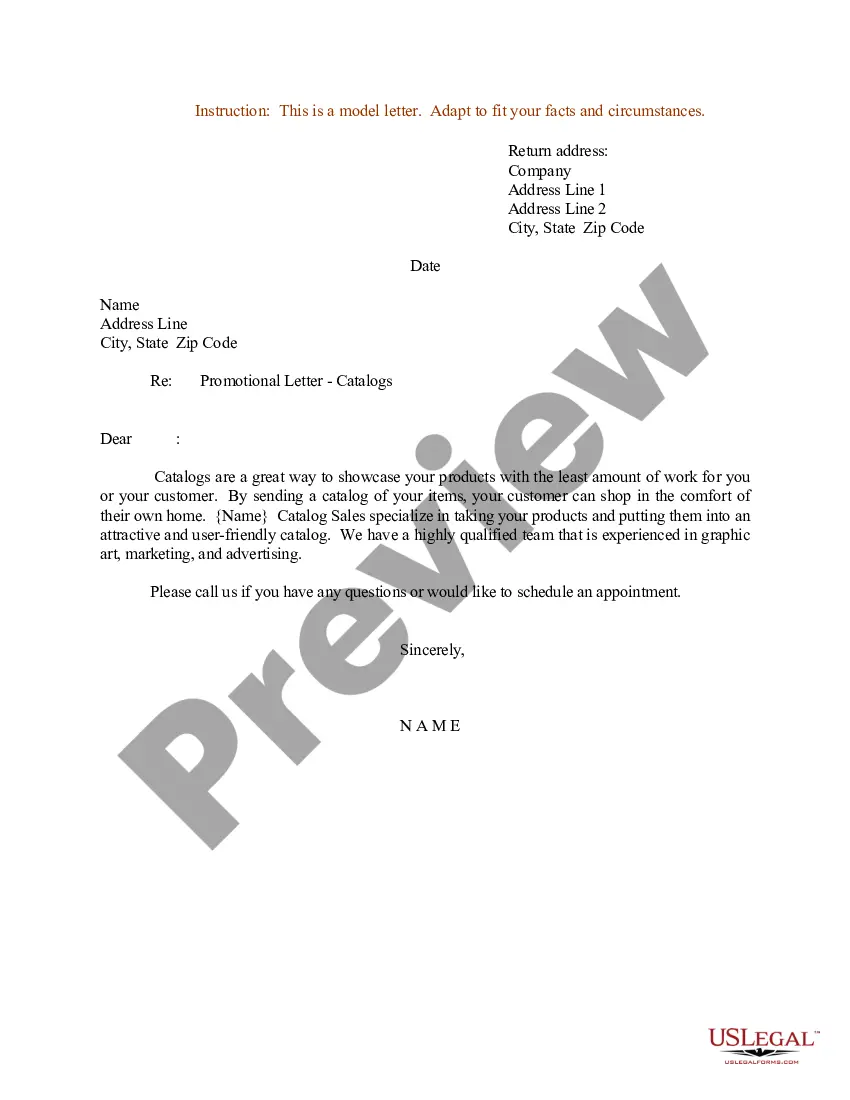
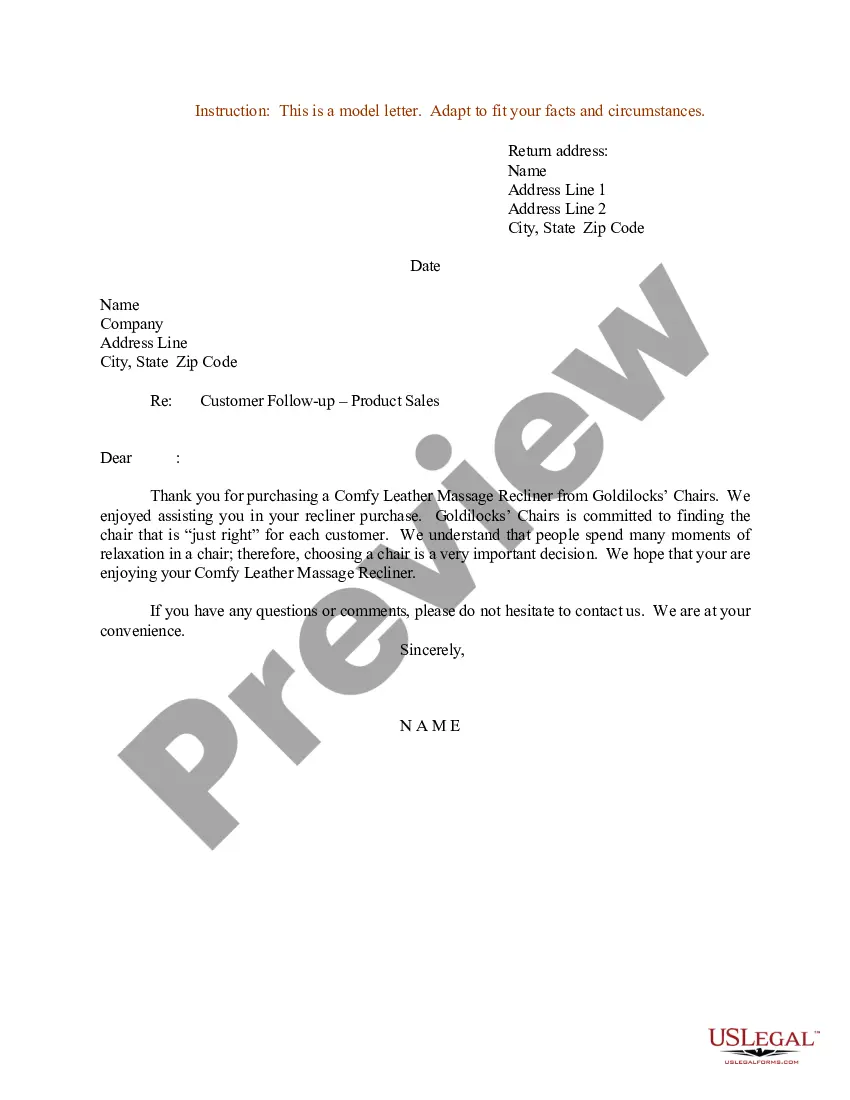
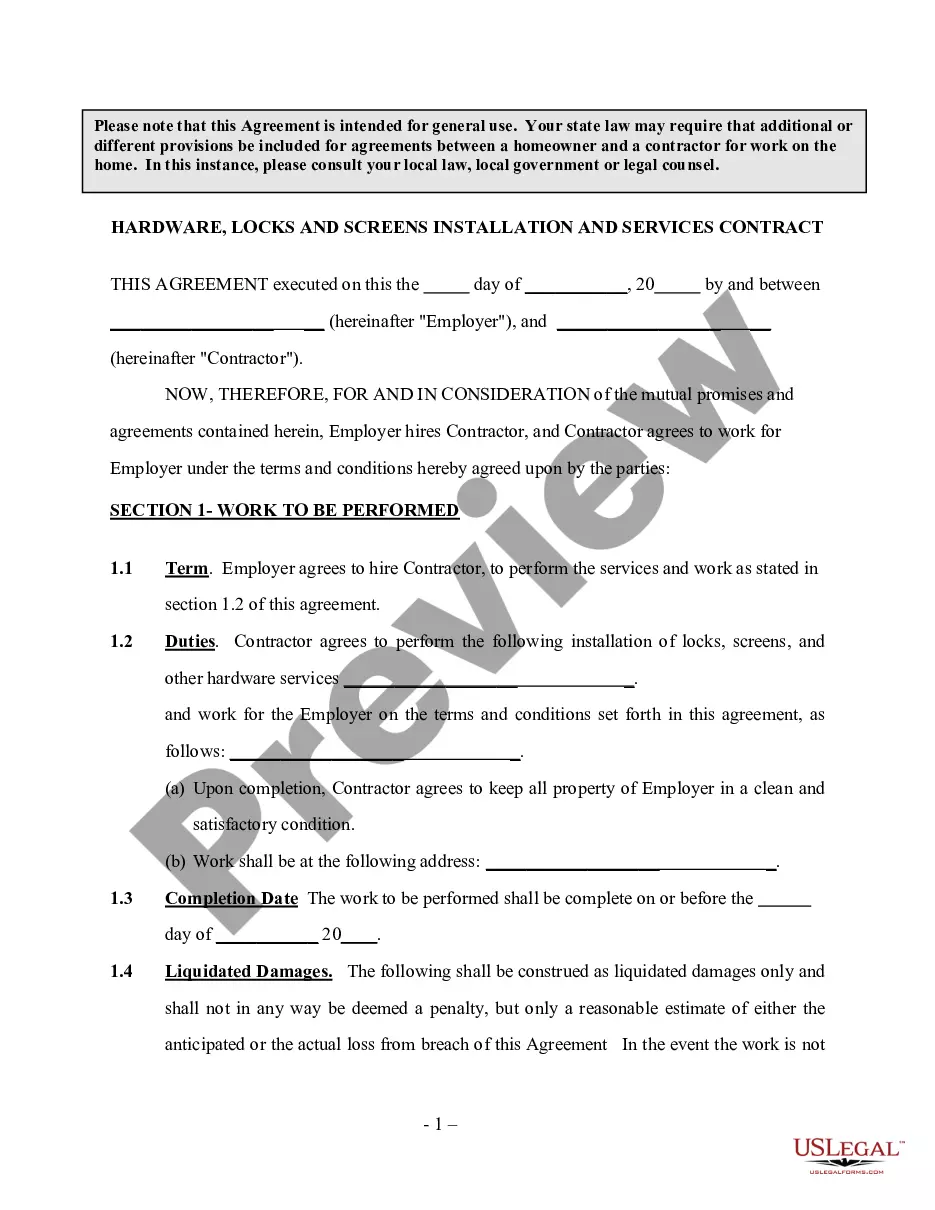
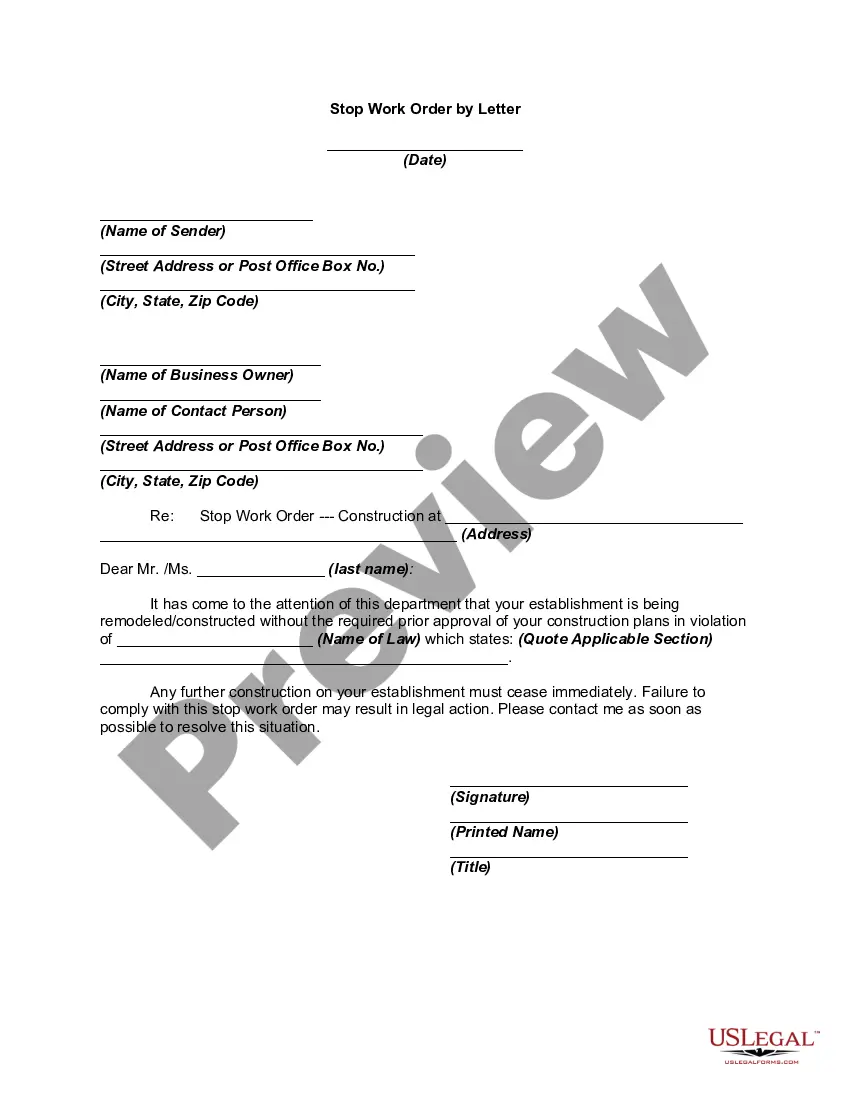



How to fill out Agreement By Advertising / Talent Agency To Act As A Nonexclusive Talent Agency For Performer Regarding Dancing Performances And Serving As A Model And/or Hostess At Promotional Events?
Obtaining legal templates that comply with federal and state regulations is essential, and the internet provides numerous choices. However, why spend time searching for the appropriate Advertising Laws For Tobacco example online when the US Legal Forms digital library has collected such templates in one location.
US Legal Forms is the largest online legal repository with more than 85,000 editable templates created by attorneys for various professional and personal matters. They are easy to navigate, with all documents categorized by state and intended use. Our specialists keep up with legislative changes, ensuring that your form remains current and compliant when obtaining an Advertising Laws For Tobacco from our site.
Acquiring an Advertising Laws For Tobacco is quick and straightforward for both existing and new users. If you already possess an account with an active subscription, Log In and download the document sample you require in the correct format. If you are new to our platform, follow the steps outlined below.
All templates you find through US Legal Forms are reusable. To re-download and fill out previously saved forms, access the My documents section in your account. Experience the most comprehensive and user-friendly legal document service!
- Review the template using the Preview feature or through the text outline to confirm it satisfies your needs.
- Look for an alternative sample using the search function at the top of the page if necessary.
- Click Buy Now once you’ve found the appropriate form and select a subscription option.
- Create an account or Log In and complete the payment via PayPal or a credit card.
- Choose the preferred format for your Advertising Laws For Tobacco and download it.
Form popularity
FAQ
There are currently no other federal or state laws that explicitly restrict tobacco product advertising on the Internet, and the state tobacco settlement agreements did not put any additional restrictions on Internet marketing by the participating tobacco companies.
Listings may not promote the buying or selling of tobacco products or tobacco paraphernalia.
For cigarette tobacco, roll-your-own tobacco, and covered1 tobacco products, it is unlawful for any such tobacco product manufacturer, packager, importer, distributor, or retailer of the tobacco product to advertise or cause to be advertised within the United States any tobacco product unless each advertisement bears ...
This Act also prohibits any advertising of cigarettes and little cigars on radio, television, or other media regulated by the Federal Communications Commission.
Evidence shows that comprehensive advertising bans lead to reductions in the numbers of people that start and continue to smoke. Statistics also illustrate that banning tobacco advertising and sponsorship is one of the most cost-effective ways to reduce tobacco demand and can be considered a tobacco control "best buy".