Trust Proper Grantor With A Trust
Description

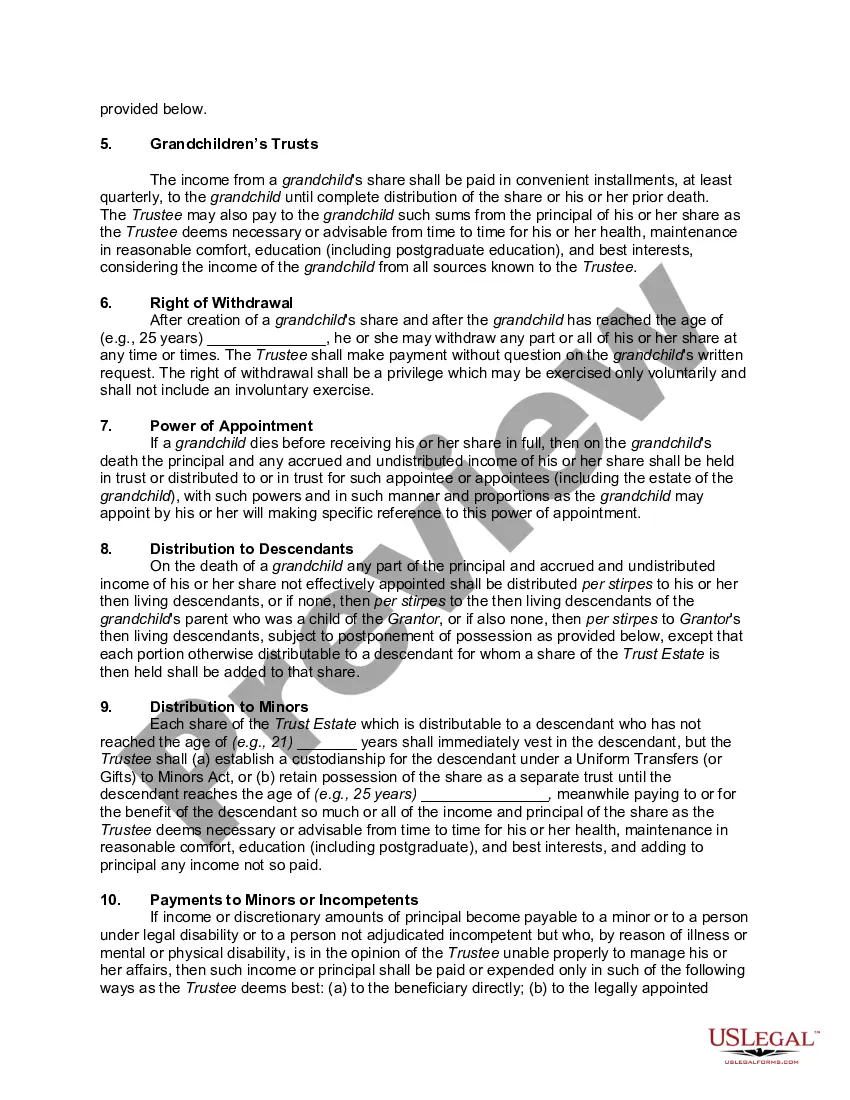
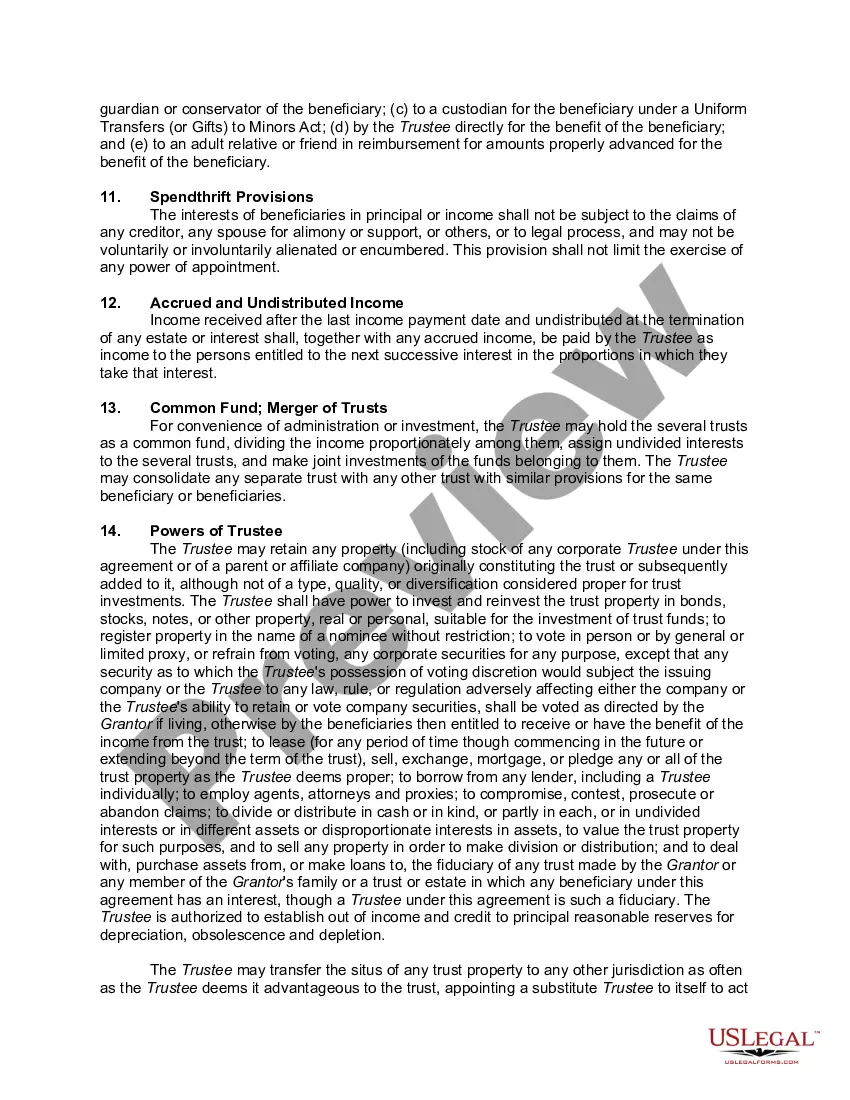
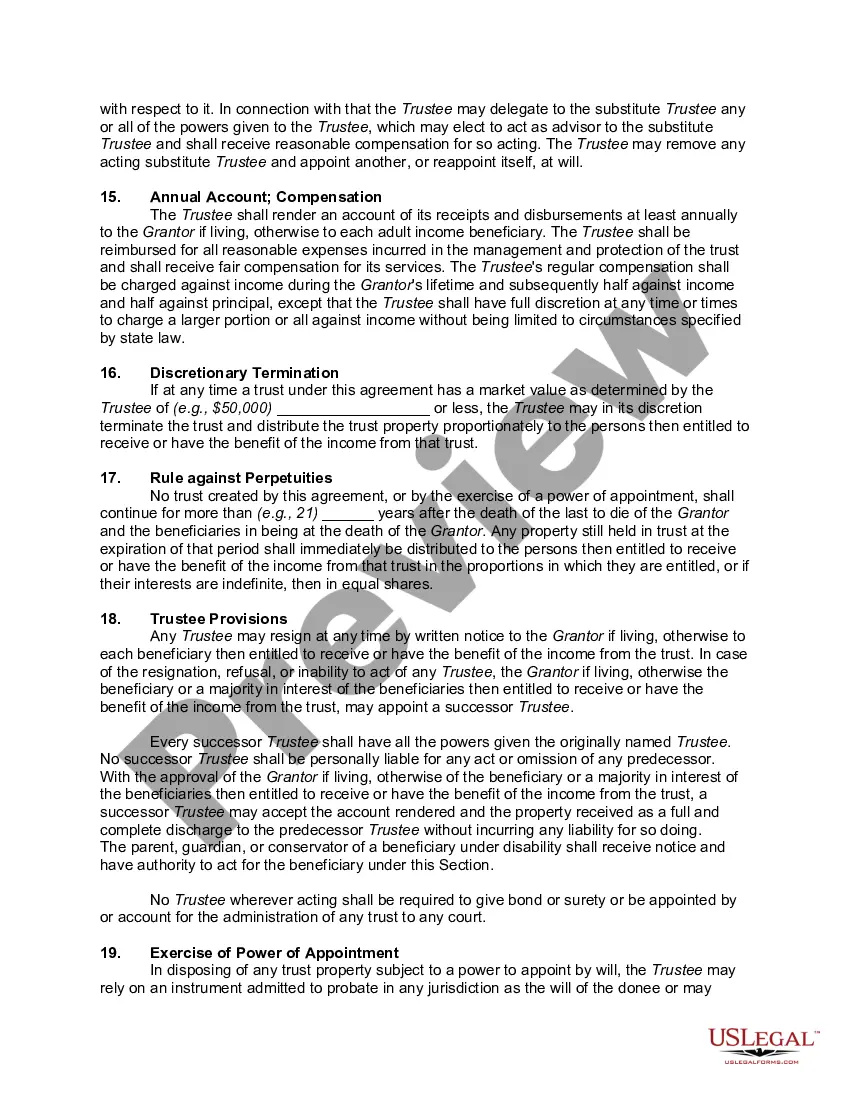
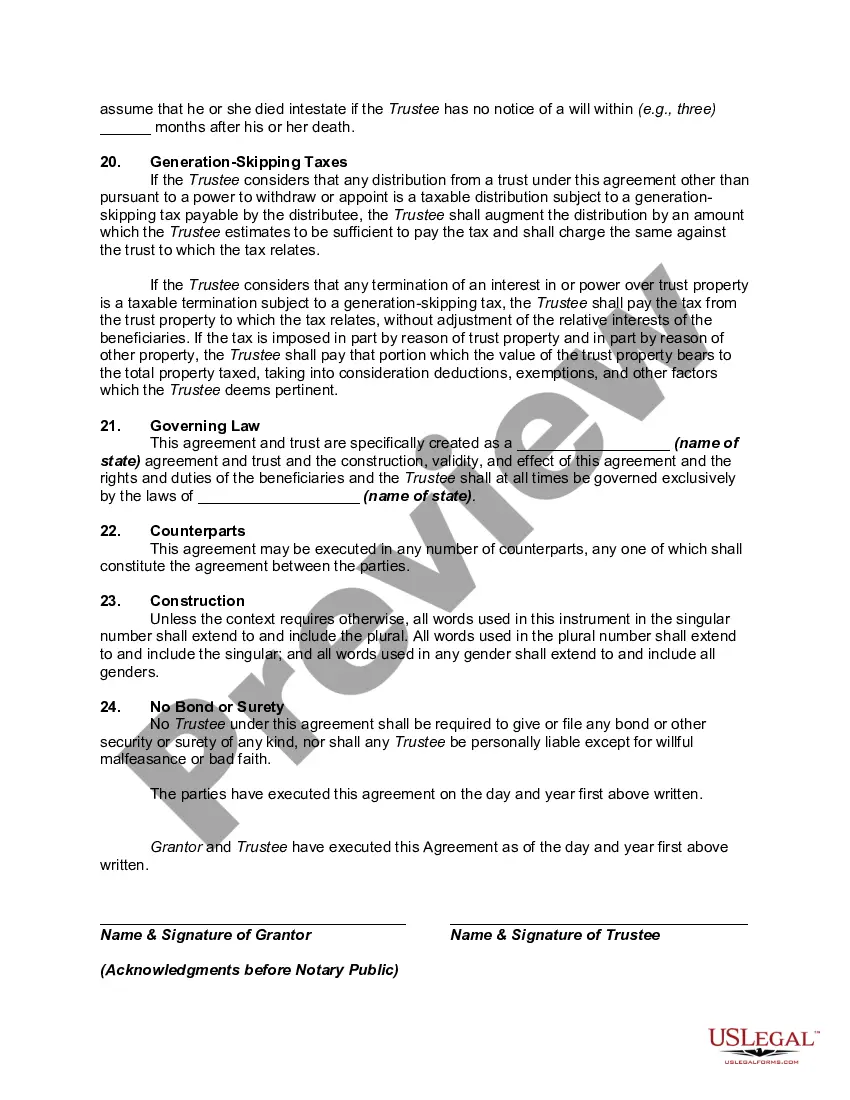

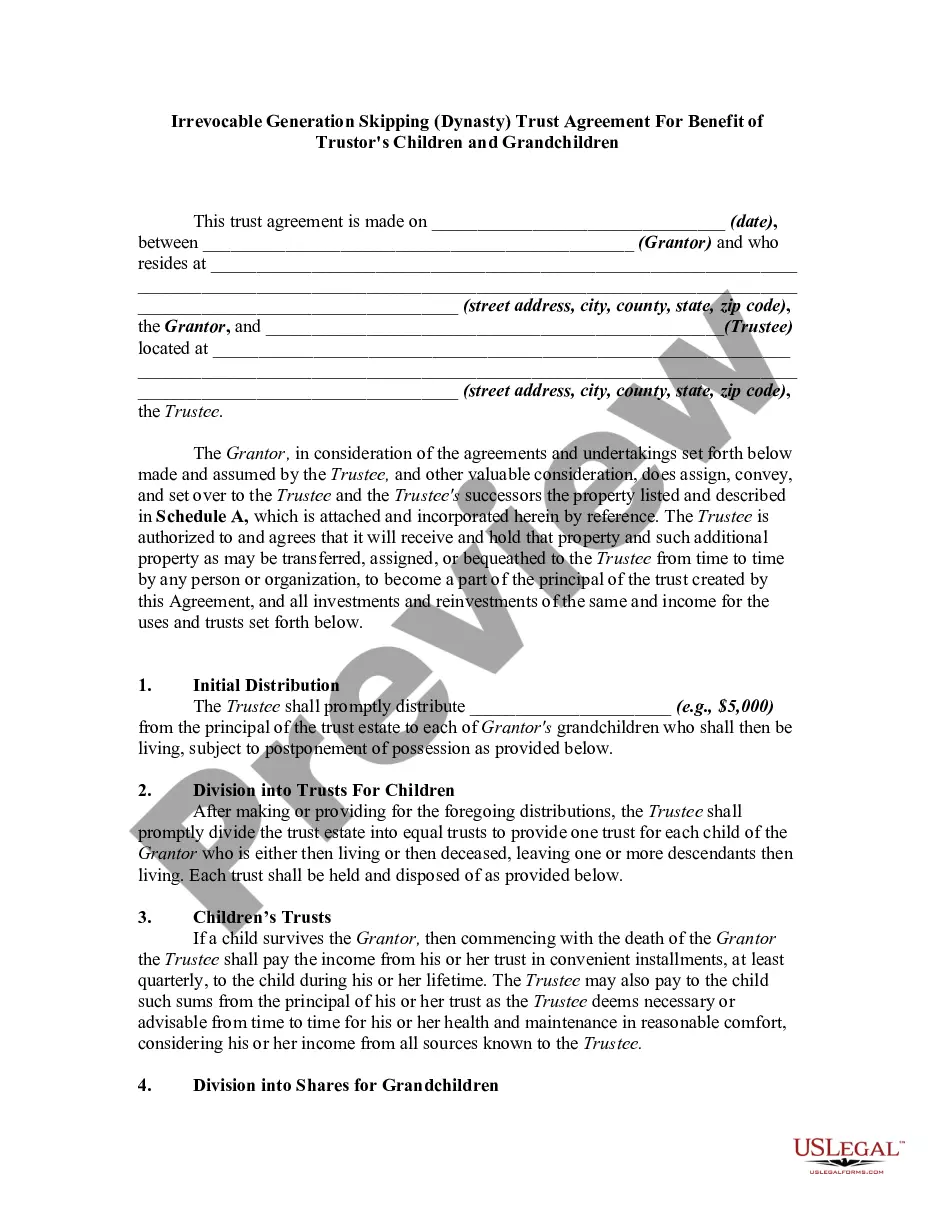
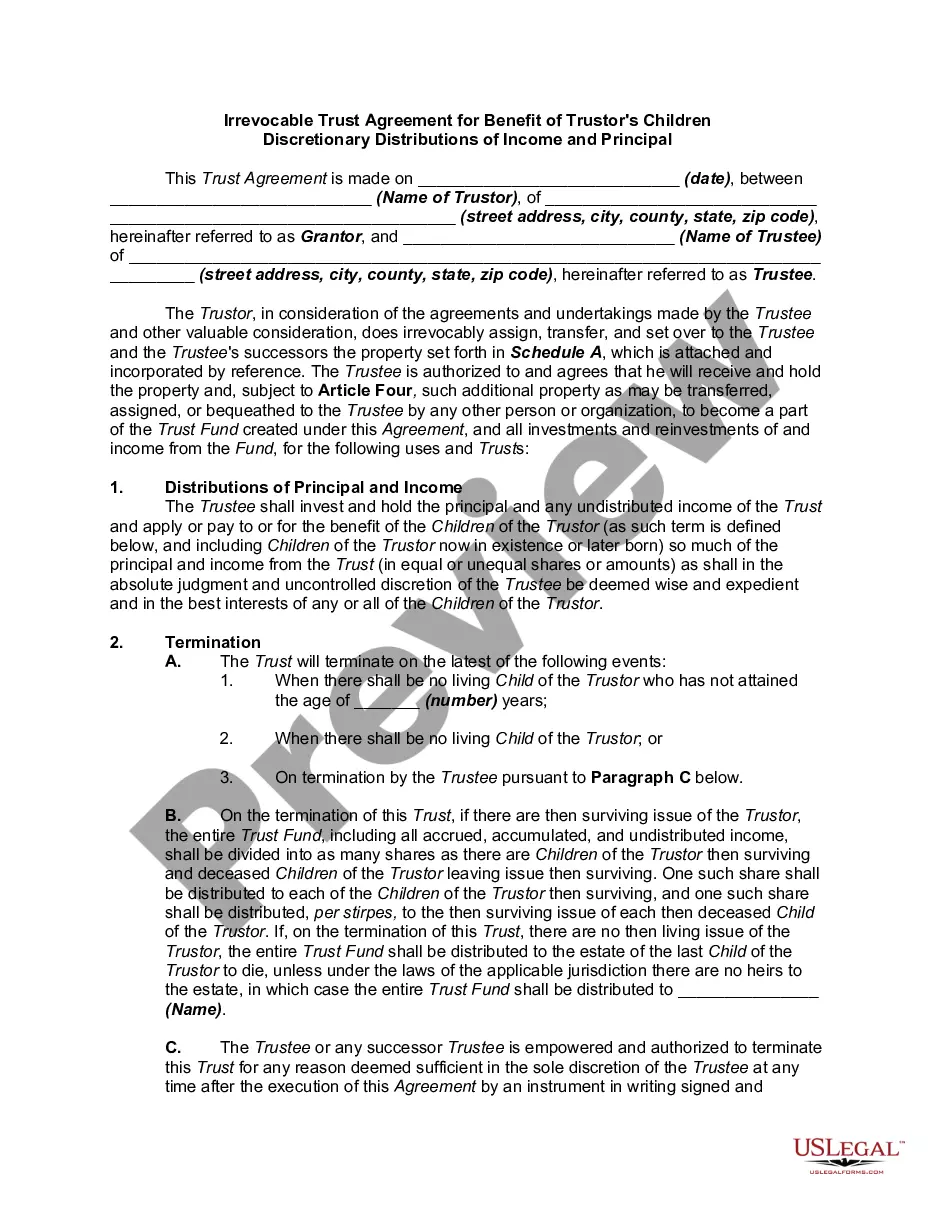


Get your form ready online
Our built-in tools help you complete, sign, share, and store your documents in one place.
Make edits, fill in missing information, and update formatting in US Legal Forms—just like you would in MS Word.
Download a copy, print it, send it by email, or mail it via USPS—whatever works best for your next step.
Sign and collect signatures with our SignNow integration. Send to multiple recipients, set reminders, and more. Go Premium to unlock E-Sign.
If this form requires notarization, complete it online through a secure video call—no need to meet a notary in person or wait for an appointment.
We protect your documents and personal data by following strict security and privacy standards.

Make edits, fill in missing information, and update formatting in US Legal Forms—just like you would in MS Word.

Download a copy, print it, send it by email, or mail it via USPS—whatever works best for your next step.

Sign and collect signatures with our SignNow integration. Send to multiple recipients, set reminders, and more. Go Premium to unlock E-Sign.

If this form requires notarization, complete it online through a secure video call—no need to meet a notary in person or wait for an appointment.

We protect your documents and personal data by following strict security and privacy standards.
Looking for another form?



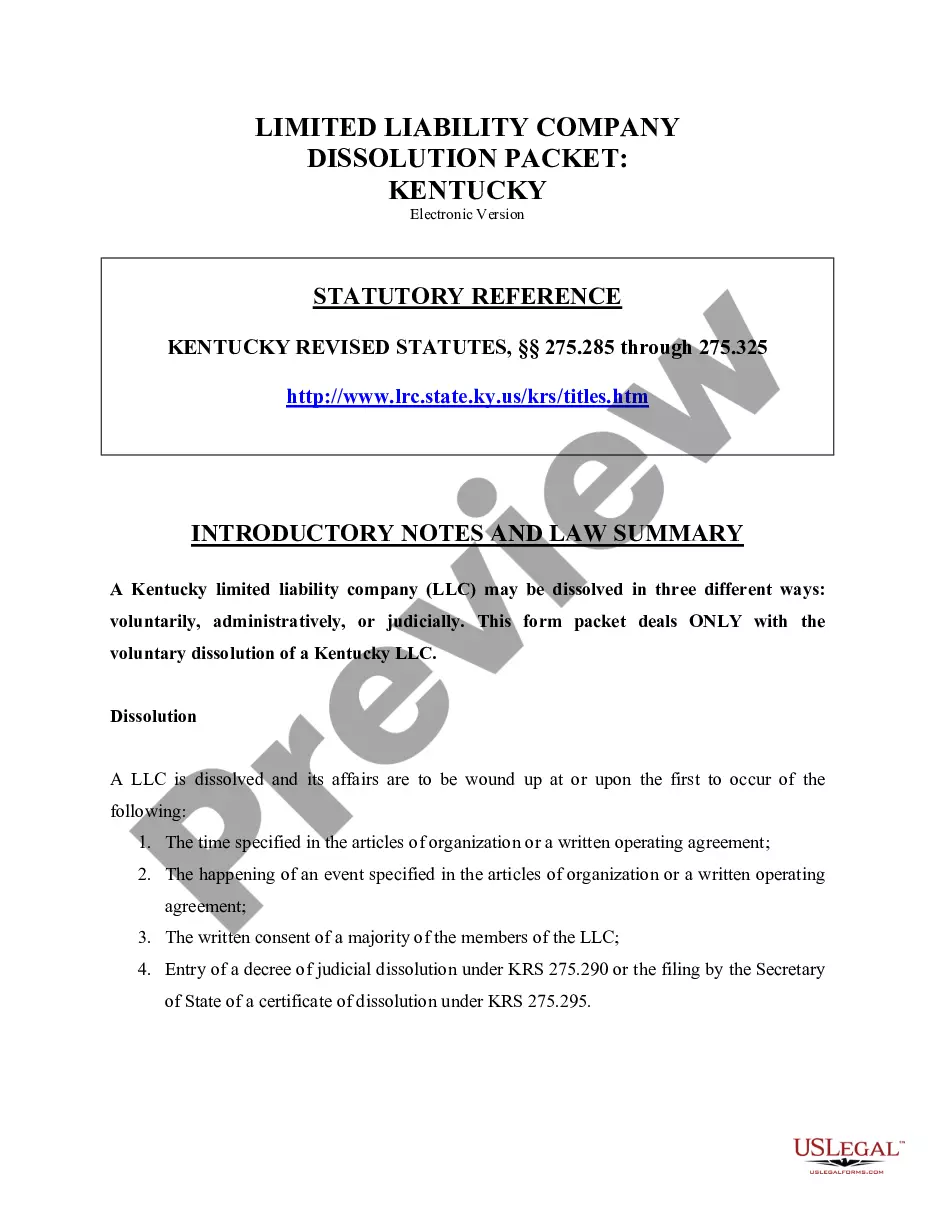


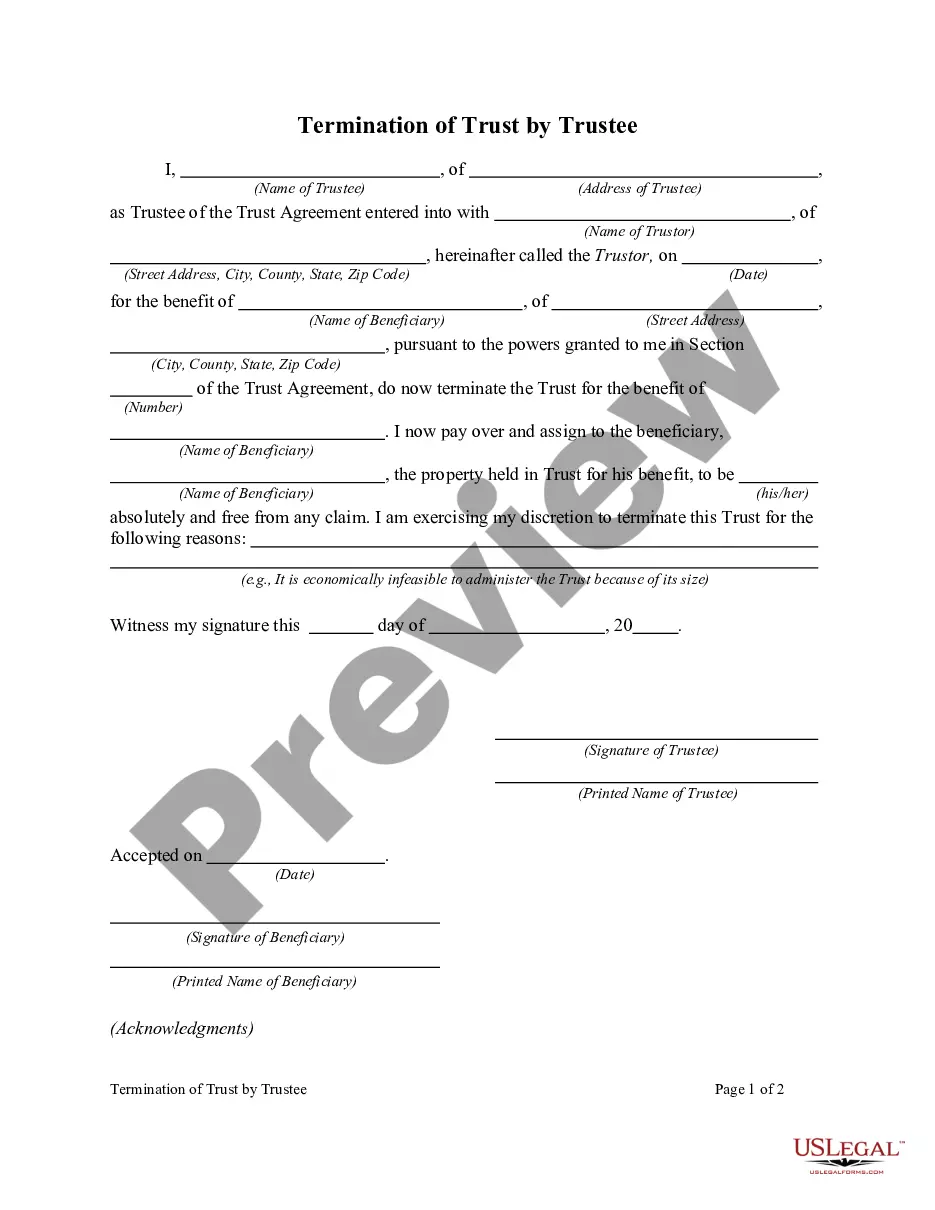
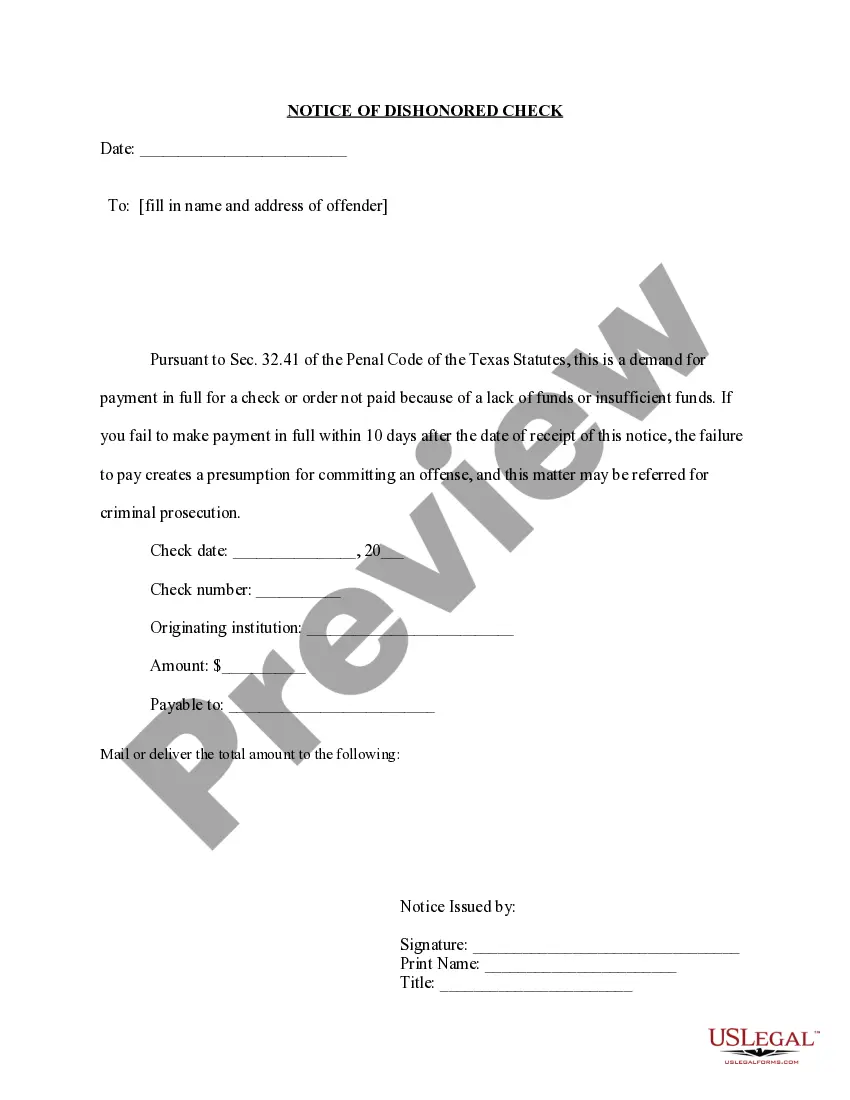


How to fill out Irrevocable Trust Agreement For Benefit Of Trustor's Children And Grandchildren?
- Log in to your US Legal Forms account if you’ve used the service previously. Confirm that your subscription is active, or renew it if necessary.
- For first-time users, begin by browsing the document library. Utilize the Preview mode to review descriptions and assess if they meet your specific legal requirements.
- If the first template doesn’t meet your needs, employ the Search feature to locate alternative forms that align more closely with your jurisdiction.
- After selecting an appropriate document, click the Purchase button and opt for a subscription plan that fits your usage.
- Complete your payment using a credit card or PayPal, ensuring you have access to all resources within the library.
- Finally, download your form. Save it to your device and manage it later under the My Forms section in your profile.
By utilizing US Legal Forms, you gain access to a robust collection of over 85,000 legal forms, making the creation of trust documents straightforward and efficient.
Take control of your legacy today by starting your trust setup with US Legal Forms. Ensure your documents are legally sound and tailored to your needs!
Form popularity
FAQ
Yes, you can establish a trust without a grantor, but such trusts are typically classified as irrevocable. In this scenario, the trust is created by another party, such as a judge or beneficiary, which limits control over the assets. While this approach has its place, many prefer to trust proper grantor with a trust for greater control and flexibility.
Yes, in a grantor trust, the grantor acts as the owner of the trust assets while retaining significant rights and controls. This ownership gives the grantor the ability to dictate how trust assets are used and distributed. Utilizing an efficient platform like US Legal Forms can clarify your role as grantor, ensuring you manage the trust properly.
The grantor is considered the owner of a grantor trust for tax purposes, meaning the income generated is reported on their personal tax return. This ownership structure allows the grantor to maintain control over trust assets and management decisions. When establishing your grantor trust, consider tools to streamline the process.
One of the biggest mistakes parents make when setting up a trust fund is failing to properly fund it or keep it updated. Without the right assets in the trust, it can't serve its purpose effectively. To avoid this, it's essential to regularly review and amend the trust to ensure it aligns with your intentions and goals.
You may want a grantor trust for several reasons, such as maximizing tax benefits and retaining control over the trust assets. A grantor trust allows you to benefit from income generated by the trust while still managing the assets according to your wishes. Using tools from US Legal Forms, you can easily set up a grantor trust tailored to your needs.
The grantor of a trust should be someone who wishes to manage and control the assets within the trust. This person usually has a clear vision for how the assets will benefit the beneficiaries. In many cases, parents or individuals planning for future generations often act as the grantors, providing a way to trust proper grantor with a trust.
A grantor trust is a specific type of trust where the grantor maintains certain control and rights over the assets. In general, a trust can be revocable or irrevocable, but a grantor trust typically allows the grantor to alter its terms. Understanding these distinctions helps you trust proper grantor with a trust and plan effectively.
You can determine if a trust is a grantor trust by examining its terms and the control the grantor maintains over the assets. If the grantor retains rights to change beneficiaries, revoke the trust, or control income distribution, the trust is likely a grantor trust. To ensure clarity and legality, consider using US Legal Forms to create a compliant grantor trust.
A disadvantage of a family trust can include the risk of family disputes over asset distribution or management. Complex family dynamics may lead to disagreements, which can disrupt the trust's intended purpose. Furthermore, family trusts often require ongoing communication and cooperation from all parties involved. Therefore, knowing how to trust proper grantor with a trust can ease these issues and promote harmony.
One potential downfall of having a trust is the possibility of losing control over assets if a professional trustee is involved. Additionally, the trust's terms must be followed, which can limit flexibility in managing assets compared to personal ownership. Understanding these limitations is crucial in estate planning. Taking time to trust proper grantor with a trust can help mitigate these concerns.