Trust Form Irrevocable With Life Estate
Description

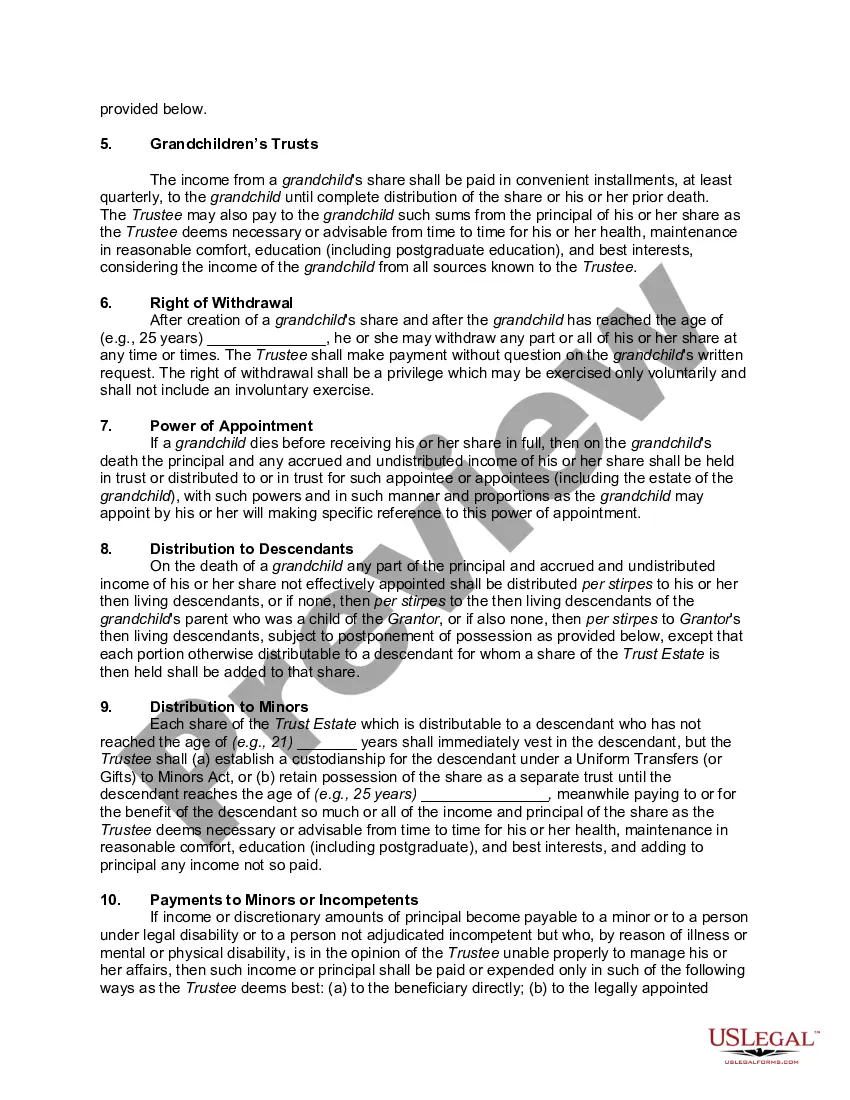
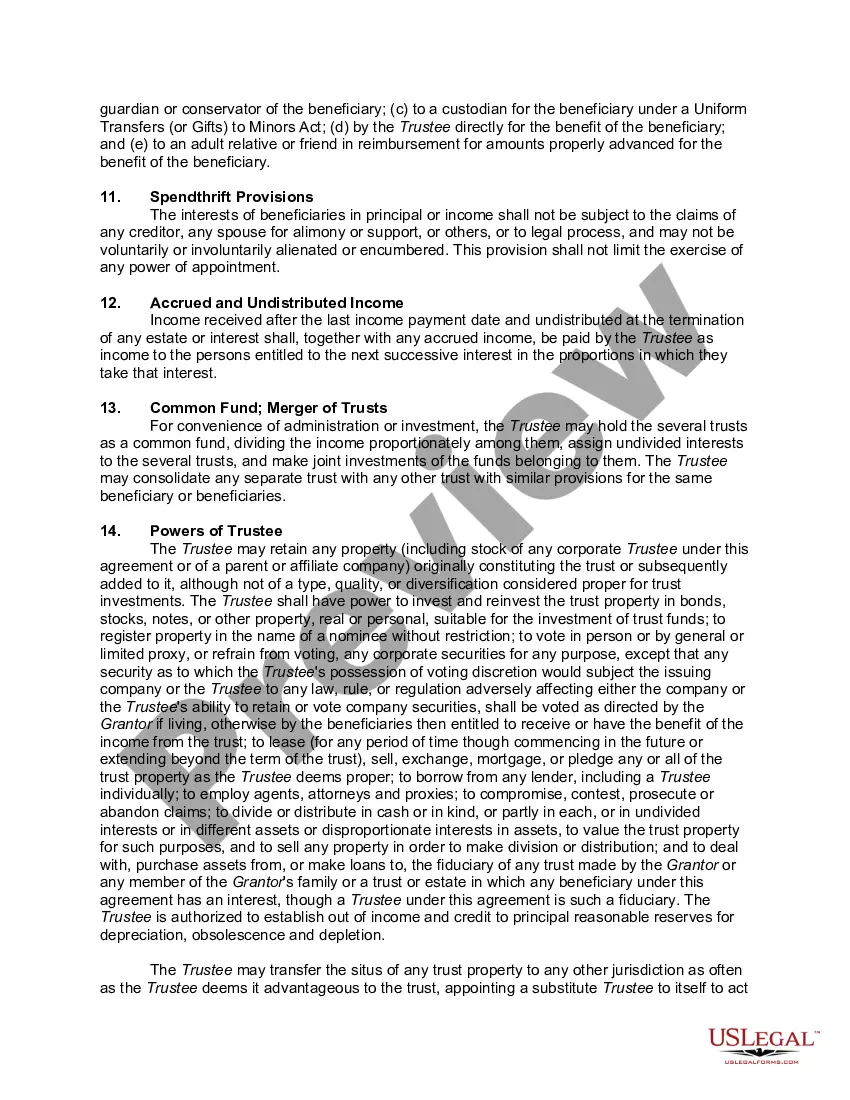
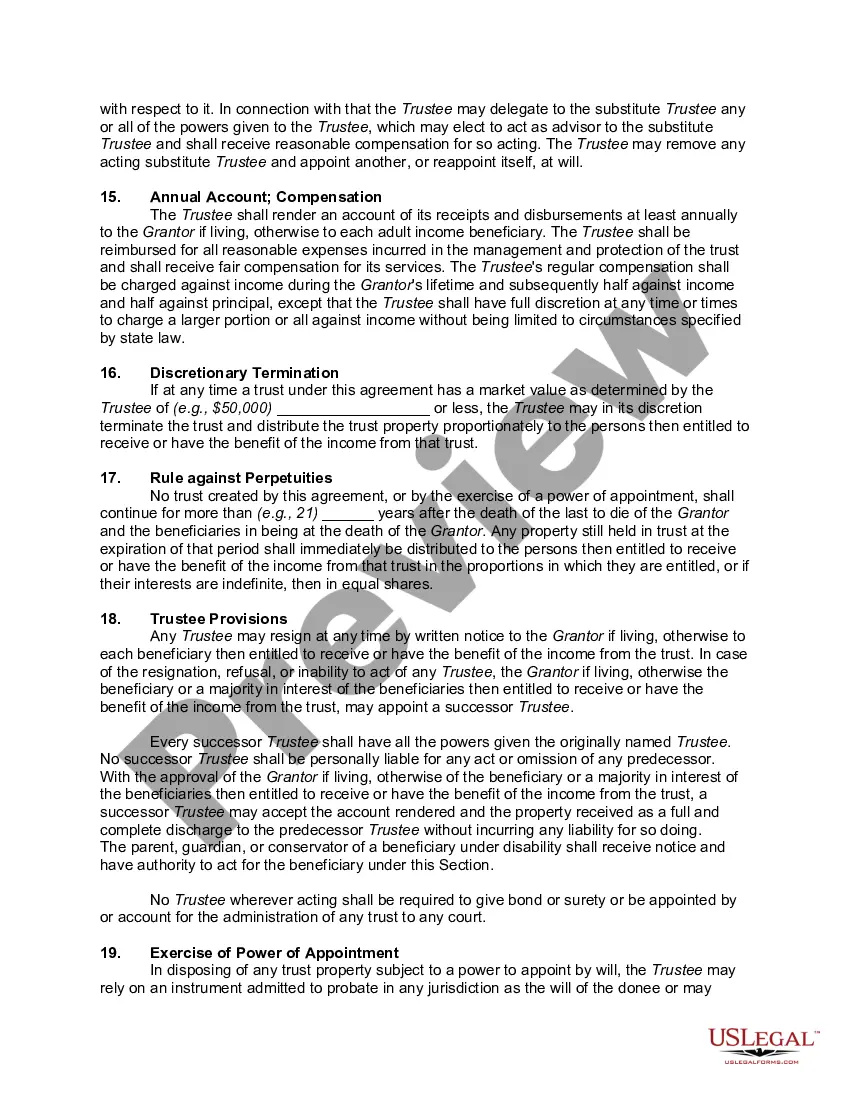
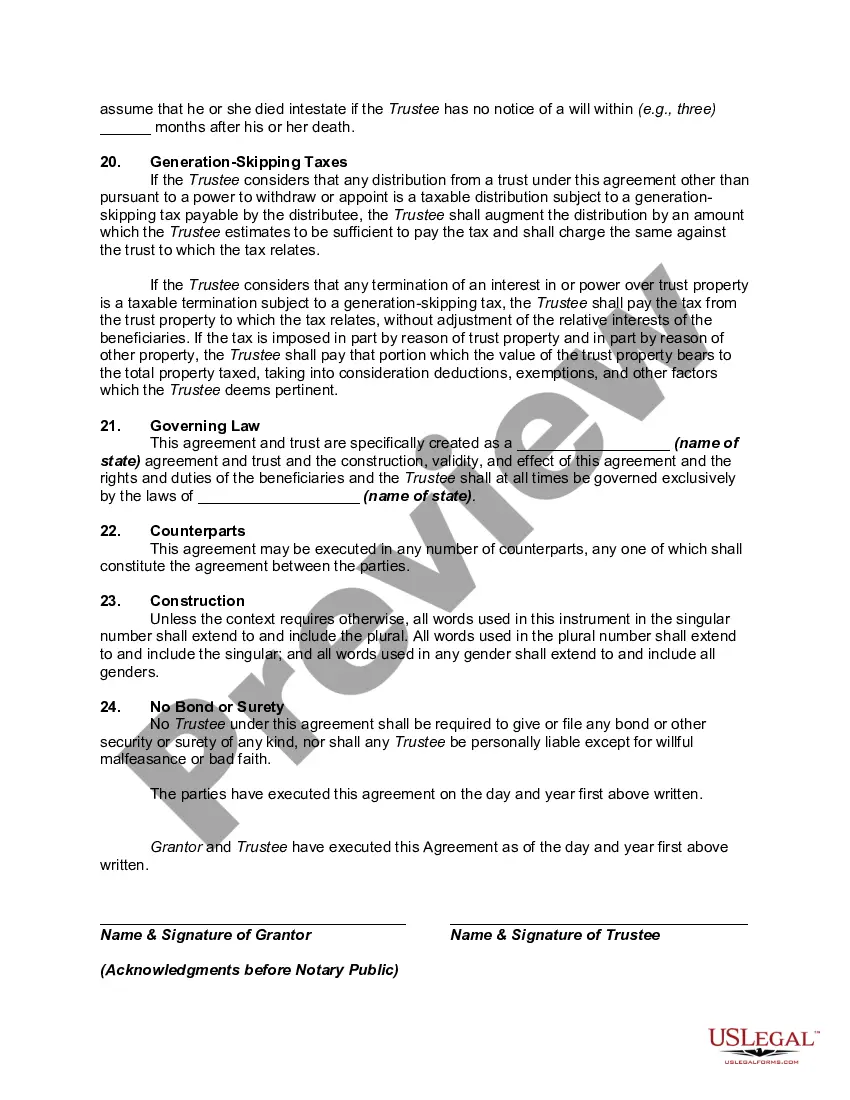

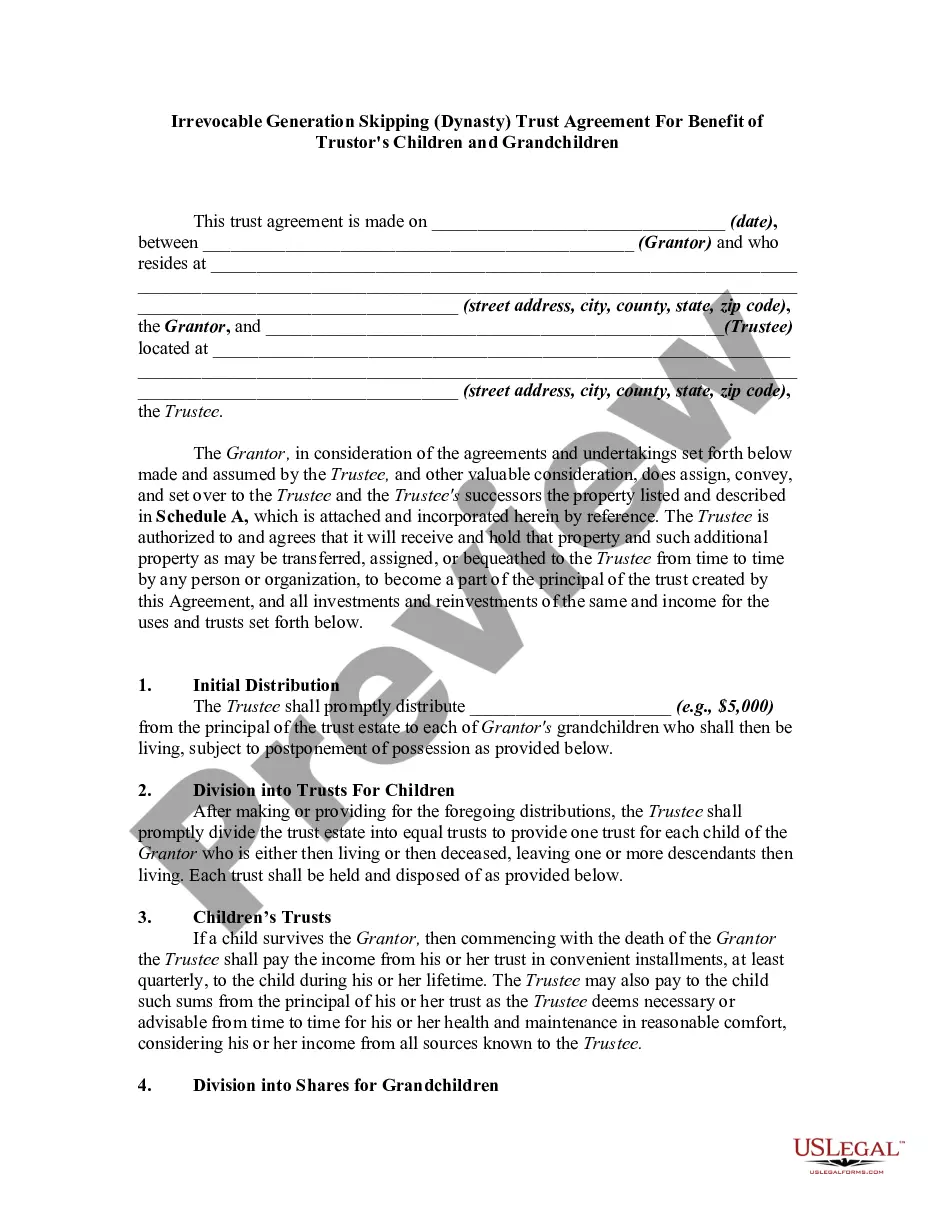
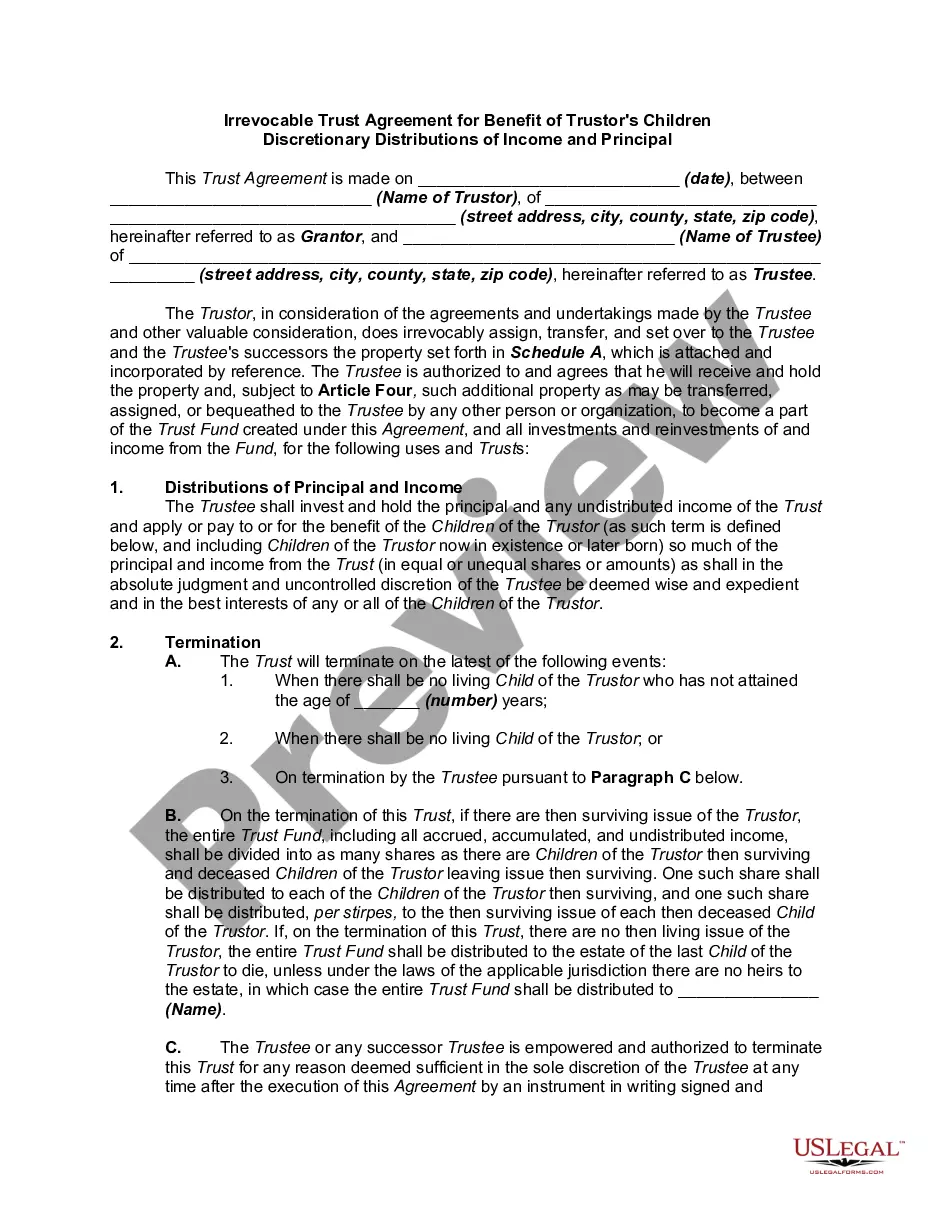


Get your form ready online
Our built-in tools help you complete, sign, share, and store your documents in one place.
Make edits, fill in missing information, and update formatting in US Legal Forms—just like you would in MS Word.
Download a copy, print it, send it by email, or mail it via USPS—whatever works best for your next step.
Sign and collect signatures with our SignNow integration. Send to multiple recipients, set reminders, and more. Go Premium to unlock E-Sign.
If this form requires notarization, complete it online through a secure video call—no need to meet a notary in person or wait for an appointment.
We protect your documents and personal data by following strict security and privacy standards.

Make edits, fill in missing information, and update formatting in US Legal Forms—just like you would in MS Word.

Download a copy, print it, send it by email, or mail it via USPS—whatever works best for your next step.

Sign and collect signatures with our SignNow integration. Send to multiple recipients, set reminders, and more. Go Premium to unlock E-Sign.

If this form requires notarization, complete it online through a secure video call—no need to meet a notary in person or wait for an appointment.

We protect your documents and personal data by following strict security and privacy standards.
Looking for another form?


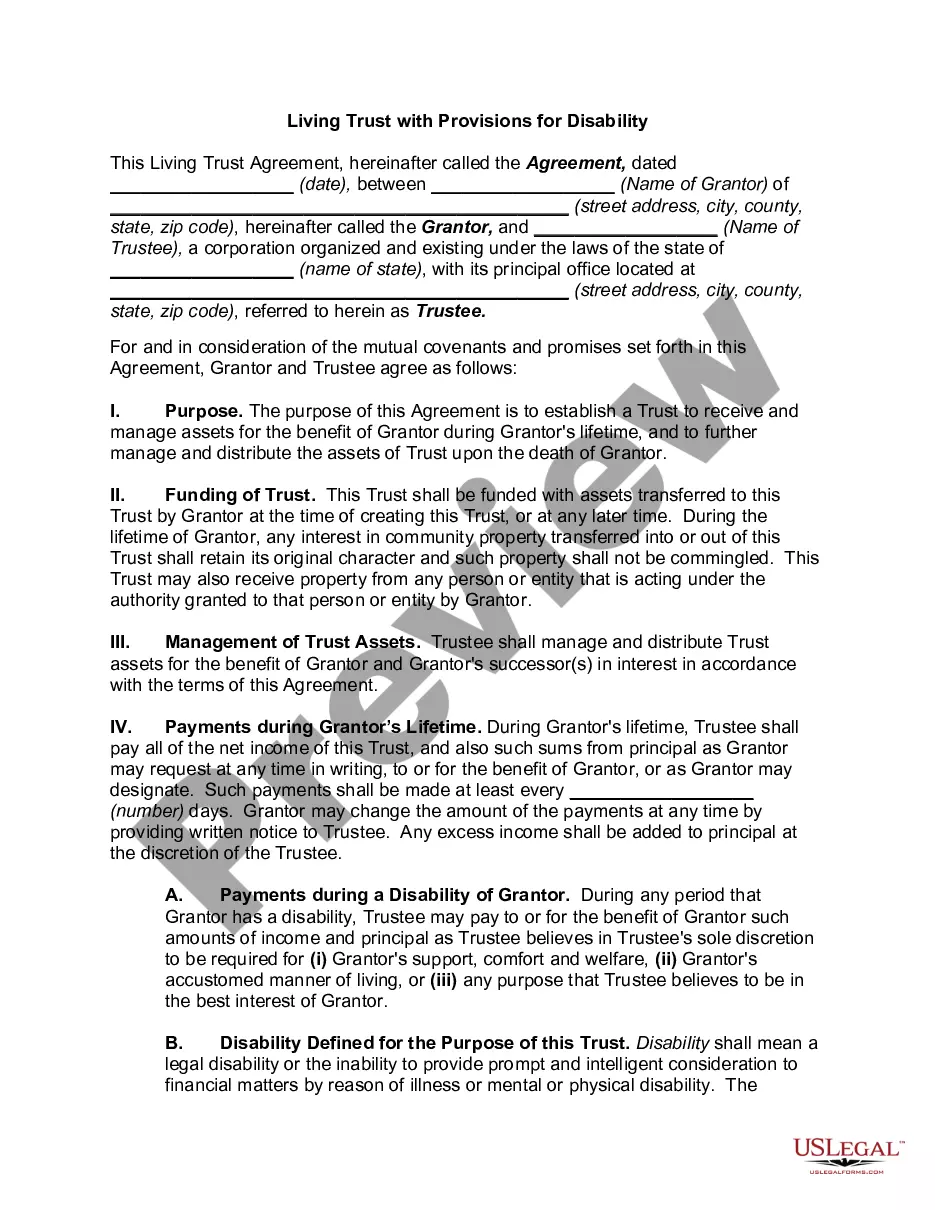






How to fill out Irrevocable Trust Agreement For Benefit Of Trustor's Children And Grandchildren?
Creating legal documents from scratch can frequently be overwhelming.
Certain cases may entail numerous hours of investigation and substantial expenses.
If you're looking for a simpler and more economical method of drafting Trust Form Irrevocable With Life Estate or any other documentation without unnecessary complications, US Legal Forms is always accessible.
Our online repository of over 85,000 current legal documents covers practically every facet of your financial, legal, and personal matters. With just a few clicks, you can swiftly obtain state- and county-compliant templates meticulously crafted for you by our legal experts.
Review whether the template you select adheres to the standards of your state and county. Choose the most appropriate subscription option to acquire the Trust Form Irrevocable With Life Estate. Download the document, and then complete, certify, and print it. US Legal Forms boasts an impeccable reputation and over 25 years of experience. Join us today and transform document completion into a straightforward and efficient process!
- Utilize our site whenever you require trustworthy and dependable services to easily find and download the Trust Form Irrevocable With Life Estate.
- If you’re familiar with our site and have previously created an account with us, simply Log In to your account, locate the form, and download it or re-download it at any later time in the My documents section.
- Not yet registered? No problem. It only takes a few minutes to register and browse the catalog.
- However, before proceeding to download Trust Form Irrevocable With Life Estate, consider these recommendations.
- Examine the form preview and descriptions to confirm you have located the form you require.
Form popularity
FAQ
To establish a trust form irrevocable with life estate, you must include specific language in the trust document that clearly states it is irrevocable. This means once the trust is created, you cannot modify or terminate it without the consent of all beneficiaries. It is wise to consult an attorney to draft your trust correctly and ensure it meets all legal requirements, so you can protect your assets effectively.
Creating a trust form irrevocable with life estate can provide significant benefits. First, it helps protect your assets from creditors, ensuring they remain within your control for your intended beneficiaries. Second, it can aid in tax savings, as the assets in an irrevocable trust are often not considered part of your taxable estate. Lastly, it ensures your assets are distributed according to your wishes, avoiding the complications of probate.
Some people view trusts as less favorable due to the perceived complexity and restrictions they impose. A trust form irrevocable with life estate, for instance, may limit control over assets and leave beneficiaries feeling confused about their rights. Additionally, if not properly managed, trusts can incur significant fees and unwanted tax implications. It’s essential to understand these challenges, but many find the benefits outweigh the negatives.
To fill out an irrevocable trust, begin by gathering your necessary documents, including asset information and beneficiary details. The process typically involves drafting the trust document, which outlines the terms clearly. Using a trust form irrevocable with life estate often requires you to specify who retains rights during their lifetime. Seeking assistance from a legal professional can provide guidance to ensure you complete the tasks correctly.
Trust funds can sometimes create dependency among beneficiaries, as they may rely too heavily on the disbursements. Additionally, a trust form irrevocable with life estate can lead to complex tax situations, potentially making financial management challenging. Furthermore, if not structured properly, a trust might not fulfill the specific wishes of the grantor. It’s important to set clear terms to prevent misunderstandings.
Yes, if you have an irrevocable life insurance trust, you may need to file a tax return for it, depending on its income. Trusts are generally treated as separate entities for tax purposes. With a trust form irrevocable with life estate, any income generated may be taxable. Consulting a tax professional can clarify your responsibilities and help you navigate this requirement smoothly.
Putting assets in a trust can be a practical option for your parents, especially if they want to manage their estate effectively. A trust form irrevocable with life estate can help them retain some control while providing benefits to their heirs. It can simplify the transfer of assets and potentially minimize estate taxes. It's wise for them to consult with an estate planning expert to assess their specific situation.
One downside of placing assets in a trust is that it can limit access to those assets during your lifetime. When using a trust form irrevocable with life estate, you relinquish control over the assets, which can be unsettling for some. Additionally, establishing and managing a trust often involves legal fees, which can add to your costs. It’s essential to weigh these factors against the benefits.
One downside of a life estate is that it can limit the grantor's ability to sell or refinance the property without the consent of the remainderman. Additionally, the remainderman has a vested interest in the property, which may complicate future decisions. It’s essential to consider these factors when using a trust form irrevocable with life estate as part of your estate planning.
After the owner of a life estate dies, the deed is typically transferred to the remainderman listed in the trust or deed. The property will then belong to the remainderman without any additional legal hurdles. Properly structuring your estate using a trust form irrevocable with life estate can ensure clarity and avoid delays in asset distribution.