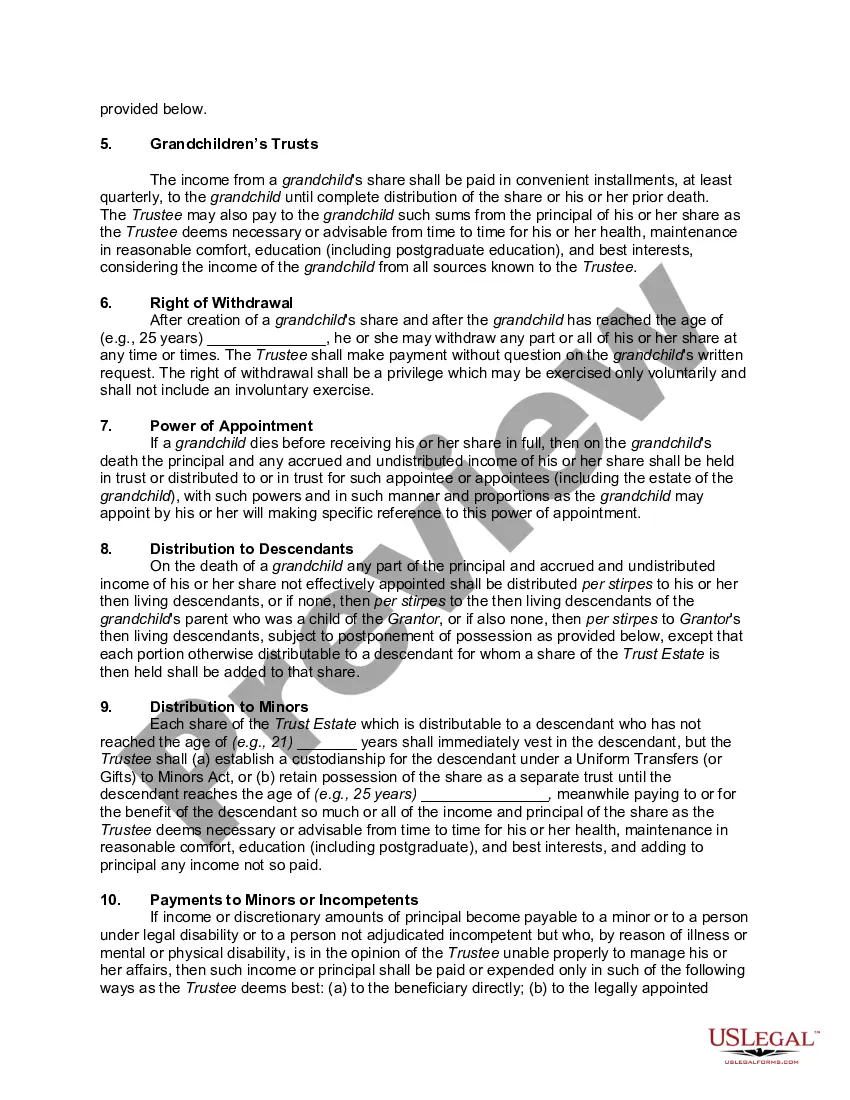
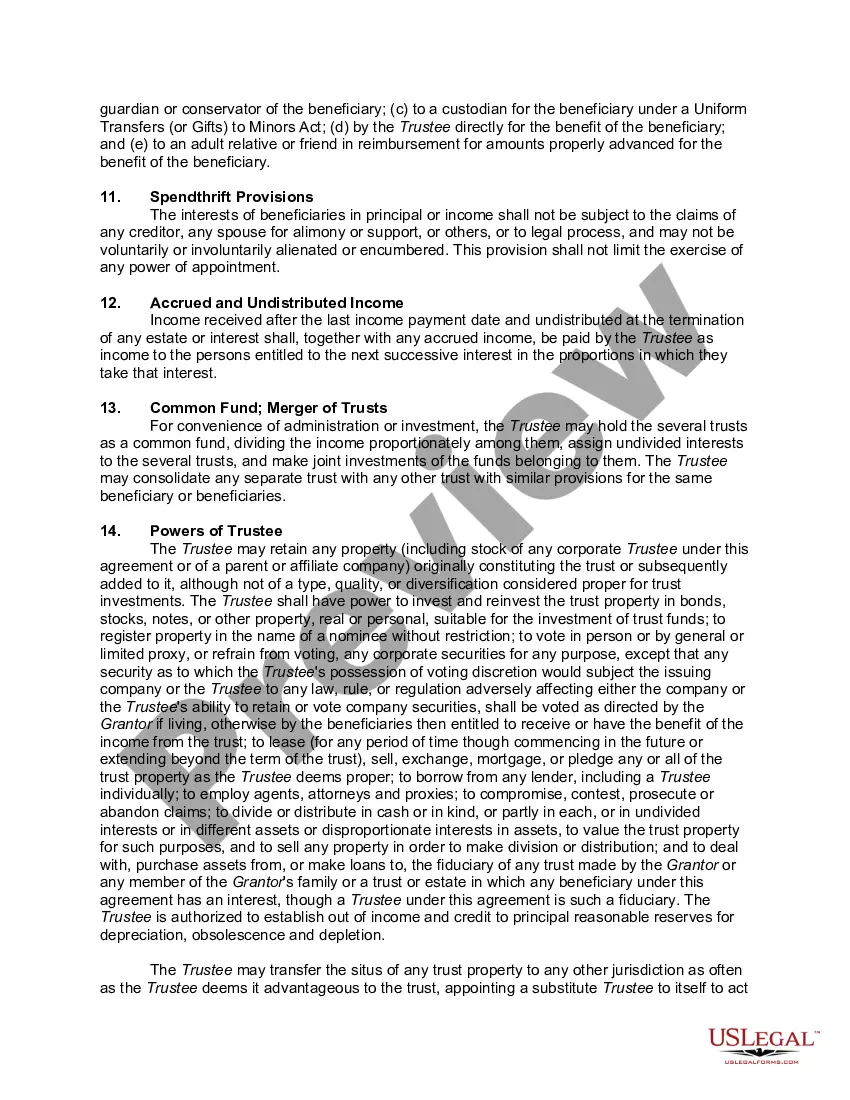
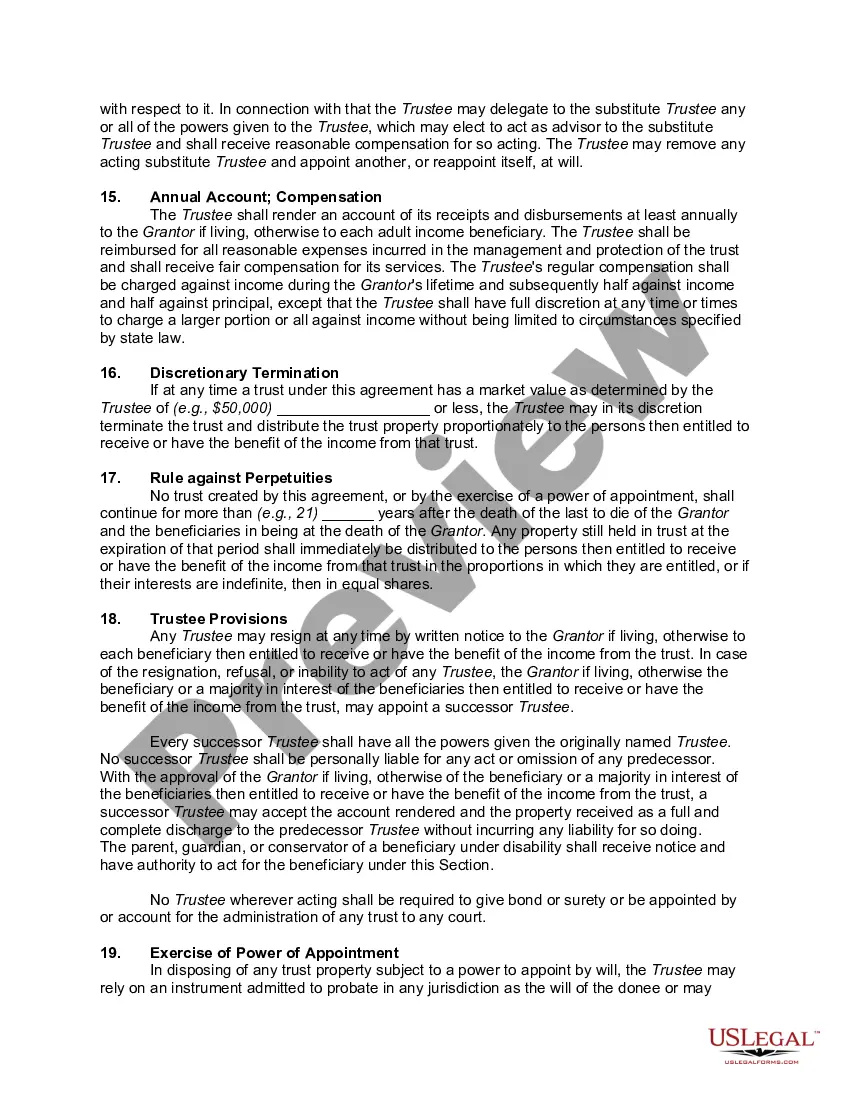
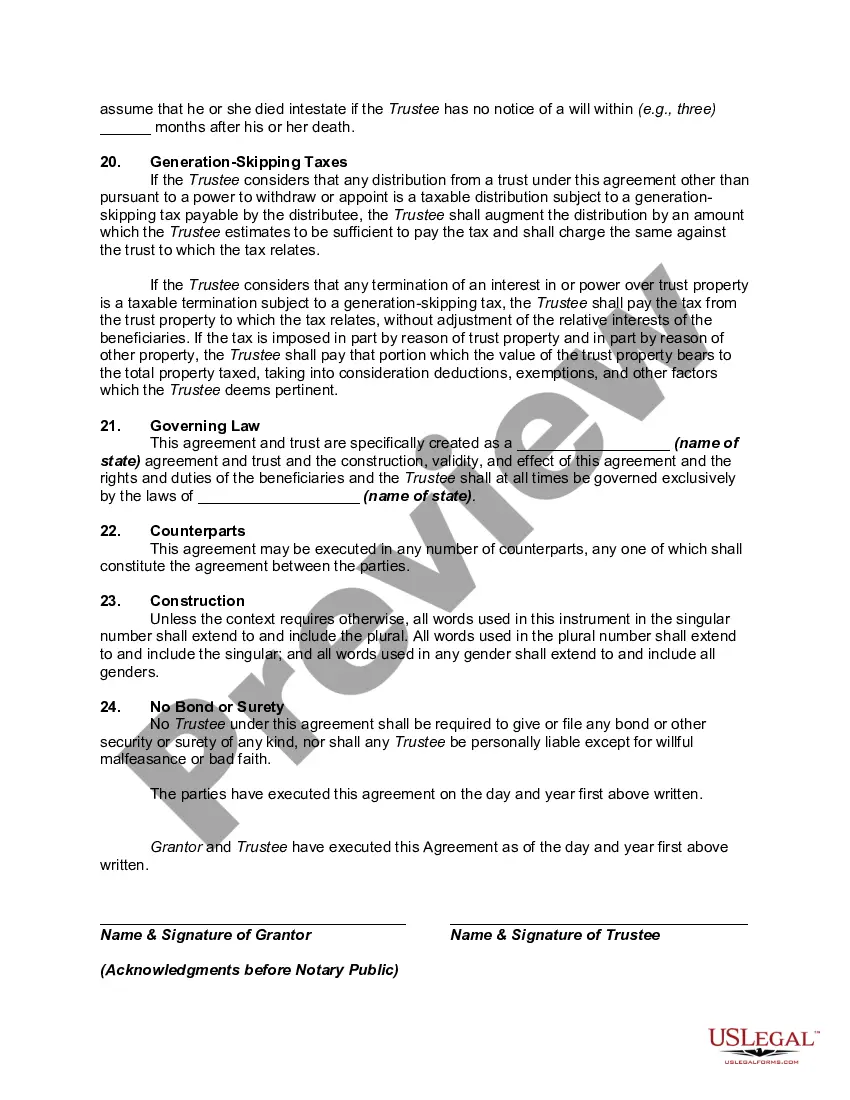
Trust Agreement Form With A Trust
Description


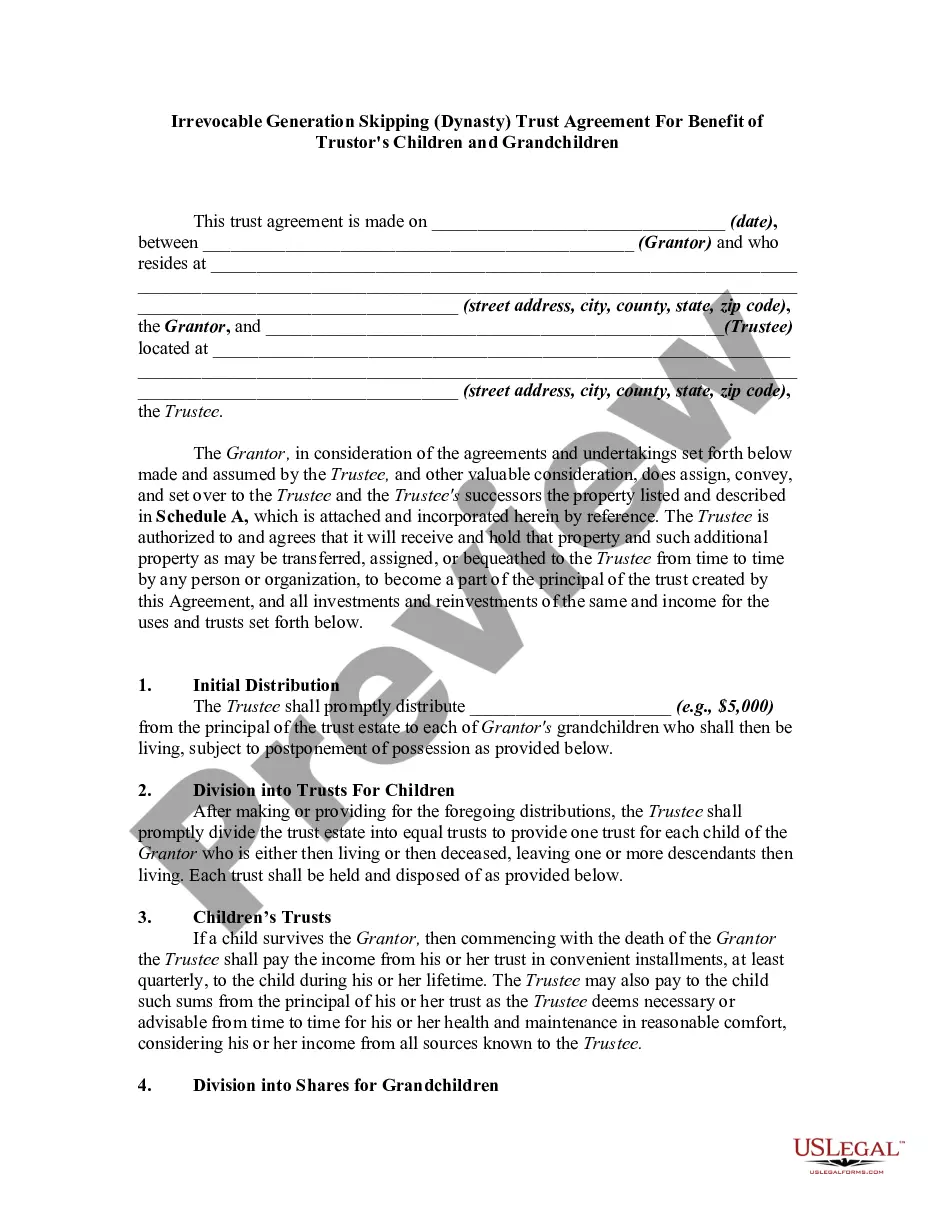
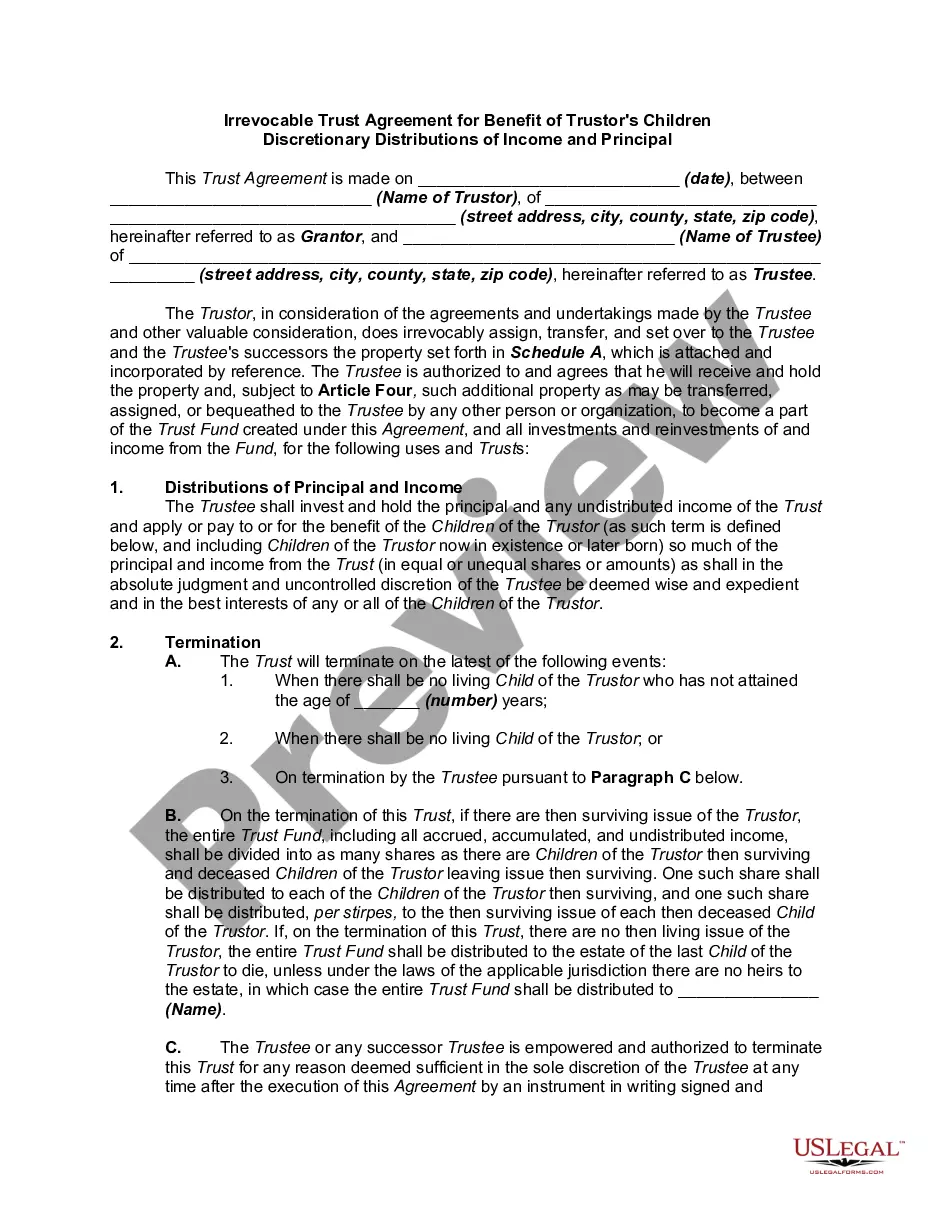


Get your form ready online
Our built-in tools help you complete, sign, share, and store your documents in one place.
Make edits, fill in missing information, and update formatting in US Legal Forms—just like you would in MS Word.
Download a copy, print it, send it by email, or mail it via USPS—whatever works best for your next step.
Sign and collect signatures with our SignNow integration. Send to multiple recipients, set reminders, and more. Go Premium to unlock E-Sign.
If this form requires notarization, complete it online through a secure video call—no need to meet a notary in person or wait for an appointment.
We protect your documents and personal data by following strict security and privacy standards.

Make edits, fill in missing information, and update formatting in US Legal Forms—just like you would in MS Word.

Download a copy, print it, send it by email, or mail it via USPS—whatever works best for your next step.

Sign and collect signatures with our SignNow integration. Send to multiple recipients, set reminders, and more. Go Premium to unlock E-Sign.

If this form requires notarization, complete it online through a secure video call—no need to meet a notary in person or wait for an appointment.

We protect your documents and personal data by following strict security and privacy standards.
Looking for another form?


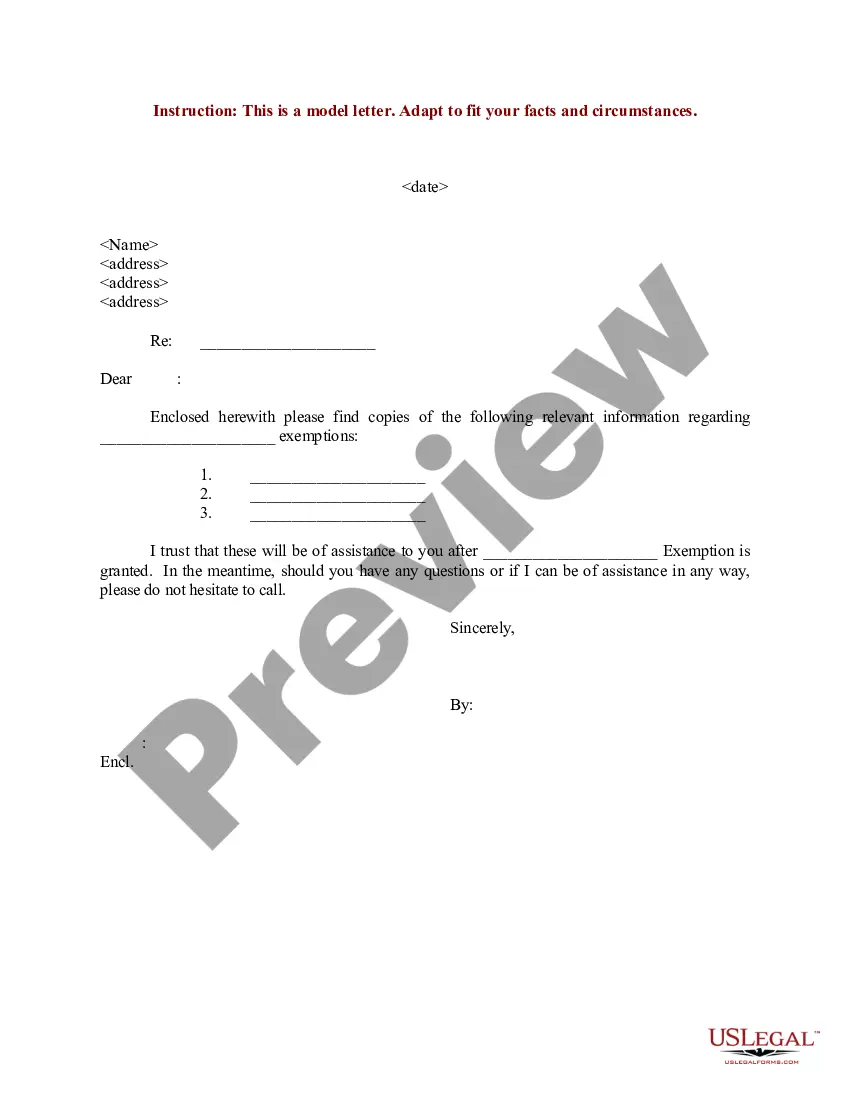






How to fill out Irrevocable Trust Agreement For Benefit Of Trustor's Children And Grandchildren?
- Log in to your US Legal Forms account if you're a returning user. Confirm that your subscription is active, renewing it if necessary.
- For first-time users, begin by previewing the form descriptions. Ensure you select a trust agreement format that aligns with your legal requirements.
- If the initial form isn't suitable, utilize the Search feature to find alternatives that fit your criteria.
- Once you find the right document, proceed to purchase it by clicking the Buy Now button and selecting your preferred subscription plan.
- Complete the purchase using your credit card or PayPal for quick and secure payment.
- Download the trust agreement form onto your device, and access it anytime through the My Forms section of your profile.
In conclusion, US Legal Forms provides an efficient way to handle your legal documentation needs. With a wide variety of templates, expert support, and easy accessibility, you can ensure your trust agreement is both precise and effective.
Get started today and create your trust agreement form with a trust effortlessly!
Form popularity
FAQ
In Illinois, any trust that has income that exceeds the state's threshold must file the IL 1041. Trustees are required to submit this form to report income, deductions, and credits. To facilitate the process, always refer to your Trust agreement form with a trust for accurate information on the trust's financial status. Consulting with a tax professional can further clarify your obligations.
The primary IRS form filed for a trust is Form 1041, which reports the income earned by the trust. To ensure accuracy and compliance, it is beneficial to refer to the Trust agreement form with a trust when filling out this form. Keeping detailed financial records as part of your trust agreement will assist in a smooth filing process. Always seek professional advice when in doubt.
Form 10B is used to report the income or loss of a trust and is essential for keeping accurate financial records. This form complements the Trust agreement form with a trust by providing financial details about the trust's transactions. Understanding Form 10B is important for maintaining compliance. Consider guidance from a tax professional to navigate these requirements.
Yes, you typically need to file IRS Form 1041 for a trust if the trust has income that is taxable. This form reports the income earned by the trust and distributes shares to beneficiaries. It is vital to ensure compliance with the IRS regulations. Having a properly completed Trust agreement form with a trust will aid in the taxation process.
One common mistake parents make when setting up a trust fund is failing to clearly define the beneficiaries and their rights. Without a precise Trust agreement form with a trust, parents may leave room for confusion or conflict among heirs. Clear instructions on how the trust should be managed can prevent disputes in the future. Always consult a legal professional to draft a solid trust agreement.
To file a trust, you typically need a Trust agreement form with a trust. This document outlines the terms of the trust and how the assets will be managed. It's crucial that this form is filled out correctly to ensure that the trust serves its intended purpose. Consider using a platform like US Legal Forms to access customizable templates for your trust agreement.
Deciding whether your parents should put their assets in a trust heavily depends on their specific circumstances and goals. A trust agreement form with a trust can effectively protect assets and streamline the distribution process after their passing. It is wise to encourage them to consult with an estate planning professional who can guide them through the benefits and implications tailored to their needs.
Putting assets in a trust can lead to some drawbacks that you should be aware of. One downside is that once assets are placed in a trust, you may lose direct control over them, depending on the trust's terms. Additionally, there might be costs associated with setting up and maintaining the trust, which you should consider in your estate planning.
A family trust can provide significant benefits, but it also has disadvantages. One notable issue is the potential difficulty in accessing funds without careful planning and communication among family members. Moreover, tax implications may arise if not managed correctly, making it vital to consult professionals when drafting a trust agreement form with a trust.
While a trust agreement form with a trust offers multiple benefits, there are some downfalls to consider. For instance, setting up a trust can involve complex initial costs and legal fees. Additionally, ongoing maintenance and management can be burdensome for those unfamiliar with the intricacies of trust administration.