Trust Agreement Form Printable Format
Description
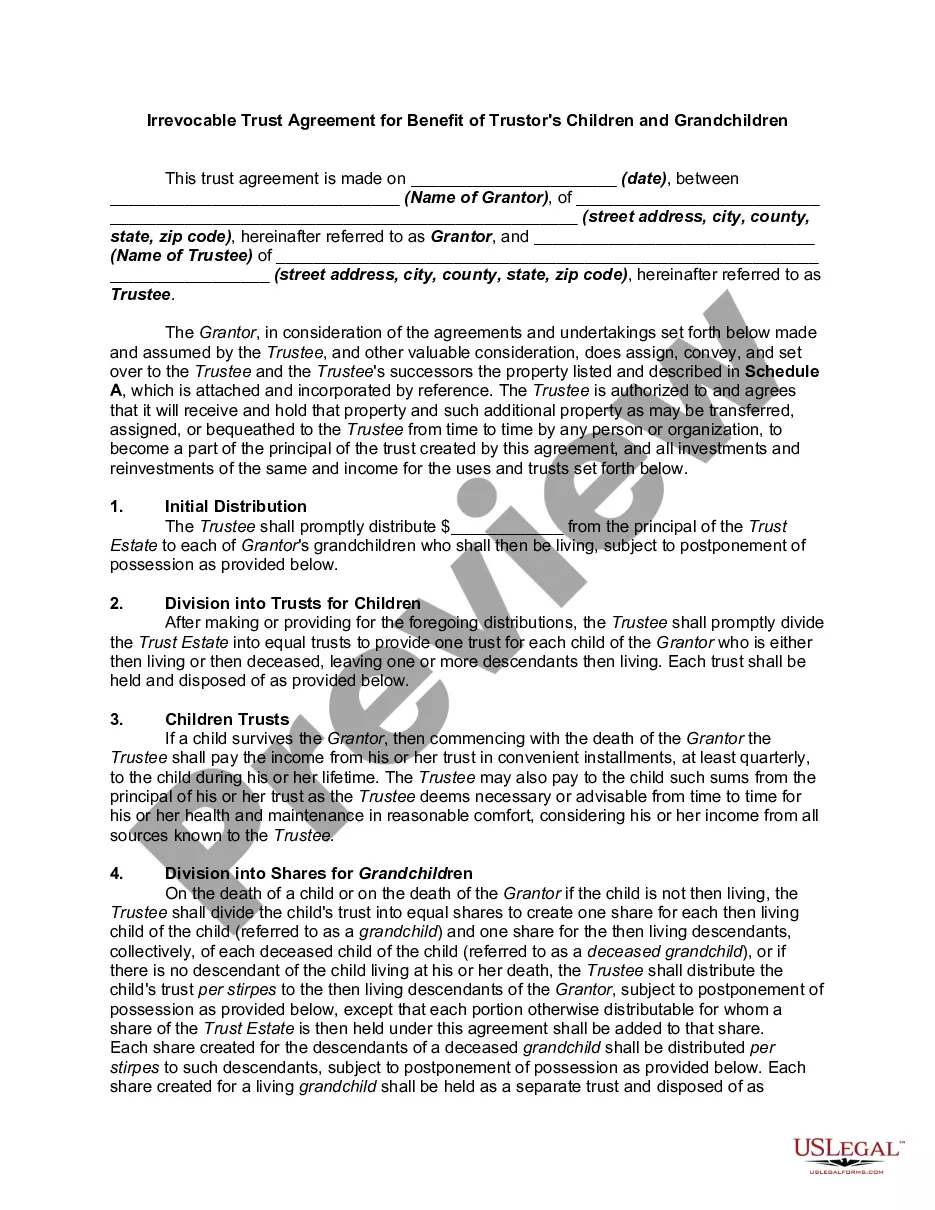
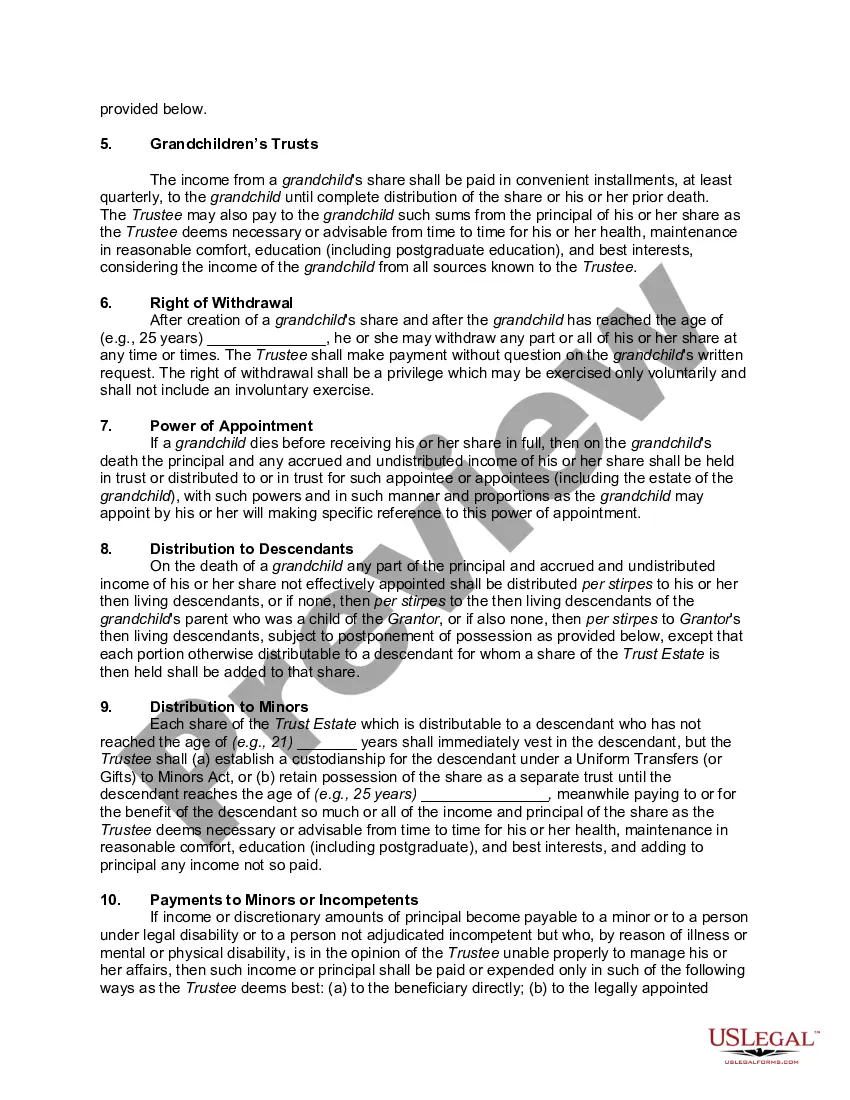
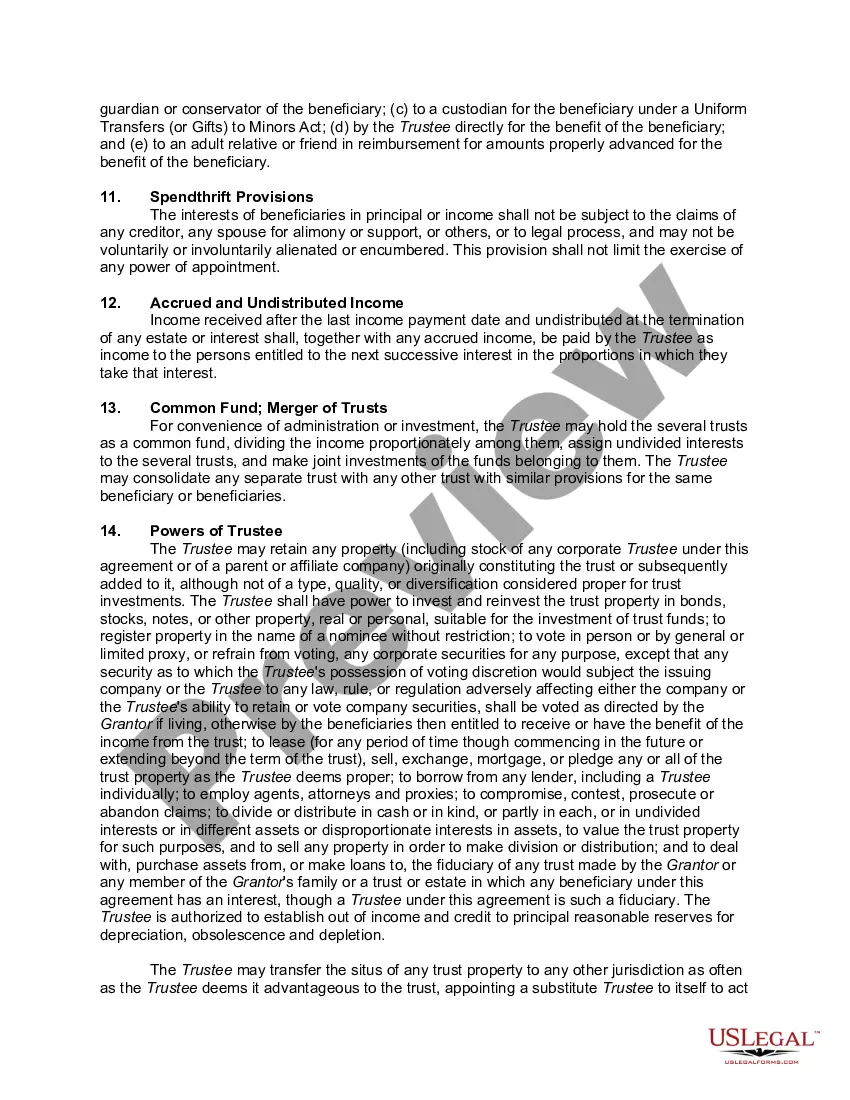
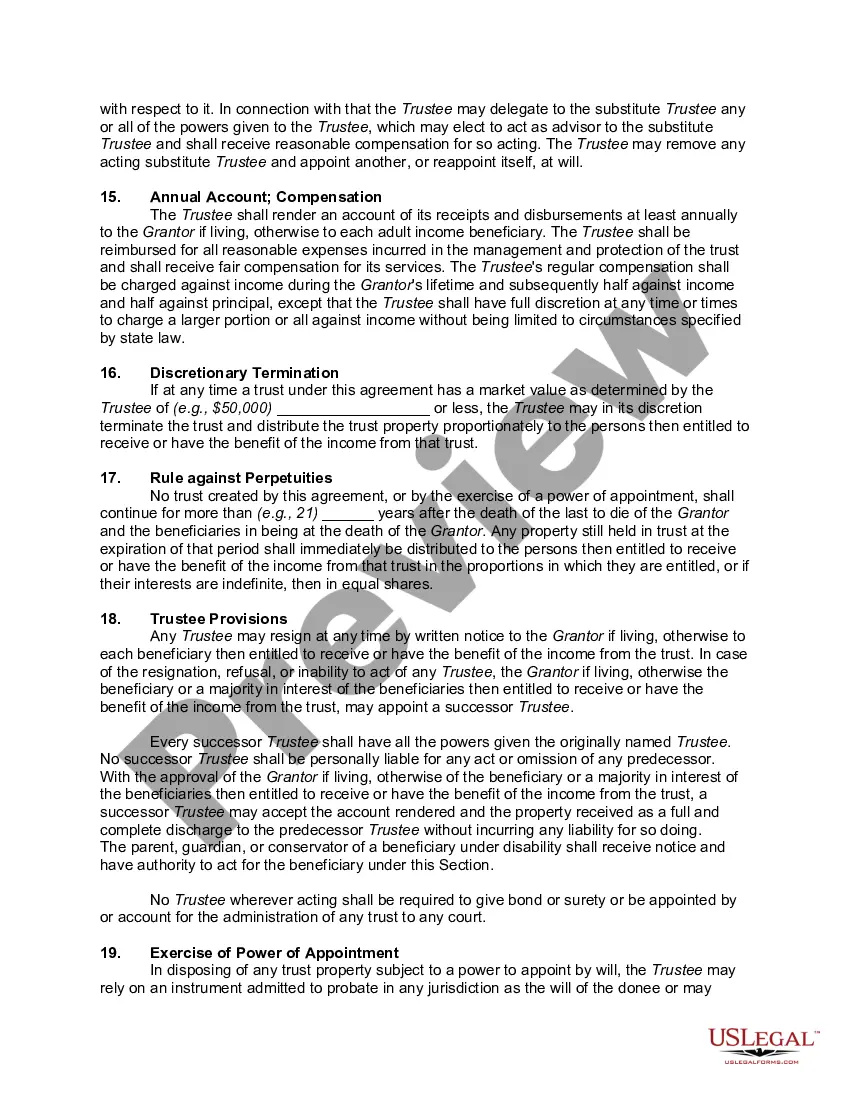
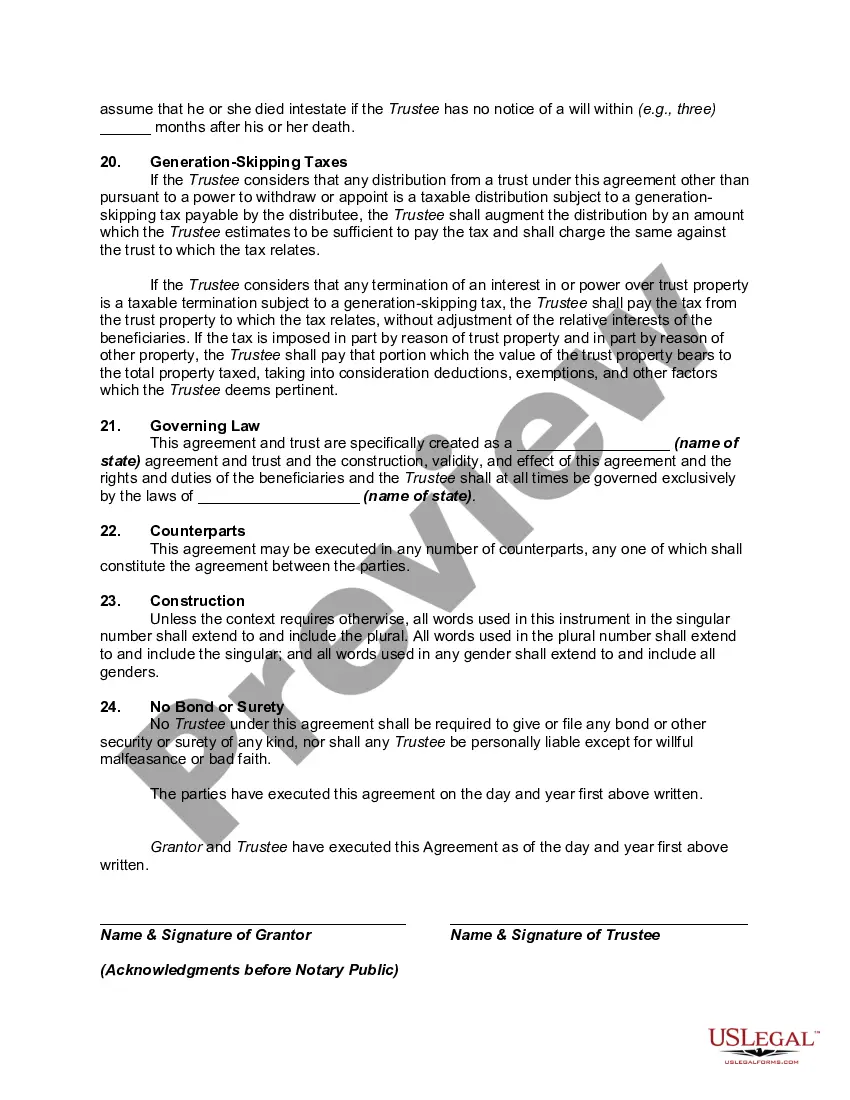

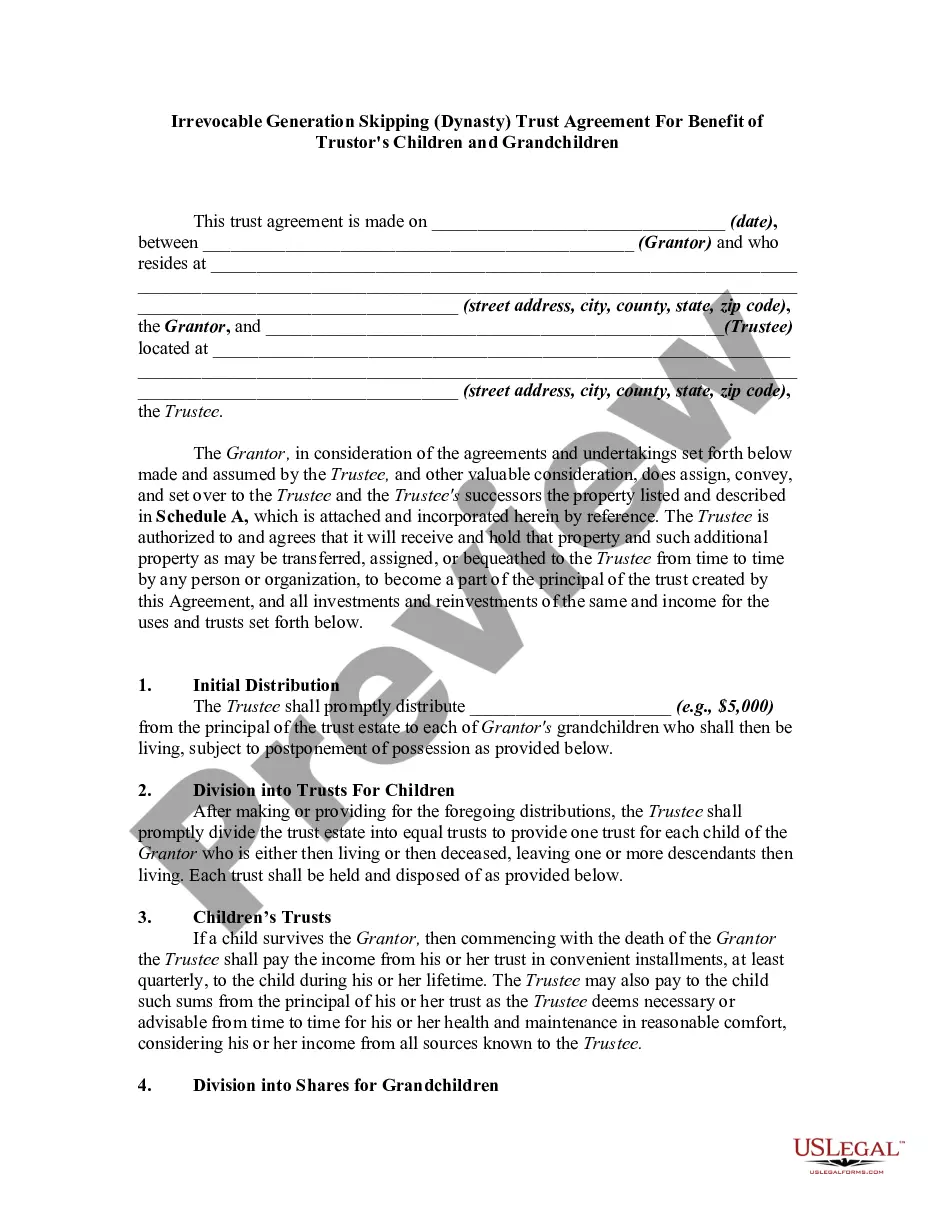
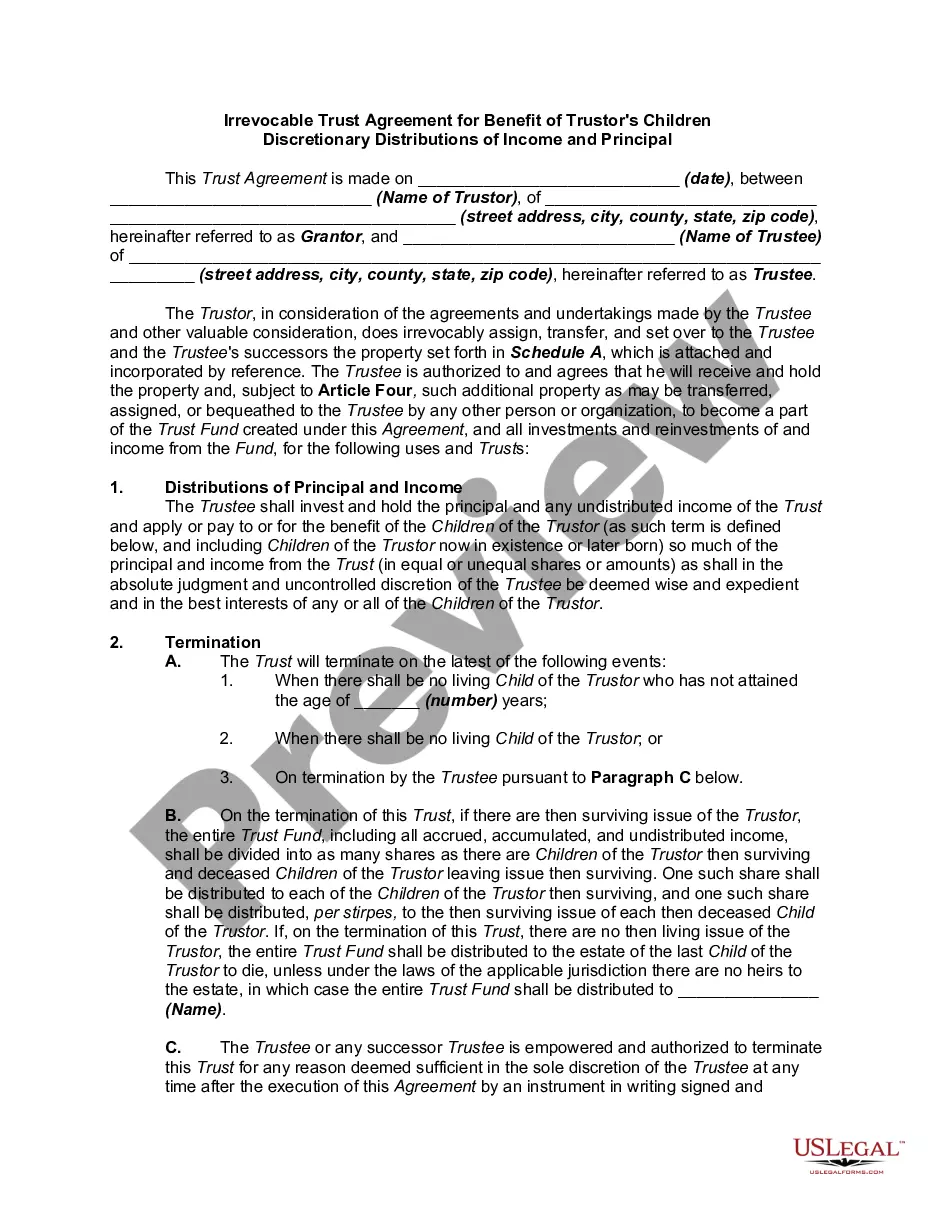

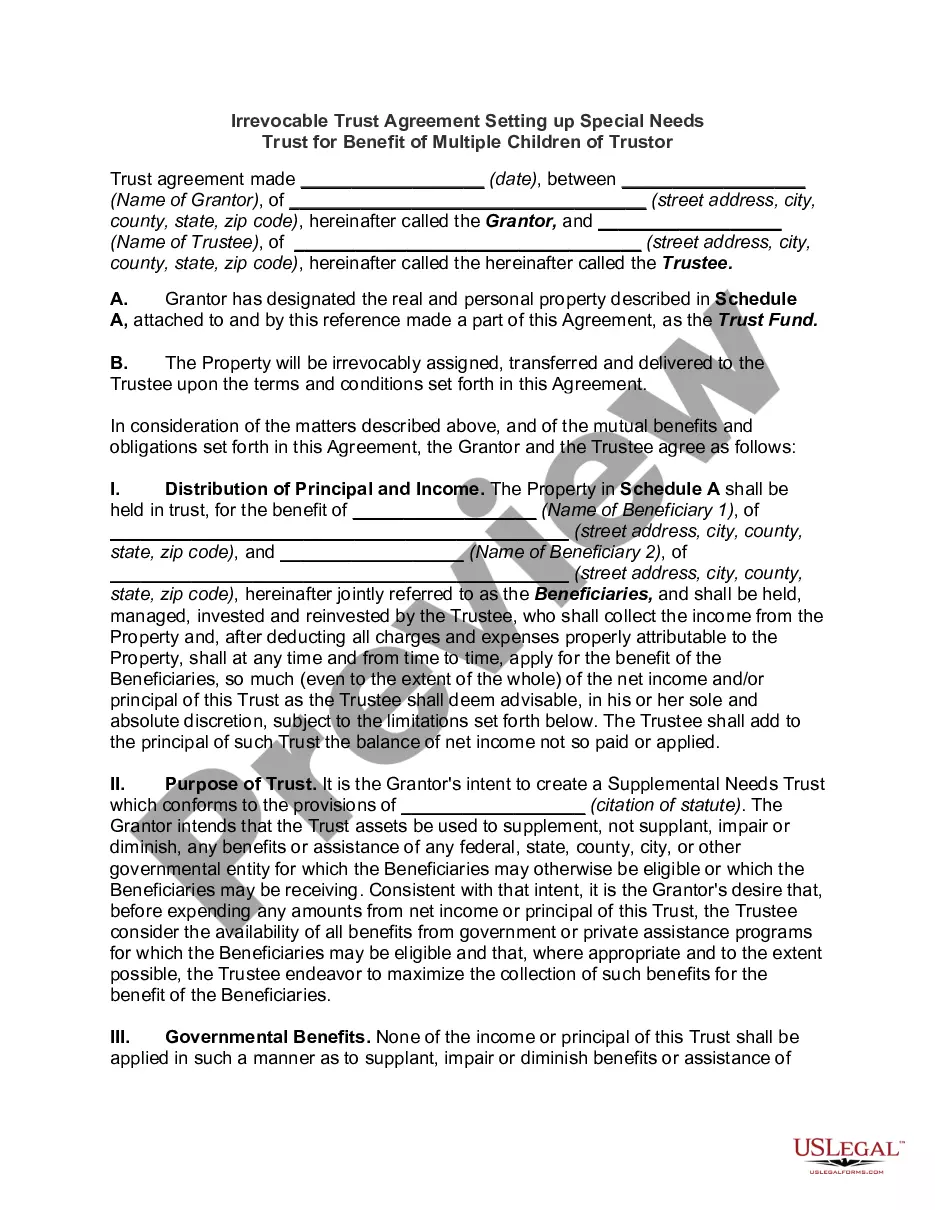
Get your form ready online
Our built-in tools help you complete, sign, share, and store your documents in one place.
Make edits, fill in missing information, and update formatting in US Legal Forms—just like you would in MS Word.
Download a copy, print it, send it by email, or mail it via USPS—whatever works best for your next step.
Sign and collect signatures with our SignNow integration. Send to multiple recipients, set reminders, and more. Go Premium to unlock E-Sign.
If this form requires notarization, complete it online through a secure video call—no need to meet a notary in person or wait for an appointment.
We protect your documents and personal data by following strict security and privacy standards.

Make edits, fill in missing information, and update formatting in US Legal Forms—just like you would in MS Word.

Download a copy, print it, send it by email, or mail it via USPS—whatever works best for your next step.

Sign and collect signatures with our SignNow integration. Send to multiple recipients, set reminders, and more. Go Premium to unlock E-Sign.

If this form requires notarization, complete it online through a secure video call—no need to meet a notary in person or wait for an appointment.

We protect your documents and personal data by following strict security and privacy standards.
Looking for another form?








How to fill out Irrevocable Trust Agreement For Benefit Of Trustor's Children And Grandchildren?
It’s evident that you cannot transform into a legal expert instantly, nor can you swiftly understand how to prepare a Trust Agreement Form Printable Format without possessing a specialized background.
Generating legal documents is a labor-intensive task that demands specific training and expertise. So why not entrust the development of the Trust Agreement Form Printable Format to the professionals.
With US Legal Forms, one of the most comprehensive legal template collections, you can obtain anything from court papers to templates for internal communication.
You can revisit your documents from the My documents section at any time. If you’re a returning customer, you can simply Log In, and find and download the template from the same section.
Regardless of the intent of your paperwork—whether it’s financial and legal, or personal—our website has you covered. Try US Legal Forms today!
- Locate the document you require using the search bar at the top of the page.
- View it (if this feature is available) and read the accompanying description to determine if the Trust Agreement Form Printable Format is what you need.
- Initiate your search again if you require a different template.
- Create a free account and select a subscription option to purchase the form.
- Click Buy now. Once the payment is processed, you can download the Trust Agreement Form Printable Format, complete it, print it, and send it or mail it to the intended individuals or organizations.
Form popularity
FAQ
A trust agreement is a legal document containing, terms, conditions and provisions that allows the trustor to transfer the ownership of assets to the trustee to be held for the trustor's beneficiaries.
A Trust Fund is a legal entity that contains assets or property on behalf of a person or organization. Trust Funds are managed by a Trustee, who is named when the Trust is created. Trust Funds can contain money, bank accounts, property, stocks, businesses, heirlooms, and any other investment types.
As the owner of a small business, you may encounter a trust agreement, or instrument, that includes the term ?UDT? or, more commonly, ?U/D/T.? A trust is a legal arrangement in which a person controls assets for the benefit of someone else or for himself, and some trust agreements use the abbreviation UDT.
As the owner of a small business, you may encounter a trust agreement, or instrument, that includes the term ?UDT? or, more commonly, ?U/D/T.? A trust is a legal arrangement in which a person controls assets for the benefit of someone else or for himself, and some trust agreements use the abbreviation UDT.
A family trust is a trust that benefits the children, grandchildren, siblings, spouse or other family members of the person establishing the trust (grantor). Family trusts are common in estate planning to ensure certain beneficiaries receive assets when the grantor dies. They can be revocable or irrevocable.