Irrevocable Trust Withdrawals With A Beneficiary
Description



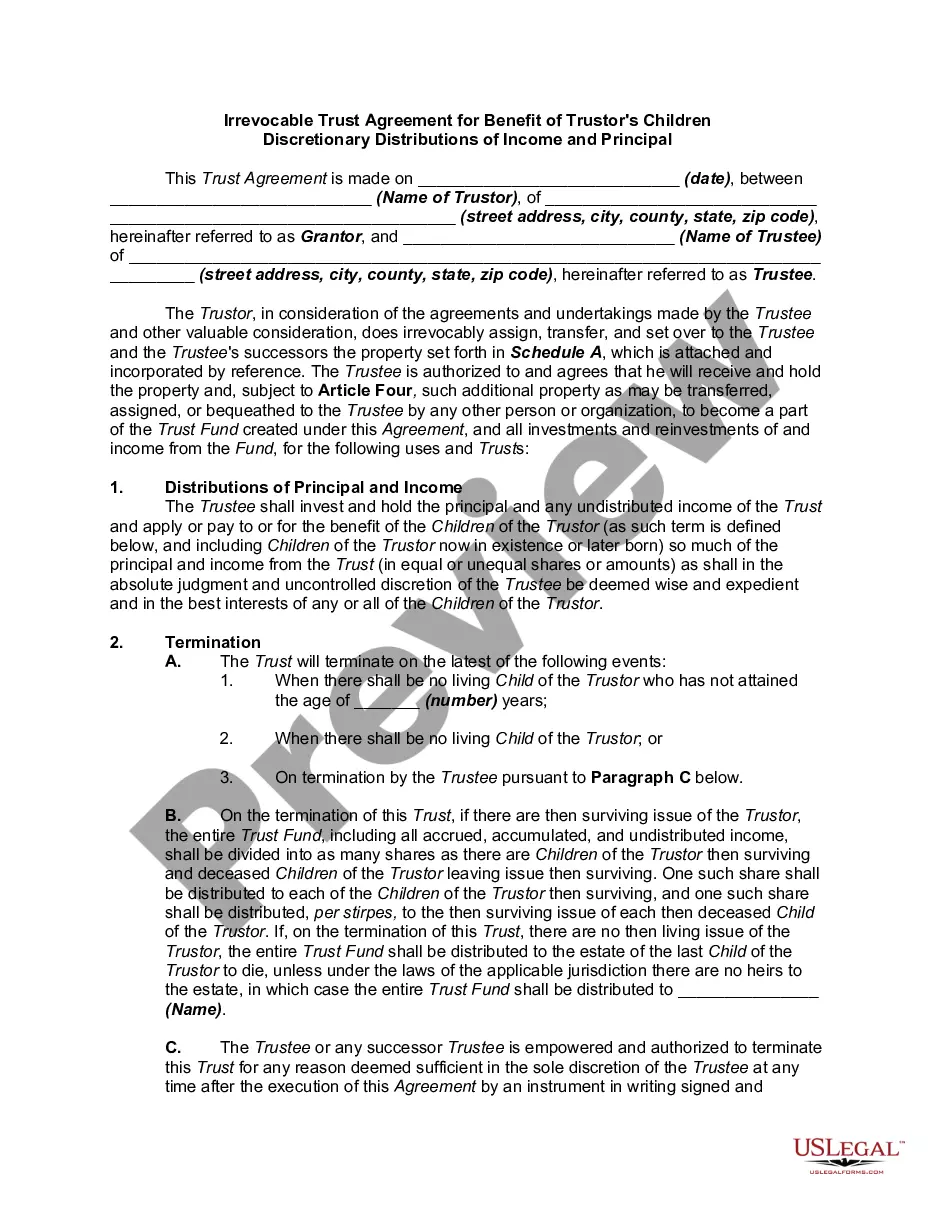


Get your form ready online
Our built-in tools help you complete, sign, share, and store your documents in one place.
Make edits, fill in missing information, and update formatting in US Legal Forms—just like you would in MS Word.
Download a copy, print it, send it by email, or mail it via USPS—whatever works best for your next step.
Sign and collect signatures with our SignNow integration. Send to multiple recipients, set reminders, and more. Go Premium to unlock E-Sign.
If this form requires notarization, complete it online through a secure video call—no need to meet a notary in person or wait for an appointment.
We protect your documents and personal data by following strict security and privacy standards.

Make edits, fill in missing information, and update formatting in US Legal Forms—just like you would in MS Word.

Download a copy, print it, send it by email, or mail it via USPS—whatever works best for your next step.

Sign and collect signatures with our SignNow integration. Send to multiple recipients, set reminders, and more. Go Premium to unlock E-Sign.

If this form requires notarization, complete it online through a secure video call—no need to meet a notary in person or wait for an appointment.

We protect your documents and personal data by following strict security and privacy standards.
Looking for another form?









How to fill out Irrevocable Trust Agreement For Benefit Of Trustor's Children And Grandchildren?
- If you are a returning user, log in to your account, ensuring your subscription is active, then locate the needed form template and click the Download button.
- For first-time users, begin by exploring the form descriptions and preview modes to verify that the selected document aligns with your needs and local laws.
- If necessary, use the Search tab to find any alternative templates that suit your requirements. Be thorough in your search to avoid inconsistencies.
- To proceed, click the Buy Now button, select the subscription plan that fits you best, and create an account for full access.
- Make your payment securely by entering your credit card information or utilizing your PayPal account.
- Finally, download your legal form directly to your device, and retrieve it anytime from the My Forms section in your profile.
By following these steps, you'll be equipped with the proper documentation for irrevocable trust withdrawals. US Legal Forms not only enhances your legal document experience but also ensures that you have more forms than competitors at a similar cost.
Start your journey with US Legal Forms today and access a wealth of legal documents to meet your needs seamlessly. Don’t wait—get started now!
Form popularity
FAQ
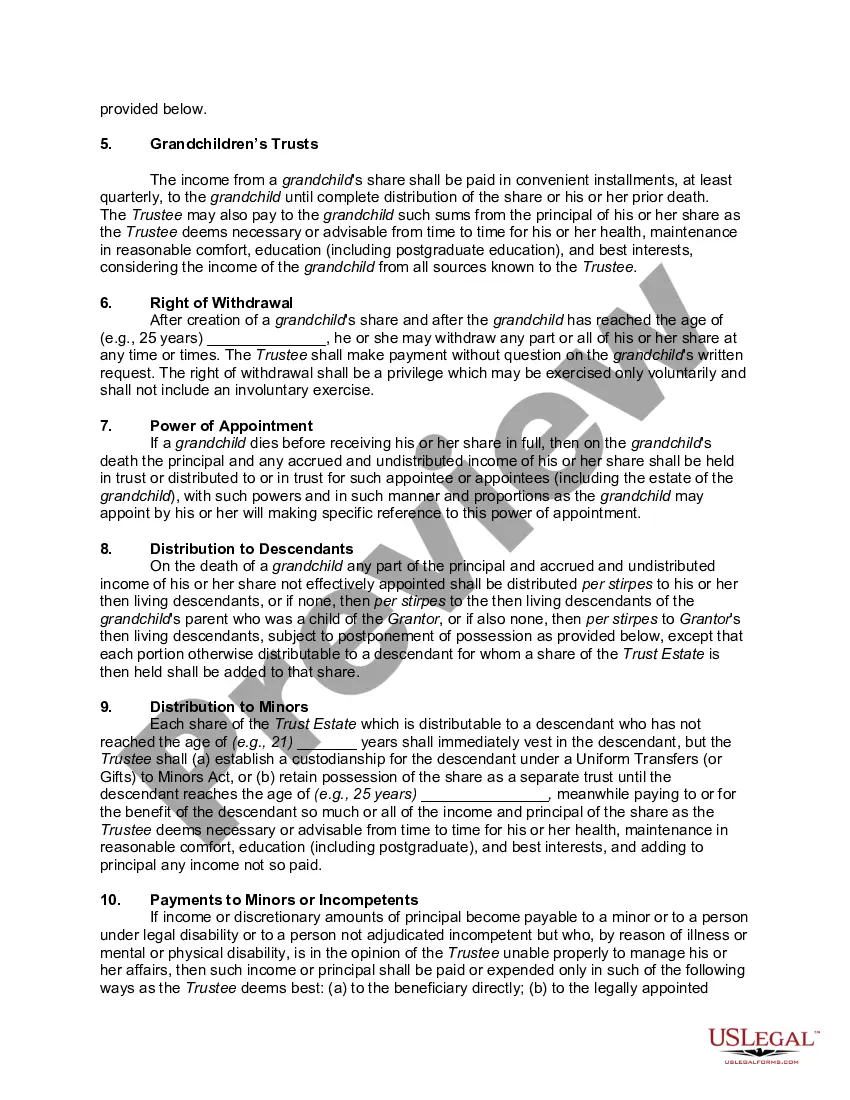
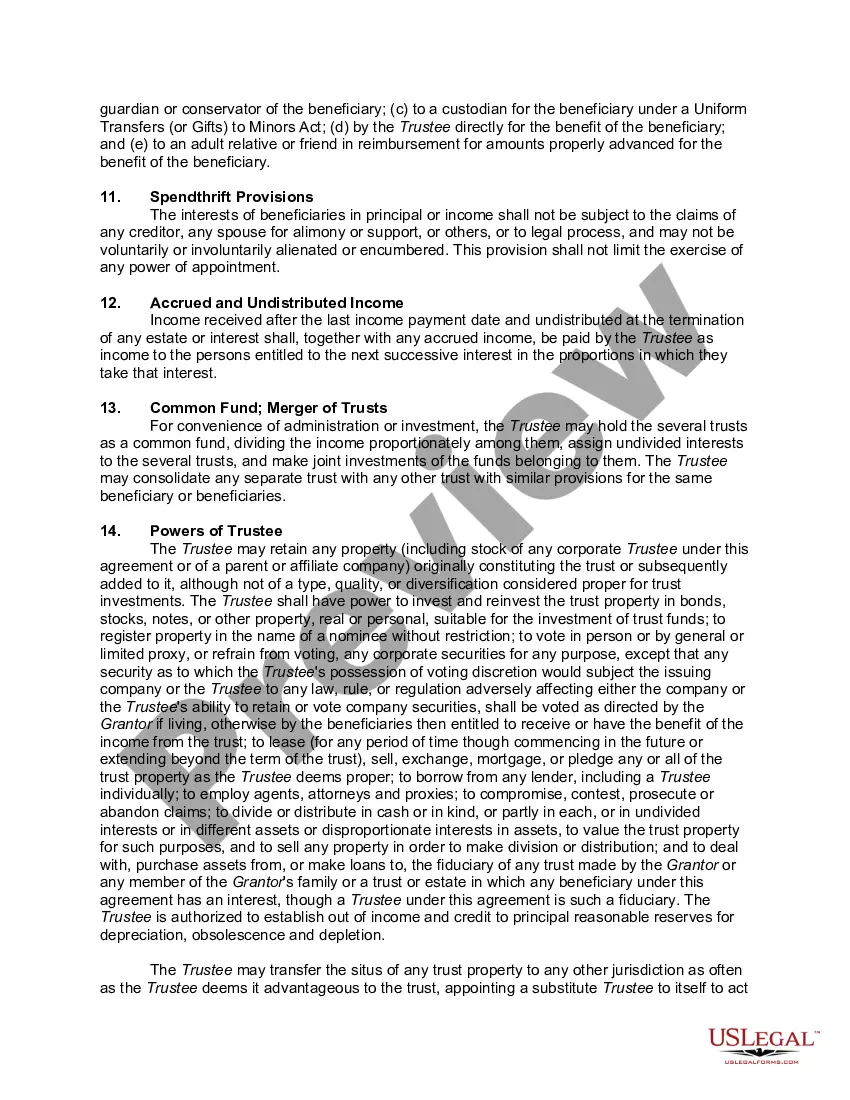
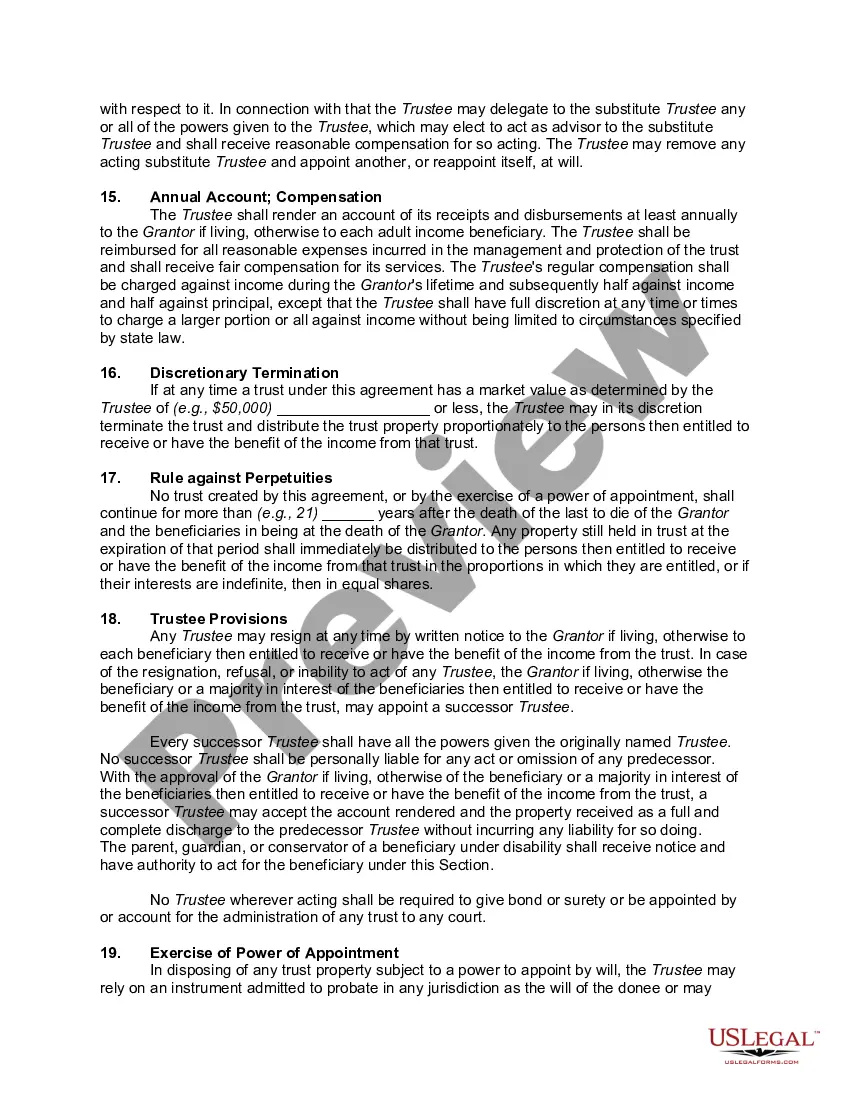
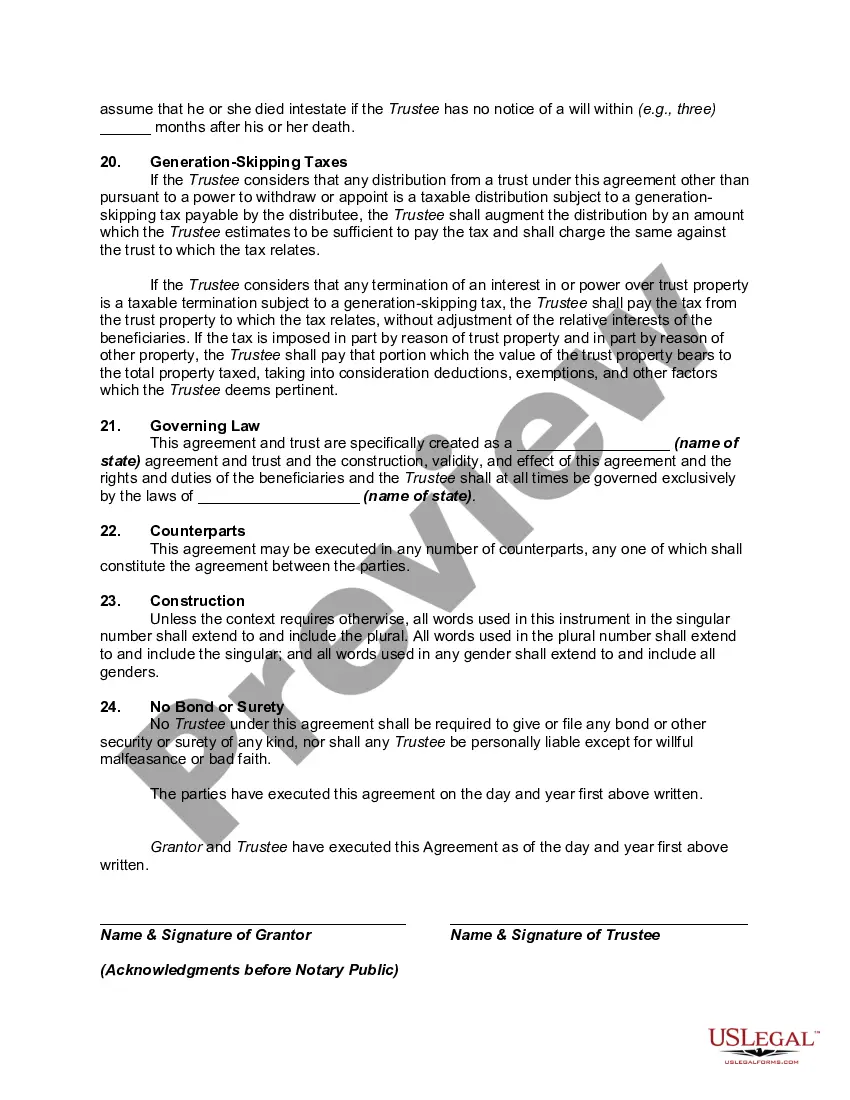
Exiting an irrevocable trust often requires a deliberate process, starting with reviewing the trust document itself. In some cases, beneficiaries may work together to agree on modifications, while in others, court intervention may be necessary. It’s advisable to seek legal guidance to explore your options and understand how to make irrevocable trust withdrawals with a beneficiary effectively. Platforms like uslegalforms can provide essential resources and documentation to support you in this journey.
The 5 year rule is significant when it comes to irrevocable trusts as it can affect the eligibility for Medicaid and other benefits. Essentially, if a grantor withdraws assets from the irrevocable trust with a beneficiary within five years of applying for benefits, those assets may be considered available. Understanding this rule can help you make informed decisions regarding irrevocable trust withdrawals with a beneficiary, ensuring that your financial planning aligns with your long-term goals.
Generally, getting out of an irrevocable trust is challenging because the trust’s terms are set and cannot be easily changed. However, under specific circumstances, such as court approval or the trust's terms allowing for modifications, it may be possible to make irrevocable trust withdrawals with a beneficiary. Consulting with a legal professional can provide clarity on your options and help you navigate this complex process.
A beneficiary of an irrevocable trust can access the benefits designated by the grantor, which may include income generated by the trust assets or access to specific properties. Additionally, beneficiaries must adhere to the terms set in the trust document, which can influence their ability to manage and utilize trust assets. It's vital to understand the rules surrounding irrevocable trust withdrawals with a beneficiary, so consult resources like US Legal Forms to clarify your rights and options.
Beneficiaries can typically withdraw from an irrevocable trust when the trust document permits such actions. This often depends on the specific terms outlined by the grantor. Moreover, it's essential for beneficiaries to understand that irrevocable trust withdrawals with a beneficiary may only occur under certain conditions, such as reaching a specific age or upon the grantor's passing. For more assistance with navigating these terms, consider exploring US Legal Forms for comprehensive resources.
Retrieving assets from an irrevocable trust can be complex, as the grantor relinquished control over those assets upon its creation. However, beneficiaries may receive distributions as specified in the trust terms. If you seek to navigate irrevocable trust withdrawals with a beneficiary, seeking guidance through platforms like US Legal Forms can provide clarity and resources to ensure compliance with legal requirements.
When the person who created the irrevocable trust passes away, the trust typically becomes irrevocable and continues to manage its assets. The assets will be distributed to the beneficiaries as outlined in the trust document. This process allows beneficiaries to receive their inheritance seamlessly and efficiently. Understanding irrevocable trust withdrawals with a beneficiary ensures that the transition aligns with the grantor's intentions.
To report distributions from an irrevocable trust with a beneficiary, recipients must include the amount received in their annual tax filings. Form 1041, the U.S. Income Tax Return for Estates and Trusts, is typically used, along with Schedule K-1 for beneficiaries. Proper documentation is vital to avoid any discrepancies with the IRS. Consider using platforms like USLegalForms to facilitate seamless reporting and compliance.
One significant mistake parents make in establishing a trust fund is failing to communicate their intentions clearly. Without proper communication, beneficiaries may not understand the purpose of irrevocable trust withdrawals with a beneficiary. This lack of clarity can lead to misunderstandings and conflicts down the line. Using clear documentation and discussions can prevent these issues.
The recent IRS rule regarding irrevocable trust withdrawals with a beneficiary focuses on reporting requirements and tax treatment. The IRS has clarified how beneficiaries should report trust income on their tax returns. Understanding these changes can help beneficiaries better navigate their tax responsibilities. It’s wise to stay updated on these regulations to ensure full compliance.