Irrevocable Trust Withdrawals For Tax
Description




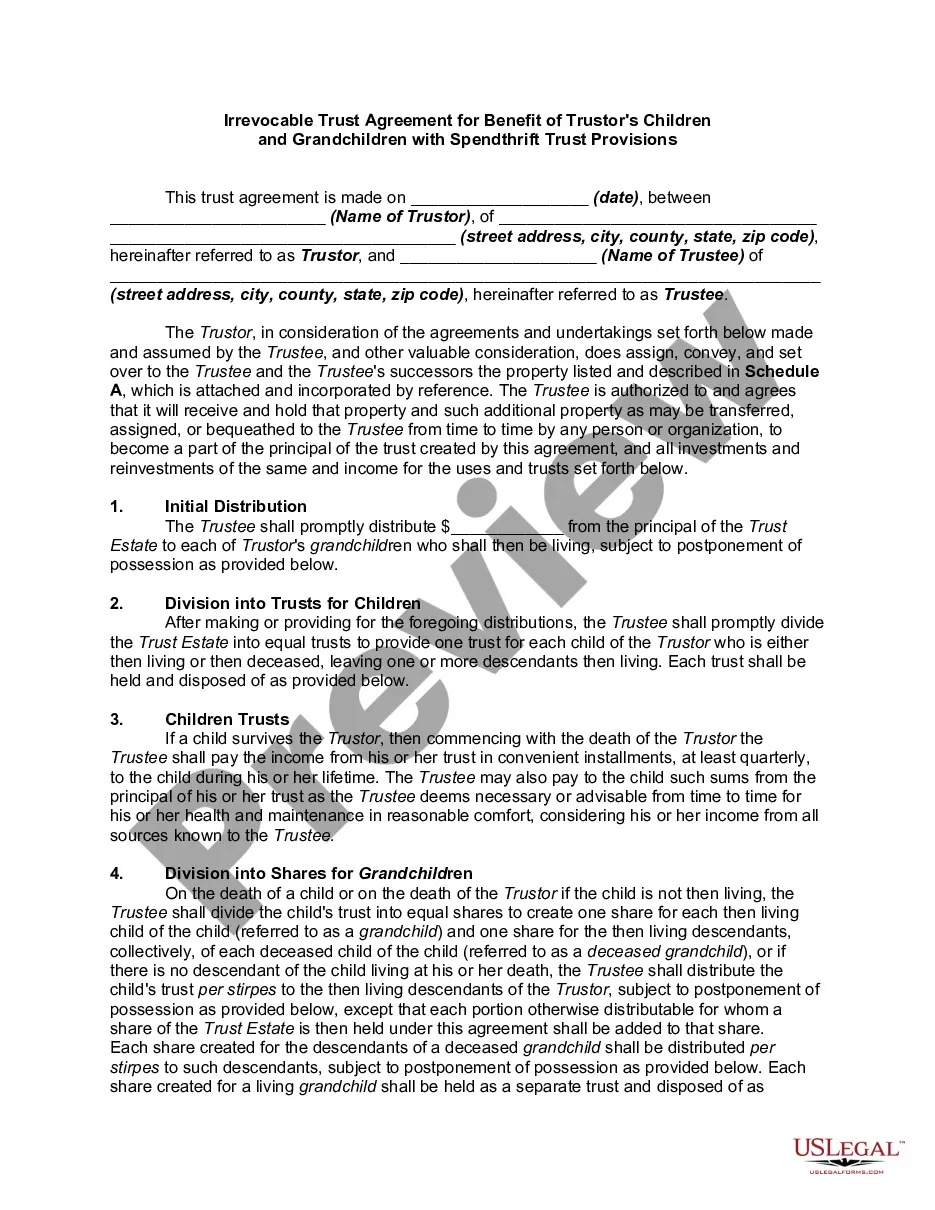
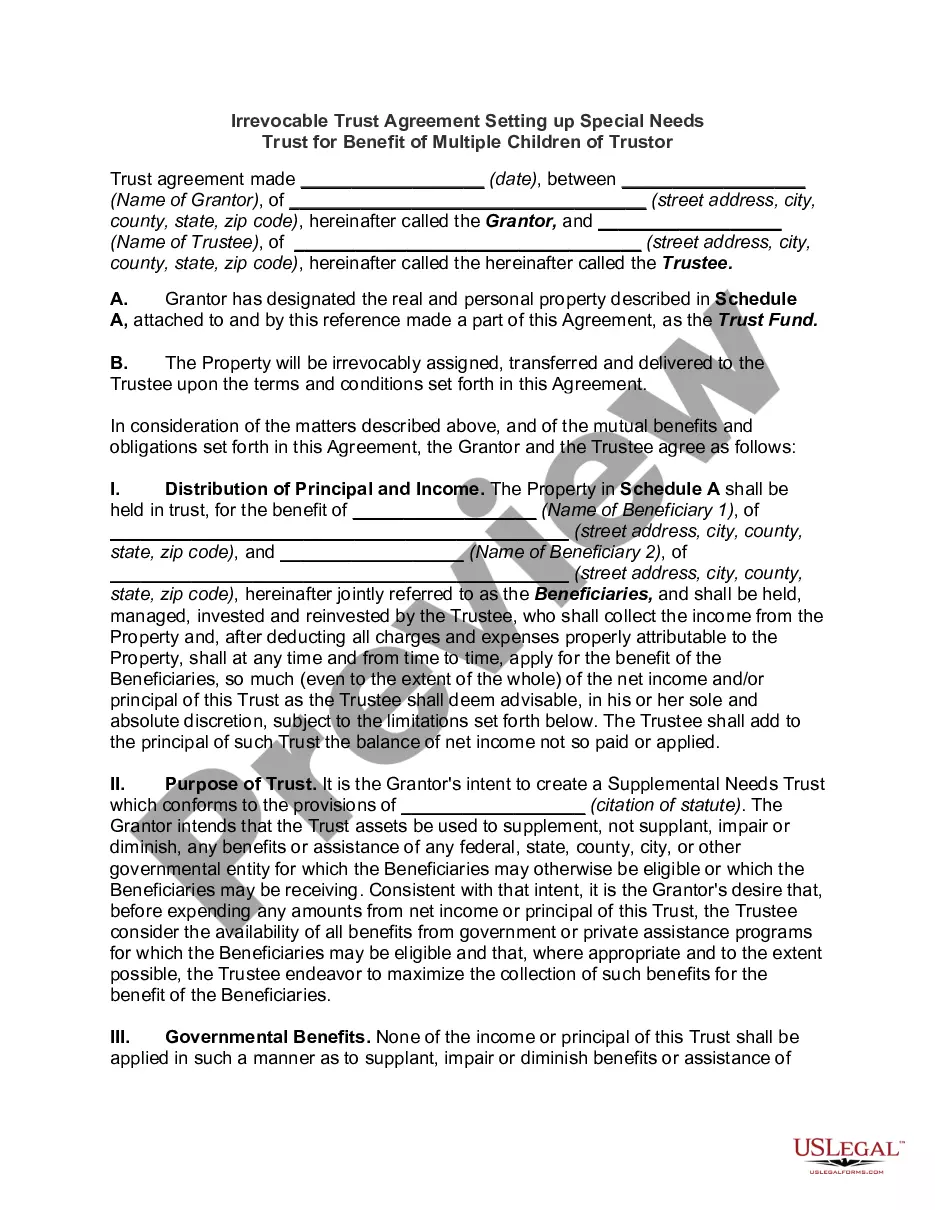
Get your form ready online
Our built-in tools help you complete, sign, share, and store your documents in one place.
Make edits, fill in missing information, and update formatting in US Legal Forms—just like you would in MS Word.
Download a copy, print it, send it by email, or mail it via USPS—whatever works best for your next step.
Sign and collect signatures with our SignNow integration. Send to multiple recipients, set reminders, and more. Go Premium to unlock E-Sign.
If this form requires notarization, complete it online through a secure video call—no need to meet a notary in person or wait for an appointment.
We protect your documents and personal data by following strict security and privacy standards.

Make edits, fill in missing information, and update formatting in US Legal Forms—just like you would in MS Word.

Download a copy, print it, send it by email, or mail it via USPS—whatever works best for your next step.

Sign and collect signatures with our SignNow integration. Send to multiple recipients, set reminders, and more. Go Premium to unlock E-Sign.

If this form requires notarization, complete it online through a secure video call—no need to meet a notary in person or wait for an appointment.

We protect your documents and personal data by following strict security and privacy standards.
Looking for another form?









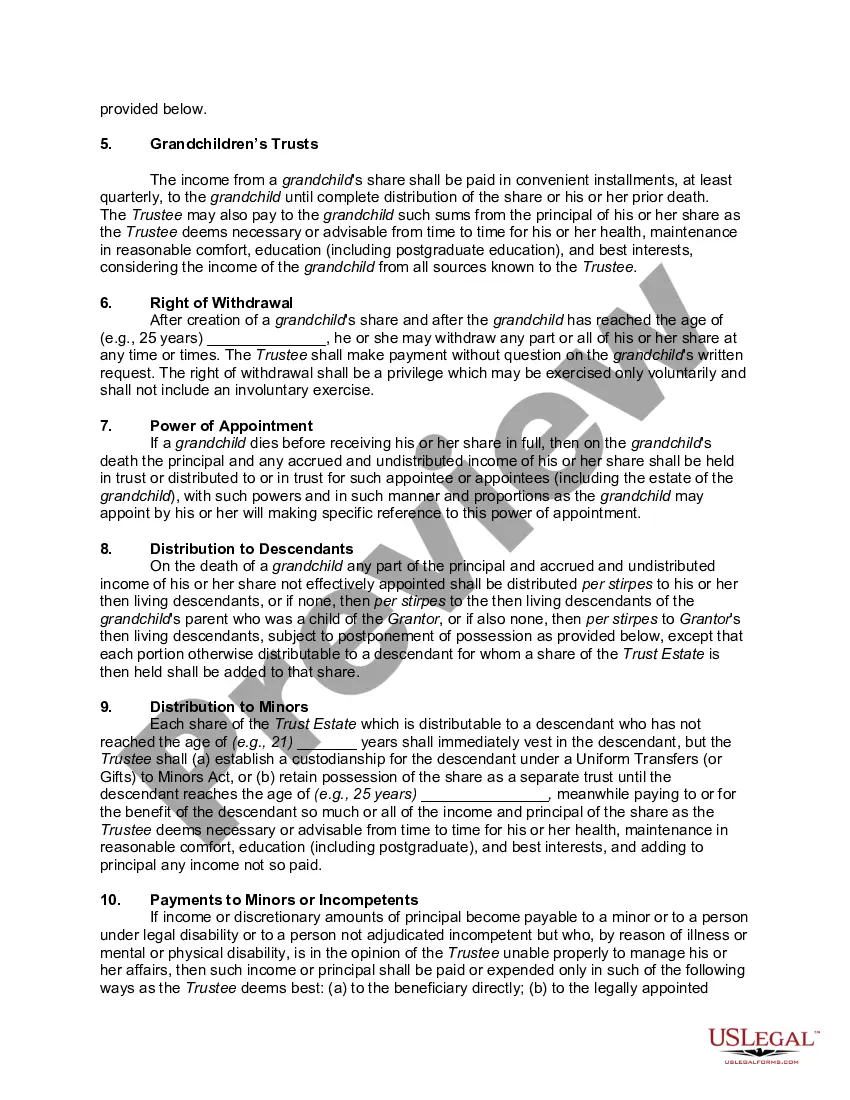
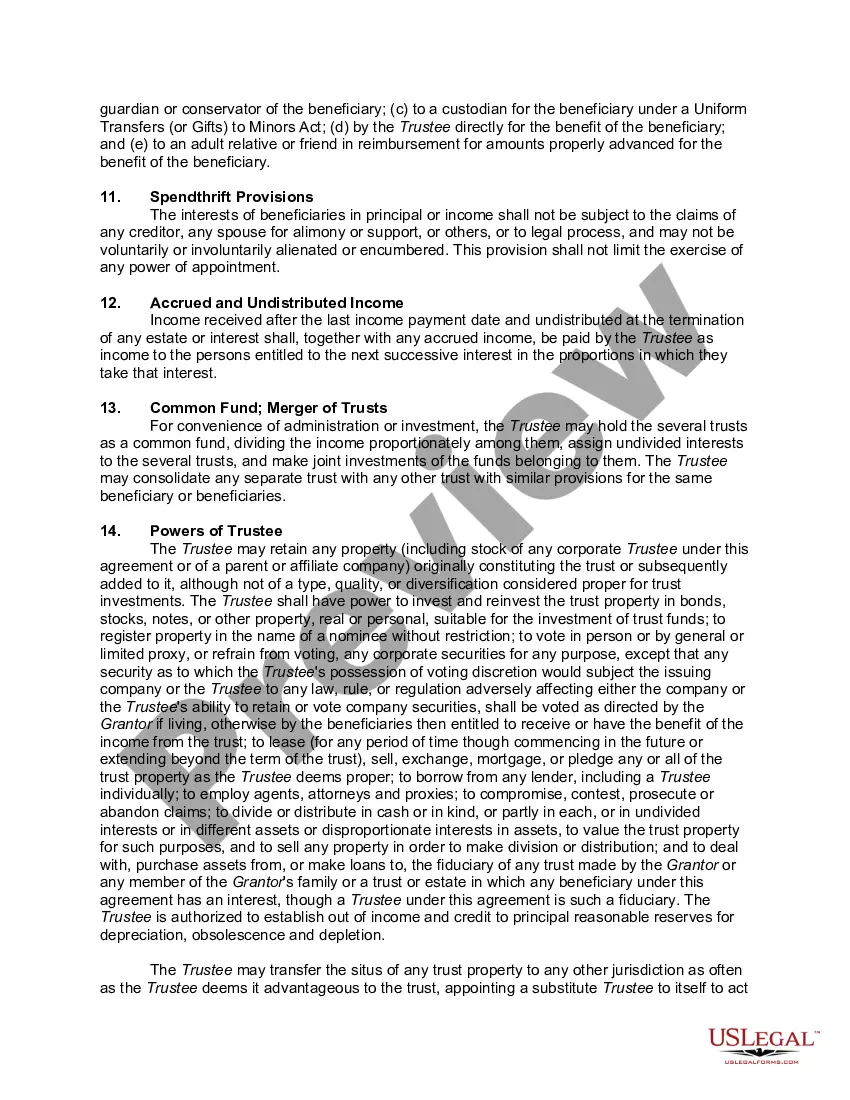
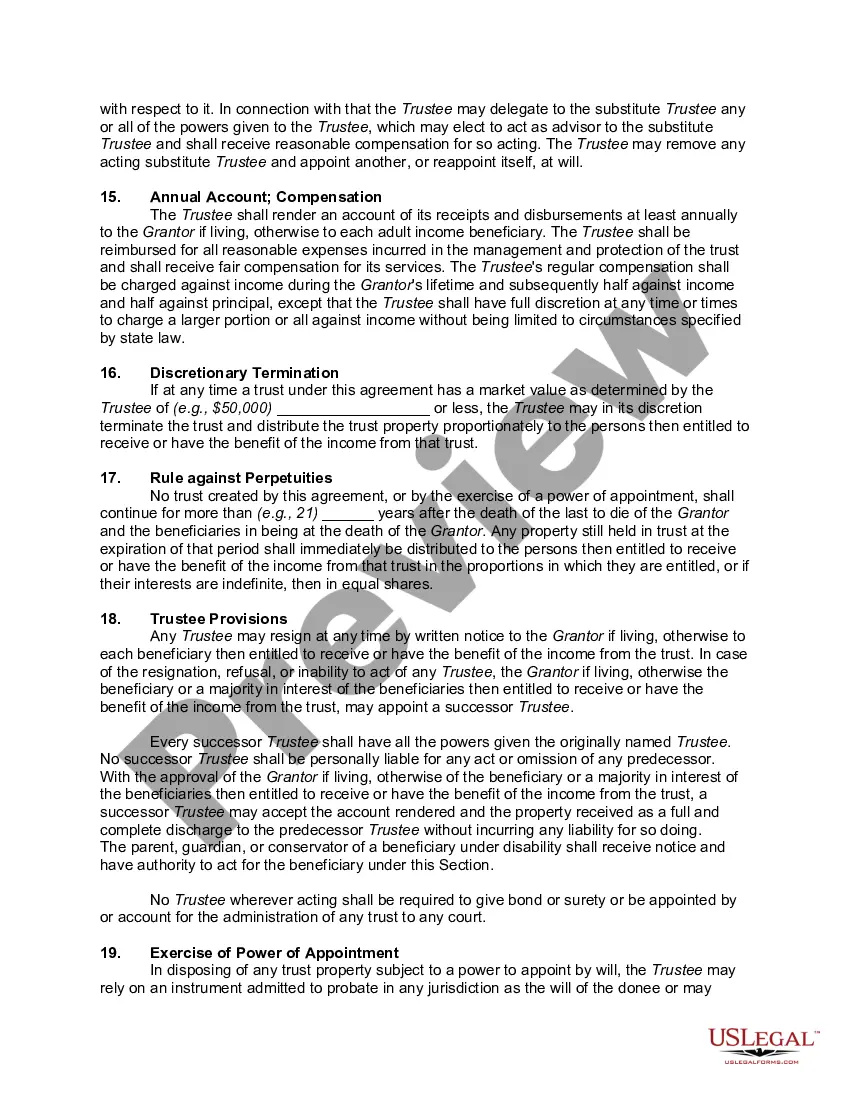
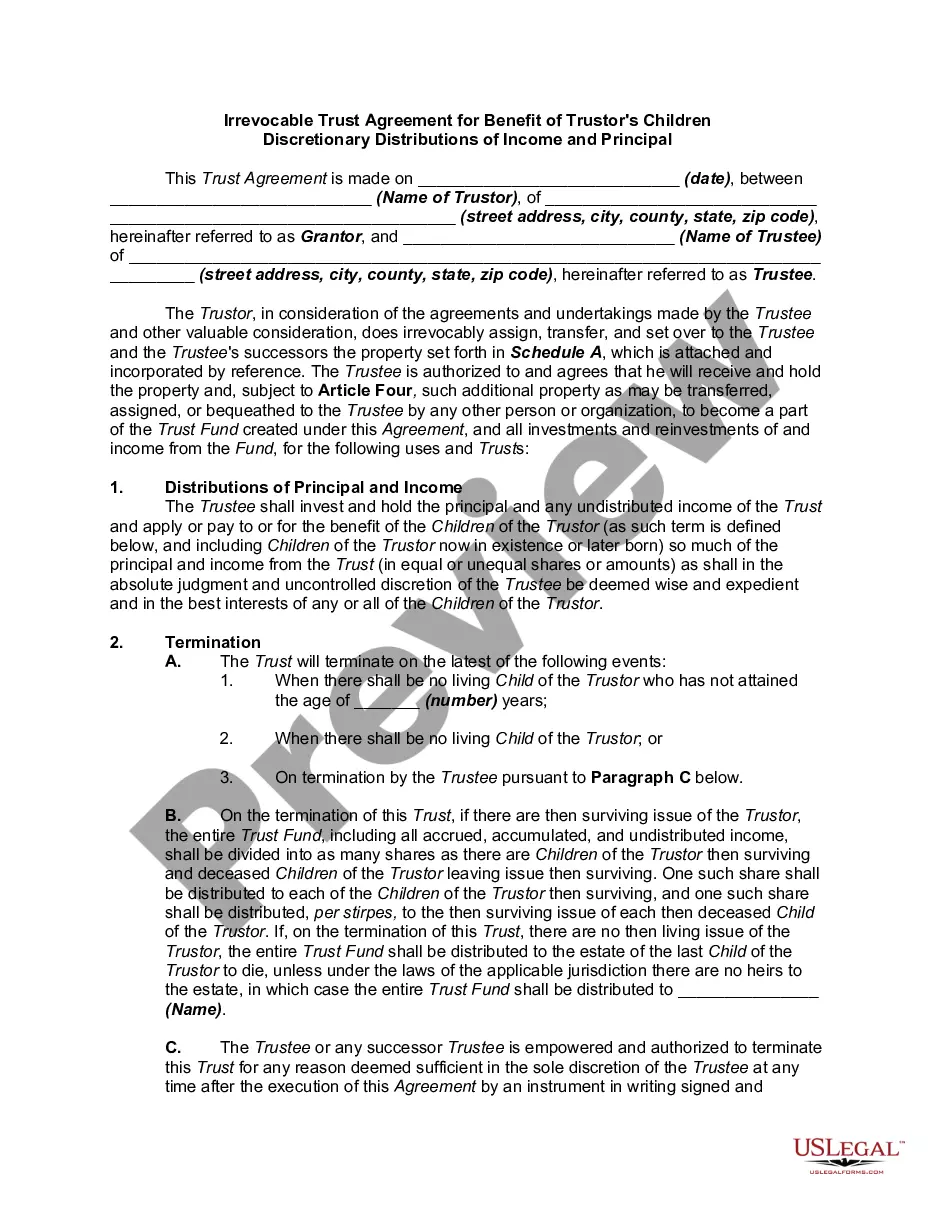
How to fill out Irrevocable Trust Agreement For Benefit Of Trustor's Children And Grandchildren?
- If you're an existing user, simply log in to your account at US Legal Forms. Confirm that your subscription is active, and if necessary, renew it based on your plan.
- Review the form description and use the Preview mode to ensure you select the right document that complies with your local laws.
- If required, utilize the Search feature to find alternative templates that may better suit your needs.
- Select the document you need by clicking the Buy Now button and choosing your preferred subscription plan. You will need to register for an account to access the full library.
- Complete your purchase by providing your payment details, either by credit card or via PayPal.
- Once your transaction is successful, download the form directly to your device. You can also access it anytime from the My Forms section in your account.
In conclusion, obtaining legal documents through US Legal Forms is a streamlined process, allowing for quick and efficient management of your legal needs. With over 85,000 customizable templates and expert assistance available, you can ensure your documents are both accurate and legally sound.
Take the next step in your legal journey by visiting US Legal Forms today and accessing the resources you need!
Form popularity
FAQ
Even if an irrevocable trust has no income, it may still be required to file a tax return, specifically Form 1041. The IRS often mandates reporting for all trusts to track distributions and changes in asset status. Therefore, determining the need for filing is essential, particularly when considering potential irrevocable trust withdrawals for tax planning purposes.
Recent IRS rules concerning irrevocable trusts focus on increasing transparency and compliance. The updates require increased reporting for trusts to ensure accurate tax liability assessments. Keeping informed about these changes will help you navigate the complexities of irrevocable trust withdrawals for tax, and ensure you fulfill your obligations.
Terminating an irrevocable trust can lead to significant tax consequences, including the recognition of capital gains and the potential for income tax on distributed assets. The distribution itself may also be subject to taxation based on the trust's earnings. It is advisable to work through these complexities, particularly the implications of irrevocable trust withdrawals for tax, with experienced professionals.
A recognized tax loophole for trusts allows income generated by the trust to be taxed at lower rates depending on distribution strategies. Beneficiaries can sometimes receive distributions in lower income tax brackets, thus lowering the overall tax liability. However, understanding the implications of irrevocable trust withdrawals for tax is vital to avoid unwanted surprises down the line.
To minimize or avoid income tax on an irrevocable trust, it's essential to structure the trust's investments wisely. Investing in tax-exempt securities or focusing on capital appreciation can help reduce taxable income. Additionally, distributing income to beneficiaries may shift the tax burden to those in lower tax brackets. Exploring strategies associated with irrevocable trust withdrawals for tax could assist you in effective planning.
The IRS treats irrevocable trusts differently than revocable ones. Once assets transfer to an irrevocable trust, the grantor loses control over them, and the trust becomes a separate tax entity. This means that any income generated by the trust is taxed to the trust, not the grantor. Understanding the IRS rules on irrevocable trust withdrawals for tax is crucial for proper tax planning.
Filing a tax return for an irrevocable trust involves submitting Form 1041 to the IRS. The trust itself is responsible for its tax obligations, and any income generated must be reported accurately. By understanding irrevocable trust withdrawals for tax, you can manage your obligations and minimize potential penalties. Using resources like Uslegalforms can simplify the process of filing and help you stay organized.
When you receive distributions from an irrevocable trust, you must report them on your tax return. The trustee will typically provide a Form 1041, indicating the income distributions received. Understanding the rules surrounding irrevocable trust withdrawals for tax purposes can ensure you comply with tax regulations. It's wise to work with a tax professional to accurately report these distributions.
Getting out of an irrevocable trust can be challenging, but it is possible under certain conditions. You may petition the court to modify or terminate the trust if all beneficiaries agree to the change. Understanding the implications of irrevocable trust withdrawals for tax is crucial, as it may affect your tax situation. Consulting with a legal expert can help you navigate this process effectively.
When the person who created the irrevocable trust passes away, the trust does not simply vanish. The assets within the trust typically remain in the trust and do not go through probate, which is a notable advantage. Beneficiaries can receive their shares according to the terms of the trust. Additionally, it is important to consider the implications of irrevocable trust withdrawals for tax, as the structure still must adhere to tax regulations.