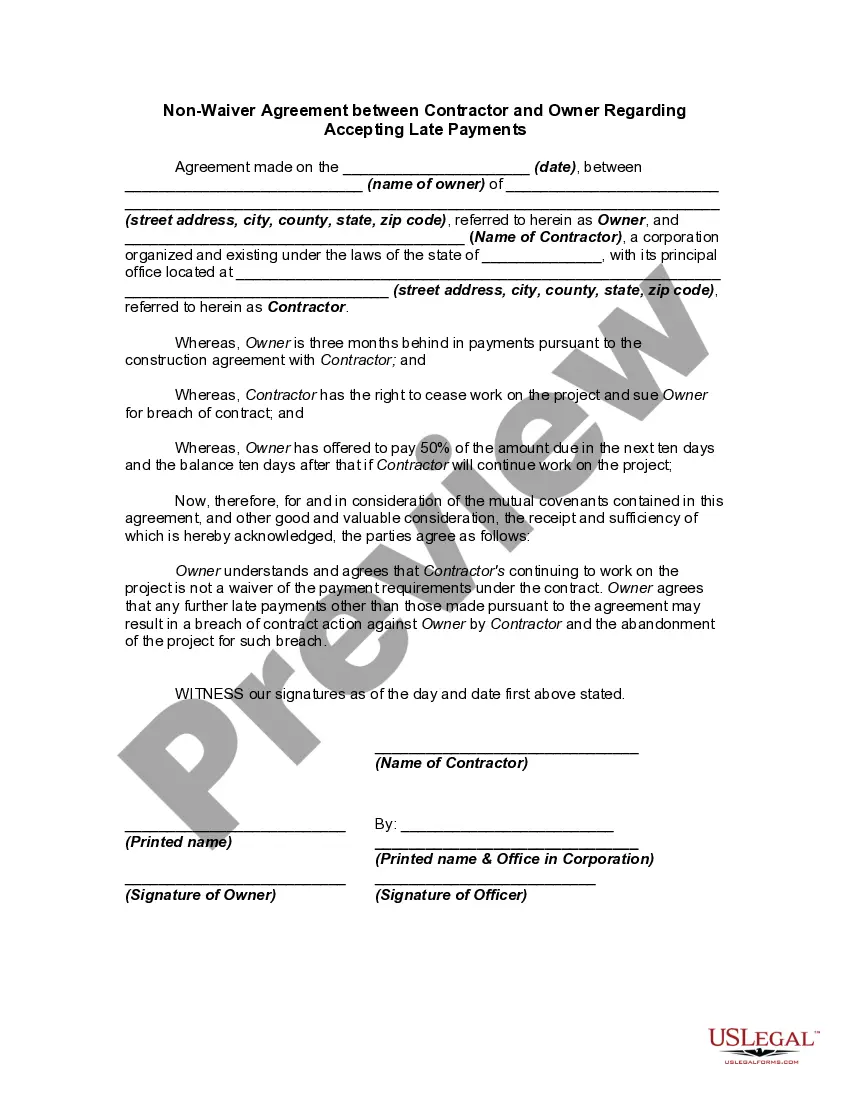
Non-waiver Of Sovereign Immunity
Description
Get your form ready online
Our built-in tools help you complete, sign, share, and store your documents in one place.
Make edits, fill in missing information, and update formatting in US Legal Forms—just like you would in MS Word.
Download a copy, print it, send it by email, or mail it via USPS—whatever works best for your next step.
Sign and collect signatures with our SignNow integration. Send to multiple recipients, set reminders, and more. Go Premium to unlock E-Sign.
If this form requires notarization, complete it online through a secure video call—no need to meet a notary in person or wait for an appointment.
We protect your documents and personal data by following strict security and privacy standards.

Make edits, fill in missing information, and update formatting in US Legal Forms—just like you would in MS Word.

Download a copy, print it, send it by email, or mail it via USPS—whatever works best for your next step.

Sign and collect signatures with our SignNow integration. Send to multiple recipients, set reminders, and more. Go Premium to unlock E-Sign.

If this form requires notarization, complete it online through a secure video call—no need to meet a notary in person or wait for an appointment.

We protect your documents and personal data by following strict security and privacy standards.
Looking for another form?
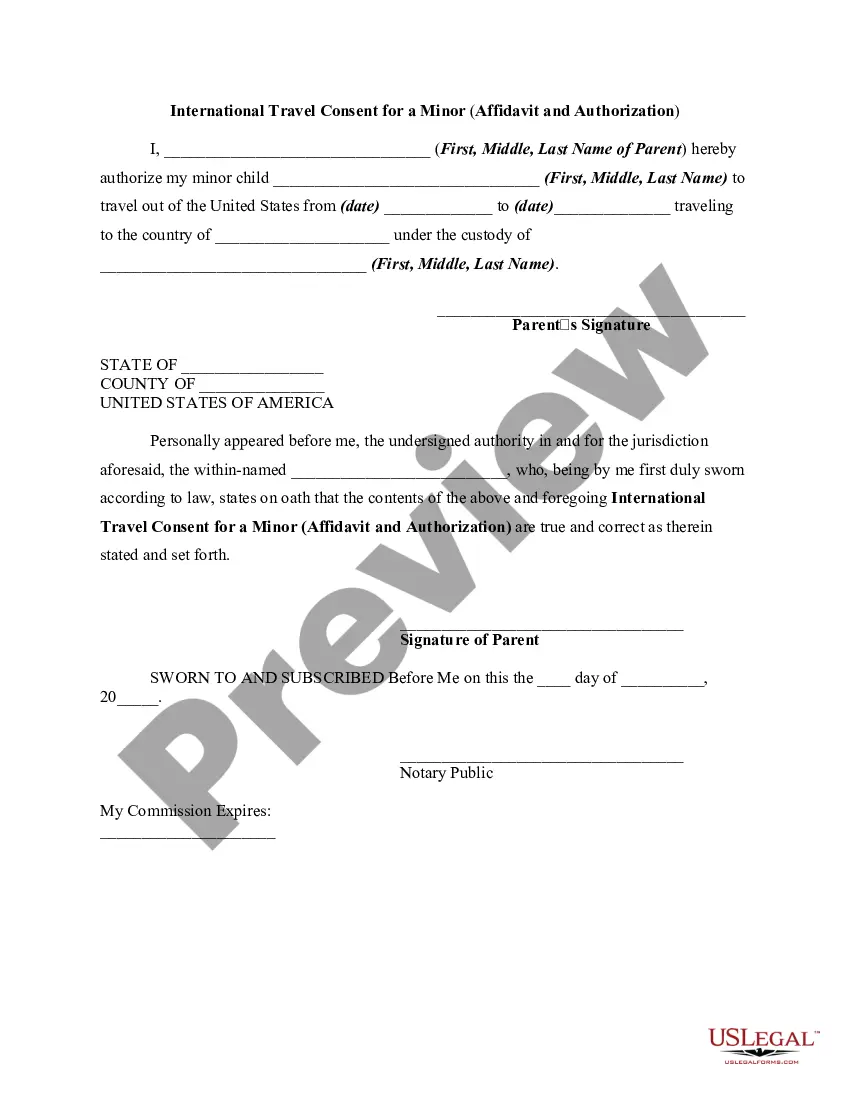
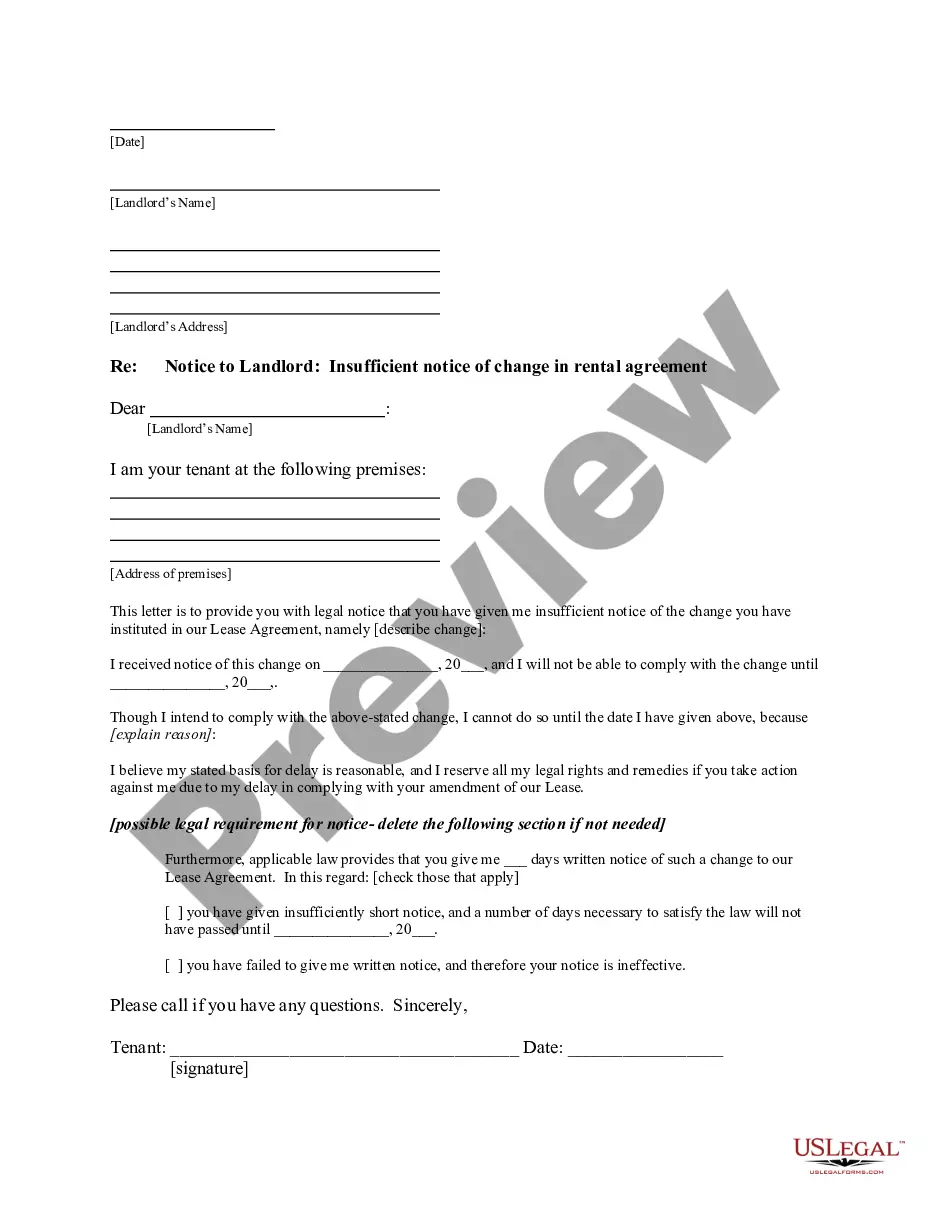
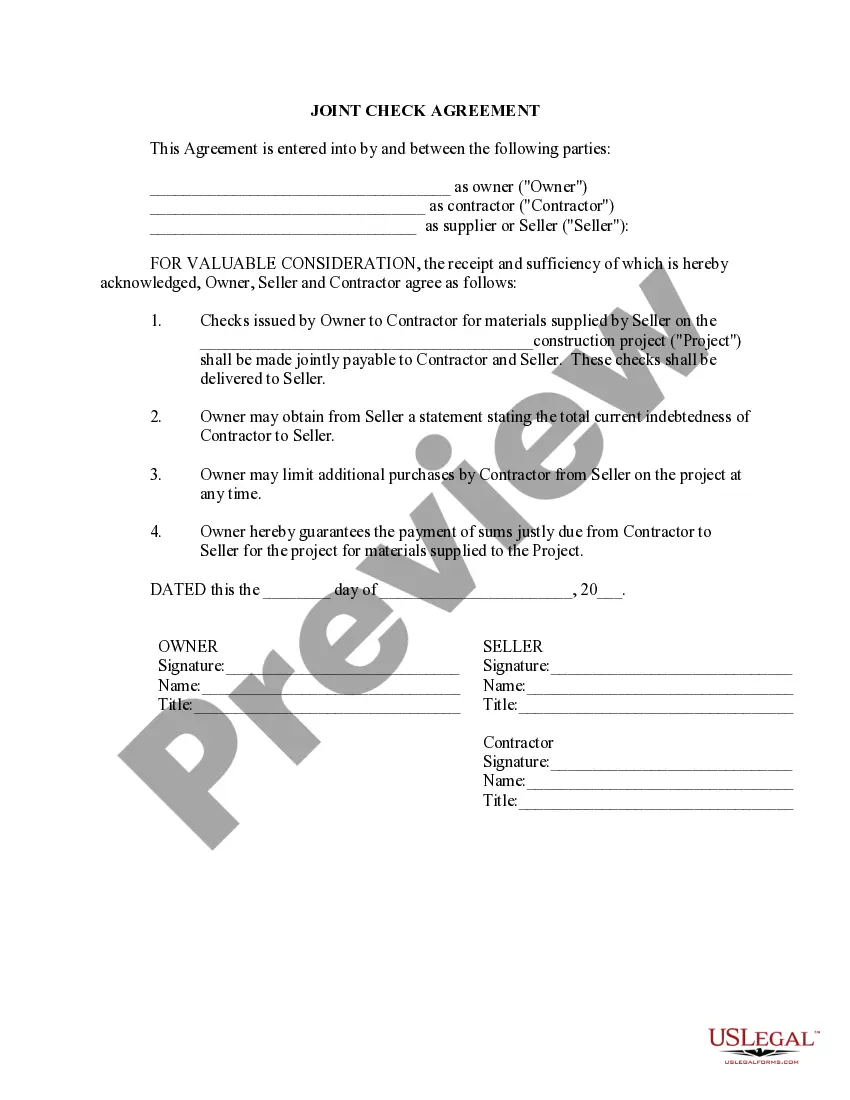
How to fill out Non-Waiver Agreement Between Contractor And Owner Regarding Accepting Late Payments?
Managing legal documents can be perplexing, even for the most proficient professionals.
When you're in search of a Non-waiver Of Sovereign Immunity and lack the time to dedicate to locating the correct and current version, the process can be challenging.
Access state- or county-specific legal and business documents.
US Legal Forms meets any requirements you may have, from personal to business documents, all in one location.
If this is your initial experience with US Legal Forms, establish an account to gain unrestricted access to all the features of the library. Here are the steps to follow after acquiring the desired document.
- Utilize sophisticated tools to complete and manage your Non-waiver Of Sovereign Immunity.
- Access a valuable repository of articles, guides, and resources pertinent to your case and needs.
- Save time and effort in looking for the documents you require, and use US Legal Forms’ advanced search and Review tool to locate Non-waiver Of Sovereign Immunity and obtain it.
- If you have a subscription, Log In to your US Legal Forms account, search for the document, and obtain it.
- Check your My documents tab to see the documents you have previously downloaded and manage your folders as you prefer.
- A robust online form library can transform the experience for anyone aiming to effectively navigate these matters.
- US Legal Forms is a leading provider of online legal paperwork, offering more than 85,000 state-specific legal documents accessible at any time.
- With US Legal Forms, you can.
Form popularity
FAQ
The non-waiver of rights clause is a legal provision that specifies that one party's failure to assert a right does not mean that the right is waived or lost. In the context of non-waiver of sovereign immunity, this clause ensures that a government entity retains its immunity from lawsuits despite its actions. Essentially, it protects the state from being held liable unless it explicitly agrees to waive its immunity. This clause is crucial in maintaining the balance of power between individuals and government entities.
In the United States, sovereign immunity typically applies to the federal government and state government, but not to municipalities. Federal and state governments, however, have the ability to waive their sovereign immunity.
A state may waive its immunity by initiating or participating in litigation. In Clark v. Barnard,73 the state had filed a claim for disputed money deposited in a federal court, and the Court held that the state could not thereafter complain when the court awarded the money to another claimant.
Waiver of immunity or consent to jurisdiction or voluntary submission 1 denotes a conscious act on the part of a State to renounce its immunity before foreign national courts.
In the United States, the federal government has sovereign immunity and may not be sued unless it has waived its immunity or consented to suit. The United States as a sovereign is immune from suit unless it unequivocally consents to being sued. The United States Supreme Court in Price v.
State immunity is based on the theory that states have no right to question the act of another state ing their own national laws. It is assumed that the sovereignty of each state is equal and hence no state can sue another state as per their national laws in their municipal courts.