Amend Motion For Summary Judgment
Description
Get your form ready online
Our built-in tools help you complete, sign, share, and store your documents in one place.
Make edits, fill in missing information, and update formatting in US Legal Forms—just like you would in MS Word.
Download a copy, print it, send it by email, or mail it via USPS—whatever works best for your next step.
Sign and collect signatures with our SignNow integration. Send to multiple recipients, set reminders, and more. Go Premium to unlock E-Sign.
If this form requires notarization, complete it online through a secure video call—no need to meet a notary in person or wait for an appointment.
We protect your documents and personal data by following strict security and privacy standards.

Make edits, fill in missing information, and update formatting in US Legal Forms—just like you would in MS Word.

Download a copy, print it, send it by email, or mail it via USPS—whatever works best for your next step.

Sign and collect signatures with our SignNow integration. Send to multiple recipients, set reminders, and more. Go Premium to unlock E-Sign.

If this form requires notarization, complete it online through a secure video call—no need to meet a notary in person or wait for an appointment.

We protect your documents and personal data by following strict security and privacy standards.
Looking for another form?
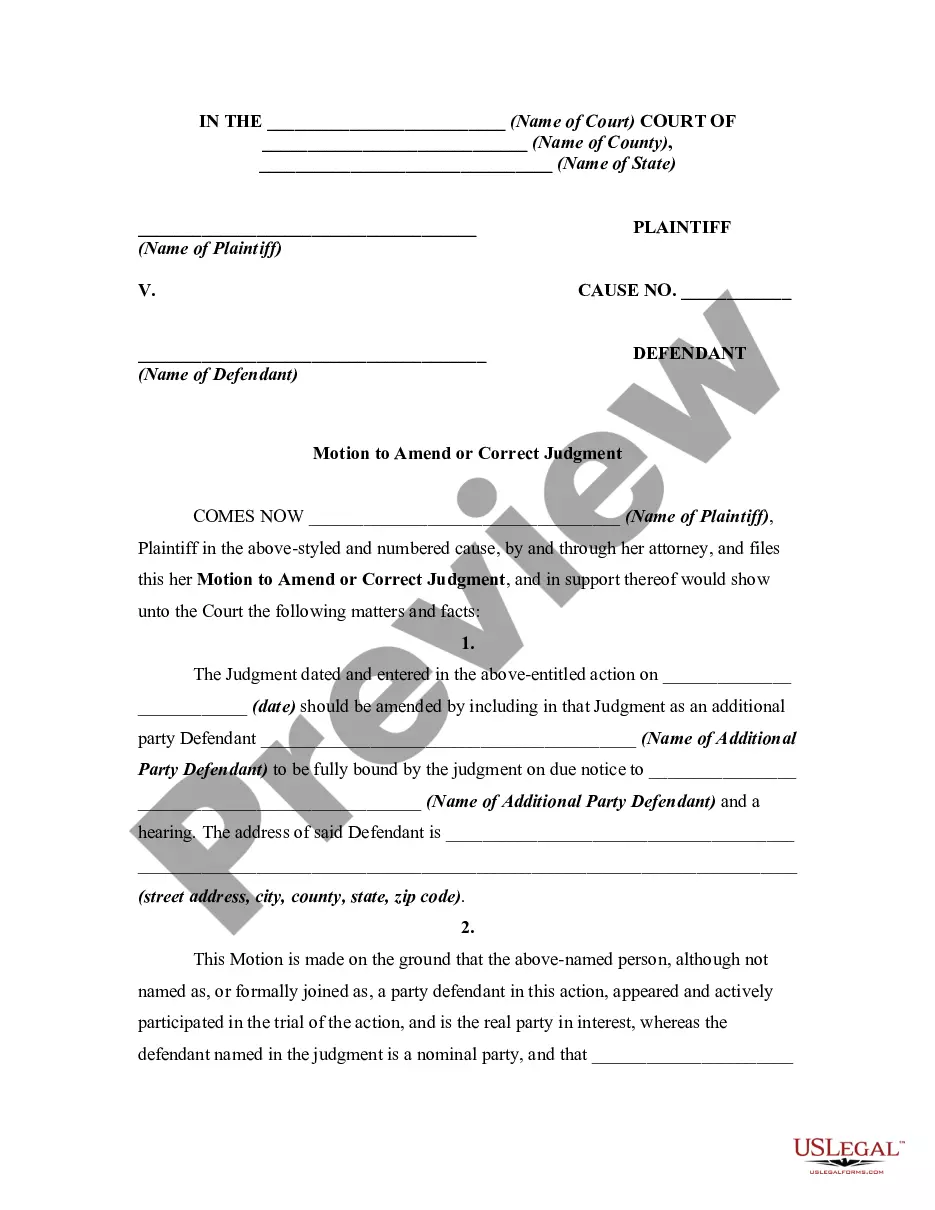
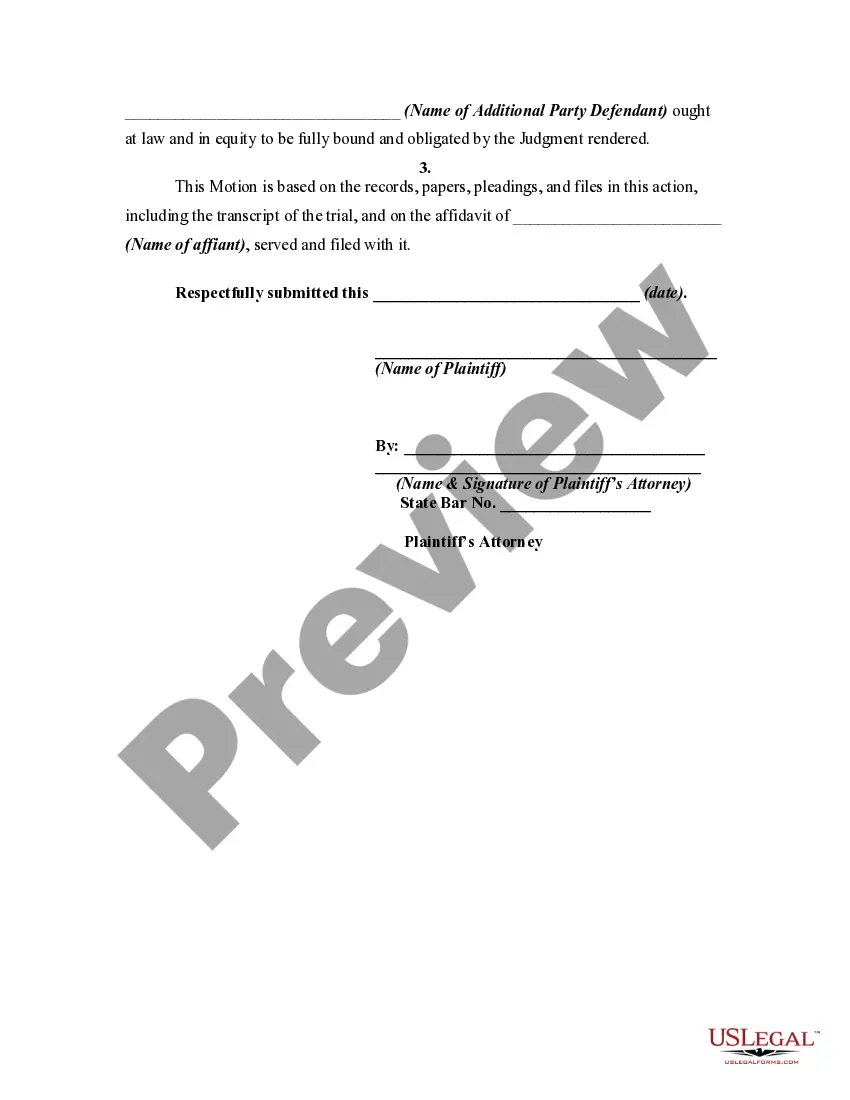
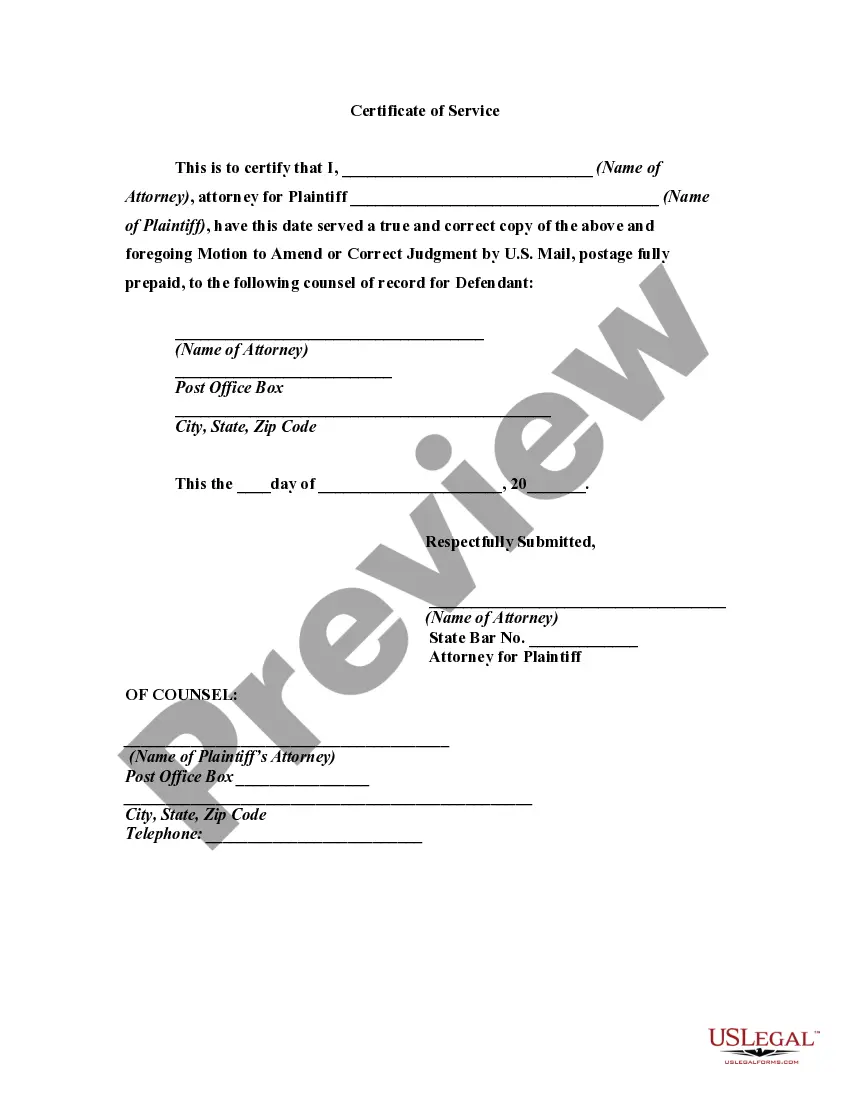
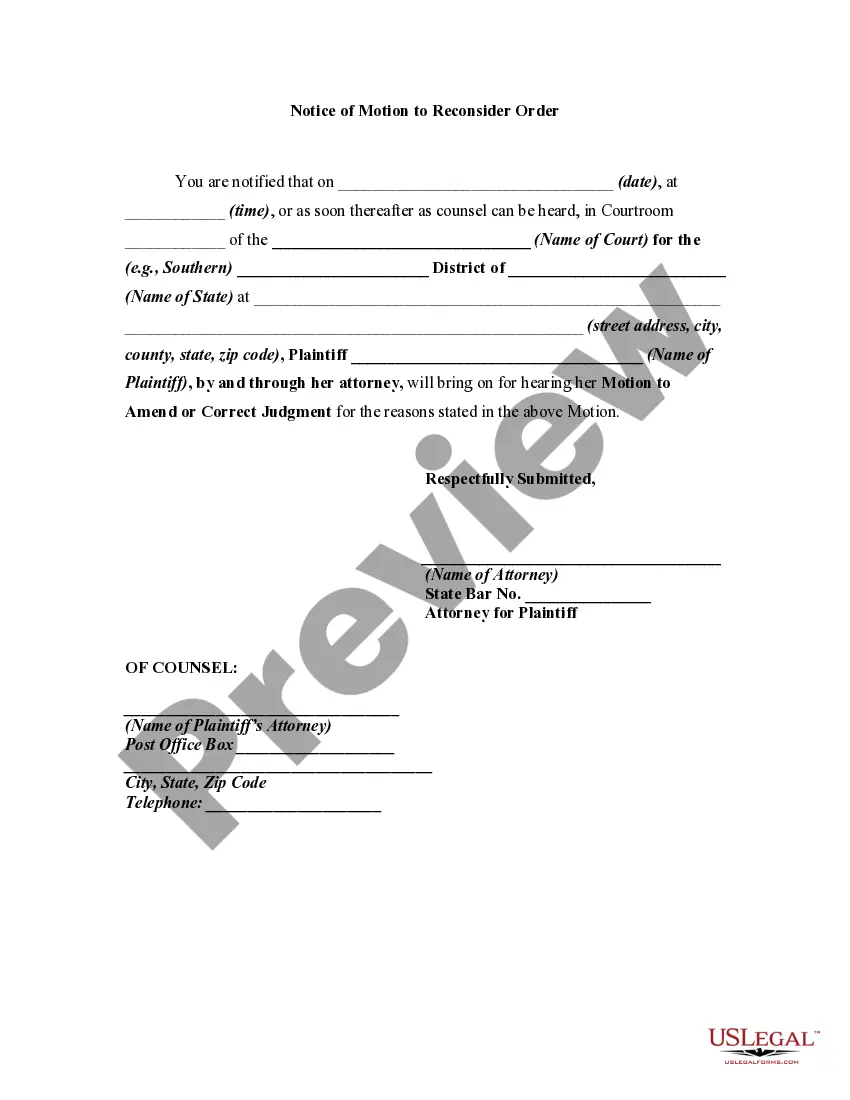
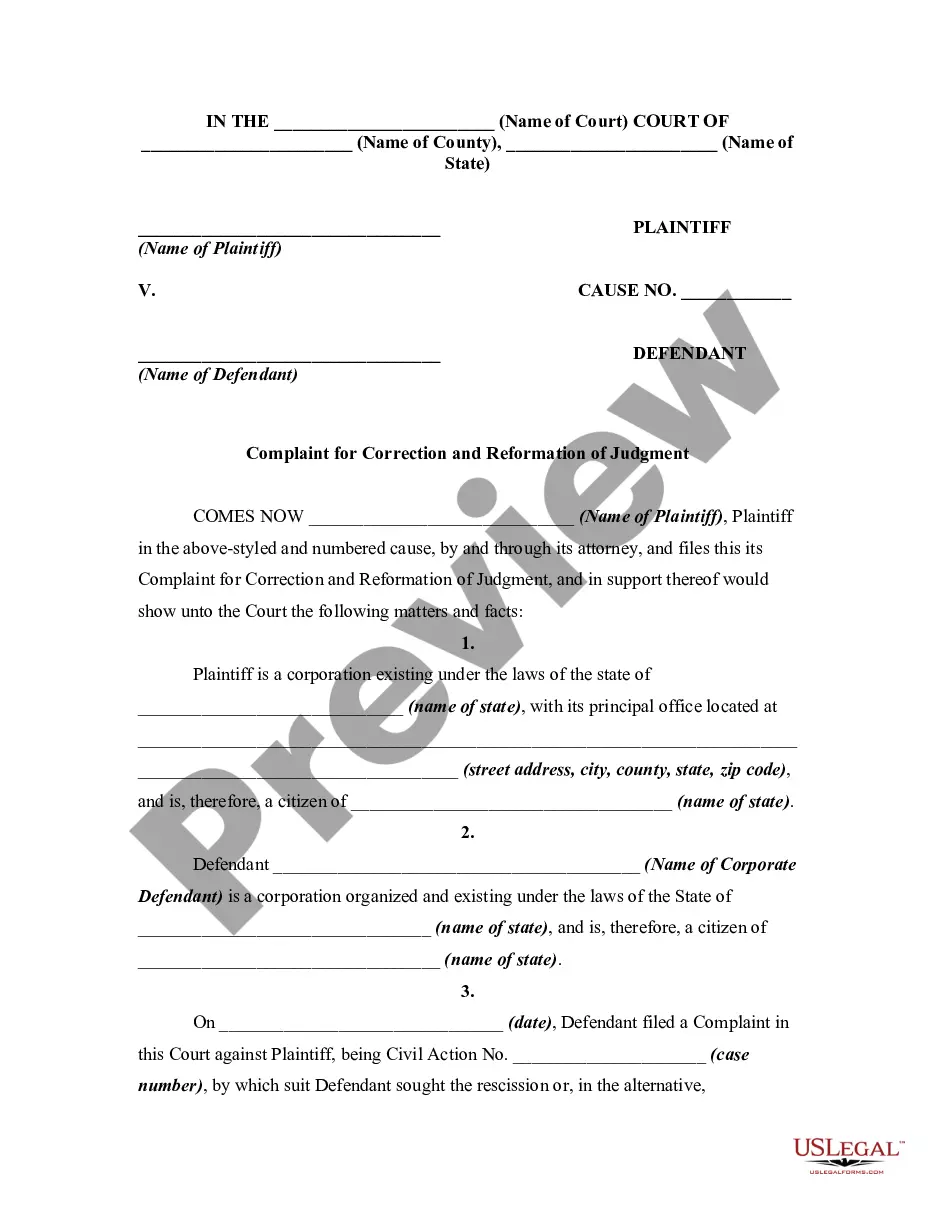
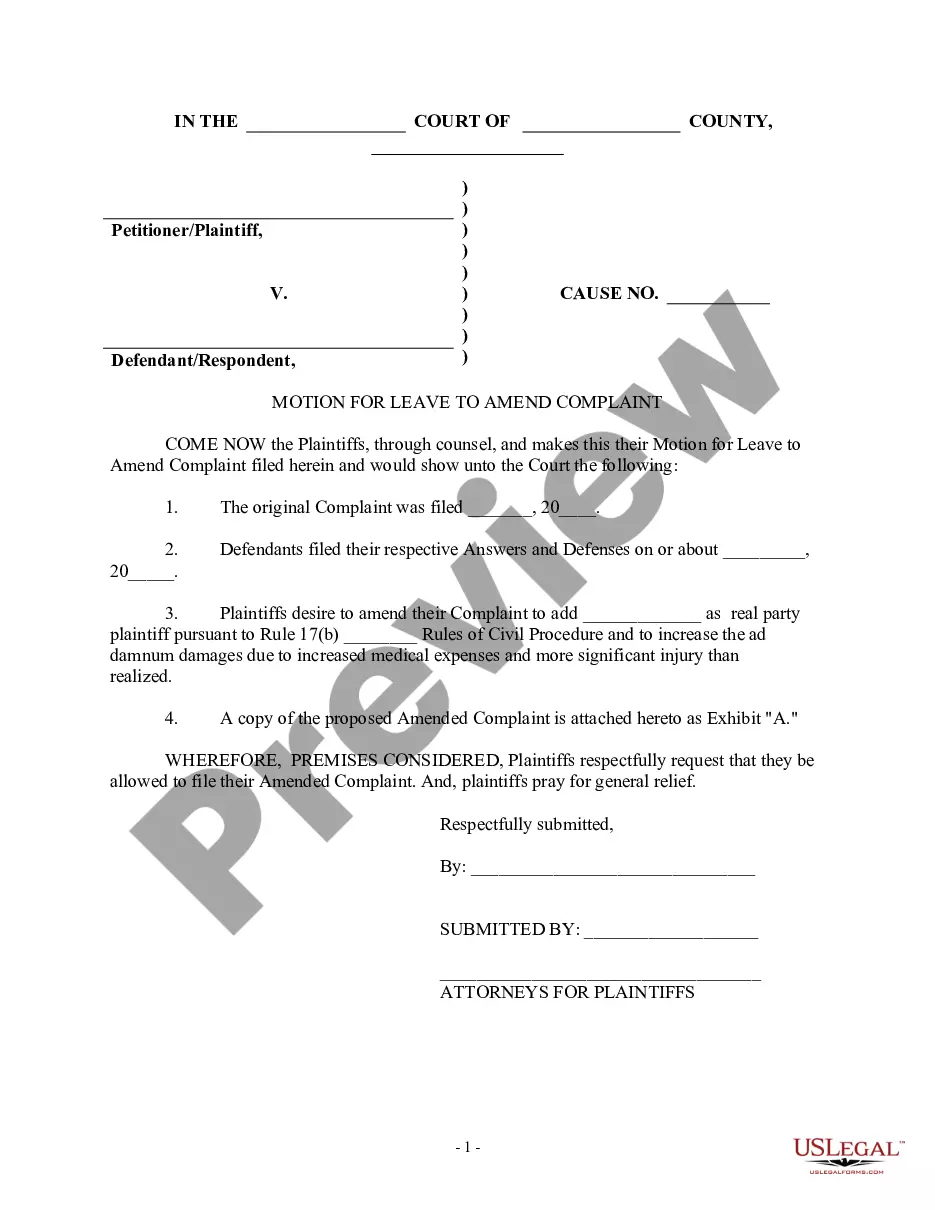
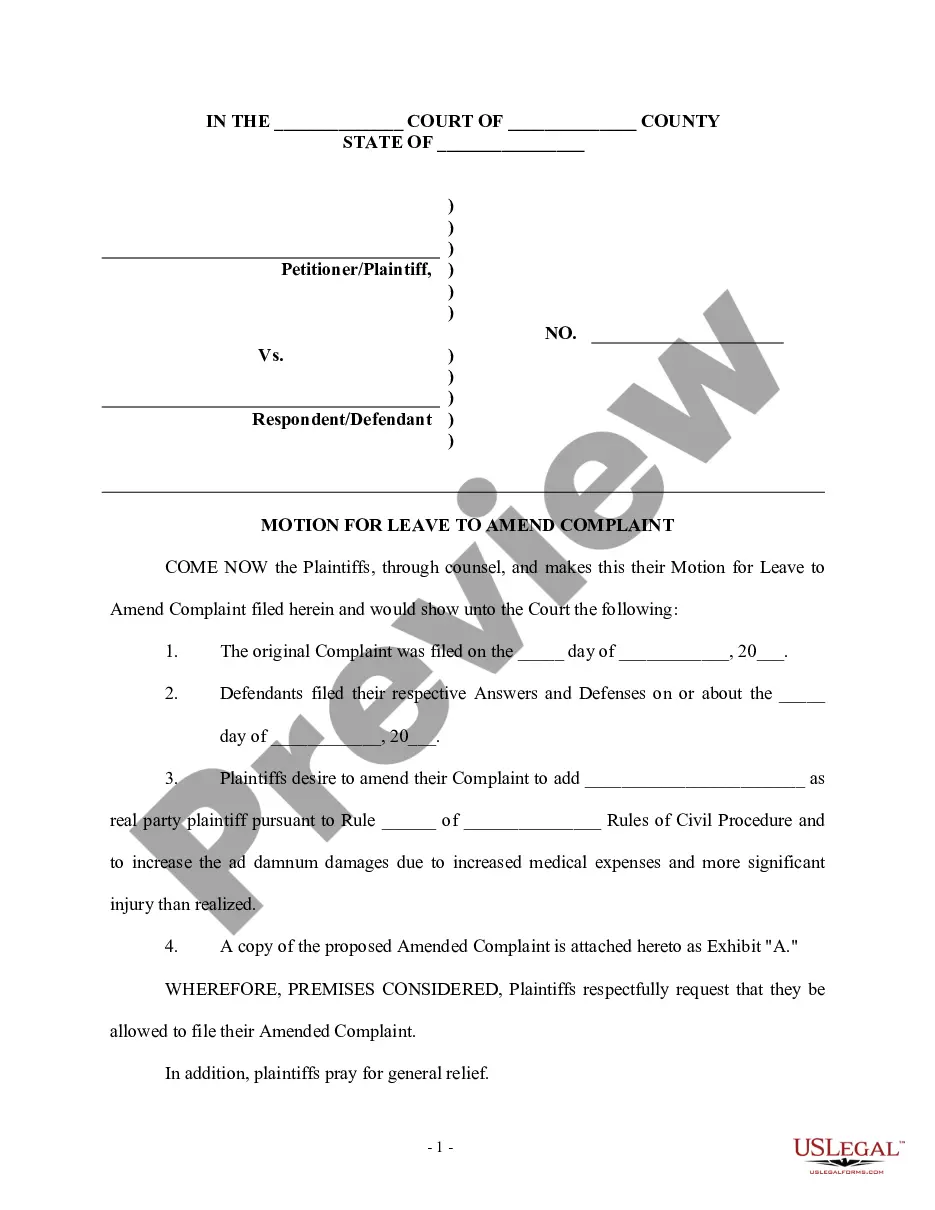
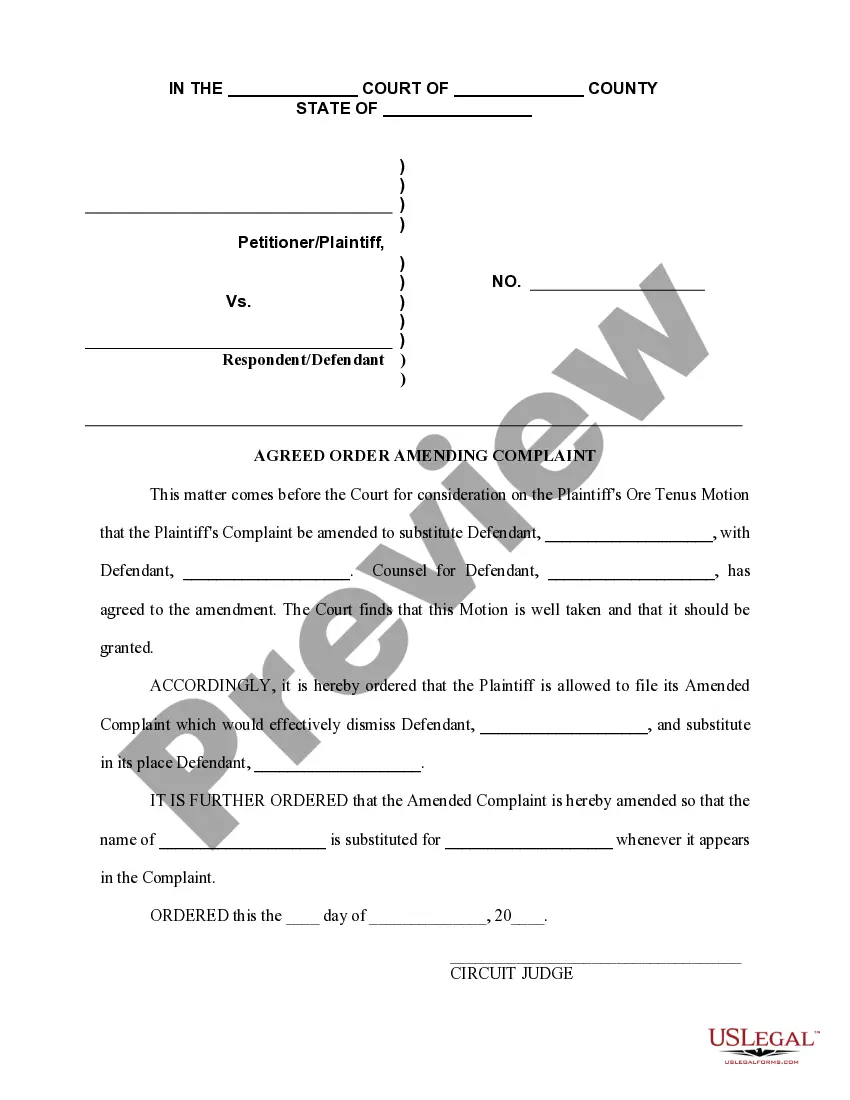
How to fill out Motion To Amend Or Correct Judgment To Include Additional Party Defendant As Real Party In Interest?
- Log in to your US Legal Forms account if you're a returning user, or create a new account to get started.
- Visit the form library and search for the 'Amend motion for summary judgment' template, ensuring it fits your jurisdiction's requirements.
- Review the template carefully in Preview mode to confirm it meets your legal needs.
- If necessary, use the Search feature to find additional forms that may be relevant to your situation.
- Select the desired subscription plan and click the Buy Now button to proceed with your purchase.
- Complete your transaction using a credit card or PayPal to unlock access to the form.
- Download the amended form to your device and save it within the 'My Forms' section of your account for easy access.
By following these steps, you can efficiently amend a motion for summary judgment and ensure all essential details are correctly presented. US Legal Forms not only simplifies this process but also equips you with the necessary resources to succeed in your legal endeavors.
Don't hesitate to explore our extensive library of legal forms today, and take your first step towards legal clarity!
Form popularity
FAQ
Writing a good motion for summary judgment involves presenting a clear, logical structure backed by solid evidence and legal reasoning. Clearly outline the facts of your case and cite relevant statutes and case law that support your arguments. When you amend your motion for summary judgment, ensure that all legal standards are covered comprehensively. Utilizing resources from USLegalForms can help you format and articulate your motion effectively.
Overcoming summary judgment requires a strategic approach to address the court’s concerns. Focus on identifying and presenting evidence that shows factual disputes exist, which must be resolved at trial. If you are considering amending your motion for summary judgment, ensure that you strengthen your arguments and provide additional context where needed. The tools and resources available at USLegalForms can help you craft a solid case to overcome any adverse rulings.
To defeat a motion for summary judgment, you need to identify genuine disputes of material facts and present compelling evidence. Utilize affidavits or depositions that counter the claims made in the summary judgment motion. Consider amending your motion for summary judgment to highlight any inconsistencies in the opposing party's arguments. Platforms like USLegalForms can guide you in gathering the necessary documentation and strategies to effectively counter such motions.
Winning a summary judgment motion requires a clear presentation of facts and applicable law. Focus on gathering and presenting strong evidence that supports your position while addressing any potential weaknesses in your case. When you amend your motion for summary judgment, make sure to clarify any legal standards that favor your arguments. USLegalForms can assist you in drafting a compelling motion that enhances your likelihood of winning.
The chances of winning a summary judgment largely depend on the strength of your case and the evidence presented. Courts typically grant summary judgment when there is no genuine dispute over material facts. If you aim to amend your motion for summary judgment, ensure that you provide clear, factual evidence supporting your claims to increase your chances of success. Using a reliable platform like USLegalForms can help you prepare a strong case.
Defending against a motion for summary judgment involves presenting evidence that raises genuine issues of material fact. When responding, focus on creating a robust argument against the claims made in the motion. Utilize affidavits, documents, and expert testimony to support your position. In this context, filing an amend motion for summary judgment can be a strategic approach to clarify and strengthen your defense.
Rule 15 allows a party to amend their pleadings, which includes motions, under certain circumstances. This means that if you need to change your arguments or evidence in a motion for summary judgment, you can file a motion to amend. The court favors this flexibility to ensure all relevant issues are considered. Keep in mind that a well-drafted amend motion for summary judgment can greatly enhance your case.
No, a motion for summary judgment itself is not a final judgment. Instead, it is a request for the court to rule on specific aspects of the case without going to trial. A granted motion may eliminate some claims or parties, but further proceedings may still occur. If you find yourself in this situation, an amend motion for summary judgment can offer options for addressing any unresolved issues.
The burden of proof for summary judgment lies with the party seeking it. They must show that there is no genuine dispute over any material fact, which means presenting clear evidence. If successful, the court will grant summary judgment. If you believe there are facts in dispute, it may be wise to consider an amend motion for summary judgment to argue your case.
Yes, a motion for summary judgment can be amended, particularly if new evidence or arguments surface. When you seek to amend, it’s essential to demonstrate how the changes will clarify your position and serve the interests of justice. Utilizing the amend motion for summary judgment can help strengthen your case and provide the court with a more comprehensive view.