Amend Judgment Without Notice
Description
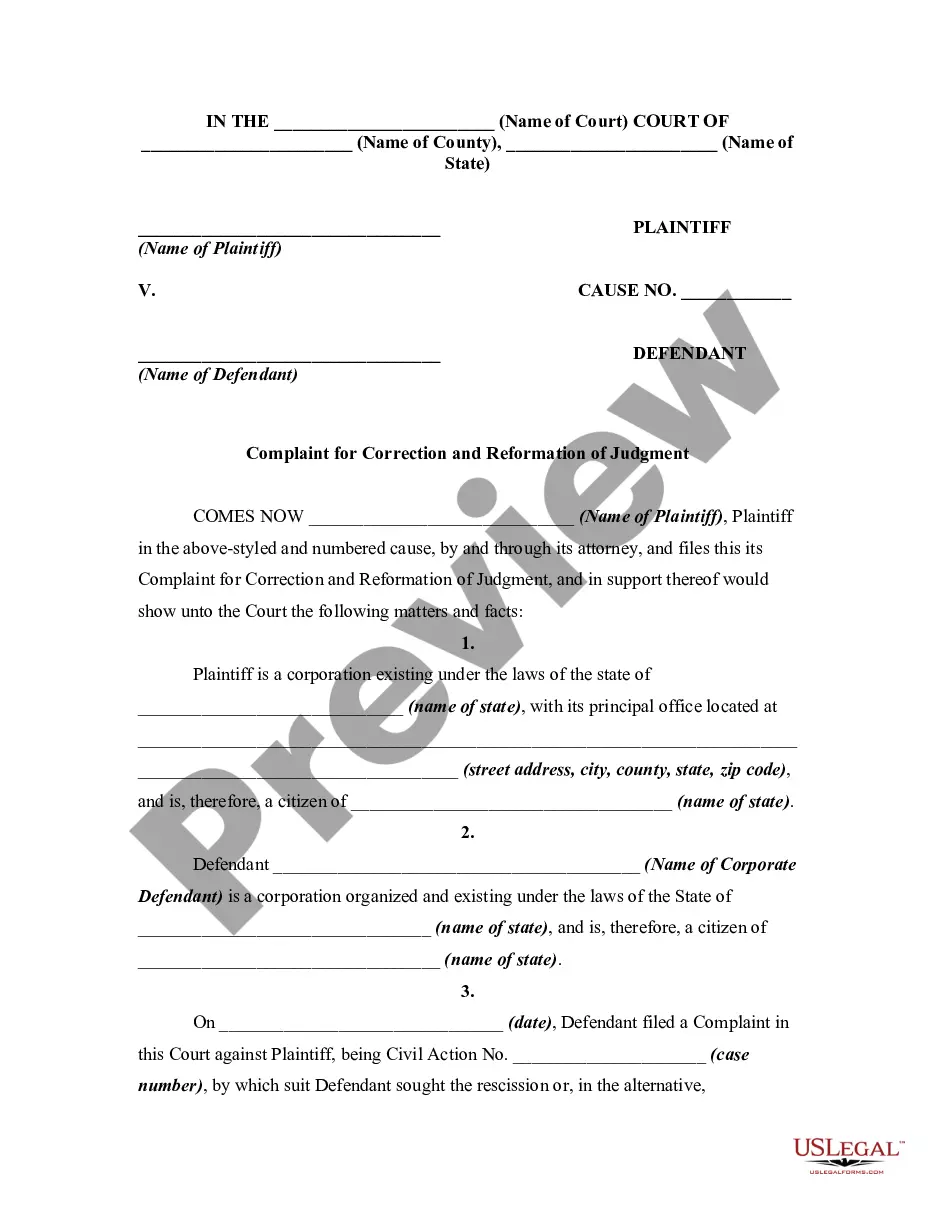
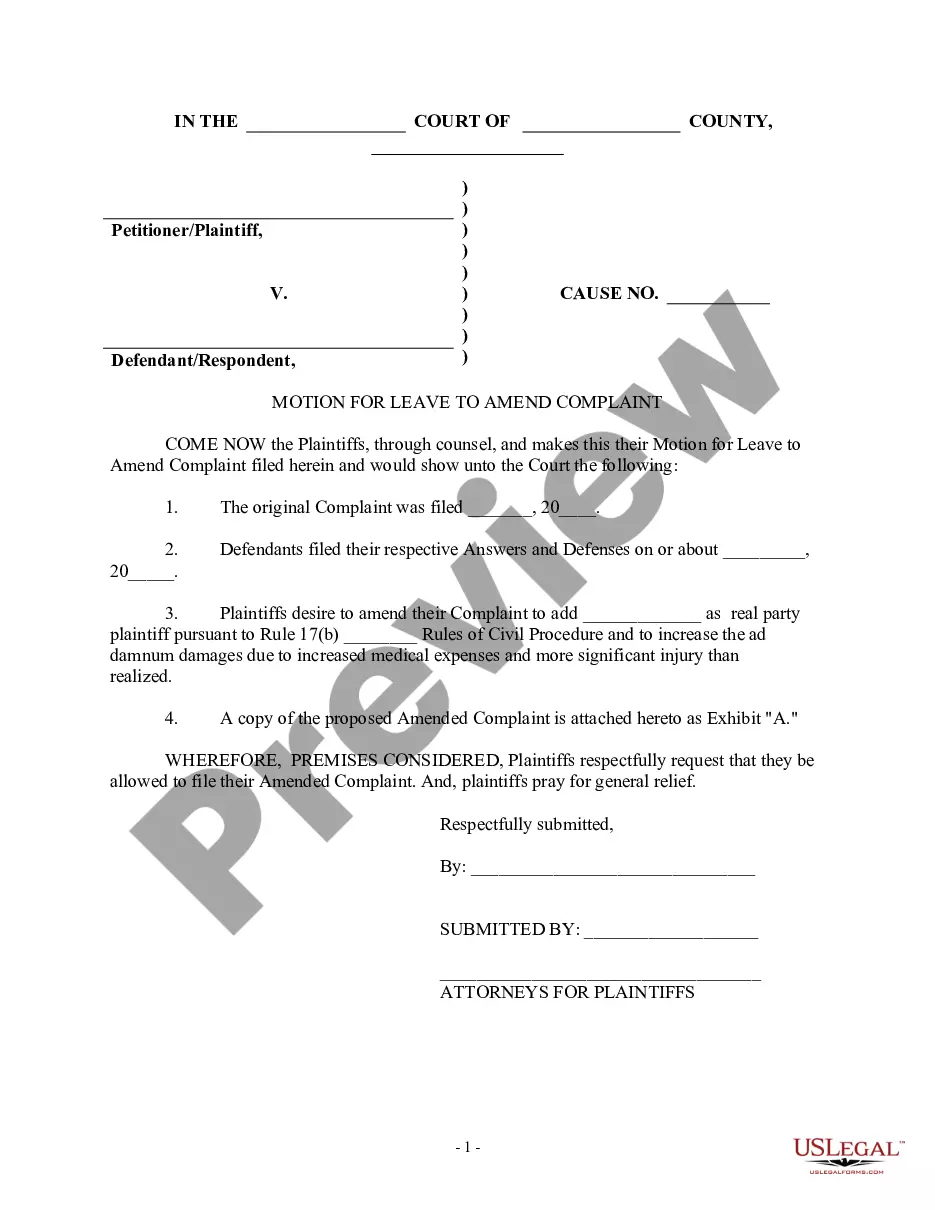
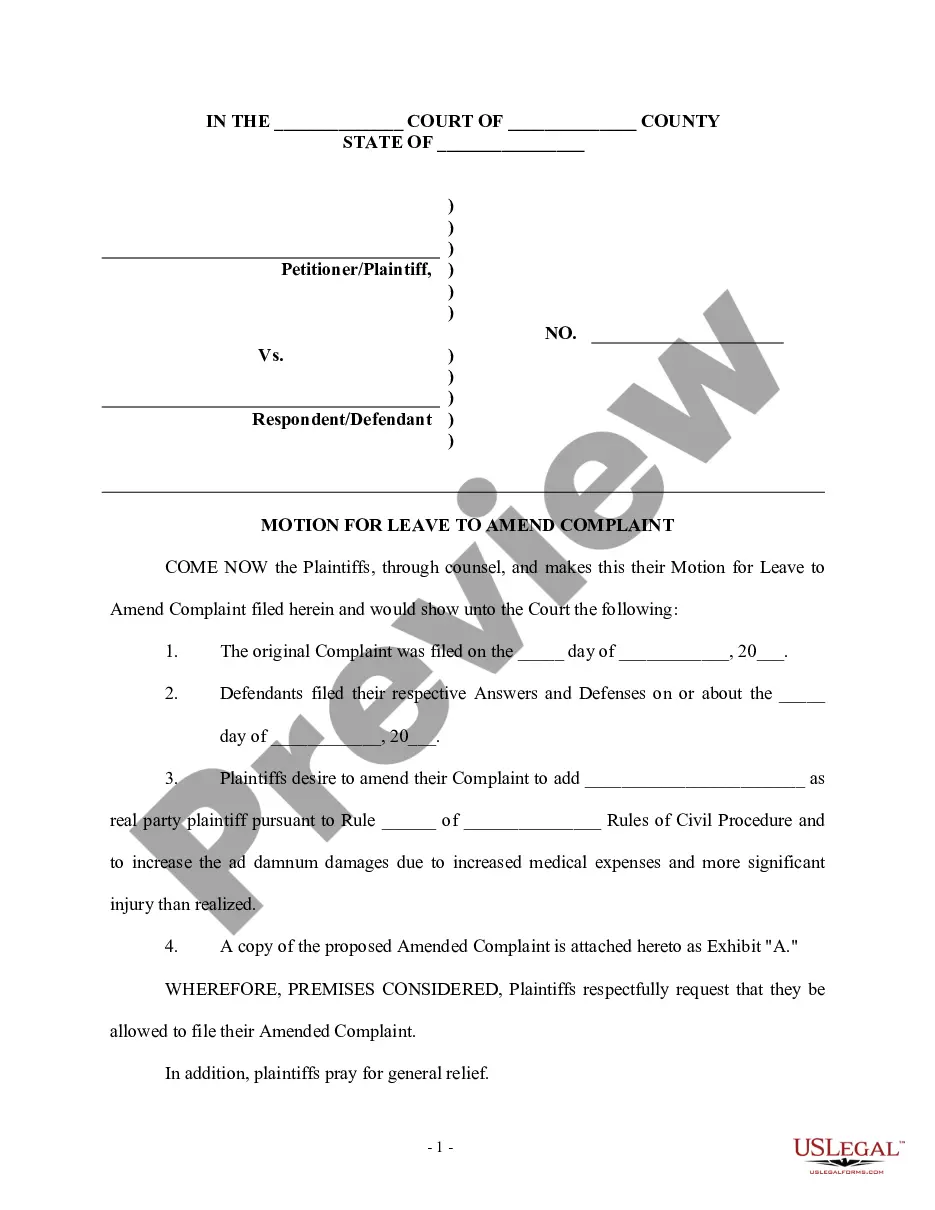
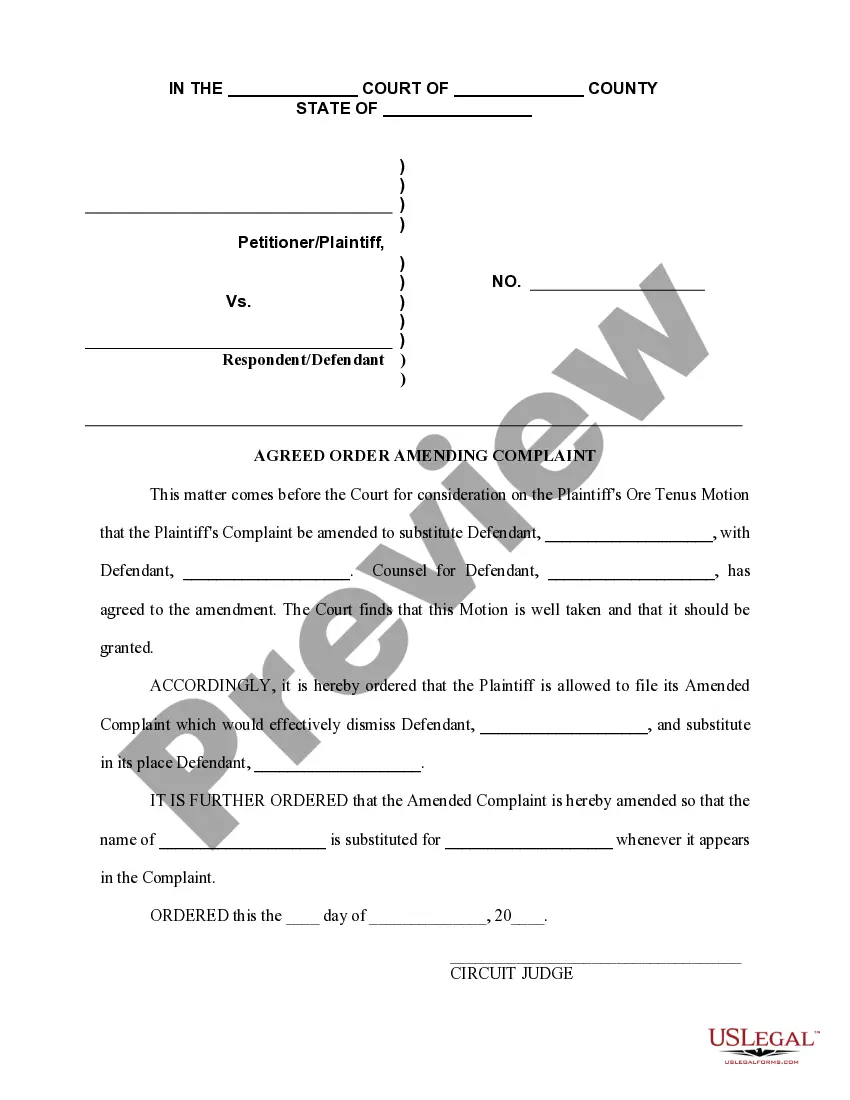
Get your form ready online
Our built-in tools help you complete, sign, share, and store your documents in one place.
Make edits, fill in missing information, and update formatting in US Legal Forms—just like you would in MS Word.
Download a copy, print it, send it by email, or mail it via USPS—whatever works best for your next step.
Sign and collect signatures with our SignNow integration. Send to multiple recipients, set reminders, and more. Go Premium to unlock E-Sign.
If this form requires notarization, complete it online through a secure video call—no need to meet a notary in person or wait for an appointment.
We protect your documents and personal data by following strict security and privacy standards.
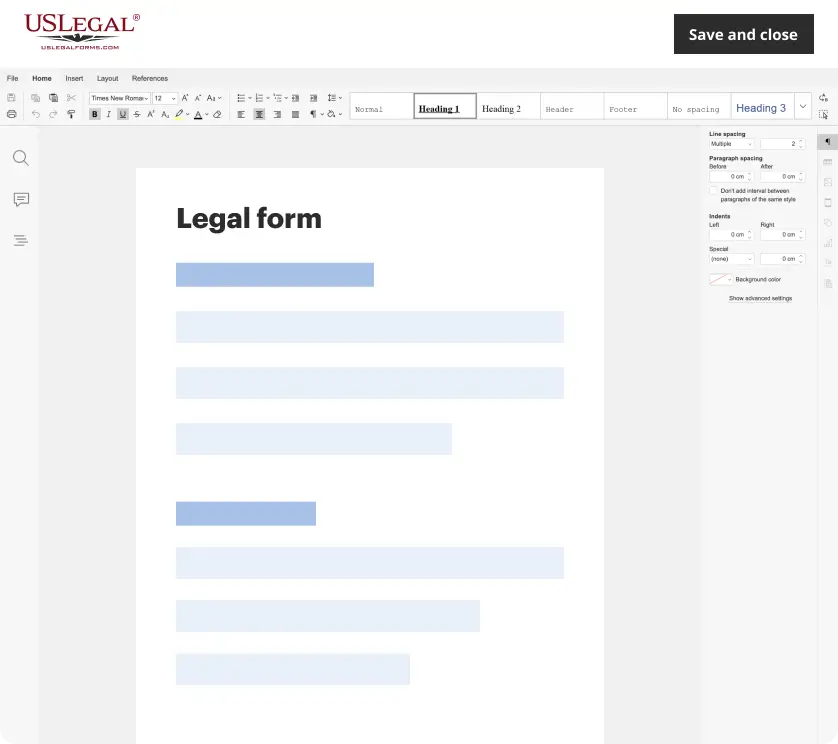
Make edits, fill in missing information, and update formatting in US Legal Forms—just like you would in MS Word.
Download a copy, print it, send it by email, or mail it via USPS—whatever works best for your next step.
Sign and collect signatures with our SignNow integration. Send to multiple recipients, set reminders, and more. Go Premium to unlock E-Sign.

If this form requires notarization, complete it online through a secure video call—no need to meet a notary in person or wait for an appointment.
We protect your documents and personal data by following strict security and privacy standards.
Looking for another form?
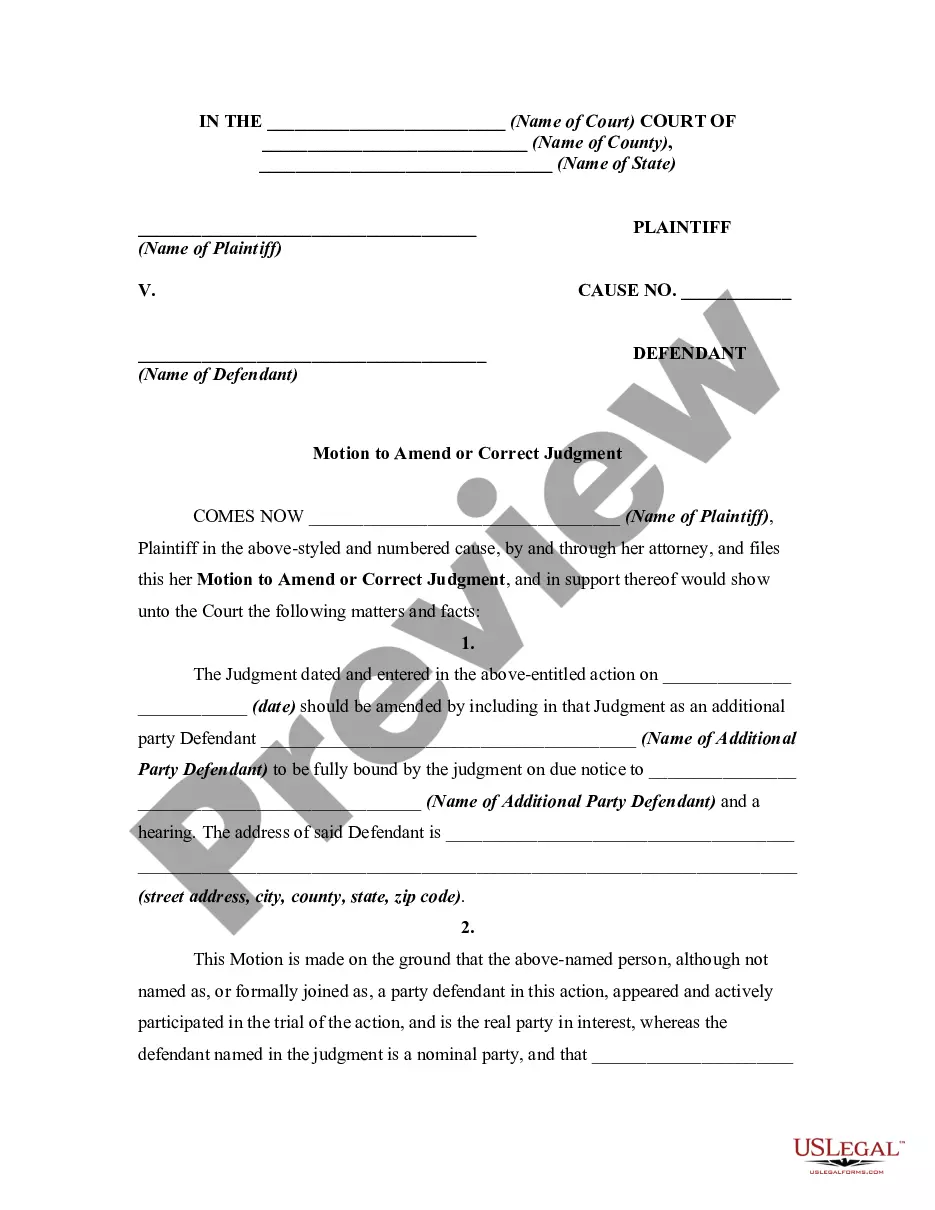
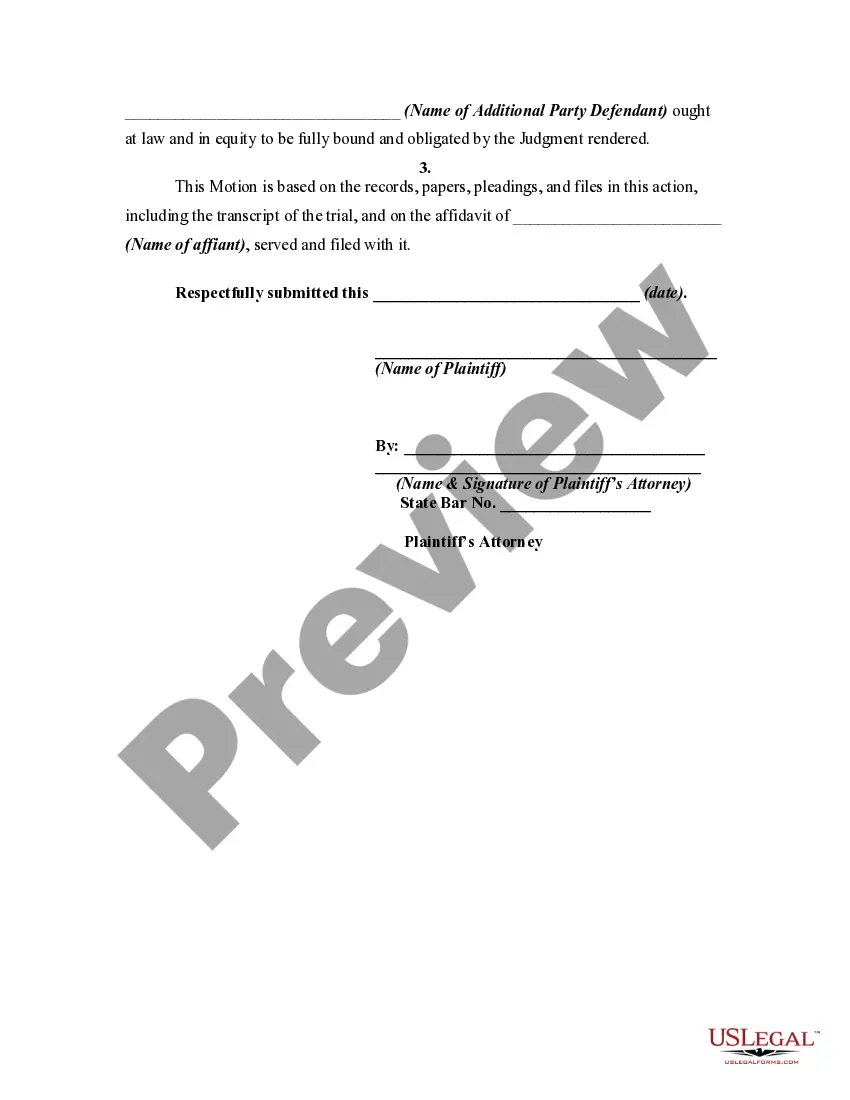
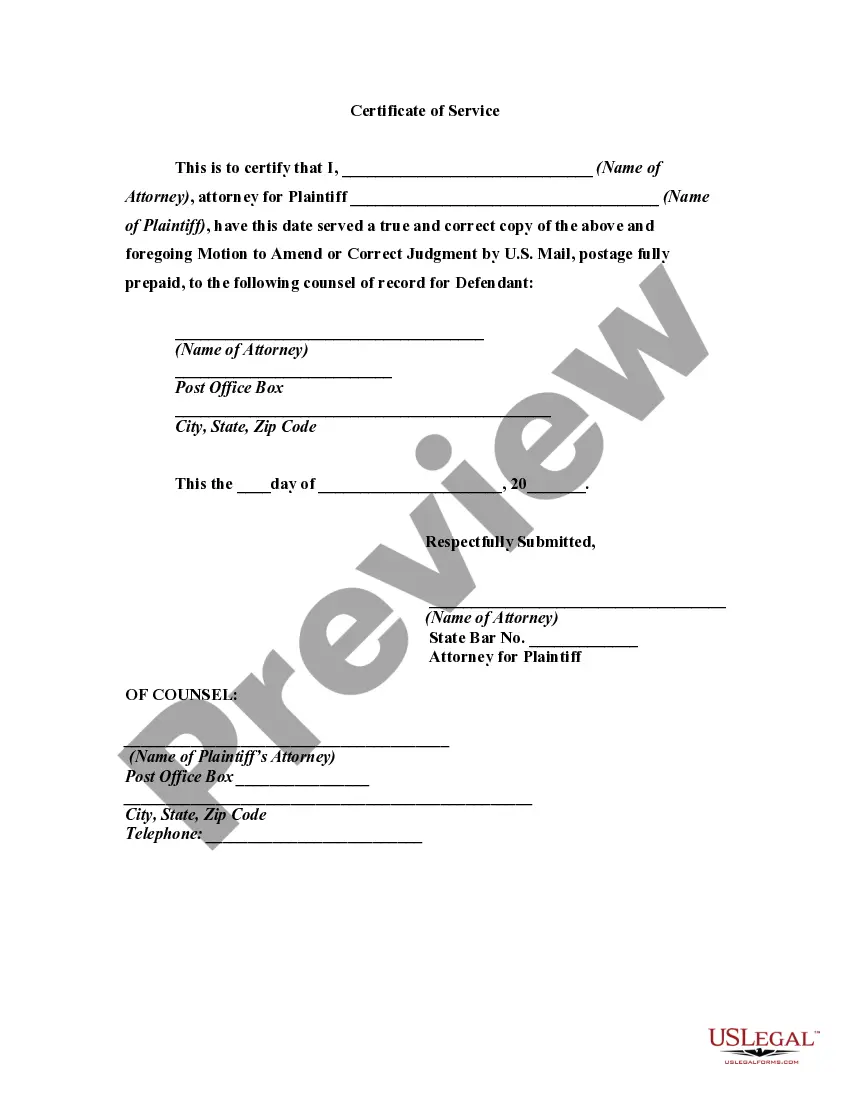
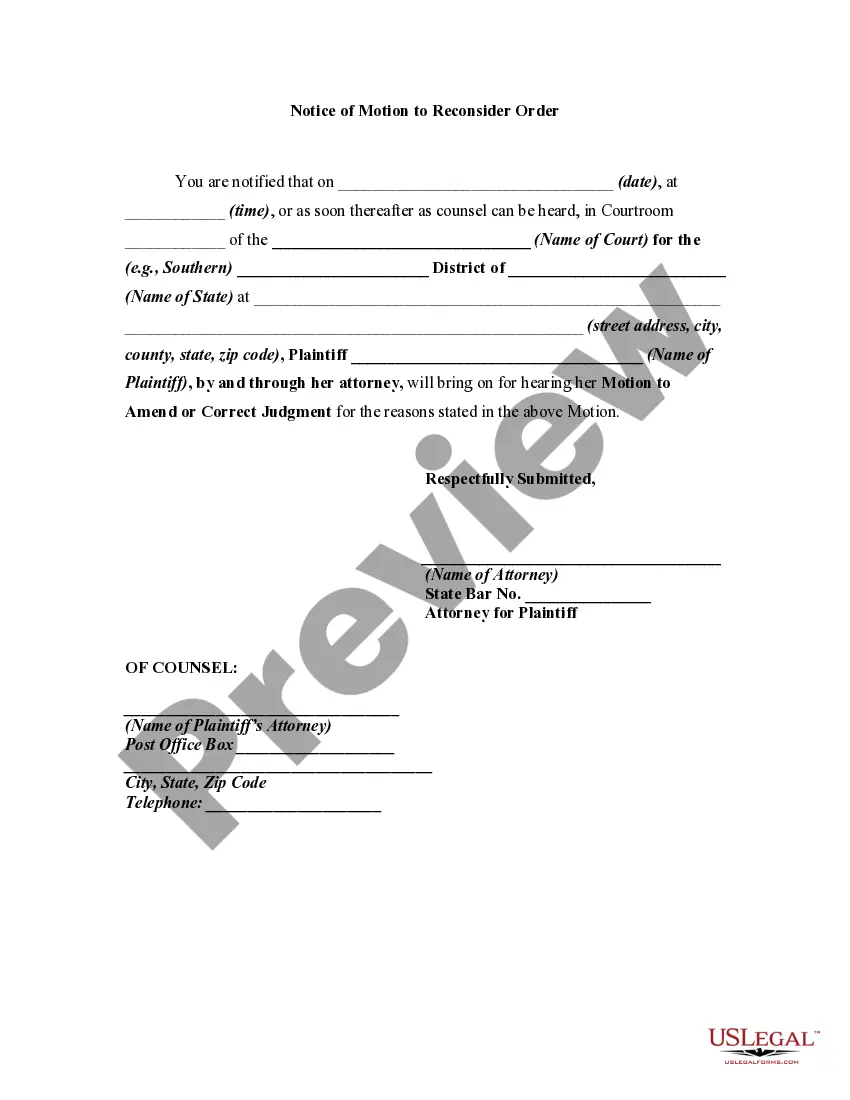
How to fill out Motion To Amend Or Correct Judgment To Include Additional Party Defendant As Real Party In Interest?
Creating legal documents from the ground up can occasionally be daunting.
Some situations may require extensive research and significant financial investment.
If you’re seeking a simpler and more economical method for generating Amend Judgment Without Notice or other documents without the hassle, US Legal Forms is always available to you.
Our online library of over 85,000 current legal templates encompasses nearly every aspect of your financial, legal, and personal affairs.
Before proceeding to download the Amend Judgment Without Notice, keep in mind these guidelines: Review the form preview and descriptions to verify that you have the correct form. Ensure that the chosen form meets your state and county's requirements. Choose the most appropriate subscription option to obtain the Amend Judgment Without Notice. Download the form. Then complete, authenticate, and print it. US Legal Forms prides itself on a flawless reputation and over 25 years of experience. Join us today and make form completion a straightforward and efficient process!
- With just a few clicks, you can efficiently access state- and county-compliant templates meticulously crafted by our legal experts.
- Utilize our website anytime you need reliable and trustworthy services to swiftly find and download the Amend Judgment Without Notice.
- If you’re already familiar with our services and have set up an account, simply Log In to your account, find the template, and download it or re-download it at your convenience later under the My documents section.
- Don’t have an account? No worries. It takes minimal time to register and browse the catalog.
Form popularity
FAQ
Rule 59 of the Federal Rules of Criminal Procedure sets out the procedures for a court to follow regarding motions for new trials and other alterations to judgments. This rule encompasses provisions that allow a defendant to amend judgment without notice under specific conditions. It is crucial to understand the implications of this rule to ensure you adhere to the legal requirements. Leveraging USLegalForms can help streamline the understanding and enactment of this rule, keeping your legal actions clear and compliant.
A motion to alter or amend is a formal request that challenges a court's previous judgment. This motion seeks to amend judgment without notice to correct errors or address new developments that warrant changes in the court's decision. It is essential to articulate the reasons for the amendment clearly and to act within the legal timeframe. For users looking for guidance, USLegalForms provides templates and resources that simplify the process of filing such motions.
The Rule 59 E motion pertains to a request for the court to alter or amend its judgment based on particular grounds. It is commonly used when a party seeks to amend judgment without notice due to new evidence or a miscalculation in the original ruling. This motion must generally be filed within a specific period after the judgment is rendered, ensuring prompt action. You may find USLegalForms helpful in navigating the procedural requirements associated with this motion.
A motion to modify, correct, or reform judgment allows a party to request changes to a court's decision. This type of motion often serves to amend judgment without notice under specific circumstances, ensuring that necessary adjustments can enhance the fairness of a ruling. It usually targets clerical errors or other mistakes in the original judgment. Utilizing USLegalForms can guide you in this process and help ensure that your motion is properly formatted and filed.
Yes, you can amend a motion for summary judgment, particularly if you believe there are valid reasons to do so. However, it's essential to ensure that you comply with local rules and guidelines regarding amendments. If you need to amend judgment without notice, you may need to file a specific request with the court to explain the reason for the amendment. Utilizing US Legal Forms can simplify this process, providing you with the necessary templates and guidance to take action effectively.
When a motion is amended, it means that changes have been made to the original motion to clarify, add, or remove information. This process can help address issues that arise after the original filing, ensuring that the court has the most accurate information. In some situations, you may be able to amend judgment without notice, which can streamline the process. Legal platforms like US Legal Forms can assist you in understanding how to navigate these amendments effectively.
The purpose of a motion for judgment is to ask the court to render a decision on a case based on the evidence presented. By filing this motion, parties can request the court to confirm their version of the events as the accurate one. In certain instances, it may allow for a chance to amend judgment without notice, depending on the laws governing the jurisdiction. Understanding this motion is crucial for anyone navigating the legal system.
A motion to modify is a formal request made to a court to change an existing judgment or order. In some cases, individuals can amend judgment without notice when they seek specific adjustments to their case. It allows parties to present new information or circumstances that may warrant a change. This process can be vital for achieving fair results in legal matters.
A Rule 15 petition is a formal request to the court to amend a pleading. It serves as a legal foundation for changing terms and details within a case. By understanding and utilizing a rule 15 petition, you can effectively navigate your options to amend judgment without notice when necessary.
The Rule 15 motion allows parties to amend their pleadings either by right or with the court's permission. This flexibility is essential in ensuring that all relevant issues are addressed adequately during litigation. Understanding this rule is crucial when you aim to amend judgment without notice, as it can influence the outcome of your case.