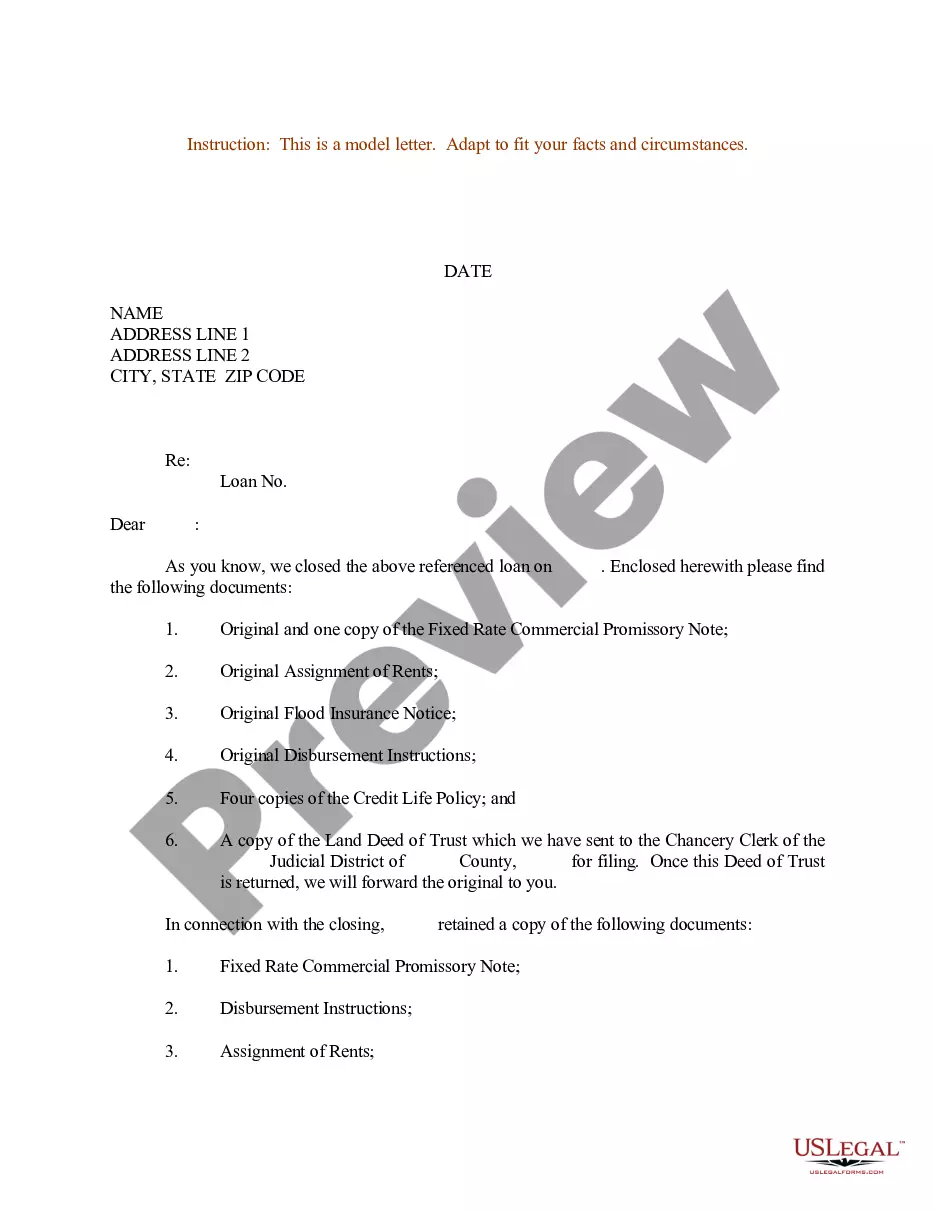
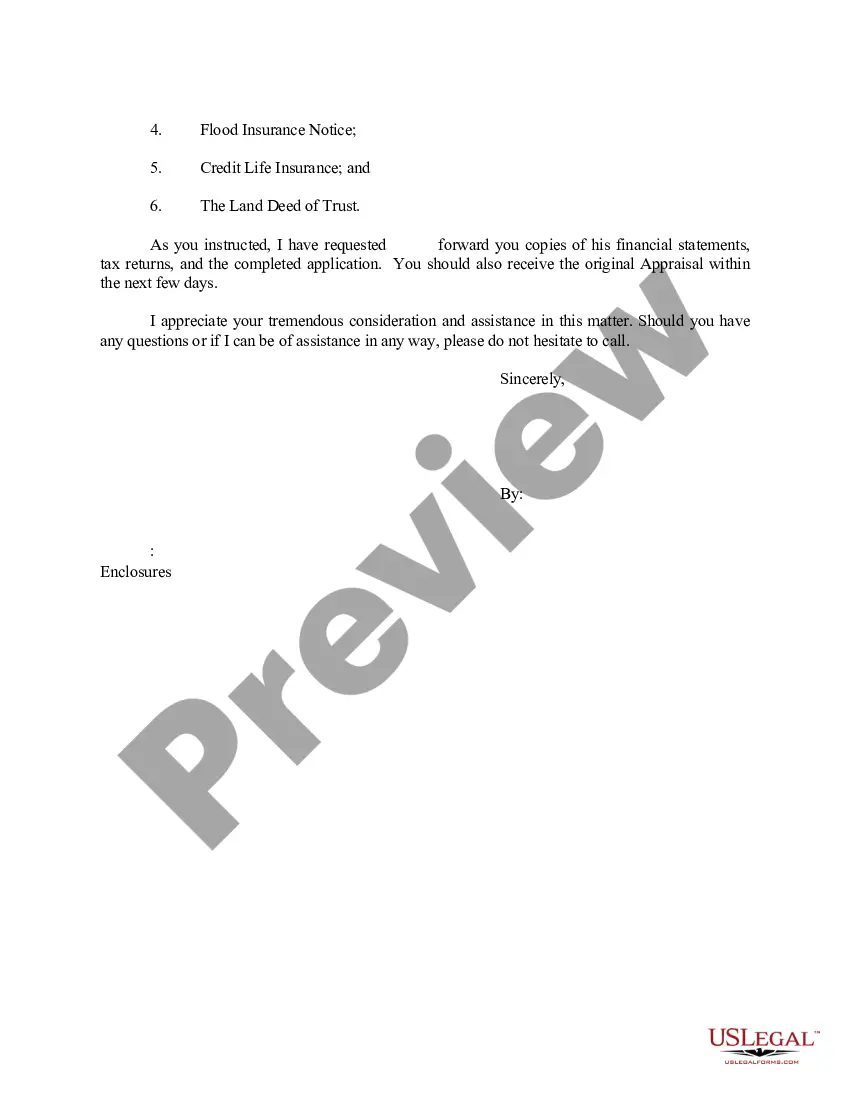
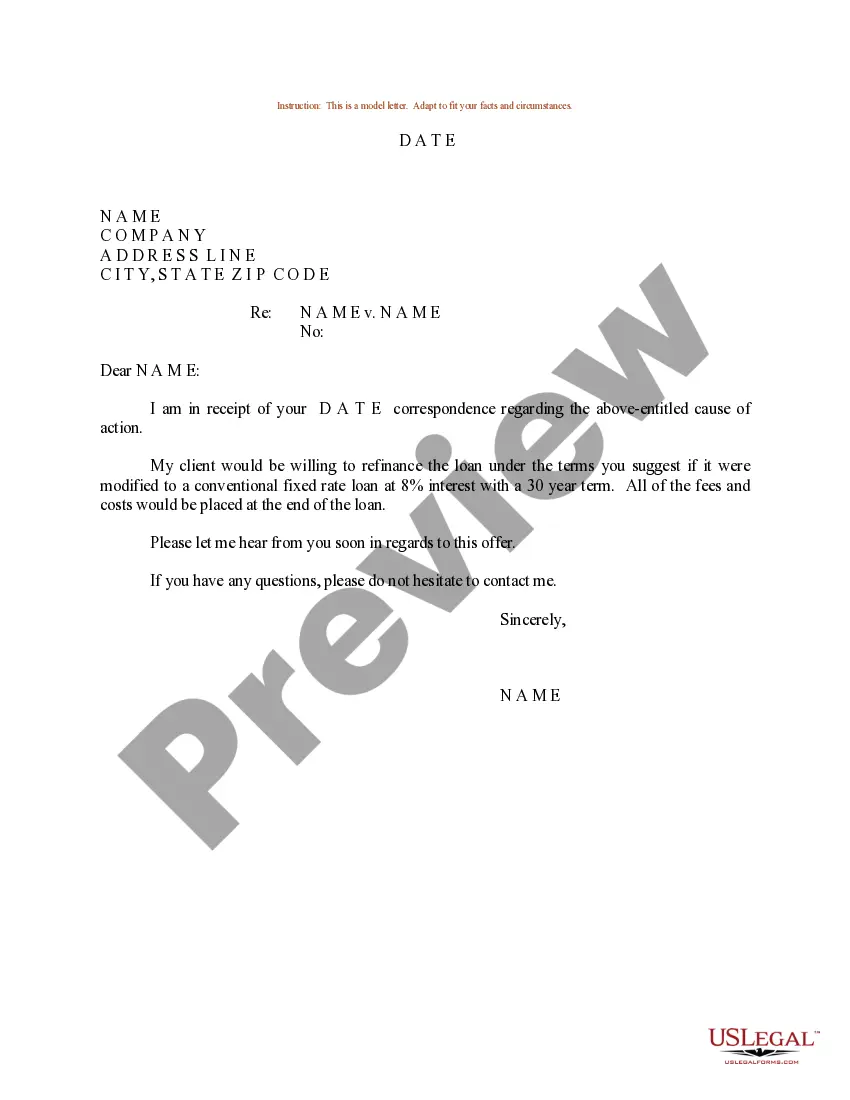
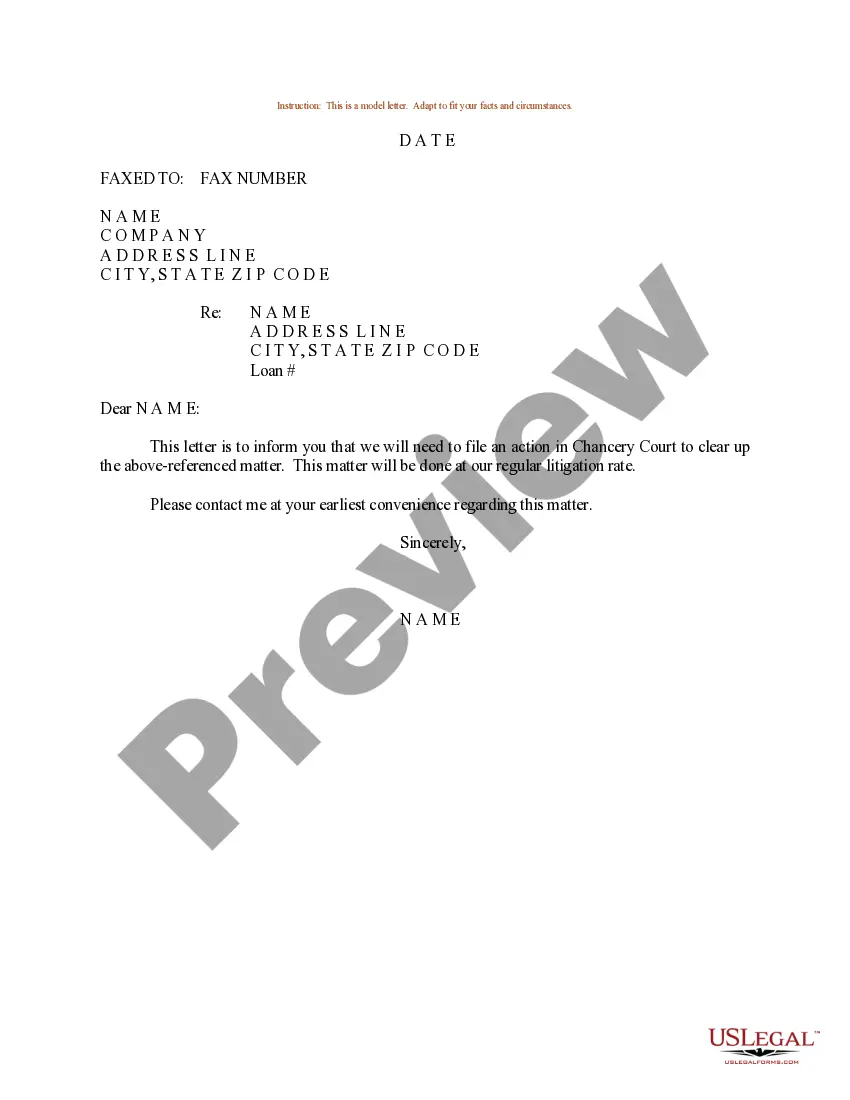
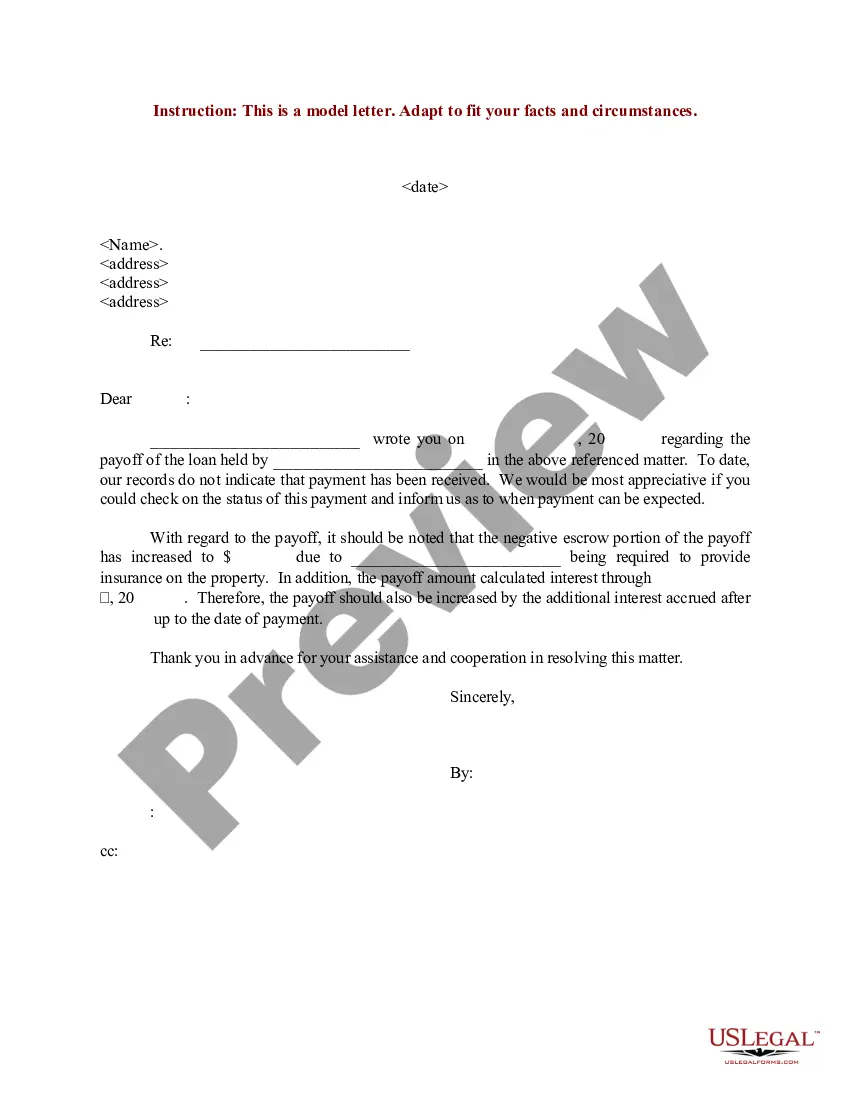
Loan Repayment Letter Sample
Description
Get your form ready online
Our built-in tools help you complete, sign, share, and store your documents in one place.
Make edits, fill in missing information, and update formatting in US Legal Forms—just like you would in MS Word.
Download a copy, print it, send it by email, or mail it via USPS—whatever works best for your next step.
Sign and collect signatures with our SignNow integration. Send to multiple recipients, set reminders, and more. Go Premium to unlock E-Sign.
If this form requires notarization, complete it online through a secure video call—no need to meet a notary in person or wait for an appointment.
We protect your documents and personal data by following strict security and privacy standards.

Make edits, fill in missing information, and update formatting in US Legal Forms—just like you would in MS Word.

Download a copy, print it, send it by email, or mail it via USPS—whatever works best for your next step.

Sign and collect signatures with our SignNow integration. Send to multiple recipients, set reminders, and more. Go Premium to unlock E-Sign.

If this form requires notarization, complete it online through a secure video call—no need to meet a notary in person or wait for an appointment.

We protect your documents and personal data by following strict security and privacy standards.
Looking for another form?
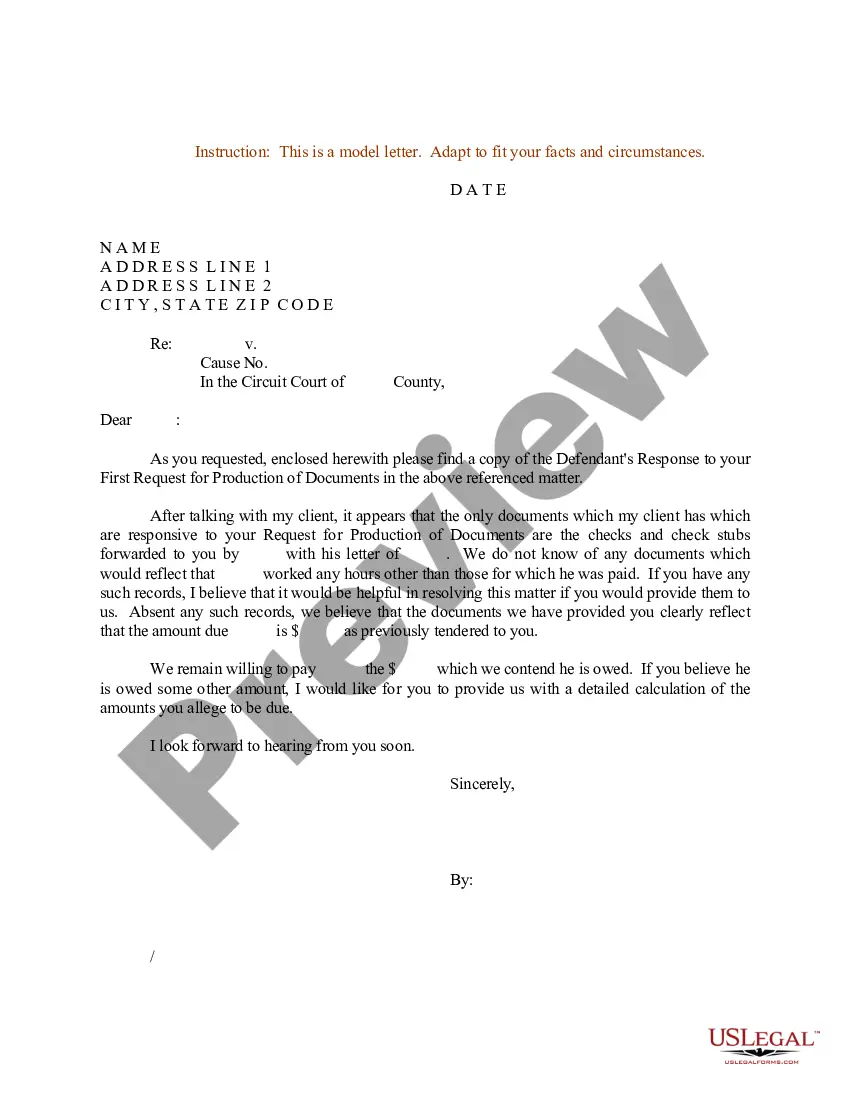
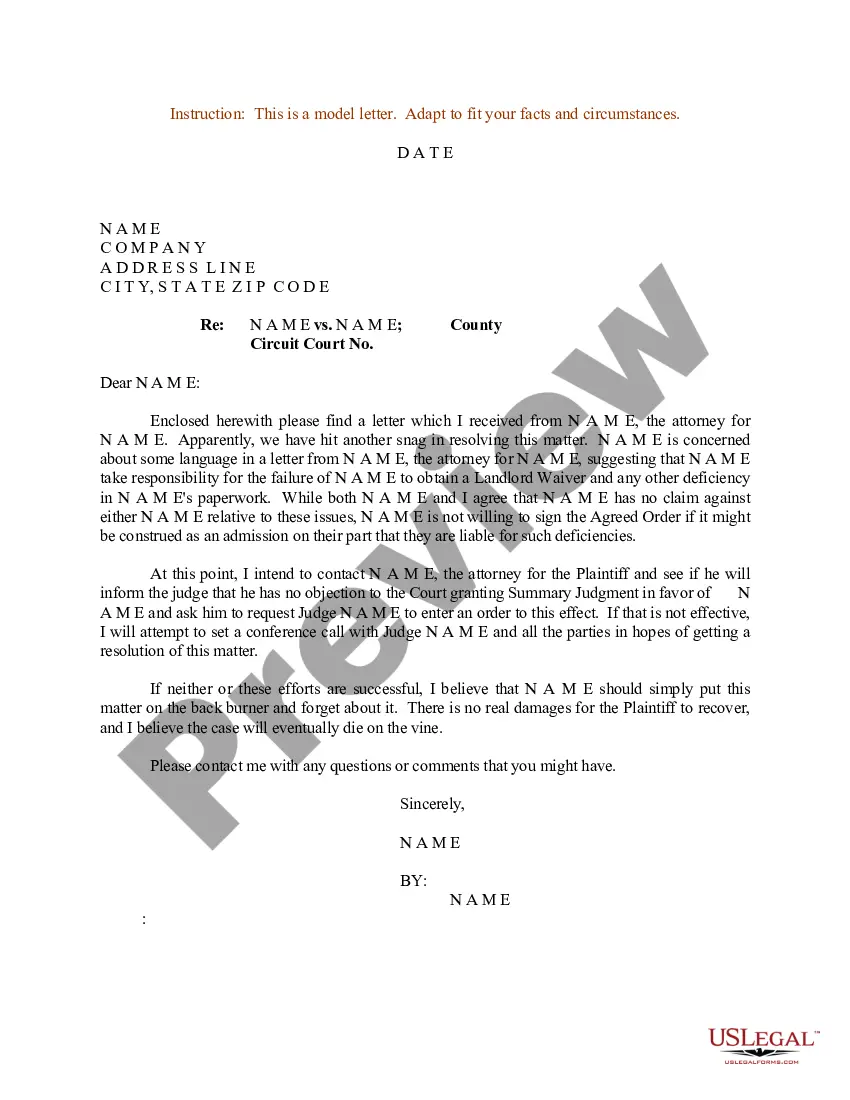
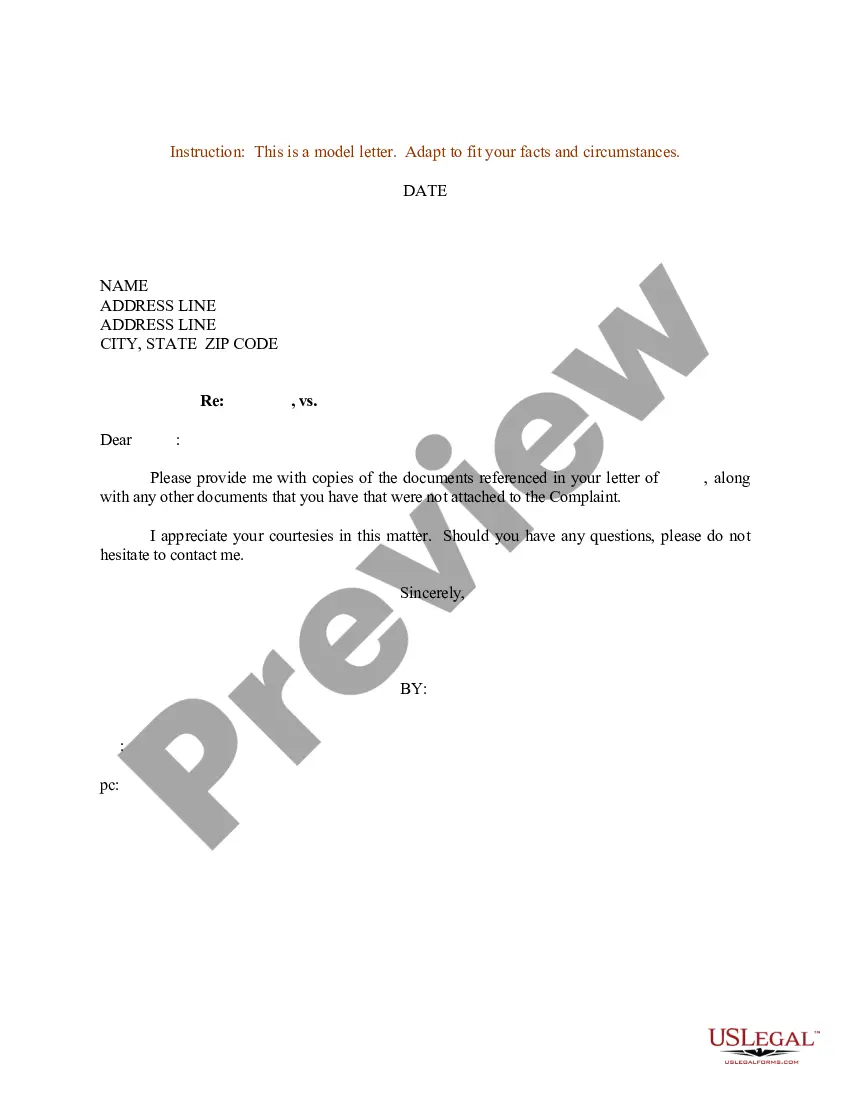
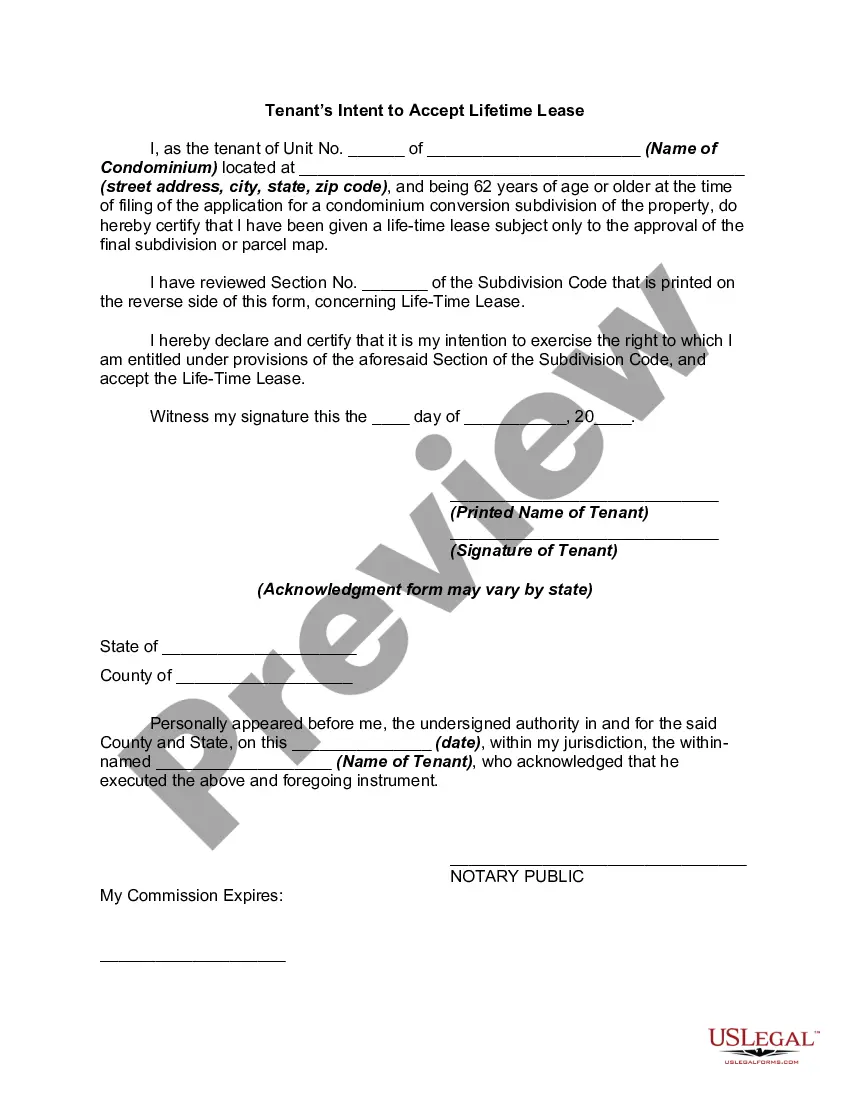
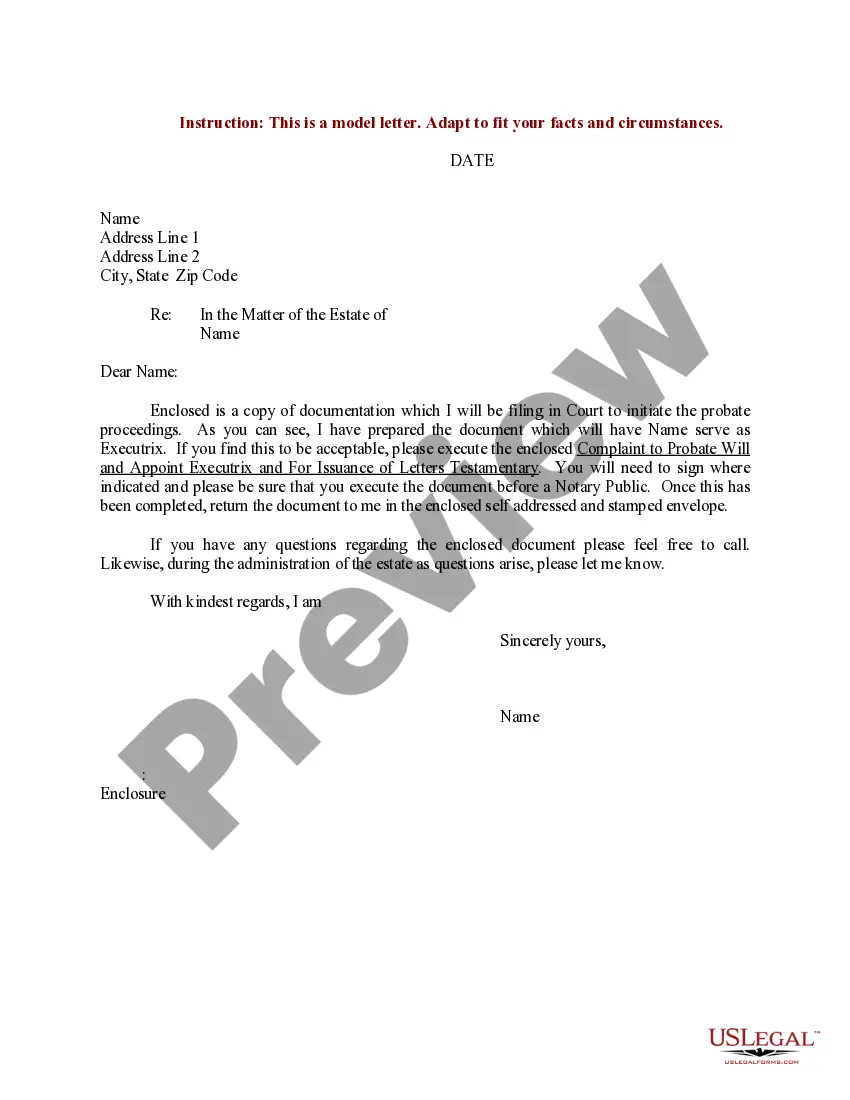
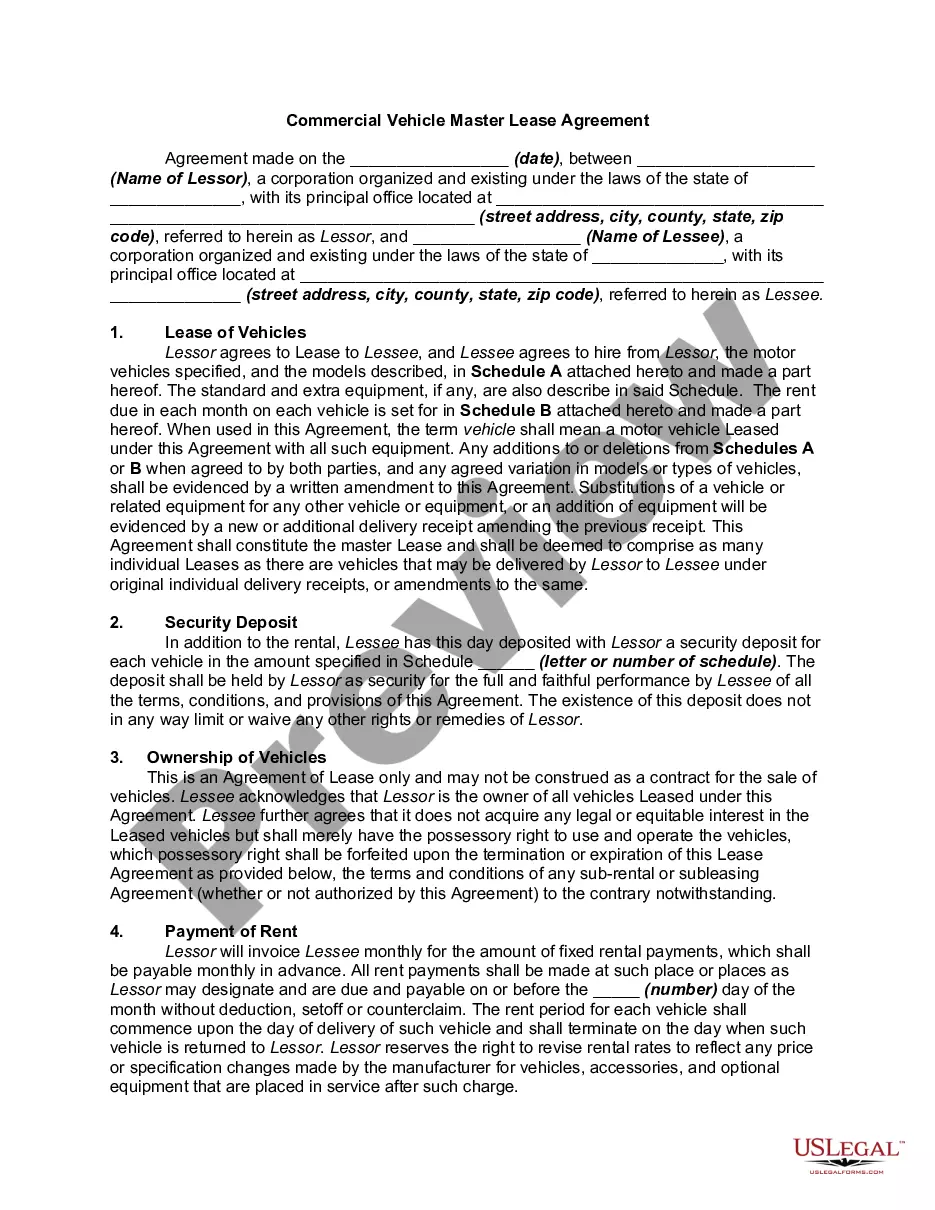
How to fill out Sample Letter For Loan?
Managing legal paperwork and processes can be a lengthy addition to your day.
Loan Repayment Letter Example and forms similar to it generally require you to look for them and figure out how to fill them out correctly.
As a result, whether you're dealing with financial, legal, or personal issues, having a comprehensive and useful online collection of forms at your disposal will significantly assist you.
US Legal Forms is the leading online platform for legal templates, boasting over 85,000 state-specific forms and various tools to enable you to complete your documents swiftly.
Is this your first time using US Legal Forms? Register and create your account in just a few moments to gain access to the form library and Loan Repayment Letter Example. Then, follow the steps below to finalize your form: Ensure you have located the appropriate form by utilizing the Review feature and examining the form details. Select Buy Now once you're prepared, and choose the subscription plan that suits your requirements. Choose Download, then fill out, sign, and print the form. US Legal Forms has 25 years of experience assisting clients with their legal paperwork. Obtain the form you need today and enhance any process without needing to exert much effort.
- Explore the library of pertinent documents available with just a single click.
- US Legal Forms provides you with state- and county-specific forms accessible at any time for download.
- Protect your document management processes by utilizing a high-quality service that allows you to prepare any form in minutes without extra or hidden fees.
- Simply Log In to your account, find Loan Repayment Letter Example, and download it immediately from the My documents section.
- You can also access previously downloaded forms.
Form popularity
FAQ
File a claim by filling out and submitting Form 50 (in case of work-related injuries) or Form 52 (in case of work-related death) to the Commission. Request a hearing by indicating this desire on the claim form (Line 13b on Form 50 or Line 12b on Form 52).
The method of payment to workers is not the sole determining factor as to the requirement of an employer to maintain workers' compensation insurance coverage. It is possible for an employer to pay workers via 1099 and still be required to maintain workers' compensation insurance coverage.
Do I need a Workers' Compensation Insurance? As a general rule, businesses that regularly employ four or more employees within South Carolina are required to maintain workers' compensation coverage. Part-time workers and family members are counted as employees.
South Carolina law requires every business with four or more employees to purchase workers' compensation insurance. This policy covers the cost of medical treatment and lost wages for workers who are injured on the job.
Current Workers' Comp Rates in South Carolina The National Council on Compensation Insurance (NCCI) sets work comp rates in South Carolina. In 2018, SC employers paid $1.50 - $1.99 per $100 in payroll for workers' compensation coverage. Workers' compensation rates are always represented per $100 in payroll.
The Workers' Compensation Act in South Carolina provides that if an employee suffers injury by accident arising out of and in the course of employment, that individual is entitled to recover medical expenses, temporary total compensation for lost time, and permanent disability benefits if he/she suffered any permanent ...
The coming and going rule holds that injuries suffered by an employee on the way to the workplace or on the way home are generally not compensable because the injured worker is not ?on the clock? when the accidental injury takes place.