Liability Tenant Rent With Landlord
Description
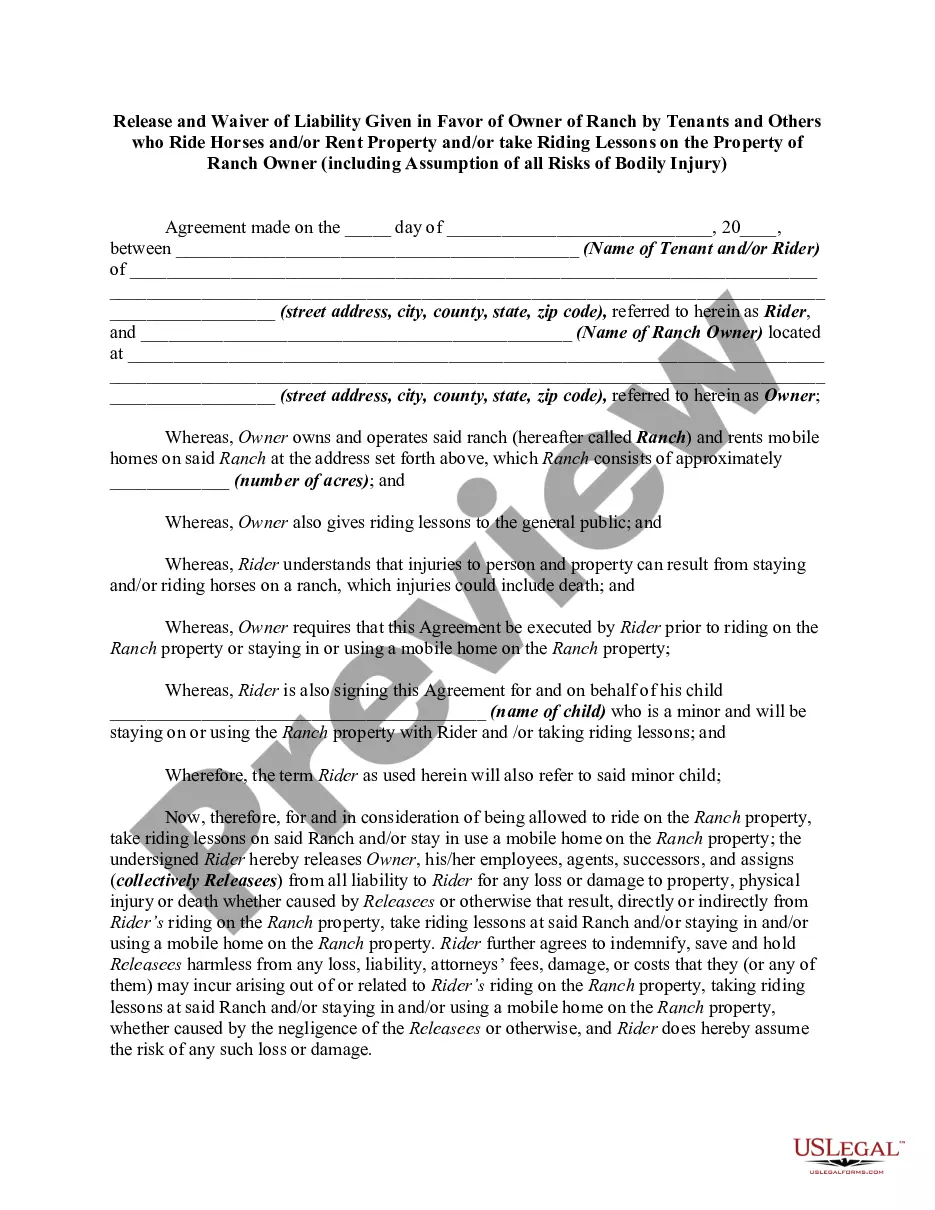
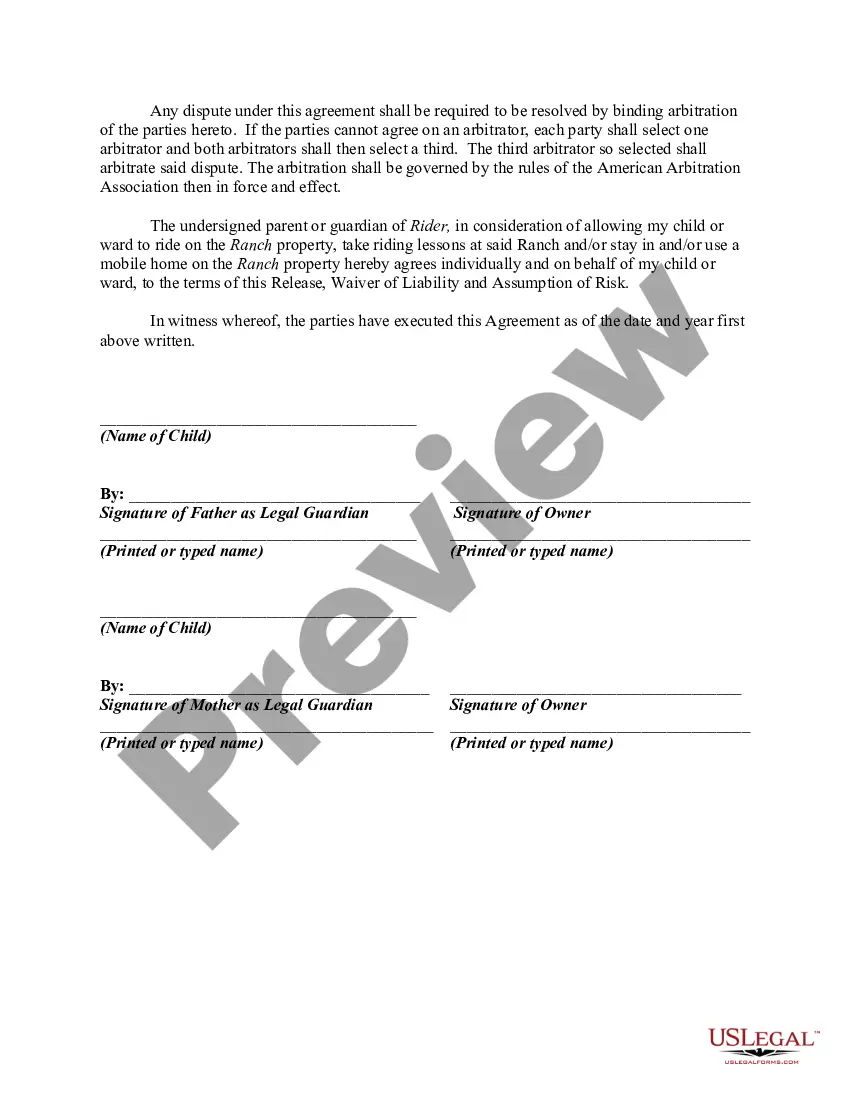
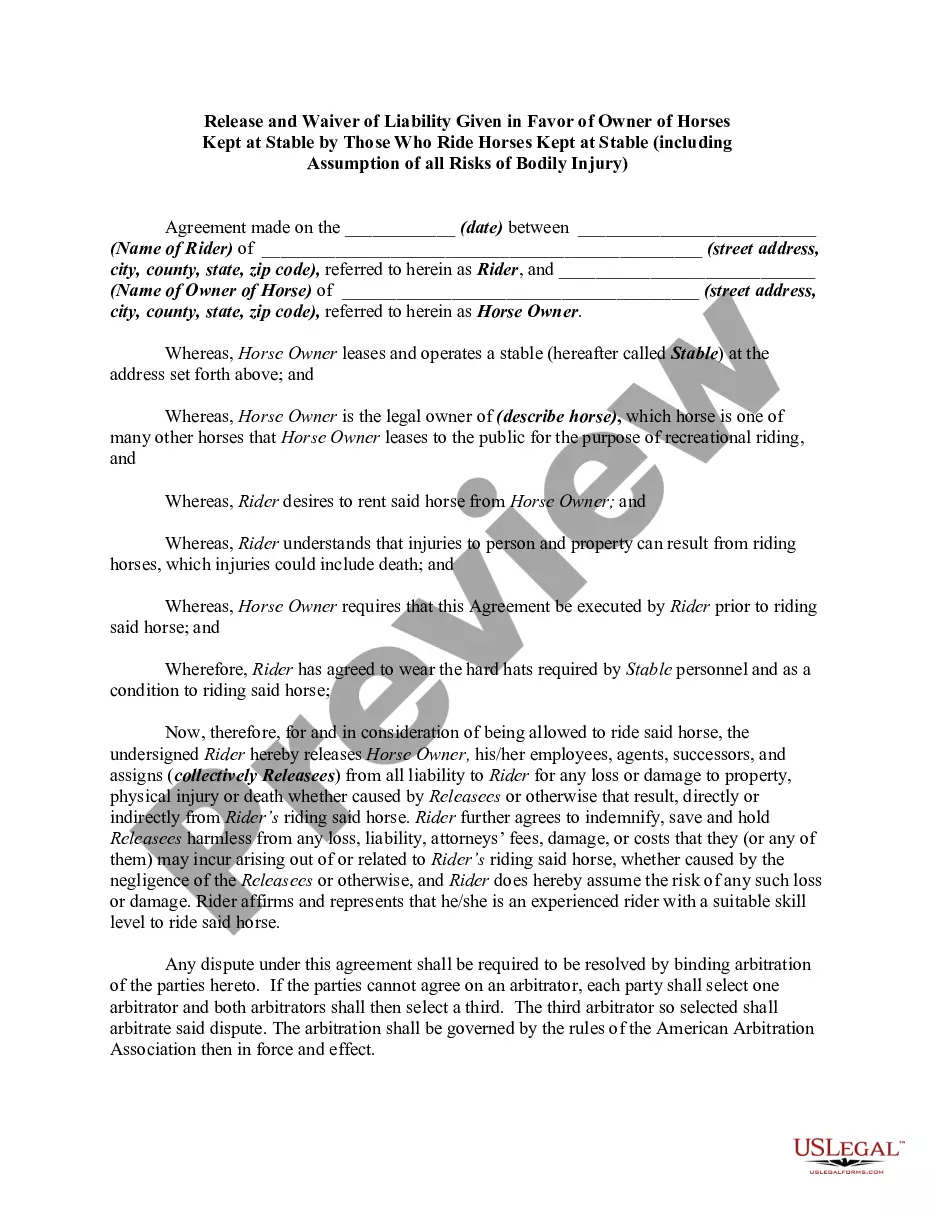
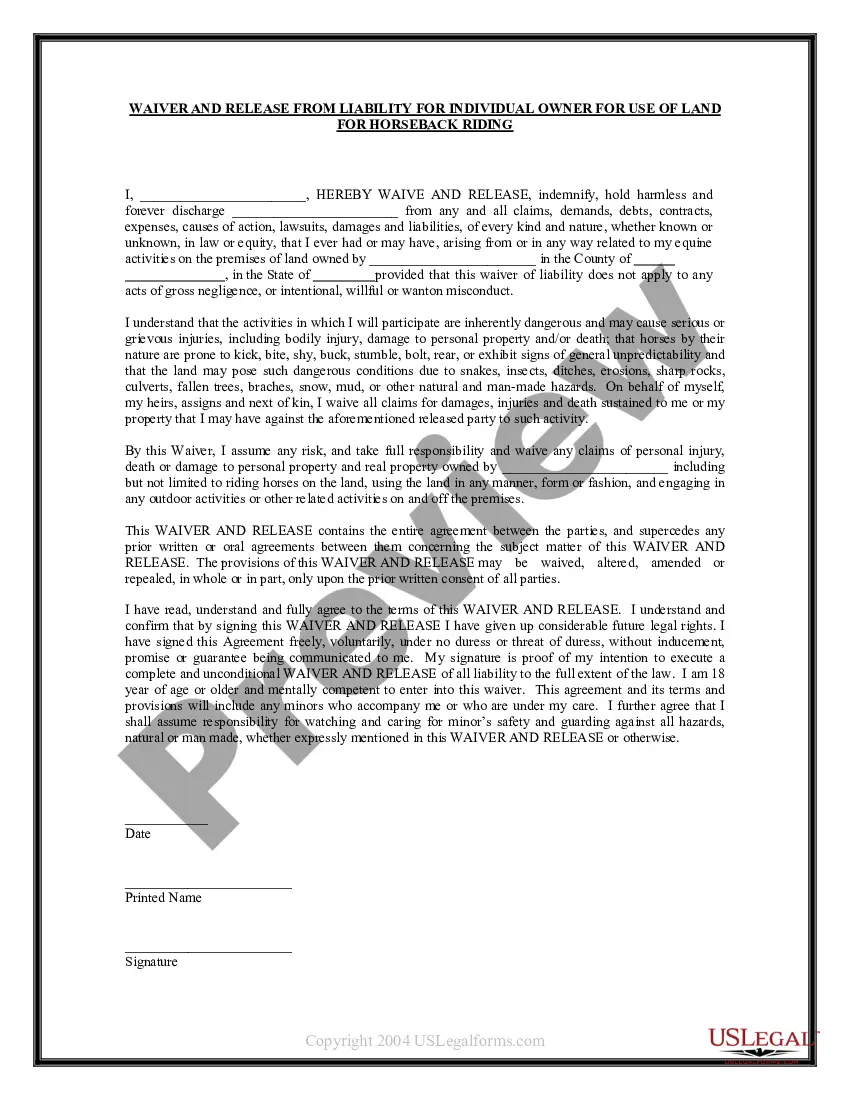
Get your form ready online
Our built-in tools help you complete, sign, share, and store your documents in one place.
Make edits, fill in missing information, and update formatting in US Legal Forms—just like you would in MS Word.
Download a copy, print it, send it by email, or mail it via USPS—whatever works best for your next step.
Sign and collect signatures with our SignNow integration. Send to multiple recipients, set reminders, and more. Go Premium to unlock E-Sign.
If this form requires notarization, complete it online through a secure video call—no need to meet a notary in person or wait for an appointment.
We protect your documents and personal data by following strict security and privacy standards.

Make edits, fill in missing information, and update formatting in US Legal Forms—just like you would in MS Word.

Download a copy, print it, send it by email, or mail it via USPS—whatever works best for your next step.

Sign and collect signatures with our SignNow integration. Send to multiple recipients, set reminders, and more. Go Premium to unlock E-Sign.

If this form requires notarization, complete it online through a secure video call—no need to meet a notary in person or wait for an appointment.

We protect your documents and personal data by following strict security and privacy standards.
Looking for another form?
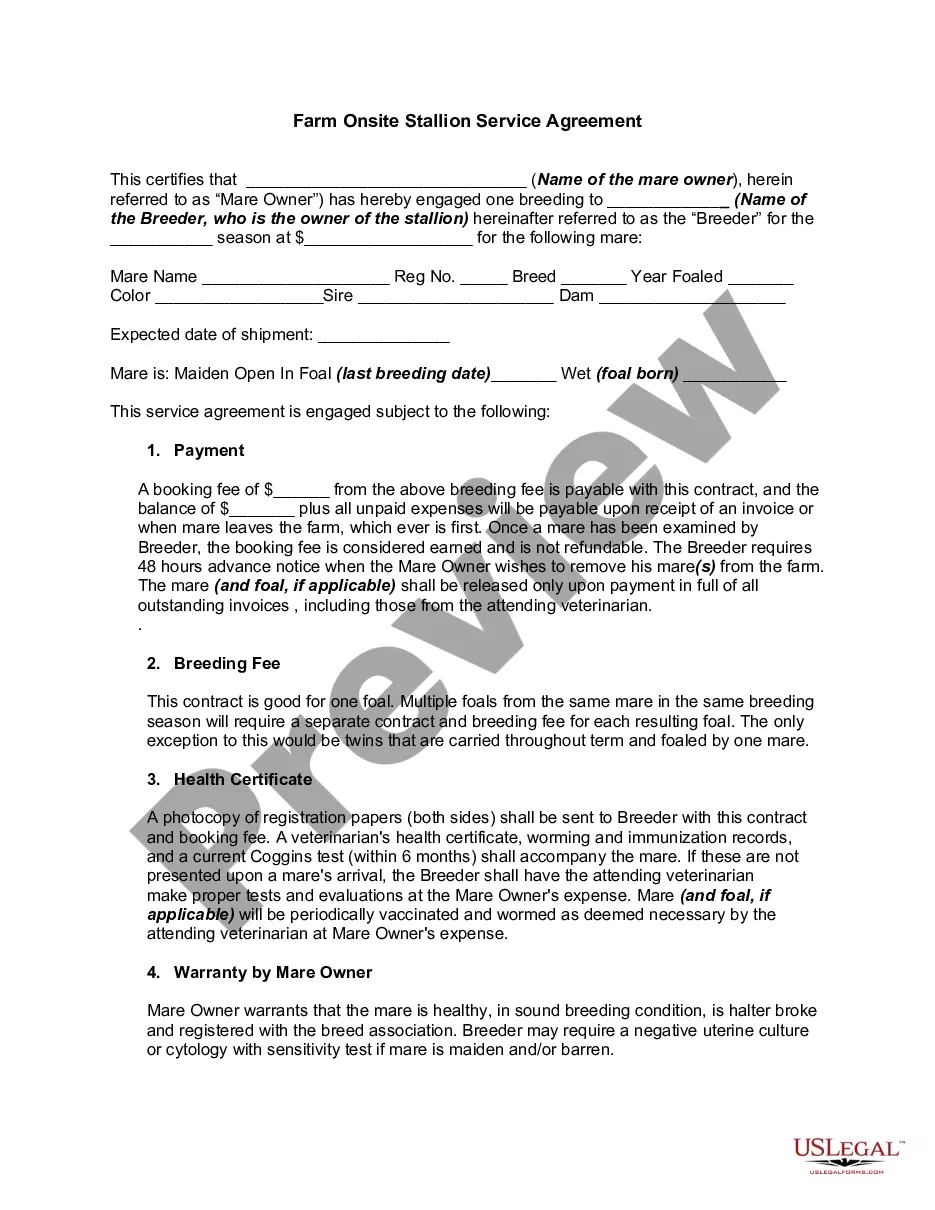






How to fill out Release And Waiver Of Liability Given In Favor Of Owner Of Ranch By Tenants And Others Who Ride Horses And/or Rent Property And/or Take Riding Lessons On The Property Of Ranch Owner - Including Assumption Of All Risks Of Personal Bodily Injury - Horseback?
- If you're a returning user, log in to your account and click the Download button to retrieve your desired form. Ensure your subscription is active; if not, renew it per your payment plan.
- For new users, begin by reviewing the Preview mode and detailed descriptions of forms. Confirm the selected template aligns with your needs and local regulations.
- If you require another template, utilize the Search tab to explore additional options. Once found, verify its suitability before proceeding.
- Purchase your document by clicking the Buy Now button and selecting your preferred subscription plan. Create an account to access our extensive library.
- Complete your purchase using credit card information or PayPal to finalize your subscription.
- Download your form to your device for completion, and access it anytime via the My Forms section.
Utilizing US Legal Forms, you can easily access a vast library of over 85,000 editable legal forms, ensuring you find what you need without hassle.
With US Legal Forms, you can quickly create accurate legal documents with the option to consult premium experts, enhancing your rental agreements' legality and precision. Start your journey today!
Form popularity
FAQ
You can pursue a lawsuit against a tenant even after they vacate your property, especially for issues related to unpaid rent. Be sure to follow the legal procedures in your state, including a proper notice to the tenant. Document all communication and evidence of the rental agreement to support your claim.
To collect unpaid rent after a tenant moves out, begin by reviewing the lease agreement for any clauses related to non-payment. Send the tenant a demand letter outlining the owed amount and a deadline for payment. If necessary, you may need to take legal action, which can be facilitated through USLegalForms to assist you with the right legal documents.
An example of landlord liability could be failing to repair a leaking roof that causes water damage in a tenant's unit. If this issue leads to mold growth, the landlord may be held responsible for the costs of removal and any related tenant health issues. Learning about potential liabilities is essential so that you can take timely action to protect both your tenants and your property.
Negligence occurs when a landlord fails to maintain a safe living environment or does not address urgent repair needs. This includes not fixing hazardous conditions like broken stairs or plumbing issues that can affect tenant safety. If this negligence results in tenant harm or property damage, you may face potential liability. Understanding liability tenant rent with landlord is vital to prevent such issues.
To safeguard against personal liability when renting out property, consider obtaining comprehensive insurance coverage. Liability insurance can protect you from claims related to tenant injuries or damages. Additionally, having a well-structured lease agreement can clarify responsibilities and help mitigate risks. USLegalForms offers templates that can assist you in drafting a solid rental agreement.
Yes, you can pursue legal action against a tenant who breaches the rental agreement after moving out. This might include unpaid rent or property damages. Make sure to gather evidence, such as lease agreements and photos of the condition of the property, which can bolster your case. Consulting with USLegalForms can provide the necessary forms and guidance for the legal process.
If one tenant leaves, it can impact the lease terms and obligations among remaining tenants. You should review the lease agreement to determine the rights of the departing tenant and how it affects others. It's often best to communicate openly with all tenants to ensure clarity on rental payments and responsibilities. In such cases, understanding liability tenant rent with landlord is crucial.
When a renter vacates, first, conduct a thorough inspection of the property. Check for any damages that exceed normal wear and tear, as this may affect the return of their security deposit. Notify your tenant of any deductions promptly and document everything for your records. Utilizing resources like USLegalForms can help you create a legally sound checklist for move-out procedures.
To protect your rental property from liability, consider implementing safety measures, such as regular property inspections and installing necessary safety features. Creating clear and comprehensive lease agreements with the help of uslegalforms can also set the right expectations for tenants, which may prevent future conflicts. Staying informed about local laws and insurance options ensures you have a proactive approach to manage liability tenant rent with landlord issues.
Personal liability coverage for landlords is insurance that protects you against claims for property damage or injury that occur on your rental premises. This coverage can help you manage legal costs and settlements in case a tenant or visitor files a lawsuit. By ensuring that you have adequate personal liability coverage, you can navigate the complexities of liability tenant rent with landlord scenarios more confidently.