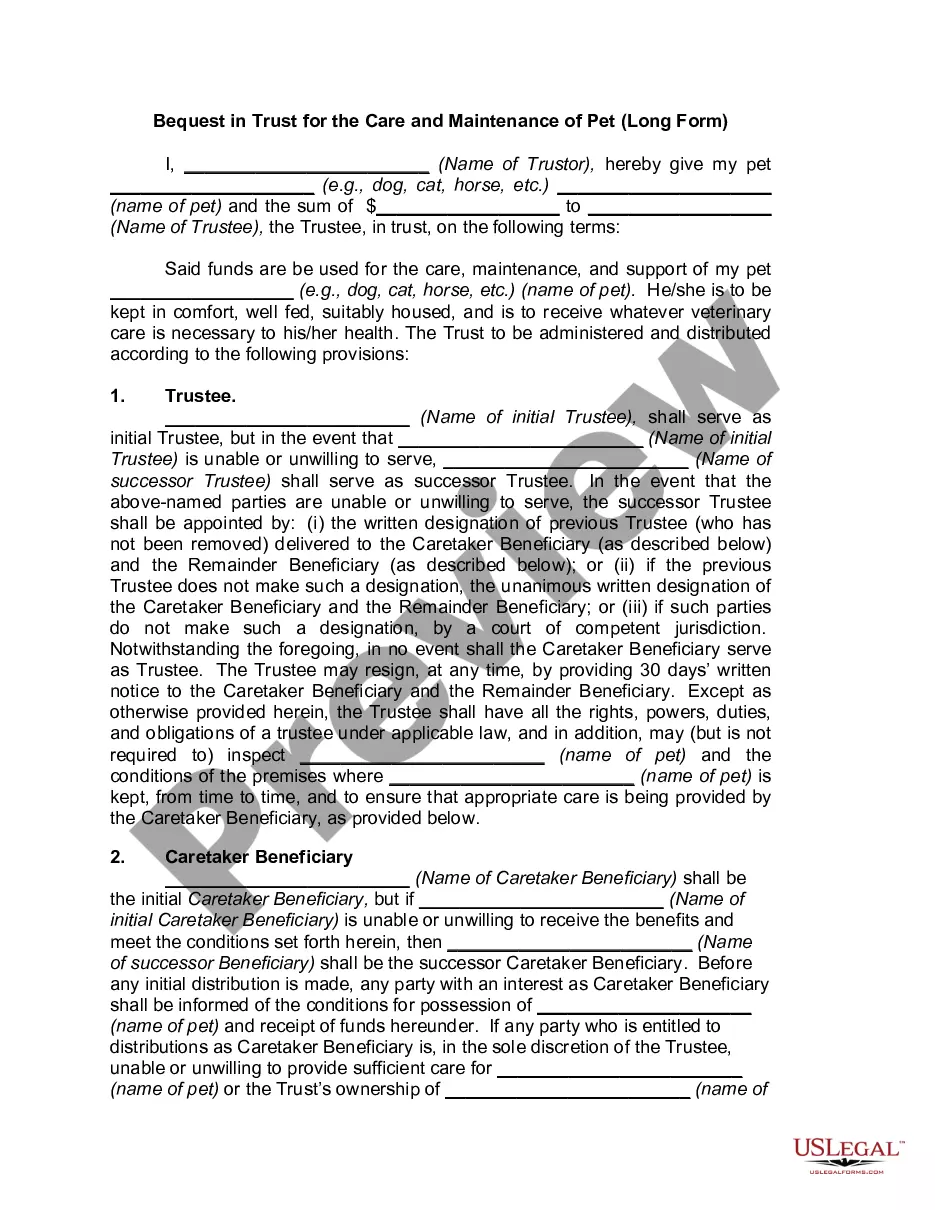
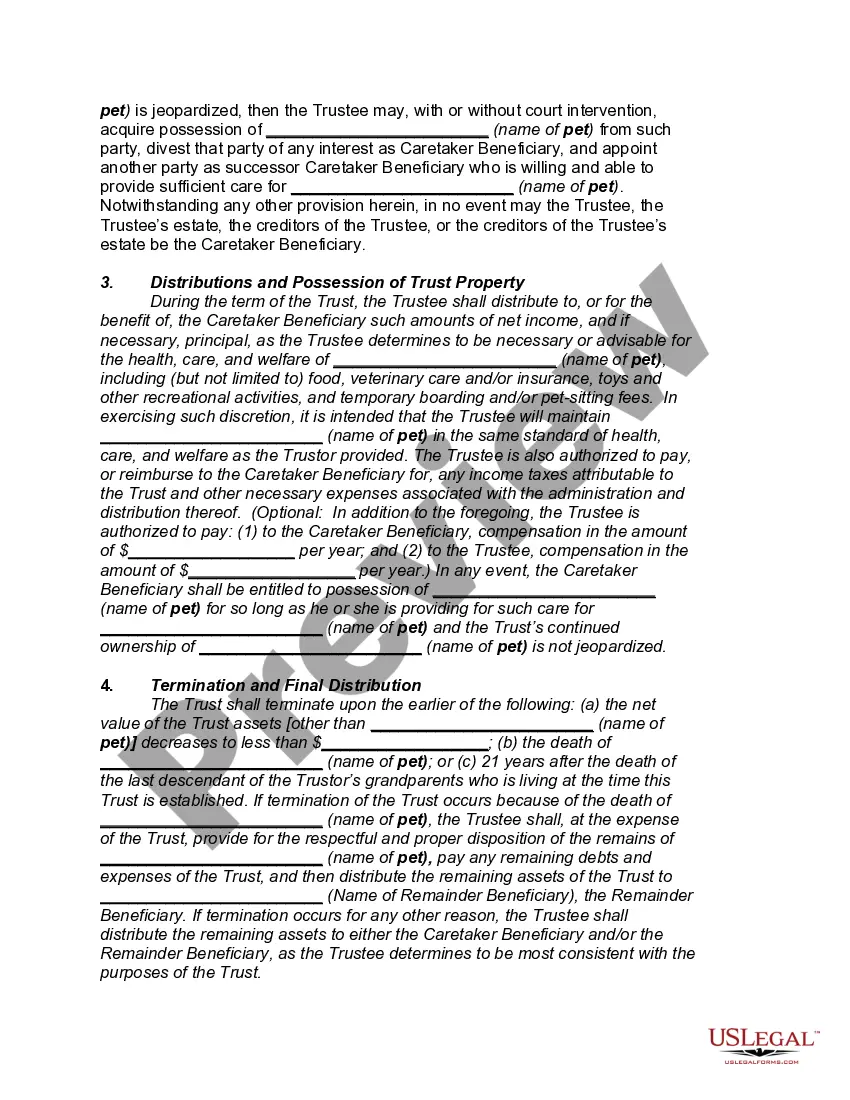
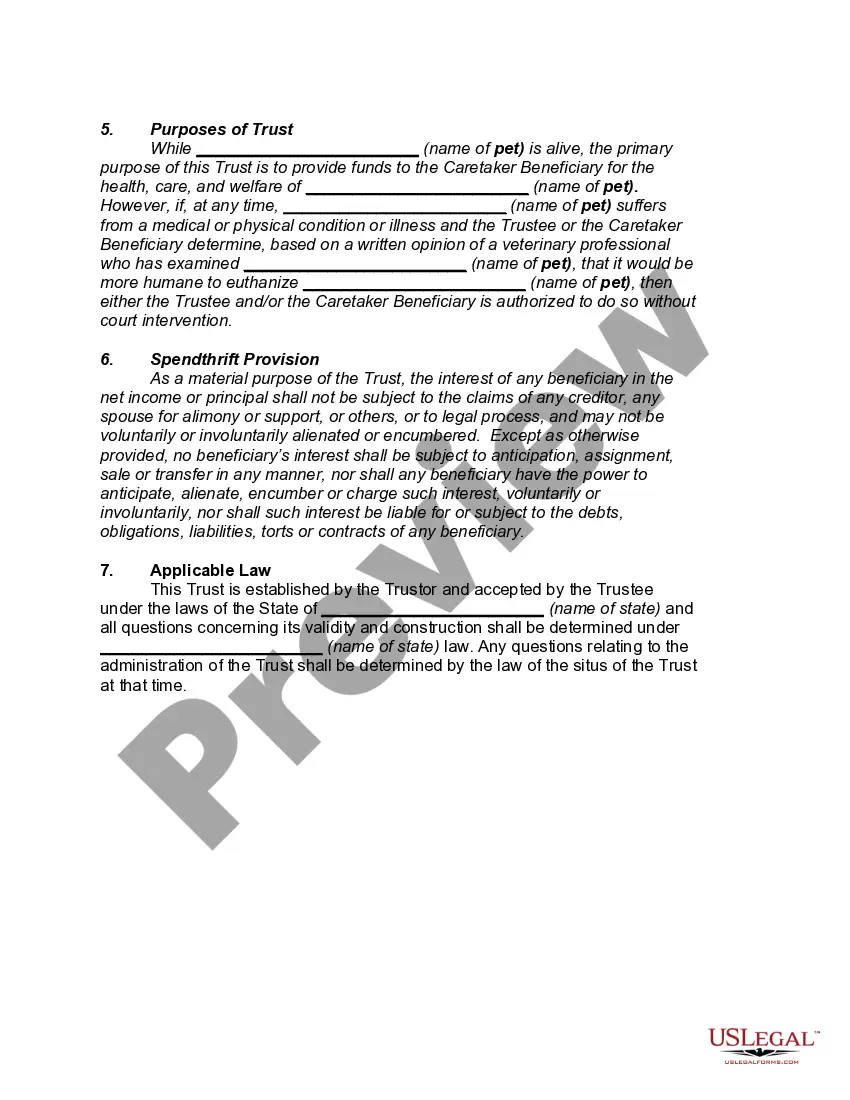
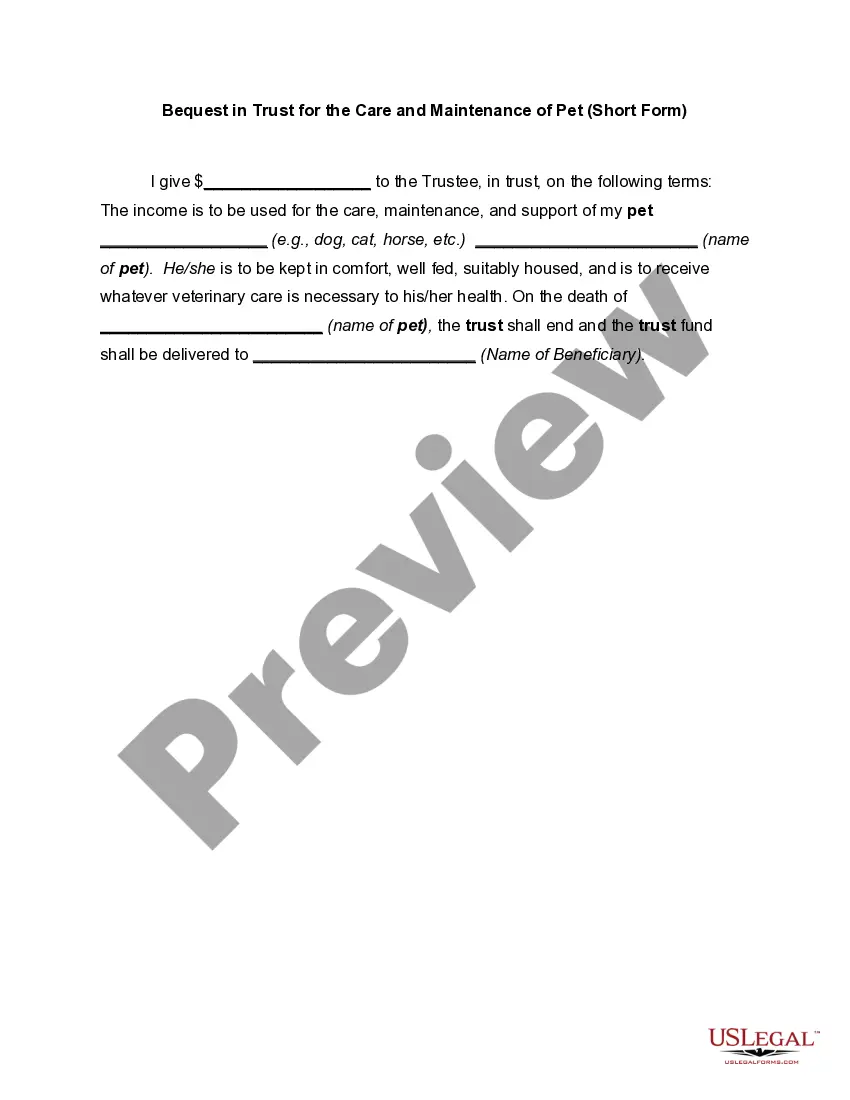
Pet Trust Template For Ny State
Description
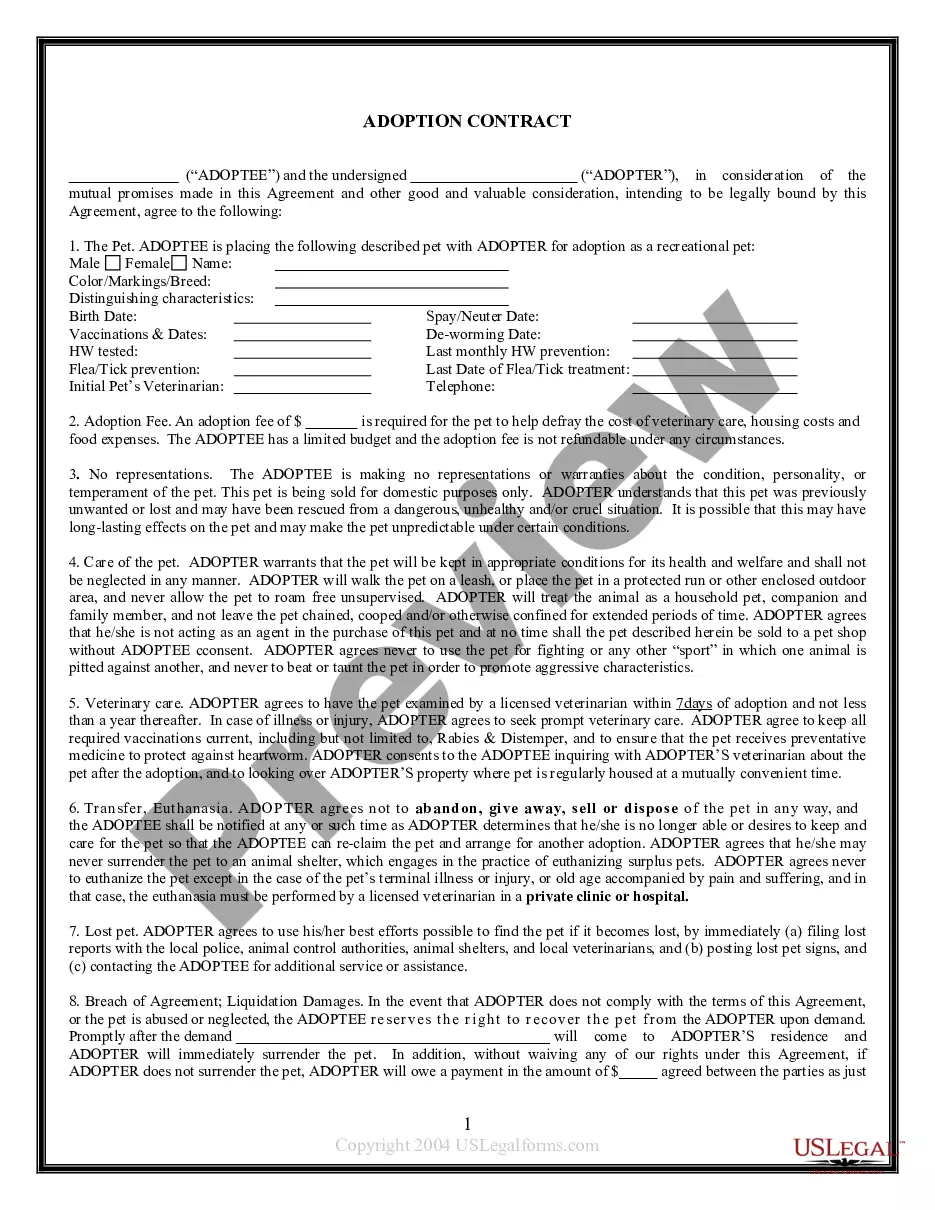
Get your form ready online
Our built-in tools help you complete, sign, share, and store your documents in one place.
Make edits, fill in missing information, and update formatting in US Legal Forms—just like you would in MS Word.
Download a copy, print it, send it by email, or mail it via USPS—whatever works best for your next step.
Sign and collect signatures with our SignNow integration. Send to multiple recipients, set reminders, and more. Go Premium to unlock E-Sign.
If this form requires notarization, complete it online through a secure video call—no need to meet a notary in person or wait for an appointment.
We protect your documents and personal data by following strict security and privacy standards.

Make edits, fill in missing information, and update formatting in US Legal Forms—just like you would in MS Word.

Download a copy, print it, send it by email, or mail it via USPS—whatever works best for your next step.

Sign and collect signatures with our SignNow integration. Send to multiple recipients, set reminders, and more. Go Premium to unlock E-Sign.

If this form requires notarization, complete it online through a secure video call—no need to meet a notary in person or wait for an appointment.

We protect your documents and personal data by following strict security and privacy standards.
Looking for another form?
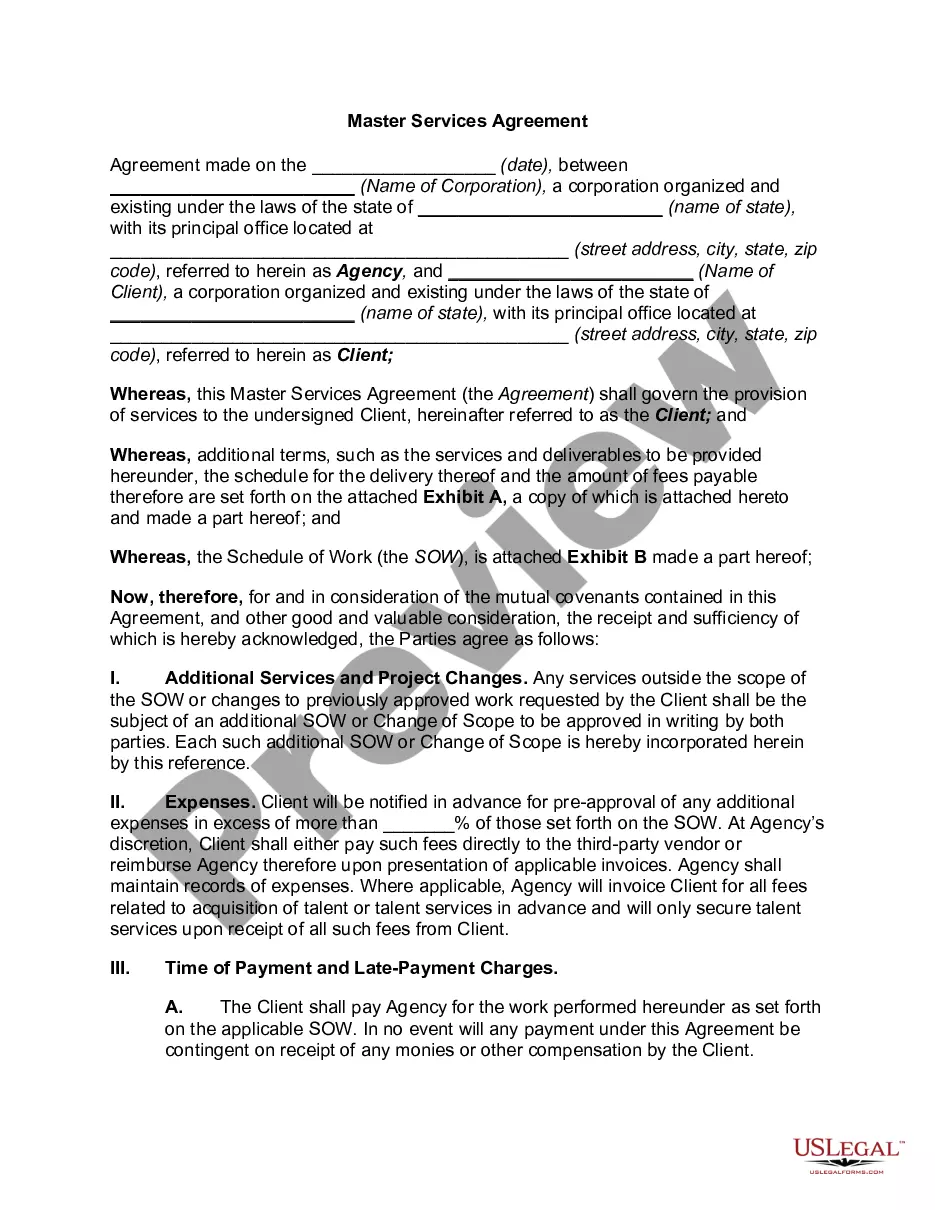






How to fill out Bequest In Trust For The Care And Maintenance Of Pet (Long Form)?
Locating a primary resource for the most up-to-date and pertinent legal templates is a significant part of navigating bureaucracy. Identifying the appropriate legal documents necessitates precision and meticulousness, which is why it is essential to obtain samples of Pet Trust Template For Ny State exclusively from trustworthy sources, such as US Legal Forms. An incorrect template can squander your time and delay your current situation. With US Legal Forms, you have minimal worries. You can access and review all the specifics concerning the document’s applicability and significance for your circumstances and within your state or county.
Follow the outlined steps to complete your Pet Trust Template For Ny State.
After you have the form on your device, you can edit it using the editor or print it and fill it out by hand. Eliminate the stress associated with your legal documentation. Browse the extensive US Legal Forms catalog to discover legal samples, assess their relevance to your case, and download them immediately.
- Utilize the catalog navigation or search bar to find your template.
- Examine the form’s description to determine if it meets the criteria of your state and locality.
- Check the form preview, if available, to ensure the form is indeed the one you need.
- Return to the search and locate the suitable document if the Pet Trust Template For Ny State does not fulfill your criteria.
- Once you are certain about the form’s applicability, download it.
- If you are a registered user, click Log in to verify and access your chosen forms in My documents.
- If you do not possess an account yet, click Buy now to acquire the form.
- Select the payment plan that aligns with your needs.
- Proceed to the registration to complete your transaction.
- Finalize your purchase by choosing a payment method (credit card or PayPal).
- Choose the file format for downloading Pet Trust Template For Ny State.
Form popularity
FAQ
Ing to EPTL 7-1.17, in order for a living trust to be valid, it must: Be in writing. Be acknowledged by the creator. Be acknowledged by at least one trustee, unless the creator is the sole trustee.
In California, a pet trust is primarily used to allocate funds and any wishes on behalf of a pet. This can be done in several different ways. A pet trust can be made through a will, as a part of a revocable living trust, or a stand-alone trust.
Ing to the law, pets are considered property and part of your estate, so you cannot legally leave money or any assets to a pet in your Last Will and Testament. Basically, property cannot inherit property.
Animals can't be named as beneficiaries of retirement accounts or any other assets. To fund your pet's ongoing care, you can leave money to an intended guardian directly in your will or create a pet trust. An attorney can help you set up estate planning documents to include your pet.
Determine the amount of funds needed to adequately cover the expenses of administering the pet trust; Designate a remainder beneficiary in the event the funds in the pet trust are not exhausted; Provide instructions for the final disposition of your pet (for example, burial or cremation).