Notice Hearing Before Withholding
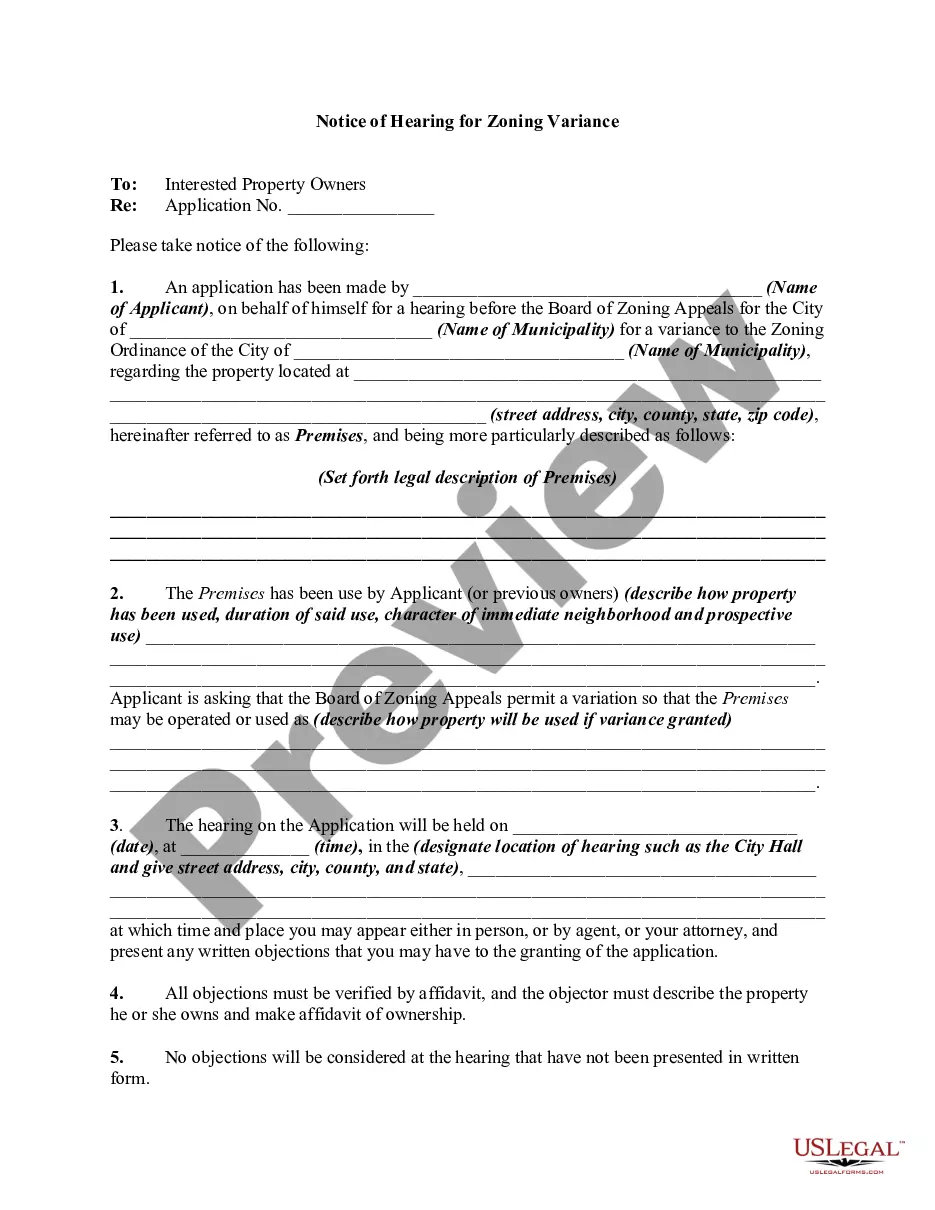
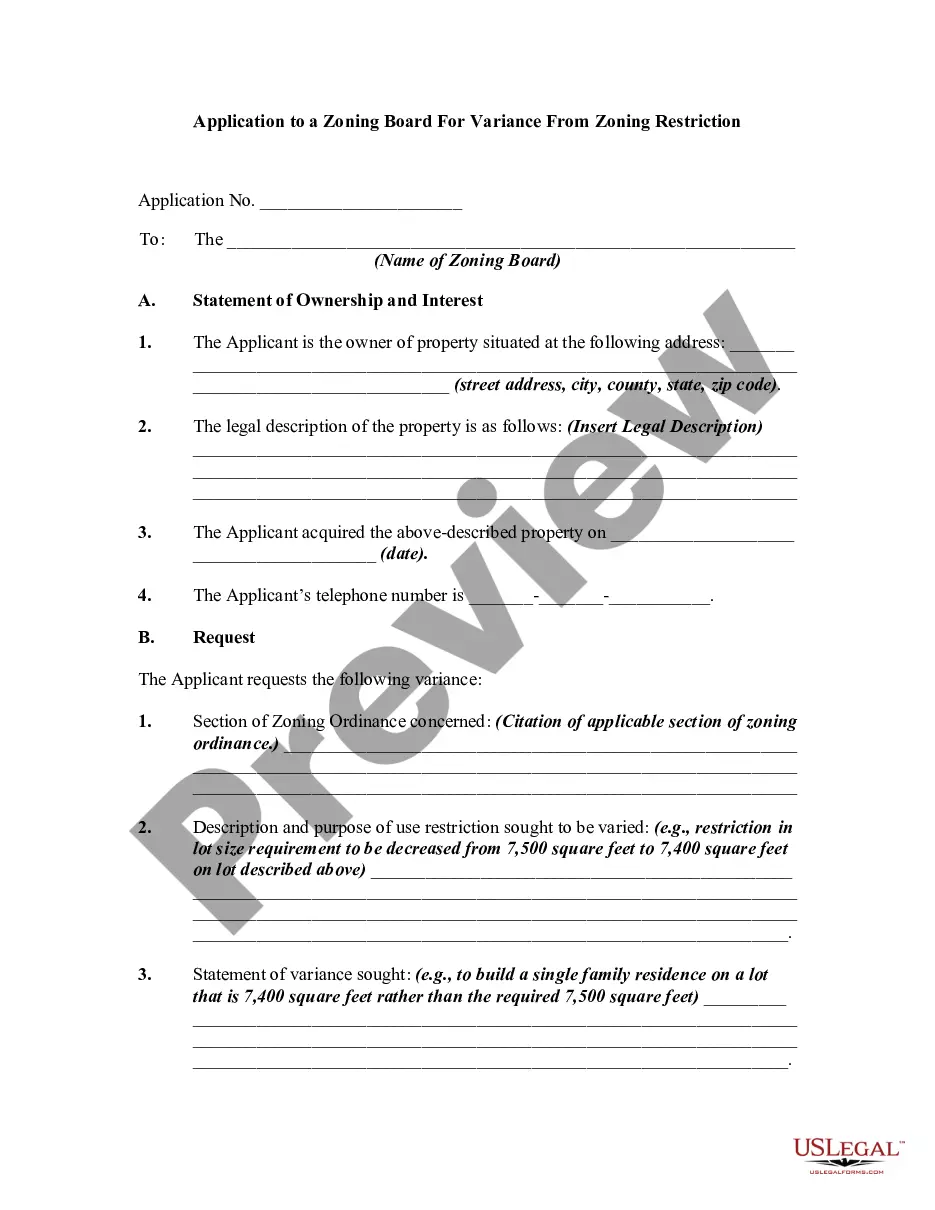
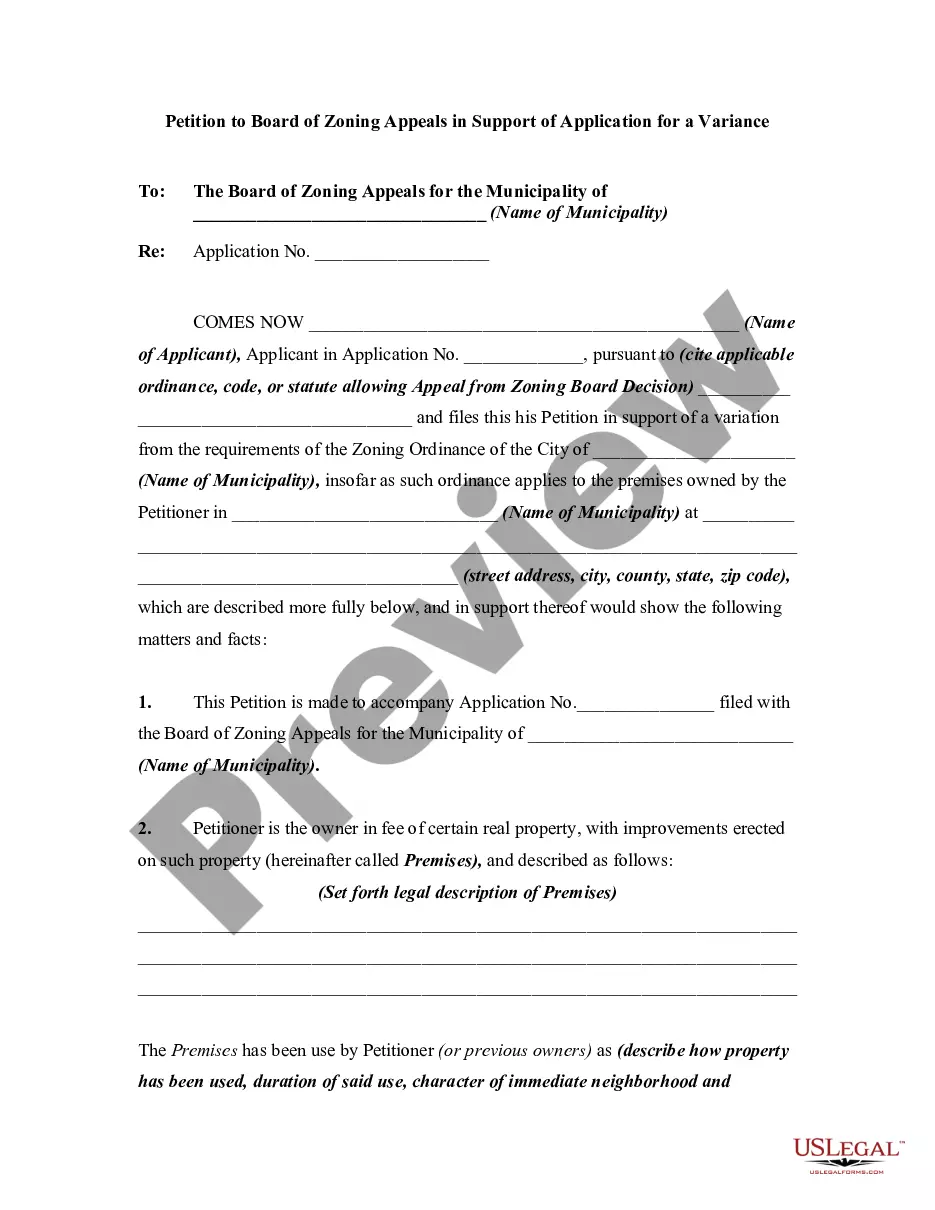
Description
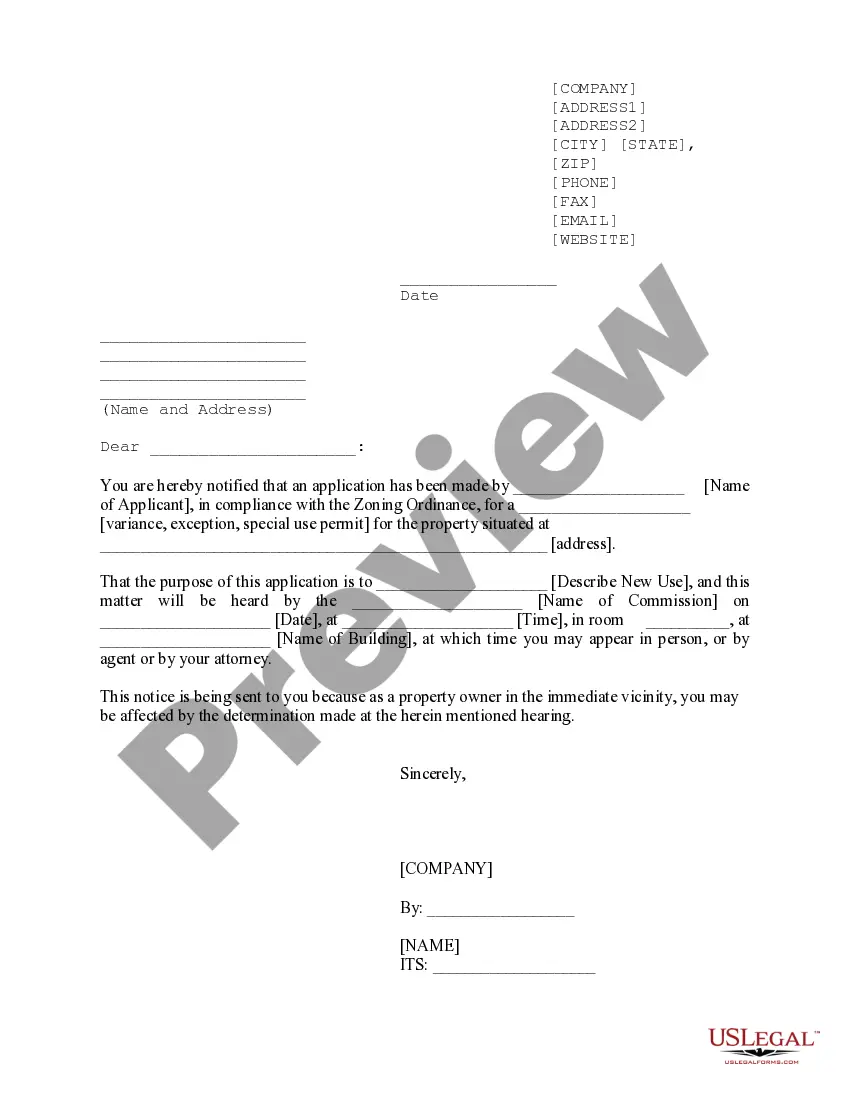
Get your form ready online
Our built-in tools help you complete, sign, share, and store your documents in one place.
Make edits, fill in missing information, and update formatting in US Legal Forms—just like you would in MS Word.
Download a copy, print it, send it by email, or mail it via USPS—whatever works best for your next step.
Sign and collect signatures with our SignNow integration. Send to multiple recipients, set reminders, and more. Go Premium to unlock E-Sign.
If this form requires notarization, complete it online through a secure video call—no need to meet a notary in person or wait for an appointment.
We protect your documents and personal data by following strict security and privacy standards.

Make edits, fill in missing information, and update formatting in US Legal Forms—just like you would in MS Word.

Download a copy, print it, send it by email, or mail it via USPS—whatever works best for your next step.

Sign and collect signatures with our SignNow integration. Send to multiple recipients, set reminders, and more. Go Premium to unlock E-Sign.

If this form requires notarization, complete it online through a secure video call—no need to meet a notary in person or wait for an appointment.

We protect your documents and personal data by following strict security and privacy standards.
Looking for another form?






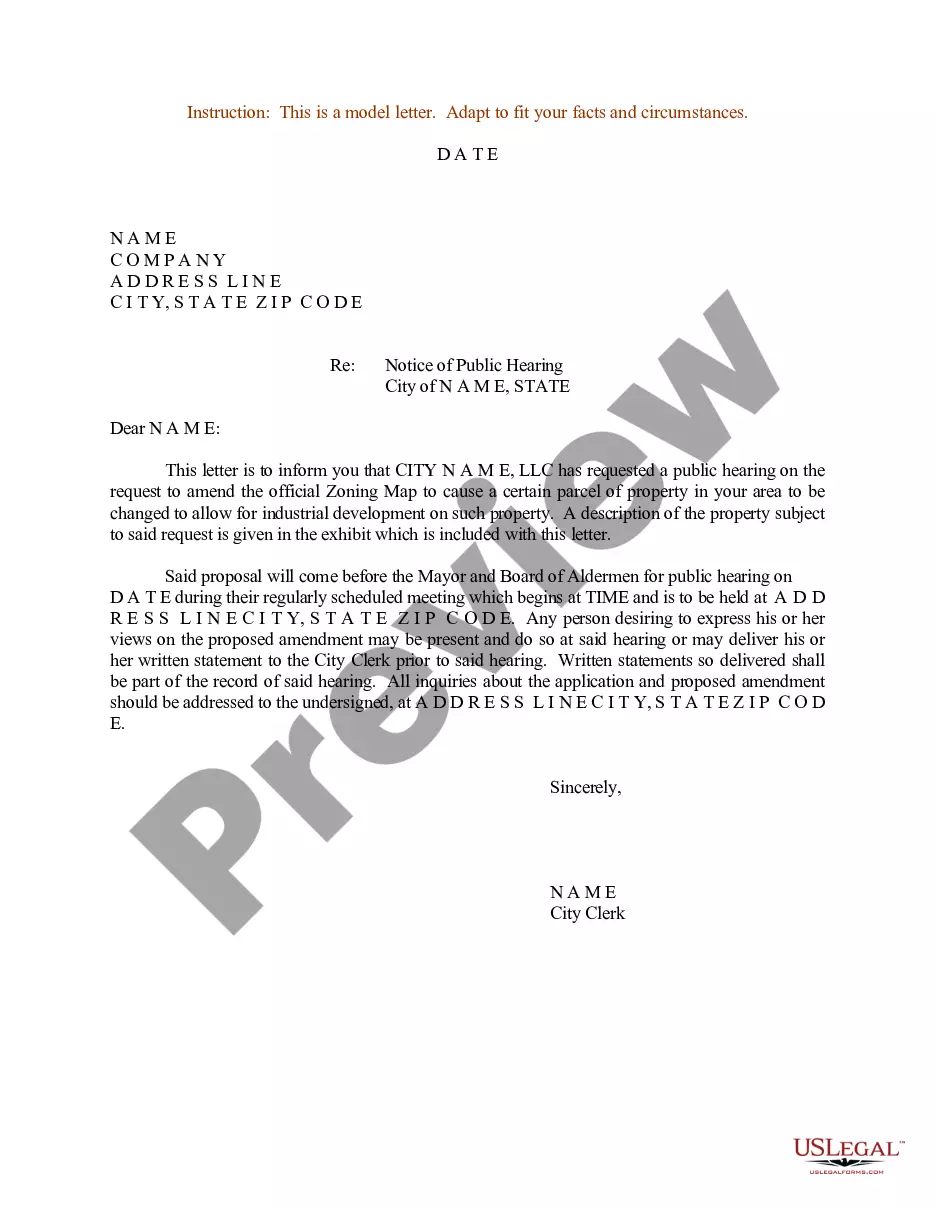
How to fill out Notice Of Hearing For Variance Before Board Of Zoning Appeals - Notice To Be Sent By Applicant To Interested Property Owners?
- Log in to your existing US Legal Forms account to access your documents. Ensure your subscription is active; if not, renew it as necessary.
- For new users, start by reviewing the form description and Preview mode carefully to find the right template that fits your requirements and complies with your jurisdiction.
- If the specific template is not satisfactory, use the Search tab to explore alternatives until you find the ideal match for your needs.
- Once you've chosen your document, click the Buy Now button and select a suitable subscription plan. Registration is required to access the entire library.
- Proceed to checkout by entering your payment information, either through credit card or PayPal, to complete your purchase.
- Download the selected form to your device, ensuring you can access it anytime via the My Forms menu in your profile.
In conclusion, US Legal Forms streamlines the process of obtaining legal documents, making it a go-to resource for individuals and attorneys alike. With access to expert assistance and a vast collection of forms, you can ensure your legal needs are met efficiently.
Start your journey today by visiting US Legal Forms and experience the ease of navigating legal paperwork!
Form popularity
FAQ
A notice of deficiency is a serious matter, but it does not have to be the end of the road. This notice indicates that the IRS believes you owe additional taxes, which can create anxiety. However, with prompt and informed responses, including possibly attending a notice hearing before withholding, you can address the issue effectively and work towards a resolution.
After the issuance of a notice of deficiency, you have a limited time to respond or contest the claims made by the IRS. If you do not take action, the IRS may assess the tax and send you a bill. It is advisable to explore options such as requesting a notice hearing before withholding to ensure your voice is heard and to potentially mitigate further consequences.
The IRS typically sends several notices before imposing a levy. Initially, you might receive a notice of deficiency, followed by multiple notifications regarding unpaid taxes. Generally, if you do not respond to these notices, the IRS may proceed with a levy. Taking timely action, such as attending a notice hearing before withholding, can prevent escalation.
Resolving a notice of deficiency involves taking specific steps. Begin by examining the details of the notice to verify its accuracy. You may reach out to the IRS directly to discuss your options, or you can seek assistance from professionals who specialize in tax resolution. Participating in a notice hearing before withholding can also help clarify your situation.
Yes, you can amend a tax return even after receiving a notice of deficiency. The IRS allows you to correct errors or omissions on your tax return, but you must submit the amendment promptly. Ensure your amended return includes updated information and be ready to explain any changes during a notice hearing before withholding if necessary.
Responding to an IRS deficiency notice requires careful attention. You should review the notice thoroughly to understand the assessed amount and the reasons for the deficiency. Then, prepare a clear and concise response, which might include documentation that supports your position. Additionally, consider scheduling a notice hearing before withholding to present your case more effectively.
The maximum amount that can be withheld from an employee's wages for child support is generally capped at 50% to 65% of disposable earnings, depending on the circumstances. However, various factors can affect this amount, such as the employee’s total income and any additional obligations. The notice hearing before withholding serves to establish these parameters upfront. Understanding these limits is essential to ensure legal compliance and prevent financial distress.
An earning withholding order is a court order directing an employer to withhold a portion of an employee's wages for child support payments. This process provides a systematic approach for ensuring that payments are made consistently. The notice hearing before withholding helps involve all necessary parties and clarify any disputes. Utilizing platforms like uslegalforms can simplify the steps required to understand and initiate these orders.
To terminate withholding for child support, one must file a motion with the court detailing the reasons for termination. The court may then hold a notice hearing before withholding to ensure all parties have the opportunity to present their cases. If approved, the order will be lifted, and withholding will cease. It’s always advisable to consult legal services to navigate this process effectively.
The duration for an income withholding order to take effect can vary. Typically, employers must begin withholding within a maximum of 7 days after receiving the order. However, a notice hearing before withholding may add additional time if the non-custodial parent contests the order. Understanding these timelines helps all parties involved to stay informed and prepared.