Writ With Meaning
Description

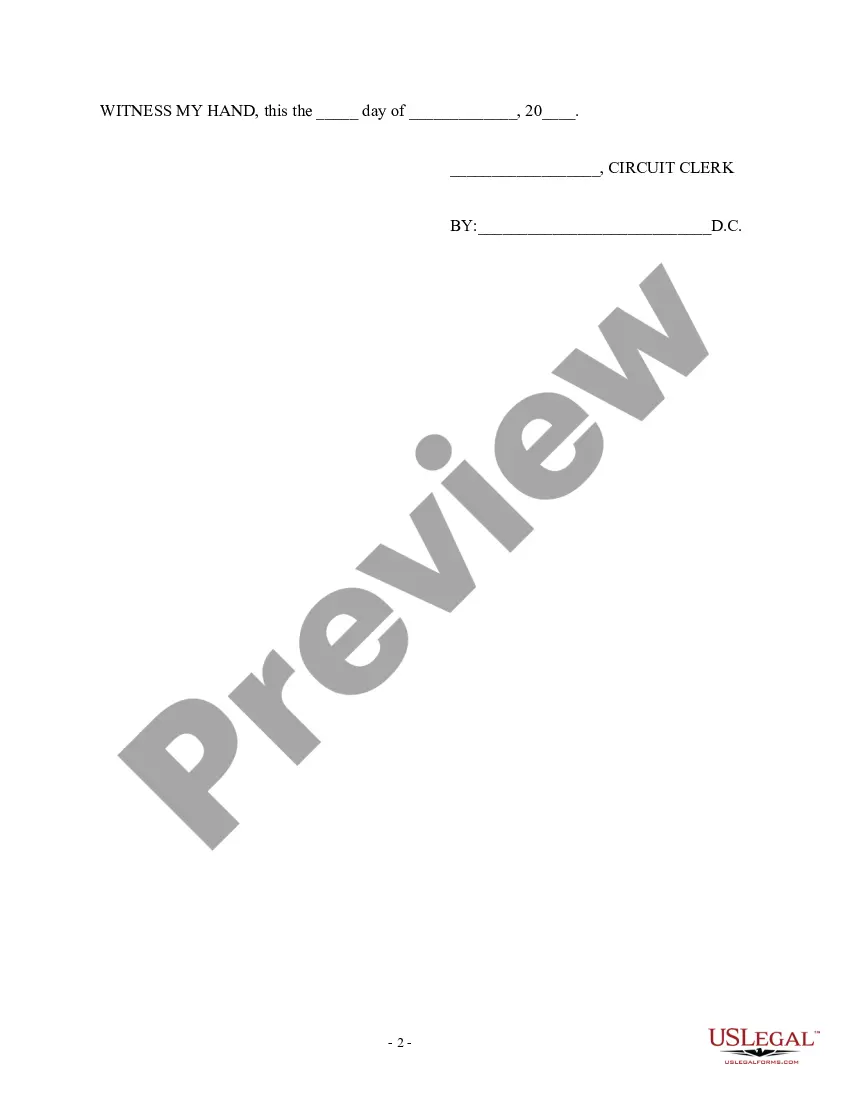


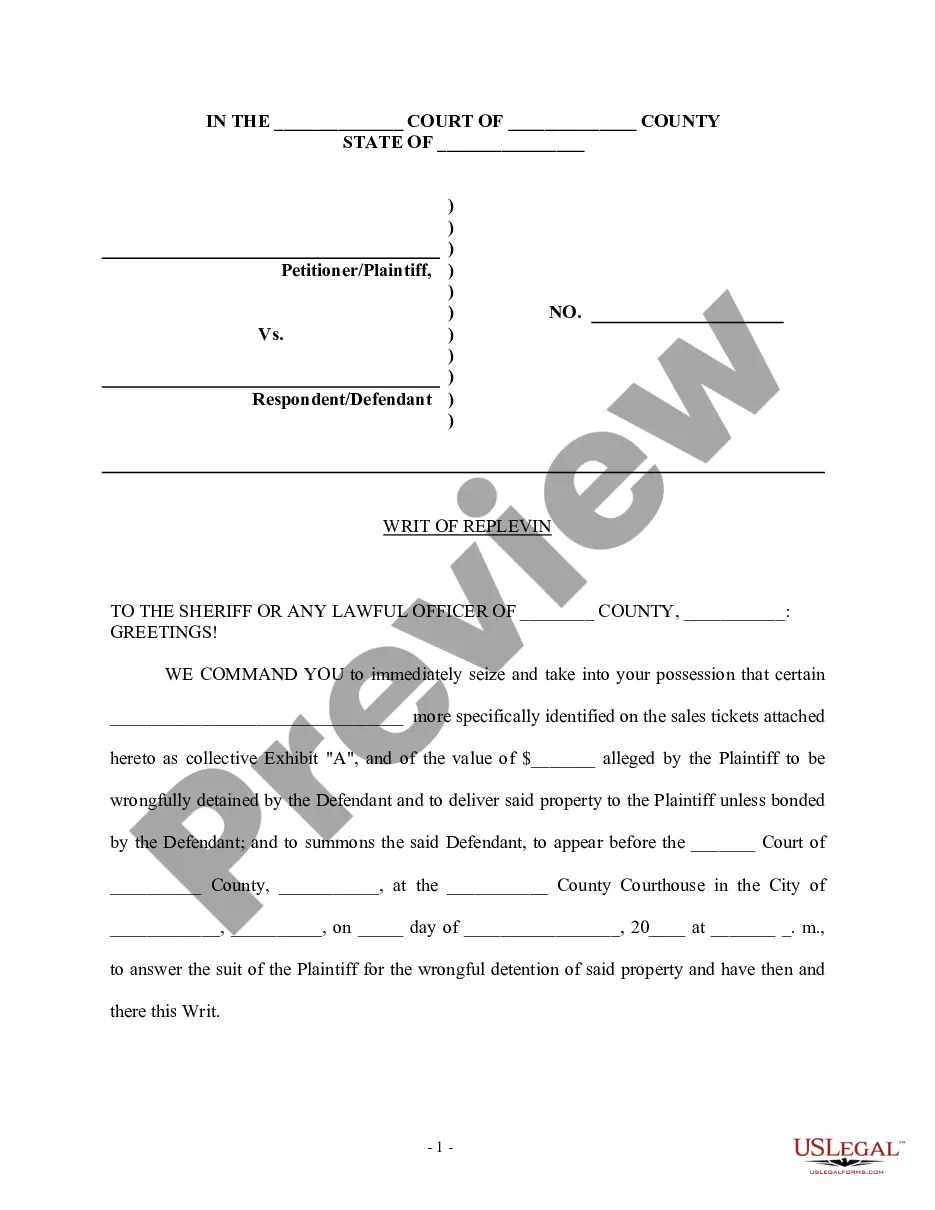
Get your form ready online
Our built-in tools help you complete, sign, share, and store your documents in one place.
Make edits, fill in missing information, and update formatting in US Legal Forms—just like you would in MS Word.
Download a copy, print it, send it by email, or mail it via USPS—whatever works best for your next step.
Sign and collect signatures with our SignNow integration. Send to multiple recipients, set reminders, and more. Go Premium to unlock E-Sign.
If this form requires notarization, complete it online through a secure video call—no need to meet a notary in person or wait for an appointment.
We protect your documents and personal data by following strict security and privacy standards.

Make edits, fill in missing information, and update formatting in US Legal Forms—just like you would in MS Word.

Download a copy, print it, send it by email, or mail it via USPS—whatever works best for your next step.

Sign and collect signatures with our SignNow integration. Send to multiple recipients, set reminders, and more. Go Premium to unlock E-Sign.

If this form requires notarization, complete it online through a secure video call—no need to meet a notary in person or wait for an appointment.

We protect your documents and personal data by following strict security and privacy standards.
Looking for another form?

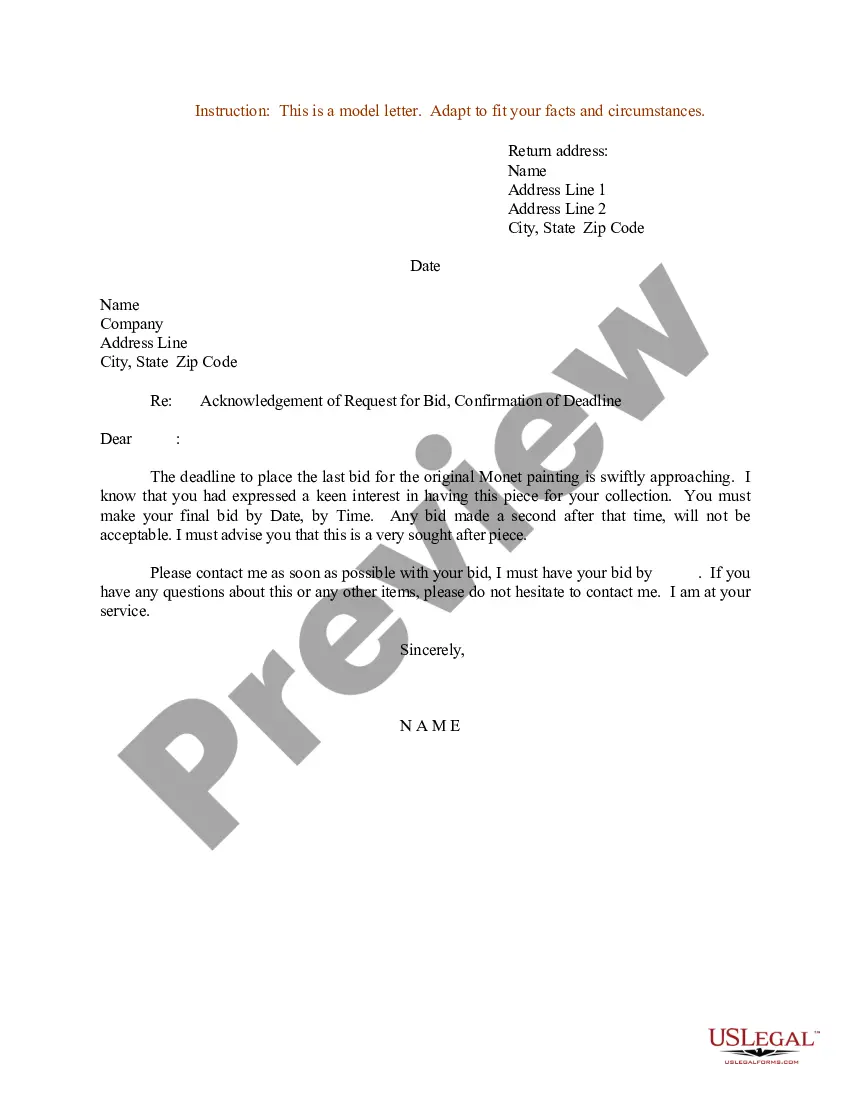
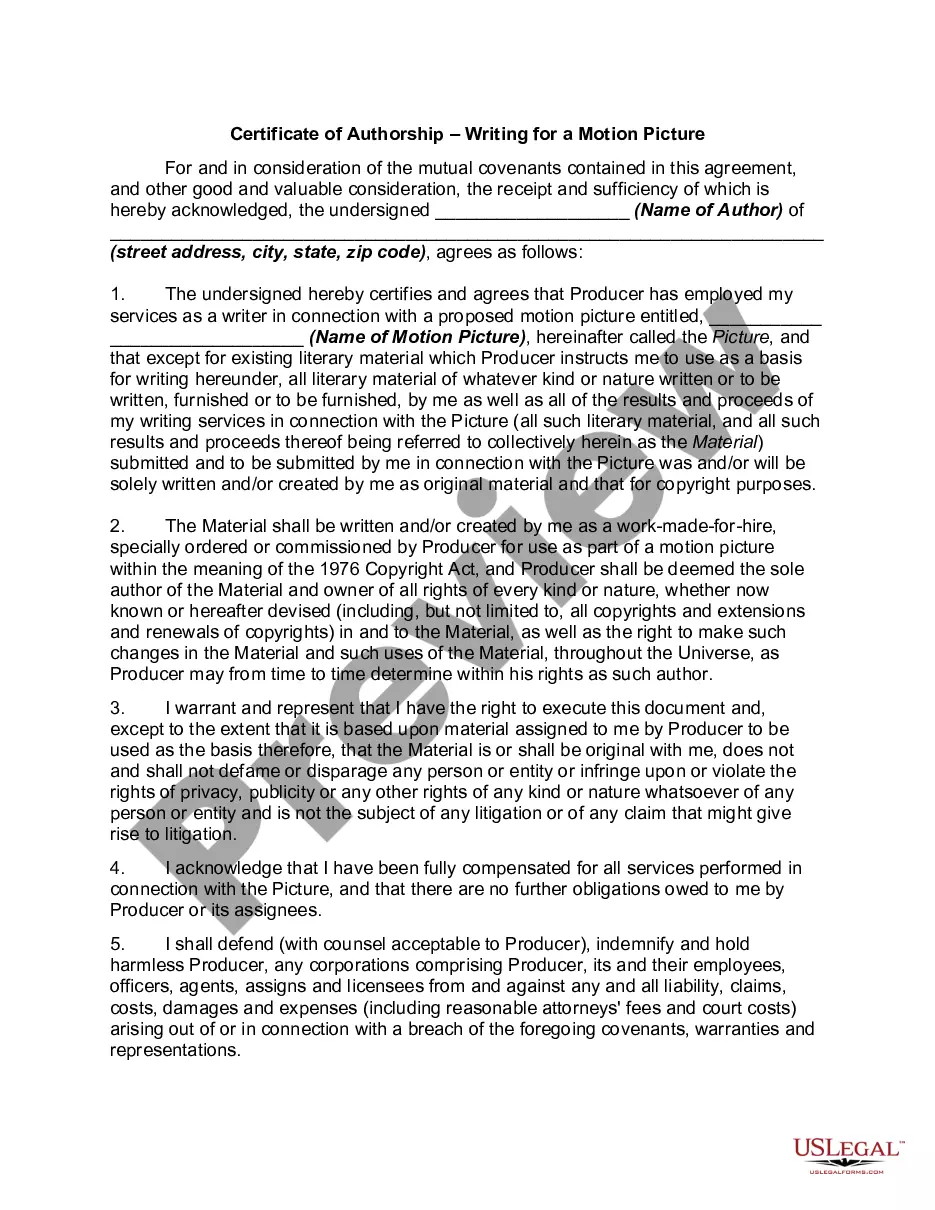
How to fill out Writ Of Replevin Or Repossession?
- If you're a returning user, log into your account, check your subscription status, and download your desired form directly from your dashboard.
- For first-time users, start by viewing the Preview mode and reading the form description to ensure it fits your requirements.
- If necessary, utilize the Search tab to explore additional templates until you find the proper document that adheres to your local jurisdiction.
- Once you've selected a form, click the Buy Now button to choose a suitable subscription plan and create an account for access.
- Enter your payment information, whether using a credit card or PayPal, and finalize your purchase.
- Finally, download your form to your device and access it anytime via the My documents section of your profile.
US Legal Forms empowers individuals and attorneys alike, enabling quick execution of legal documents through a vast library of over 85,000 editable forms. This expansive collection offers more variety than competitors, ensuring users find precise forms that meet their needs.
In conclusion, following this guide allows you to efficiently navigate US Legal Forms. Don't hesitate to explore the wealth of resources available – start your legal documentation journey today!
Form popularity
FAQ
The primary reason for issuing a writ is to enforce rights or compel actions in legal matters. It ensures that individuals receive fair treatment under the law while providing a framework for resolving disputes. By grasping the rationale behind a writ with meaning, you can appreciate its importance in upholding legal principles. Solutions like those offered by US Legal Forms can simplify the process of obtaining and understanding writs.
One common example of a writ is a writ of habeas corpus, which protects against unlawful detention. This writ allows individuals to challenge the legality of their imprisonment and seek relief from unjust confinement. Discussing examples can help illustrate the significance of a writ with meaning in practical situations. Through platforms like US Legal Forms, you can access templates to file such writs effectively.
While both a writ and a warrant are legal documents, they serve different purposes. A writ focuses on directing actions or decisions, whereas a warrant is often used to authorize law enforcement to perform certain tasks, such as making an arrest. Knowing the difference between these two documents enhances your understanding of legal procedures. Clarifying what a writ with meaning indicates can help avoid confusion in legal contexts.
A writ serves as a formal written order issued by a court. Its main purpose is to compel action or prohibit actions by a party involved in a legal dispute. Understanding a writ with meaning helps clarify its role in ensuring justice and enforcing legal rights. It acts as a crucial tool in the legal process, enabling individuals to seek help from the courts.
Having a writ means you possess a formal order from a court directing someone to take or refrain from specific actions. It often signifies a legal remedy that enables individuals to assert their rights or seek justice. Understanding the legal weight of a 'writ with meaning' can empower you in various legal situations, ensuring that your rights are recognized and upheld.
Three common types of writs include the writ of certiorari, which allows higher courts to review decisions of lower courts, the writ of prohibition, which stops lower courts from exceeding their jurisdiction, and the writ of injunction, which compels a party to do or refrain from doing specific actions. Each type serves distinct purposes in the judicial process, further expanding the understanding of a 'writ with meaning.'
Common law writs are legal documents that originated in English law and allow individuals to seek a remedy through the courts. Examples of these writs include writs of entry, writs of trespass, and writs of attachment. Understanding common law writs enhances your grasp of legal principles and can guide you when navigating complex legal issues involving a 'writ with meaning.'
The most powerful writ is often considered to be the writ of habeas corpus, as it safeguards individual freedom against unlawful detention. This writ allows a person to challenge their arrest or imprisonment before a court. Its importance in protecting constitutional rights illustrates the deep significance a 'writ with meaning' holds in ensuring justice.
There are several types of writs, each serving a specific legal purpose. For example, a writ of habeas corpus protects against unlawful detention, while a writ of mandamus compels a lower court to act. Knowing the different types of writs can help you understand your rights and the legal options available to you under the term 'writ with meaning.'
To ask for a writ, you typically need to file a request through the appropriate court. Begin by drafting a petition that outlines your reasons for seeking the writ clearly and concisely. It's essential to include relevant facts and any necessary supporting documents. Using a service like US Legal Forms can help you create a well-structured petition that aligns with legal requirements.