Writ Originário
Description




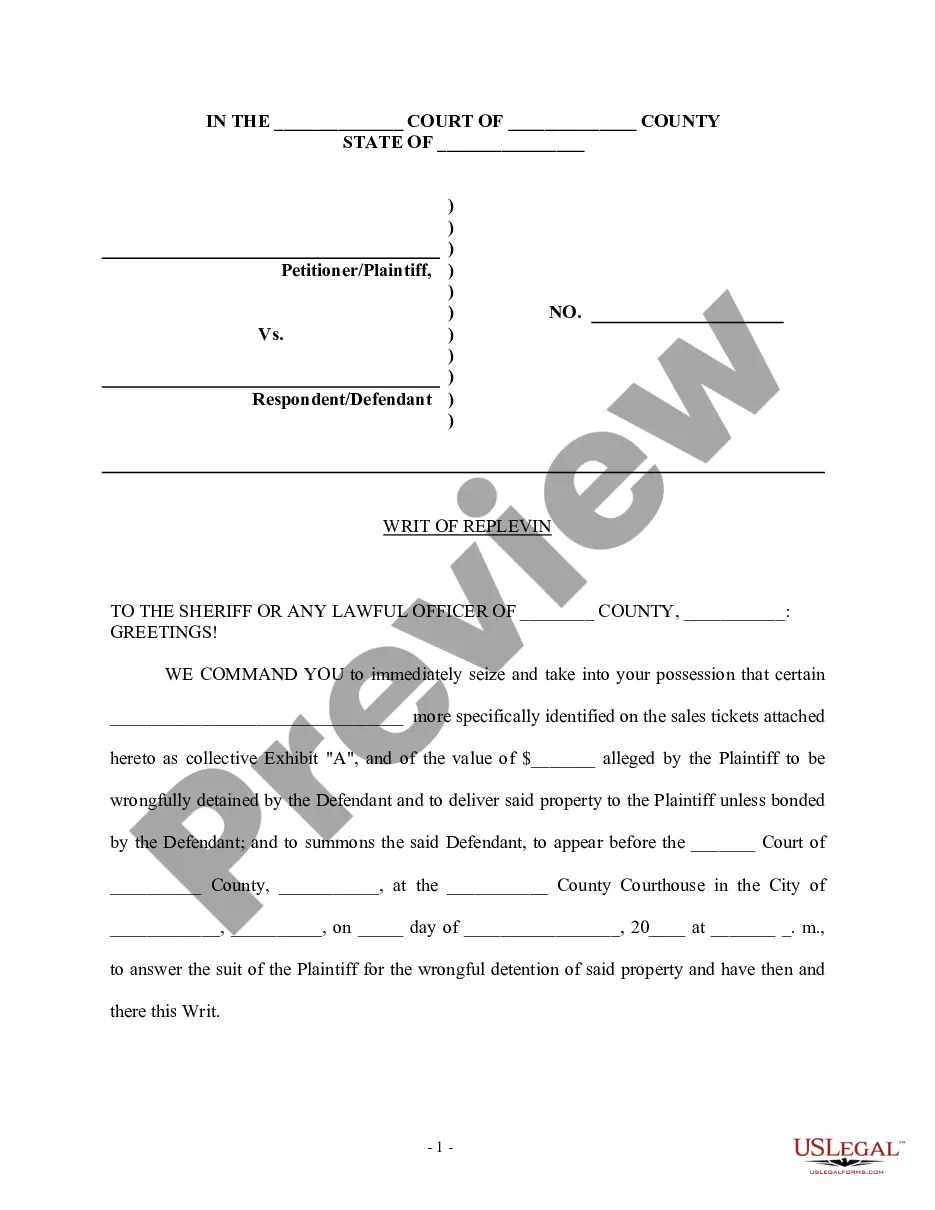
Get your form ready online
Our built-in tools help you complete, sign, share, and store your documents in one place.
Make edits, fill in missing information, and update formatting in US Legal Forms—just like you would in MS Word.
Download a copy, print it, send it by email, or mail it via USPS—whatever works best for your next step.
Sign and collect signatures with our SignNow integration. Send to multiple recipients, set reminders, and more. Go Premium to unlock E-Sign.
If this form requires notarization, complete it online through a secure video call—no need to meet a notary in person or wait for an appointment.
We protect your documents and personal data by following strict security and privacy standards.

Make edits, fill in missing information, and update formatting in US Legal Forms—just like you would in MS Word.

Download a copy, print it, send it by email, or mail it via USPS—whatever works best for your next step.

Sign and collect signatures with our SignNow integration. Send to multiple recipients, set reminders, and more. Go Premium to unlock E-Sign.

If this form requires notarization, complete it online through a secure video call—no need to meet a notary in person or wait for an appointment.

We protect your documents and personal data by following strict security and privacy standards.
Looking for another form?
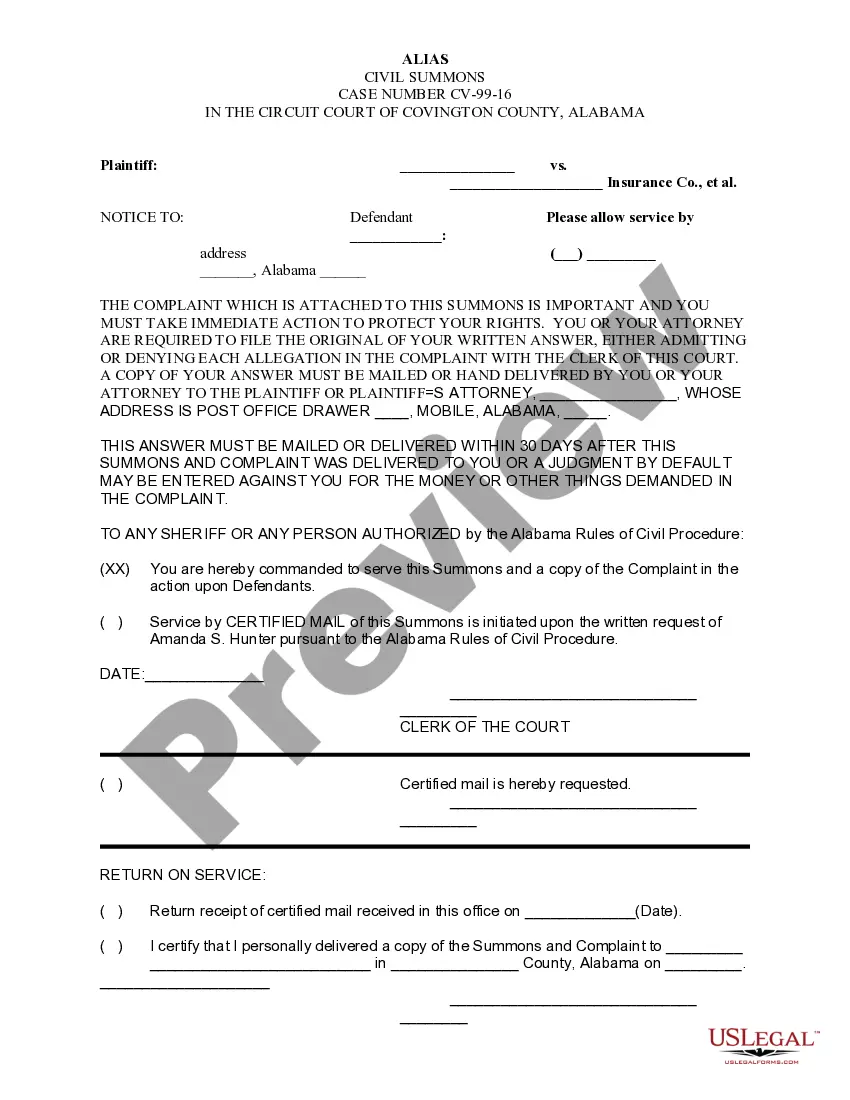
How to fill out Writ Of Replevin Or Repossession?
- If you're a returning user, log in to your account and download your desired template by clicking the Download button. Ensure your subscription is active. If not, renew according to your payment plan.
- For first-time users, begin by browsing the Preview mode and detailed description of the forms to find the writ originário that suits your needs and complies with local regulations.
- If any adjustments are necessary, use the Search tab to locate an alternate template that fits your criteria. Once found, proceed to the next step.
- To purchase the document, click 'Buy Now' and select your preferred subscription plan. Remember, creating an account is essential to access the complete library.
- Complete your payment by entering your credit card information or utilizing your PayPal account.
- Finally, download the completed template onto your device. You can access this document anytime from the My Forms menu in your profile.
Utilizing US Legal Forms not only saves you time but also ensures you have legal documents that are precise and compliant. With assistance from premium experts available, you can feel confident in the accuracy of your forms.
Start your journey with US Legal Forms today and experience the convenience of accessing a robust library of legal documents!
Form popularity
FAQ
The purpose of a writ is to ensure the execution of justice and to protect legal rights through formalized orders. In the context of writ originário, it serves as a means for individuals to address grievances or enforce court decisions. Writs empower individuals to seek judicial relief and guide them in navigating complex legal landscapes. Understanding their purpose can be pivotal in managing your legal affairs effectively.
A writ and a warrant are distinct legal instruments, though both originate from a court. A writ originário typically instructs actions or procedures, while a warrant is a judicial authorization for law enforcement to execute specific actions, like making an arrest. Understanding the difference can clarify your legal situation and should guide your response to any legal documents. Consulting with a platform like USLegalForms can offer essential insights.
Being served with a writ means that you have received a formal legal document notifying you of a court's order, typically regarding actions you must take or stop. This writ originário is essential for ensuring that all involved parties are aware of their rights and obligations in a legal matter. Properly understanding this document can greatly influence your legal strategy. It is important to respond appropriately as per the instructions within the writ.
If the court issues a writ, the relevant parties must comply with the order stipulated in the writ originário. Non-compliance can lead to various legal repercussions, including contempt of court. This enforcement mechanism ensures that the judicial authority is respected and that the rights involved are upheld. Being informed about your duties under a writ is crucial.
Commonly, a writ indicates any written formal order that commands a person to act in accordance with the law. The concept of writ originário captures this essence by serving essential legal functions. Individuals might encounter writs in various circumstances, such as summons or injunctions. Knowing its meaning can empower you to navigate legal challenges effectively.
In a court context, a writ is a legal instrument through which a judge directs a party to perform or refrain from performing a specific act. The writ originário can assure that justice is appropriately administered. Courts use writs to enforce rights, compel actions, or provide remedies to situations not adequately addressed by regular procedures. Understanding its implications can clarify your legal options.
The term 'writ originário' stems from historical legal practices. Initially, a writ referred to a formal written order issued by a court or its official. This tool served to mandate specific actions or directives, often aimed at protecting rights or ensuring justice. Over time, its implication has expanded to include various legal processes.
You can find Writs at various crafting stations scattered across the cities in the game. Look for the crafting writ boards near these stations where you can accept daily Writ quests. By completing these quests, you will gain not just your specific crafting rewards, but also further your progress with your Writ originário.
Getting a writ in gotc involves participating in events or quests that are specifically tied to the game’s challenges. Engage actively with the community and keep an eye out for announcements regarding Writ tasks. This engagement not only helps you earn benefits but also reinforces your connection with your Writ originário.
You can get Writ Vouchers in ESO by completing daily crafting Writs. Each time you complete a Writ, you earn these vouchers which can be exchanged for various valuable items. Accumulating Writ Vouchers contributes to your overall crafting success and secures your access to more benefits in relation to your Writ originário.