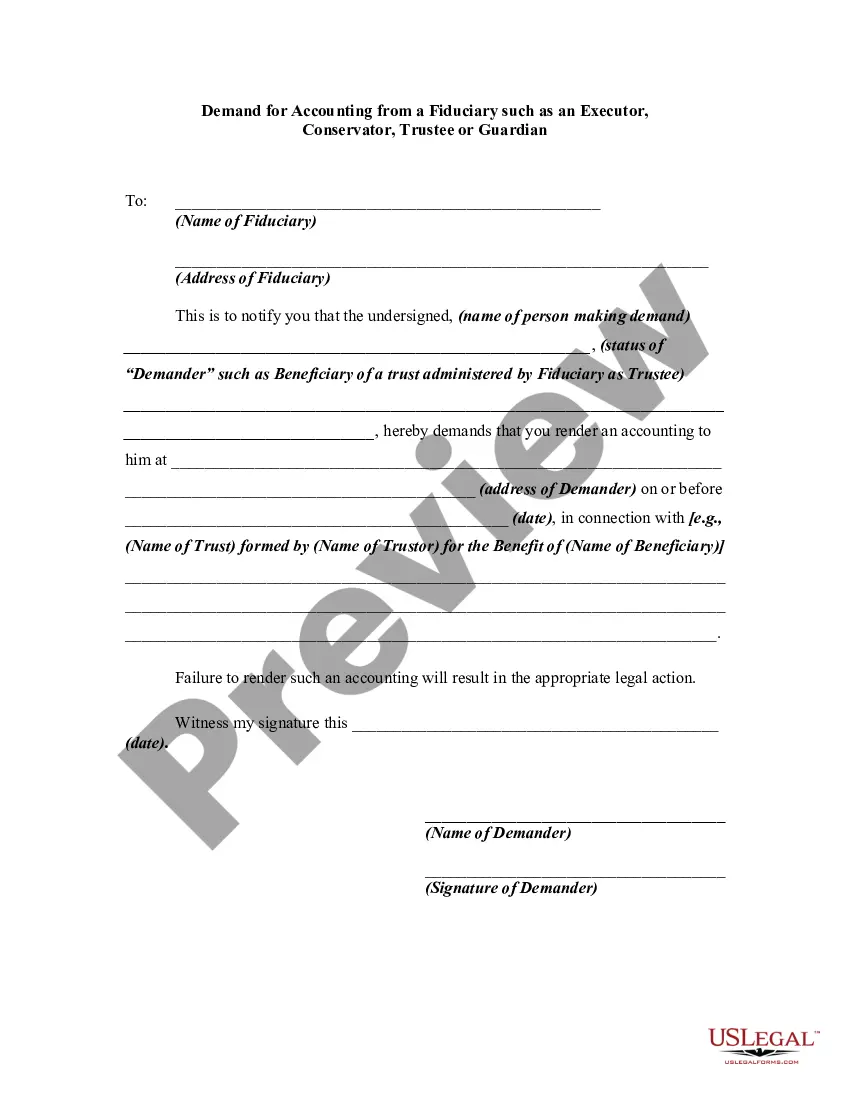
Sample Letter To Trustee Requesting Accounting For Estate
Description
Get your form ready online
Our built-in tools help you complete, sign, share, and store your documents in one place.
Make edits, fill in missing information, and update formatting in US Legal Forms—just like you would in MS Word.
Download a copy, print it, send it by email, or mail it via USPS—whatever works best for your next step.
Sign and collect signatures with our SignNow integration. Send to multiple recipients, set reminders, and more. Go Premium to unlock E-Sign.
If this form requires notarization, complete it online through a secure video call—no need to meet a notary in person or wait for an appointment.
We protect your documents and personal data by following strict security and privacy standards.

Make edits, fill in missing information, and update formatting in US Legal Forms—just like you would in MS Word.

Download a copy, print it, send it by email, or mail it via USPS—whatever works best for your next step.

Sign and collect signatures with our SignNow integration. Send to multiple recipients, set reminders, and more. Go Premium to unlock E-Sign.

If this form requires notarization, complete it online through a secure video call—no need to meet a notary in person or wait for an appointment.

We protect your documents and personal data by following strict security and privacy standards.
Looking for another form?
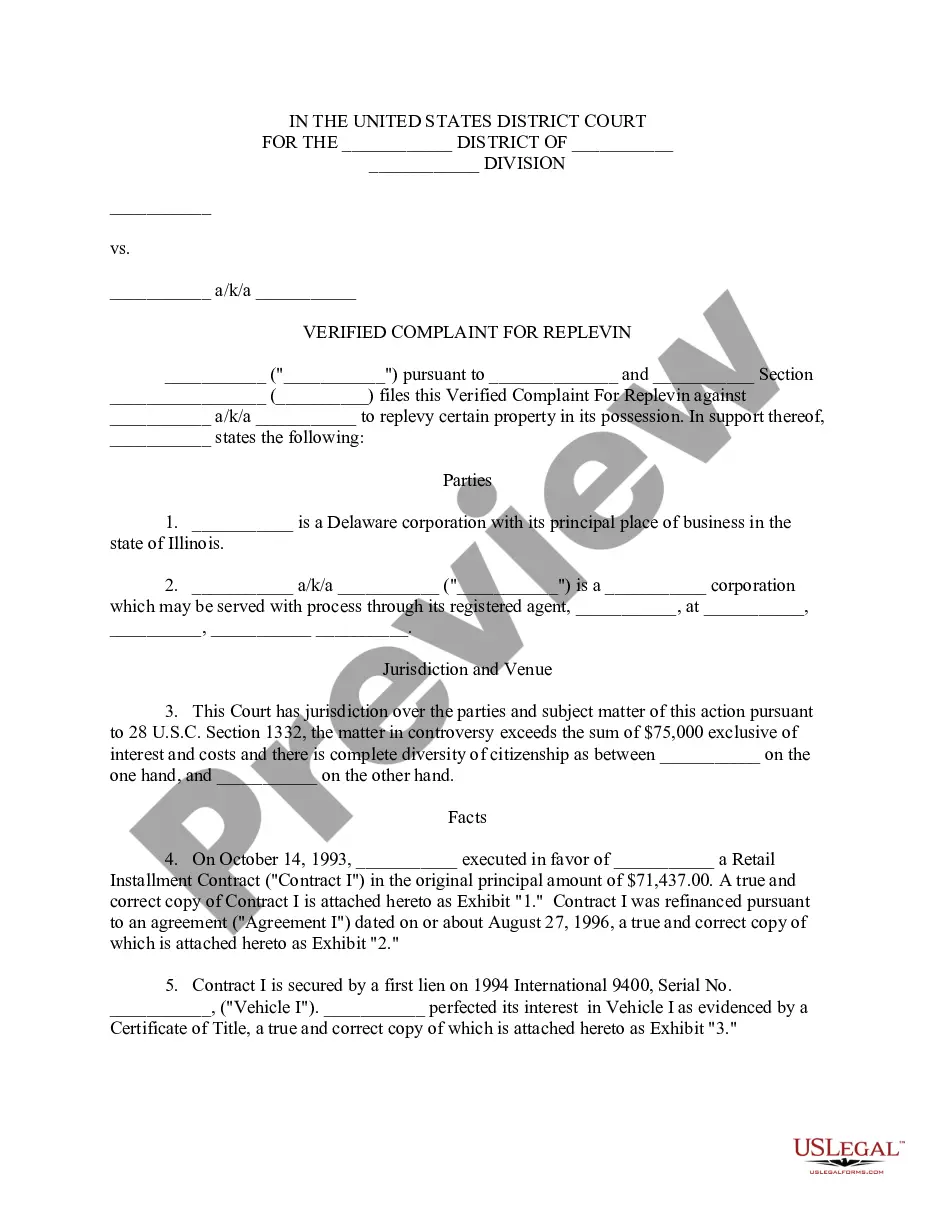
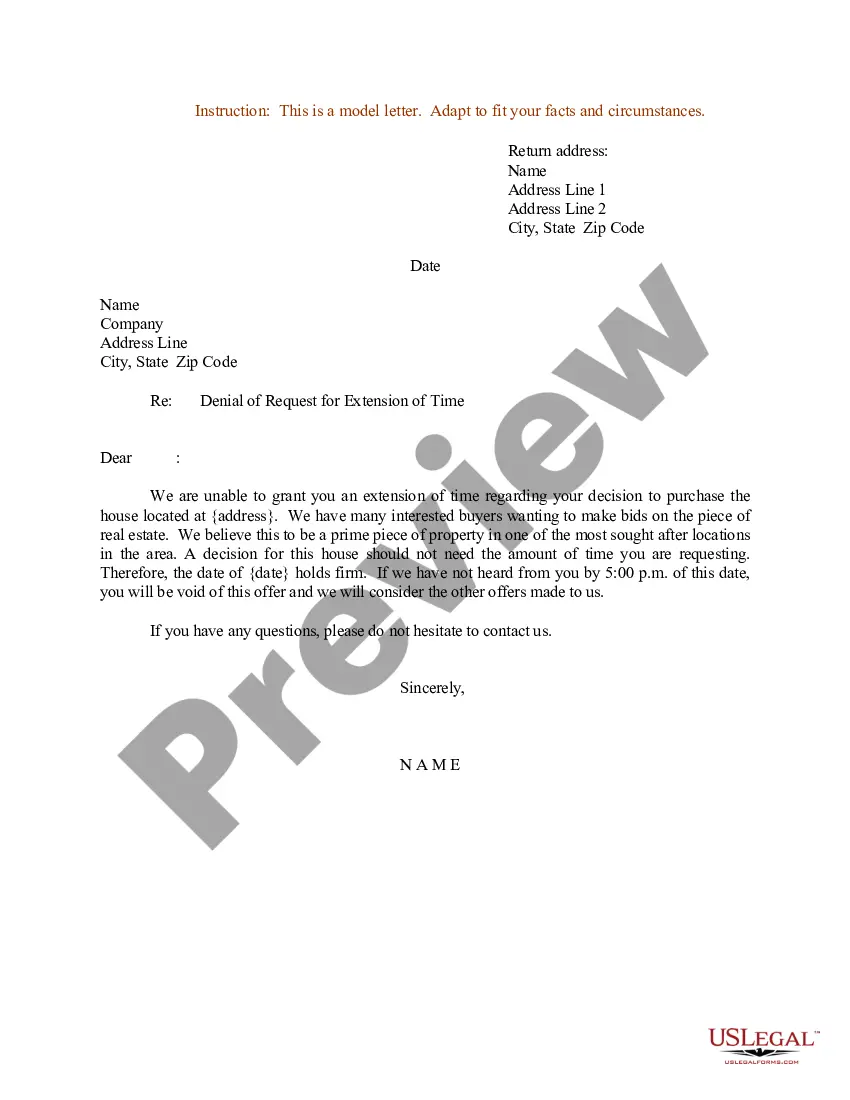
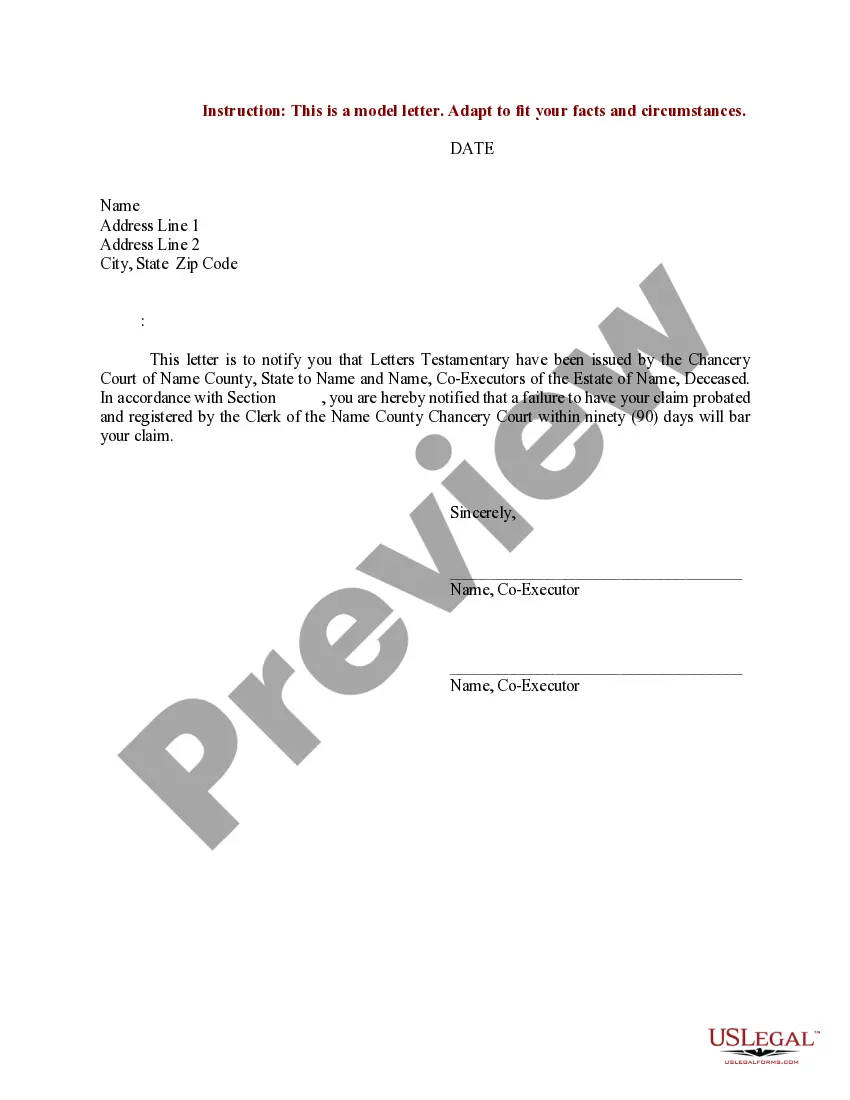
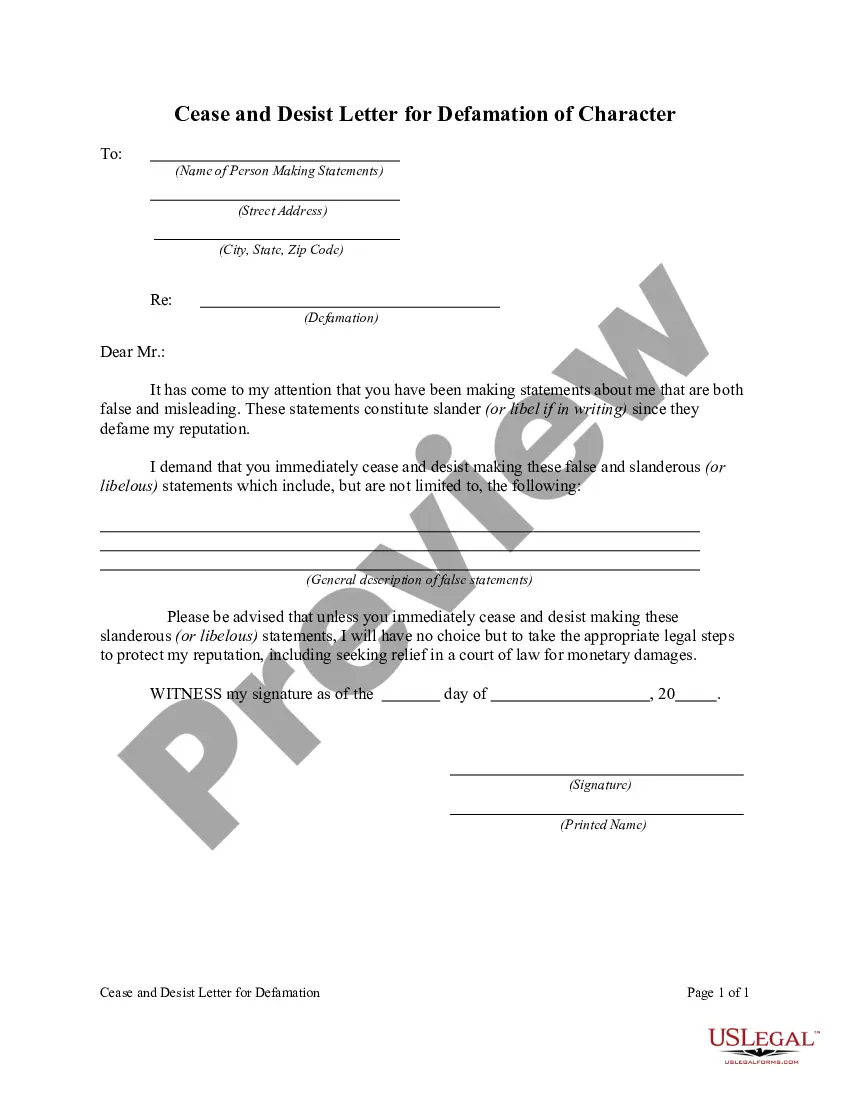
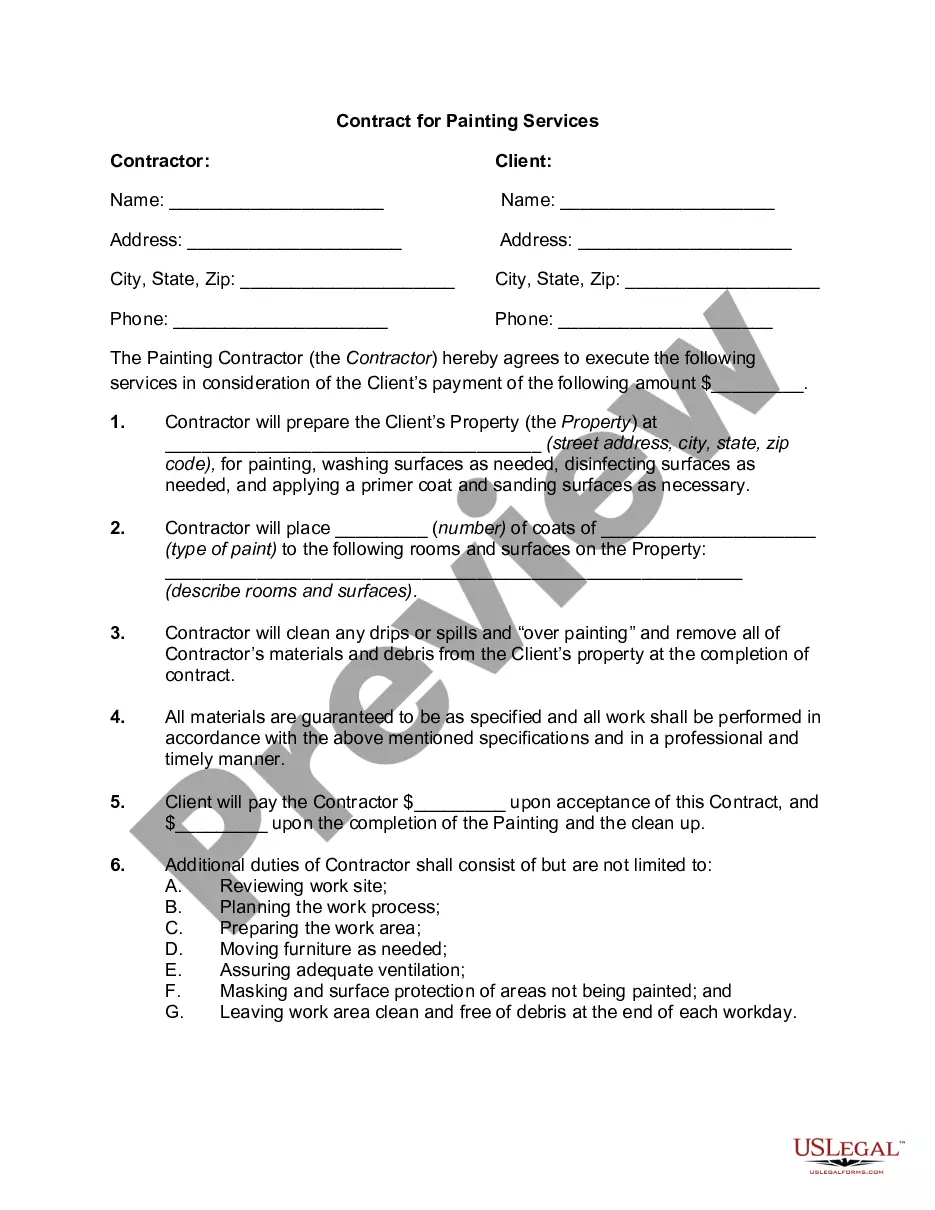
How to fill out Demand For Accounting From A Fiduciary Such As An Executor, Conservator, Trustee Or Legal Guardian?
Whether for commercial reasons or for individual matters, everyone must confront legal circumstances at some stage in their life.
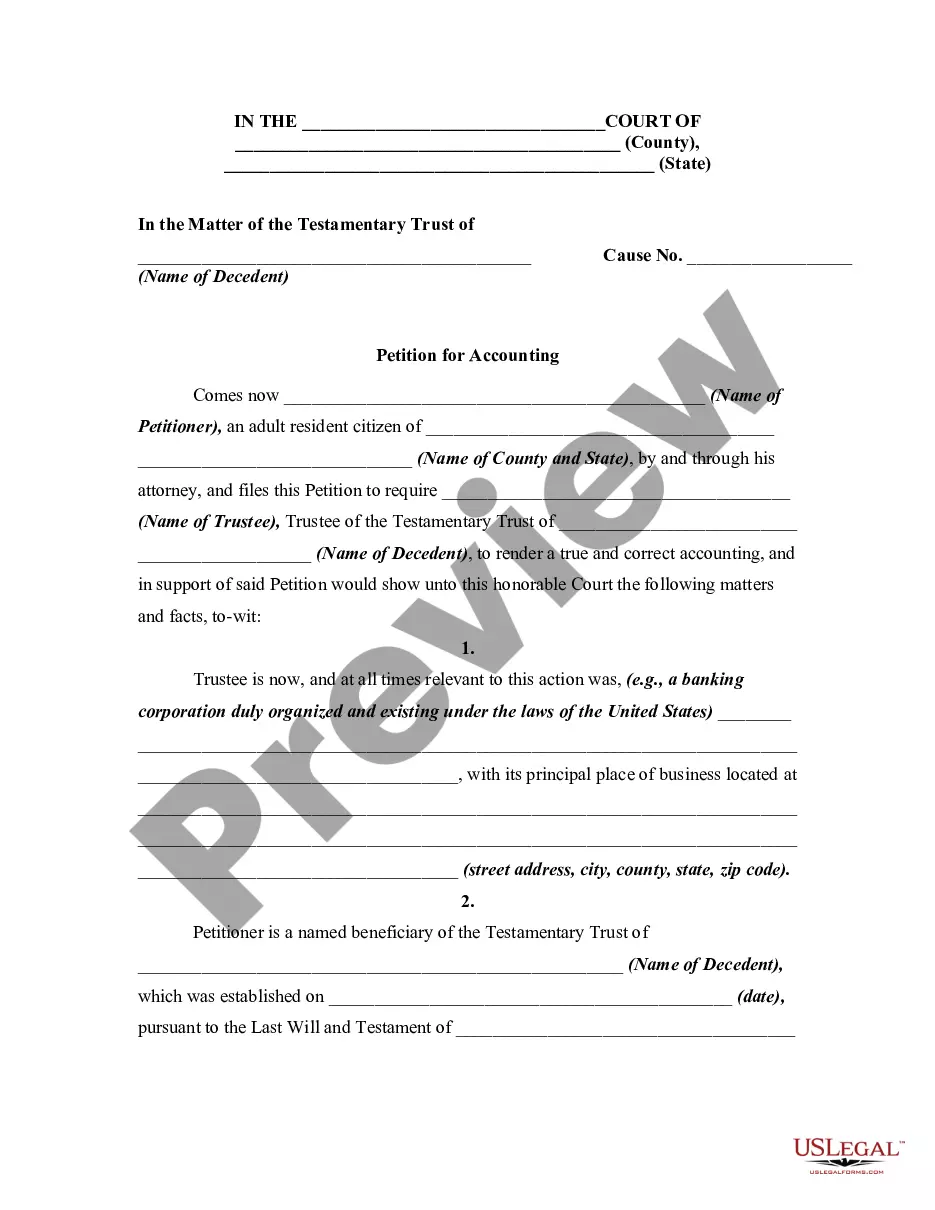
Completing legal documents requires meticulous attention, beginning with selecting the suitable form template. For example, if you select an incorrect version of the Sample Letter To Trustee Requesting Accounting For Estate, it will be rejected when submitted.
With an extensive US Legal Forms catalog available, you never need to waste time scouring the internet for the correct sample. Utilize the library’s straightforward navigation to find the right template for any circumstance.
- Locate the sample you require by using the search bar or browsing the catalog.
- Review the form’s details to verify it aligns with your circumstances, state, and county.
- Click on the form’s preview to inspect it.
- If it is the incorrect form, return to the search function to find the Sample Letter To Trustee Requesting Accounting For Estate template you need.
- Obtain the document if it satisfies your expectations.
- If you already possess a US Legal Forms account, simply click Log in to retrieve previously saved documents in My documents.
- If you lack an account, you can acquire the form by clicking Buy now.
- Select the appropriate pricing option.
- Complete the account registration form.
- Choose your payment option: use a credit card or PayPal account.
- Select the document format you prefer and download the Sample Letter To Trustee Requesting Accounting For Estate.
- Once downloaded, you can fill out the form using editing software or print it to complete it by hand.
Form popularity
FAQ
Absolutely, a beneficiary can request an accounting from the trustee or executor to review how assets have been handled. This right empowers beneficiaries to stay informed and ensures that their interests are protected. If you are unsure how to proceed, utilizing a sample letter to trustee requesting accounting for estate can simplify your request. It provides a straightforward way to express your expectations professionally.
Yes, an executor must provide accounting to beneficiaries to ensure transparency regarding the estate's financial status. This accounting helps beneficiaries understand how the assets were managed and distributed. If you find yourself needing to address this issue, a sample letter to trustee requesting accounting for estate could serve as a useful template. It can help you communicate your request clearly and effectively.
If a trustee fails to provide accounting, beneficiaries may feel uncertain about the management of the estate. This lack of transparency can lead to disputes and weaken trust in the trustee's actions. You may consider drafting a sample letter to trustee requesting accounting for estate, as it formally requests the necessary records. Legal action could be a last resort if the trustee continues to neglect their duties.
A letter of instruction for a trustee provides guidance on how the grantor wishes the trust to be administered. This document may cover topics like asset distribution, tax responsibilities, and other trust management details. If you seek a template, a sample letter to trustee requesting accounting for estate can assist in clearly articulating your instructions.
To write a formal letter to a trustee, start with a proper greeting and clearly state your request in the opening paragraph. Use a respectful tone, provide relevant details about the trust, and conclude with your contact information. A sample letter to trustee requesting accounting for estate can help streamline this process and ensure all necessary points are covered.
The signature line for a trustee typically includes the trustee's name followed by their title, such as 'Trustee of Trust Name'. This format clarifies their role in the context of the trust. Remember, correctly identifying the trustee in your correspondence, like a sample letter to trustee requesting accounting for estate, is essential for legal clarity.
A trust statement of intent outlines the grantor's wishes for the distribution of assets within the trust. It usually includes aims such as providing for beneficiaries or specific conditions that must be met. If you need assistance drafting such a document, consider using a sample letter to trustee requesting accounting for estate to ensure clarity in your intentions.
When writing a letter to a trustee, start by clearly stating your request. Include details such as the trust name, your relationship to the trust, and a concise explanation of why you are requesting information. A well-crafted sample letter to trustee requesting accounting for estate can serve as a valuable guide in structuring your correspondence.
If a trustee refuses to provide an accounting, you have the right to request legal intervention. This can involve submitting a formal complaint to the court overseeing the trust. Additionally, documentation like a sample letter to trustee requesting accounting for estate can strengthen your case by clearly stating your concerns and the legal obligations of the trustee.
If the trustee does not provide an accounting, you have several options to consider. First, you can follow up directly with the trustee in writing, referencing your need for clarity. If the issue persists, you may need to seek legal advice to explore potential actions, such as requesting the court to compel the trustee to fulfill their obligations. Utilizing a sample letter to trustee requesting accounting for estate can serve as a useful tool in your communication.