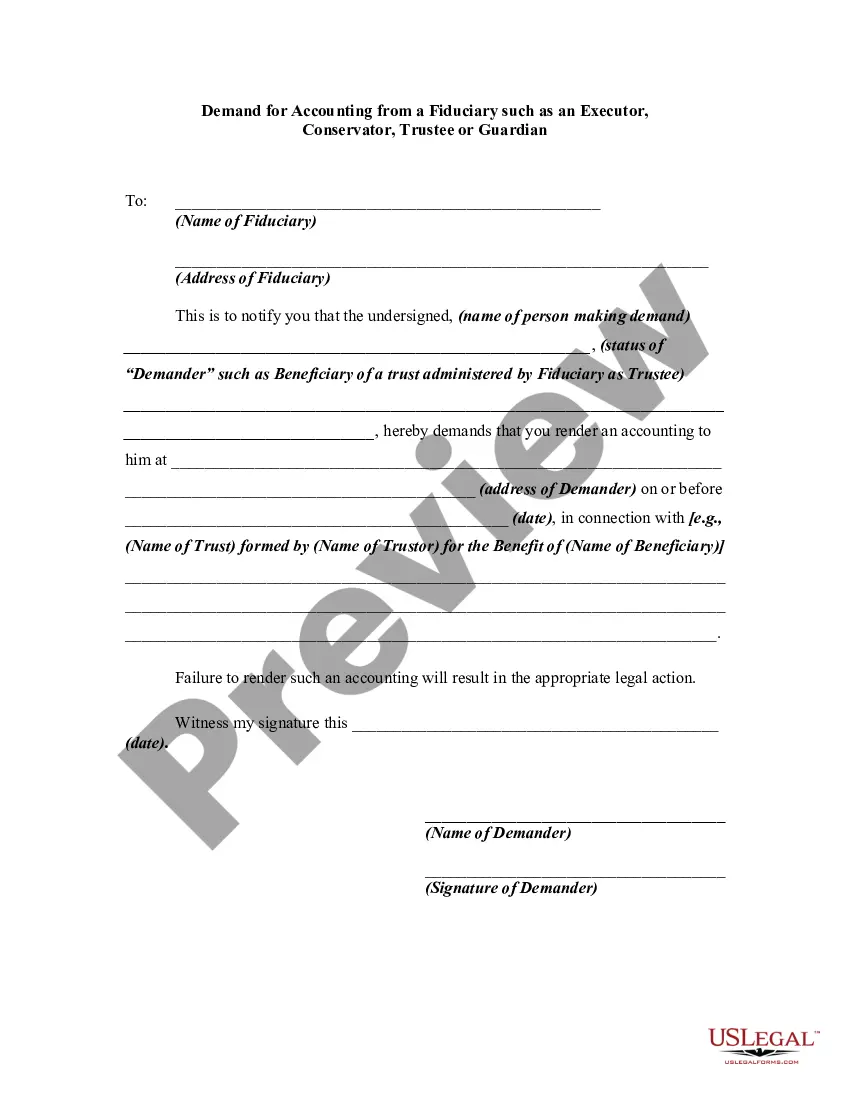
Sample Letter Requesting Estate Accounting Without Attorney
Description
Get your form ready online
Our built-in tools help you complete, sign, share, and store your documents in one place.
Make edits, fill in missing information, and update formatting in US Legal Forms—just like you would in MS Word.
Download a copy, print it, send it by email, or mail it via USPS—whatever works best for your next step.
Sign and collect signatures with our SignNow integration. Send to multiple recipients, set reminders, and more. Go Premium to unlock E-Sign.
If this form requires notarization, complete it online through a secure video call—no need to meet a notary in person or wait for an appointment.
We protect your documents and personal data by following strict security and privacy standards.

Make edits, fill in missing information, and update formatting in US Legal Forms—just like you would in MS Word.

Download a copy, print it, send it by email, or mail it via USPS—whatever works best for your next step.

Sign and collect signatures with our SignNow integration. Send to multiple recipients, set reminders, and more. Go Premium to unlock E-Sign.

If this form requires notarization, complete it online through a secure video call—no need to meet a notary in person or wait for an appointment.

We protect your documents and personal data by following strict security and privacy standards.
Looking for another form?
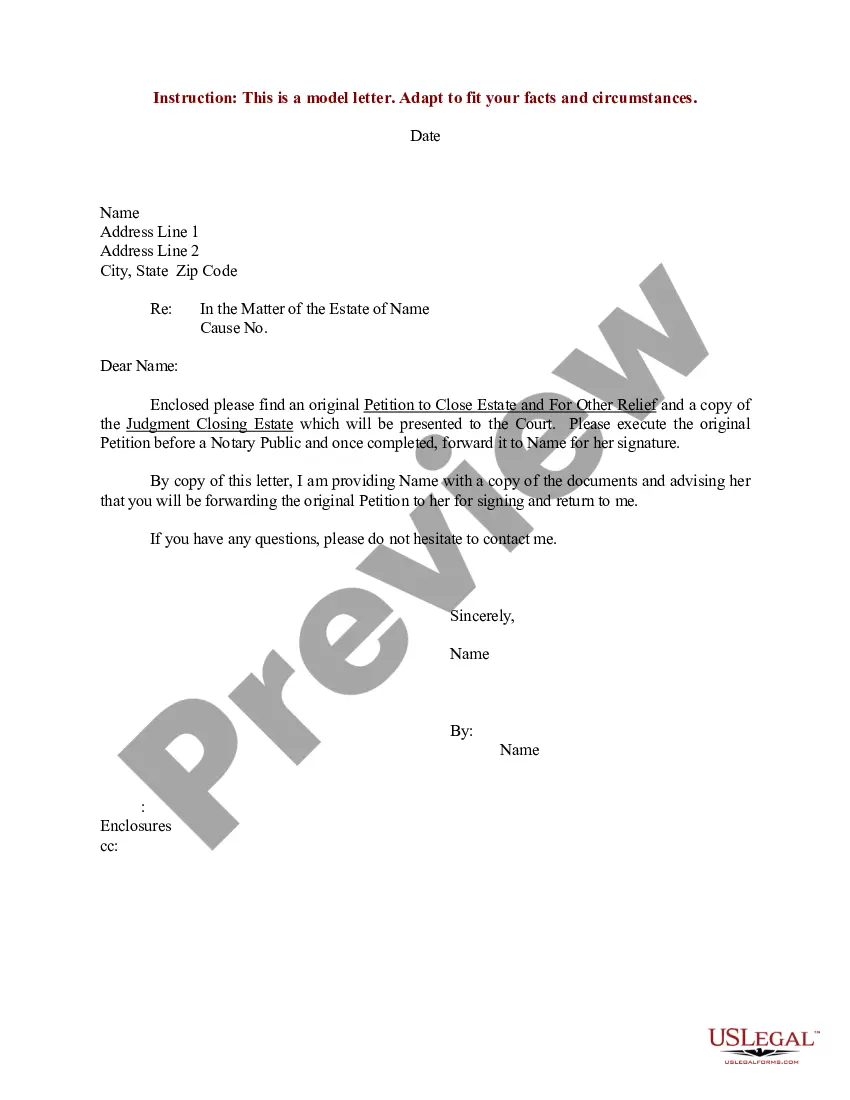
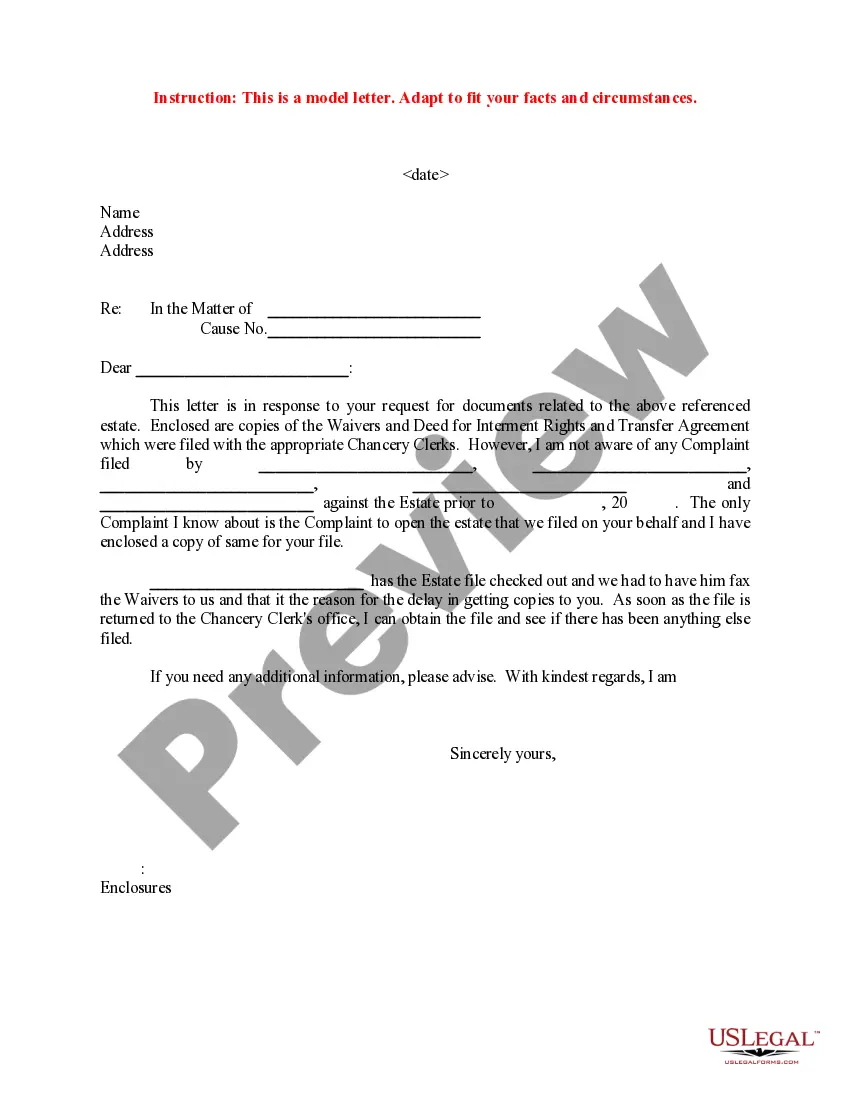
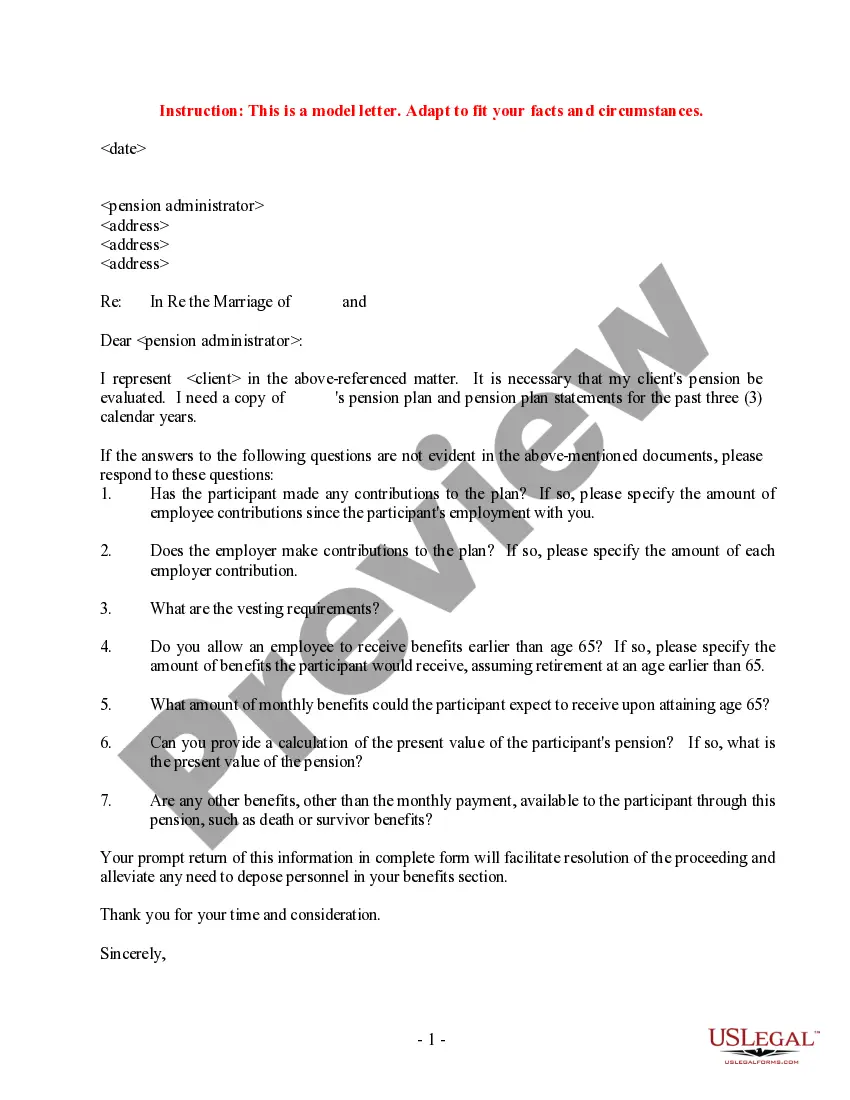
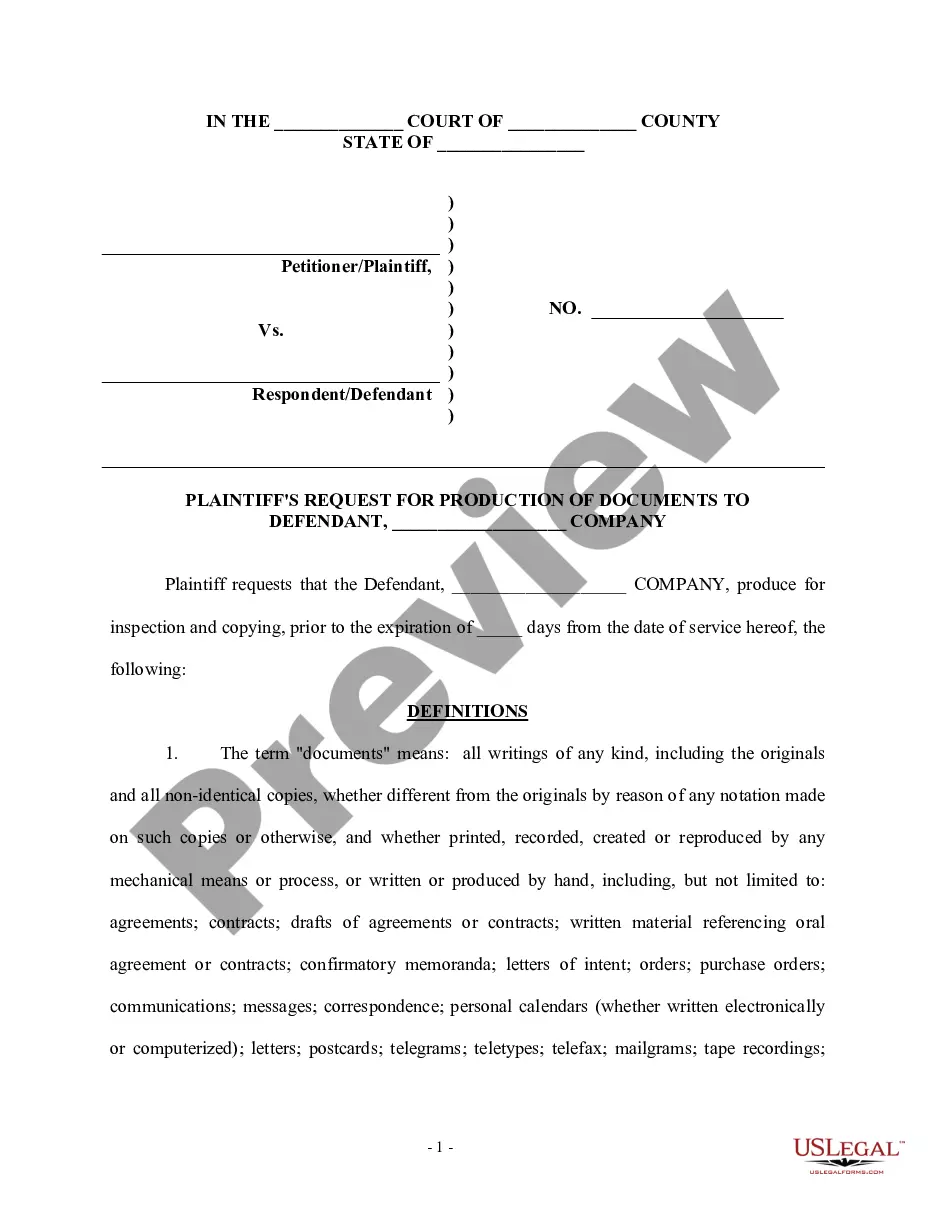
How to fill out Demand For Accounting From A Fiduciary Such As An Executor, Conservator, Trustee Or Legal Guardian?
Acquiring legal document examples that adhere to federal and local regulations is essential, and the internet provides numerous choices to select from.
However, what’s the purpose of spending time seeking the accurately prepared Sample Letter Requesting Estate Accounting Without Attorney template online when the US Legal Forms digital library already has such documents compiled in one location.
US Legal Forms is the largest online legal directory with over 85,000 fillable documents created by attorneys for any professional and personal situation.
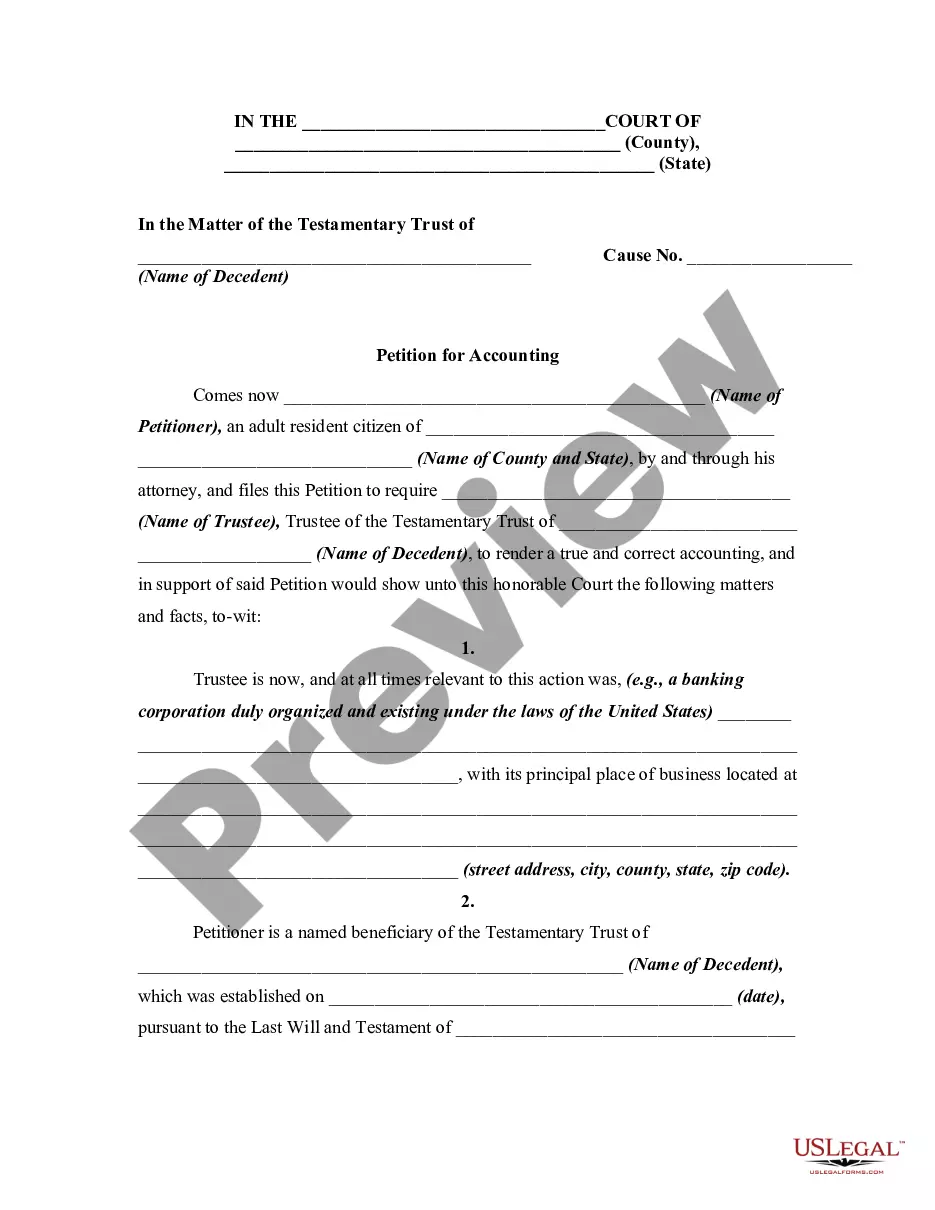
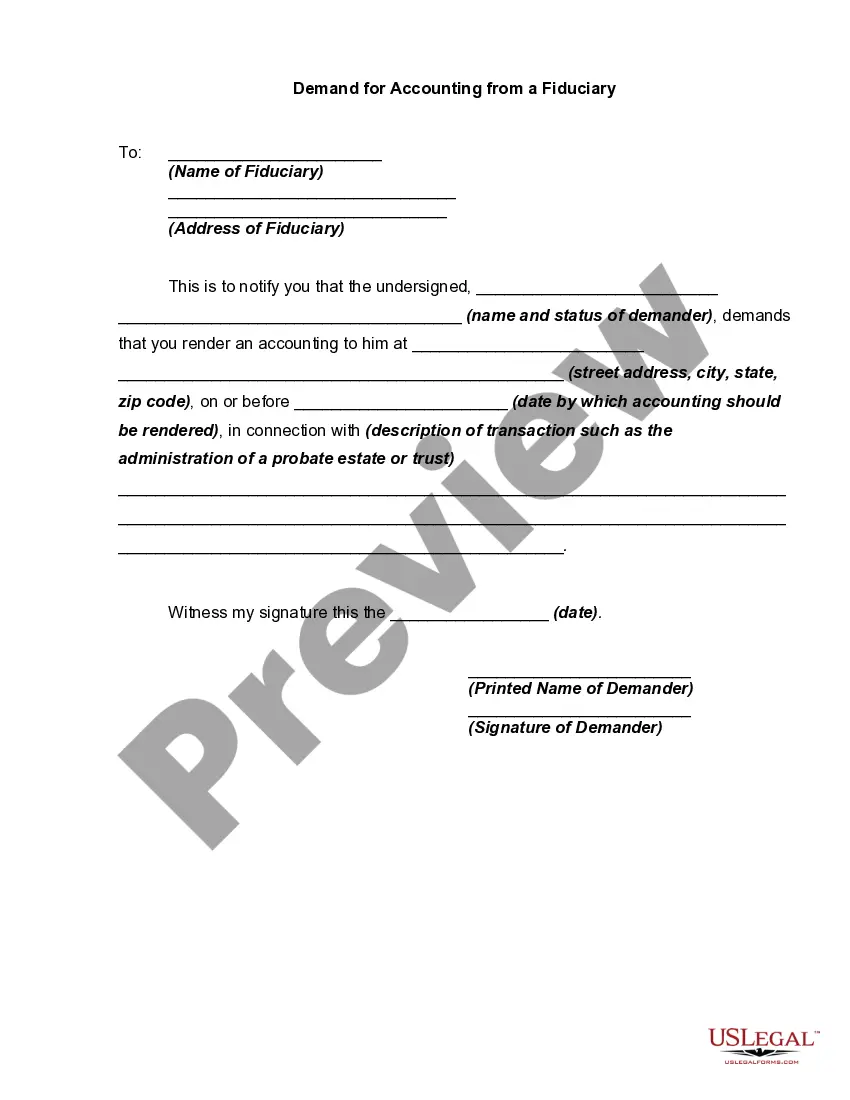
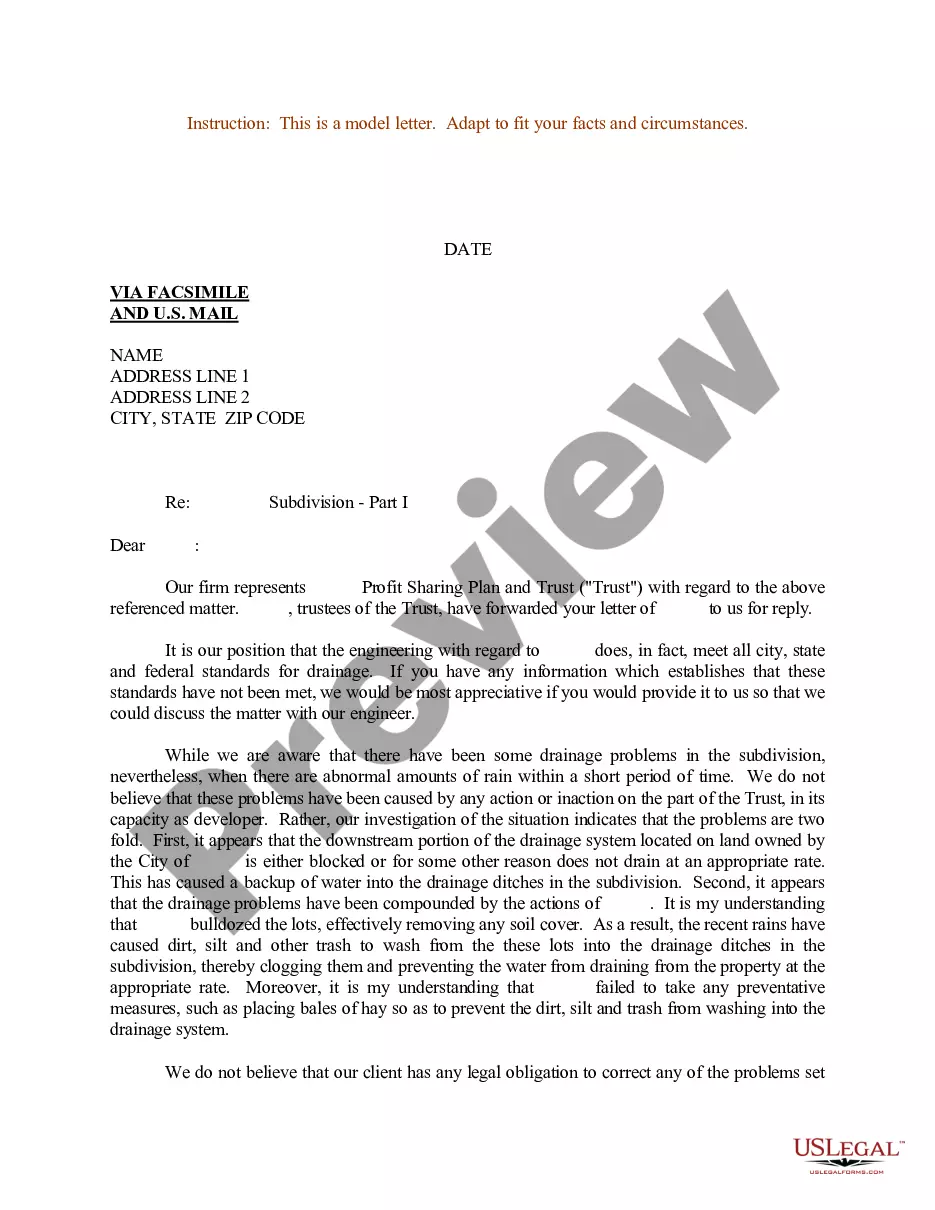
Review the template using the Preview feature or through the text description to ensure it meets your requirements.
- They are easy to navigate with all documents organized by state and intended use.
- Our specialists stay updated with legislative changes, ensuring that your form is current and compliant when acquiring a Sample Letter Requesting Estate Accounting Without Attorney from our site.
- Obtaining a Sample Letter Requesting Estate Accounting Without Attorney is quick and straightforward for both existing and new users.
- If you already possess an account with an active subscription, Log In and save the document sample you need in the appropriate format.
- If you're new to our platform, follow the steps below.
Form popularity
FAQ
All beneficiaries do not need to formally approve estate accounts; however, it is best practice for the Executor(s) and main beneficiaries to sign the estate accounts to show a legal agreement across all parties. Nevertheless, the beneficiaries are entitled to receive a copy of them and review the information.
You should add together the totals for assets, changes, and income, then take away the totals for liabilities and expenses. This final figure should then be divided into the appropriate portions and then assigned to the list of beneficiaries.
Executor(s) (if there is a Will) or Administrator(s) (if there is no Will) are responsible for administering an estate and are required by law to produce a set of estate accounts.
Only residuary beneficiaries are entitled to see a copy of the Estate account themselves i.e. the full statement of all of the Estate assets and liabilities including Executors expenses.
There is no prescribed format as to how the Estate Account should look but it should list all assets, liabilities and administrative expenses, specific gifts and explain the distribution of residue to beneficiaries.