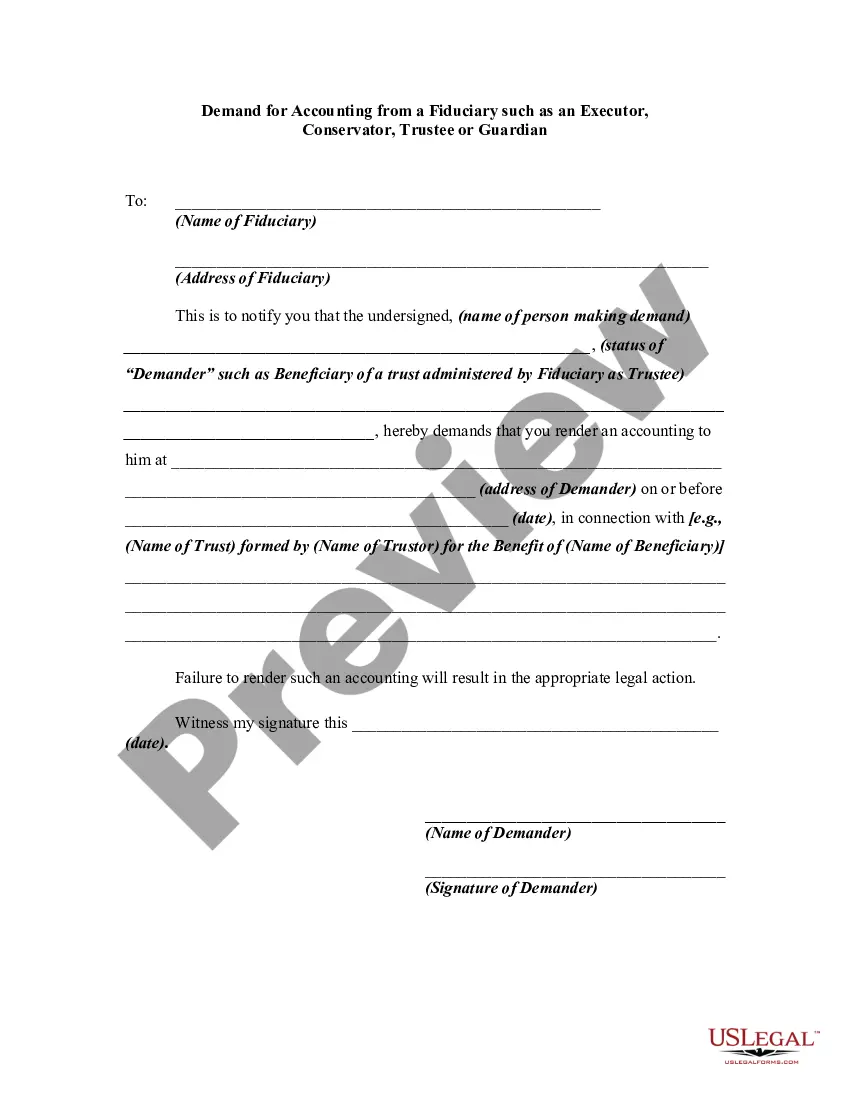
Sample Letter Requesting Estate Accounting With Trustee
Description
Get your form ready online
Our built-in tools help you complete, sign, share, and store your documents in one place.
Make edits, fill in missing information, and update formatting in US Legal Forms—just like you would in MS Word.
Download a copy, print it, send it by email, or mail it via USPS—whatever works best for your next step.
Sign and collect signatures with our SignNow integration. Send to multiple recipients, set reminders, and more. Go Premium to unlock E-Sign.
If this form requires notarization, complete it online through a secure video call—no need to meet a notary in person or wait for an appointment.
We protect your documents and personal data by following strict security and privacy standards.

Make edits, fill in missing information, and update formatting in US Legal Forms—just like you would in MS Word.

Download a copy, print it, send it by email, or mail it via USPS—whatever works best for your next step.

Sign and collect signatures with our SignNow integration. Send to multiple recipients, set reminders, and more. Go Premium to unlock E-Sign.

If this form requires notarization, complete it online through a secure video call—no need to meet a notary in person or wait for an appointment.

We protect your documents and personal data by following strict security and privacy standards.
Looking for another form?
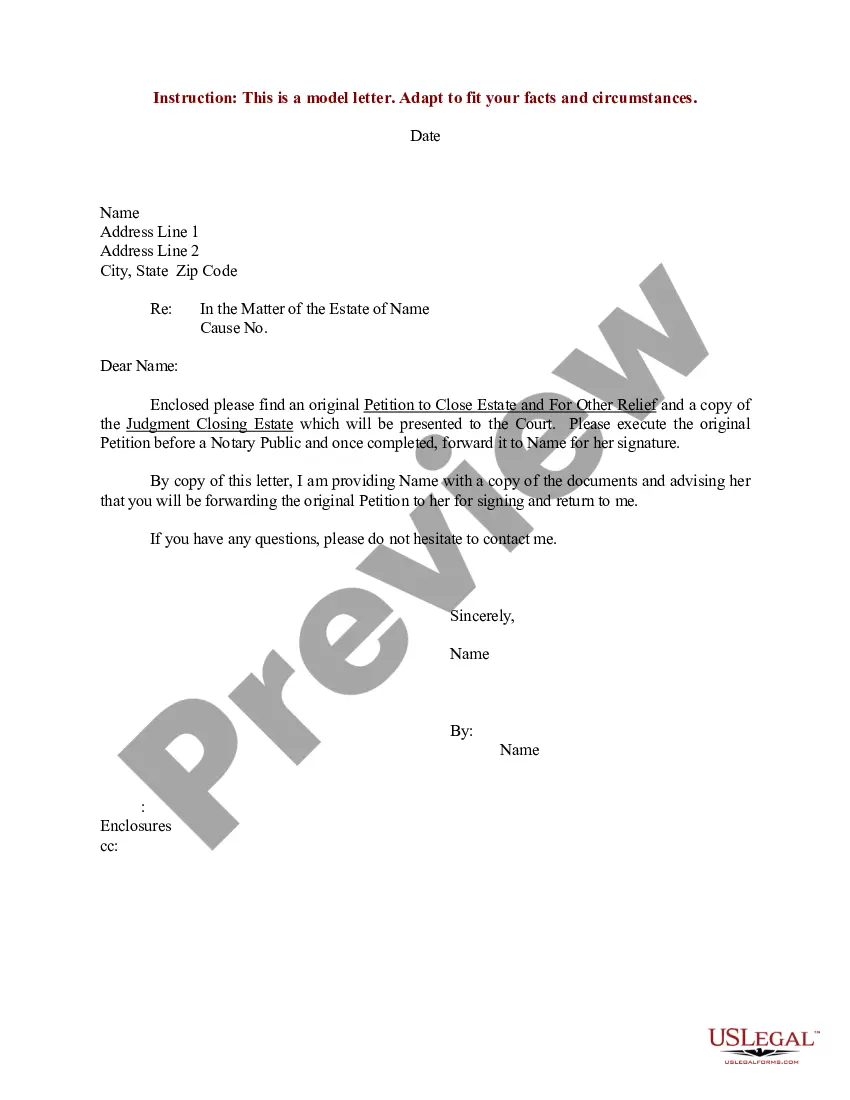
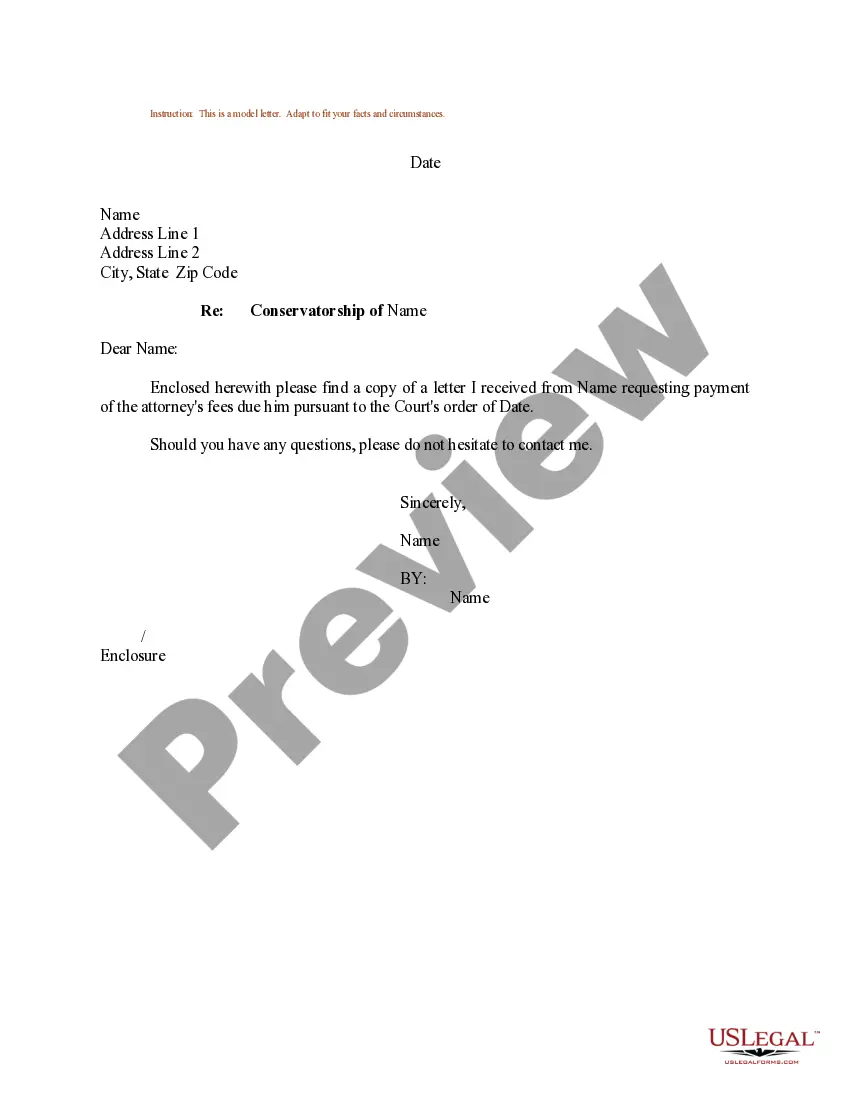
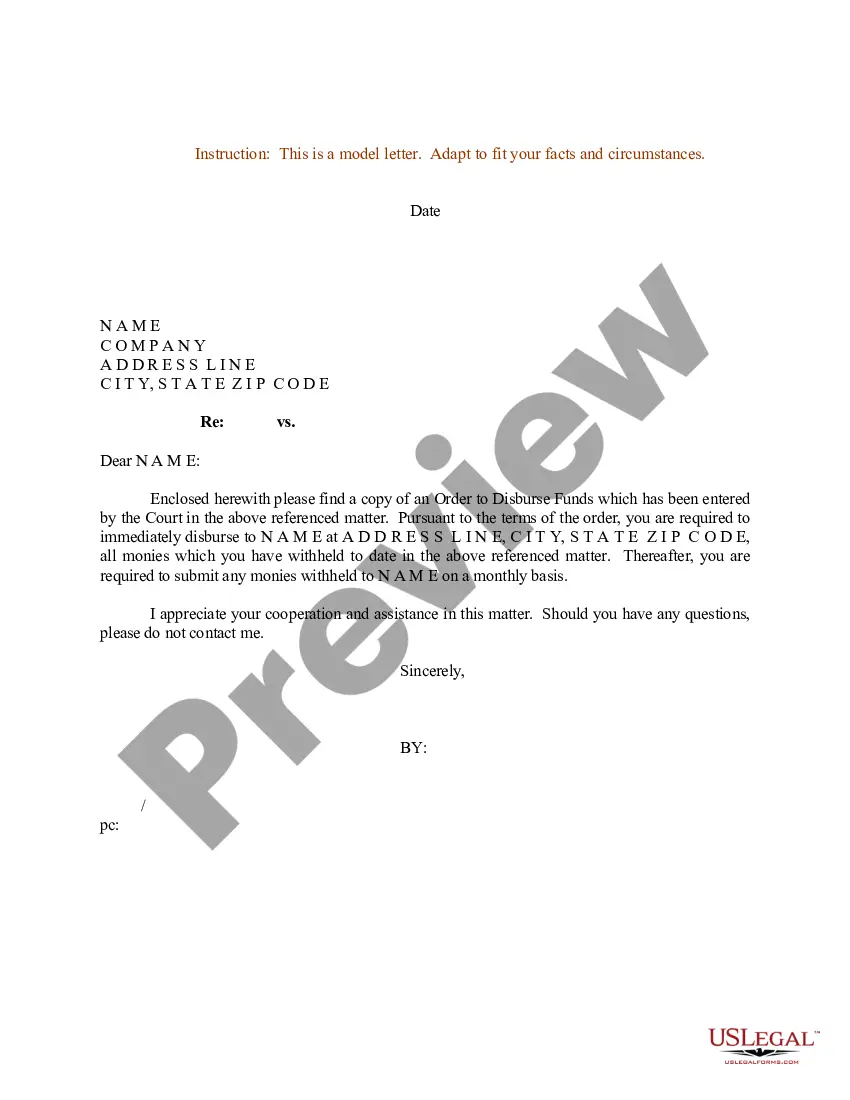
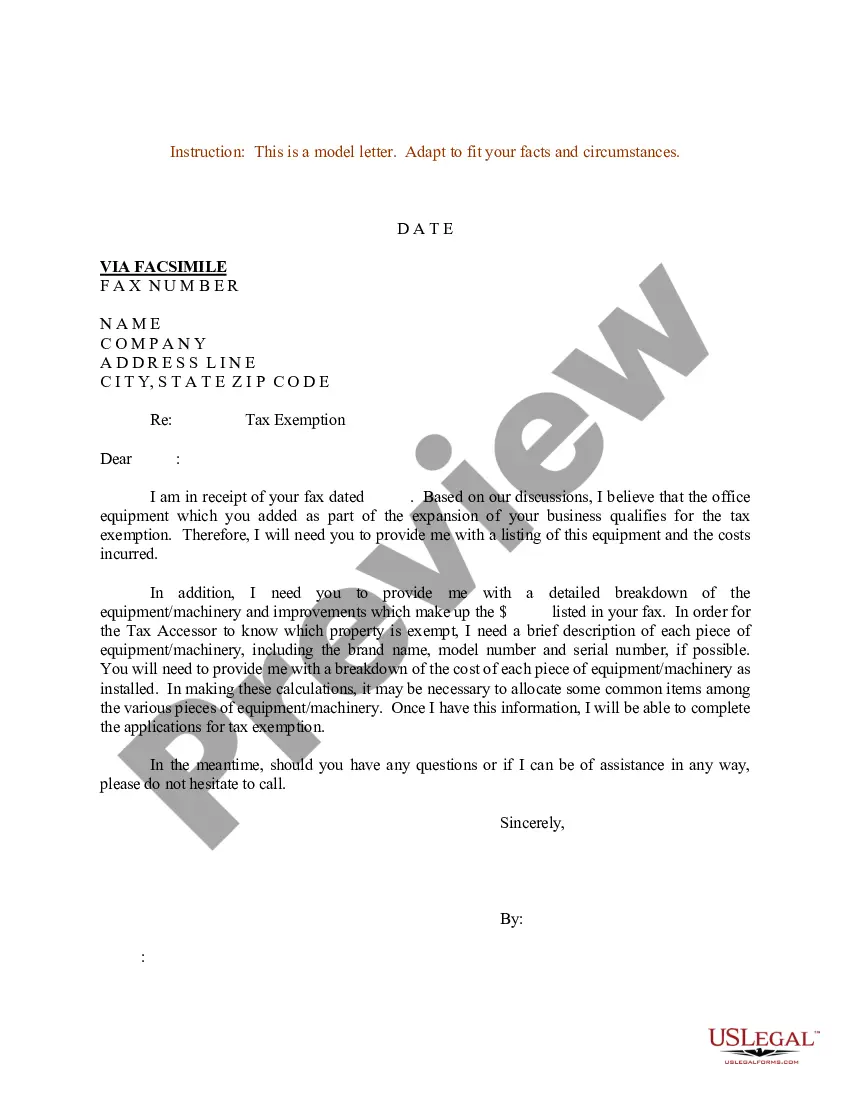
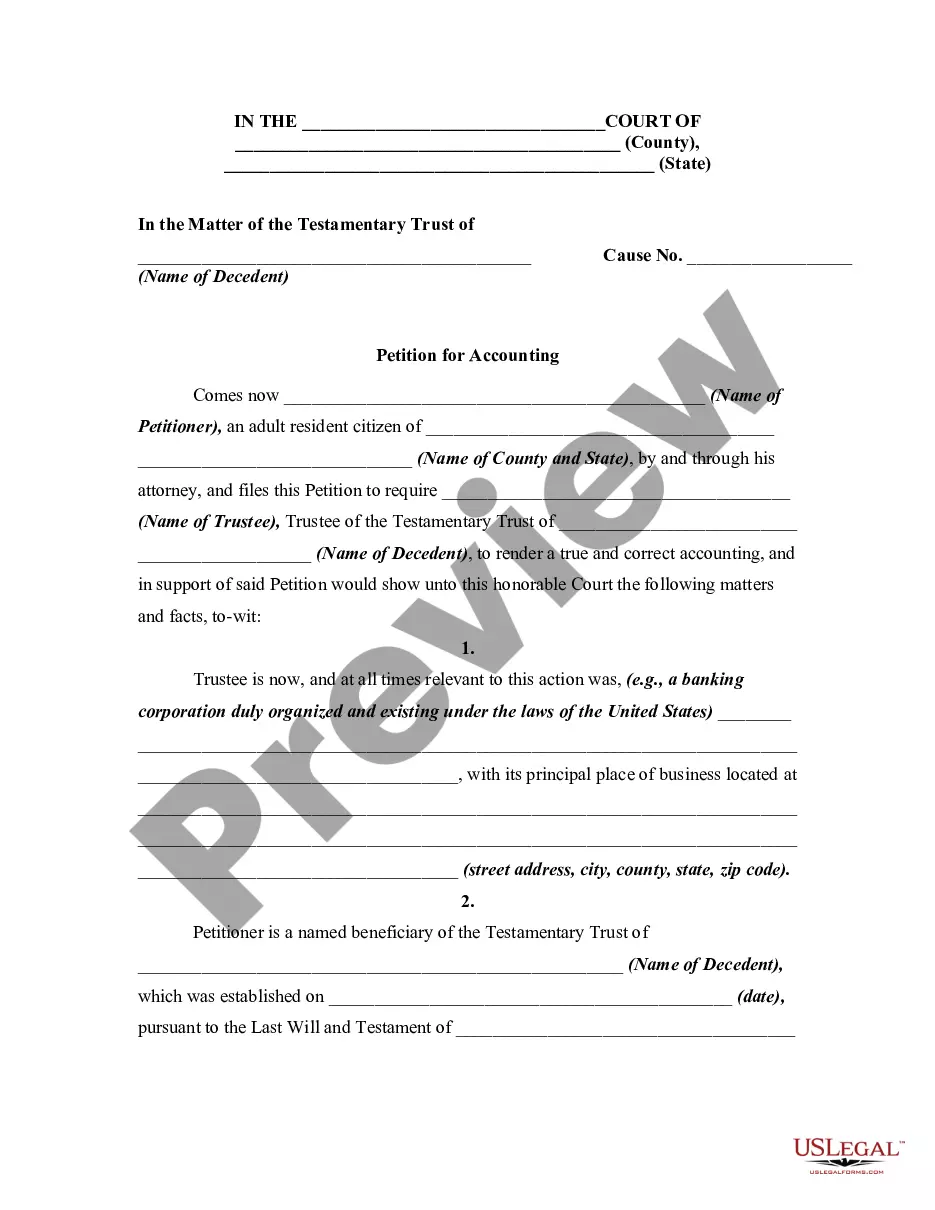
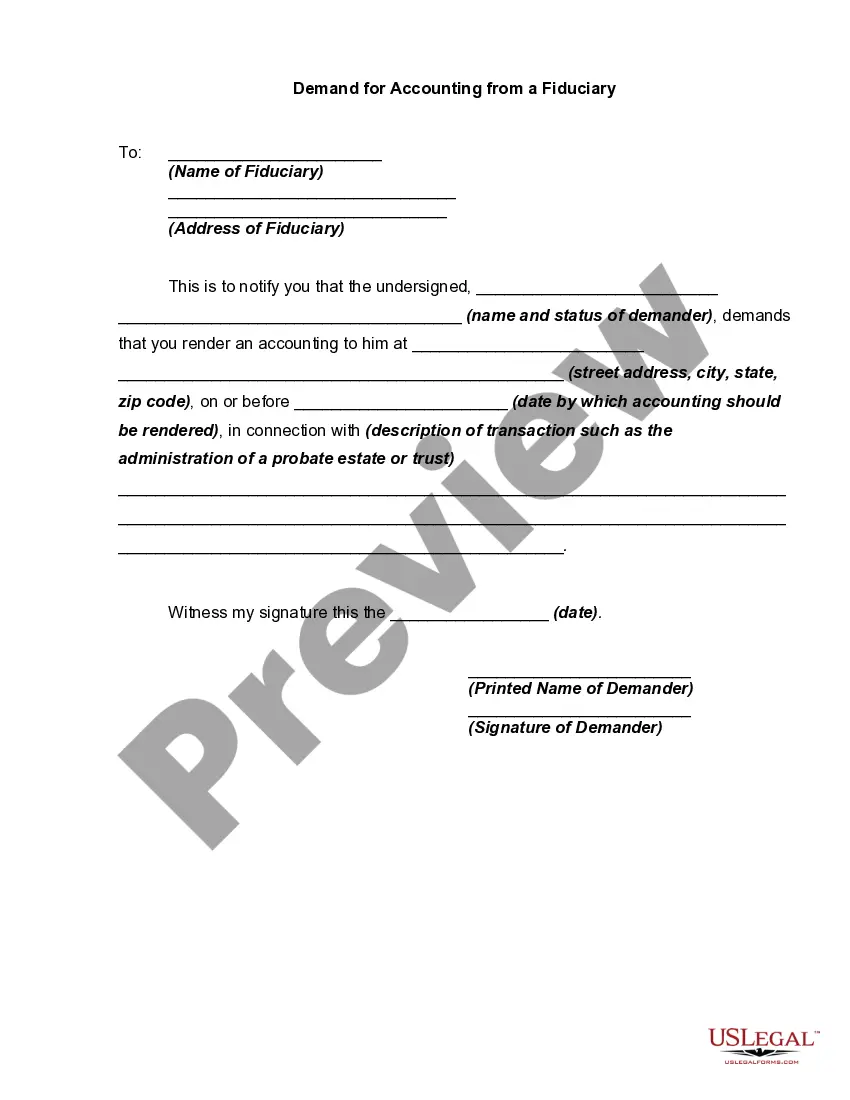
How to fill out Demand For Accounting From A Fiduciary Such As An Executor, Conservator, Trustee Or Legal Guardian?
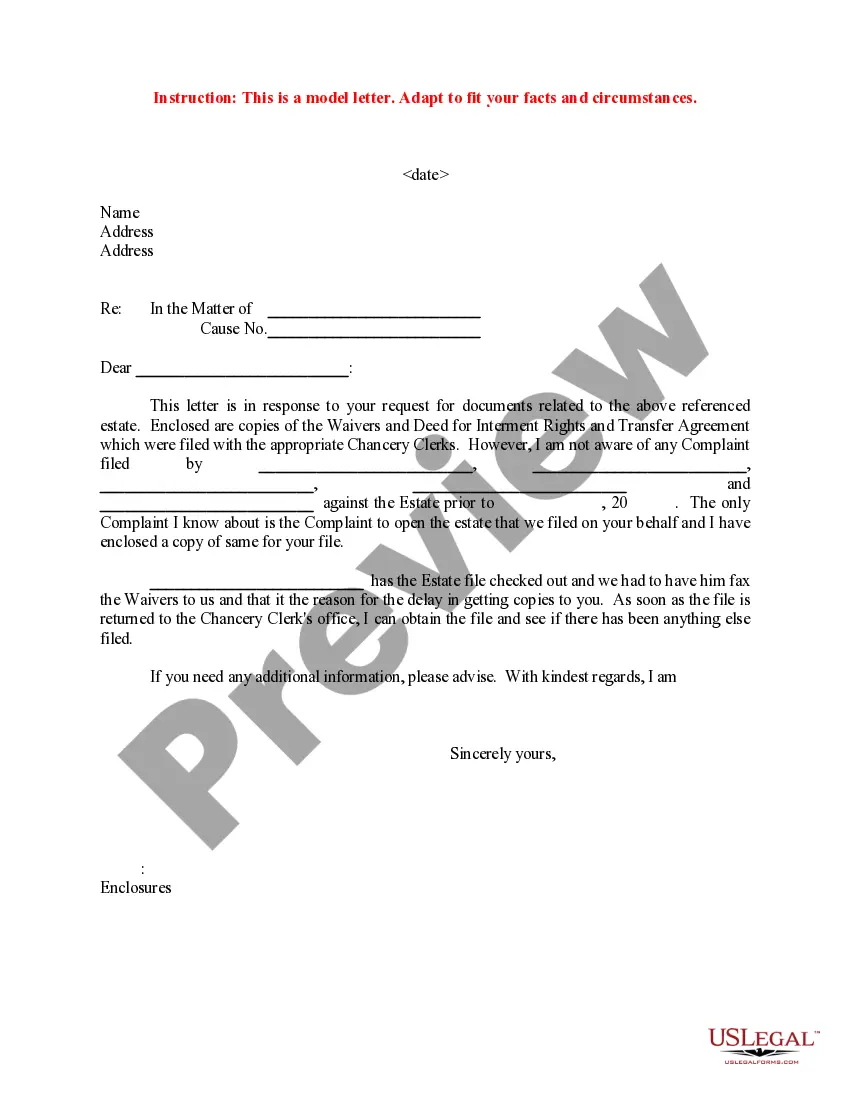
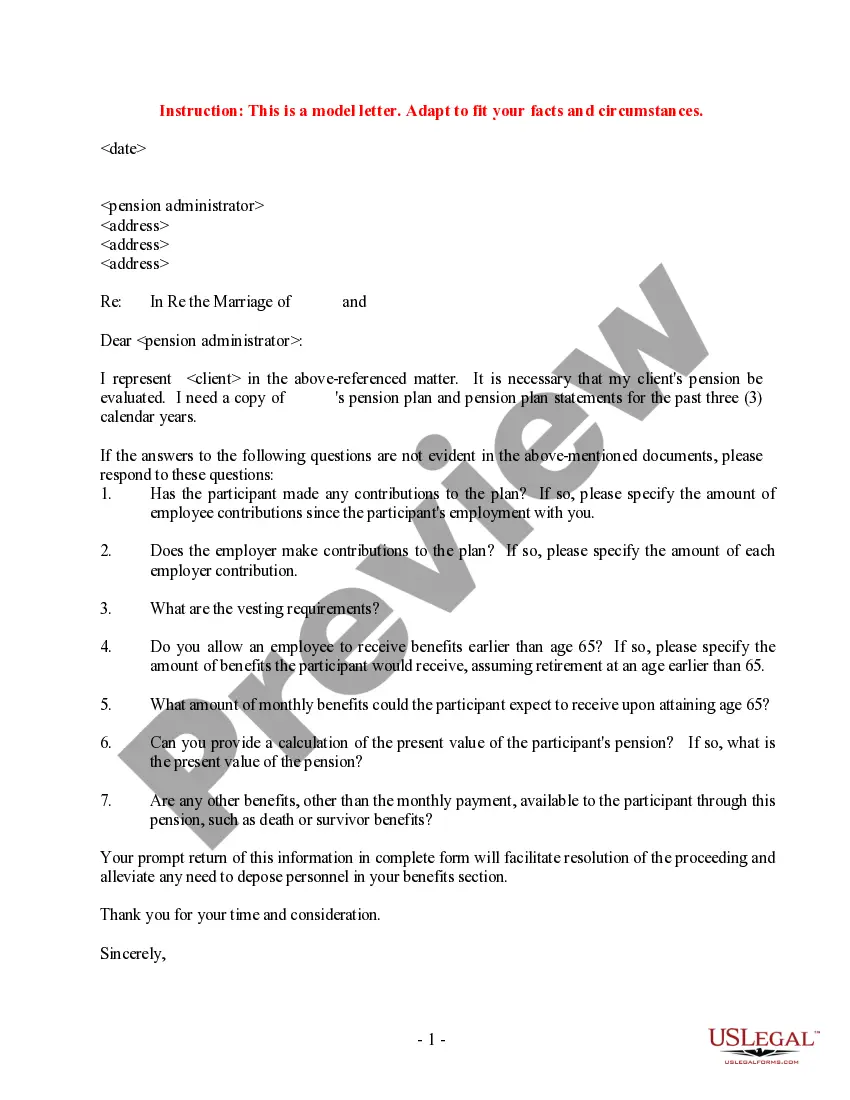
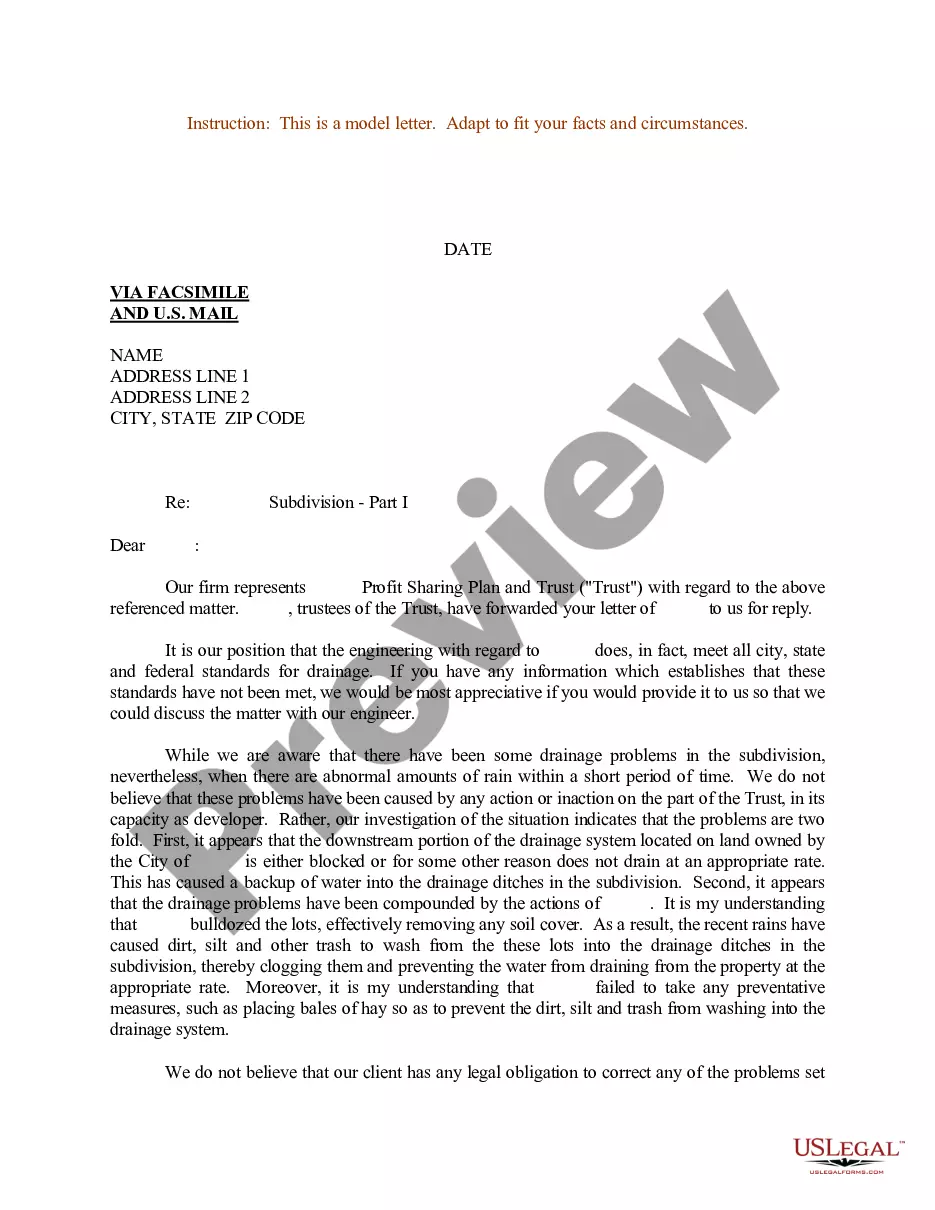
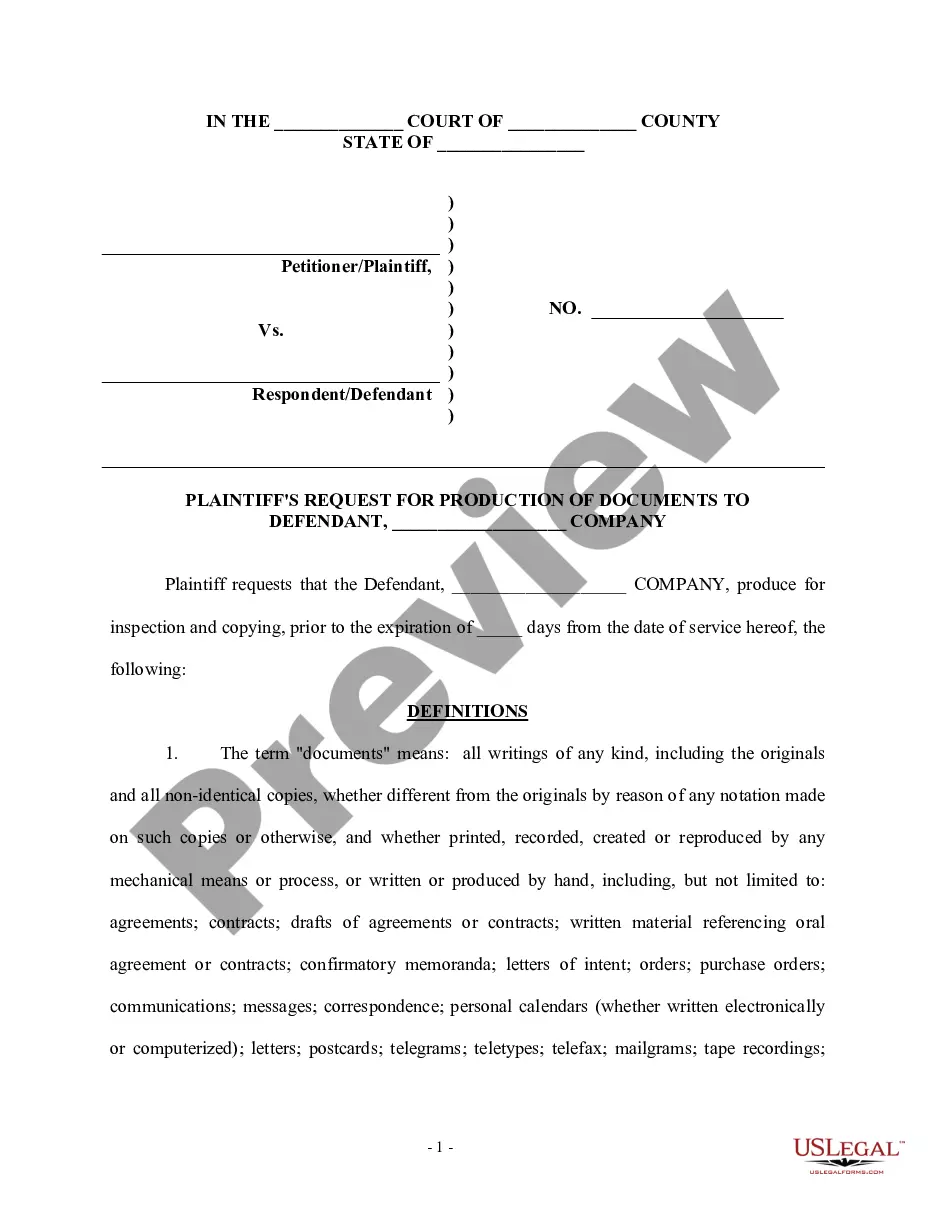
The Sample Letter Requesting Estate Accounting With Trustee located on this page is a versatile legal template crafted by experienced attorneys in alignment with federal and state laws.
For over 25 years, US Legal Forms has supplied individuals, businesses, and legal advisors with more than 85,000 authenticated, state-specific documents for any professional and personal situation.
Select the format you prefer for your Sample Letter Requesting Estate Accounting With Trustee (PDF, DOCX, RTF) and store the sample on your device.
- Browse for the document you require and examine it.
- Look through the example you searched and preview it or review the form description to ensure it meets your needs. If it does not, utilize the search bar to find the suitable one. Click Buy Now when you have identified the template you want.
- Subscribe and Log In.
- Choose the pricing plan that fits you and set up an account. Use PayPal or a credit card for a swift payment. If you already possess an account, Log In and verify your subscription to continue.
- Obtain the fillable template.
Form popularity
FAQ
Here are some things to consider when drafting a letter to your executor or trustee. Your thoughts about wealth. ... Describe key players in the family. ... What matters to you? ... Give your trustee the power to make decisions, even when that means saying no.
There is no way the trustee can refuse to provide you with accounting information or financial information. They can also speak with you. Nevertheless, many beneficiaries are struggling with these horror stories.
Beneficiaries can ask the trustee for financial records and/or an informal accounting. It is best to communicate with the trustee in writing. In the context of trust accountings, an ?informal? accounting simply means a basic financial statement listing values of trust assets and liabilities, which is not court-ordered.
Next Steps If a Trustee Refuses Accounting Duties Your trust and probate attorney files a petition to compel the trustee to carry out their accounting duties. The court issues a citation to your trustee mandating them to appear in court on a specified hearing date.
A written accounting request must be submitted either by yourself or your lawyer. Upon receiving your written accounting request, the trustee has sixty days to provide it.