Revocable Trust Notice With Multiple Trustees
Description
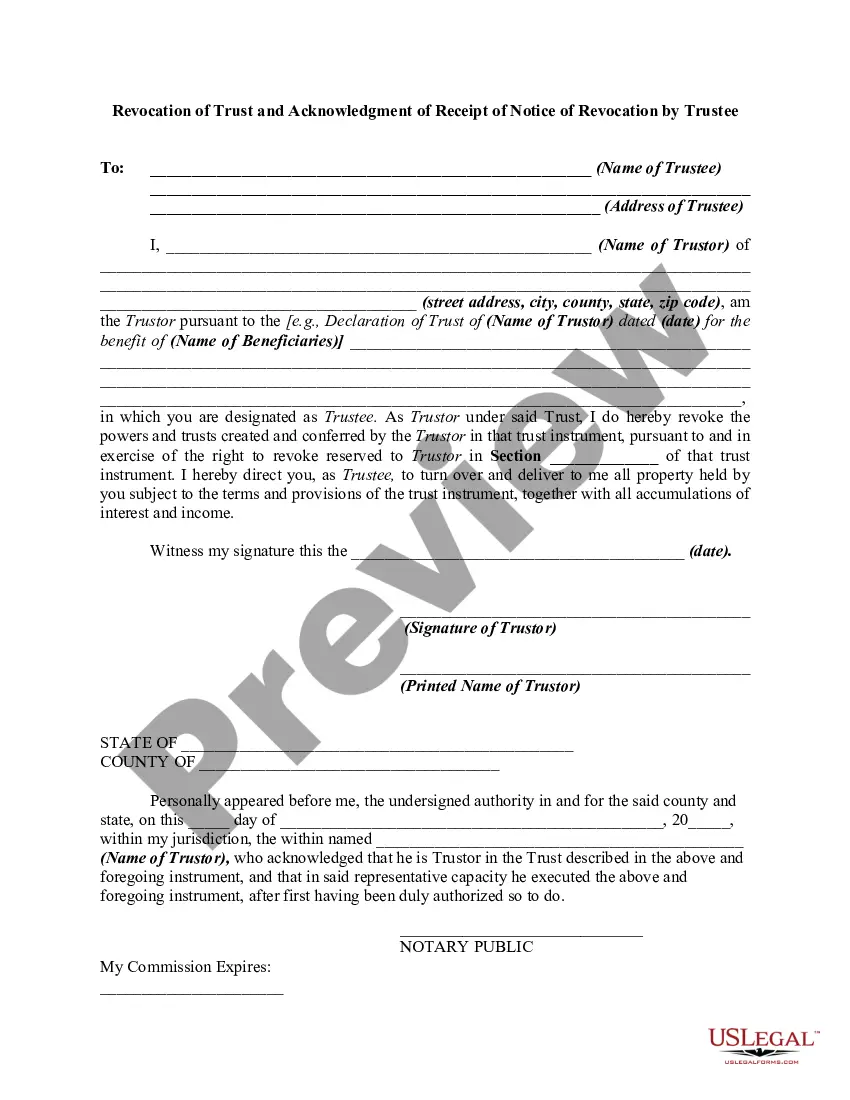
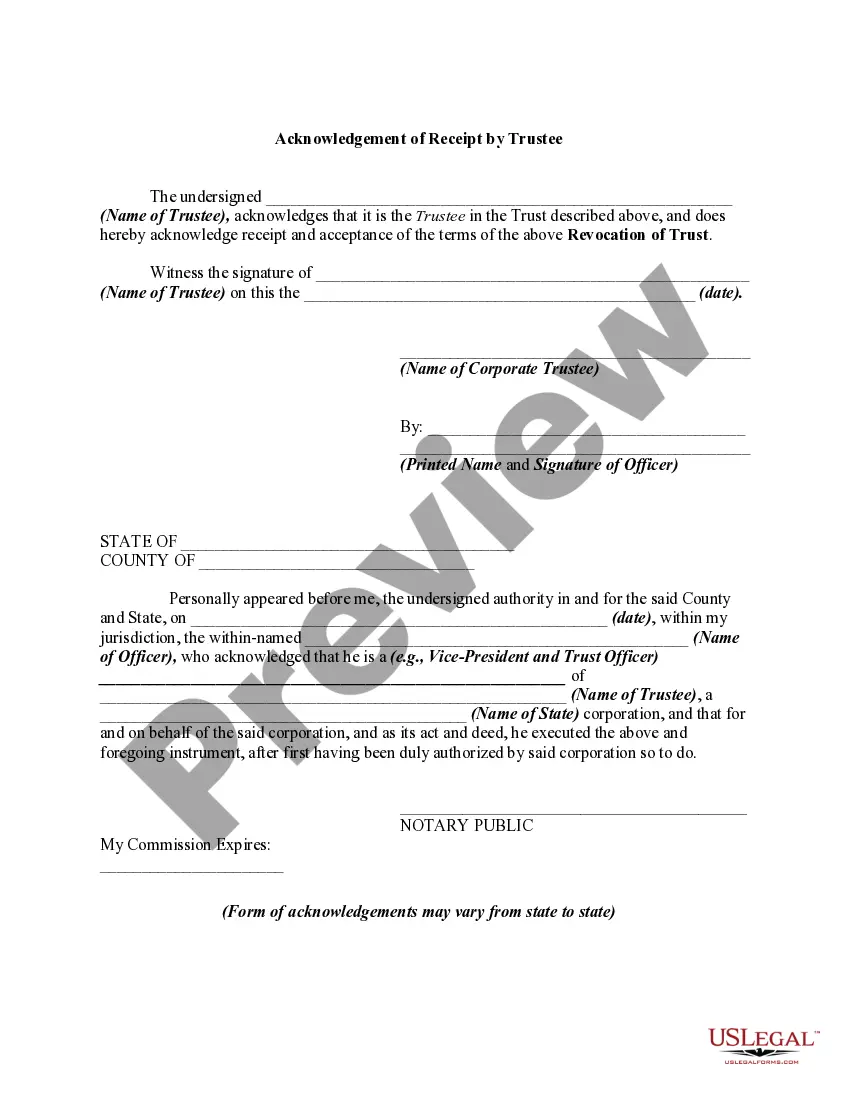
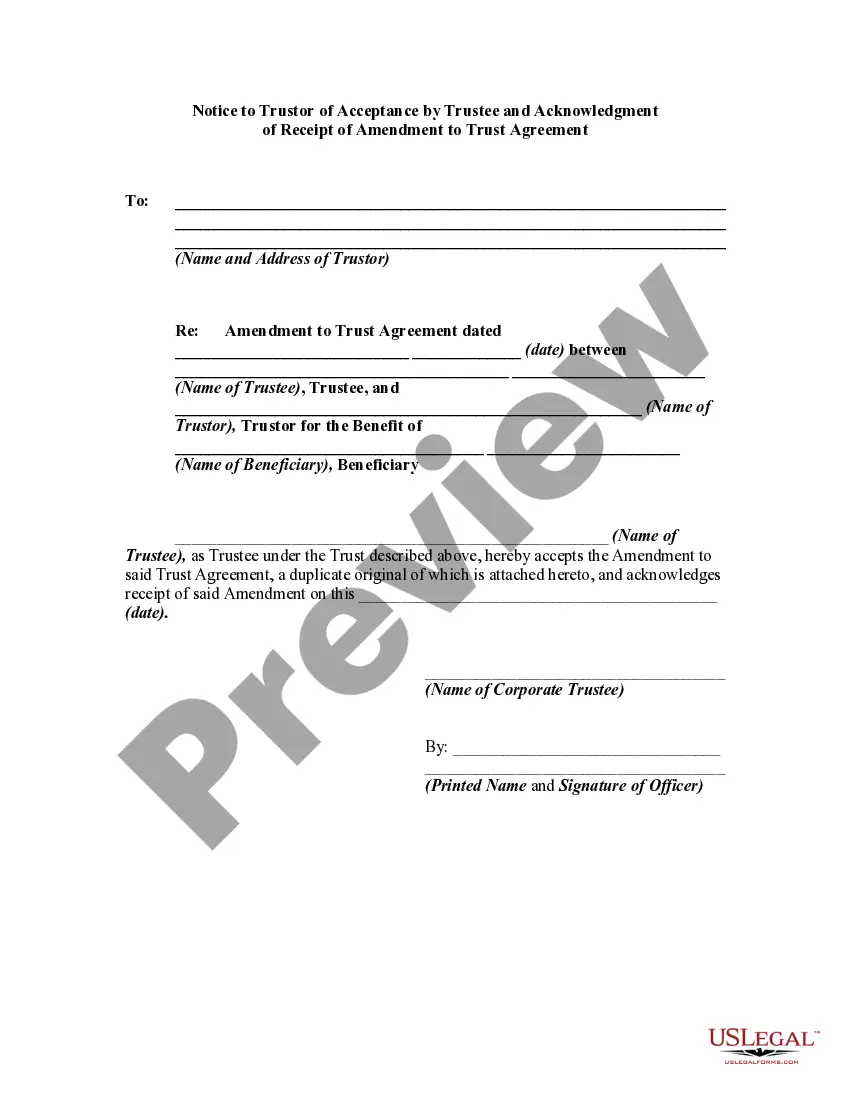
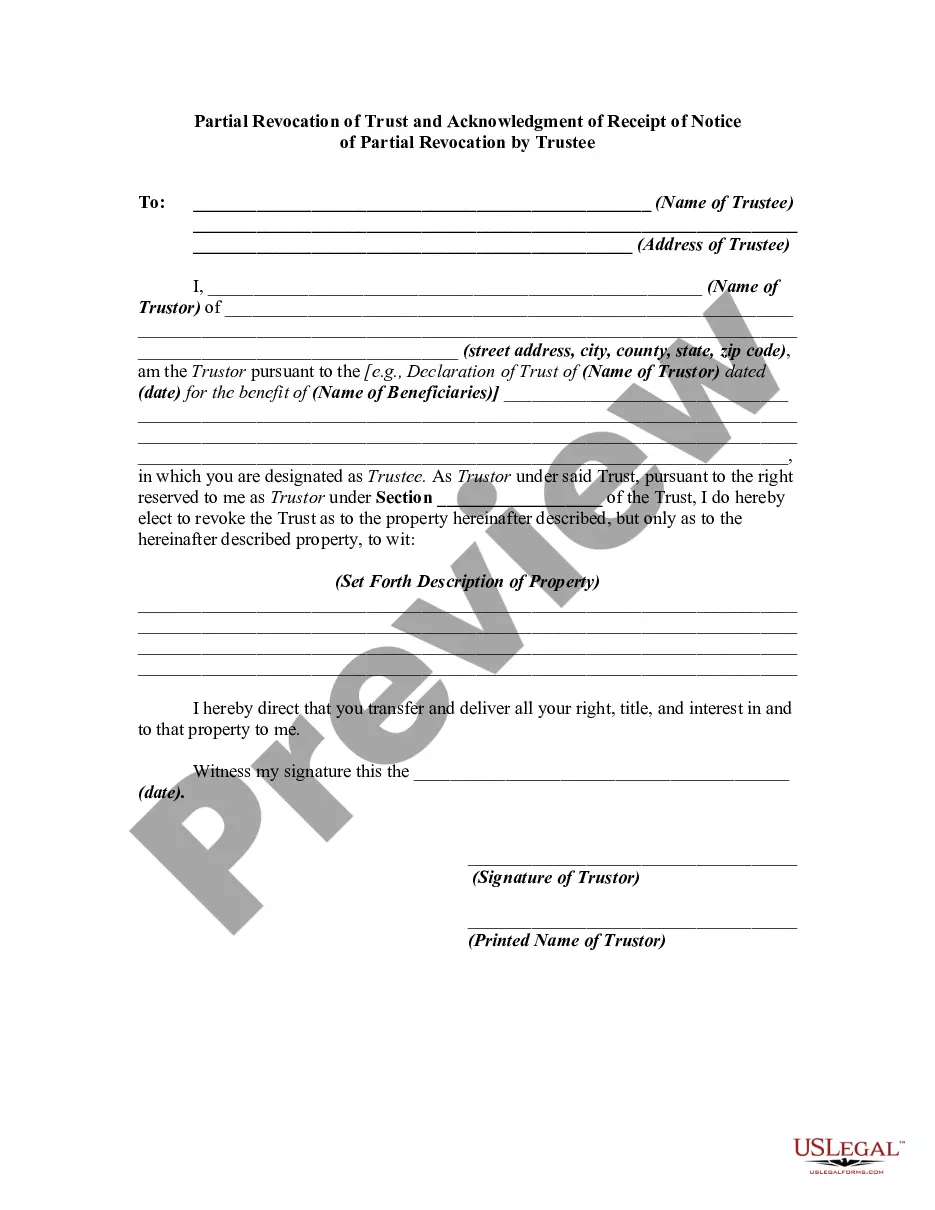
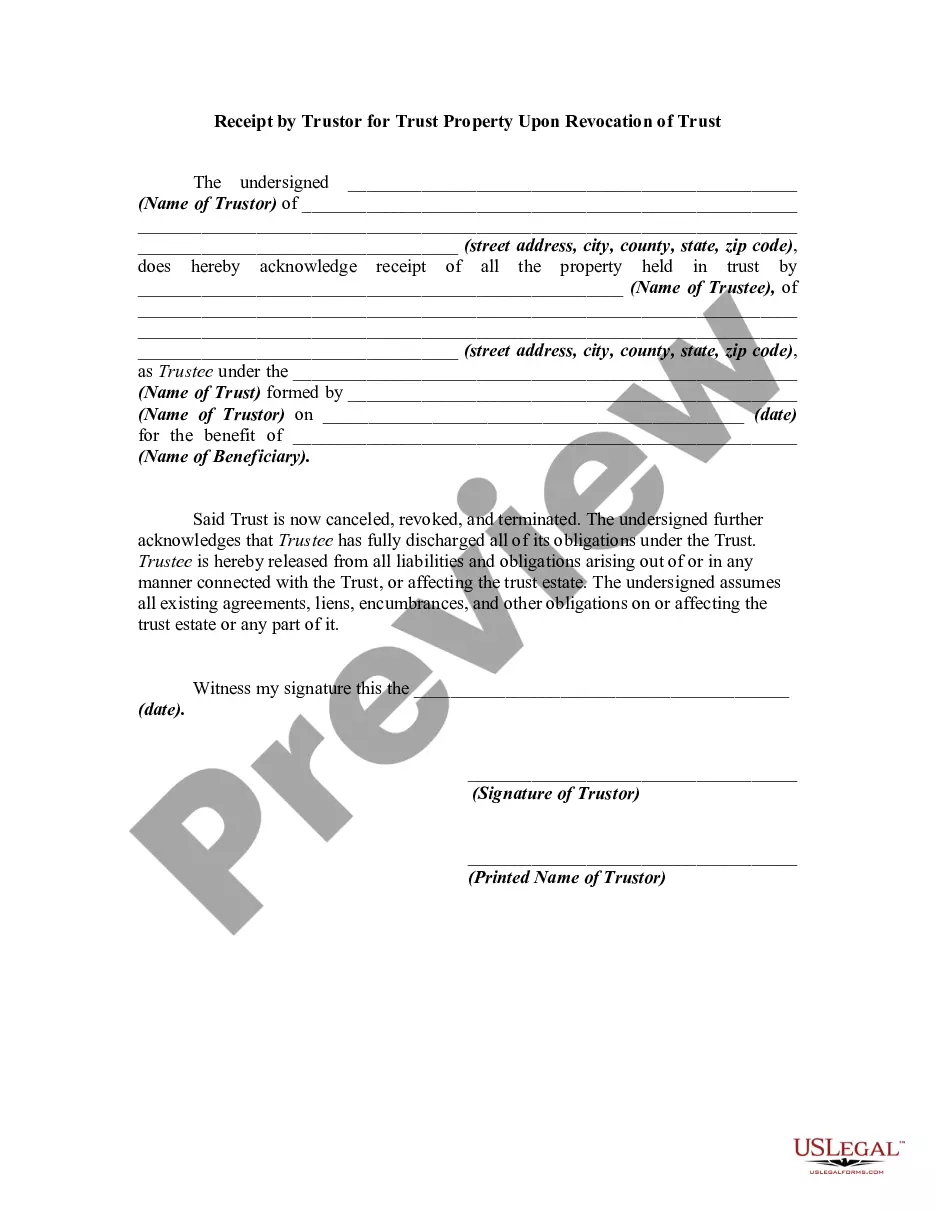
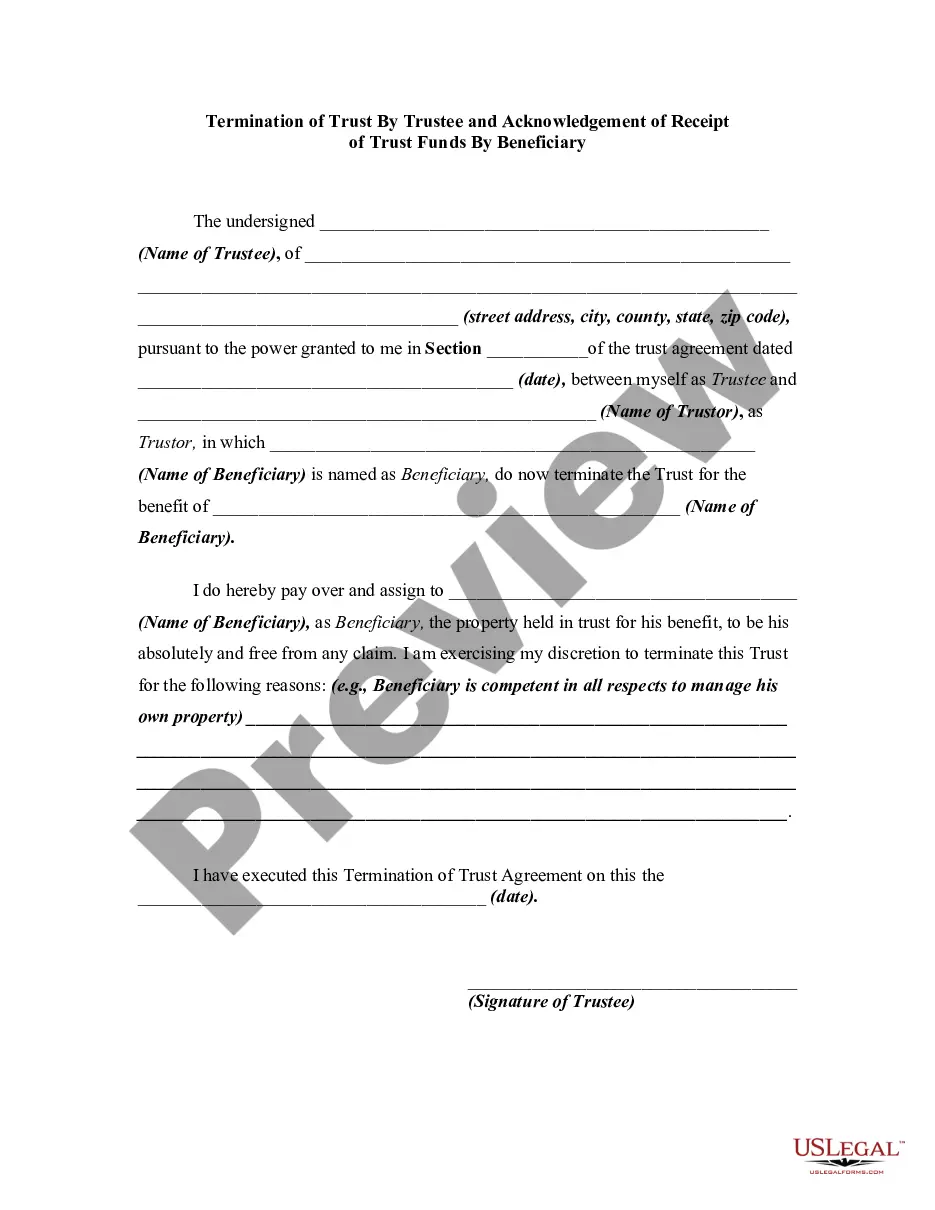
Get your form ready online
Our built-in tools help you complete, sign, share, and store your documents in one place.
Make edits, fill in missing information, and update formatting in US Legal Forms—just like you would in MS Word.
Download a copy, print it, send it by email, or mail it via USPS—whatever works best for your next step.
Sign and collect signatures with our SignNow integration. Send to multiple recipients, set reminders, and more. Go Premium to unlock E-Sign.
If this form requires notarization, complete it online through a secure video call—no need to meet a notary in person or wait for an appointment.
We protect your documents and personal data by following strict security and privacy standards.

Make edits, fill in missing information, and update formatting in US Legal Forms—just like you would in MS Word.

Download a copy, print it, send it by email, or mail it via USPS—whatever works best for your next step.

Sign and collect signatures with our SignNow integration. Send to multiple recipients, set reminders, and more. Go Premium to unlock E-Sign.

If this form requires notarization, complete it online through a secure video call—no need to meet a notary in person or wait for an appointment.

We protect your documents and personal data by following strict security and privacy standards.
Looking for another form?


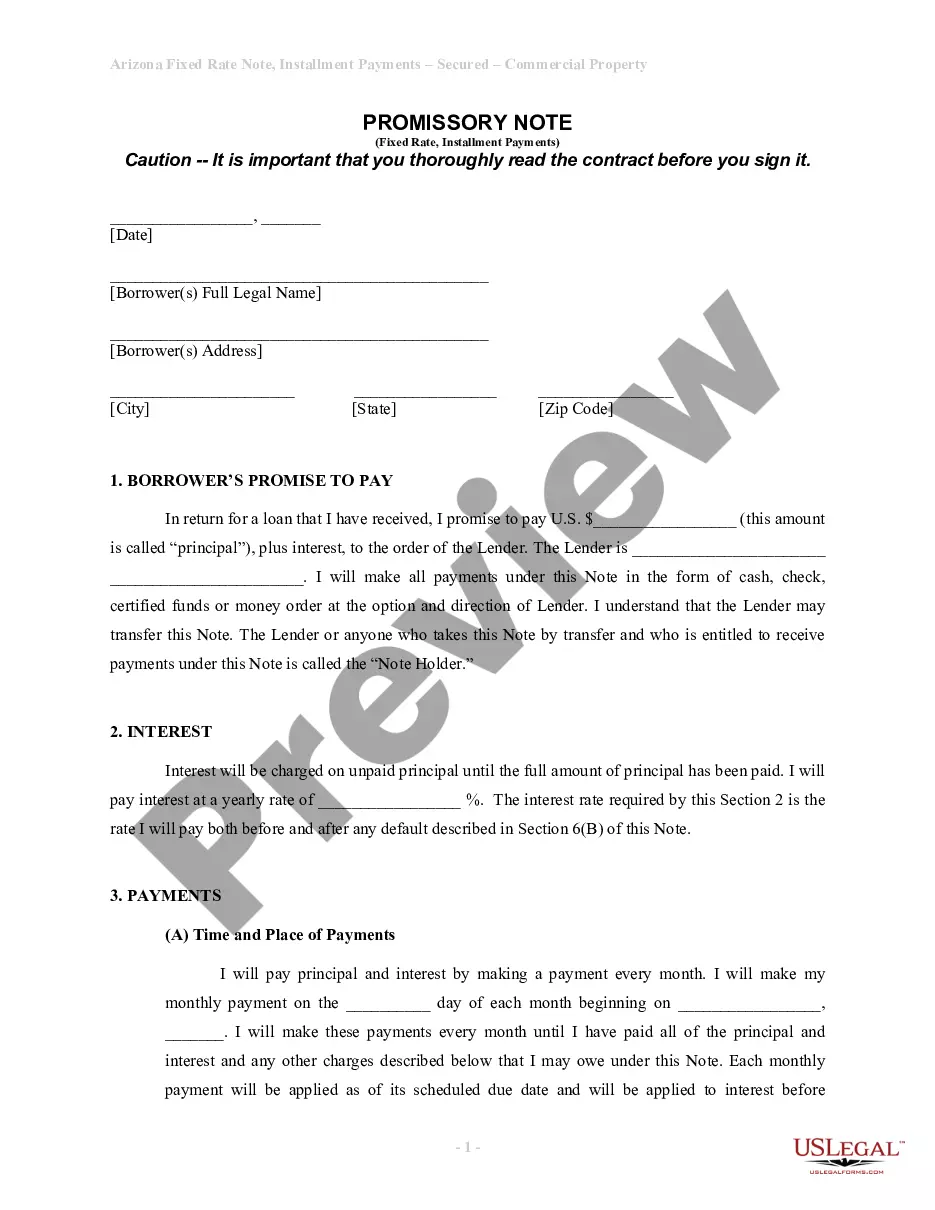





How to fill out Revocation Of Trust And Acknowledgment Of Receipt Of Notice Of Revocation By Trustee?
Managing legal documents can be exasperating, even for the most skilled professionals.
When you're on the lookout for a Revocable Trust Notice With Multiple Trustees and lack the time to thoroughly search for the correct and current version, the process can become overwhelming.
Leverage advanced tools to create and handle your Revocable Trust Notice With Multiple Trustees.
Tap into a wealth of articles, guides, handbooks, and resources that pertain to your circumstances and requirements.
Rely on the US Legal Forms online library, supported by 25 years of expertise and reliability. Transform your daily document management into a streamlined and user-friendly experience today.
- Eliminate the hassle of searching for the documents you require, and utilize US Legal Forms’ sophisticated search and Review feature to locate and download the Revocable Trust Notice With Multiple Trustees.
- If you hold a subscription, Log In to your US Legal Forms account, locate the form, and download it.
- Check the My documents tab to view documents you've previously saved and organize your folders as desired.
- If this is your initial encounter with US Legal Forms, sign up for an account and obtain unlimited access to all the library's benefits.
- After downloading the necessary form, ensure it is the correct one by previewing it and reviewing its description.
- Utilize a cutting-edge web form repository that can significantly improve efficiency for those navigating these situations.
- US Legal Forms stands as a frontrunner in online legal documents, offering over 85,000 state-specific legal forms available at your convenience.
- Access legal and business forms tailored to your state or county needs, encompassing everything from personal to business documents in one comprehensive location.
Form popularity
FAQ
Yes, a trust can have multiple trustees, and this is common in many estate planning strategies. When you incorporate a revocable trust notice with multiple trustees, you create a framework that allows for shared management of the trust. This setup can provide checks and balances, ensuring that no single trustee can act unilaterally, which can protect the interests of beneficiaries. It's a practical choice for many families to ensure compliance with your trust intentions.
A Uniform Commercial Code filing, also known as a UCC filing, is a document that lenders use to establish their legal right to assets that a borrower uses to secure a loan. This notice allows the lender to seize the borrower's collateral in the case of default.
If you have not filed a UCC-1, then you are considered unsecured, and as such, you are placed in the ?back of the line,? behind the secured creditors. Secured creditors are taken care of first in the division of assets.
What are the benefits after filing a UCC-Uniform Commercial Code-1 (UCC-1) statement? Filing a UCC-1 statement allows creditors to collateralize or ?secure? their loan by utilizing the personal property assets of their customers.
It's possible to avoid a UCC filing by taking out an unsecured business loan rather than a secured one. For example, many online and alternative lenders offer unsecured loans, and you can get an SBA 7(a) loan of up to $25,000 without collateral.
Filing a UCC-1 statement allows creditors to collateralize or ?secure? their loan by utilizing the personal property assets of their customers. In the event of a customer defaulting on their loan or filing for bankruptcy, a UCC-1 elevates the lender's status to a secured creditor, ensuring that it will be paid.
An Example of a UCC Lien Filing If you secure equipment financing, the lender will file a UCC lien to state that if the debt for the espresso machine is not repaid, the lender has the right to repossess the espresso machine or seize other assets from your business.
There are two basic ways to perform a search with the Oregon UCC office. You can conduct an uncertified search yourself through our site or request our office to perform a certified search for you for a fee.
Having a UCC-1 filing or lien tied to your name or business isn't necessarily a bad thing. It's simply a public record stating that a lender has the rights to certain assets until that loan is repaid. That record will also show if the loan has been repaid or not.