Trust Agreement Example
Description
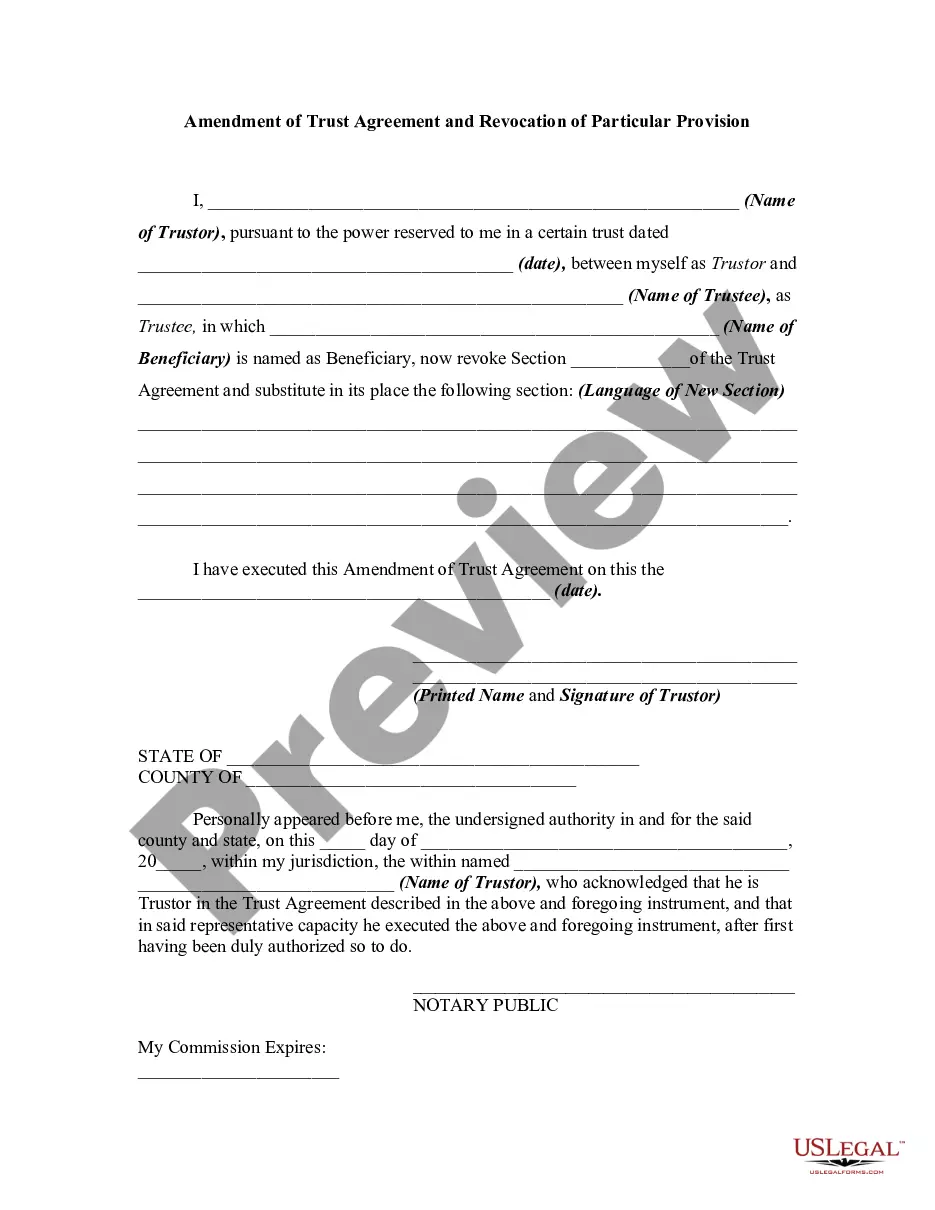
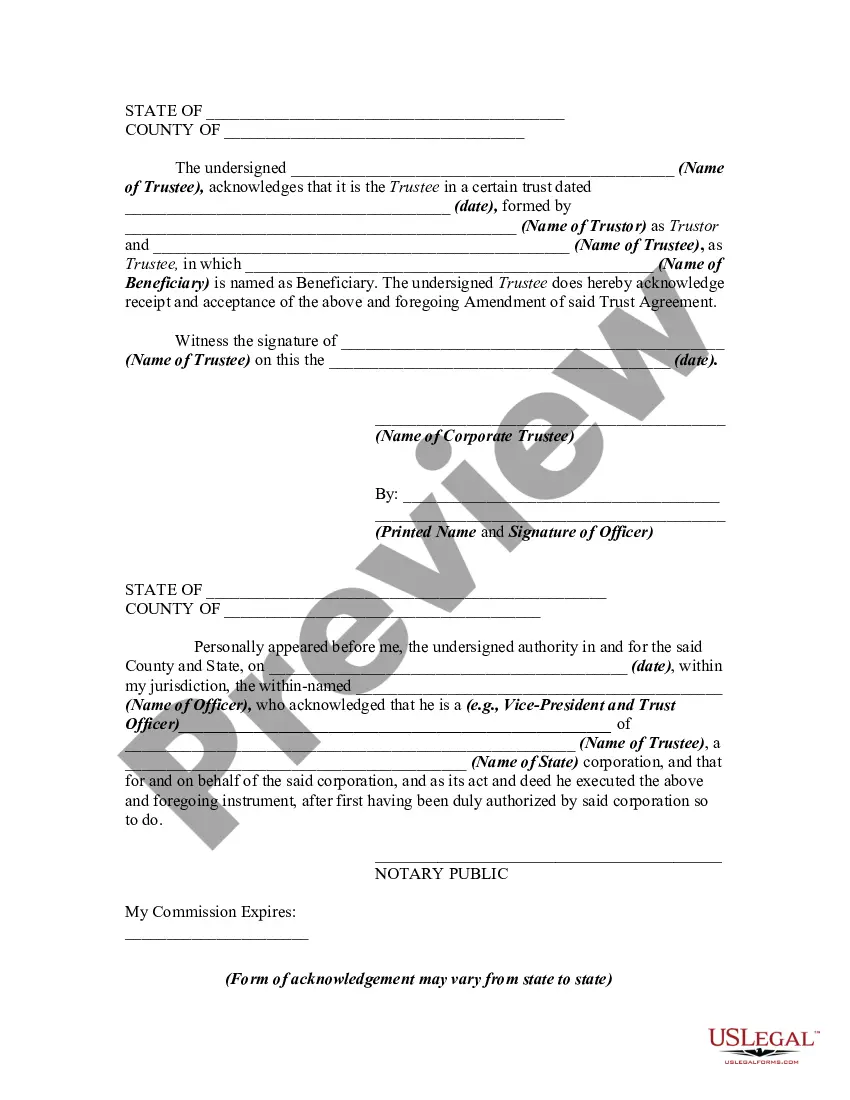
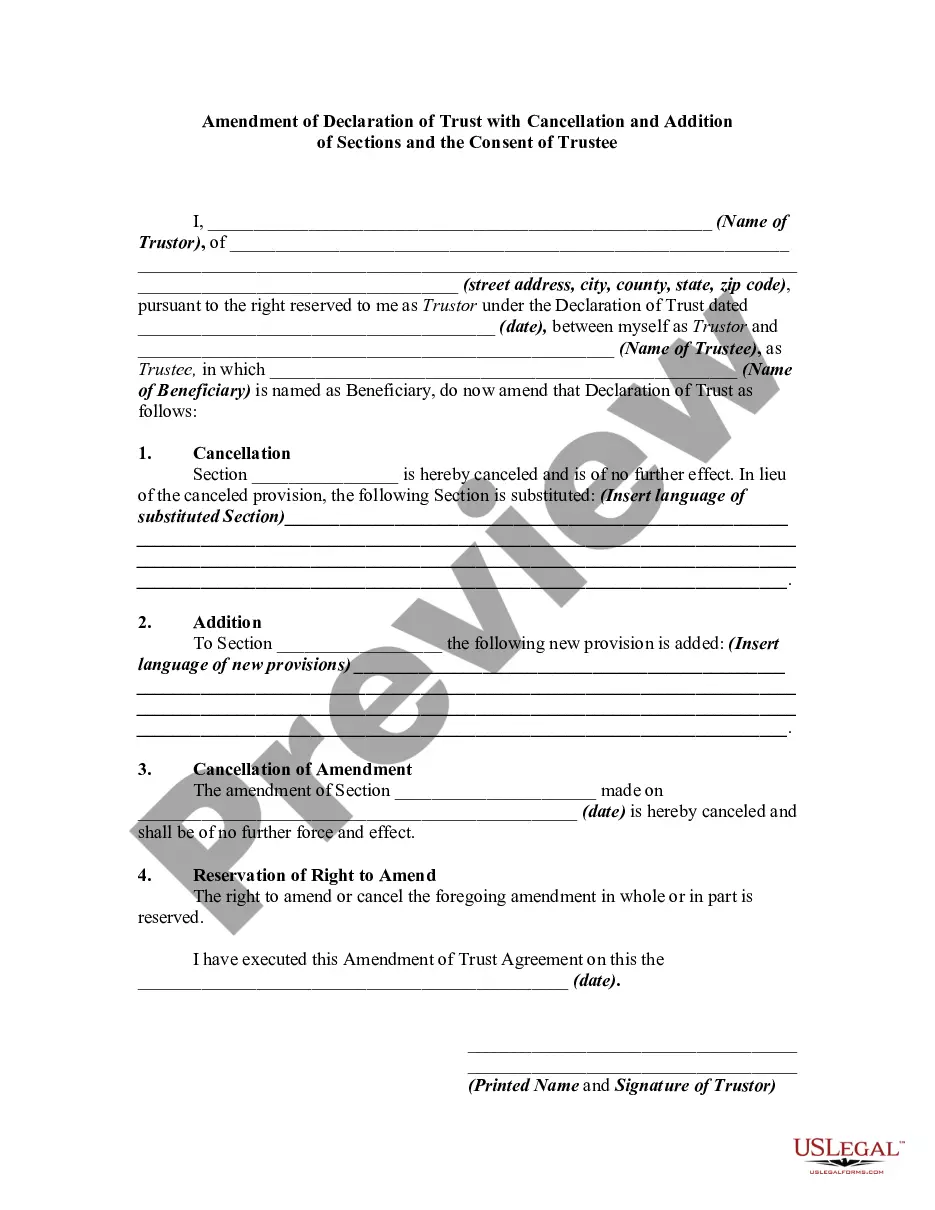
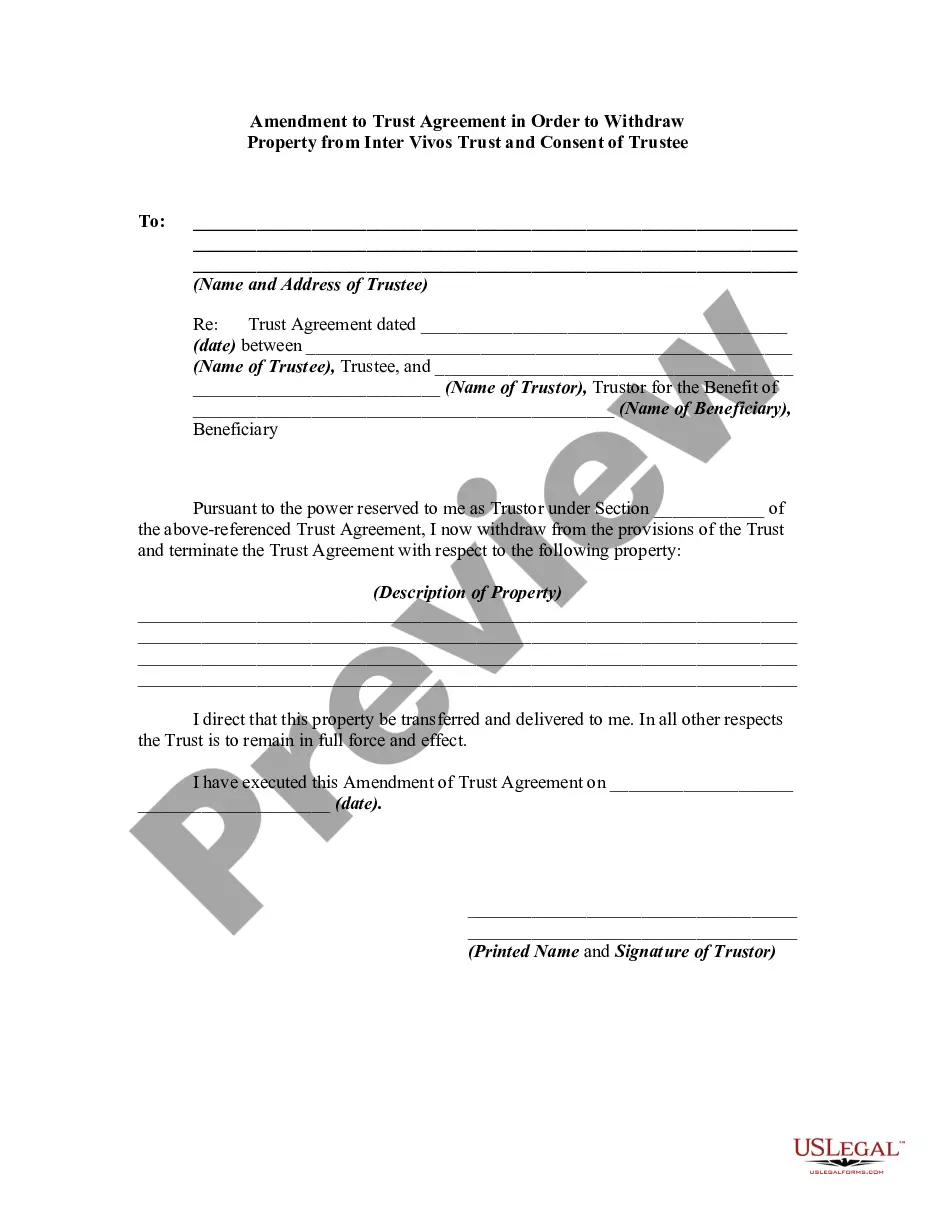
Get your form ready online
Our built-in tools help you complete, sign, share, and store your documents in one place.
Make edits, fill in missing information, and update formatting in US Legal Forms—just like you would in MS Word.
Download a copy, print it, send it by email, or mail it via USPS—whatever works best for your next step.
Sign and collect signatures with our SignNow integration. Send to multiple recipients, set reminders, and more. Go Premium to unlock E-Sign.
If this form requires notarization, complete it online through a secure video call—no need to meet a notary in person or wait for an appointment.
We protect your documents and personal data by following strict security and privacy standards.

Make edits, fill in missing information, and update formatting in US Legal Forms—just like you would in MS Word.

Download a copy, print it, send it by email, or mail it via USPS—whatever works best for your next step.

Sign and collect signatures with our SignNow integration. Send to multiple recipients, set reminders, and more. Go Premium to unlock E-Sign.

If this form requires notarization, complete it online through a secure video call—no need to meet a notary in person or wait for an appointment.

We protect your documents and personal data by following strict security and privacy standards.
Looking for another form?






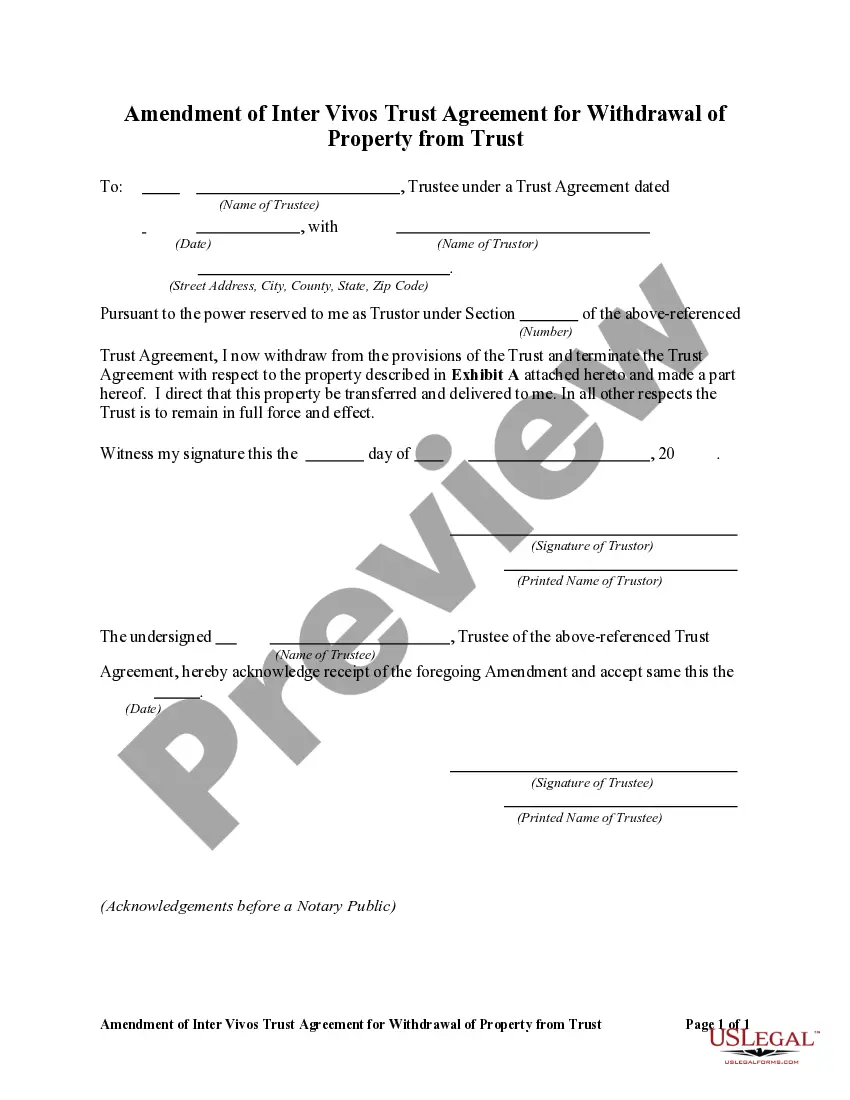
How to fill out Amendment Of Trust Agreement And Revocation Of Particular Provision?
Managing legal documents and processes can be a lengthy addition to your routine.
Trust Agreement Example and similar forms generally necessitate that you search for them and comprehend how to fill them out correctly.
Thus, if you are handling fiscal, legal, or personal affairs, utilizing a comprehensive and user-friendly online directory of forms will greatly assist.
US Legal Forms is the leading online platform for legal templates, offering over 85,000 state-specific documents and a range of resources to help you finalize your documents swiftly.
Simply Log In to your account, find Trust Agreement Example, and obtain it immediately from the My documents section. You can also retrieve forms you have downloaded previously.
- Browse the collection of pertinent documents accessible to you with just one click.
- US Legal Forms provides state- and county-specific forms ready for download at any moment.
- Protect your document management tasks with a premium service that enables you to prepare any document in a few minutes without additional or concealed fees.
Form popularity
FAQ
A trust agreement template provides a structured format for creating a trust agreement, guiding the user through necessary sections and clauses. This tool is particularly useful for individuals who want to establish a trust but may not know where to start. By utilizing a trust agreement example as a reference, you can create a clear and effective trust agreement that meets your needs.
A trust agreement outlines the management and distribution of assets held in trust, specifying the roles of the trustor, trustee, and beneficiaries. The trustor transfers assets into the trust, allowing the trustee to manage these assets according to the trust's provisions. Understanding this process is crucial, especially when examining real-world trust agreement examples.
A certificate of trust is prepared by the trustor or their appointed trustee, often in consultation with legal counsel. This document summarizes the key details of the trust, providing necessary information without disclosing the full text of the trust agreement. For a clear understanding of this document, reviewing a trust agreement example can be beneficial.
Typically, an attorney drafts the trust agreement to ensure that it meets legal standards and addresses the trustor's specific needs. While some individuals may attempt to prepare this document themselves, using a professional provides greater security and accuracy. For those seeking a trust agreement example, platforms like US Legal Forms offer templates and guidance that can simplify the process.
The person who creates a trust is known as the trustor, grantor, or settlor. This individual initiates the trust agreement and determines how the assets will be managed and distributed. Understanding the role of the trustor is essential for anyone looking for a trust agreement example, as it helps clarify responsibilities and intentions.
The 5 5 trust rule is a strategy that allows beneficiaries to withdraw up to 5% of the trust's value each year without incurring penalties. This rule provides flexibility in managing withdrawals while maintaining the integrity of the trust. Understanding this rule can help you optimize the benefits of your trust agreement example.
A basic trust agreement example outlines the roles of the trustee and the beneficiaries, as well as the assets held in trust. This document typically includes instructions on how the assets should be managed and distributed. It's essential to draft a clear and effective trust agreement to ensure it meets your legal needs.
To assess the validity of a trust agreement example, check if it includes all necessary elements, such as intention, competent parties, and defined beneficiaries. You should also review the document for proper signatures and witness requirements according to your state laws. Consulting a legal professional can provide clarity and assurance regarding the trust's validity.
Creating a valid trust agreement example requires a clear intention to create the trust, competent parties involved, a definite subject matter, a lawful purpose, and proper execution under state laws. Each of these components plays a key role in the overall effectiveness of the trust. Failure to meet even one requirement could render the trust invalid.
To create a trust agreement example, you need a trustor, a trustee, a beneficiary, a property to fund the trust, and a clear intention to create the trust. The trustor establishes the trust, the trustee manages it, and the beneficiary receives benefits. Ensuring all five elements are present is crucial for the trust's validity.