Second Chance For Trust
Description
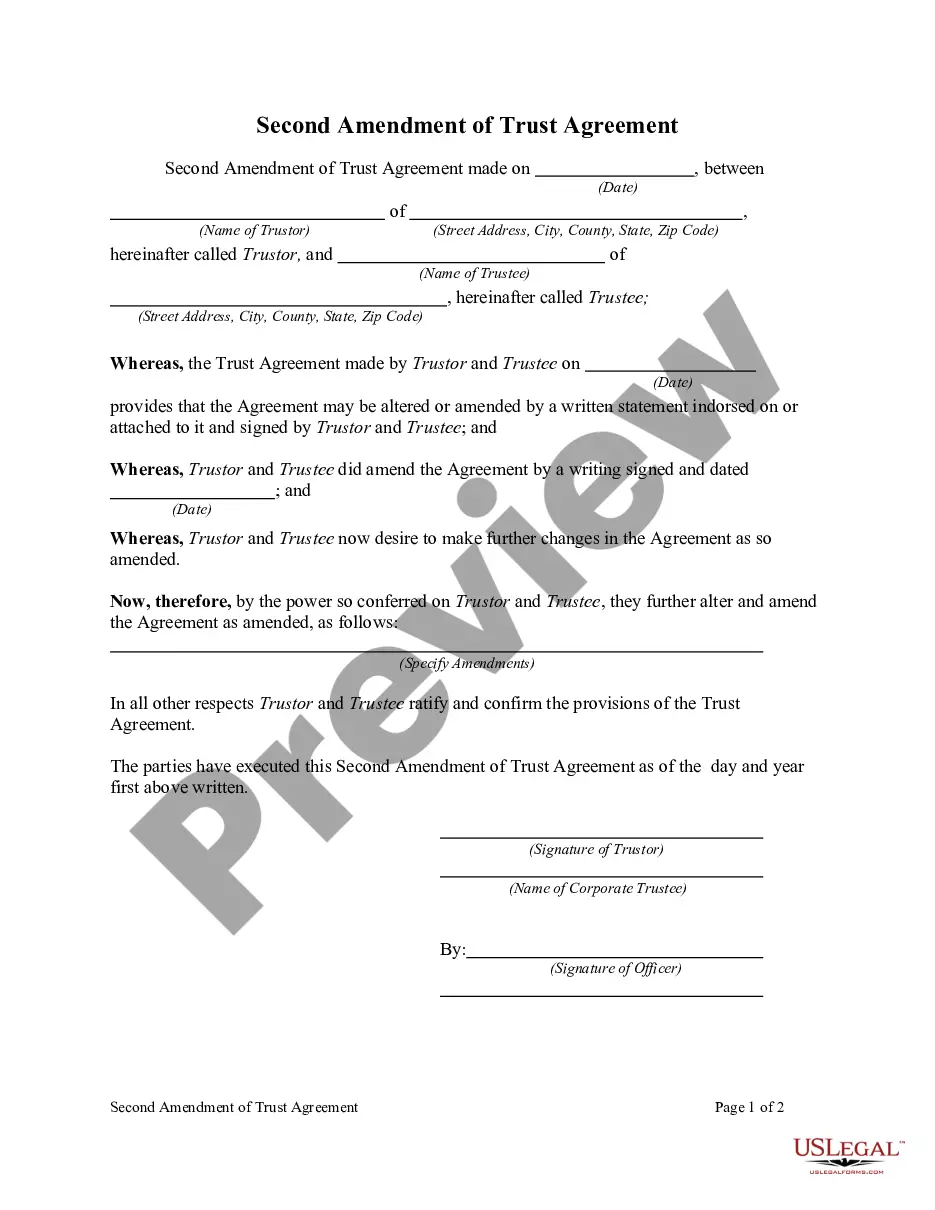
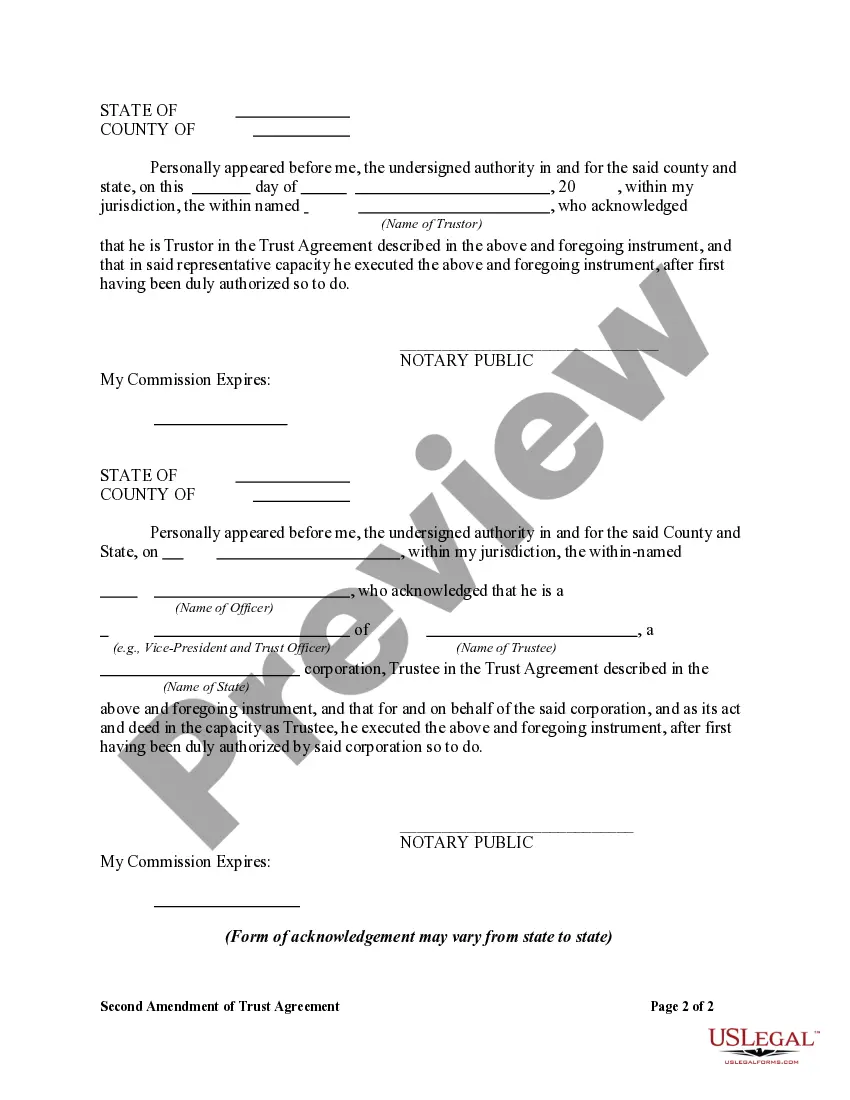
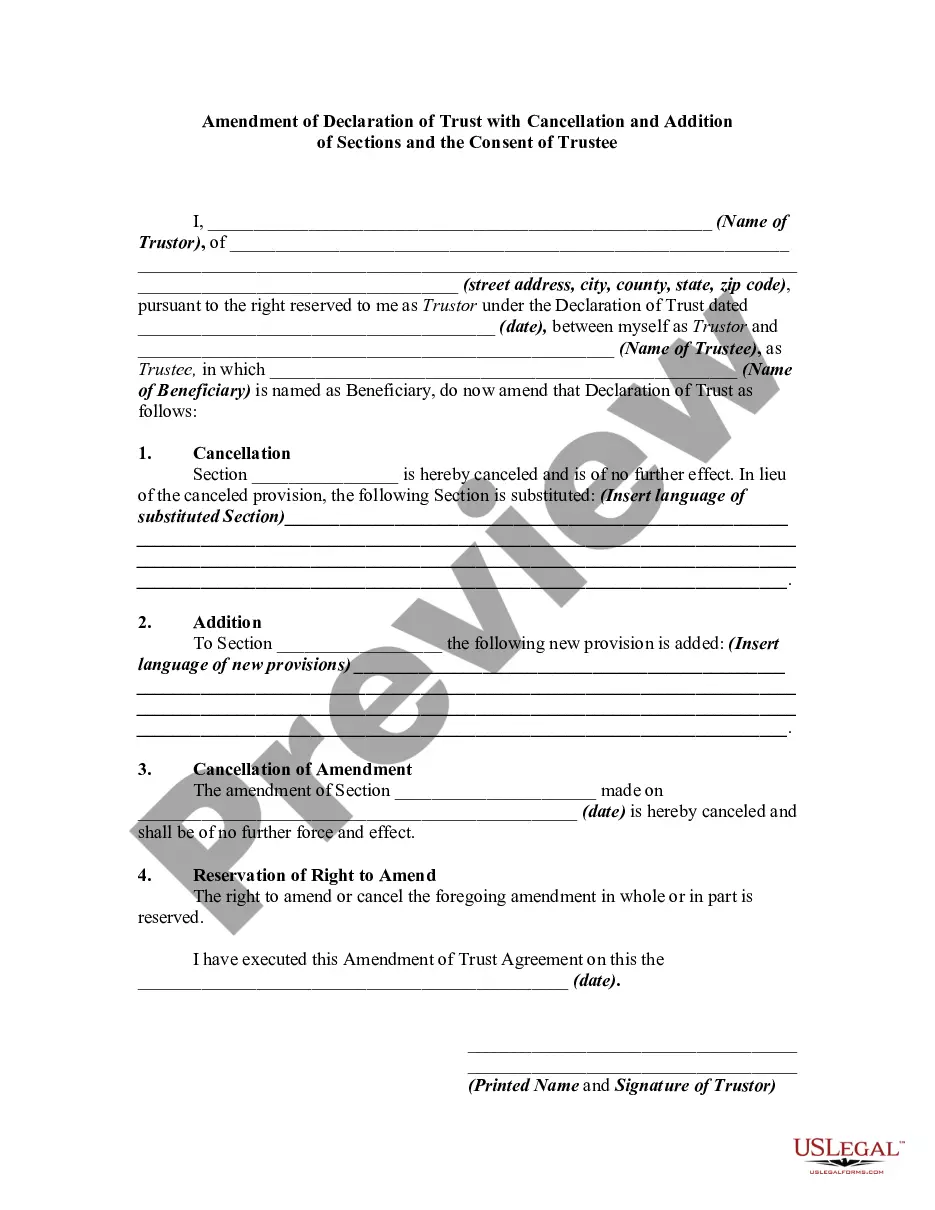
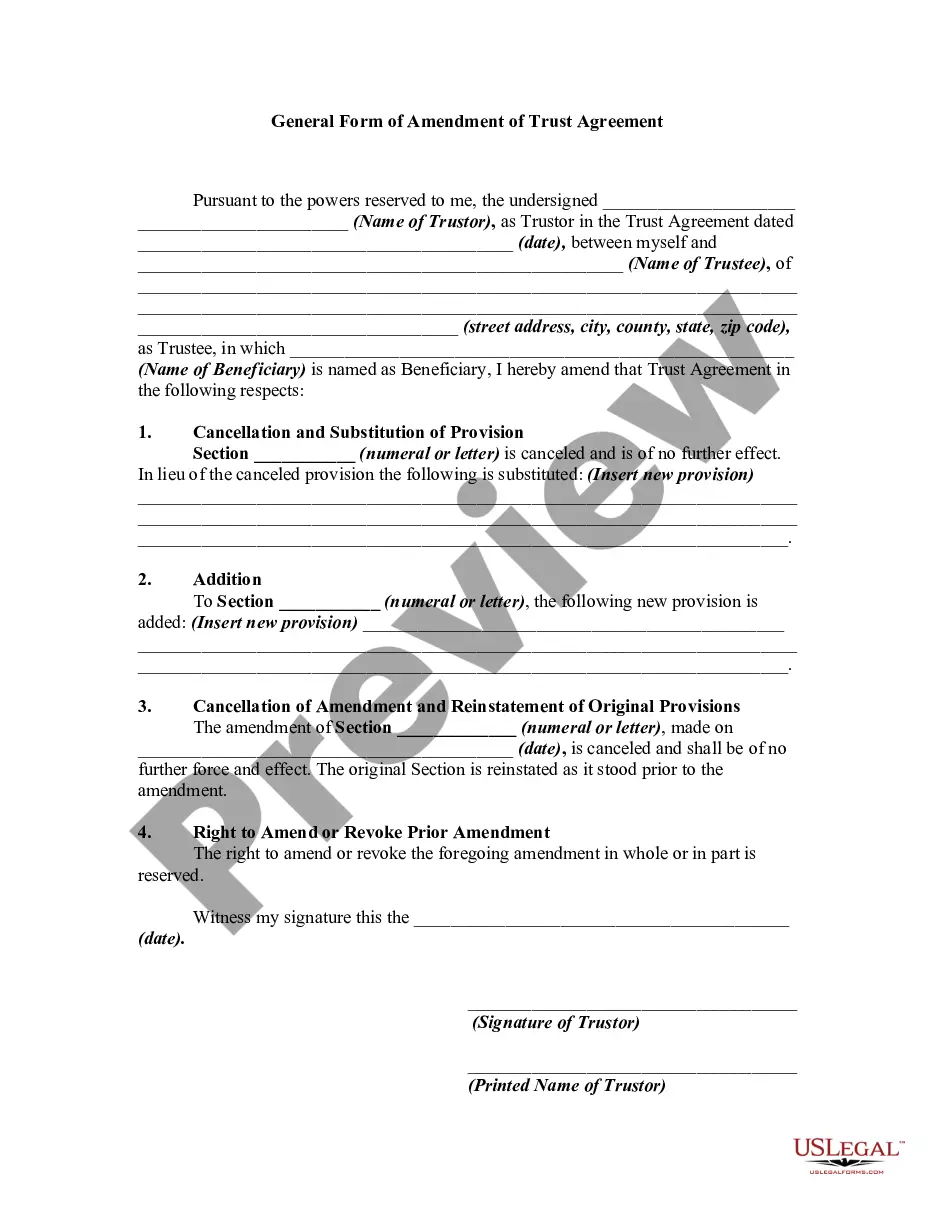
Get your form ready online
Our built-in tools help you complete, sign, share, and store your documents in one place.
Make edits, fill in missing information, and update formatting in US Legal Forms—just like you would in MS Word.
Download a copy, print it, send it by email, or mail it via USPS—whatever works best for your next step.
Sign and collect signatures with our SignNow integration. Send to multiple recipients, set reminders, and more. Go Premium to unlock E-Sign.
If this form requires notarization, complete it online through a secure video call—no need to meet a notary in person or wait for an appointment.
We protect your documents and personal data by following strict security and privacy standards.

Make edits, fill in missing information, and update formatting in US Legal Forms—just like you would in MS Word.

Download a copy, print it, send it by email, or mail it via USPS—whatever works best for your next step.

Sign and collect signatures with our SignNow integration. Send to multiple recipients, set reminders, and more. Go Premium to unlock E-Sign.

If this form requires notarization, complete it online through a secure video call—no need to meet a notary in person or wait for an appointment.

We protect your documents and personal data by following strict security and privacy standards.
Looking for another form?








Form popularity
FAQ
To encourage someone to give you a second chance, begin by demonstrating accountability for your actions. Offer a sincere apology that reflects your understanding of their feelings. Consistently showing improvement and respect can rebuild their trust in you over time. By fostering a positive environment and showing commitment, you increase your chances of receiving that second chance for trust.
Dealing with betrayal involves recognizing your feelings and allowing yourself to heal. It's crucial to communicate openly with the person who hurt you while setting clear boundaries. Consider whether a second chance for trust can be granted, but also remember to prioritize your emotional well-being in the process. Engaging with platforms like US Legal Forms can help you navigate the emotional and legal aspects if necessary.
Winning trust again requires consistent, transparent actions over time. Start by acknowledging past mistakes and showing genuine remorse. Open communication helps rebuild connections, as does demonstrating reliability in your commitments. Remember, a second chance for trust is earned through patience and dependability.
A relationship can certainly work after losing trust, but it requires hard work and dedication from both partners. Acknowledging the issue and actively trying to rebuild that trust is vital. By committing to healing and growing together, you enhance the chances of enjoying a stronger bond. Ultimately, with effort, many couples find a second chance for trust.
To begin trusting again, take small, gradual steps towards openness. Reflect on your feelings and communicate them with your partner to establish a foundation for rebuilding trust. It’s crucial to observe actions that align with words, allowing trust to grow naturally. Embracing this journey can create a meaningful second chance for trust.
Yes, trust issues can be fixed with commitment and effort from both partners. It requires a willingness to understand each other’s perspectives and to work through feelings of betrayal. By implementing transparent communication and setting clear boundaries, you can cultivate an environment that fosters a second chance for trust.
If you lose trust in a relationship, it’s essential to address the issue rather than ignoring it. Start by identifying the root cause of your feelings and share them with your partner. Engage in constructive conversations, and consider seeking help from professionals if needed. This approach may lead to a second chance for trust and strengthen your relationship.
Rebuilding lost trust in a relationship involves open communication and transparency. Begin by acknowledging the breach of trust and expressing willingness to make amends. Both partners should have honest discussions about feelings and expectations. By taking consistent actions that reinforce trust, you can create a second chance for trust.
Deciding whether to give a second chance depends on the context and individuals involved. Assess the reasons for past issues and whether both desire change. If you see genuine effort and willingness to restore trust, it can be a wise choice. Tools, such as guidance from USLegalForms, can help structure conversations and agreements that support building a second chance for trust.
Many second chance relationships do succeed by focusing on communication and understanding. Both individuals must learn from prior experiences and commit to positive change. Trust can be rebuilt with shared goals and renewed dedication. A second chance for trust has the potential to lead to a stronger, more resilient relationship.
