Unjust Enrichment Meaning
Description
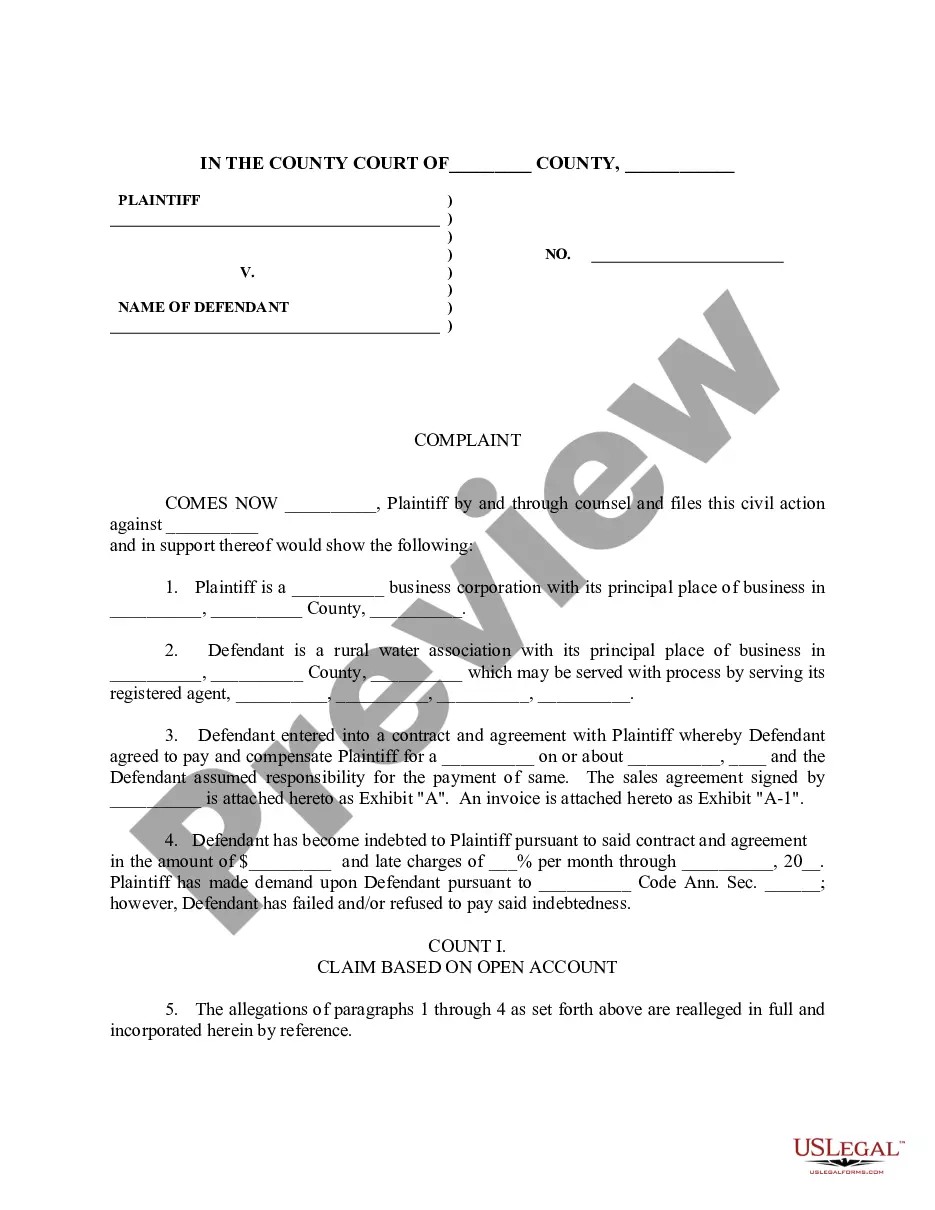
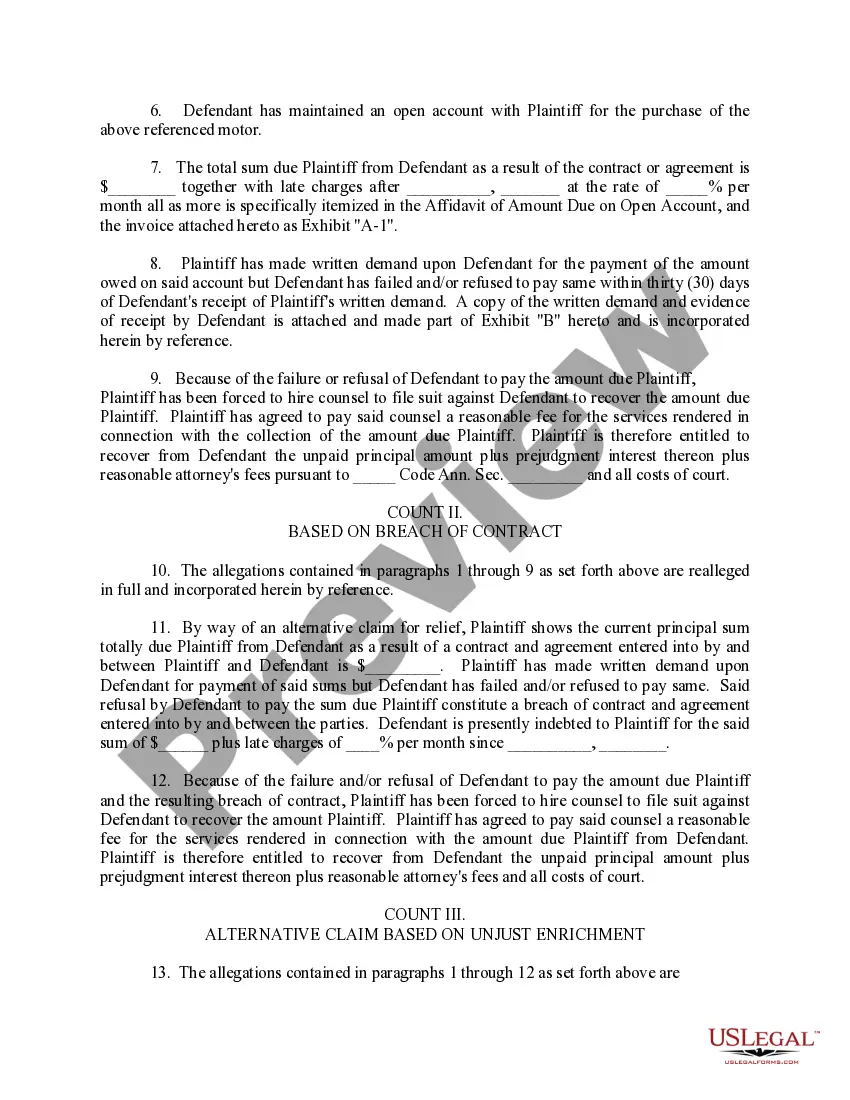
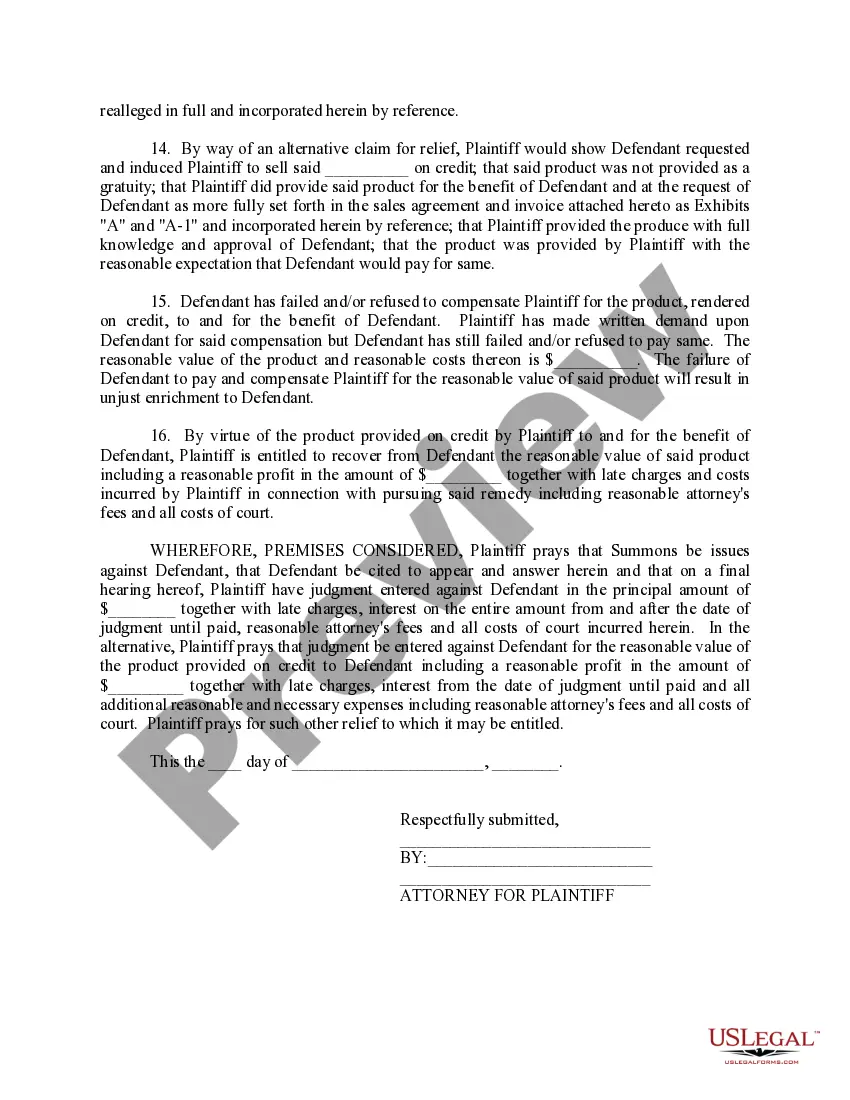
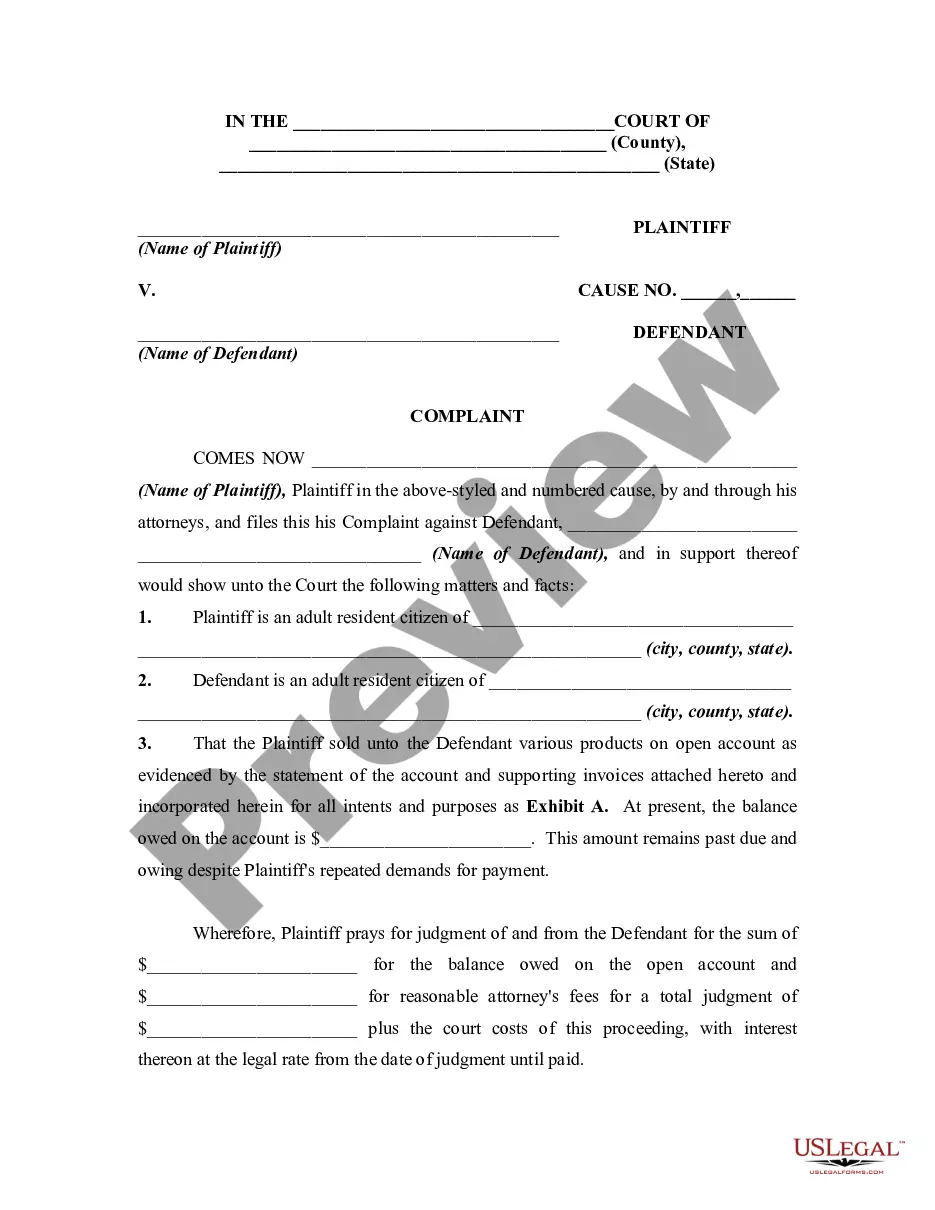
Get your form ready online
Our built-in tools help you complete, sign, share, and store your documents in one place.
Make edits, fill in missing information, and update formatting in US Legal Forms—just like you would in MS Word.
Download a copy, print it, send it by email, or mail it via USPS—whatever works best for your next step.
Sign and collect signatures with our SignNow integration. Send to multiple recipients, set reminders, and more. Go Premium to unlock E-Sign.
If this form requires notarization, complete it online through a secure video call—no need to meet a notary in person or wait for an appointment.
We protect your documents and personal data by following strict security and privacy standards.

Make edits, fill in missing information, and update formatting in US Legal Forms—just like you would in MS Word.

Download a copy, print it, send it by email, or mail it via USPS—whatever works best for your next step.

Sign and collect signatures with our SignNow integration. Send to multiple recipients, set reminders, and more. Go Premium to unlock E-Sign.

If this form requires notarization, complete it online through a secure video call—no need to meet a notary in person or wait for an appointment.

We protect your documents and personal data by following strict security and privacy standards.
Looking for another form?
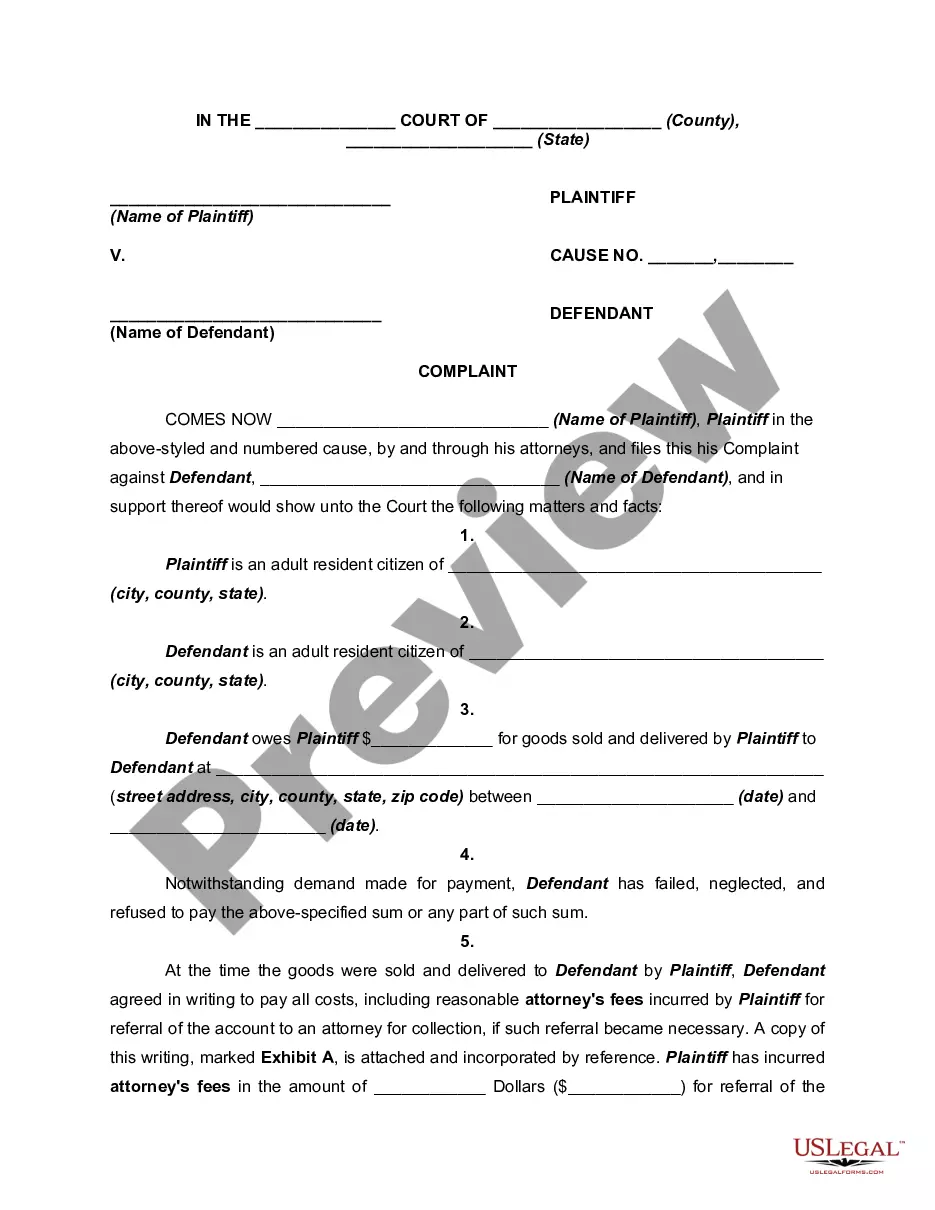
How to fill out Complaint Based On Open Account, Breach Of Contract, Unjust Enrichment?
- If you are a returning user, log in to access your account and select the necessary template. Ensure your subscription is active; renew if necessary.
- For first-time users, check the document preview and description carefully. Confirm that the template meets your requirements and adheres to your local jurisdiction.
- If you need a different template, utilize the Search tab to locate an appropriate document. Make sure it fits your needs before proceeding.
- Purchase your chosen document by clicking the Buy Now button. Select your preferred subscription plan and create an account for access to the legal library.
- Complete your purchase by entering payment details via credit card or PayPal.
- Once purchased, download your document and retain it on your device. Access it anytime from the My Forms section of your profile.
Using US Legal Forms provides numerous advantages, including access to an extensive collection of over 85,000 legal templates. This empowers users, whether individuals or attorneys, to quickly generate legally sound documents.
Take advantage of this resource today and ensure your legal documentation is accurate and efficient. Start your journey with US Legal Forms now!
Form popularity
FAQ
The standard of proof for unjust enrichment typically aligns with a 'preponderance of the evidence' standard. This means you must show that it is more likely than not that unjust enrichment occurred. By clearly establishing the facts surrounding your claim, you can effectively demonstrate the unjust enrichment meaning in your situation. Utilizing tools provided by US Legal Forms can assist you in gathering necessary evidence and presenting a solid case.
To succeed in a claim of unjust enrichment, you must prove that a benefit was conferred, the benefit was accepted, and there was no legal basis for that acceptance. These elements together illustrate how unjust enrichment meaning applies in practical scenarios. Understanding these components not only aids in forming a strong case, but it also highlights the importance of legal standards in ensuring fairness.
To prove unjust enrichment, you must establish three key components: the receipt of a benefit by one party, the value of that benefit, and the absence of a legal justification for the benefit. It is essential to gather relevant documents, testimonies, and other evidence to support your claim. This process can become clearer with resources from platforms like US Legal Forms, which help clarify the legal definitions and steps involved in these cases.
Proving unjust enrichment can be challenging, but it is not impossible. You need to demonstrate that one party received a benefit at the expense of another party without legal justification. This requires clear evidence of the transactions and facts surrounding the claim. By understanding unjust enrichment meaning, individuals can better prepare their case and present compelling evidence.
The burden of proof for unjust enrichment meaning lies with the party claiming unjust enrichment. They must provide sufficient evidence to establish that all four elements of unjust enrichment are present. This may involve producing documents, showing communication, or presenting witness testimony. Familiarizing yourself with the criteria is essential, and platforms like USLegalForms offer valuable resources that can aid in meeting this burden effectively.
An example of unjust enrichment meaning could be when a landlord mistakenly repairs a tenant's home and the tenant benefits from those repairs without paying for them. This situation leads to an unfair advantage for the tenant, who is not entitled to that benefit without compensation. Understanding this concept helps clarify why compensation is necessary in these circumstances. Utilizing resources from USLegalForms can help you navigate potential claims related to unjust enrichment.
The four elements of unjust enrichment meaning include: a benefit conferred to one party, the appreciation or knowledge of that benefit, an absence of a legal justification for retaining that benefit, and the unjust nature of keeping it. Each element must be proven to establish that the enriched party should compensate the other. Understanding these elements helps in identifying situations where unjust enrichment applies. Legal resources, such as those found on USLegalForms, can provide guidance in navigating these complexities.
To prove unjust enrichment meaning, you need to show that one party benefited at the expense of another, without a legal reason for that benefit. This usually involves demonstrating that the enriched party received something of value that they should not keep. Additionally, you must establish that the other party expected to be compensated for the benefit. Gathering clear evidence and documentation can help strengthen your case.
To prove unjustified enrichment, you must establish the four elements discussed earlier. You'll need to demonstrate that a benefit was conferred on the other party, show that this benefit was acquired without just cause, and provide evidence that it occurred at your expense. Additionally, it’s crucial to illustrate that the retention of this benefit by the enriched party would be unjust. For those seeking to build a strong case, uslegalforms can simplify the process through user-friendly legal documents.
Unjust enrichment refers to a situation where one person benefits at another’s expense without legal justification. This principle seeks to prevent one party from being unfairly enriched while the other party suffers a loss. Understanding unjust enrichment meaning is essential when considering compensation, as it helps clarify the rights and obligations of both parties. To navigate these situations, resources like uslegalforms can help you articulate and pursue your claims effectively.