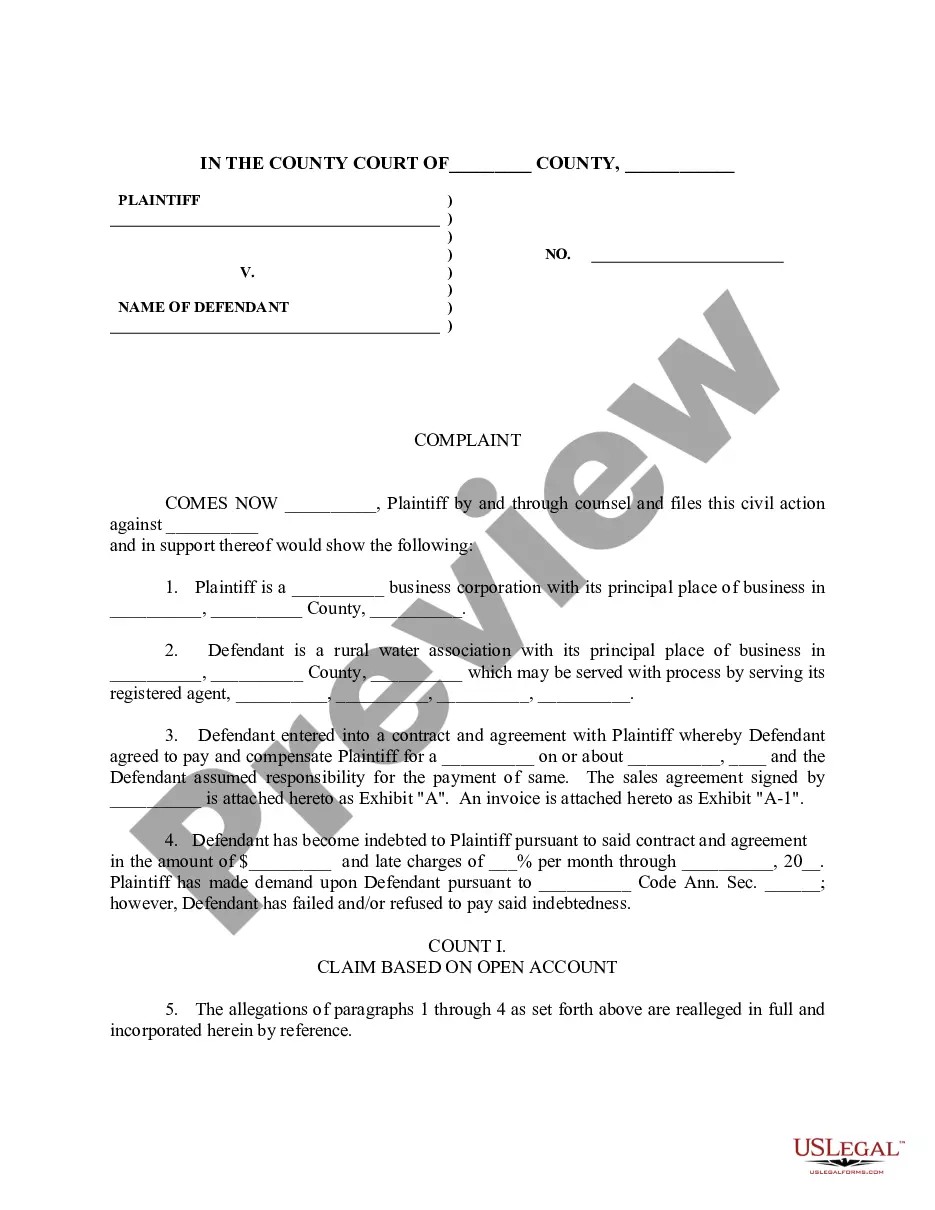
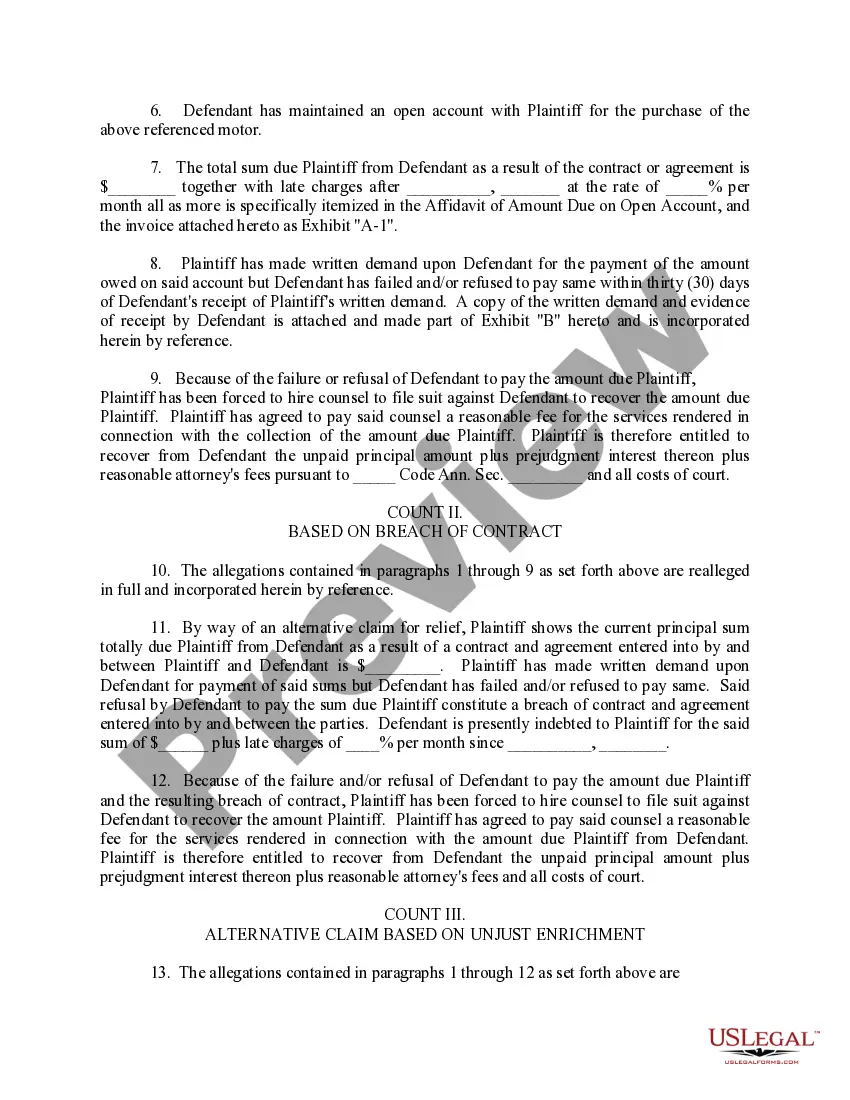
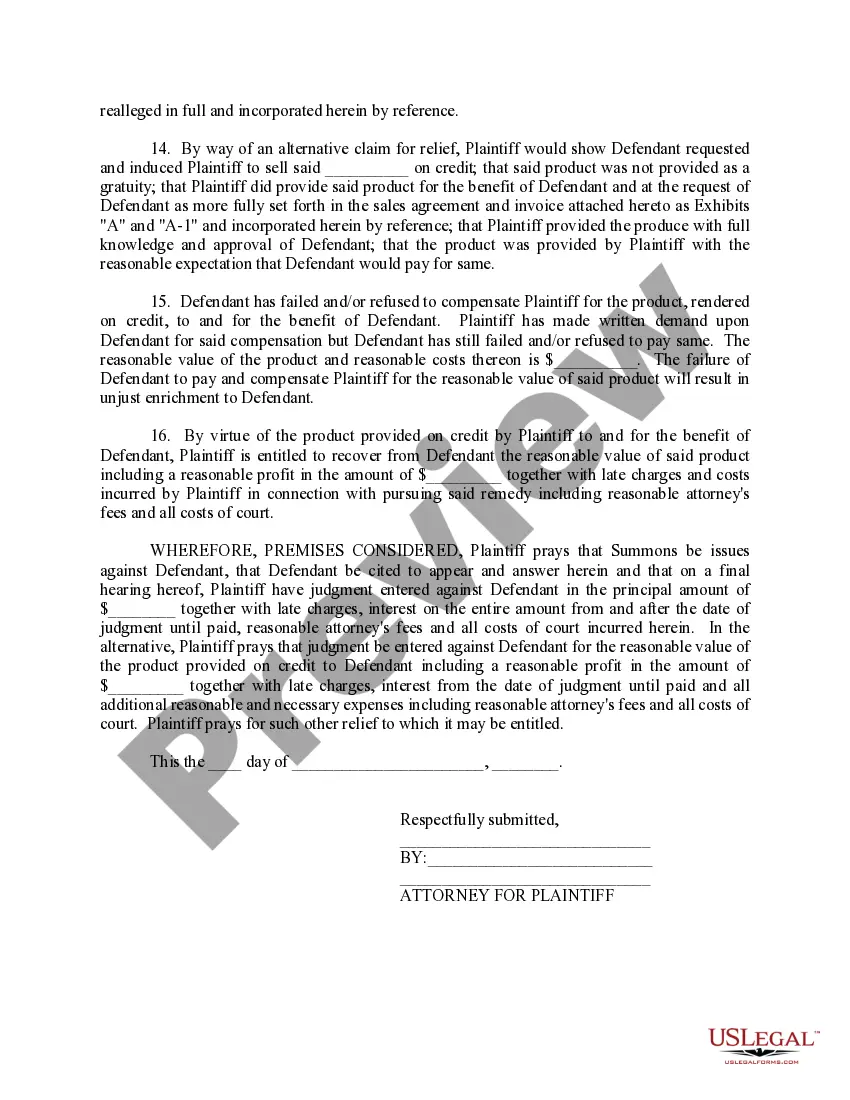
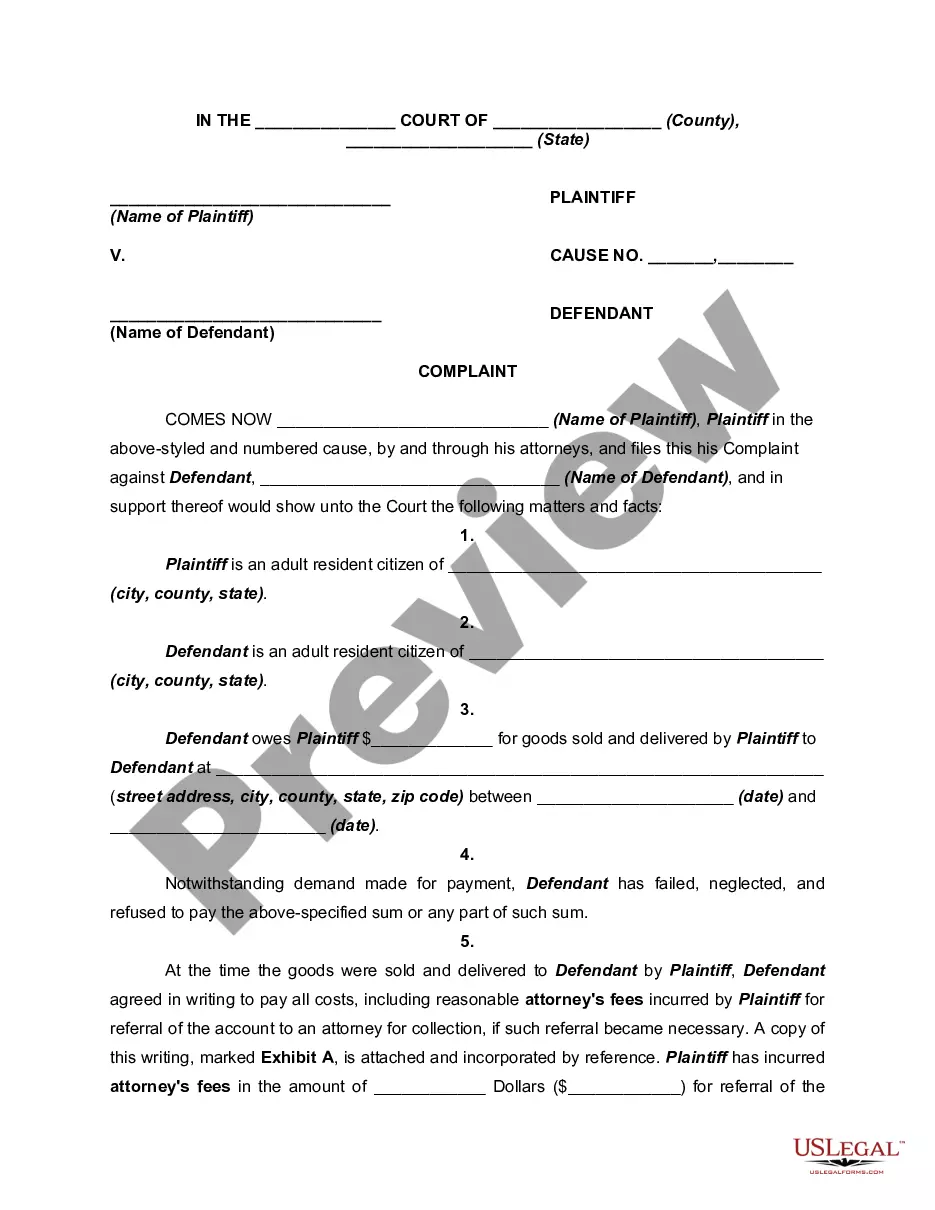
Complaint On Judge
Description
Get your form ready online
Our built-in tools help you complete, sign, share, and store your documents in one place.
Make edits, fill in missing information, and update formatting in US Legal Forms—just like you would in MS Word.
Download a copy, print it, send it by email, or mail it via USPS—whatever works best for your next step.
Sign and collect signatures with our SignNow integration. Send to multiple recipients, set reminders, and more. Go Premium to unlock E-Sign.
If this form requires notarization, complete it online through a secure video call—no need to meet a notary in person or wait for an appointment.
We protect your documents and personal data by following strict security and privacy standards.

Make edits, fill in missing information, and update formatting in US Legal Forms—just like you would in MS Word.

Download a copy, print it, send it by email, or mail it via USPS—whatever works best for your next step.

Sign and collect signatures with our SignNow integration. Send to multiple recipients, set reminders, and more. Go Premium to unlock E-Sign.

If this form requires notarization, complete it online through a secure video call—no need to meet a notary in person or wait for an appointment.

We protect your documents and personal data by following strict security and privacy standards.
Looking for another form?
How to fill out Complaint Based On Open Account, Breach Of Contract, Unjust Enrichment?
Obtaining a go-to resource for accessing the latest and pertinent legal templates is half the challenge of managing bureaucracy.
Finding the appropriate legal documents requires precision and meticulousness, which is why it is crucial to source samples of Complaint On Judge exclusively from trustworthy providers, like US Legal Forms. An incorrect template will squander your time and prolong your predicament.
Eliminate the stress associated with your legal paperwork. Explore the extensive US Legal Forms catalog where you can discover legal templates, verify their suitability for your situation, and download them immediately.
- Utilize the directory navigation or search bar to find your template.
- Examine the form’s details to determine if it meets the standards of your state and locality.
- Open the form preview, if available, to confirm that the template is indeed the one you need.
- Continue searching for the right document if the Complaint On Judge does not fit your requirements.
- If you are confident about the form’s applicability, download it.
- As a registered user, click Log in to verify and access your selected templates in My documents.
- If you lack a profile, click Buy now to acquire the template.
- Choose a pricing plan that meets your needs.
- Proceed with registration to complete your purchase.
- Finalize your purchase by selecting a payment method (credit card or PayPal).
- Choose the file format for downloading Complaint On Judge.
- Once the form is on your device, you can modify it using the editor or print it and finish it manually.
Form popularity
FAQ
Yes, but all letters, email and other forms of written communication sent to a judge should be filed with the Clerk of Courts and copies of your communication should be sent to all the attorneys and litigants in the case. Please be aware your written communication may become a part of the PUBLIC RECORD.
File official complaints to your state judicial oversight bodies. Cite specific violations of rules or codes. And then publish those complaints here and on the FCLU's Facebook and Twitter sites. Research and publish reports on corrupt judges.
The Commission on Judicial Performance, established in 1960, is the independent state agency responsible for investigating complaints of judicial misconduct and judicial incapacity and for disciplining judges, pursuant to article VI, section 18 of the California Constitution.
Common complaints of ethical misconduct include improper demeanour; failure to properly disqualify when the judge has a conflict of interest; engaging in ex parte communication and failure to execute their judicial duties in a timely fashion. Behaviour outside of the courtroom can also be at issue.
The Director-Chief Counsel of the commission is designated as the Supreme Court's investigator for complaints involving the judges of the State Bar Court. The commission does not have authority over federal judges, judges pro tem or private judges.