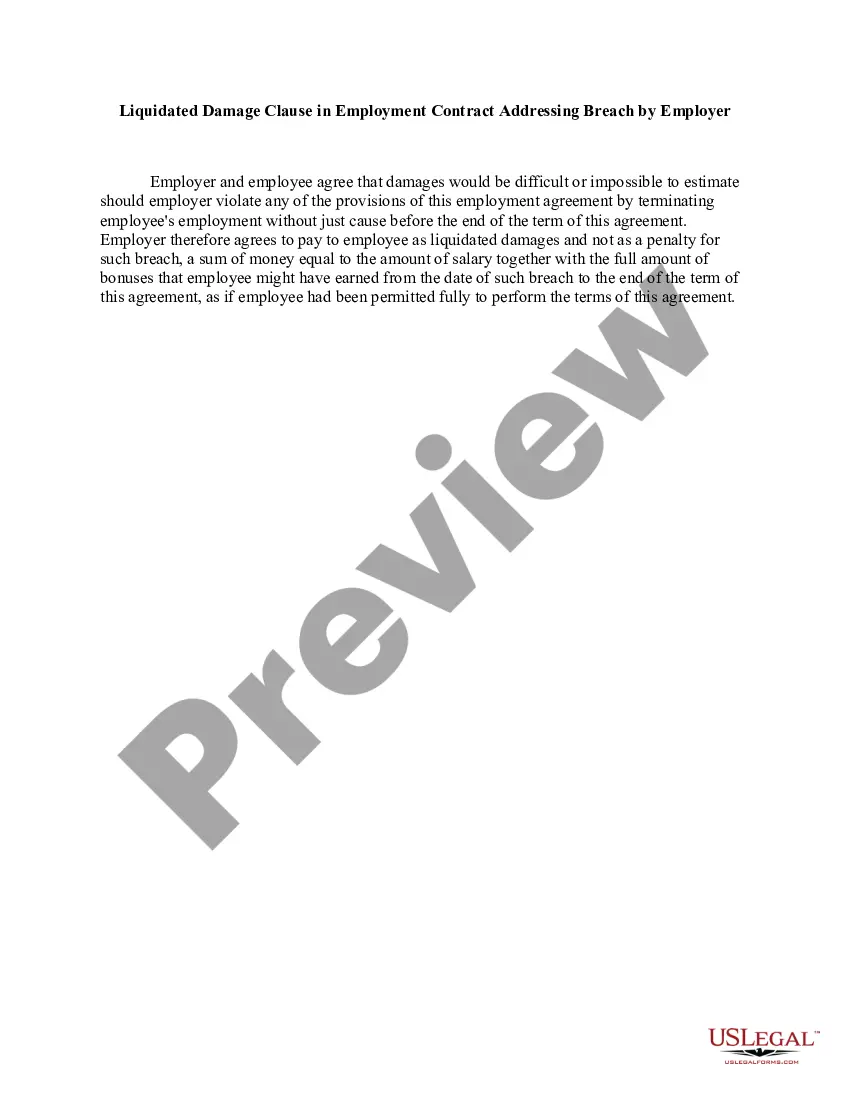
Liquidated Damages
Description
Get your form ready online
Our built-in tools help you complete, sign, share, and store your documents in one place.
Make edits, fill in missing information, and update formatting in US Legal Forms—just like you would in MS Word.
Download a copy, print it, send it by email, or mail it via USPS—whatever works best for your next step.
Sign and collect signatures with our SignNow integration. Send to multiple recipients, set reminders, and more. Go Premium to unlock E-Sign.
If this form requires notarization, complete it online through a secure video call—no need to meet a notary in person or wait for an appointment.
We protect your documents and personal data by following strict security and privacy standards.

Make edits, fill in missing information, and update formatting in US Legal Forms—just like you would in MS Word.

Download a copy, print it, send it by email, or mail it via USPS—whatever works best for your next step.

Sign and collect signatures with our SignNow integration. Send to multiple recipients, set reminders, and more. Go Premium to unlock E-Sign.

If this form requires notarization, complete it online through a secure video call—no need to meet a notary in person or wait for an appointment.

We protect your documents and personal data by following strict security and privacy standards.
Looking for another form?
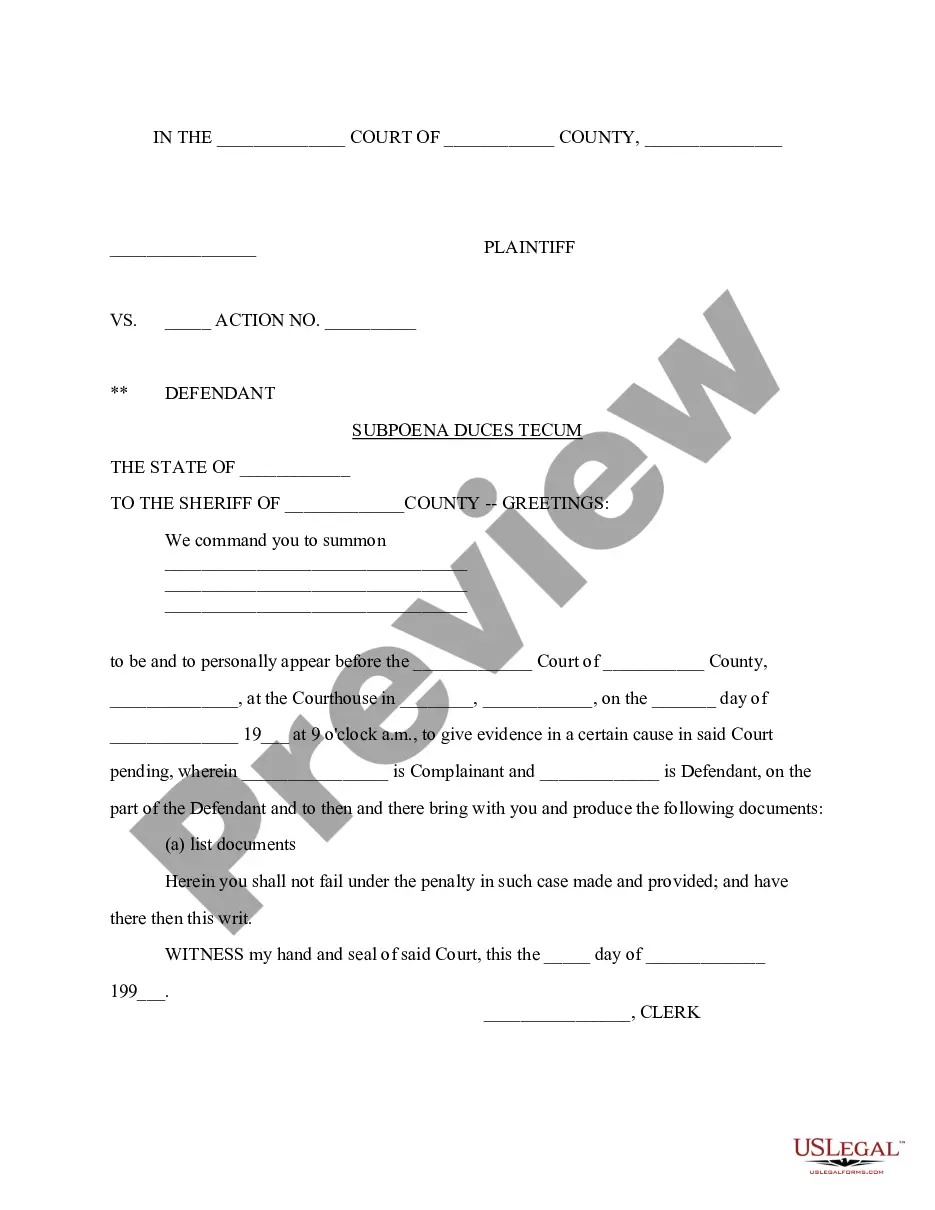




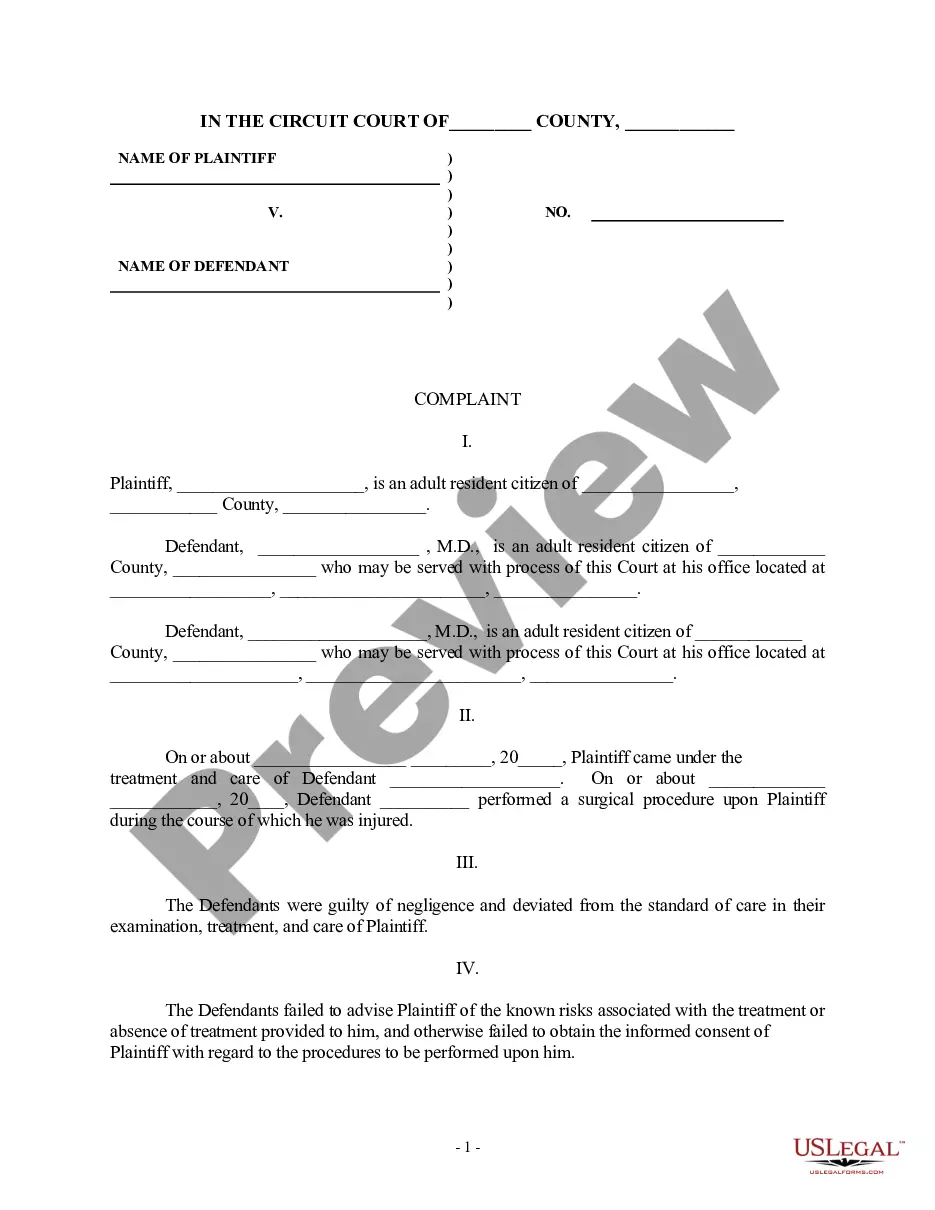
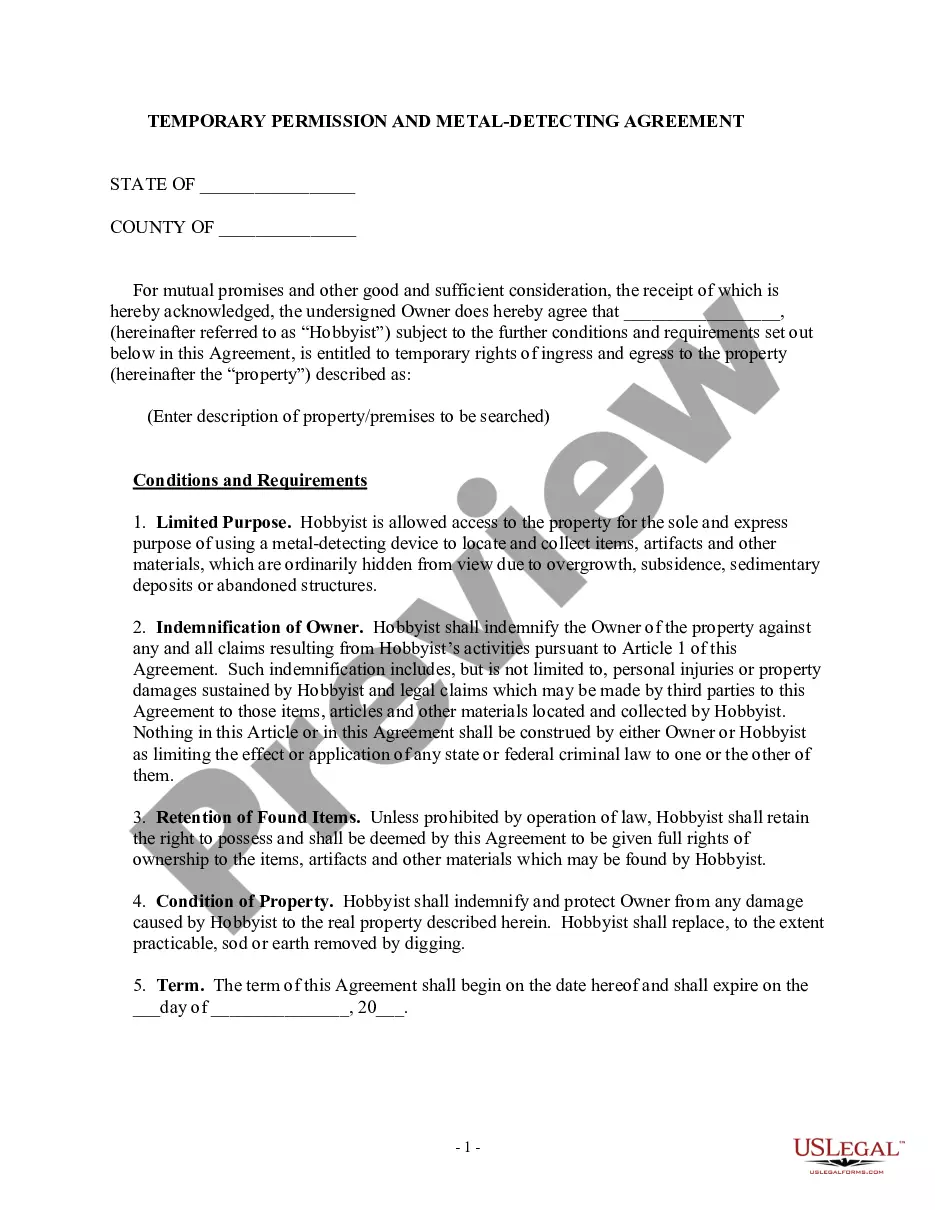
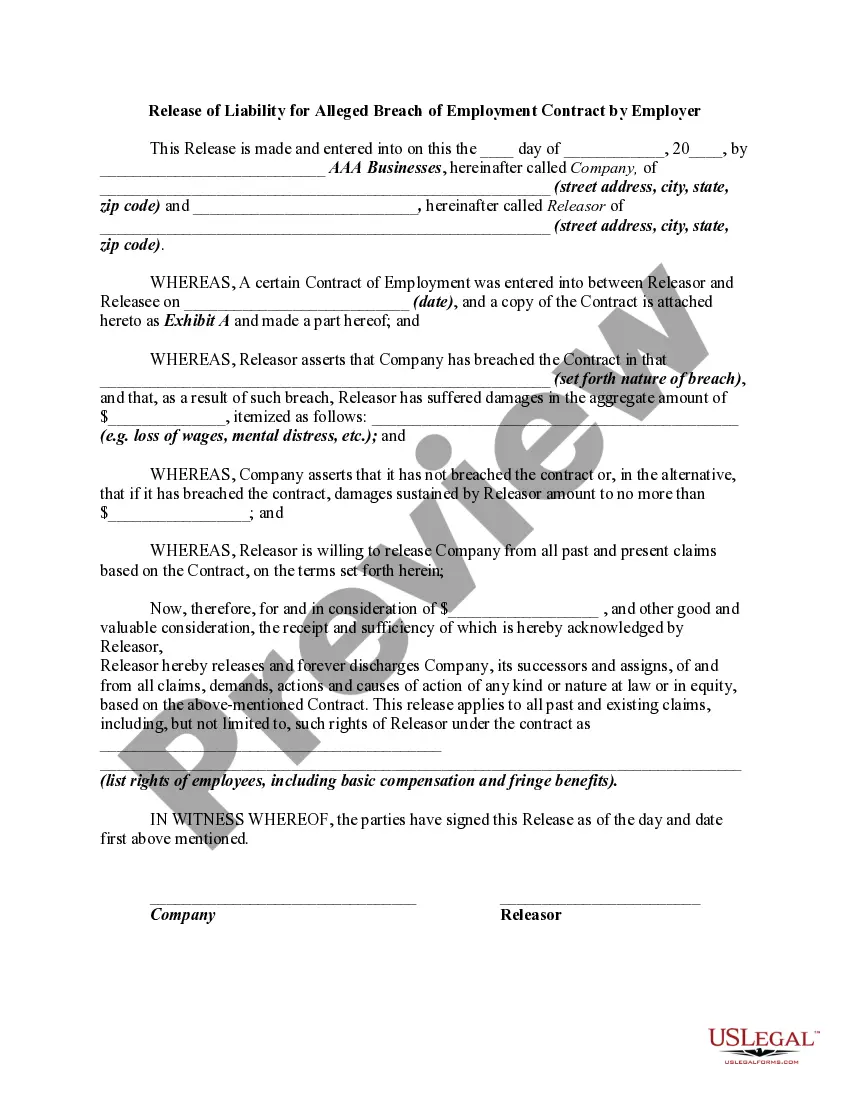
How to fill out Liquidated Damage Clause In Employment Contract Addressing Breach By Employer?
- Log into your US Legal Forms account if you're a returning user. Check your subscription status and renew if necessary.
- For first-time users, visit the US Legal Forms website and search for liquidated damages templates. Review the form description and preview mode to ensure it fits your needs.
- Utilize the search feature to find alternative templates if needed. Select the most appropriate one according to your local jurisdiction requirements.
- Proceed to purchase by clicking the 'Buy Now' button and choose your preferred subscription plan. Registration is required for full access to the library.
- Complete the transaction by providing your payment details through credit card or PayPal and confirm your subscription.
- Download the chosen template to your device. It will also be accessible under the 'My Forms' section of your account whenever you need it.
Using US Legal Forms not only saves you time but also guarantees access to a vast library of over 85,000 legal documents, including those for liquidated damages. Plus, you have the option to consult with premium experts for accuracy and peace of mind.
Start your legal document journey today by visiting US Legal Forms and ensure your contracts are expertly crafted.
Form popularity
FAQ
When drafting liquidated damages clauses, include a clear description of the circumstances triggering the payment, the specified amount, and a rationale for the figure chosen. Ensure the amount reflects a genuine attempt to predict damages rather than serve as a punishment. By being transparent and reasonable, you promote compliance and reduce the risk of disputes. Utilizing uslegalforms can assist you in crafting these clauses accurately.
The formula for calculating liquidated damages often involves multiplying a predetermined daily penalty by the number of days a project is delayed. For instance, if a contract specifies $500 per day for a 10-day delay, the total liquidated damages would equal $5,000. This formula simplifies the calculation of damages and helps both parties understand potential liabilities. Including a clear calculation method in your contracts is crucial.
Liquidated damages are amounts set in a contract to cover losses that may arise from a breach. These amounts must be reasonable estimates of anticipated damages, rather than penalties. This means that they should reflect the actual harm expected if a party fails to fulfill their obligations. Understanding liquidated damages helps you navigate contractual agreements more effectively.
Liquidated damages often include predetermined penalties for breaching a contract. For instance, if a contractor fails to complete a project on time, a specified amount per day of delay may be considered liquidated damages. This compensation helps parties avoid ambiguous loss calculations and establishes clear expectations. By including such terms in contracts, you can protect your interests.
Liquidated damages refer to fixed amounts outlined in contracts for specific breaches, while unliquidated damages are not predetermined and must be determined during legal proceedings. Liquidated damages provide certainty and reduce risks, whereas unliquidated damages can lead to ambiguity. Knowing the difference is crucial for both contract makers and enforcers.
Liquidated damages are predetermined amounts specified in contracts to address losses from breaches or failures to perform. By establishing these amounts upfront, parties can avoid lengthy disputes over damages later. Understanding how liquidated damages work can protect your interests in contract negotiations.
In legal terms, LD or liquidated damages represent a pre-agreed amount designated to settle losses resulting from contractual breaches. This legal concept aims to provide clarity and reduce disputes, as both parties recognize the consequences ahead of time. Liquidated damages serve as an effective legal tool when crafted properly.
LD in a contract refers to liquidated damages, which are penalties established at the beginning of an agreement for any breach of contract. These penalties provide certainty and enable parties to plan for potential losses. Understanding LD can help you make informed decisions regarding contractual obligations.
In bidding, LD stands for liquidated damages, which indicates the financial penalties imposed if a contractor does not meet stipulated deadlines. These damages ensure timely project completion and motivate bidders to adhere to schedules. Properly outlining LD provisions can enhance bidder reliability and minimize risks.
In contracts, LD refers to liquidated damages, which are specified sums intended to compensate for potential harm if one party fails to fulfill their contractual obligations. These damages provide clarity and reduce disputes by setting an agreed-upon penalty. Liquidated damages help both sides understand the financial implications of breaches.