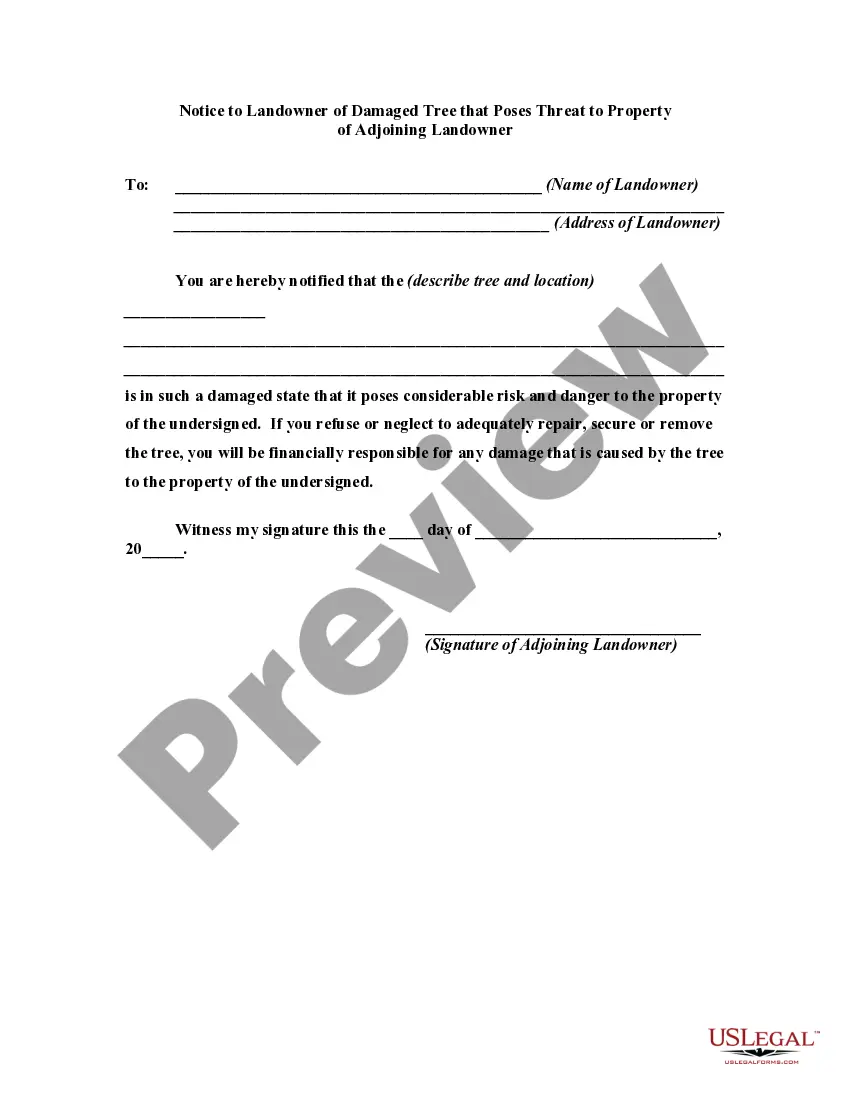
Threat To Property
Description
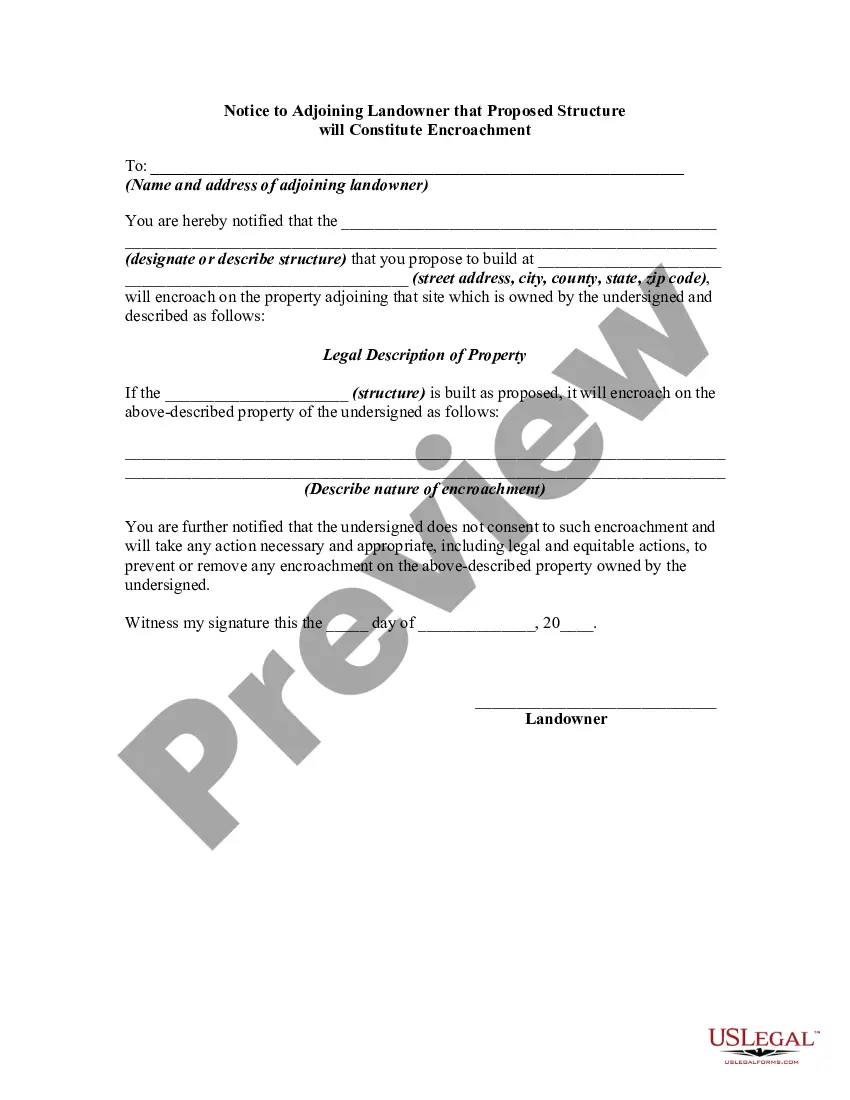
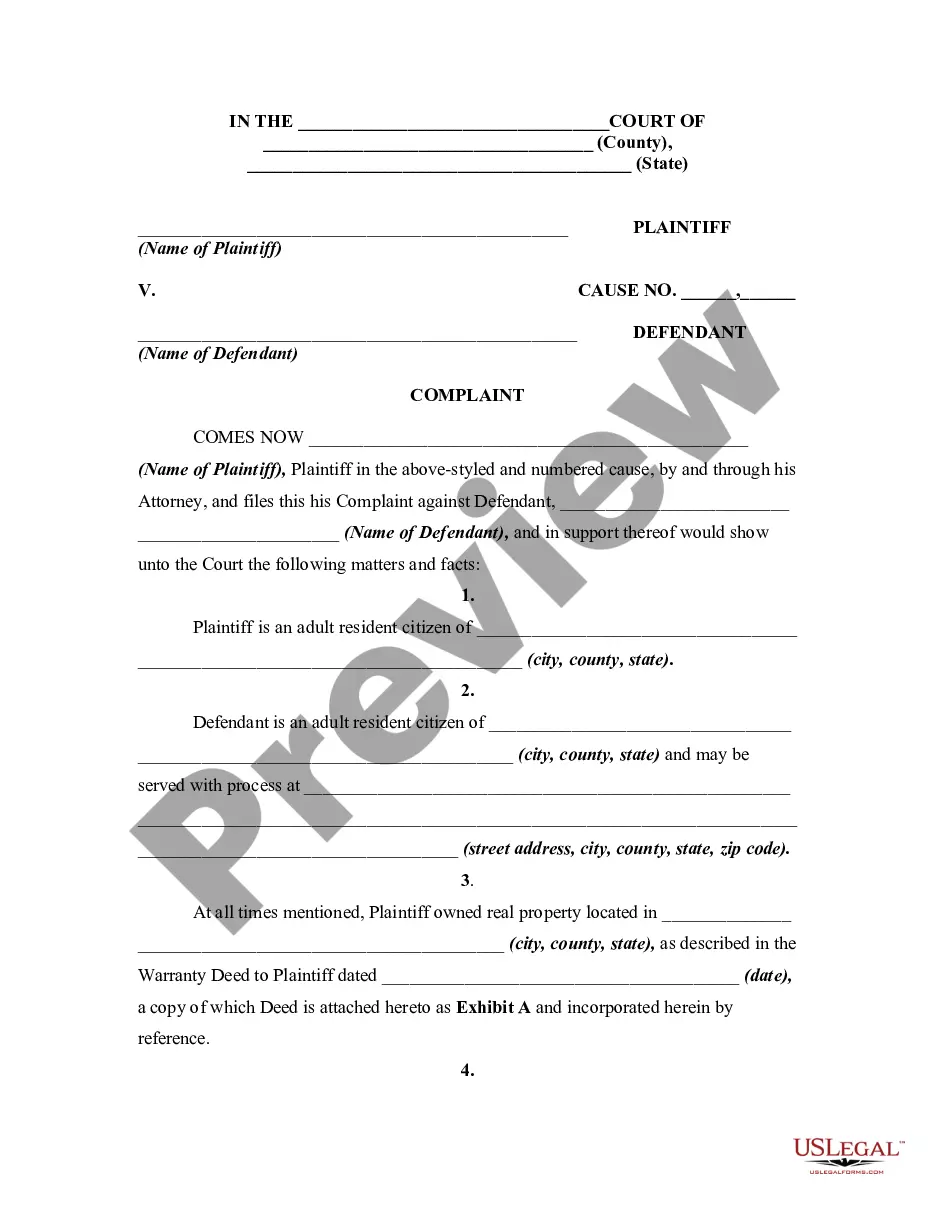
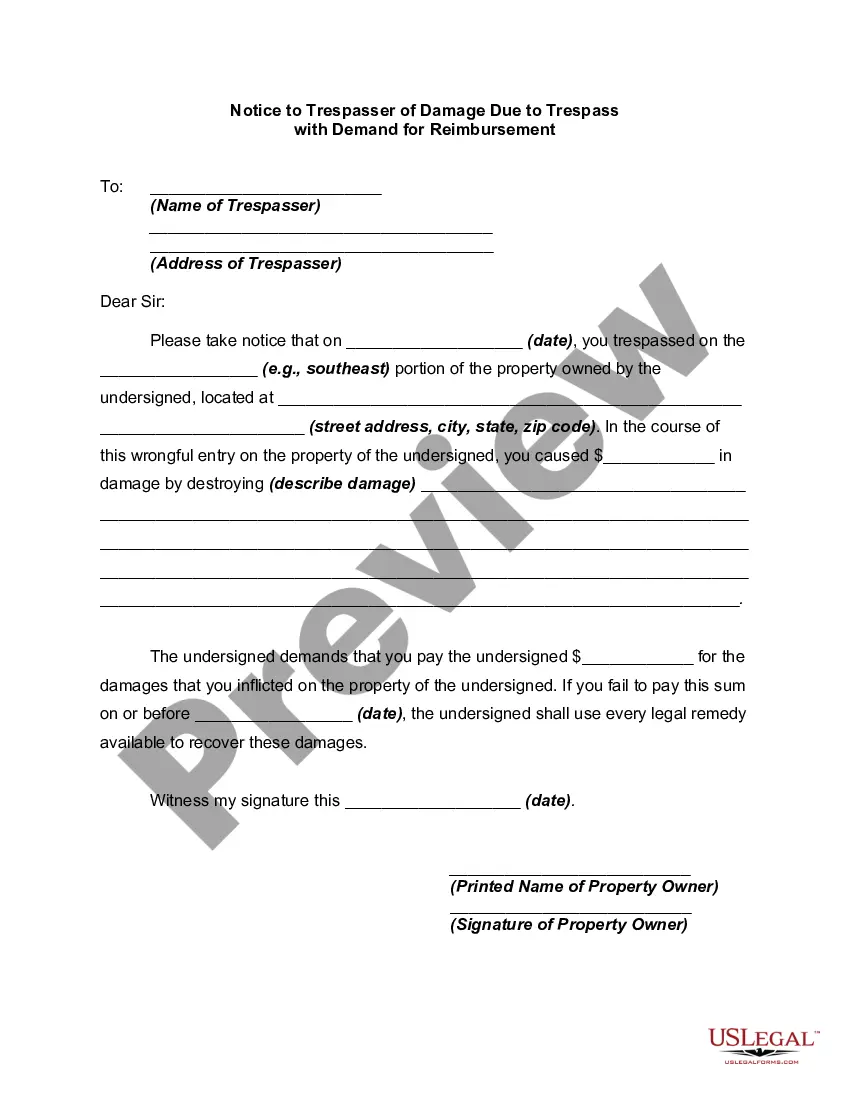
Get your form ready online
Our built-in tools help you complete, sign, share, and store your documents in one place.
Make edits, fill in missing information, and update formatting in US Legal Forms—just like you would in MS Word.
Download a copy, print it, send it by email, or mail it via USPS—whatever works best for your next step.
Sign and collect signatures with our SignNow integration. Send to multiple recipients, set reminders, and more. Go Premium to unlock E-Sign.
If this form requires notarization, complete it online through a secure video call—no need to meet a notary in person or wait for an appointment.
We protect your documents and personal data by following strict security and privacy standards.

Make edits, fill in missing information, and update formatting in US Legal Forms—just like you would in MS Word.

Download a copy, print it, send it by email, or mail it via USPS—whatever works best for your next step.

Sign and collect signatures with our SignNow integration. Send to multiple recipients, set reminders, and more. Go Premium to unlock E-Sign.

If this form requires notarization, complete it online through a secure video call—no need to meet a notary in person or wait for an appointment.

We protect your documents and personal data by following strict security and privacy standards.
Looking for another form?

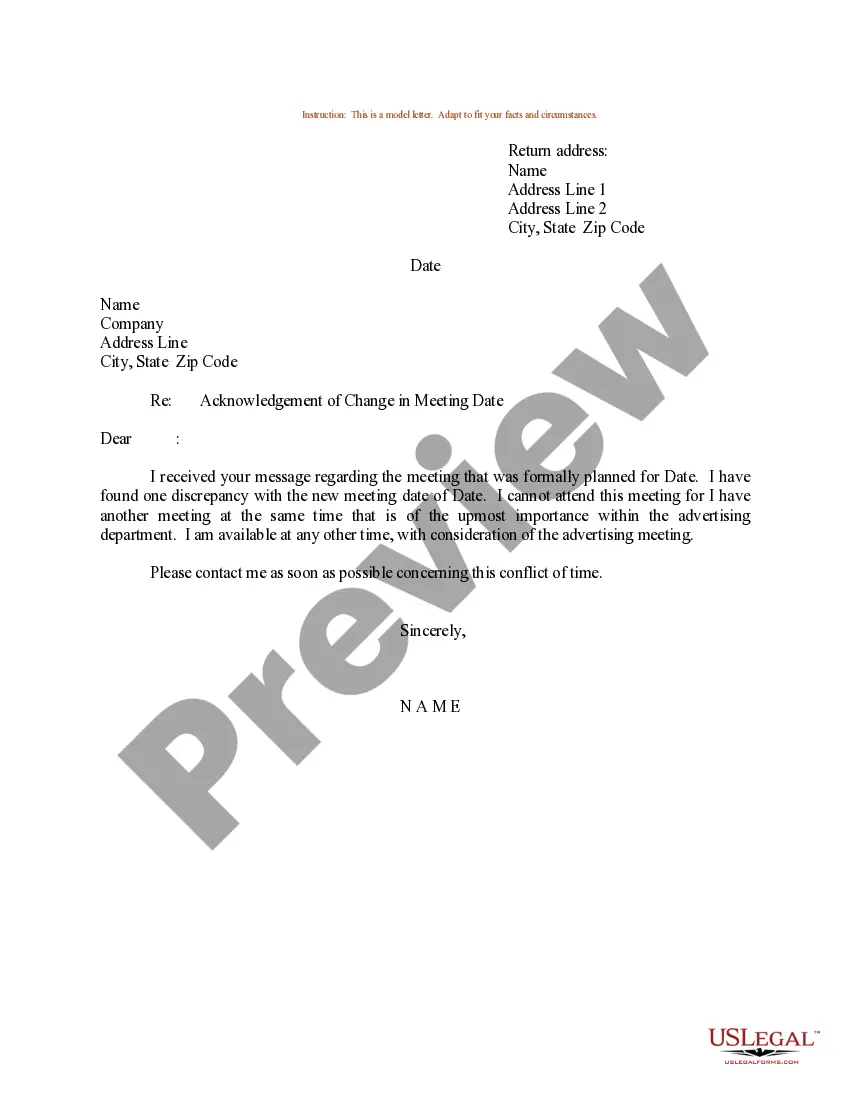

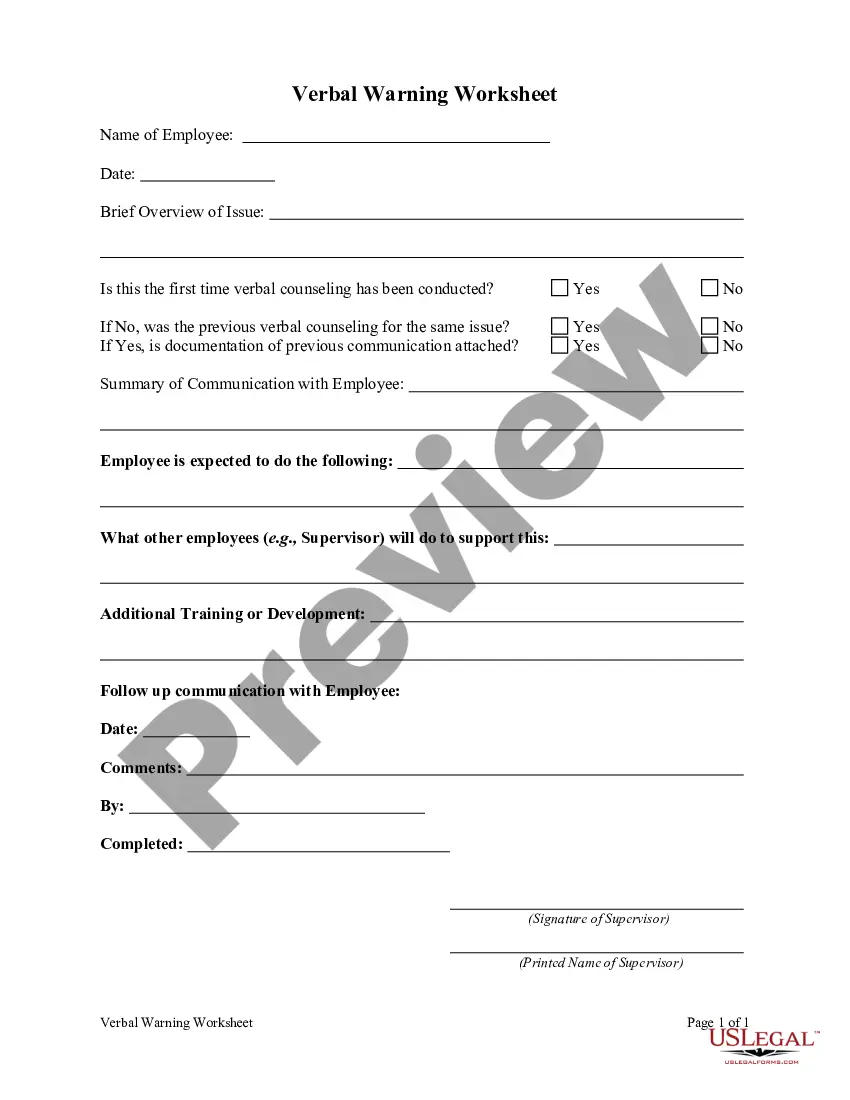





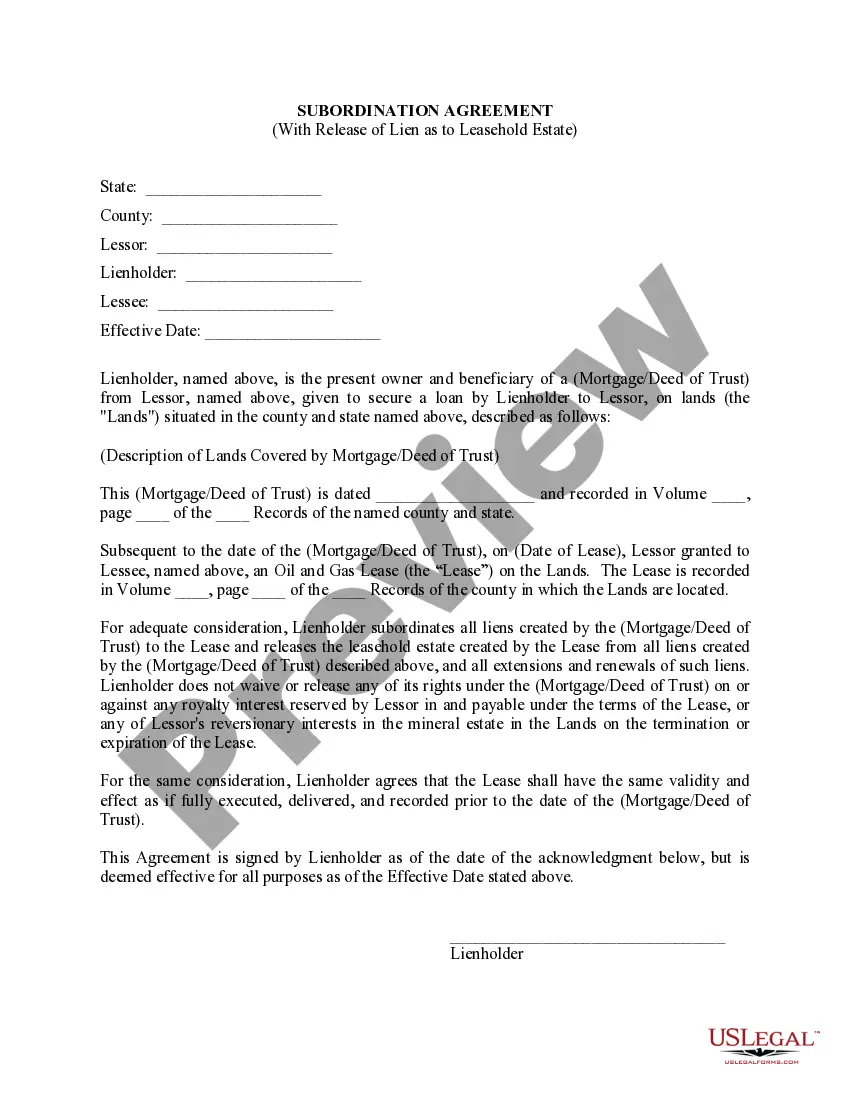
How to fill out Notice To Landowner Of Damaged Tree That Poses Threat To Property Of Adjoining Landowner?
Locating a preferred venue to obtain the latest and pertinent legal documents is half the battle when dealing with bureaucracy.
Selecting the appropriate legal documents requires accuracy and meticulousness, which is why it's essential to obtain Threat To Property samples exclusively from trustworthy sources, such as US Legal Forms.
Once you have the document on your device, you can modify it using the editor or print it and complete it by hand. Eliminate the complications associated with your legal documentation. Explore the extensive US Legal Forms repository where you can discover legal samples, assess their applicability to your situation, and download them instantly.
- Utilize the catalog navigation or search bar to locate your document.
- Review the form's description to confirm it meets the criteria of your state and locality.
- Examine the form preview, if available, to make certain the document is indeed the one you seek.
- Return to the search to find the appropriate template if the Threat To Property does not meet your requirements.
- When you are confident about the form's applicability, download it.
- If you are an existing customer, click Log in to verify and access your selected forms in My documents.
- If you haven't created an account yet, click Buy now to acquire the document.
- Choose the pricing arrangement that best meets your needs.
- Proceed to the registration to complete your transaction.
- Finalize your purchase by selecting a payment option (credit card or PayPal).
- Select the file format for downloading Threat To Property.
Form popularity
FAQ
The four types of threats typically include natural, human, technical, and organizational threats. Natural threats consist of events such as earthquakes or floods, while human threats involve deliberate actions like vandalism or theft. Technical threats may arise from cyberattacks, and organizational threats focus on internal issues like mismanagement. Understanding these categories is crucial for assessing threats to property.
An example of a threat-based risk assessment would be evaluating the risks associated with potential vandalism to a commercial property. In this case, you would identify specific threats, assess their likelihood and potential impact on operations, and propose security measures to mitigate these risks. Such assessments help prioritize actions to protect against threats to property.
A person who owes a debt is called a "debtor." The person who they owe the debt to is called the "creditor." A Citation to Discover Assets allows the creditor to find out what money, property, and wages a debtor has for the creditor to collect the debt.
Complaints against a professional or entity regulated by the Division of Banking may be filed by completing the complaint form below or by contacting the Division of Banking at 844-768-1713. Division of Banking: Fill-In and Email (or Print) Complaint Form (mailing address is at bottom of the form).
The SAFER Banking Act, which was approved by the Senate Banking Committee Wednesday, would establish a safe harbor for depository institutions providing a financial product or service to such businesses in states that have regulations to ensure accountability in the cannabis industry.
At the very least, you will need the following to open a checking account: A form of identification with your picture, issued by the U.S. government, a state government, or a foreign government (each bank or credit union has its own policy on what foreign IDs it accepts)
Illinois Department of Financial and Professional Regulation.
The Federal Reserve is responsible for supervising--monitoring, inspecting, and examining--certain financial institutions to ensure that they comply with rules and regulations, and that they operate in a safe and sound manner.
The mission of the Illinois Department of Financial and Professional Regulation, Division of Banking, is to educate the public and promote confidence in the banking industry through a balanced application of regulations in an efficient, professional, fair, and responsive manner.
The FDIC regulates a number of community banks and other financial institutions. To determine who regulates your bank, go to FDIC Bank Find.