Plot For Cemetery
Description
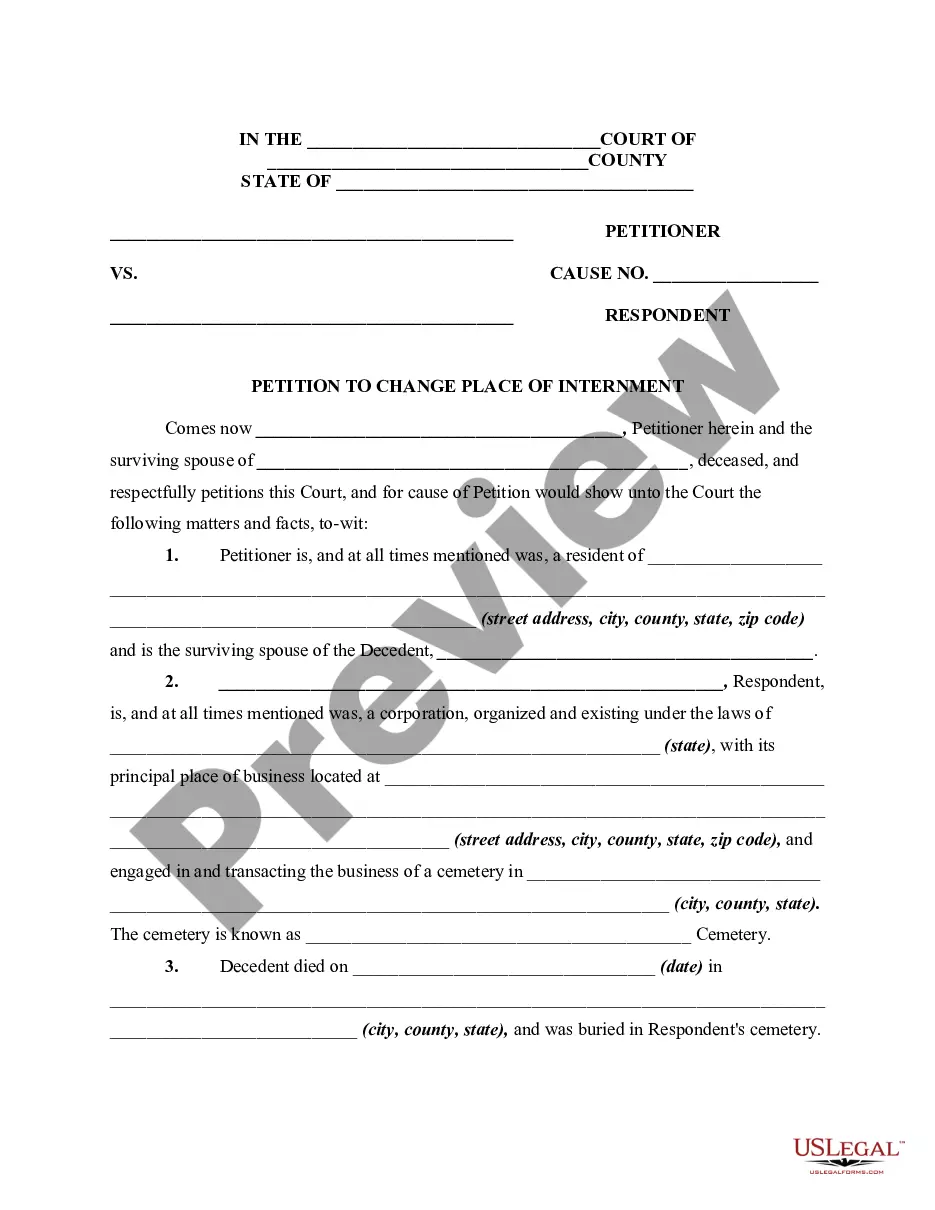
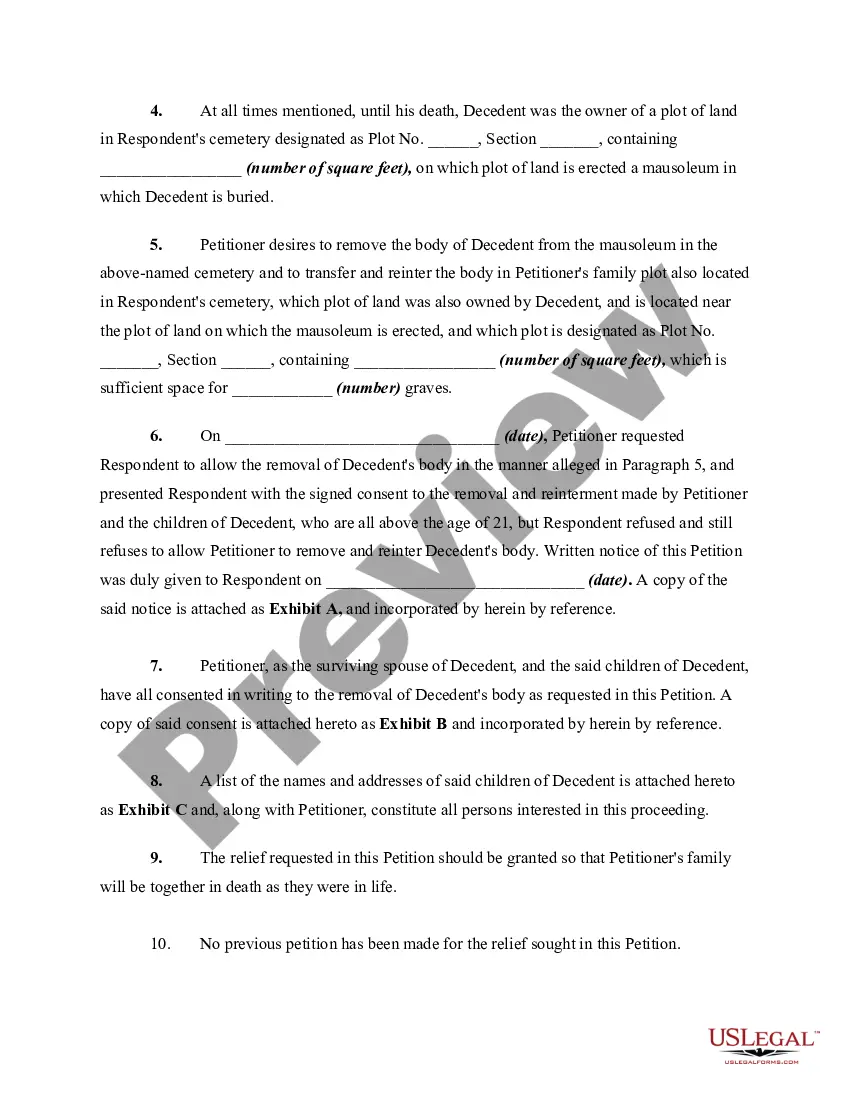
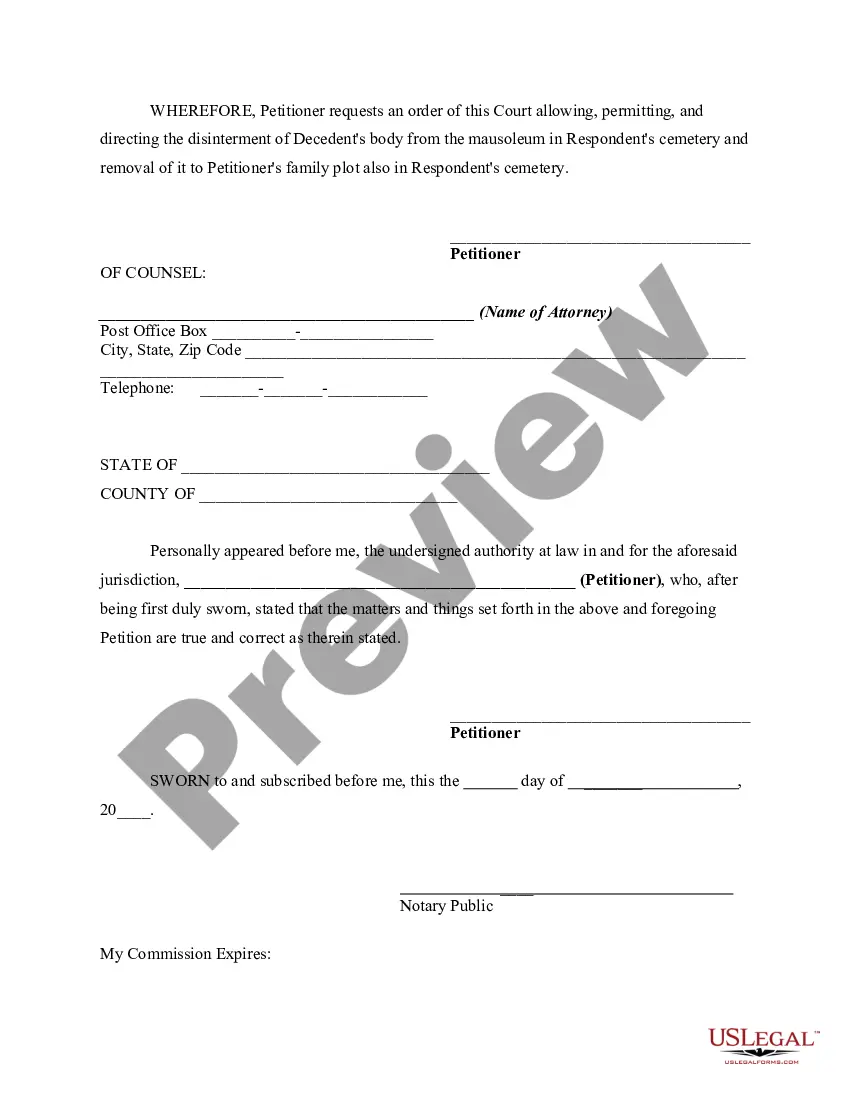

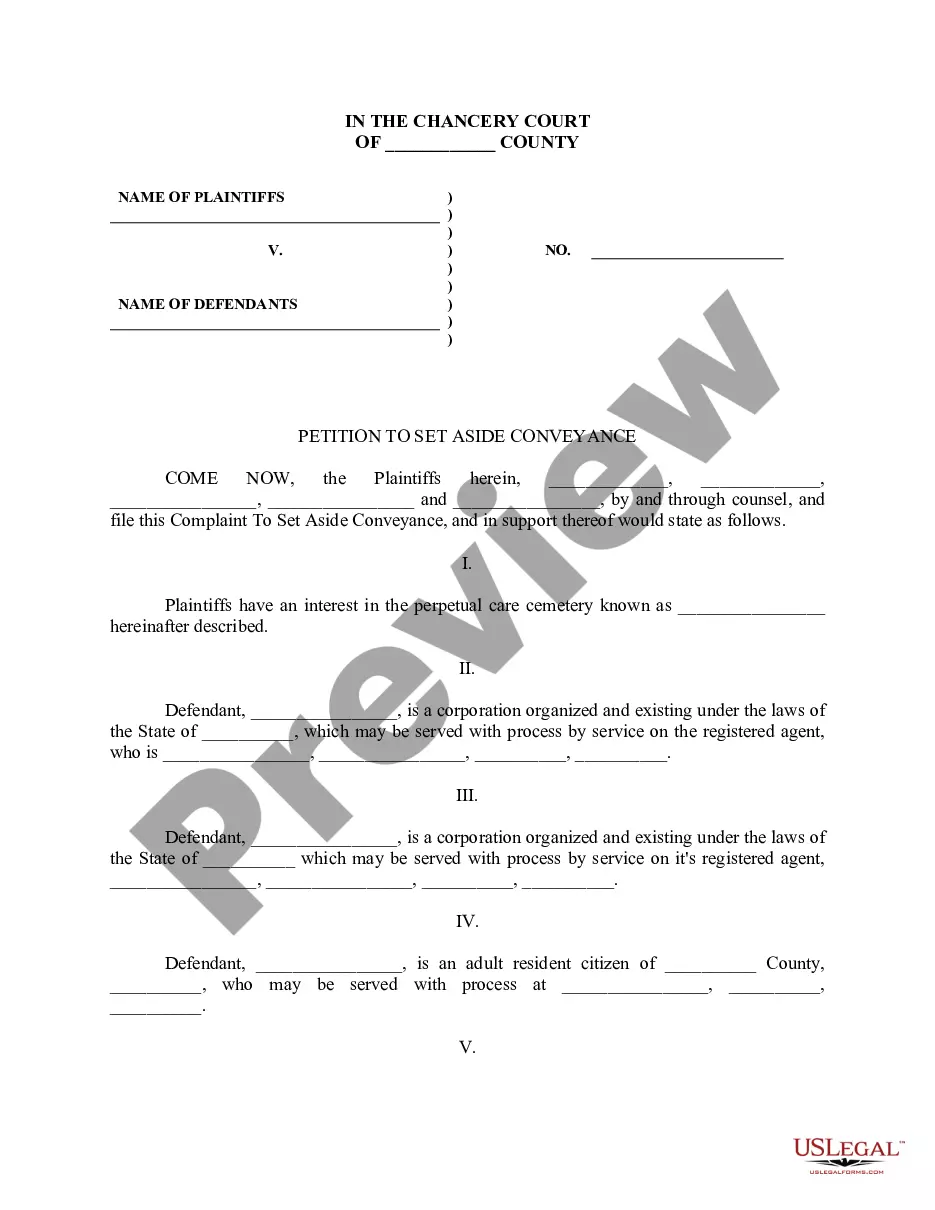
Get your form ready online
Our built-in tools help you complete, sign, share, and store your documents in one place.
Make edits, fill in missing information, and update formatting in US Legal Forms—just like you would in MS Word.
Download a copy, print it, send it by email, or mail it via USPS—whatever works best for your next step.
Sign and collect signatures with our SignNow integration. Send to multiple recipients, set reminders, and more. Go Premium to unlock E-Sign.
If this form requires notarization, complete it online through a secure video call—no need to meet a notary in person or wait for an appointment.
We protect your documents and personal data by following strict security and privacy standards.

Make edits, fill in missing information, and update formatting in US Legal Forms—just like you would in MS Word.

Download a copy, print it, send it by email, or mail it via USPS—whatever works best for your next step.

Sign and collect signatures with our SignNow integration. Send to multiple recipients, set reminders, and more. Go Premium to unlock E-Sign.

If this form requires notarization, complete it online through a secure video call—no need to meet a notary in person or wait for an appointment.

We protect your documents and personal data by following strict security and privacy standards.
Looking for another form?


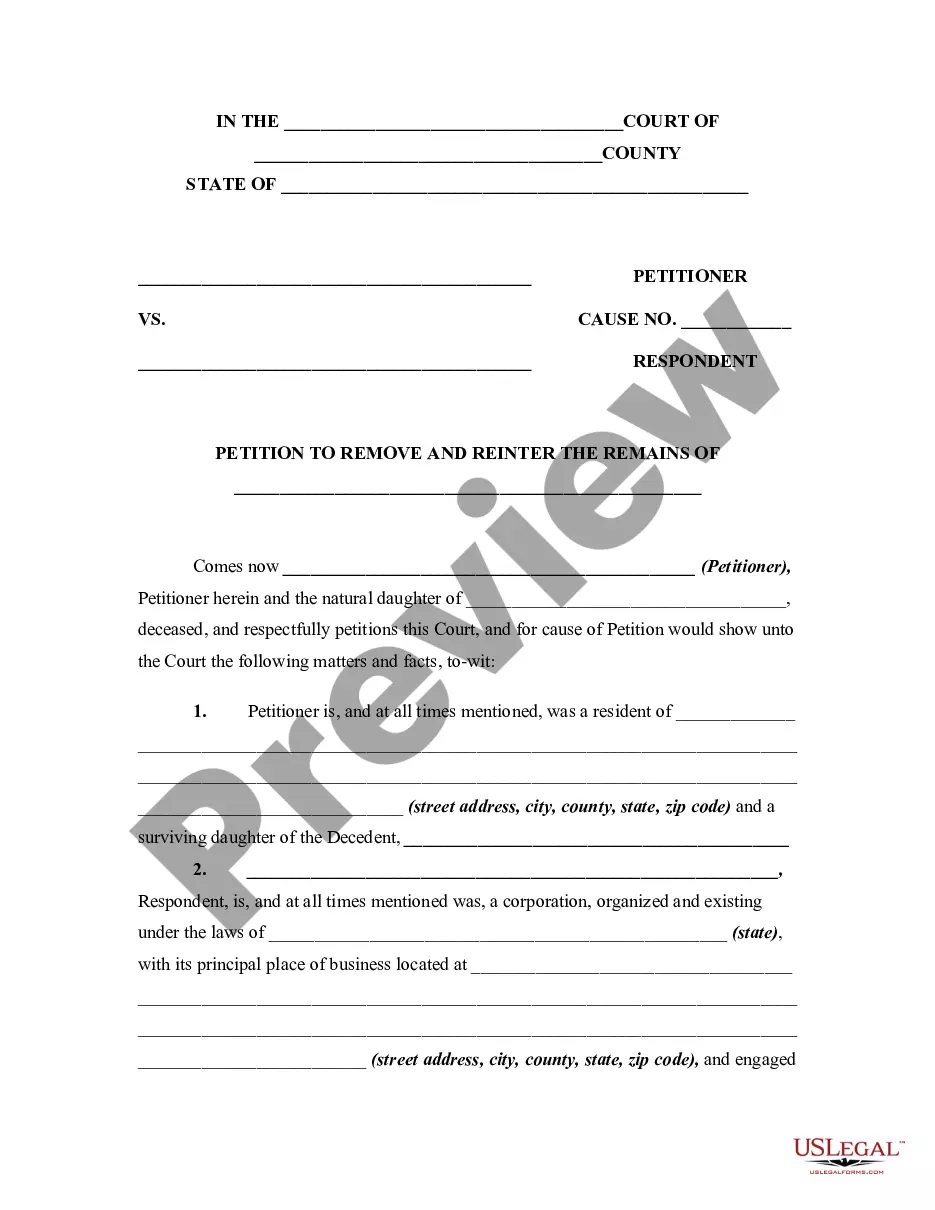
How to fill out Petition By Surviving Spouse To Change Place Of Interment From Mausoleum To Family Plot In Same Cemetery?
- Log in to your US Legal Forms account if you're a returning user. Ensure your subscription is active before proceeding.
- For first-time users, start by previewing the cemetery plot form and checking the description to confirm it meets your local jurisdiction’s requirements.
- If the selected template doesn’t fit your needs, utilize the search functionality to locate an alternative form.
- Once you find the suitable document, click the 'Buy Now' button and select your preferred subscription plan. You will need to create an account for access.
- Complete your payment using a credit card or PayPal to finalize the purchase.
- Download the form to your device for completion. You can find it later in the 'My Forms' section of your profile.
By following these steps, you'll have the necessary forms at your fingertips. US Legal Forms not only provides a comprehensive collection, but also allows access to premium experts who can assist you in ensuring your documents meet legal standards.
Don't hesitate! Start your journey toward securing your cemetery plot today by visiting US Legal Forms and exploring their wealth of resources.
Form popularity
FAQ
A plot in a cemetery is a designated area where an individual or multiple individuals are interred. It can vary in size and accommodates different types of burials, whether for caskets or urns. Understanding the layout of the plot for cemetery is key to making an informed choice about your burial needs. Visualizing this space helps families during a planning process that can be emotional.
A standard plot for cemetery usually accommodates one burial but may hold multiple graves depending on size and local regulations. Some plots can be designed for a double depth, allowing for two sets of remains, with options for additional interments, including urns. It's essential to check with the cemetery for their specific policies before making decisions. Planning ahead helps in making the best use of your chosen space.
The capacity for urns in a plot for cemetery typically depends on the regulations of the cemetery itself. Many cemeteries allow multiple urns to be buried in a single plot, often up to two or three, depending on the depth and layout. It's best to consult with your chosen cemetery for their specific rules and to ensure proper planning. This setup allows families to memorialize multiple loved ones together.
Yes, many cemeteries offer the option to sell your plot back, but the process and conditions may differ by location. It's advisable to contact the cemetery directly to learn about their policies regarding plot resales. Remember, to ensure a smooth transaction, have any required documents on hand when initiating the buyback process.
Creating a cemetery plot map involves drawing a layout that details the different sections, plots, and any notable landmarks within the cemetery. You can start by gathering information from the cemetery office, including existing maps and plot numbers. This can help you create a comprehensive plot for cemetery that is easy for visitors and family members to navigate.
Owning a plot for cemetery typically means you have the rights to use that space, but the ownership may come with terms set by the cemetery. Many cemeteries retain rights over the land, which means that while you can use the plot indefinitely, you may need to adhere to certain regulations. Be sure to review the cemetery's deed agreement to understand the specifics of ownership.
Many cemeteries provide a buyback option, but this can vary widely from one location to another. Before considering selling your plot for cemetery, review the cemetery's policies to understand their terms and conditions. If they do allow buybacks, make sure to gather all necessary documentation to facilitate the process.
Yes, cemetery plots can appreciate in value similar to real estate, depending on demand and location. Consider factors like the cemetery's condition, reputation, and accessibility, as these can influence the value of a plot for cemetery. Whether you intend to keep it or possibly sell it later, it’s crucial to select a location that holds long-term value.
A cemetery plot usually refers to a designated space within a cemetery for burial, while a burial plot is specifically a rectangular area where one or more bodies can be interred. Essentially, all burial plots are cemetery plots, but not all cemetery plots are burial plots, as some may be reserved for other uses such as memorials. Knowing the distinction can help you make better decisions when searching for a plot for cemetery.
Cemetery plots are usually organized in sections, with designated aisles for easier navigation. You will often see that each section is mapped out, allowing families to choose specific areas for their loved ones. Understanding the layout is essential when selecting a plot for cemetery, as it helps to find a serene spot that resonates with personal needs.