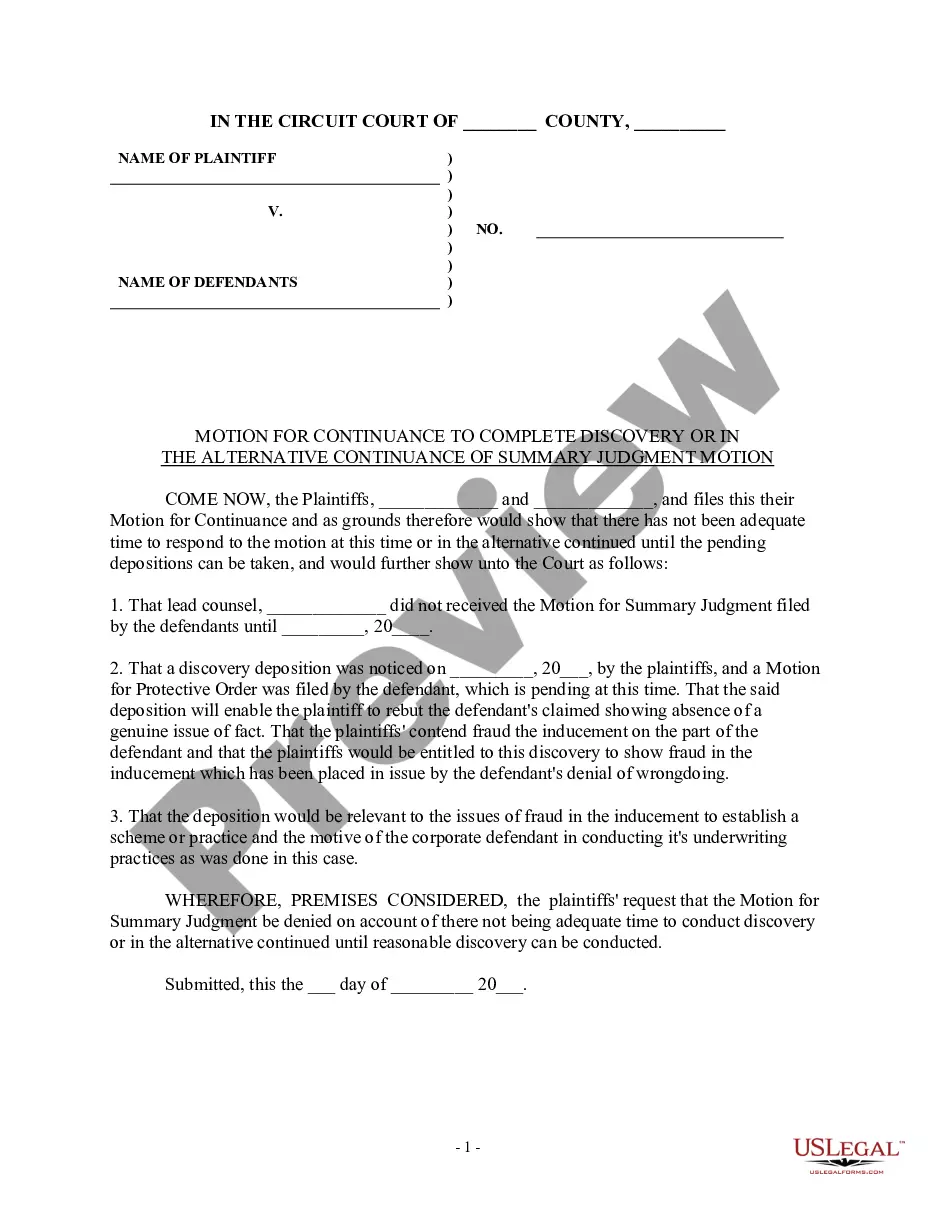
Motion To Stay In California
Description
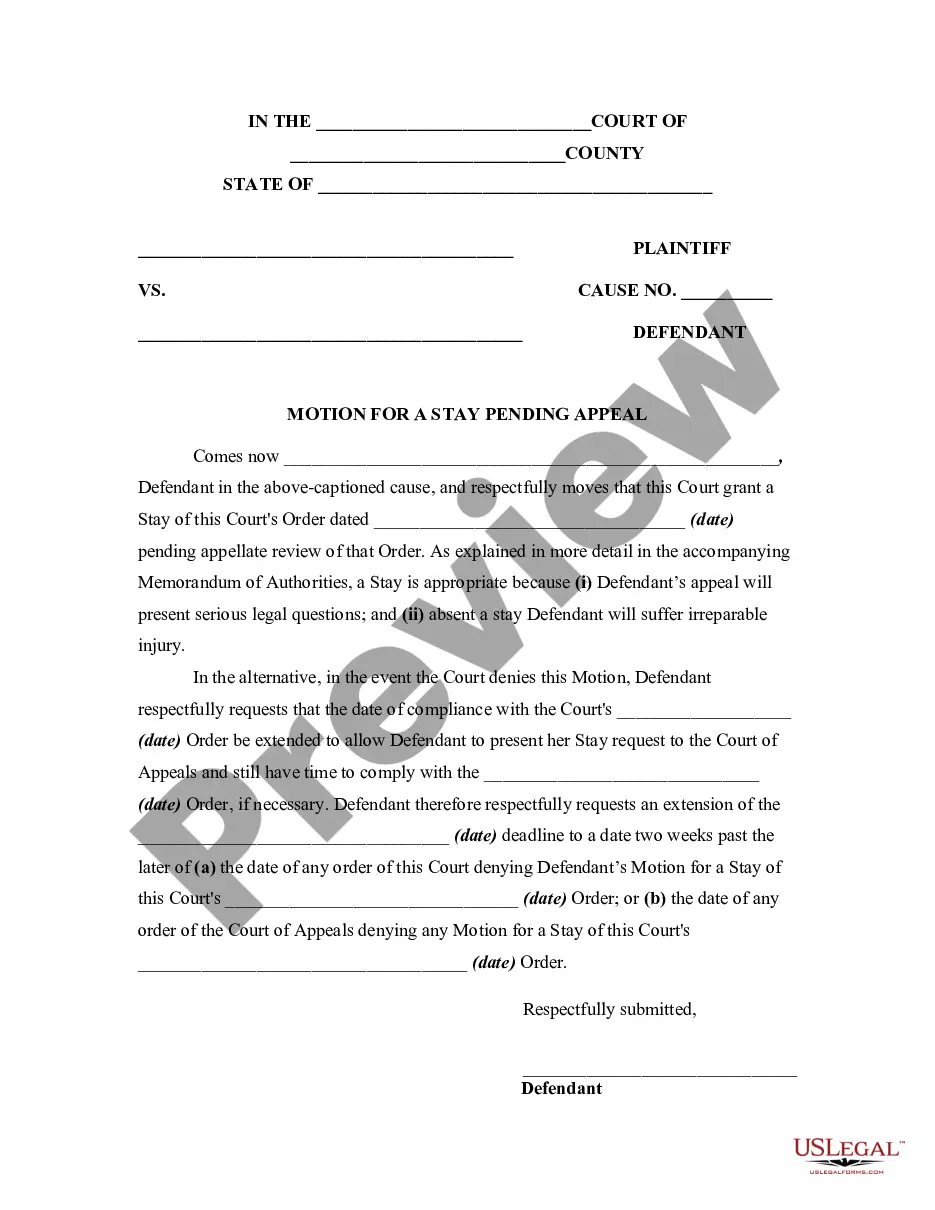
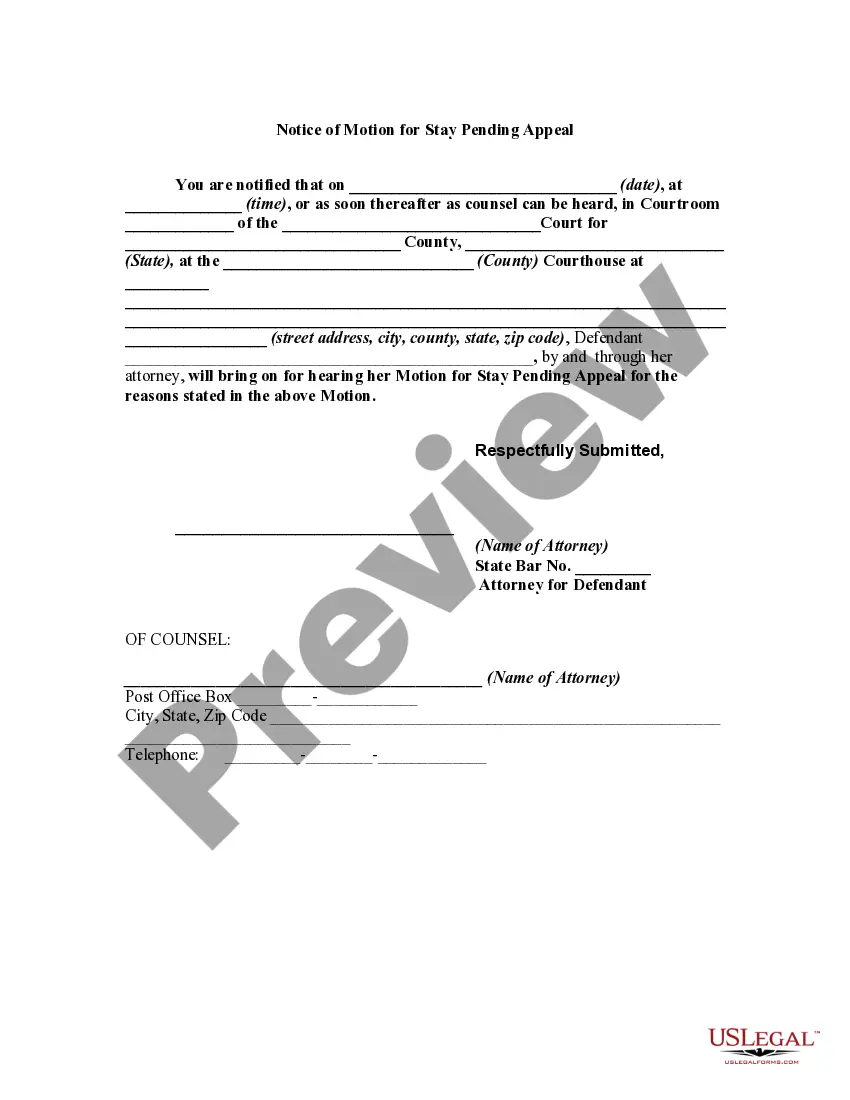
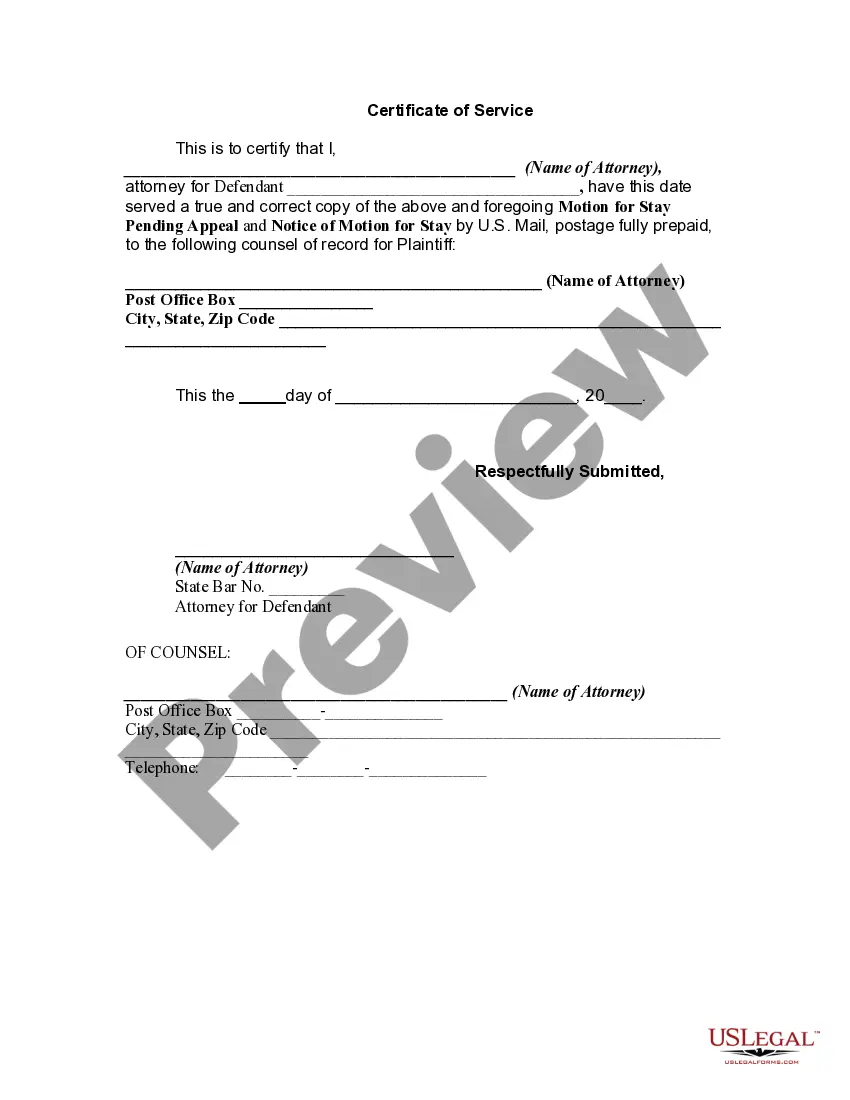
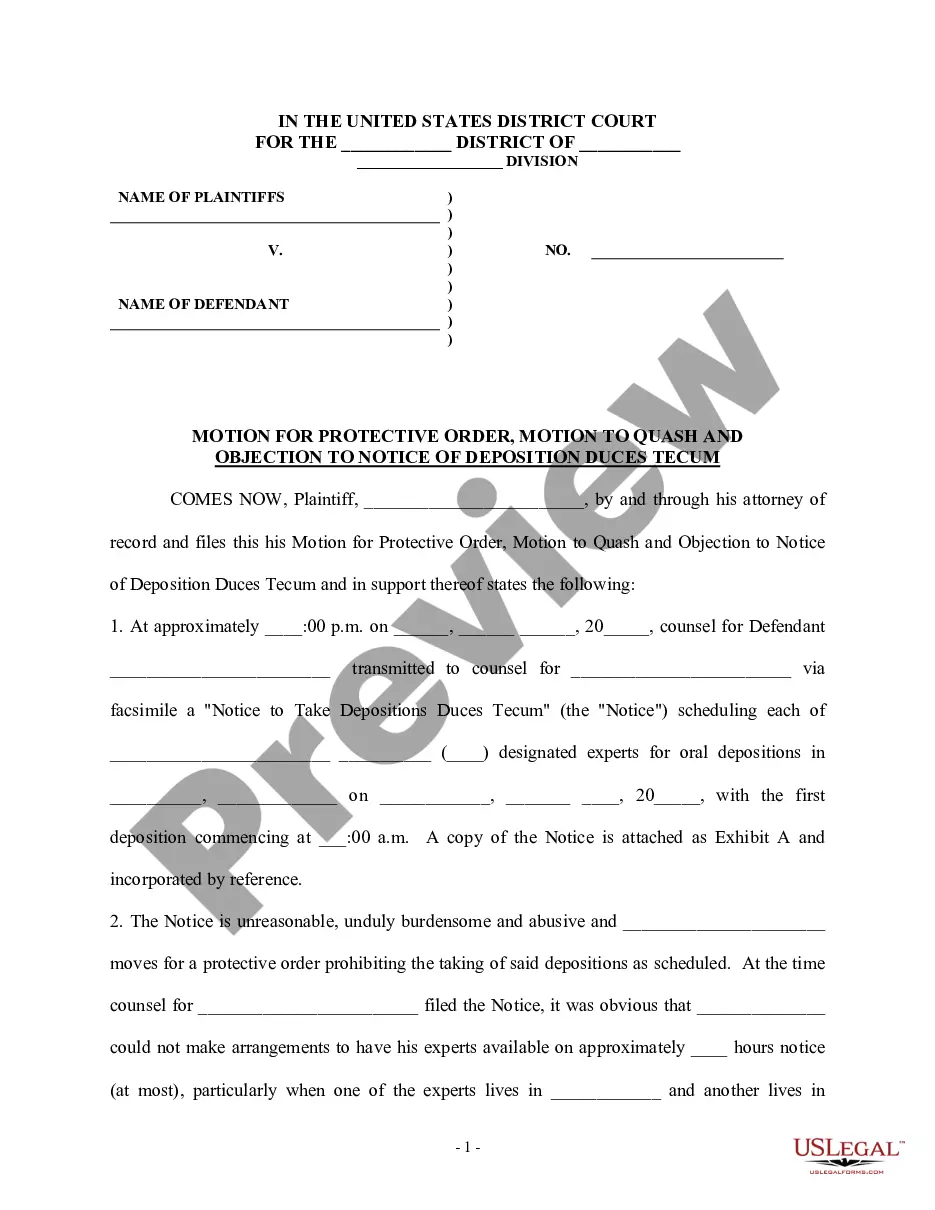
Get your form ready online
Our built-in tools help you complete, sign, share, and store your documents in one place.
Make edits, fill in missing information, and update formatting in US Legal Forms—just like you would in MS Word.
Download a copy, print it, send it by email, or mail it via USPS—whatever works best for your next step.
Sign and collect signatures with our SignNow integration. Send to multiple recipients, set reminders, and more. Go Premium to unlock E-Sign.
If this form requires notarization, complete it online through a secure video call—no need to meet a notary in person or wait for an appointment.
We protect your documents and personal data by following strict security and privacy standards.

Make edits, fill in missing information, and update formatting in US Legal Forms—just like you would in MS Word.

Download a copy, print it, send it by email, or mail it via USPS—whatever works best for your next step.

Sign and collect signatures with our SignNow integration. Send to multiple recipients, set reminders, and more. Go Premium to unlock E-Sign.

If this form requires notarization, complete it online through a secure video call—no need to meet a notary in person or wait for an appointment.

We protect your documents and personal data by following strict security and privacy standards.
Looking for another form?

How to fill out Motion For Stay Pending Appeal And Notice Of Motion?
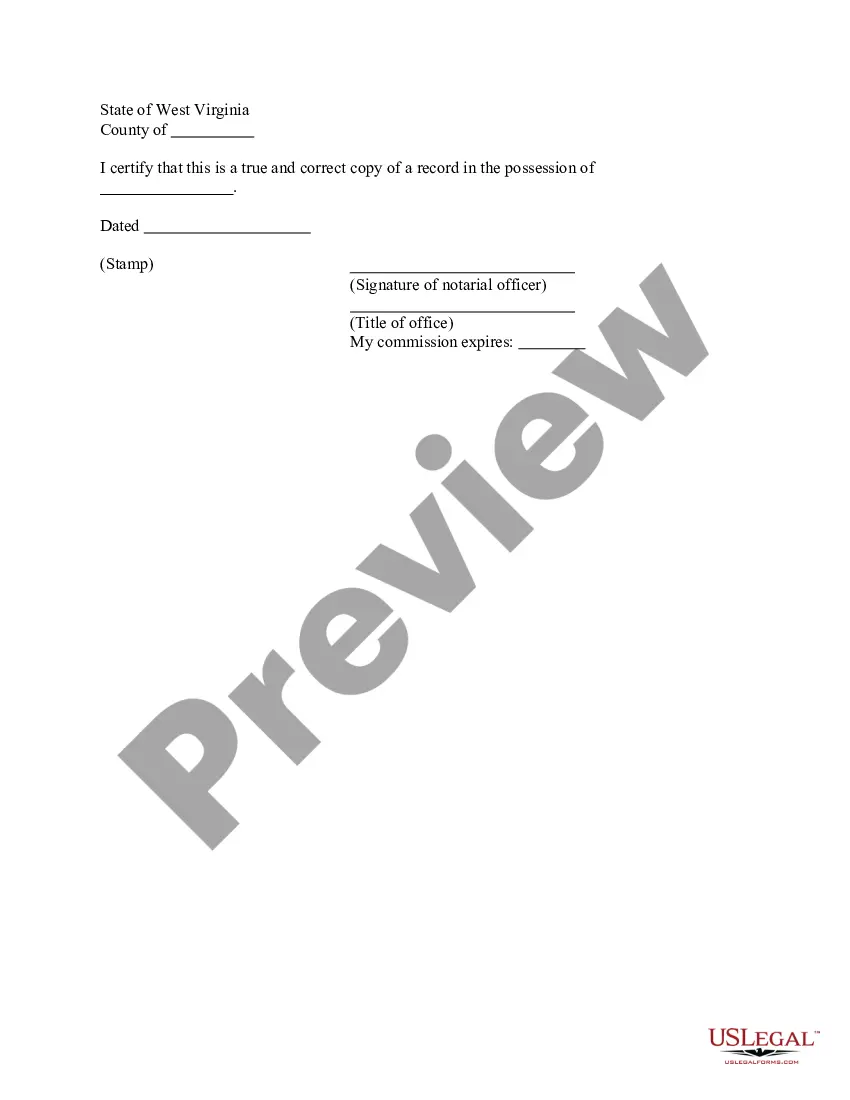
The Motion To Stay In California displayed on this page is a reusable legal template crafted by experienced lawyers in compliance with federal and local regulations.
For over 25 years, US Legal Forms has supplied individuals, companies, and legal experts with more than 85,000 verified, state-specific documents for any commercial and personal requirement.
Choose the format you want for your Motion To Stay In California (PDF, DOCX, RTF) and download the sample to your device. Fill out and authenticate the documents. Print the template to complete it manually. Alternatively, use an online versatile PDF editor to rapidly and precisely fill out and sign your form with a legally-binding electronic signature.
- Search for the document you require and examine it.
- Browse the sample you sought and preview it or analyze the form description to ensure it meets your needs. If it doesn’t, use the search tool to find the correct one. Click Buy Now when you have identified the template you need.
- Subscribe and Log In.
- Select the pricing plan that works for you and set up an account. Use PayPal or a credit card for a fast transaction. If you already possess an account, Log In and verify your subscription to continue.
- Acquire the editable template.
Form popularity
FAQ
To file an execution in California, you must first obtain a judgment from the court. Once you have the judgment, you can fill out the necessary forms for execution and submit them to the court clerk. It's crucial to follow the specific guidelines outlined by California law to ensure your filing is valid. Using US Legal Forms can simplify this process, providing access to templates and detailed instructions tailored to your needs.
A good reason for a stay of execution in California often involves pending appeals or new evidence that could significantly impact the case outcome. If there is a legitimate concern that the execution may occur before important legal matters are resolved, the court may consider your request favorably. Other valid reasons include demonstrating irreparable harm or showing that public interest is best served by delaying the execution. Seeking guidance from legal resources can help clarify these grounds.
To obtain a stay of execution in California, you must file a Motion to Stay with the appropriate court. This motion should clearly outline your reasons for requesting the stay and include any relevant supporting documents. It's essential to submit your motion before the execution date to avoid complications. For assistance with the filing process, consider using US Legal Forms, which provides helpful resources to navigate legal procedures.
To file a stay of execution in California, you must submit a formal request to the court handling your case. This request outlines the reasons for seeking a stay and may include supporting documents. Additionally, it's essential to ensure that you meet all necessary deadlines to prevent any negative impacts on your case. If you're looking for guidance throughout this process, USLegalForms offers valuable resources to help you with your Motion to stay in California.
Filing a motion to stay involves gathering necessary information, drafting your motion, and filing it with the court clerk. Make sure to include supporting documentation and comply with local court rules for submission. If you are unsure, U.S. Legal Forms offers resources that can guide you through the process seamlessly.
To file a stay in court, you must prepare a written motion outlining your request and its reasons. This document must comply with court protocols and be submitted to the appropriate court. Using U.S. Legal Forms can greatly assist you in drafting your motion accurately.
'Stay the motion' refers to the court's order to pause a specific legal action or procedure. This can be a vital tool in managing timelines and ensuring that all relevant matters are fully addressed. Essentially, it allows the court to temporarily halt decisions until certain conditions are met.
A judge might deny a motion to stay if they determine that it would cause unnecessary delays or if there is little justification for pausing the case. Courts seek to ensure timely resolutions and may find that your reasons do not align with that goal. Therefore, it's crucial to clearly articulate your reasons when filing.
Yes, a motion to stay can be denied by the court. If the judge believes that the motion lacks merit or does not serve the interests of justice, they may decide against it. Being prepared and presenting solid reasons in your motion can increase your chances of approval.
Yes, you can file a motion to stay yourself, but it is advisable to seek legal advice. The process involves understanding the court's rules and properly completing the required documents. Resources like U.S. Legal Forms can help you navigate the steps and provide templates to simplify your filing.