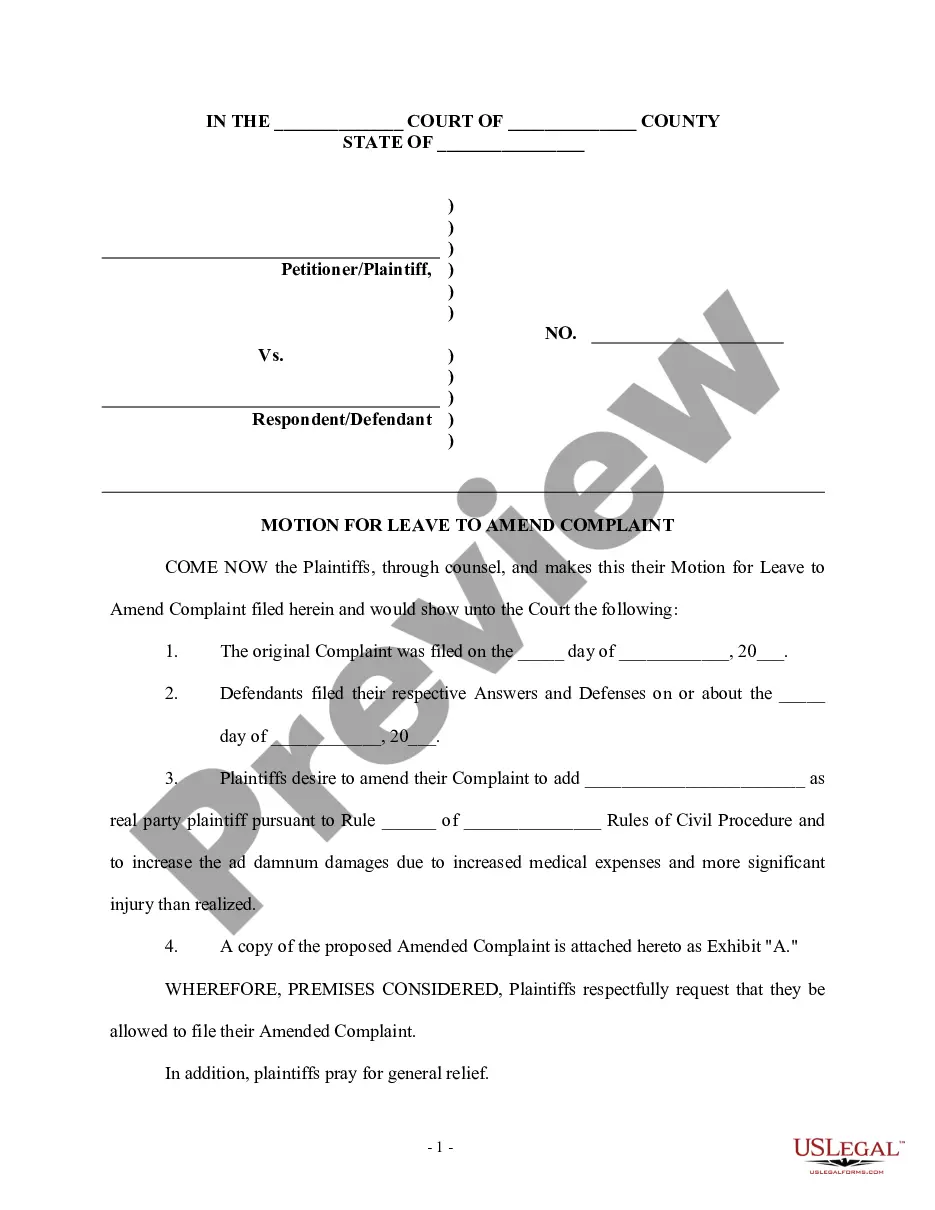
Complaint Motion To Dismiss Answer
Description
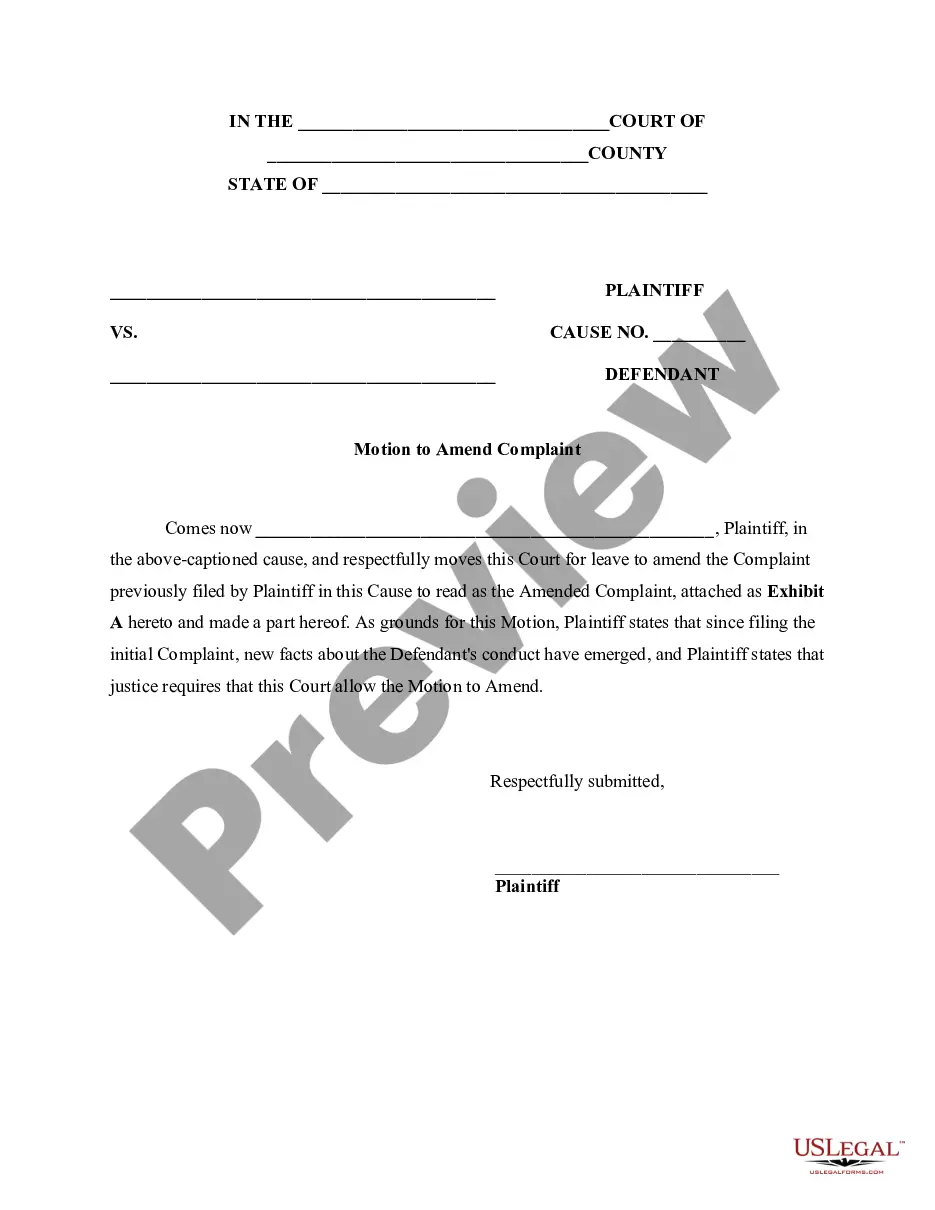
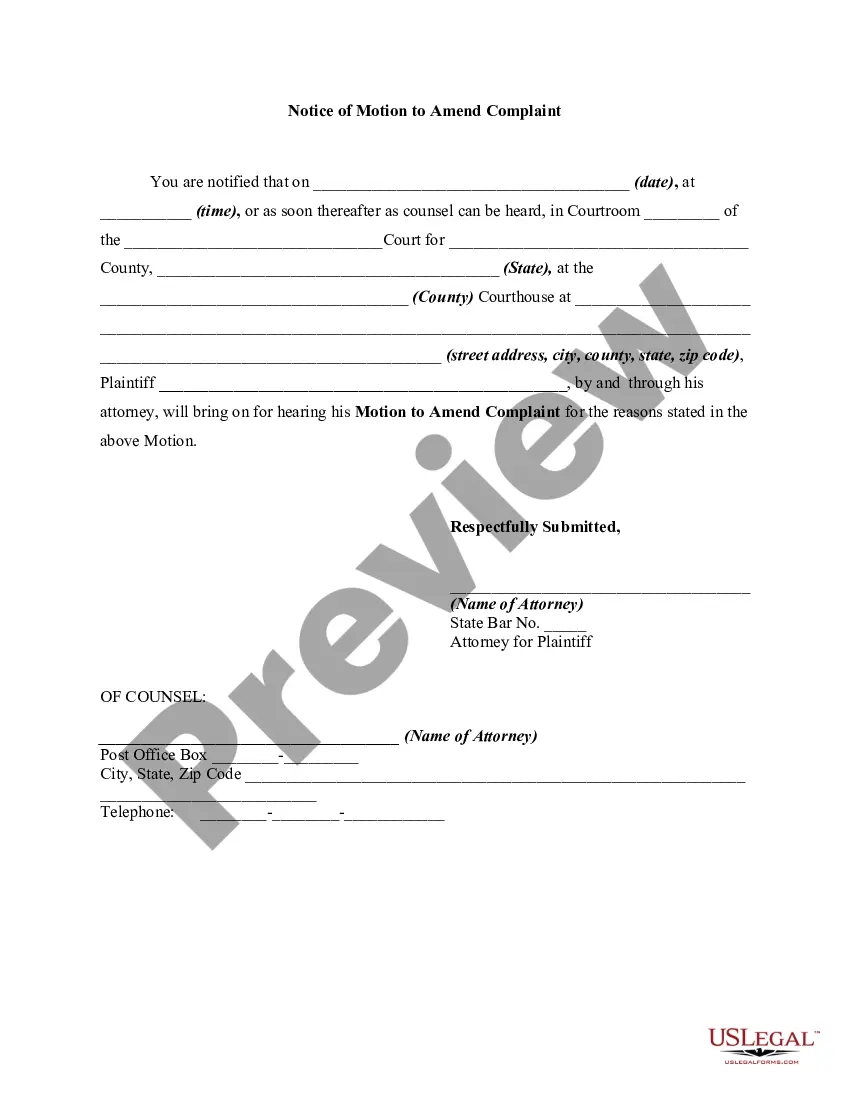
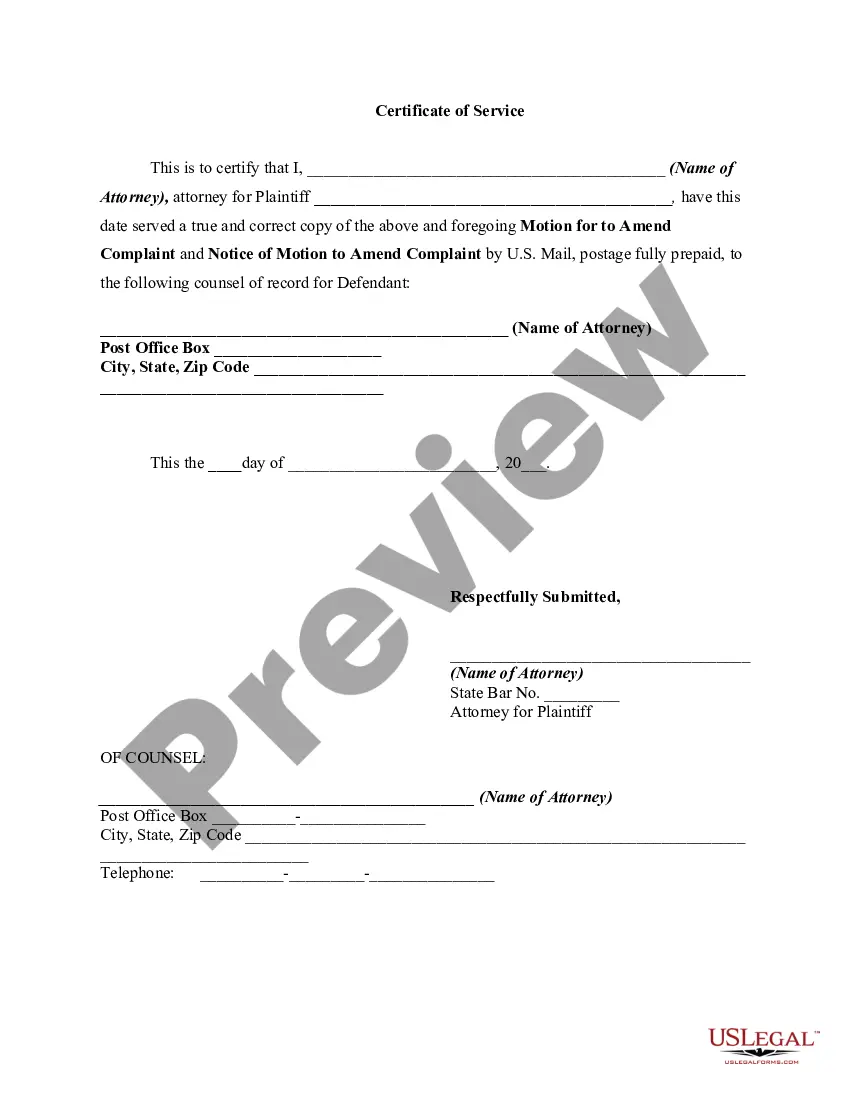
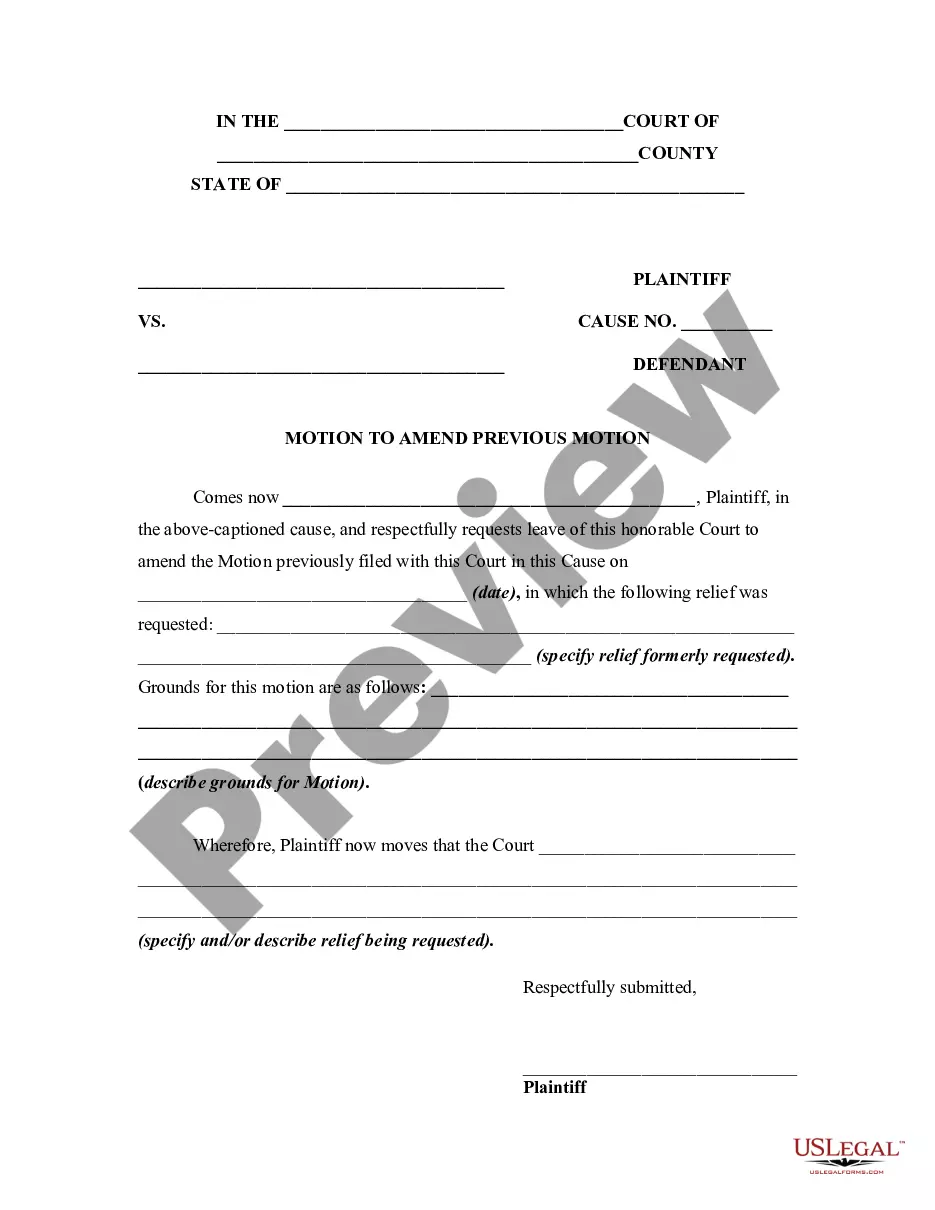
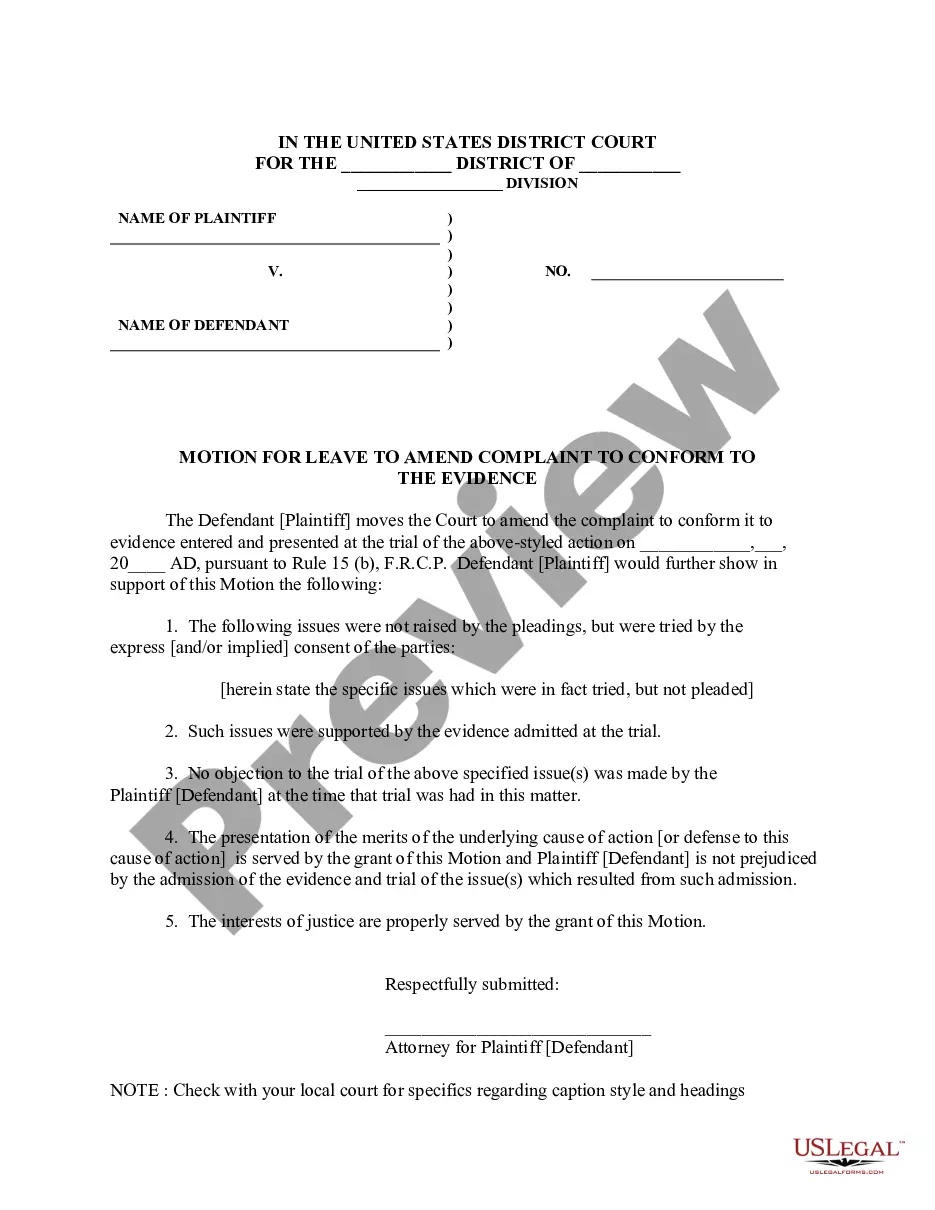
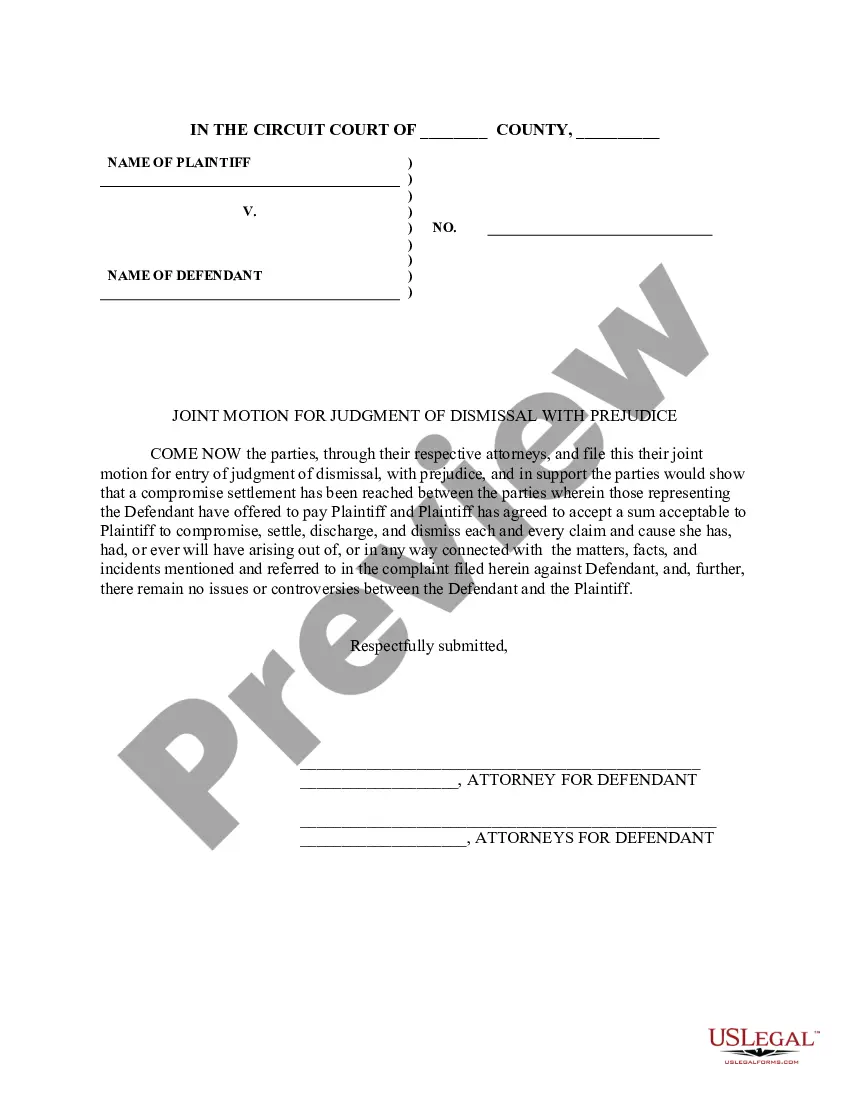
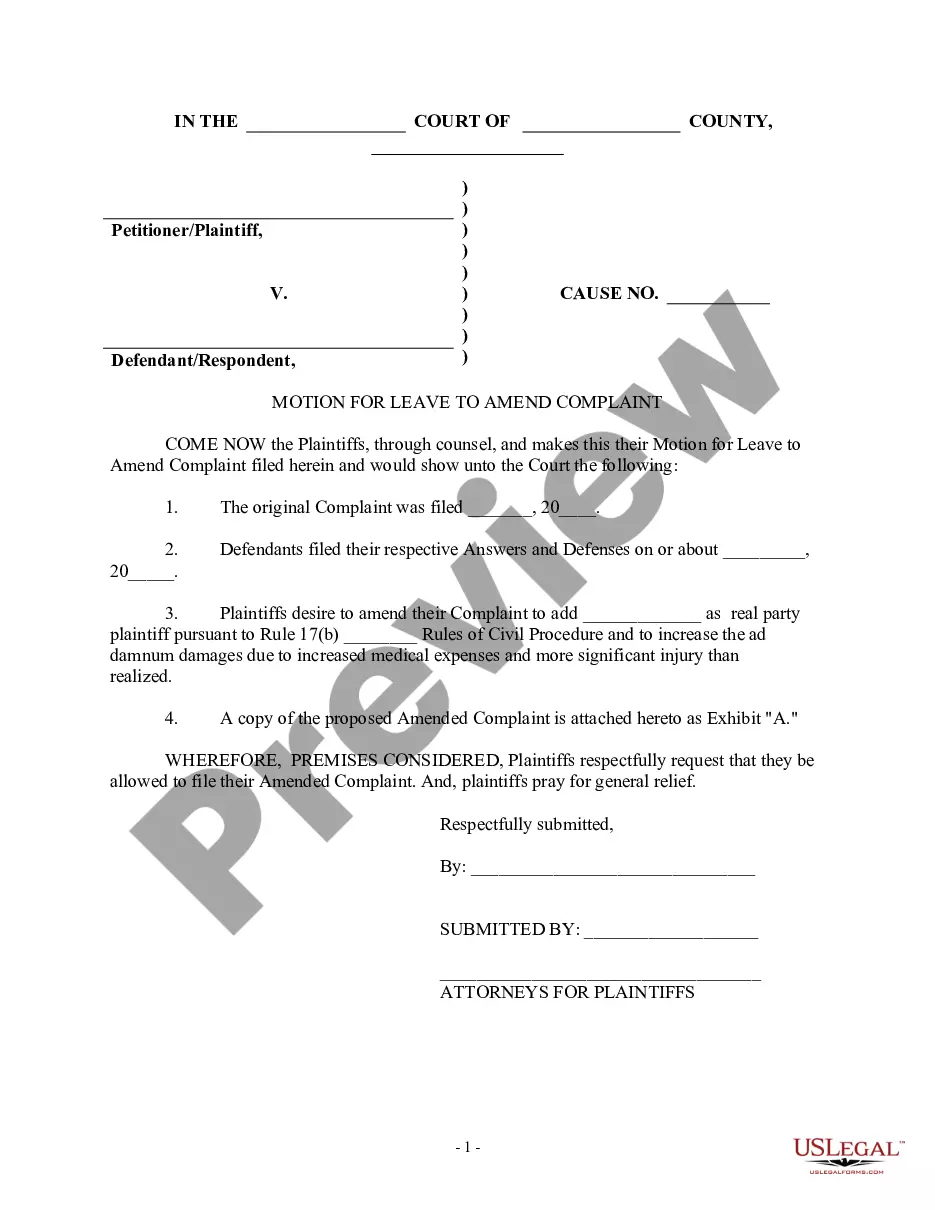
Get your form ready online
Our built-in tools help you complete, sign, share, and store your documents in one place.
Make edits, fill in missing information, and update formatting in US Legal Forms—just like you would in MS Word.
Download a copy, print it, send it by email, or mail it via USPS—whatever works best for your next step.
Sign and collect signatures with our SignNow integration. Send to multiple recipients, set reminders, and more. Go Premium to unlock E-Sign.
If this form requires notarization, complete it online through a secure video call—no need to meet a notary in person or wait for an appointment.
We protect your documents and personal data by following strict security and privacy standards.

Make edits, fill in missing information, and update formatting in US Legal Forms—just like you would in MS Word.

Download a copy, print it, send it by email, or mail it via USPS—whatever works best for your next step.

Sign and collect signatures with our SignNow integration. Send to multiple recipients, set reminders, and more. Go Premium to unlock E-Sign.

If this form requires notarization, complete it online through a secure video call—no need to meet a notary in person or wait for an appointment.

We protect your documents and personal data by following strict security and privacy standards.
Looking for another form?








How to fill out Simple Motion To Amend Complaint And Notice Of Motion?
Legal supervision can be perplexing, even for experienced experts.
When you are looking for a Complaint Motion To Dismiss Answer and lack the time to dedicate to finding the correct and current version, the process can be demanding.
US Legal Forms meets all your requests, ranging from personal to business paperwork, in one convenient spot.
Utilize advanced tools to complete and oversee your Complaint Motion To Dismiss Answer.
Here are the steps to follow after reaching the form you require: Validate that this is the correct document by previewing it and reviewing its details. Ensure that the template is sanctioned in your state or county. Click Buy Now when you are prepared. Choose a subscription plan. Select the file format you prefer, and Download, complete, sign, print, and submit your document. Take advantage of the US Legal Forms online repository, supported by 25 years of proficiency and trustworthiness. Improve your daily document management with a seamless and user-friendly approach today.
- Access a valuable collection of articles, guides, and references pertinent to your circumstances and needs.
- Save time and effort searching for the paperwork you require by using US Legal Forms’ sophisticated search and Preview feature to locate Complaint Motion To Dismiss Answer.
- If you hold a monthly subscription, Log Into your US Legal Forms account, search for the required form, and obtain it.
- Check the My documents section to view documents you have previously downloaded and organize your folders as needed.
- If it's your initial experience with US Legal Forms, establish a free account and enjoy unrestricted access to all features of the platform.
- A comprehensive online form library could revolutionize the way anyone manages these scenarios.
- US Legal Forms stands as a leader in virtual legal templates, offering over 85,000 state-specific legal forms accessible to you at any moment.
- With US Legal Forms, you can access localized legal and organizational documents.
Form popularity
FAQ
You simply need to request that the court deny the defendant's motion to dismiss. For example, you could write the following: ?For the foregoing reasons and all the others discussed in Plaintiff's Complaint, the present Motion to Dismiss should be denied.?
When writing a customer complaint response, consider following these steps: Read the entire complaint. ... Apologize for any inconvenience. ... Explain what may have caused the issue. ... Propose an actionable, detailed solution. ... Explain how you can improve the customer's experience in the future. ... Offer an incentive.
If the motion to dismiss is convincing, you might have to present your own affidavits and documents to prove that the allegations did occur as you have described, or at least there is a question about the facts of the case as to whether or not what you have alleged actually happened.
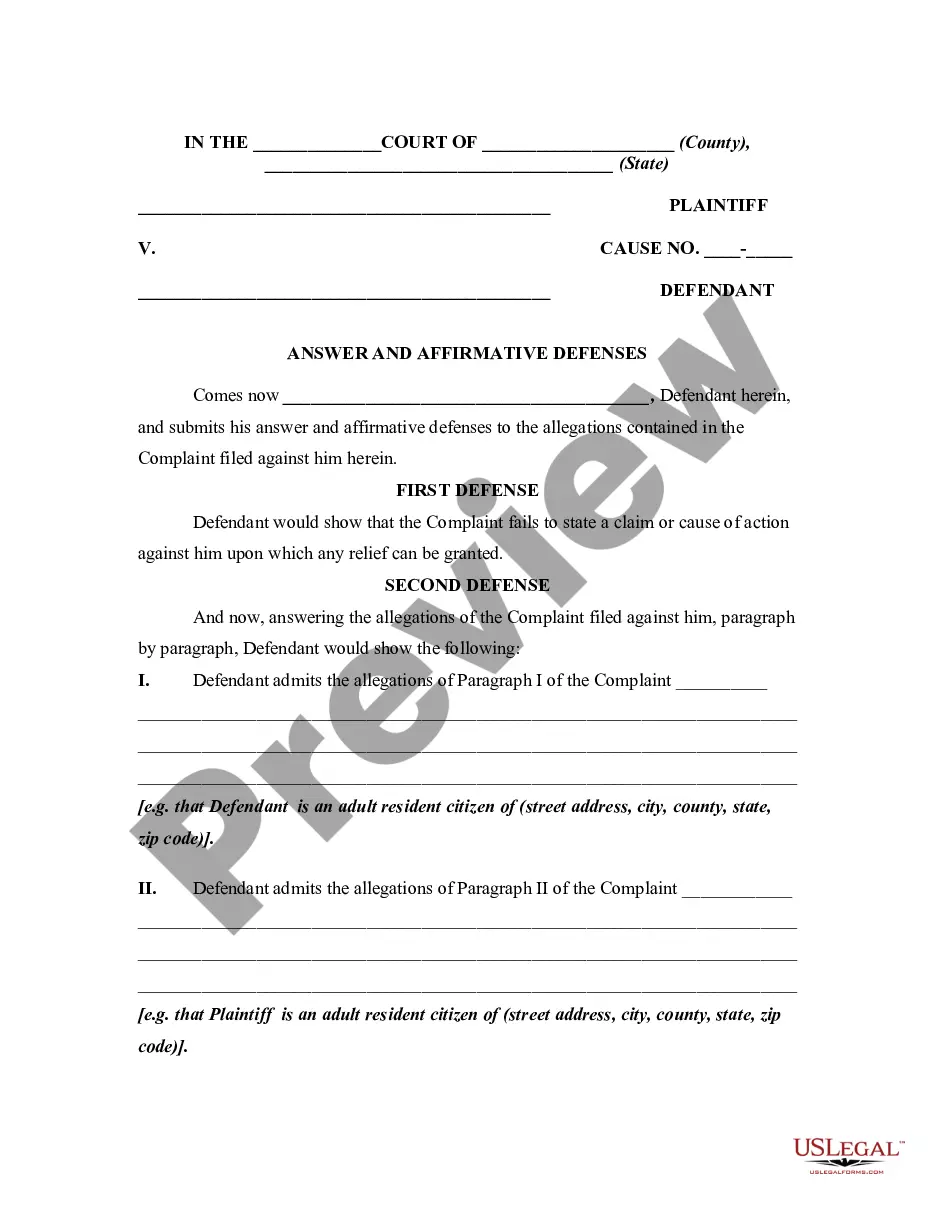
On a separate page or pages, write a short and plain statement of the answer to the allegations in the complaint. Number the paragraphs. The answer should correspond to each paragraph in the complaint, with paragraph 1 of the answer corresponding to paragraph 1 of the complaint, etc.
In law, an answer refers to a defendant's first formal written statement to a plaintiff's initial petition or complaint. This opening written statement will admit or deny the allegations, or demand more information about the claims of wrongdoing.