Lien On Property For Money Owed
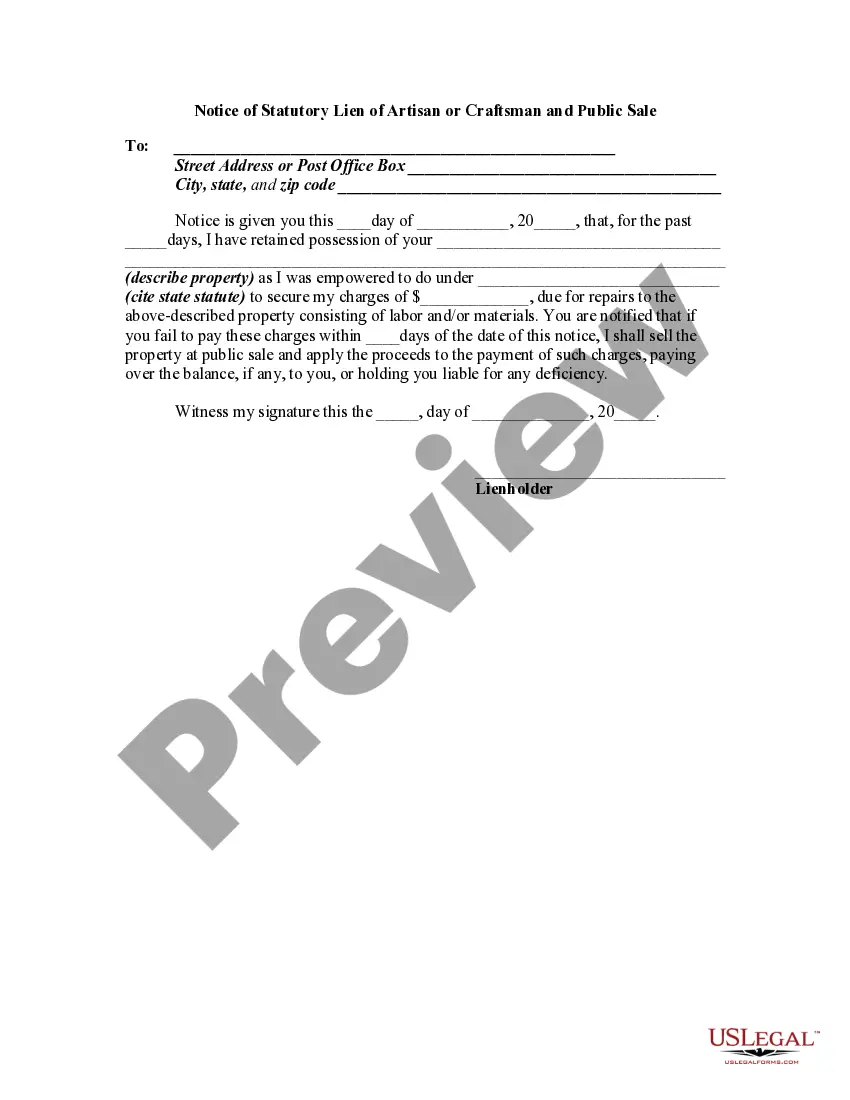
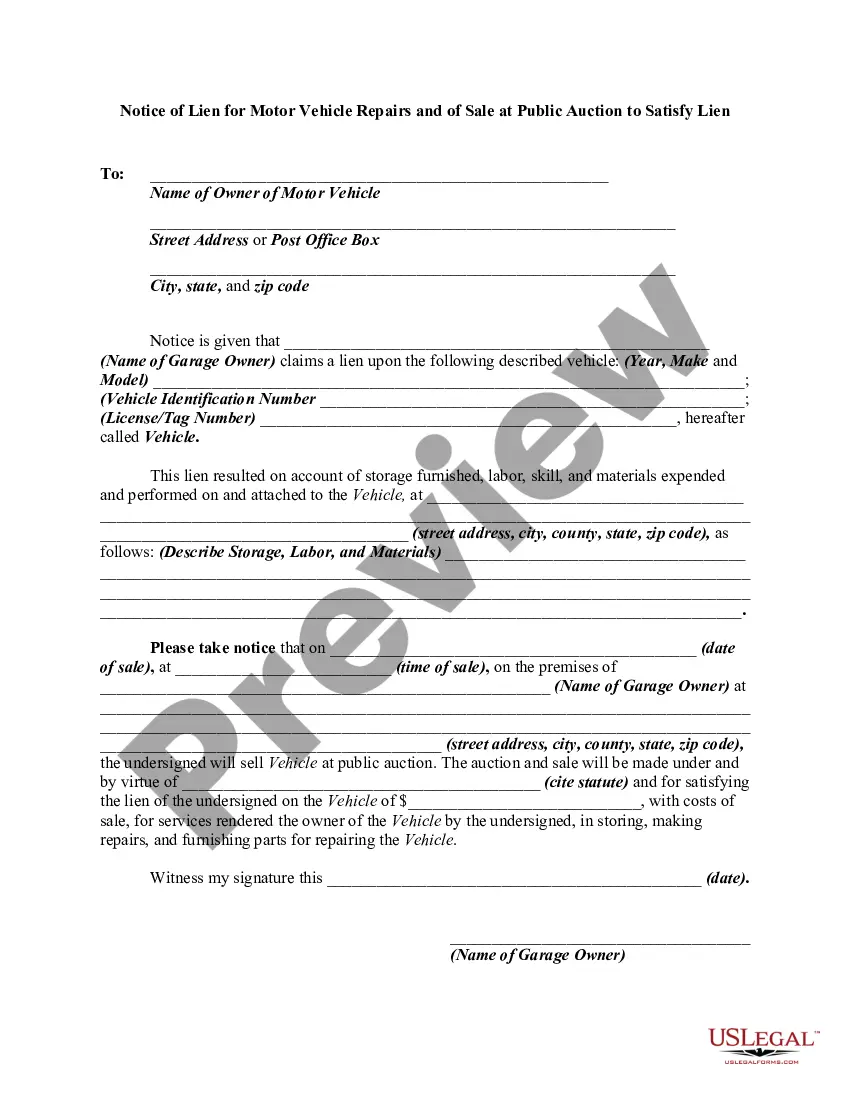
Description
Get your form ready online
Our built-in tools help you complete, sign, share, and store your documents in one place.
Make edits, fill in missing information, and update formatting in US Legal Forms—just like you would in MS Word.
Download a copy, print it, send it by email, or mail it via USPS—whatever works best for your next step.
Sign and collect signatures with our SignNow integration. Send to multiple recipients, set reminders, and more. Go Premium to unlock E-Sign.
If this form requires notarization, complete it online through a secure video call—no need to meet a notary in person or wait for an appointment.
We protect your documents and personal data by following strict security and privacy standards.

Make edits, fill in missing information, and update formatting in US Legal Forms—just like you would in MS Word.

Download a copy, print it, send it by email, or mail it via USPS—whatever works best for your next step.

Sign and collect signatures with our SignNow integration. Send to multiple recipients, set reminders, and more. Go Premium to unlock E-Sign.

If this form requires notarization, complete it online through a secure video call—no need to meet a notary in person or wait for an appointment.

We protect your documents and personal data by following strict security and privacy standards.
Looking for another form?









How to fill out Notice Of Lien And Of Sale Of Personal Property Pursuant To Non-Statutory Lien?
Creating legal documents from the ground up can occasionally feel a bit daunting.
Certain situations may require extensive research and significant financial outlay.
If you're looking for a more straightforward and budget-friendly method for preparing Lien On Property For Money Owed or any other documentation without unnecessary complications, US Legal Forms is always available to assist you.
Our online library of over 85,000 current legal documents encompasses nearly every aspect of your financial, legal, and personal matters.
However, before proceeding directly to download Lien On Property For Money Owed, please consider these suggestions: Review the form preview and descriptions to confirm that you have located the document you need. Ensure that the form you select meets the requirements of your state and county. Choose the most appropriate subscription plan to acquire the Lien On Property For Money Owed. Download the file, then fill it out, sign it, and print it. US Legal Forms maintains an impeccable reputation and boasts over 25 years of experience. Sign up with us today and make document processing effortless and efficient!
- With just a few clicks, you can promptly access state- and county-specific templates carefully crafted by our legal experts.
- Utilize our platform whenever you require dependable and trustworthy services to swiftly find and download the Lien On Property For Money Owed.
- If you are already familiar with our services and have previously registered an account with us, simply Log In to your account, find the form, and download it or retrieve it anytime later in the My documents section.
- Don’t have an account? No worries. It only takes a few minutes to sign up and browse the catalog.
Form popularity
FAQ
Yes, you can file a lien on your own property for money owed, but there are specific considerations to keep in mind. This process can help you secure your interests, especially if you have unpaid debts associated with the property. However, it is crucial to follow local laws and procedures correctly to avoid complications. Using services like US Legal Forms can provide you with the necessary documents and instructions, making the process smoother.
To place a lien on property for money owed in Florida, you must first complete a few key steps. Begin by preparing a written notice of the lien, which should include the amount owed and details about the property. Next, file this notice with the county clerk's office where the property is located. Utilizing resources like US Legal Forms can simplify this process, ensuring you have the correct forms and guidance to secure your lien effectively.
The timeframe to file a lien in Virginia for money owed is usually six months from when the debt is due. This strict deadline ensures that creditors act promptly to secure their interests. If you wait too long, you could forfeit your chance to file a lien and protect your rights. For accurate guidance, consider using US Legal Forms to help you navigate these legal timelines effectively.
In Virginia, a debt typically becomes uncollectible after five years, known as the statute of limitations. This timeframe starts from the date the payment was due and not made. Once this period expires, creditors lose the legal right to collect the debt, which may include removing any associated liens on property for money owed. To understand your specific situation better, you can explore resources available on US Legal Forms.
In Virginia, the timeframe to file a lien on property for money owed is generally within six months after the debt becomes due. This period allows creditors to secure their interests before the window closes. If you miss this deadline, you may lose your right to enforce the lien. It's wise to consult legal resources or platforms like US Legal Forms to ensure you understand your rights and responsibilities.
Yes, it is possible for someone to place a lien on your property for money owed without your immediate knowledge. Typically, creditors can file a lien through the appropriate legal channels, which might not require your consent or awareness. However, once a lien is placed, it becomes a matter of public record, and you will eventually be notified. To protect yourself from unexpected liens, consider using services like US Legal Forms for guidance and resources.
A lien expires 10 years from the date of recording or filing, unless we extend it. If we extend the lien, we will send a new Notice of State Tax Lien and record or file it with the county recorder or California Secretary of State. We will not release expired liens.
Record the Claim of Lien in the County Register of Deeds where the Owner's property is located, within 90 calendar days after last labor or material. Serve a copy of the recorded Claim of Lien on the Owner's Designee within 15 days from date of recording by certified mail or personal delivery.
A mechanic's lien can be filed during the course of a construction project when payment becomes due, or it can be filed after the project is completed. However, it must be filed no later than 8 months from the last day that the party asserting the lien (the lienor) performed work or furnished materials for the project.
To file a judgment lien, an abstract of judgment (commonly called an "AJ") must be recorded in the county where the real property is located or where property could be owned in the future. Rules for the issuance of an abstract of judgment can be found in Section 52.002 of the Texas Property Code.
