Court Injunction Preliminary Withdrawal
Description
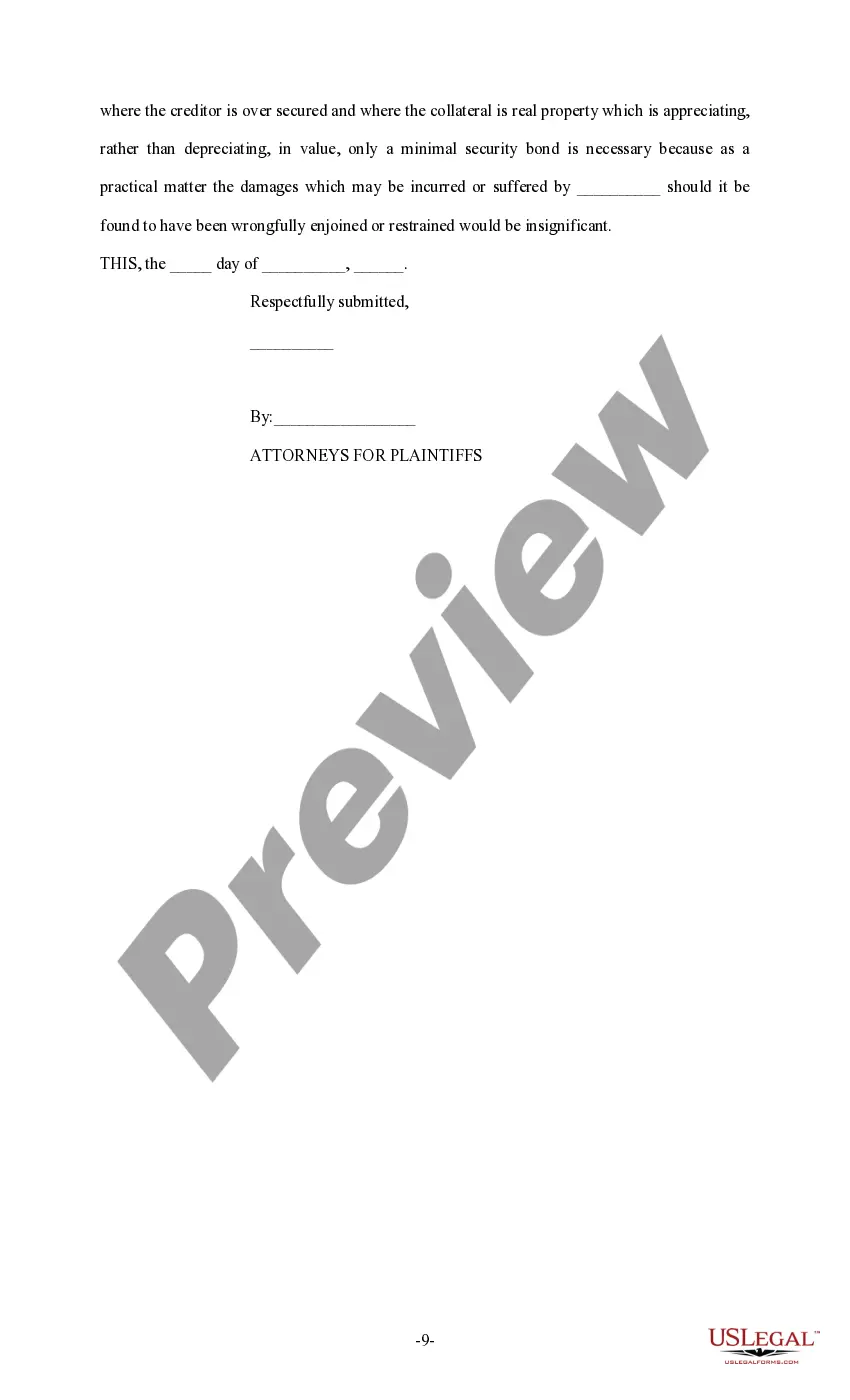
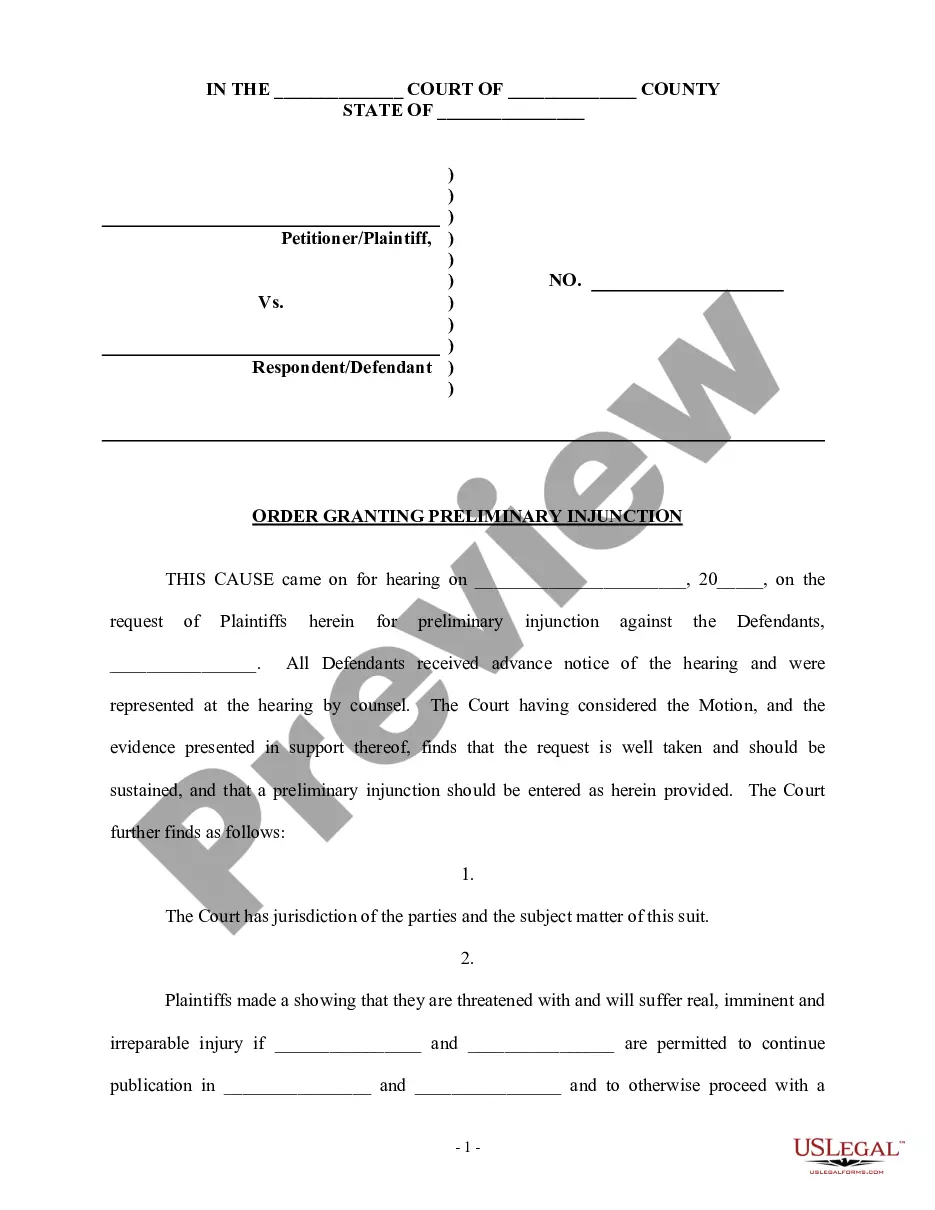
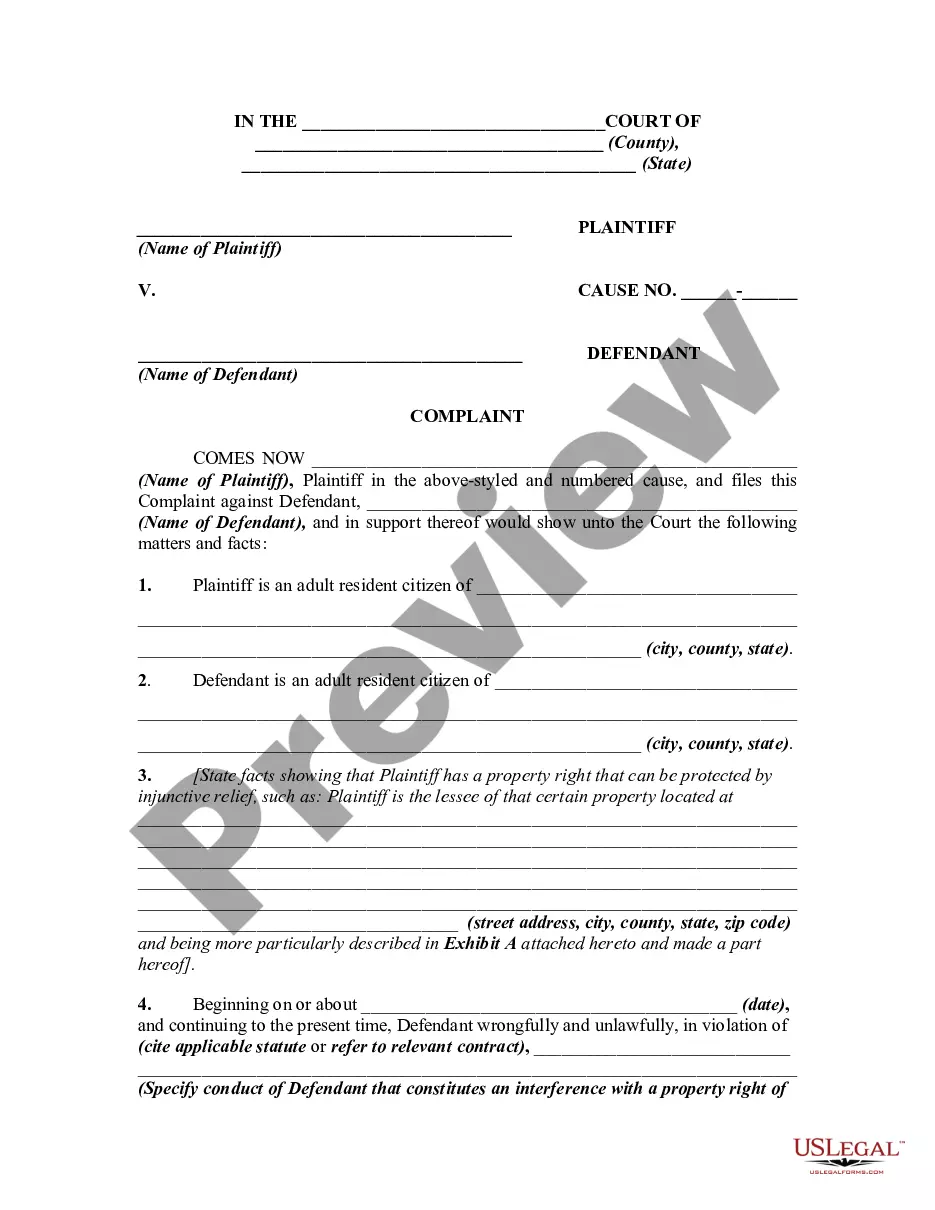
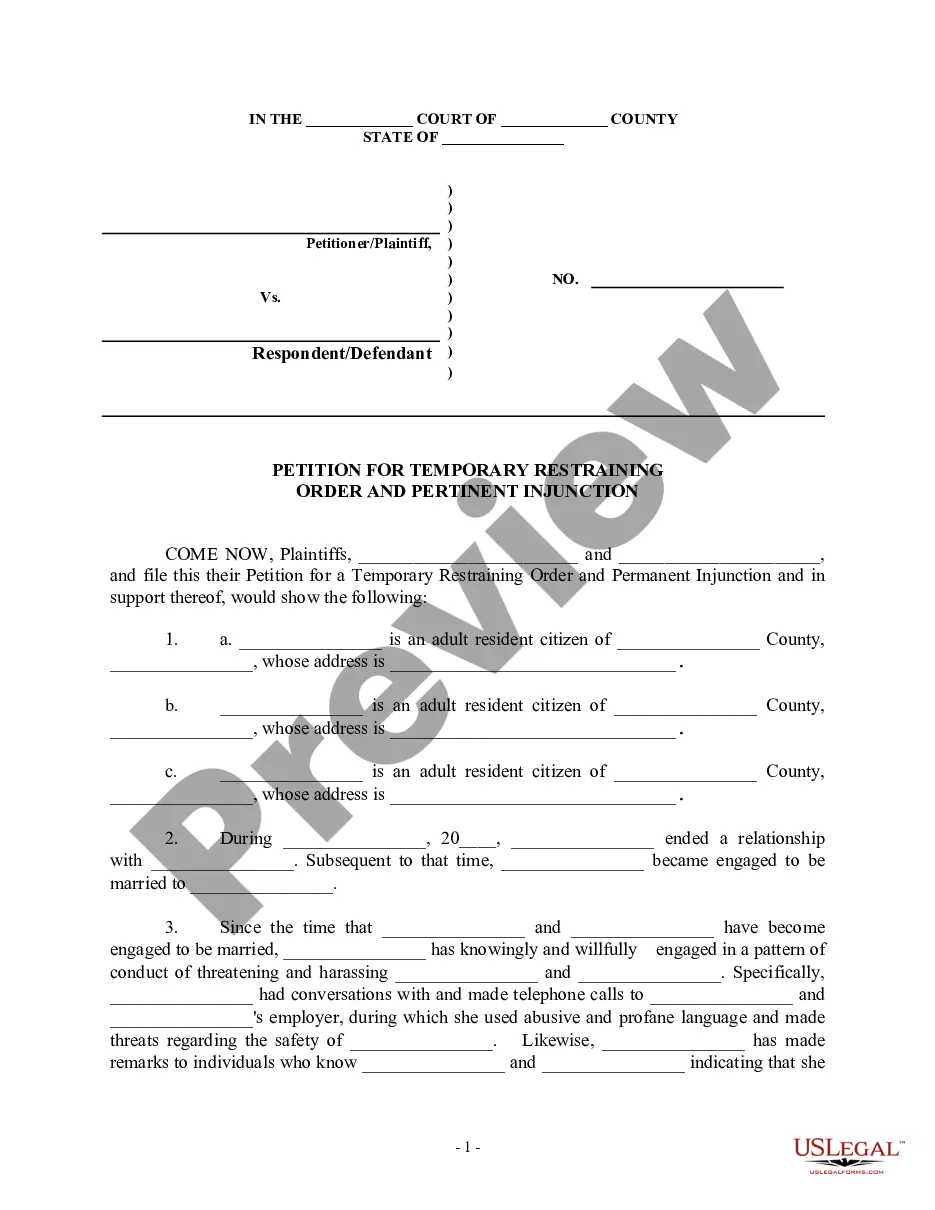

Get your form ready online
Our built-in tools help you complete, sign, share, and store your documents in one place.
Make edits, fill in missing information, and update formatting in US Legal Forms—just like you would in MS Word.
Download a copy, print it, send it by email, or mail it via USPS—whatever works best for your next step.
Sign and collect signatures with our SignNow integration. Send to multiple recipients, set reminders, and more. Go Premium to unlock E-Sign.
If this form requires notarization, complete it online through a secure video call—no need to meet a notary in person or wait for an appointment.
We protect your documents and personal data by following strict security and privacy standards.

Make edits, fill in missing information, and update formatting in US Legal Forms—just like you would in MS Word.

Download a copy, print it, send it by email, or mail it via USPS—whatever works best for your next step.

Sign and collect signatures with our SignNow integration. Send to multiple recipients, set reminders, and more. Go Premium to unlock E-Sign.

If this form requires notarization, complete it online through a secure video call—no need to meet a notary in person or wait for an appointment.

We protect your documents and personal data by following strict security and privacy standards.
Looking for another form?






How to fill out Sample Brief - Injunction?
Management of legal documents can be daunting, even for seasoned professionals.
When seeking a Court Injunction Preliminary Withdrawal and lacking the time to seek the suitable and current version, the processes may be challenging.
US Legal Forms enables you to.
Access a valuable repository of articles, manuals, and resources pertinent to your circumstances and needs.
Ensure that the template is sanctioned in your state or county and select Buy Now when you are prepared.
- Save time and energy searching for the documents you require, and take advantage of US Legal Forms’ sophisticated search and Review tool to locate and obtain Court Injunction Preliminary Withdrawal.
- For those holding a monthly subscription, Log In to your US Legal Forms account, search for the form, and retrieve it.
- Visit the My documents tab to review the documents you've previously downloaded and manage your folders as needed.
- If you are new to US Legal Forms, establish a complimentary account for unrestricted access to the entirety of the library’s advantages.
- After obtaining the required form, verify its accuracy by previewing and examining its details.
- Utilize a robust online form repository to streamline these matters effectively.
- US Legal Forms is a leading provider of online legal documents, offering more than 85,000 state-specific legal forms accessible at any moment.
- Leverage advanced tools to fulfill and oversee your Court Injunction Preliminary Withdrawal.
Form popularity
FAQ
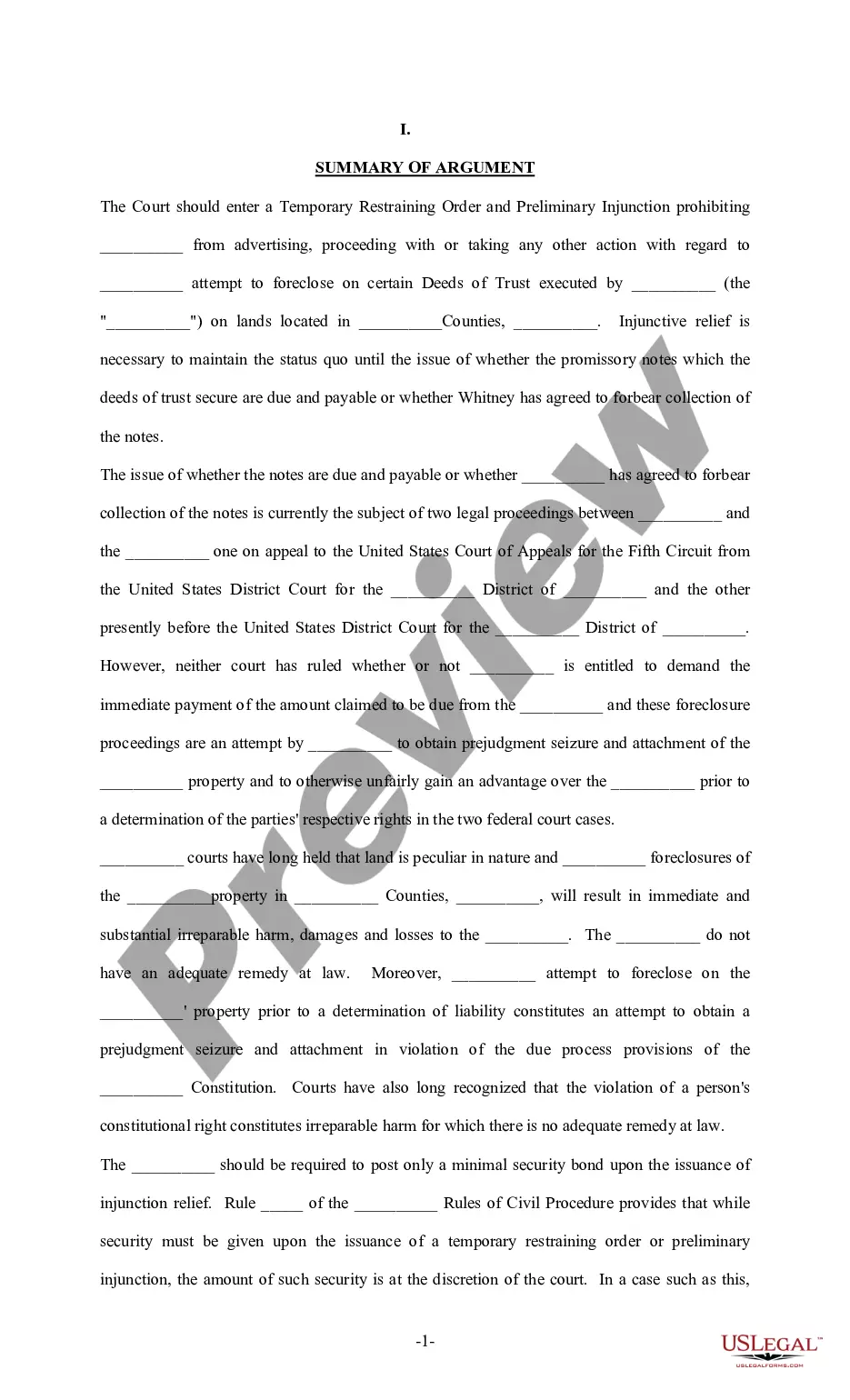
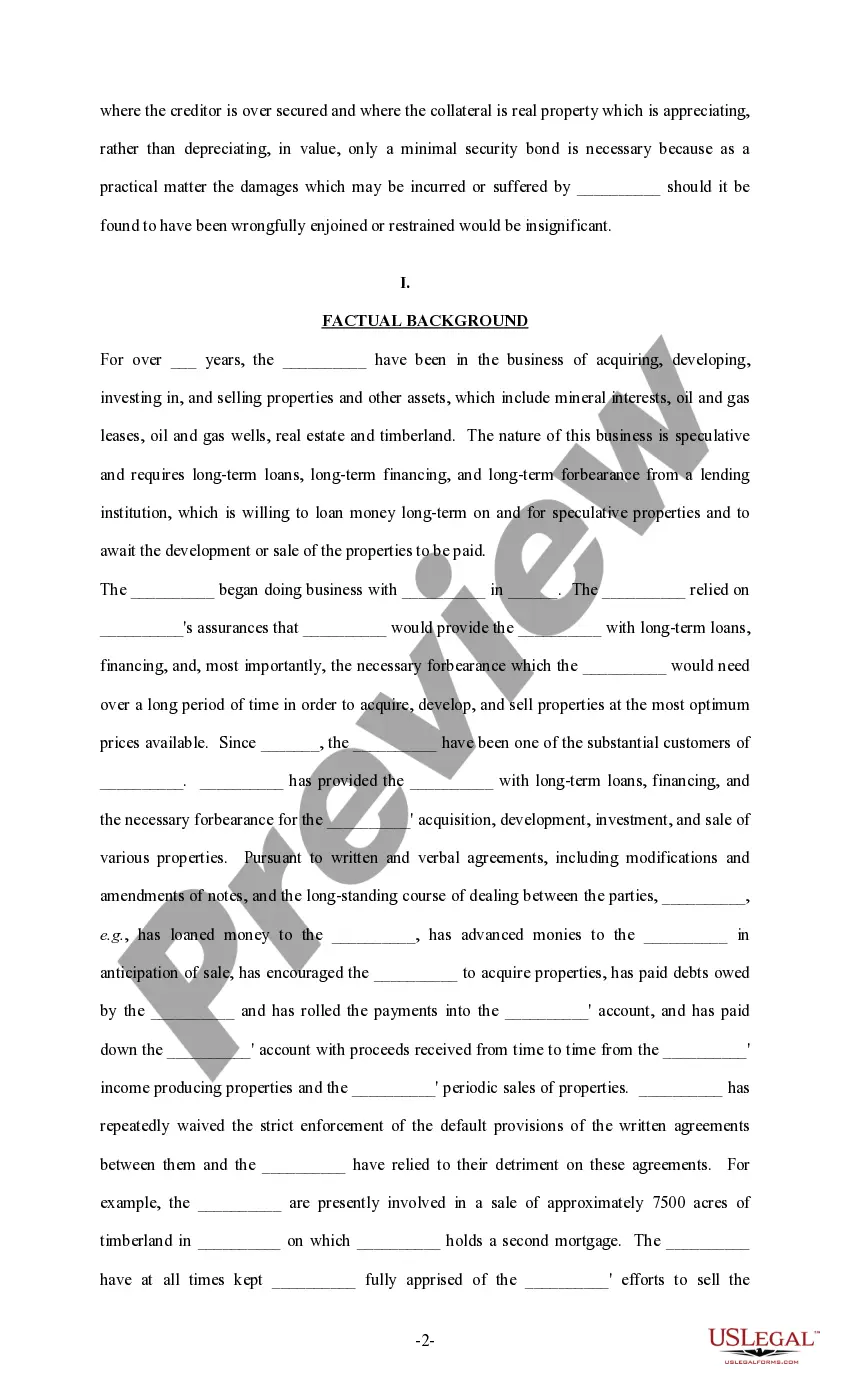
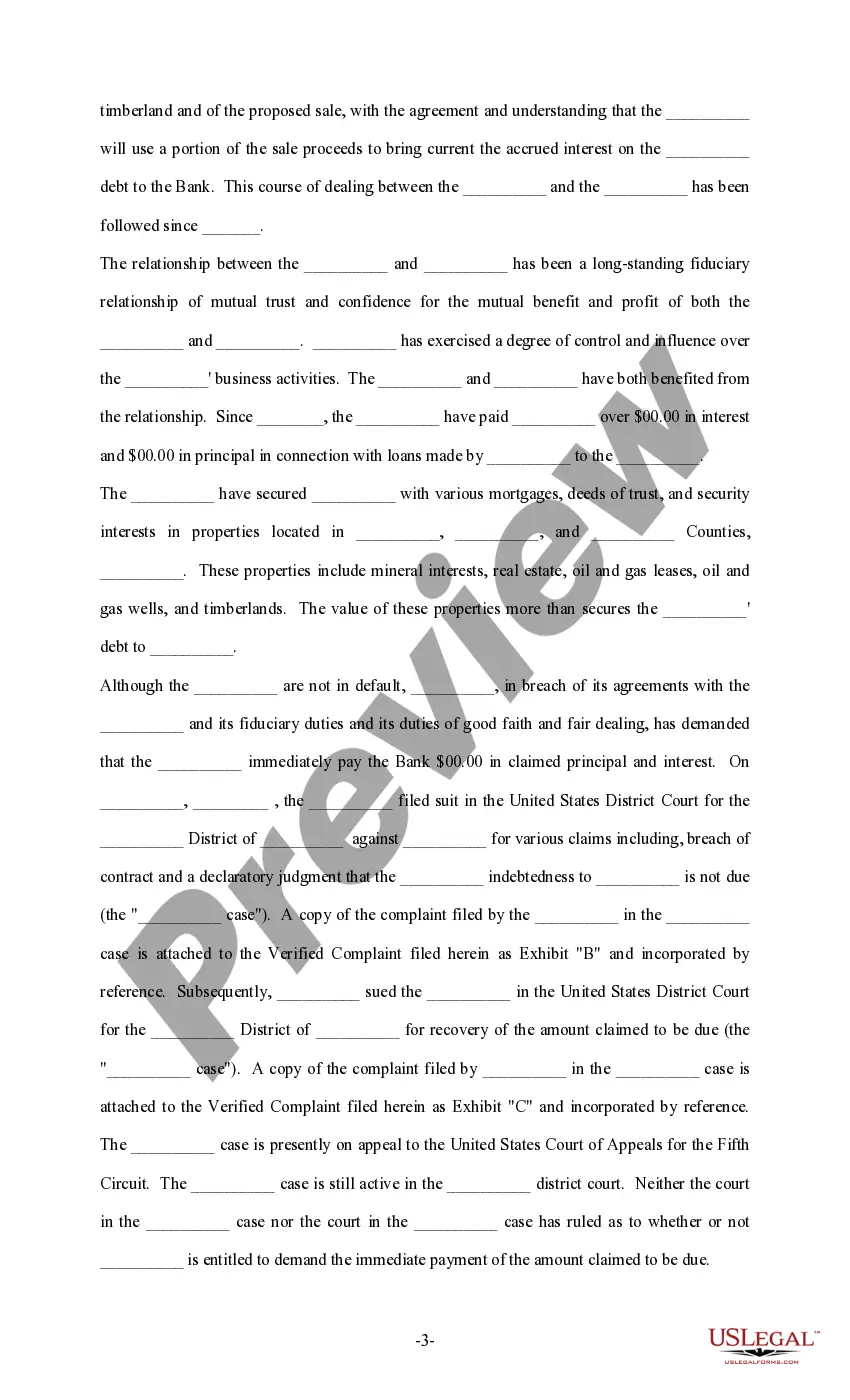
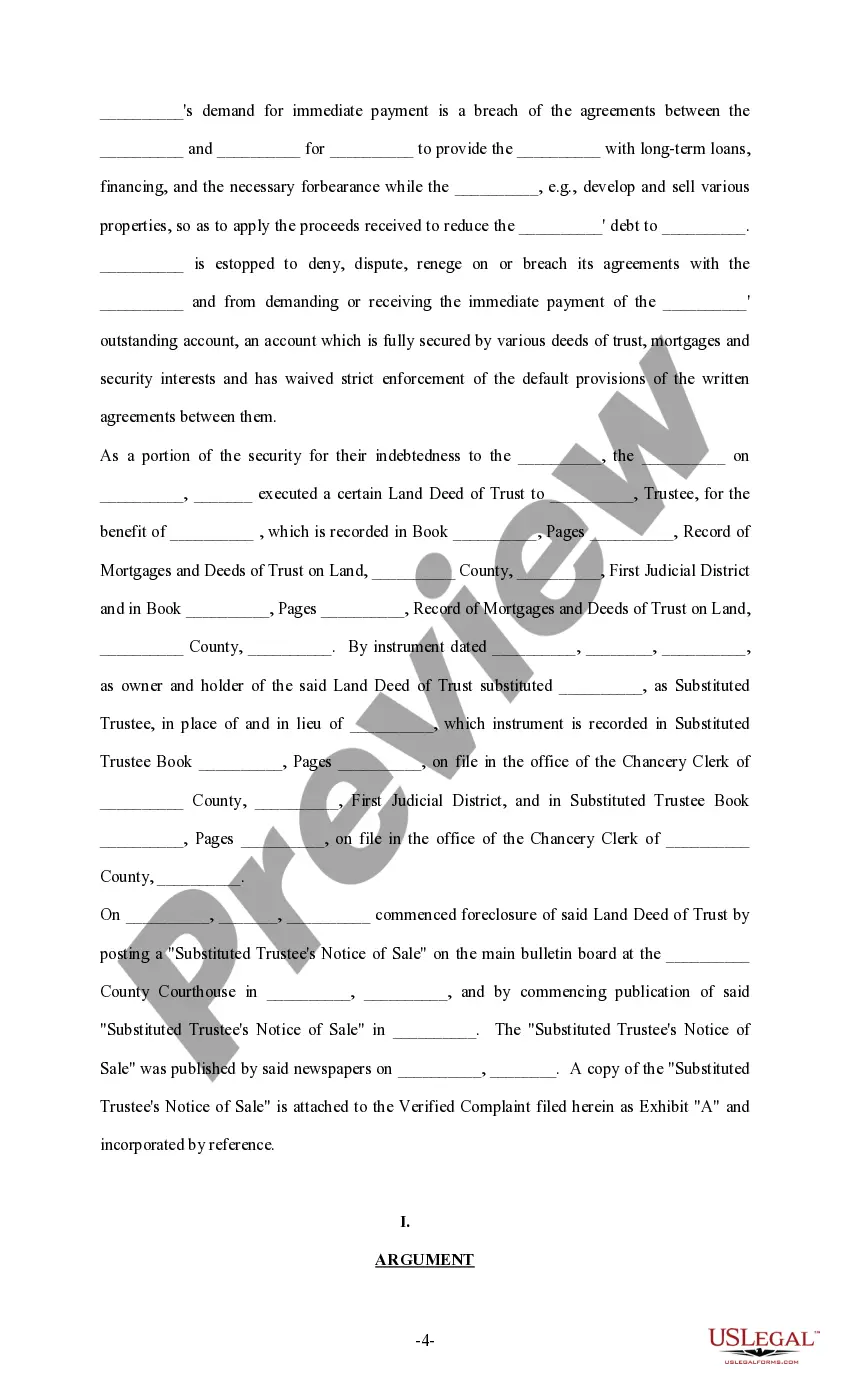
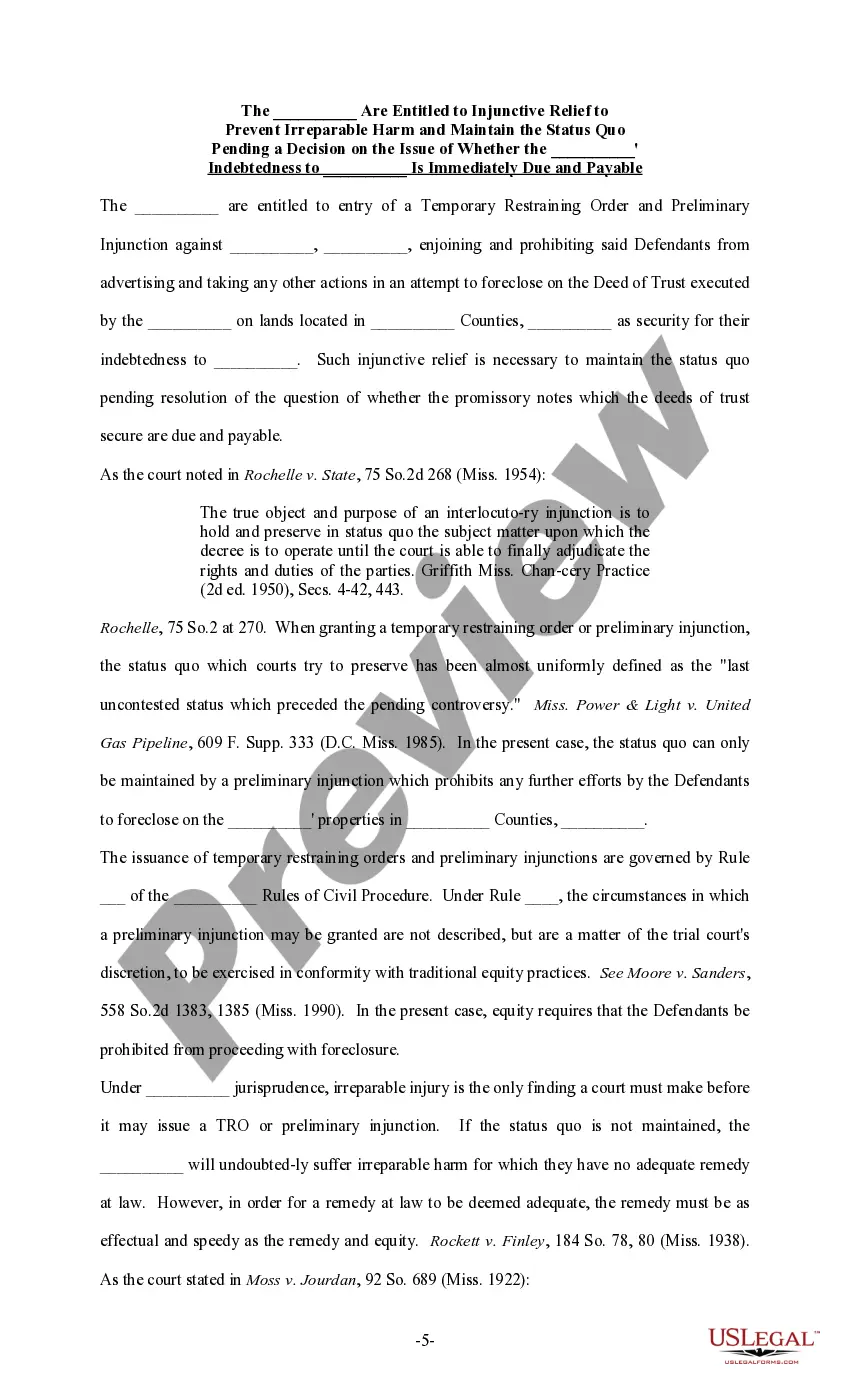
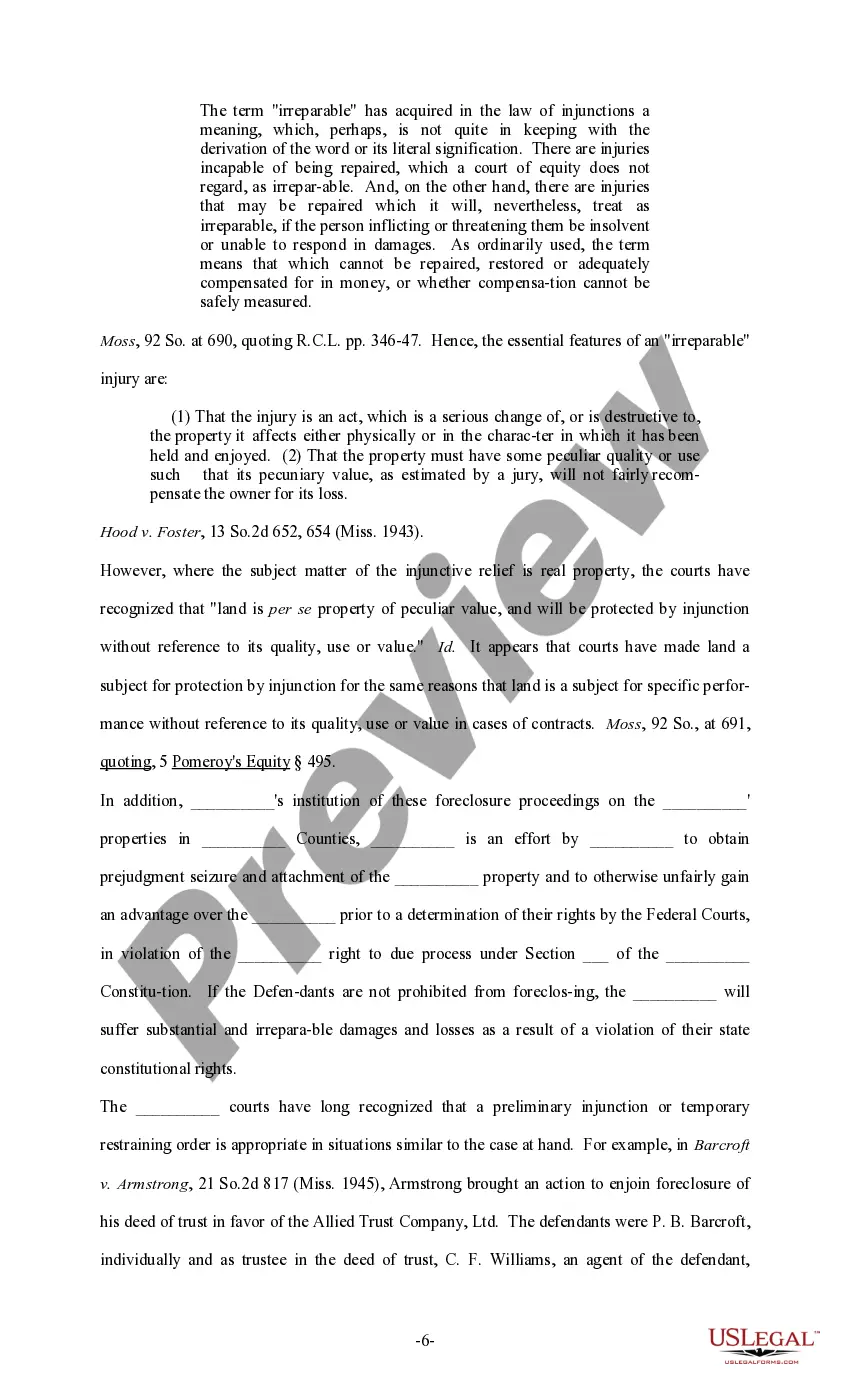
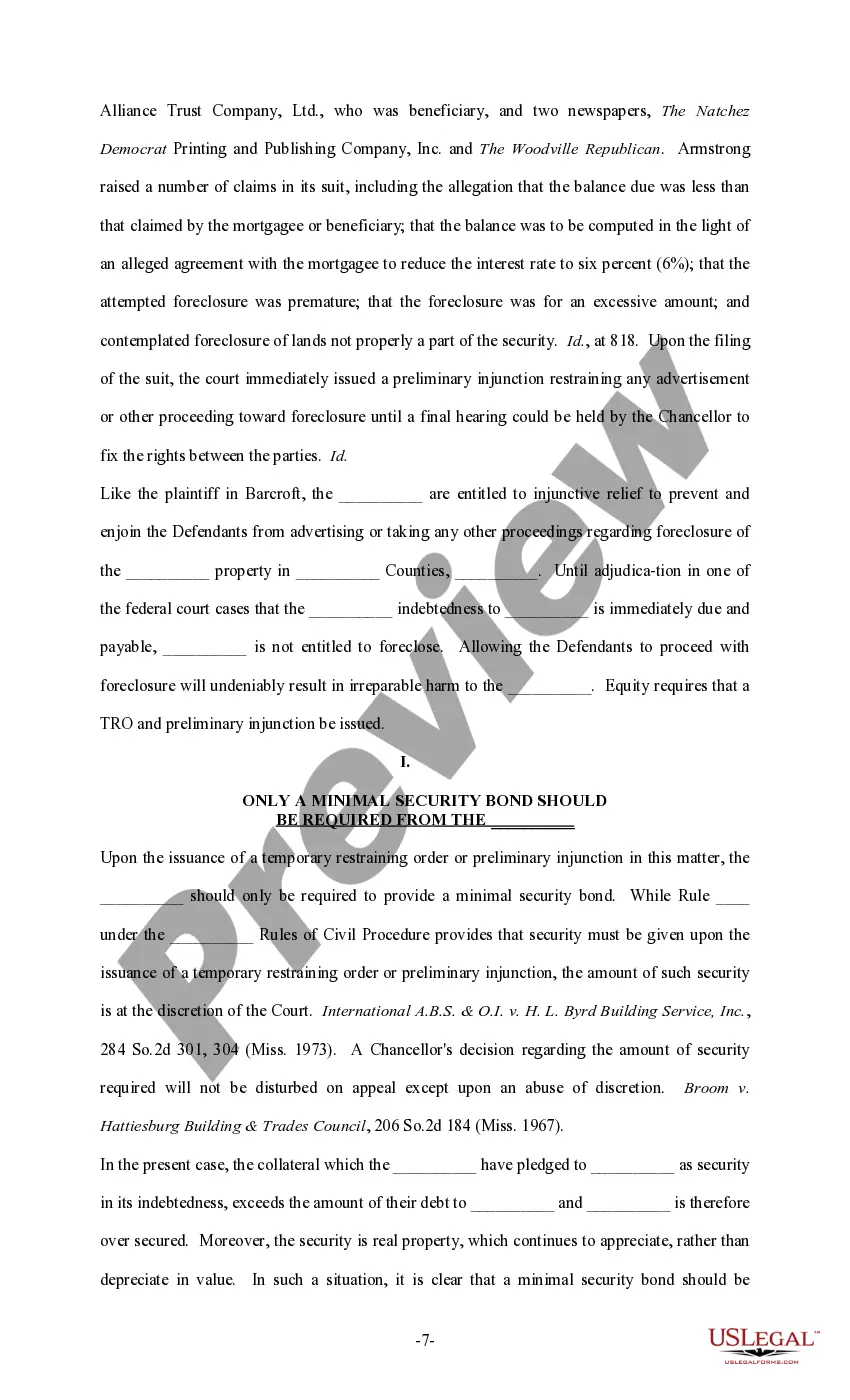
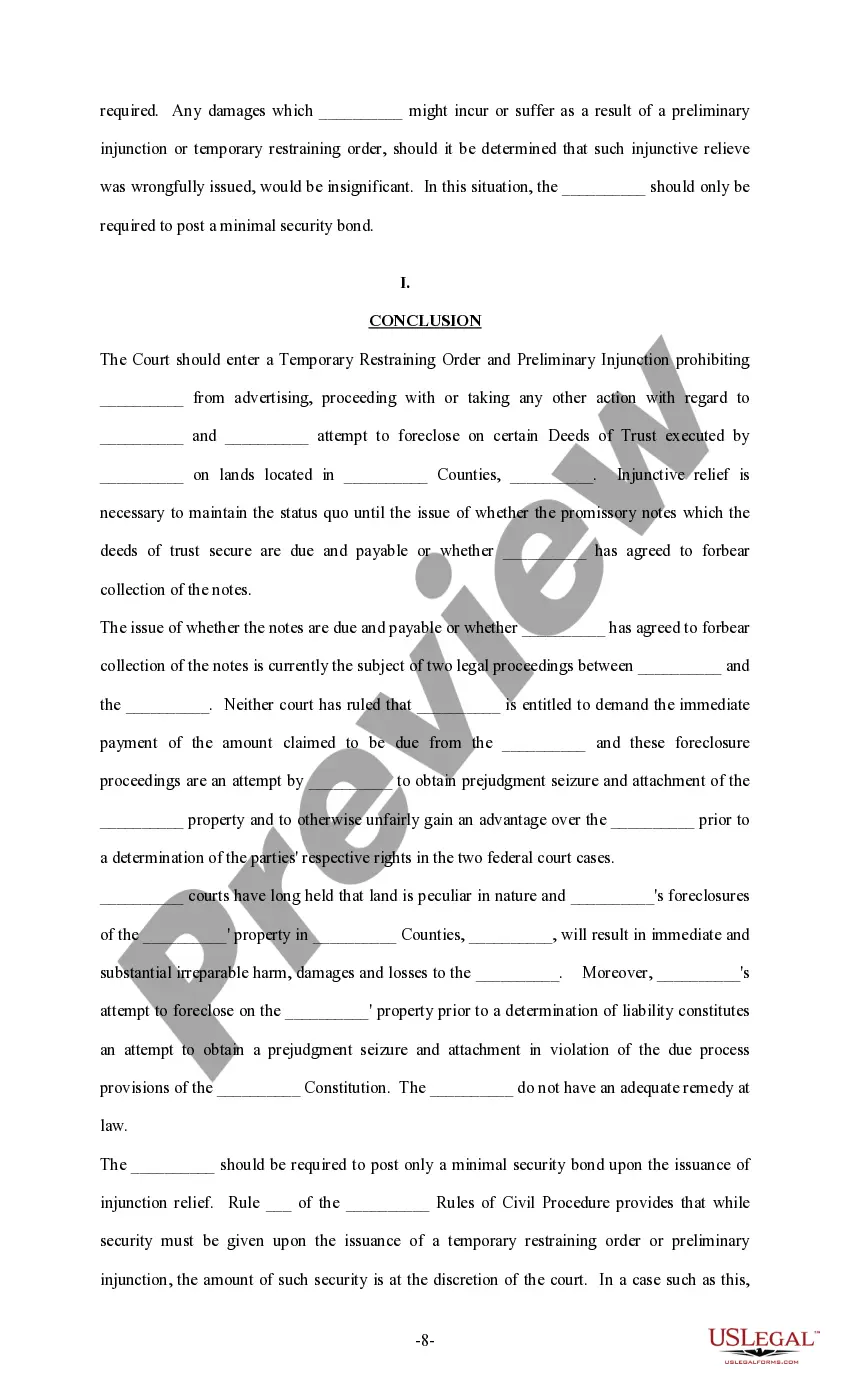
Preliminary injunctions are commonly used in a variety of legal cases, including business disputes, intellectual property cases, and family law matters. They are especially prevalent where there is a risk of irreversible damage or significant complications if immediate action is not taken. You can explore solutions for your specific case through platforms like uslegalforms, which provide essential resources and guidance for initiating a court injunction preliminary withdrawal.
A preliminary injunction typically lasts until the court can make its final ruling on the matter. This could range from a few weeks to several months, depending on the complexity of the case. It is important to understand that a court injunction preliminary withdrawal remains in effect as long as necessary to protect the affected party's rights during the legal process.
A preliminary injunction is used to protect a party’s interests before the final resolution of a case. It is often sought in situations where immediate action is necessary to prevent harm, such as stopping the sale of a property or enjoining harmful behaviors. Using a court injunction preliminary withdrawal can help address urgent issues effectively, offering a temporary remedy while the case moves forward.
The purpose of a preliminary injunction is to maintain the status quo between parties while a legal case is pending. It prevents either party from taking actions that could cause irreparable harm or diminish the subject matter of the dispute. By obtaining a court injunction preliminary withdrawal, a party can ensure that any potential harm is mitigated until the court reaches a final decision.
To get an injunction dropped, you typically need to file a motion in court asking for a court injunction preliminary withdrawal. This motion should clearly explain why the injunction is no longer necessary or justifiable. Working with a legal expert can make this process smoother and increase your chances of a favorable outcome.
Yes, a court injunction can be vacated if a party can demonstrate that the circumstances justifying the injunction have changed. The process often involves filing a motion with the court, and it's wise to consult a legal professional for guidance on how to proceed effectively. Understanding the grounds for vacating an injunction can help you navigate this complex area of law.
A court injunction can impose significant limitations on a party’s actions, often leading to frustration and disruption. Additionally, obtaining a court injunction preliminary withdrawal can be time-consuming and costly, requiring legal expertise. It's essential to consider these drawbacks before pursuing an injunction, as they can affect both parties involved.
Winning a preliminary injunction requires careful preparation and a strong argument. You must clearly present evidence showing the necessity of a court injunction preliminary withdrawal, including details about the potential harm you face. It's also beneficial to highlight how the requested injunction serves the public interest. Using tools and templates available on platforms like USLegalForms can assist you in crafting a compelling case.
The burden of proof for a preliminary injunction lies with the plaintiff, who must establish their case by a preponderance of the evidence. This means they need to show that it is more likely than not that they will succeed in their underlying claim. This standard is crucial when seeking a court injunction preliminary withdrawal, as the court must be convinced of the merits of the case.
To succeed in obtaining a preliminary injunction, a plaintiff must demonstrate a likelihood of success on the merits of their case. Additionally, they must show that they will suffer irreparable harm without the injunction, and that the balance of harms weighs in their favor. Lastly, the public interest must not be harmed by granting the injunction. Understanding these elements is critical for anyone pursuing a court injunction preliminary withdrawal.