Case Brief For Mapp V. Ohio
Description
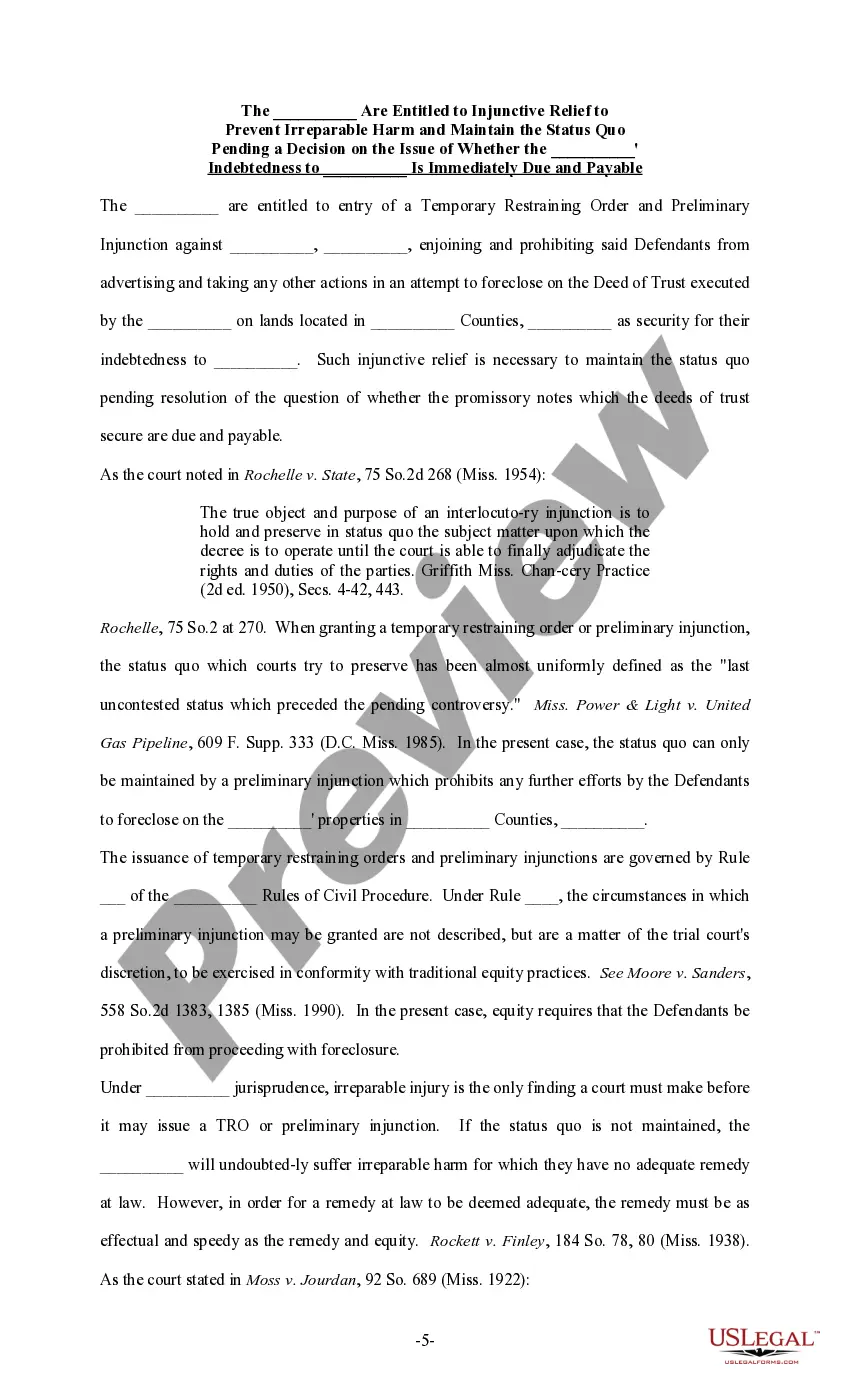
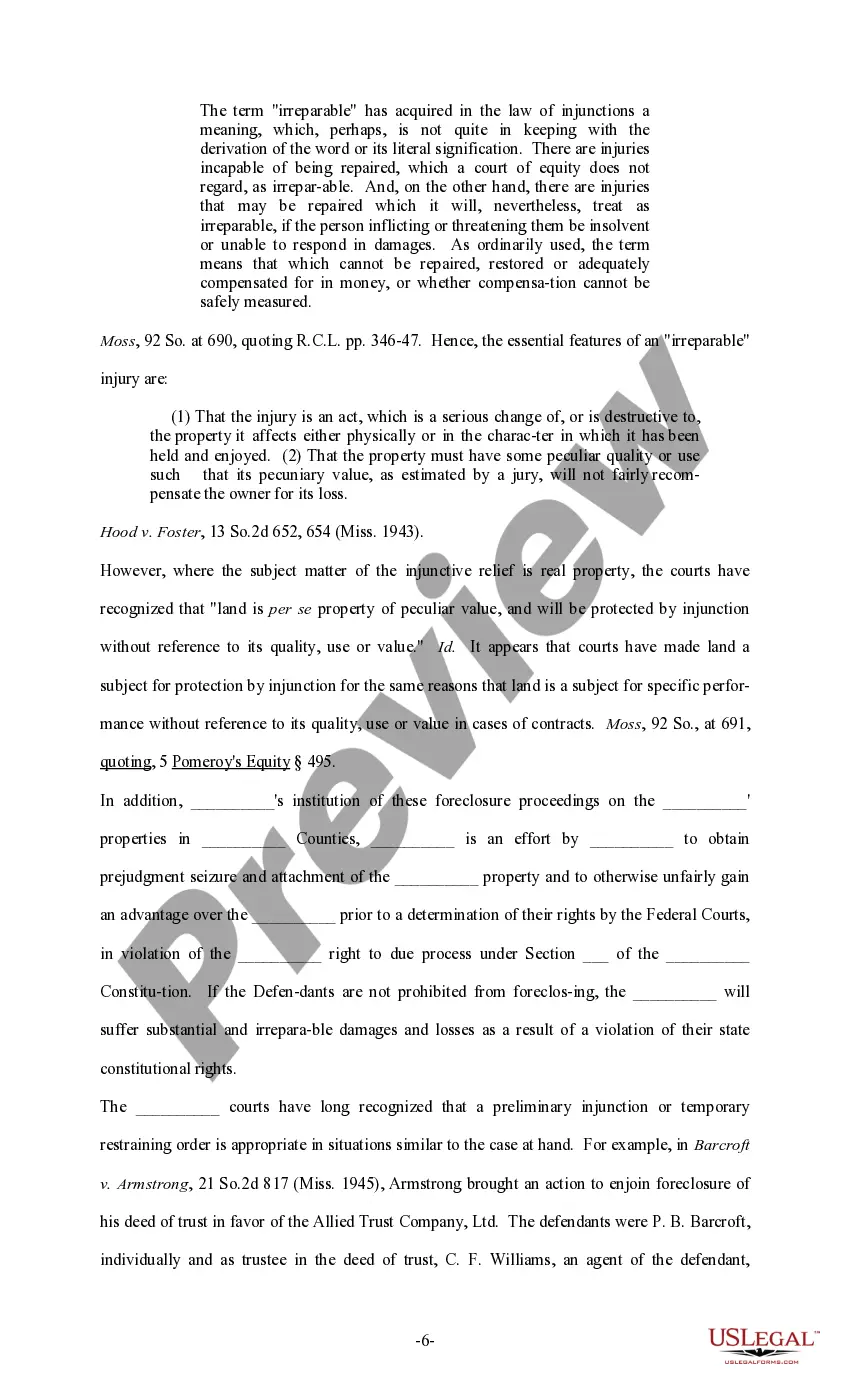
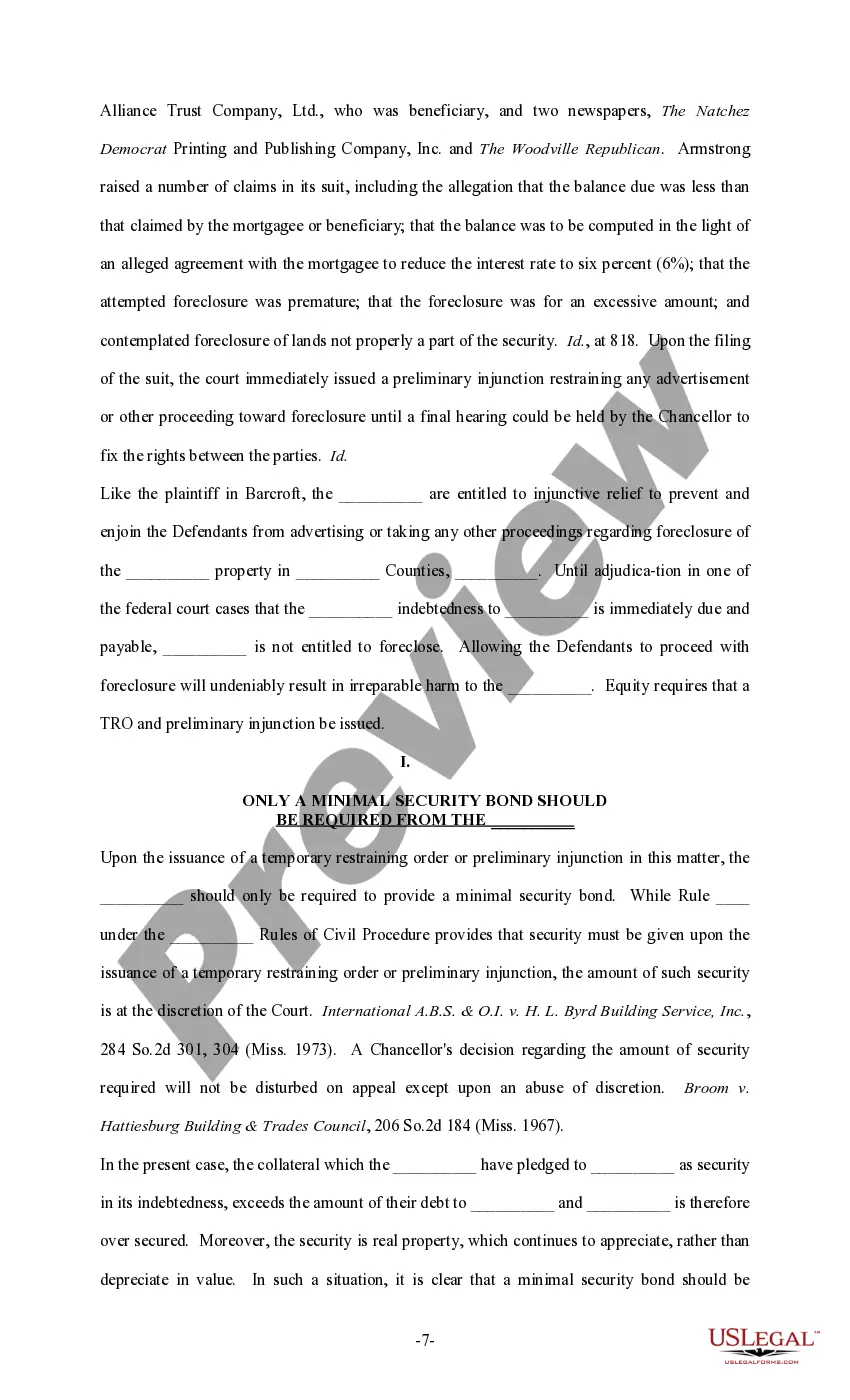
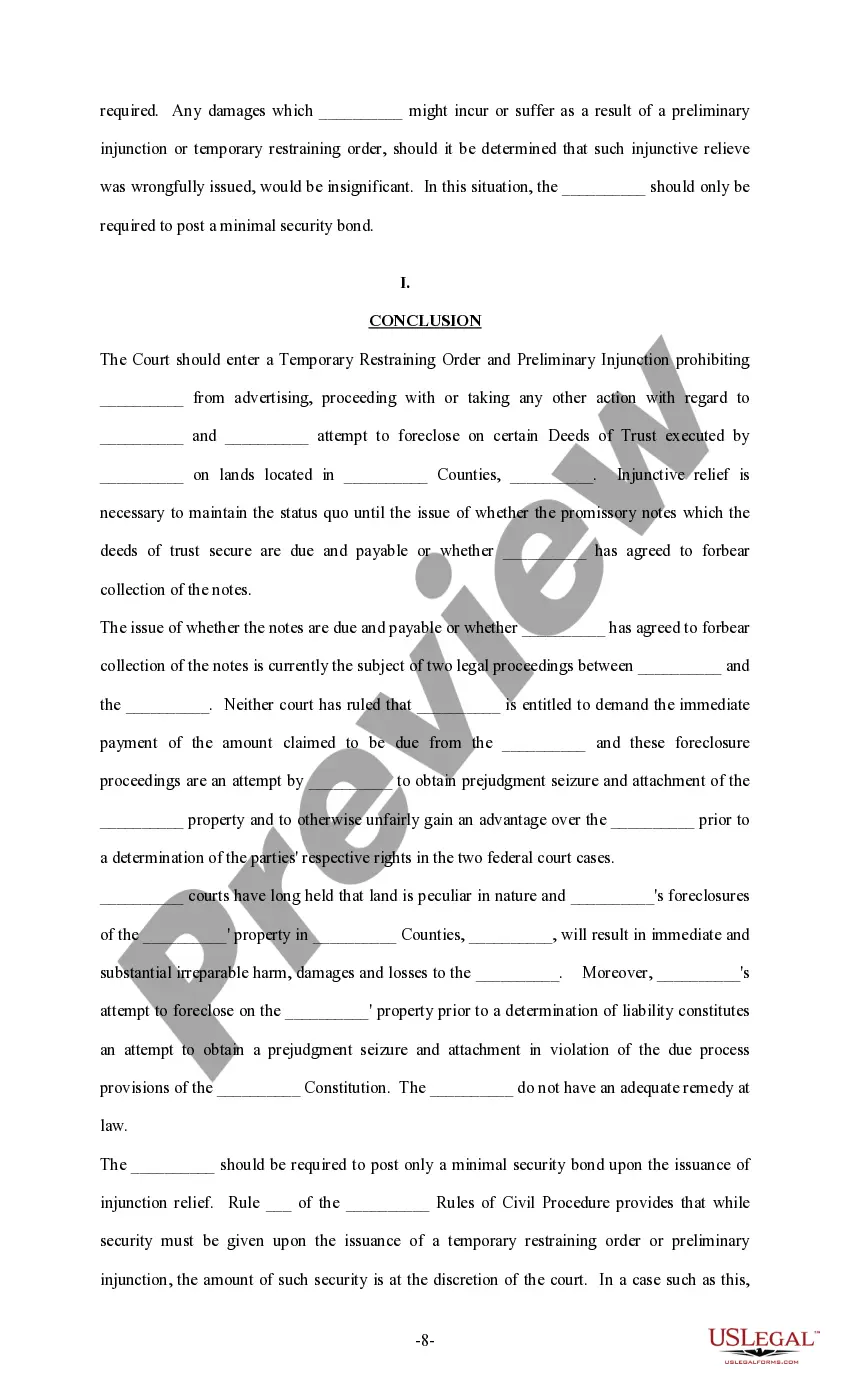

Get your form ready online
Our built-in tools help you complete, sign, share, and store your documents in one place.
Make edits, fill in missing information, and update formatting in US Legal Forms—just like you would in MS Word.
Download a copy, print it, send it by email, or mail it via USPS—whatever works best for your next step.
Sign and collect signatures with our SignNow integration. Send to multiple recipients, set reminders, and more. Go Premium to unlock E-Sign.
If this form requires notarization, complete it online through a secure video call—no need to meet a notary in person or wait for an appointment.
We protect your documents and personal data by following strict security and privacy standards.

Make edits, fill in missing information, and update formatting in US Legal Forms—just like you would in MS Word.

Download a copy, print it, send it by email, or mail it via USPS—whatever works best for your next step.

Sign and collect signatures with our SignNow integration. Send to multiple recipients, set reminders, and more. Go Premium to unlock E-Sign.

If this form requires notarization, complete it online through a secure video call—no need to meet a notary in person or wait for an appointment.

We protect your documents and personal data by following strict security and privacy standards.
Looking for another form?







How to fill out Sample Brief - Injunction?
Finding a go-to location to obtain the most up-to-date and pertinent legal templates is half the challenge of navigating bureaucracy.
Selecting the appropriate legal documents requires precision and attention to detail, which is why it is crucial to gather examples of Case Brief For Mapp V. Ohio exclusively from credible sources, such as US Legal Forms.
Eliminate the stress associated with your legal paperwork. Explore the extensive US Legal Forms catalog where you can locate legal templates, assess their suitability for your situation, and download them immediately.
- Use the catalog navigation or search functionality to find your template.
- Review the form’s description to determine if it meets the standards of your state and county.
- Open the form preview, if available, to confirm that the form aligns with your interest.
- Return to the search to locate the appropriate template if the Case Brief For Mapp V. Ohio does not cater to your needs.
- Once you are certain about the form’s applicability, download it.
- If you are a registered user, click Log in to verify and access your selected forms in My documents.
- If you do not have an account yet, click Buy now to obtain the template.
- Choose the pricing option that matches your requirements.
- Proceed to register to complete your purchase.
- Conclude your purchase by selecting a payment method (credit card or PayPal).
- Select the file format for downloading Case Brief For Mapp V. Ohio.
- After obtaining the form on your device, you can edit it using the editor or print it and complete it manually.
Form popularity
FAQ
The benefits of Mapp v. Ohio extend far beyond the original case, enhancing legal protections for individuals against unlawful searches. The case brief for Mapp v. Ohio established clearer guidelines on evidence admissibility, ensuring that individuals can trust that their rights are upheld. This ruling bolstered public confidence in the justice system and encouraged stricter adherence to constitutional protections by law enforcement.
The issue in Mapp v. Ohio revolved around whether evidence obtained through an unlawful search could be used in state courts. The case brief for Mapp v. Ohio highlighted the conflict between individual rights and law enforcement practices. Ultimately, this case resulted in a landmark decision reinforcing the necessity of adhering to constitutional protections.
The case brief for Mapp v. Ohio introduced a critical rule regarding illegally seized evidence: the exclusionary rule. This rule dictates that evidence obtained in violation of the Fourth Amendment cannot be admitted in court. This landmark ruling created a significant precedent that safeguards citizens' rights by curtailing illegal search practices.
The case brief for Mapp v. Ohio had a profound impact on U.S. law by establishing the exclusionary rule at the state level. This ruling meant that evidence obtained through illegal searches could not be used in court. As a result, it strengthened the Fourth Amendment rights of citizens against unreasonable searches by law enforcement.
Due process is a core principle reflected in Mapp v. Ohio, where the Court affirmed that the government must follow legal procedures when conducting searches. This protection ensures that individuals are not deprived of their rights without fair legal processes. The case brief for Mapp v. Ohio illustrates how due process safeguards citizens against arbitrary actions by the state.
The exclusionary rule landmark case is Mapp v. Ohio. This case confirmed that illegally obtained evidence cannot be used in court, reinforcing the rights of defendants. Consequently, the case brief for Mapp v. Ohio serves as a fundamental reference for understanding legal standards regarding evidence and due process.
Yes, Mapp v. Ohio is considered a significant case law in American legal history. It established crucial legal precedents regarding the exclusionary rule and the protections offered by the Fourth Amendment. Understanding the case brief for Mapp v. Ohio allows individuals to grasp its long-lasting impact on legal practices in the United States.
The U.S. Supreme Court case that established the exclusionary rule was Mapp v. Ohio. This pivotal decision determined that evidence obtained in violation of the Fourth Amendment could not be used in state courts. By advocating for the protection of individual rights, the case brief for Mapp v. Ohio highlights the importance of lawful search and seizure.
The Supreme Court case that significantly addresses the Fourth Amendment is Mapp v. Ohio. This case is crucial as it reinforces how the Fourth Amendment protects against unreasonable searches and seizures. The ruling in Mapp v. Ohio closely ties the application of this amendment to state courts, marking an important advancement for individual rights. Understanding this case helps illustrate the broader implications of the Fourth Amendment in American law.
The docket number for Mapp v. Ohio is 236. This number is used to identify the case in legal contexts and is vital for referencing this important Supreme Court decision. It helps legal professionals and researchers quickly locate details surrounding the case and its implications. If you're exploring the case brief for Mapp v. Ohio further, checking its docket number is an essential step.