Mutual Release Agreement For Real Estate
Description
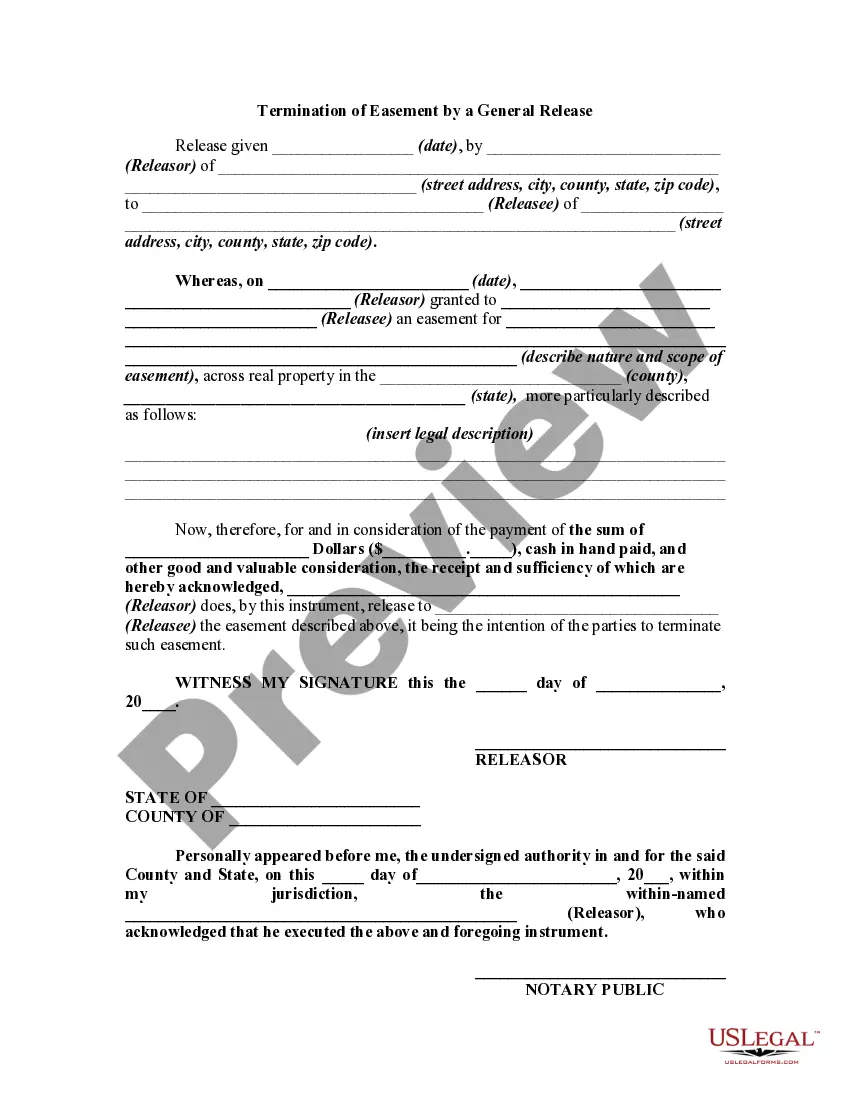
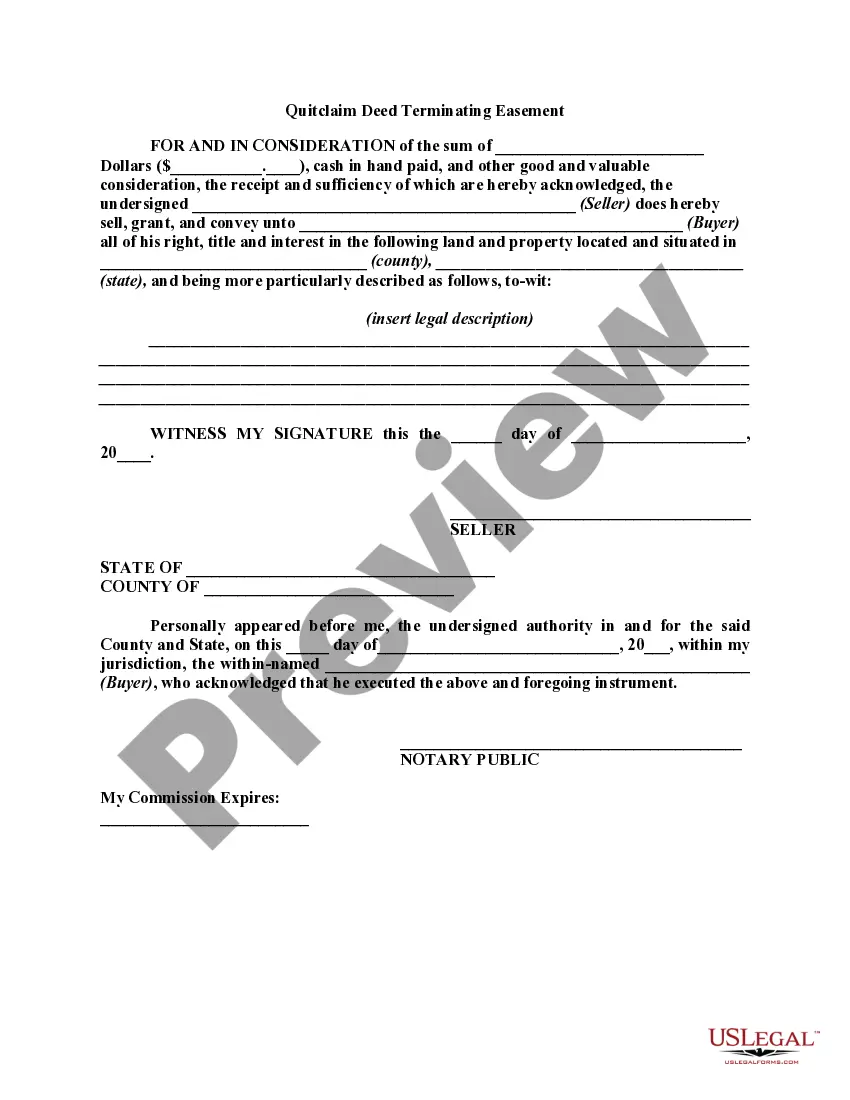

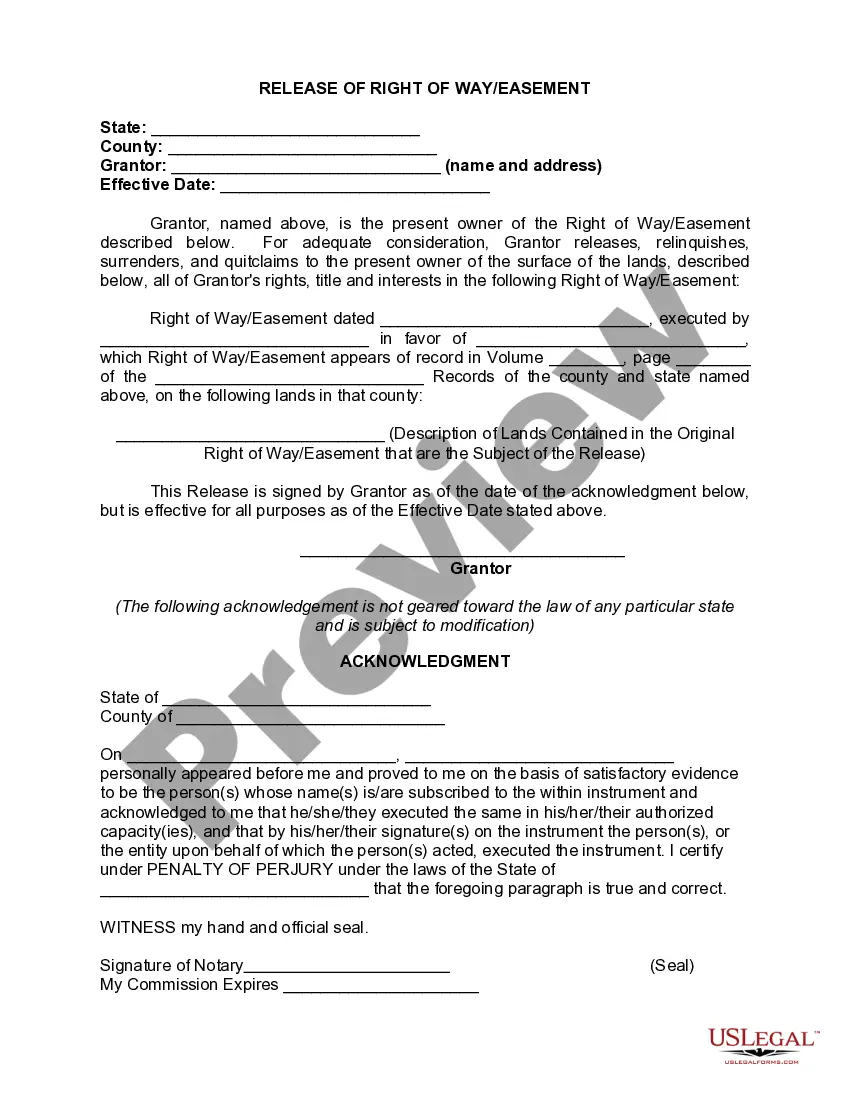
Get your form ready online
Our built-in tools help you complete, sign, share, and store your documents in one place.
Make edits, fill in missing information, and update formatting in US Legal Forms—just like you would in MS Word.
Download a copy, print it, send it by email, or mail it via USPS—whatever works best for your next step.
Sign and collect signatures with our SignNow integration. Send to multiple recipients, set reminders, and more. Go Premium to unlock E-Sign.
If this form requires notarization, complete it online through a secure video call—no need to meet a notary in person or wait for an appointment.
We protect your documents and personal data by following strict security and privacy standards.

Make edits, fill in missing information, and update formatting in US Legal Forms—just like you would in MS Word.

Download a copy, print it, send it by email, or mail it via USPS—whatever works best for your next step.

Sign and collect signatures with our SignNow integration. Send to multiple recipients, set reminders, and more. Go Premium to unlock E-Sign.

If this form requires notarization, complete it online through a secure video call—no need to meet a notary in person or wait for an appointment.

We protect your documents and personal data by following strict security and privacy standards.
Looking for another form?






How to fill out Terminating Or Termination Of Easement By A General Release?
Whether for commercial reasons or for personal matters, everyone must deal with legal circumstances at some point in their lives.
Filling out legal documents demands meticulous consideration, starting with choosing the appropriate form template.
Once downloaded, you can either complete the form using editing software or print it out and complete it manually. With an extensive catalog from US Legal Forms at your disposal, you don’t have to waste time searching for the suitable template across the internet. Utilize the library’s user-friendly navigation to discover the correct form for any situation.
- Acquire the template you require by utilizing the search bar or catalog browsing.
- Review the form's details to ensure it aligns with your situation, jurisdiction, and locality.
- Click on the form's preview to view it.
- If it is the wrong document, return to the search function to locate the Mutual Release Agreement For Real Estate template you need.
- Download the file when it corresponds to your specifications.
- If you already possess a US Legal Forms account, simply click Log in to access previously saved documents in My documents.
- If you do not have an account yet, you can obtain the form by clicking Buy now.
- Select the appropriate pricing option.
- Fill out the profile registration form.
- Select your payment method: you can utilize a credit card or PayPal account.
- Choose the document format you desire and download the Mutual Release Agreement For Real Estate.
Form popularity
FAQ
A mutual release form in real estate is a legal document that allows both parties to terminate their contractual obligations without any further claims. This form is typically used when a transaction does not proceed as planned, and it serves to protect both parties from future disputes. Using a mutual release agreement for real estate can simplify the process of ending a contract amicably.
Common mistakes in mutual release agreements for real estate include leaving out essential details, such as the names of the parties or property description. Additionally, failing to include a clear statement of intent can lead to confusion. It's also important to ensure all parties sign and date the document. To reduce mistakes, consider using templates from US Legal Forms, which offer guidance and checklists.
Filling out a release form starts with identifying the parties involved and the specific obligations they are releasing. Clearly state the terms of the release, including any conditions that apply. Ensure all parties sign the form to validate it. Utilizing US Legal Forms can provide you with a structured format to help avoid errors.
A mutual release clause in a contract specifies that both parties agree to release each other from any future claims related to the agreement. For instance, it may state that upon signing, neither party can pursue legal action regarding any disputes arising from the contract. This clause is essential in a mutual release agreement for real estate to protect both parties.
Writing a mutual release agreement for real estate involves clearly stating the intent of both parties to release each other from any claims. Begin with the names of the parties and the property involved. Then, outline the reasons for the release, and ensure both parties sign the document. For ease and accuracy, consider using templates available on US Legal Forms.
To fill out a mutual release agreement for real estate, start by entering the names of both parties involved. Next, specify the property details and the terms of the release. Finally, both parties should sign and date the form to make it enforceable. Using a reliable platform like US Legal Forms can help guide you through this process with templates and examples.
A mutual release agreement for real estate is a document that both parties sign to release each other from obligations under a contract. For example, if a buyer and seller decide not to proceed with a property transaction, they may use a mutual release to formally cancel the agreement. This ensures that neither party can make claims against the other in the future regarding that transaction.
A mutual release agreement in real estate is a legal document that allows all parties involved in a transaction to release each other from any claims or obligations arising from the agreement. This document is particularly useful when a deal falls through, as it provides a clear path for both sides to move forward without lingering liabilities. By utilizing a mutual release agreement for real estate, you can ensure that everyone walks away from the transaction with peace of mind. For those seeking an efficient way to draft this agreement, the US Legal Forms platform offers tailored solutions to meet your needs.
A mutual agreement in real estate refers to a consensus reached between two or more parties regarding the terms and conditions of a property transaction. This agreement ensures that all involved parties are on the same page and agree to the obligations outlined in the contract. By establishing clear expectations, a mutual agreement helps prevent disputes and fosters smooth transactions. When you consider a mutual release agreement for real estate, you are taking an essential step in clarifying responsibilities and rights.