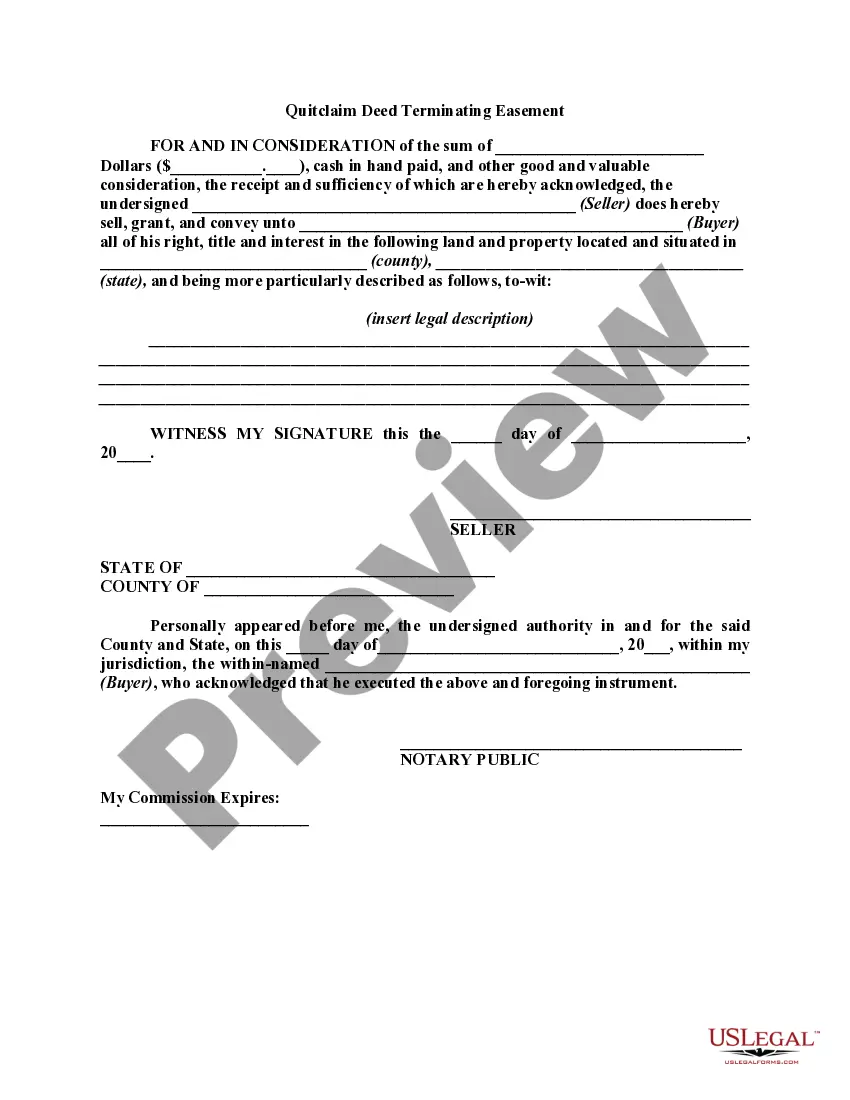
Release Of Easement Form California
Description
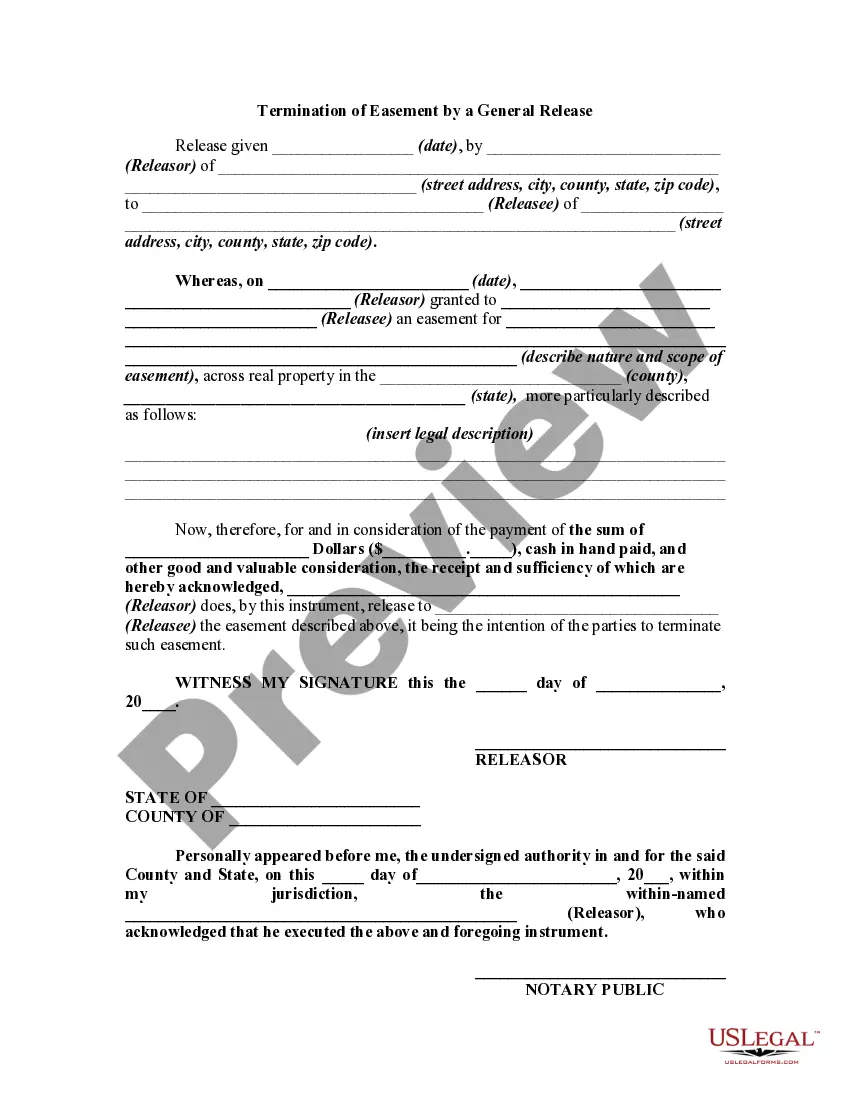
Get your form ready online
Our built-in tools help you complete, sign, share, and store your documents in one place.
Make edits, fill in missing information, and update formatting in US Legal Forms—just like you would in MS Word.
Download a copy, print it, send it by email, or mail it via USPS—whatever works best for your next step.
Sign and collect signatures with our SignNow integration. Send to multiple recipients, set reminders, and more. Go Premium to unlock E-Sign.
If this form requires notarization, complete it online through a secure video call—no need to meet a notary in person or wait for an appointment.
We protect your documents and personal data by following strict security and privacy standards.

Make edits, fill in missing information, and update formatting in US Legal Forms—just like you would in MS Word.

Download a copy, print it, send it by email, or mail it via USPS—whatever works best for your next step.

Sign and collect signatures with our SignNow integration. Send to multiple recipients, set reminders, and more. Go Premium to unlock E-Sign.

If this form requires notarization, complete it online through a secure video call—no need to meet a notary in person or wait for an appointment.

We protect your documents and personal data by following strict security and privacy standards.
Looking for another form?
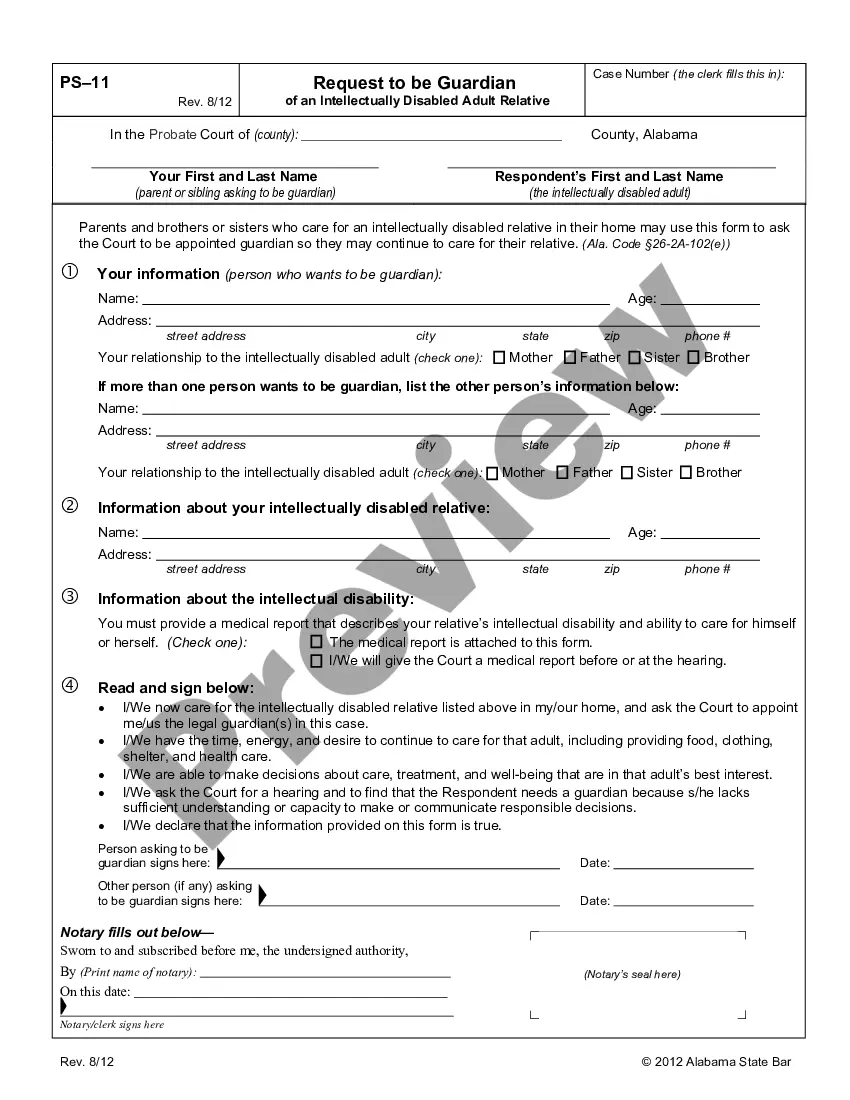
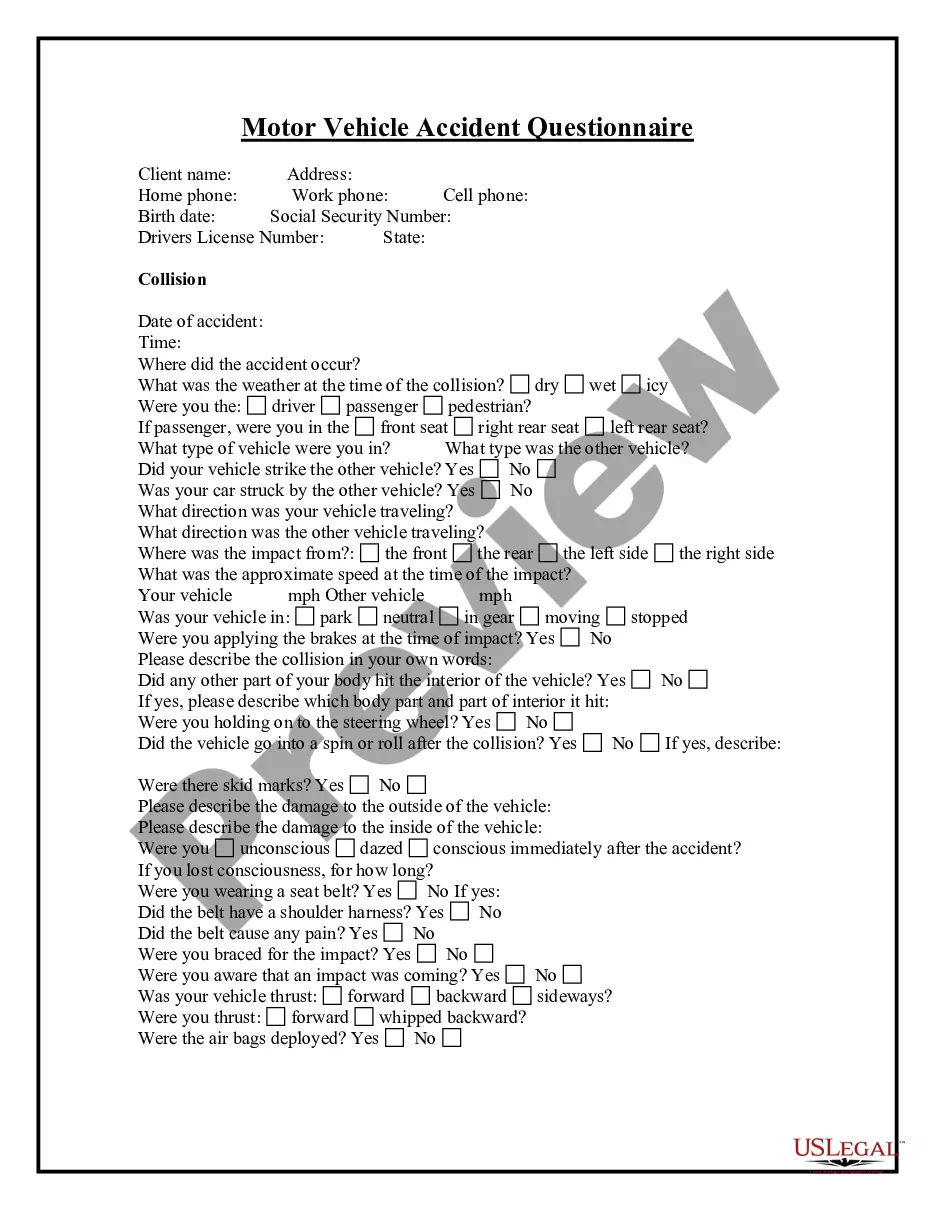
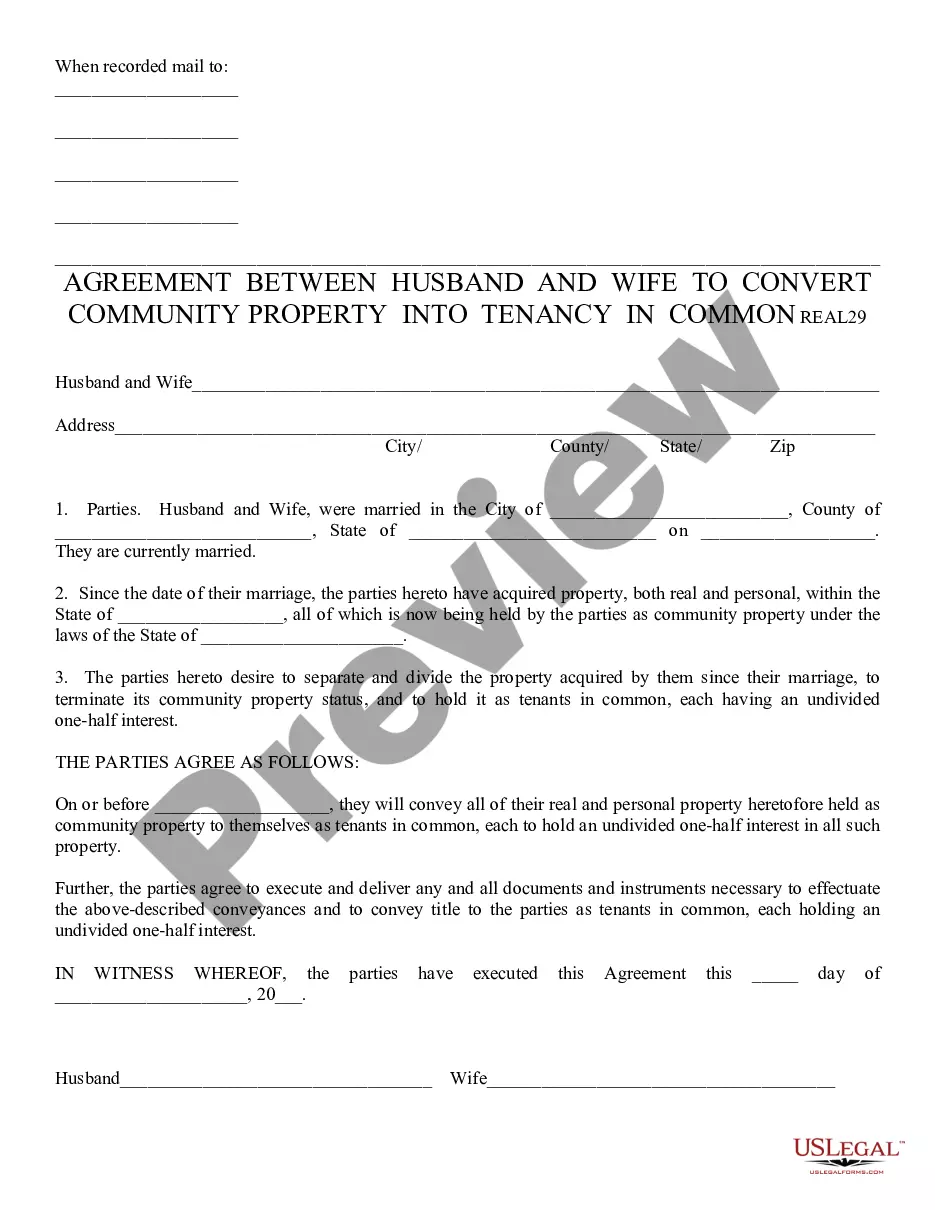
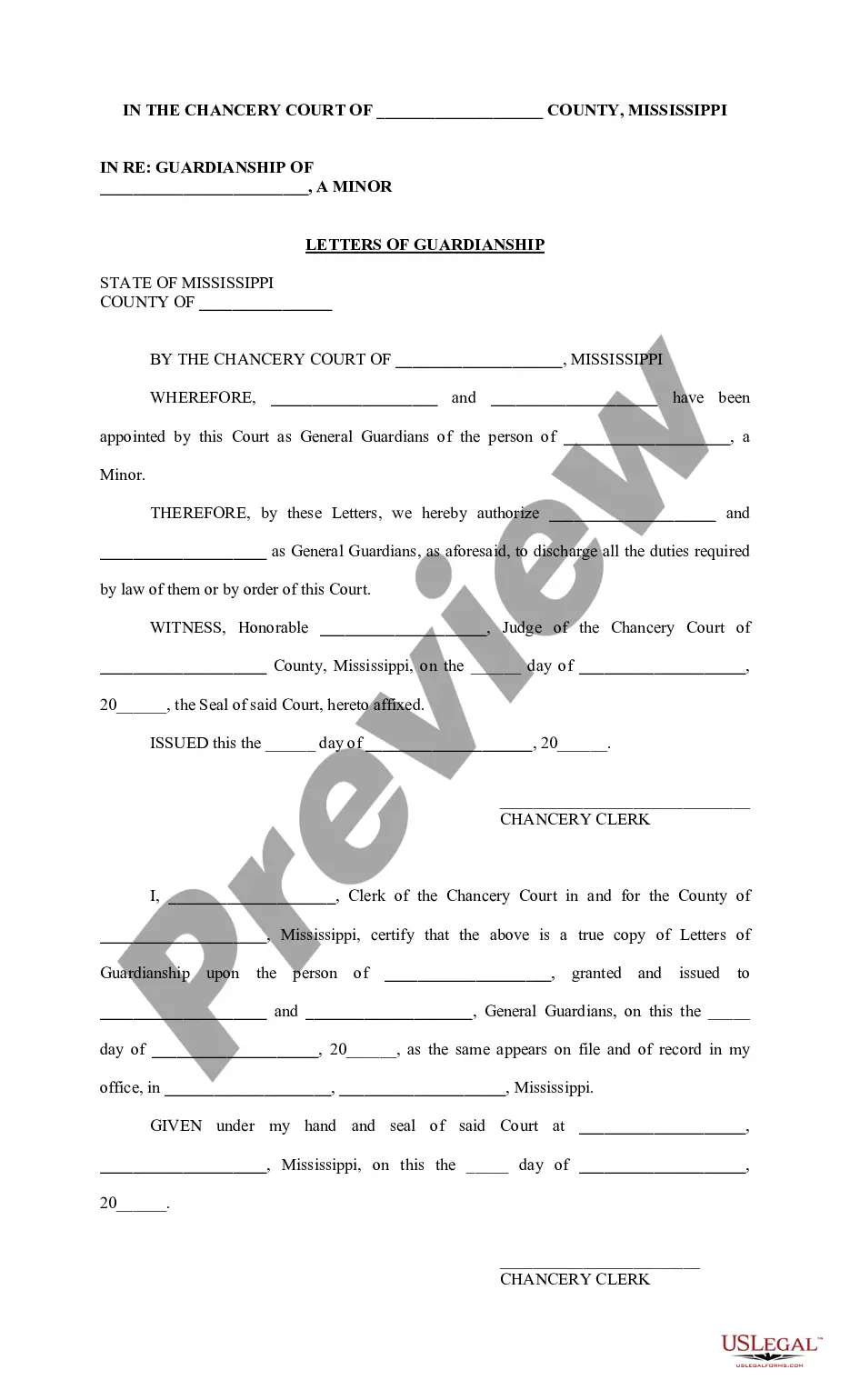
How to fill out Quitclaim Deed Termination Or Terminating Easement?
Whether for commercial reasons or personal matters, everyone must confront legal issues at some point in their lives.
Completing legal documentation requires meticulous care, starting from choosing the appropriate form template.
With an extensive US Legal Forms catalog available, you will never waste time searching for the right template online. Take advantage of the library’s user-friendly navigation to find the suitable form for any occasion.
- Obtain the template you require via the search bar or catalog browsing.
- Review the description of the form to confirm it fits your circumstances, state, and county.
- Click on the form’s preview to analyze it.
- If it is the wrong form, return to the search function to find the Release Of Easement Form California template you need.
- Download the file once it aligns with your requirements.
- If you possess a US Legal Forms account, click Log in to access previously saved forms in My documents.
- If you do not have an account yet, you can acquire the form by clicking Buy now.
- Select the appropriate pricing option.
- Fill out the account registration form.
- Choose your payment method: utilize a credit card or PayPal account.
- Select the file format you prefer and download the Release Of Easement Form California.
- After it is downloaded, you can complete the form using editing software or print it and fill it out by hand.
Form popularity
FAQ
The law on easements in California is governed by both statutory and common law principles. Easements allow one property owner to use another's land for specific purposes, such as access or utility lines. Understanding your rights and obligations is crucial, especially if a dispute arises. For legal clarity, it's advisable to utilize resources like the Release of easement form California available on USLegalForms to facilitate the process.
Easements in California typically do not require renewal, as they are generally permanent unless specified otherwise in the agreement. However, if the easement has a specific term or purpose, it may need to be reviewed periodically. When it comes to releasing an easement, a Release of easement form California can streamline the process, ensuring that all parties agree to the termination. It’s wise to clarify these terms at the outset.
Easements in California come with specific rules to protect both parties. Generally, easements must be in writing and recorded to be enforceable. The owner of the dominant tenement, the one who benefits from the easement, must respect the rights of the servient tenement, the one who grants the easement. If you need to create or terminate an easement, consider using a Release of easement form California to ensure compliance with state regulations.
In California, easements do not automatically expire; however, they can be terminated under certain circumstances. If an easement is not used for a continuous period of five years, it may be deemed abandoned. It's important to have the correct legal documents, such as a Release of easement form California, to officially terminate an easement. Always consult with a legal expert to ensure your rights are protected.
In Minnesota, easements operate similarly to those in California, but the laws may vary. Landowners can establish easements for various purposes, and they can be terminated through mutual consent. If you're ever in doubt about how to manage an easement, a Release of Easement Form California can provide guidance and clarity, even for those understanding easements in a different state.
The most effective way to terminate an easement is to have both parties agree on its removal and complete a Release of Easement Form California. This mutual agreement is key, as it establishes clear legal grounds for the termination. Consulting with a legal professional can also ensure that this process goes smoothly.
To remove an easement from your property in California, you will need to complete a Release of Easement Form California. This form may require signatures from both parties involved in the easement. After the form is signed, you must file it with your county recorder's office to officially eliminate the easement.
In California, the duration of an easement can vary significantly. Some easements are permanent, while others operate for a specified term. You may want to consider filing a Release of Easement Form California if you wish to terminate an easement that is no longer needed.
Several actions can terminate an easement, including the signing of a Release of Easement Form California by the parties involved. Other actions include the destruction of the easement's purpose, merger of ownership, or a court decision. Understanding these methods can help you manage your property rights effectively.
Yes, an easement can be undone under certain conditions. The property owner may use a Release of Easement Form California to formally terminate the easement, provided both parties agree. Additionally, easements may also be terminated through abandonment, merger, or a specific legal action.