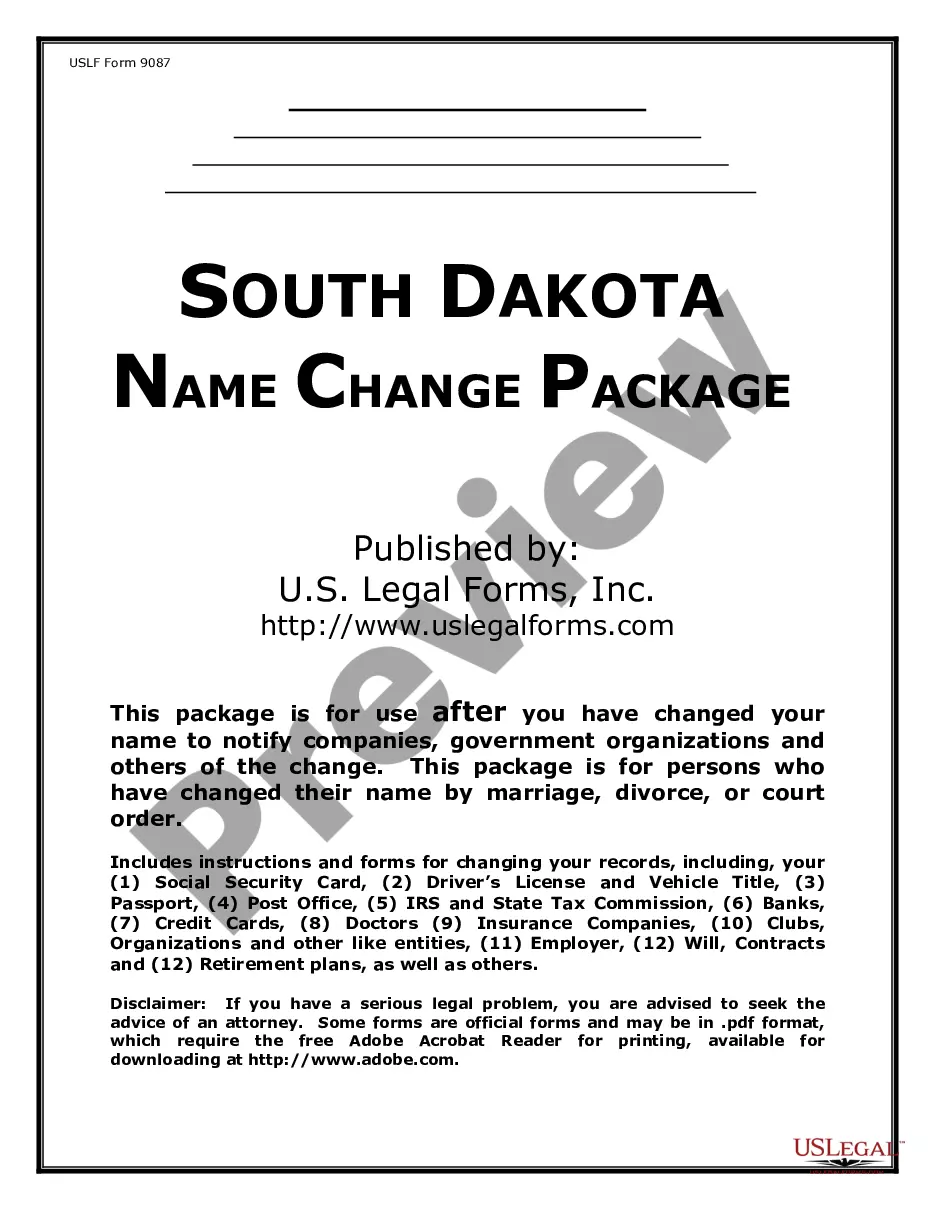
Utility Easements On Property Without A Realtor
Description
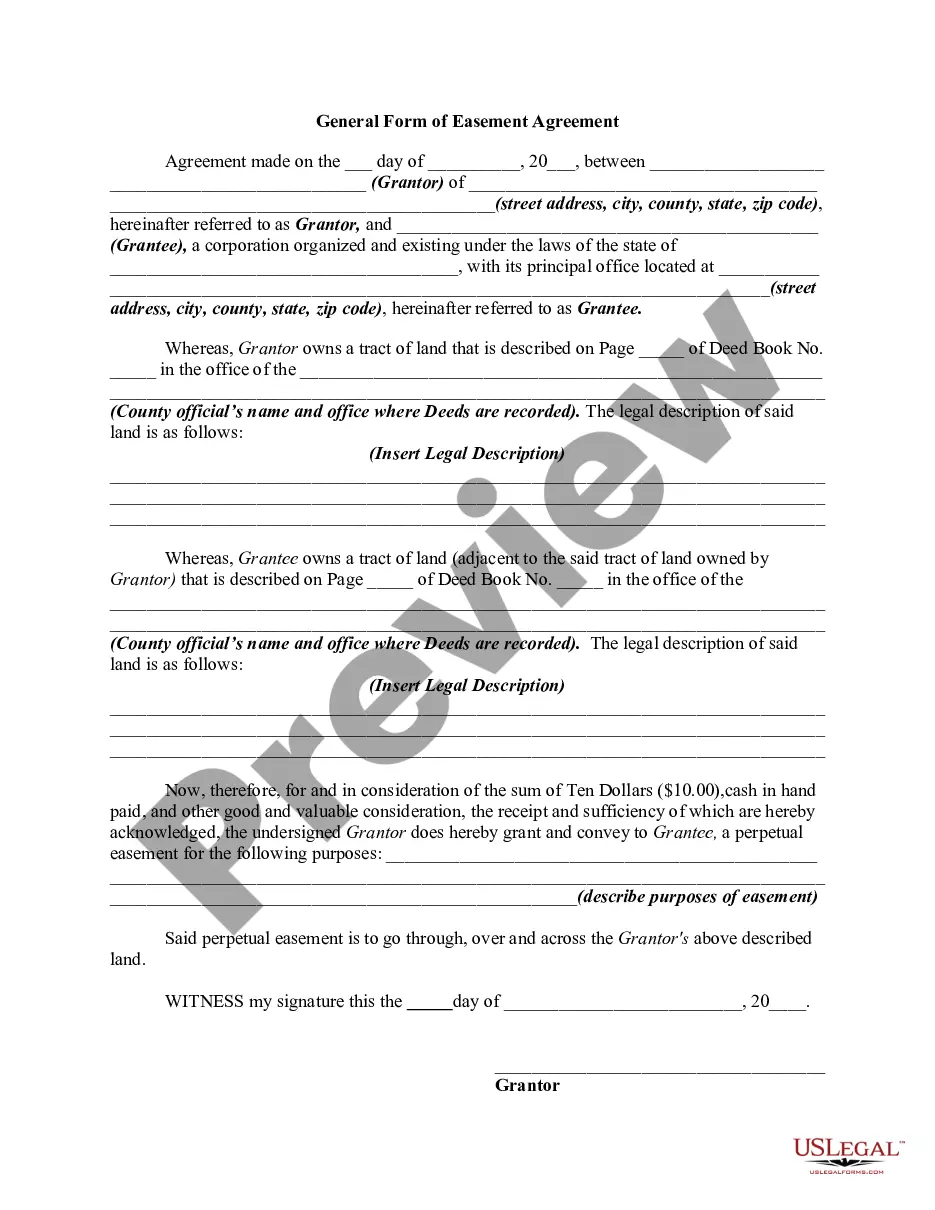
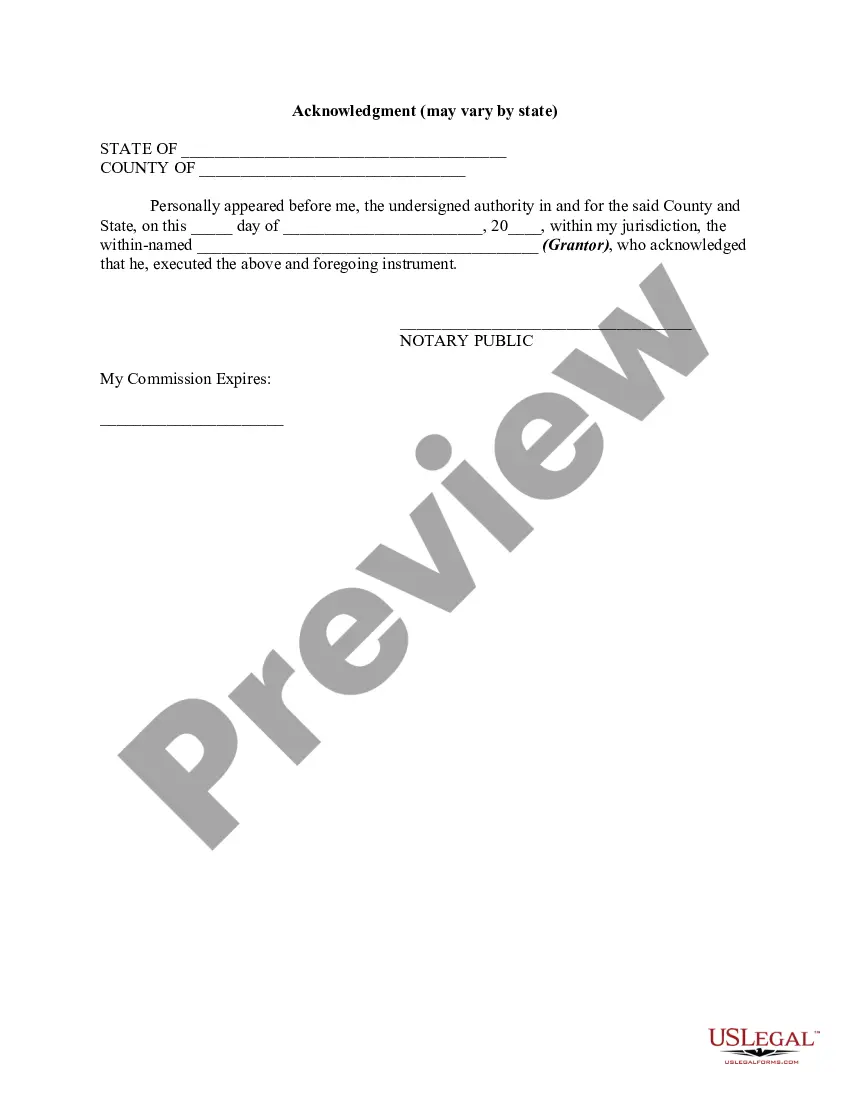
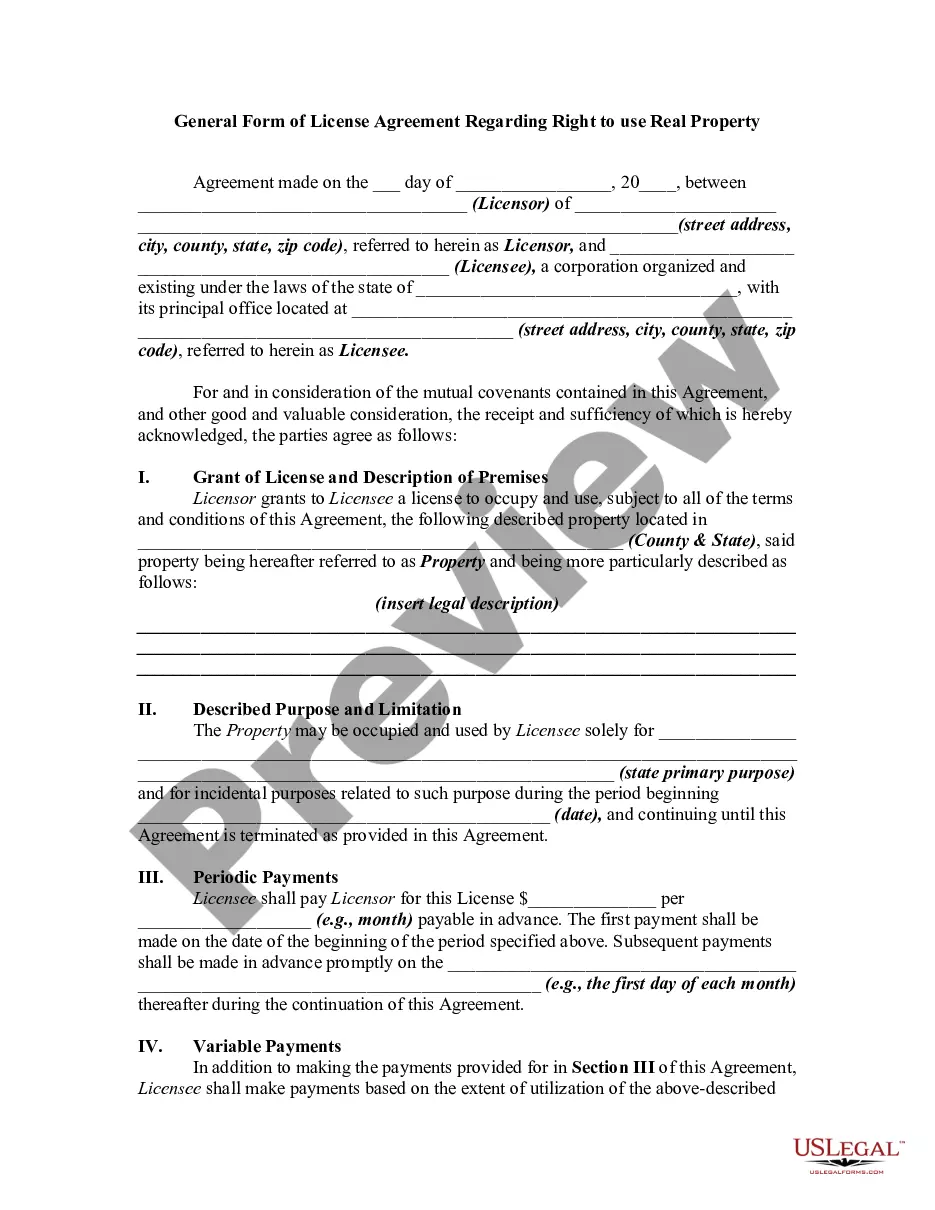
Get your form ready online
Our built-in tools help you complete, sign, share, and store your documents in one place.
Make edits, fill in missing information, and update formatting in US Legal Forms—just like you would in MS Word.
Download a copy, print it, send it by email, or mail it via USPS—whatever works best for your next step.
Sign and collect signatures with our SignNow integration. Send to multiple recipients, set reminders, and more. Go Premium to unlock E-Sign.
If this form requires notarization, complete it online through a secure video call—no need to meet a notary in person or wait for an appointment.
We protect your documents and personal data by following strict security and privacy standards.

Make edits, fill in missing information, and update formatting in US Legal Forms—just like you would in MS Word.

Download a copy, print it, send it by email, or mail it via USPS—whatever works best for your next step.

Sign and collect signatures with our SignNow integration. Send to multiple recipients, set reminders, and more. Go Premium to unlock E-Sign.

If this form requires notarization, complete it online through a secure video call—no need to meet a notary in person or wait for an appointment.

We protect your documents and personal data by following strict security and privacy standards.
Looking for another form?








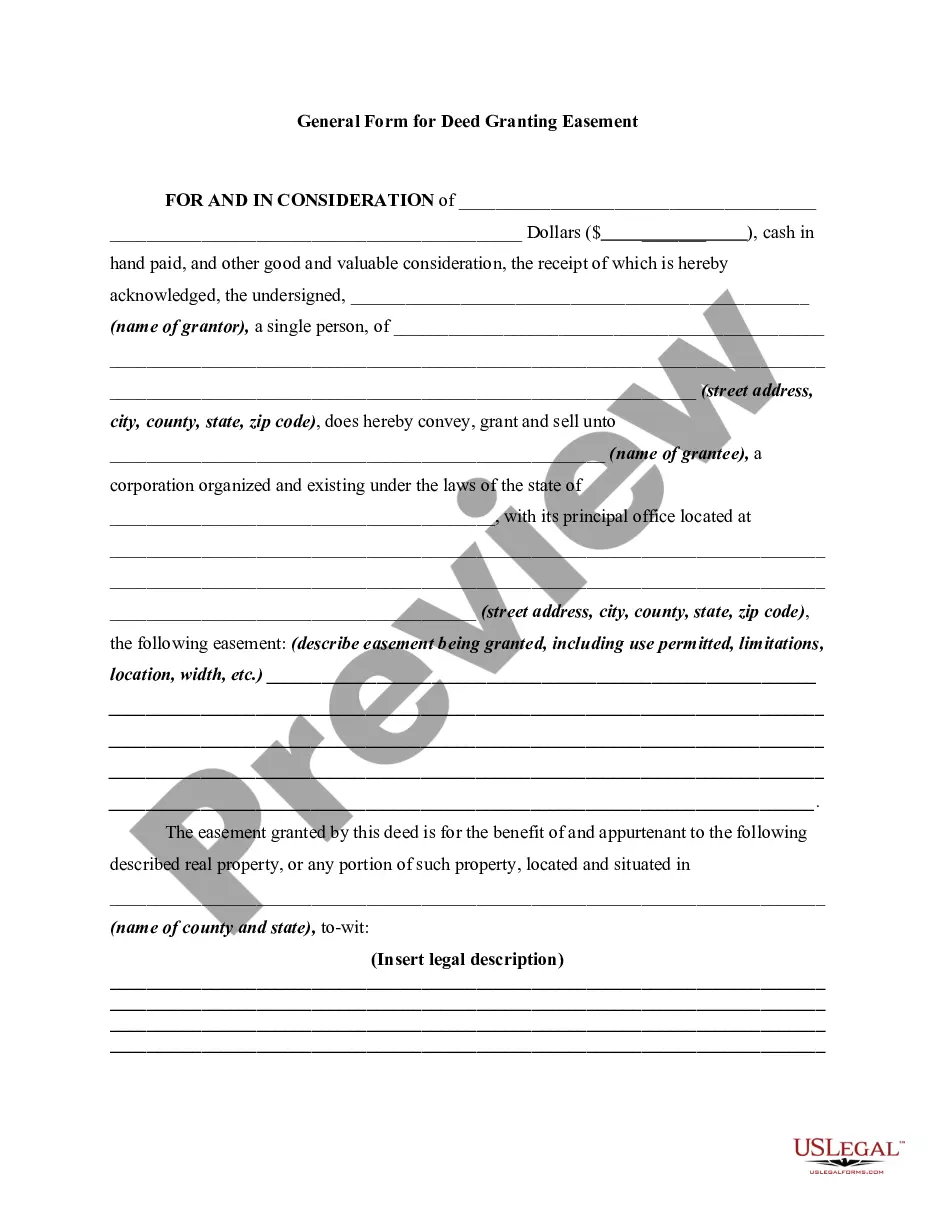
How to fill out General Form Of Easement Agreement?
When you need to complete Utility Easements On Property Without A Realtor in line with your local state's guidelines, there can be numerous choices to select from.
There's no need to scrutinize every document to ensure it meets all the legal requirements if you are a US Legal Forms member.
It is a dependable service that can assist you in obtaining a reusable and current template on any subject.
- US Legal Forms is the most extensive online directory featuring a collection of over 85k ready-to-use documents for business and personal legal matters.
- All templates are verified to comply with each state's laws and regulations.
- Thus, when downloading Utility Easements On Property Without A Realtor from our platform, you can be assured that you possess a valid and up-to-date document.
- Acquiring the necessary template from our site is exceptionally easy.
- If you already have an account, simply Log In to the system, ensure your subscription is current, and save the selected file.
- In the future, you can access the My documents tab in your profile and retrieve the Utility Easements On Property Without A Realtor at any time.
- If this is your first experience with our library, please follow the instructions below.
- Review the suggested page and verify it for alignment with your needs.
Form popularity
FAQ
An express easement must be granted in writing, signed by the grantor, explicitly identifying the property and details of the easement use, and filing with the county records. The grantor may or may not require compensation for granting the easement.
Easements are a pervasive element in Texas property law and are generally defined as a right, privilege, or advantage that exists as a distinct interest from ownership rights in real property. Most commonly, an easement allows a person (or the public) to use the land of another in a certain manner.
The most common type of easement, a utility easement allows a utility company to run its pipes, lines, etc., under or on other people's property in order to serve its customers. As opposed to buying all the land necessary, utility companies negotiate easement agreements with landowners.
In order to obtain an implied easement, the party seeking the easement is required to go to court, prove each of the required elements for the type of implied easement sought, obtain a court order granting the easement, and file the court order in the county deed records.
PUE stands for Public Utility Easement. Like other easements, a PUE grants certain rights to the owner of the easement.