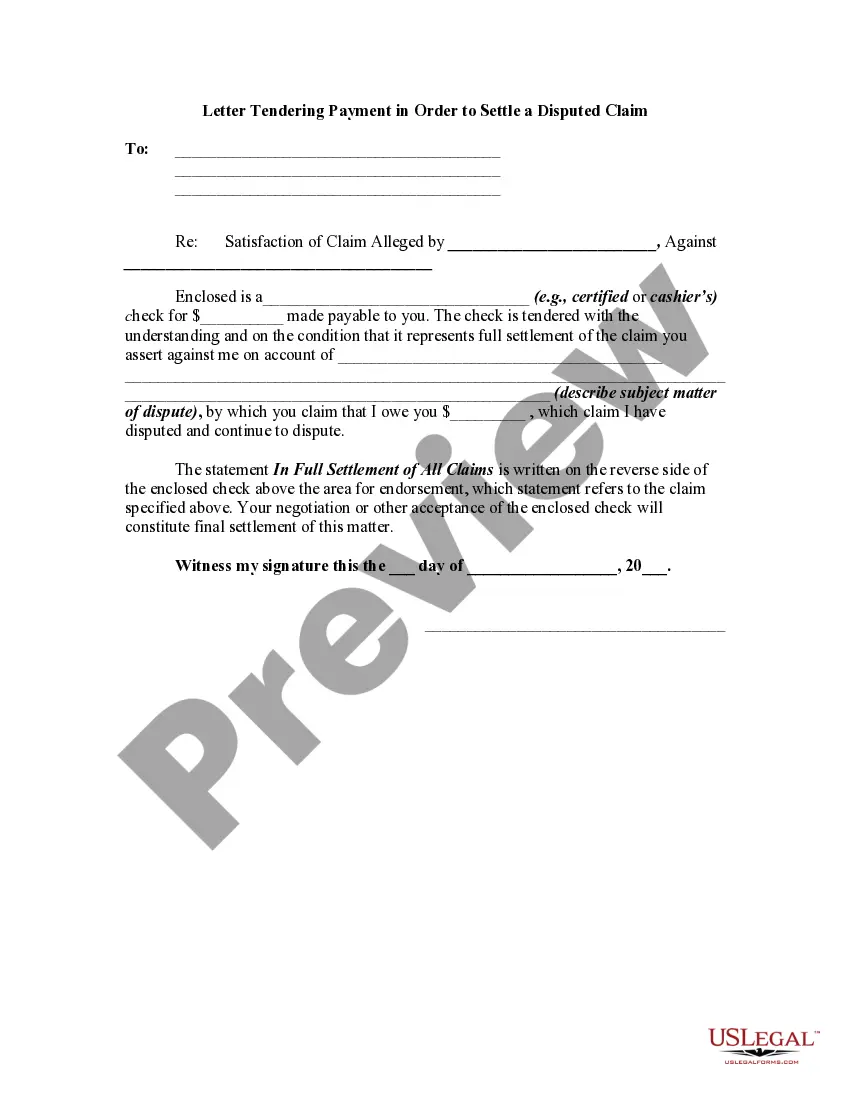
Settlement Check Enclosed For Deceased Person
Description
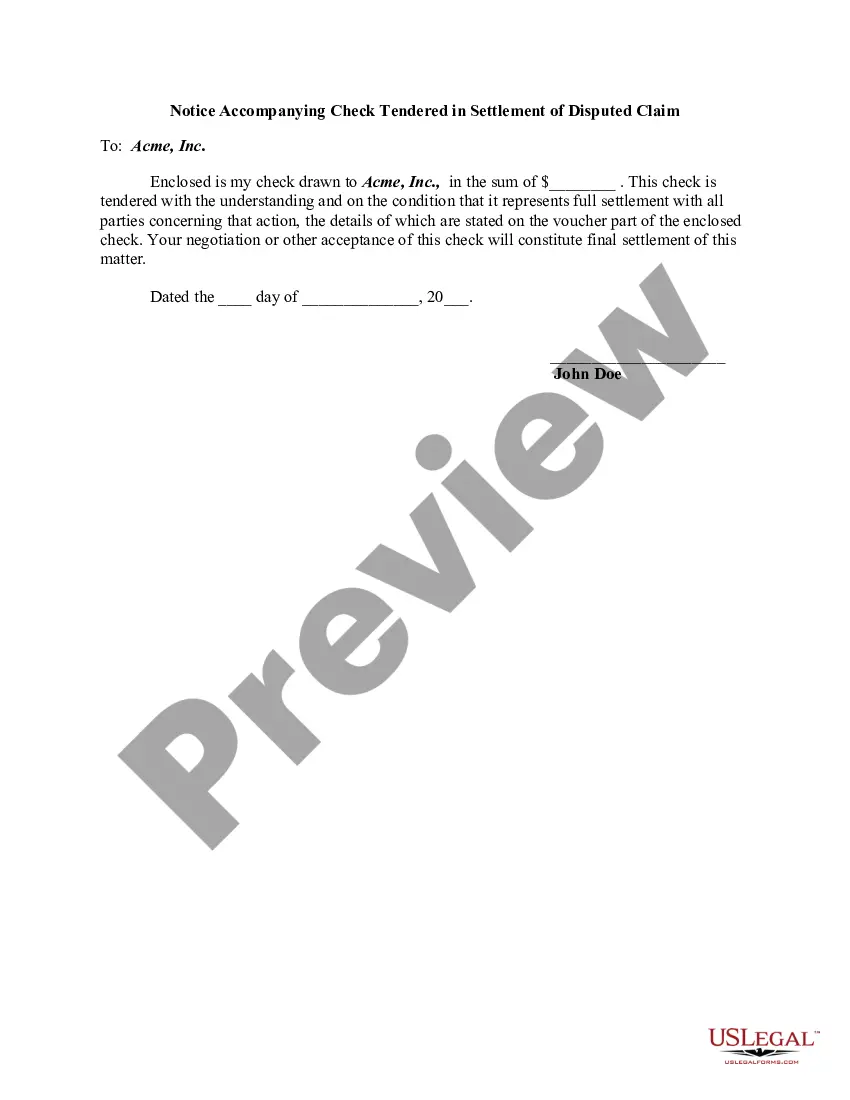
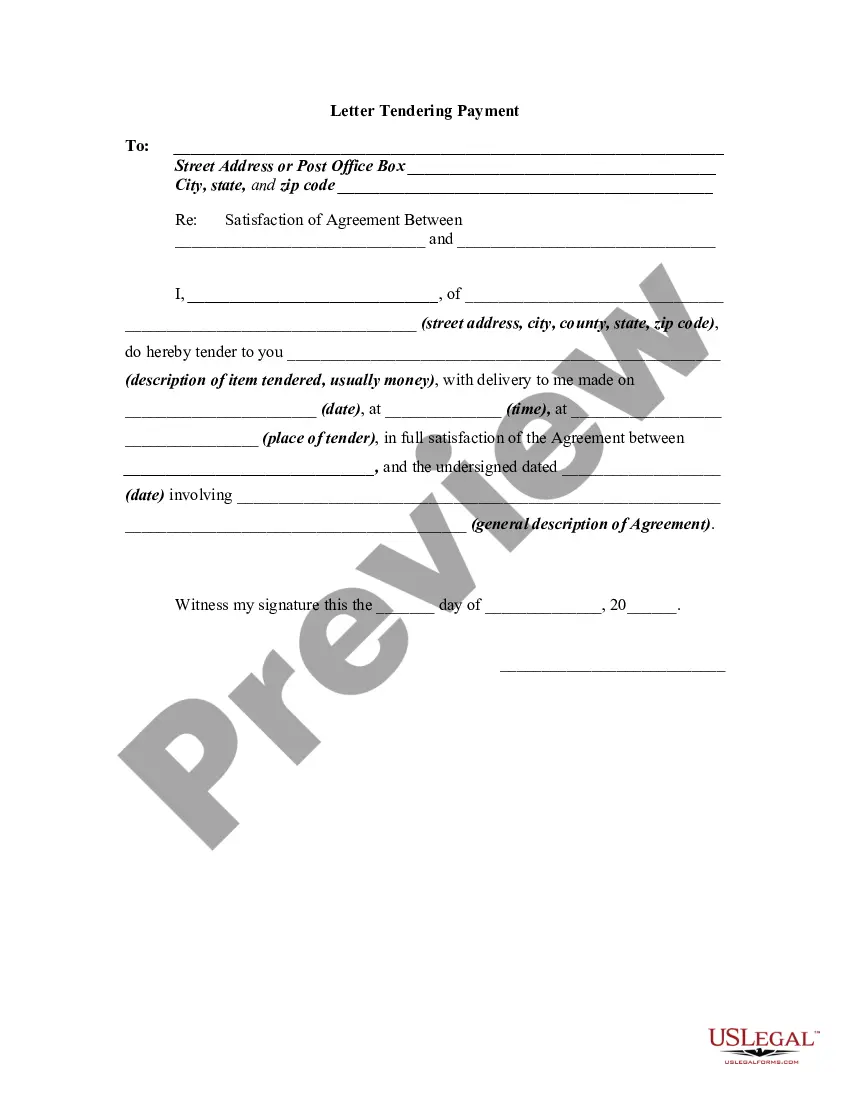
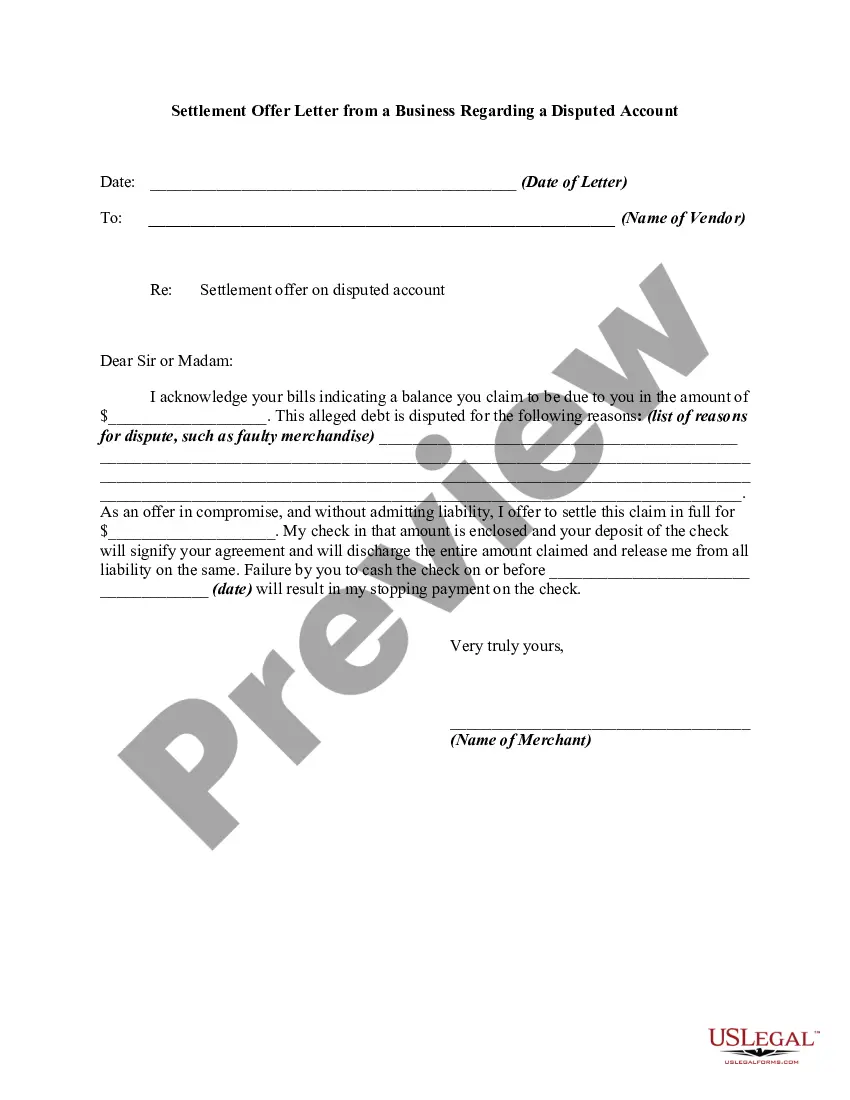
Get your form ready online
Our built-in tools help you complete, sign, share, and store your documents in one place.
Make edits, fill in missing information, and update formatting in US Legal Forms—just like you would in MS Word.
Download a copy, print it, send it by email, or mail it via USPS—whatever works best for your next step.
Sign and collect signatures with our SignNow integration. Send to multiple recipients, set reminders, and more. Go Premium to unlock E-Sign.
If this form requires notarization, complete it online through a secure video call—no need to meet a notary in person or wait for an appointment.
We protect your documents and personal data by following strict security and privacy standards.

Make edits, fill in missing information, and update formatting in US Legal Forms—just like you would in MS Word.

Download a copy, print it, send it by email, or mail it via USPS—whatever works best for your next step.

Sign and collect signatures with our SignNow integration. Send to multiple recipients, set reminders, and more. Go Premium to unlock E-Sign.

If this form requires notarization, complete it online through a secure video call—no need to meet a notary in person or wait for an appointment.

We protect your documents and personal data by following strict security and privacy standards.
Looking for another form?



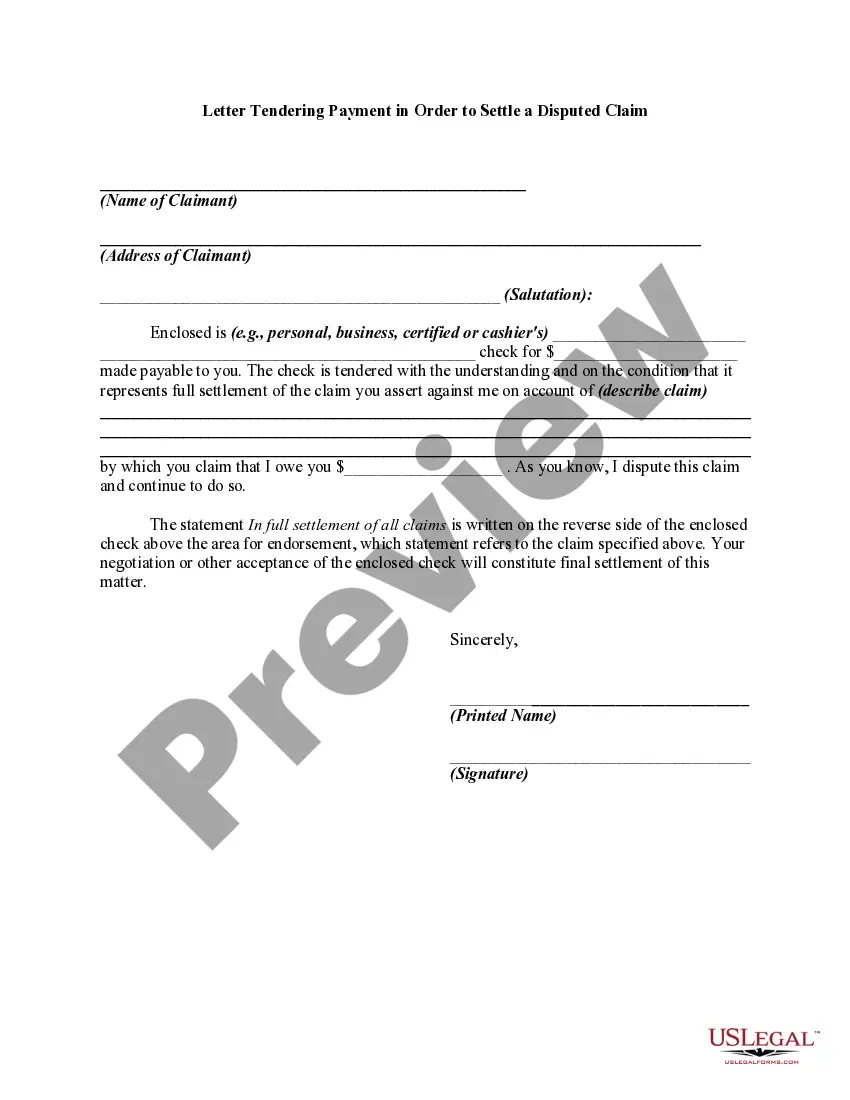
How to fill out Letter Tendering Payment In Order To Settle A Disputed Claim?
The Agreement Payment Included For Deceased Individual you observe on this page is a reusable legal document formulated by expert attorneys in accordance with federal and state laws.
For over 25 years, US Legal Forms has offered individuals, organizations, and lawyers more than 85,000 validated, state-specific templates for any business and personal needs. It’s the quickest, simplest, and most dependable method to obtain the documents you require, as the service assures bank-level data security and anti-malware safeguards.
Enroll in US Legal Forms to have verified legal documents for all of life’s situations at your fingertips.
- Explore the document you require and verify it.
- Swipe through the example you searched for and preview it or review the form description to confirm it meets your needs. If it doesn’t, utilize the search feature to find the correct one. Click Buy Now once you have identified the template you require.
- Register and Log In.
- Choose the pricing option that best fits you and create an account. Use PayPal or a credit card to make a quick payment. If you already possess an account, Log In and check your subscription to continue.
- Acquire the editable template.
- Select the format you desire for your Agreement Payment Included For Deceased Individual (PDF, Word, RTF) and save the document to your device.
- Complete and sign the document.
- Print the template to finish it by hand. Alternatively, employ an online versatile PDF editor to swiftly and accurately fill out and sign your form with a legally-binding electronic signature.
- Download your documents once again.
- Use the same document repeatedly as needed. Access the My documents tab in your profile to redownload any forms you have purchased earlier.
Form popularity
FAQ
The claim settlement process for a deceased person involves several key steps to ensure a smooth transaction. First, you will need to file a claim with the appropriate insurance company or agency, providing necessary documentation. After reviewing your claim, the agency will assess it and determine the amount owed. Once approved, you will receive the settlement check enclosed for the deceased person, which can then be used to settle debts or distribute assets accordingly.
Depositing a check made out to the estate of a deceased person is generally possible, but it requires following specific procedures. You will typically need to open an estate account in the name of the deceased’s estate before depositing the check. Make sure to include proper documentation, such as the death certificate and letters of administration, to avoid delays. This ensures that funds from the settlement check enclosed for deceased person are handled according to legal requirements.
Filling out the application form for a settlement check enclosed for a deceased person requires careful attention to detail. Start by gathering all necessary documents, including proof of the deceased's identity and your relationship to them. Ensure you provide accurate information on the form, such as the deceased’s full name, date of birth, and any claim numbers. Once completed, submit the form along with the required documentation to initiate the claims process.
Endorsing a check made out to a deceased person requires careful attention. Generally, the estate representative can endorse the check by signing their name followed by the words 'as representative of the estate.' Before proceeding, consult with an attorney to ensure compliance with state laws. Properly managing the endorsement helps facilitate the transfer of a settlement check enclosed for deceased person into the estate's account.
If the person passes away before receiving their settlement, the claim typically transfers to their estate. You may need to work with an estate administrator to determine how the settlement will be distributed among beneficiaries. This process may involve court approval, depending on state laws. Understanding these aspects is crucial when you receive a settlement check enclosed for deceased person, as it impacts the beneficiaries.
If you receive a settlement check enclosed for deceased person, it's essential to manage it correctly. Typically, you should first consult an attorney or financial advisor to understand the implications of the check. This will help you determine whether to deposit the check, transfer it to an estate account, or take another course of action. Proper handling ensures compliance with laws regarding deceased estates.
The time limit for settling claims for deceased individuals can vary widely, depending on state laws and the specific circumstances of the case. Typically, claimants should act promptly, as delays may complicate the settlement process. It is advisable to consult a legal professional or the relevant court to understand the timeline. By addressing this matter quickly, you can ensure smooth handling of any settlement check enclosed for deceased person.
Claiming unclaimed funds for a deceased person can be a straightforward process if you take the right steps. First, gather necessary documents, such as the death certificate and proof of your relationship to the deceased. Next, contact the agency or institution that holds the funds, and inquire about their specific procedures. Using resources like USLegalForms can simplify this process, especially when dealing with settlement checks enclosed for deceased person, ensuring you have the right forms and guidance at every step.
If you receive a settlement check enclosed for a deceased person, it's important to first verify the legitimacy of the check. You should consult a probate attorney who can guide you on how to handle the funds properly. Typically, the funds will need to be processed through the estate, and you may need to provide documentation such as a death certificate. Remember, seeking legal advice can help ensure that you comply with state regulations regarding inherited checks.