Motion To Strike Example
Description

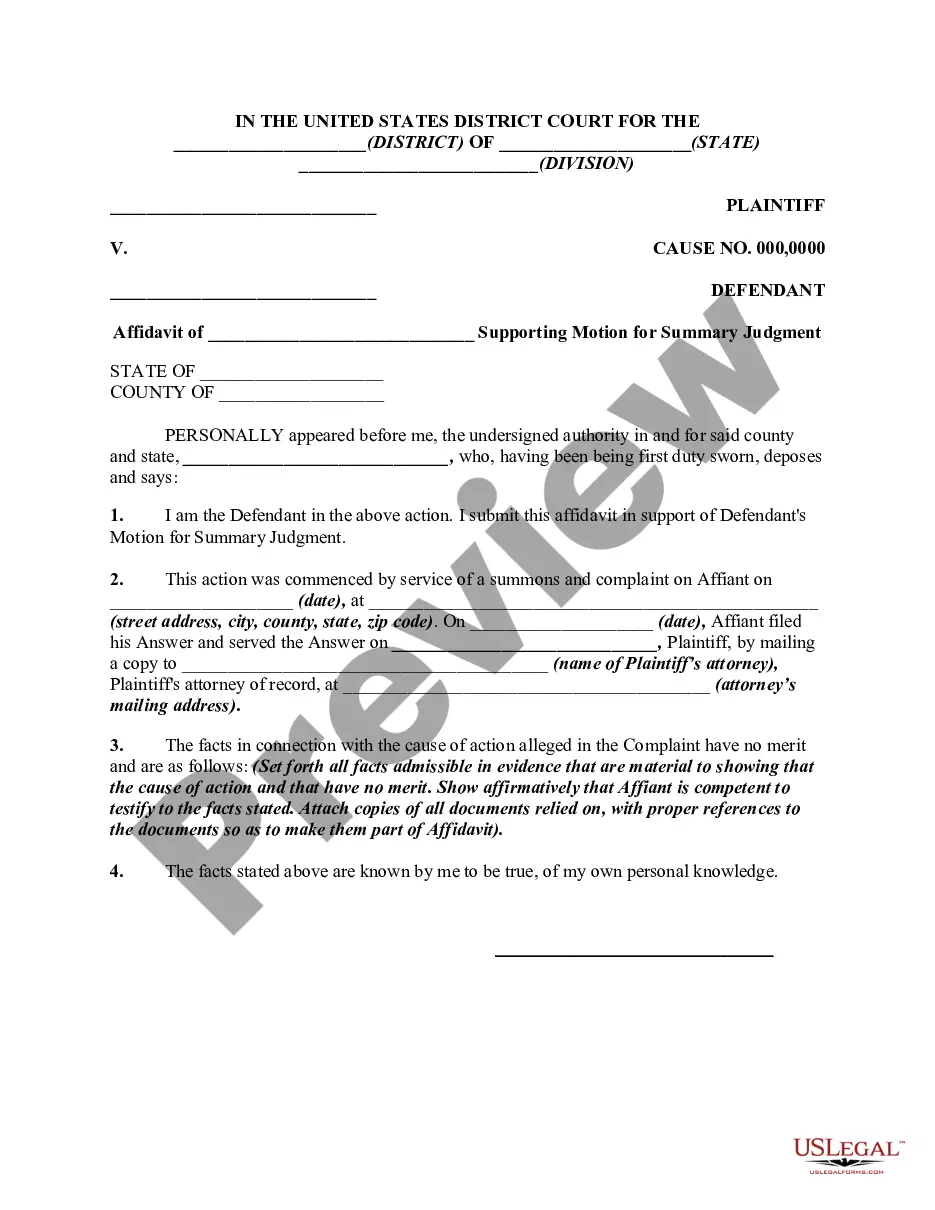
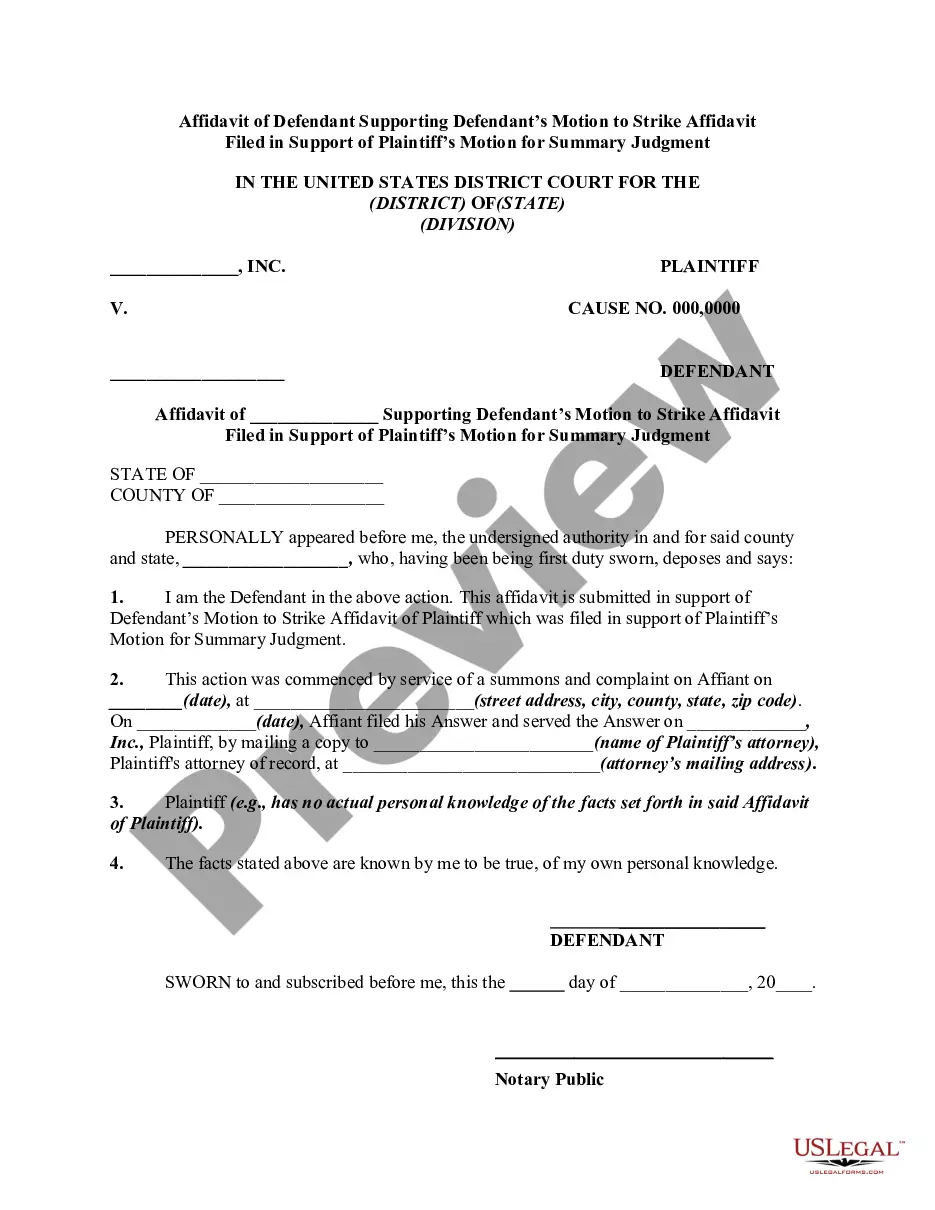
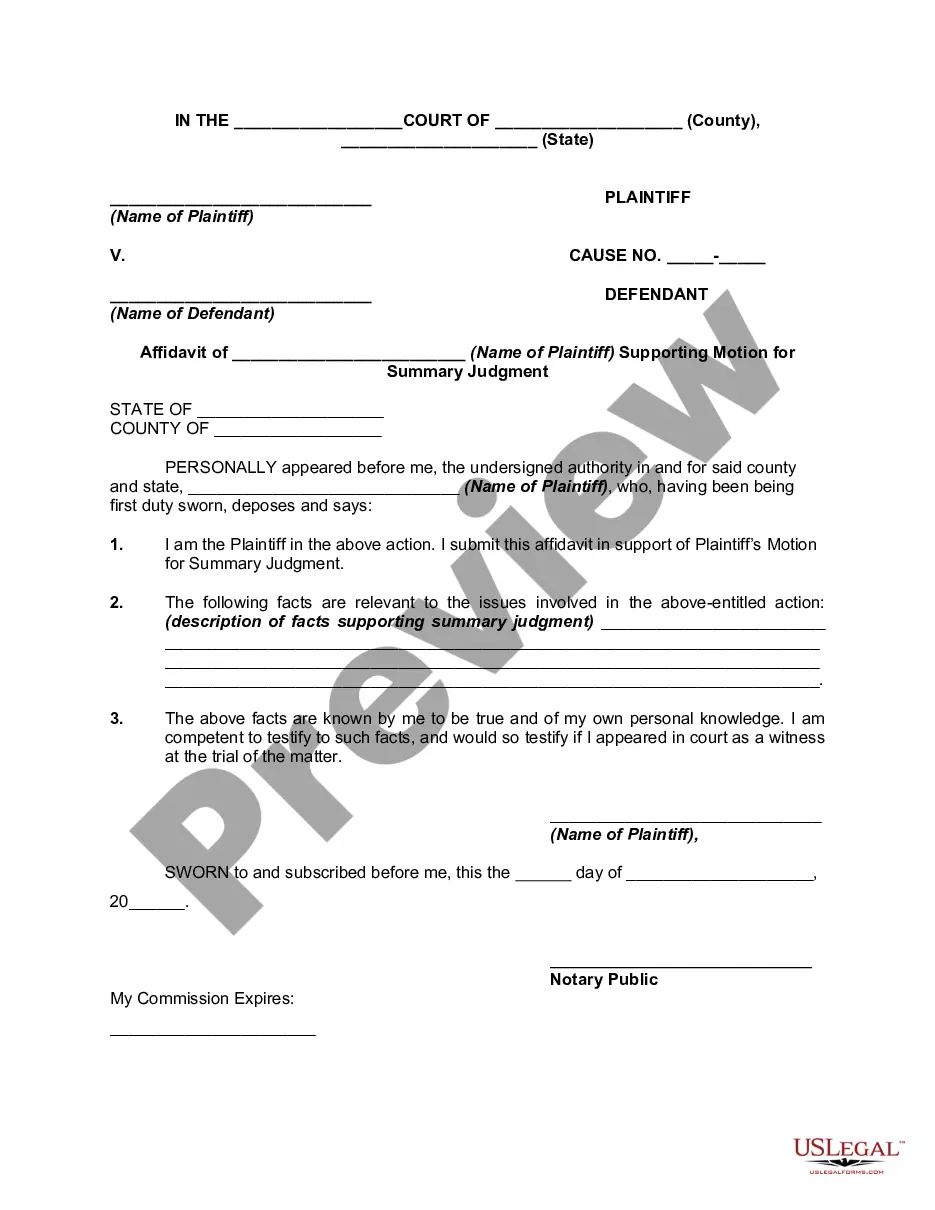
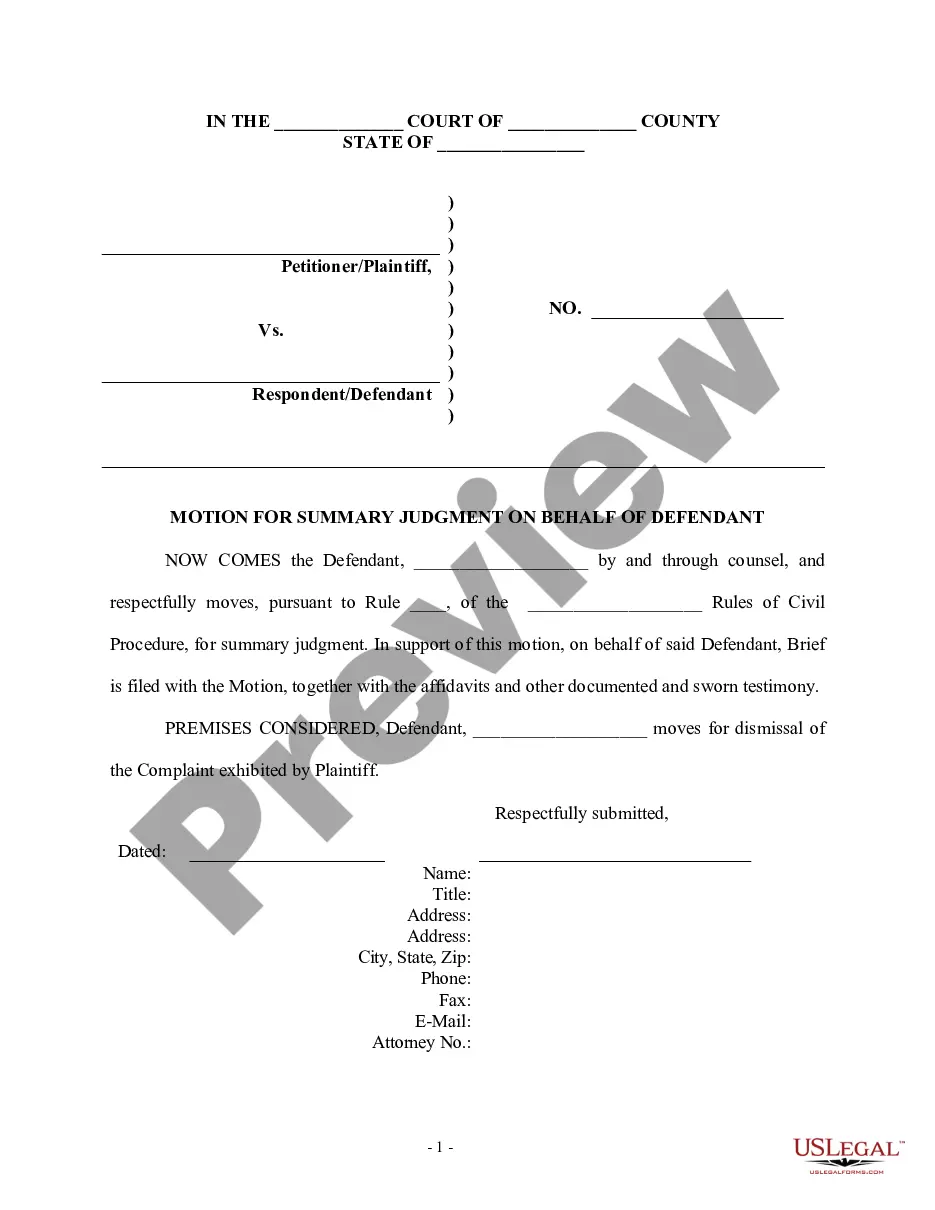
Get your form ready online
Our built-in tools help you complete, sign, share, and store your documents in one place.
Make edits, fill in missing information, and update formatting in US Legal Forms—just like you would in MS Word.
Download a copy, print it, send it by email, or mail it via USPS—whatever works best for your next step.
Sign and collect signatures with our SignNow integration. Send to multiple recipients, set reminders, and more. Go Premium to unlock E-Sign.
If this form requires notarization, complete it online through a secure video call—no need to meet a notary in person or wait for an appointment.
We protect your documents and personal data by following strict security and privacy standards.

Make edits, fill in missing information, and update formatting in US Legal Forms—just like you would in MS Word.

Download a copy, print it, send it by email, or mail it via USPS—whatever works best for your next step.

Sign and collect signatures with our SignNow integration. Send to multiple recipients, set reminders, and more. Go Premium to unlock E-Sign.

If this form requires notarization, complete it online through a secure video call—no need to meet a notary in person or wait for an appointment.

We protect your documents and personal data by following strict security and privacy standards.
Looking for another form?

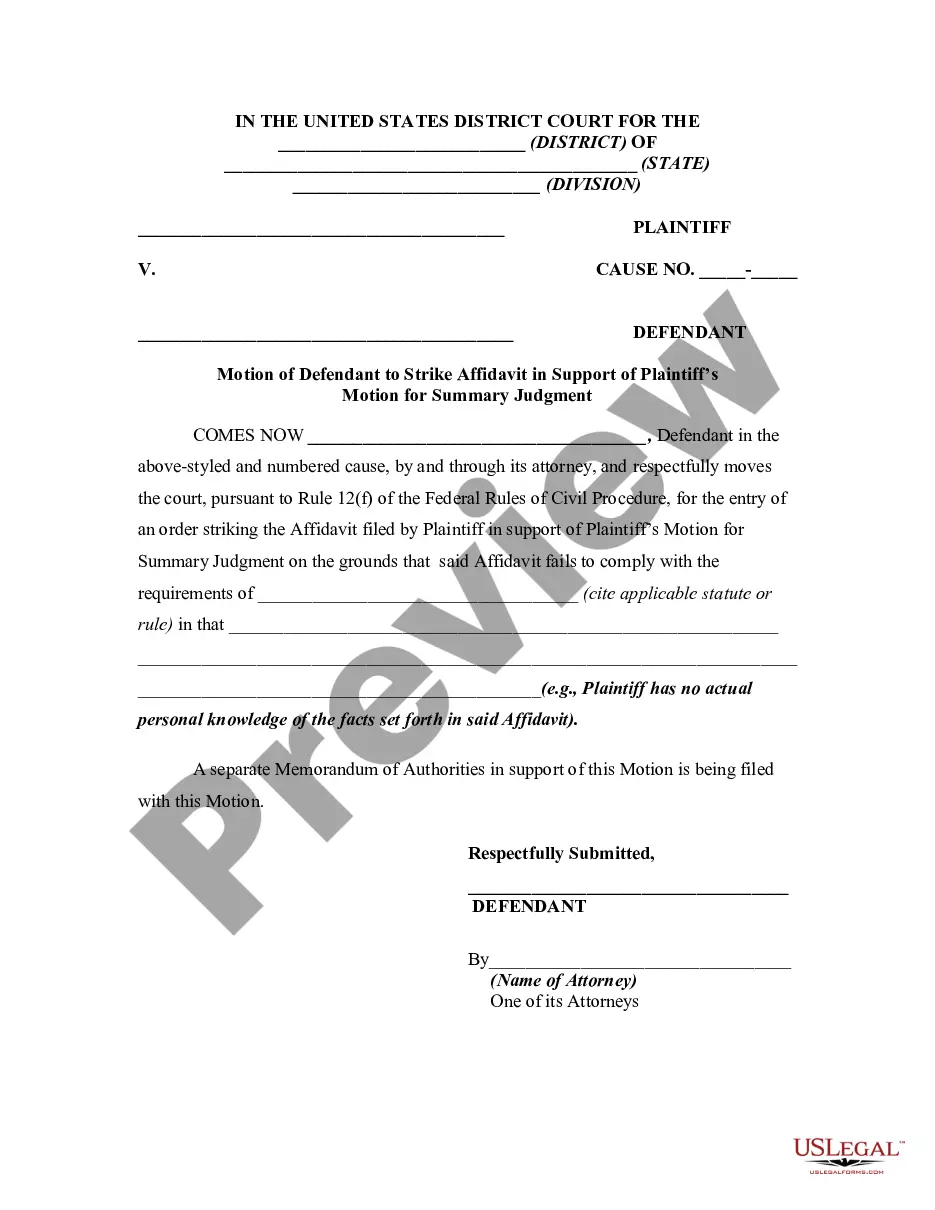
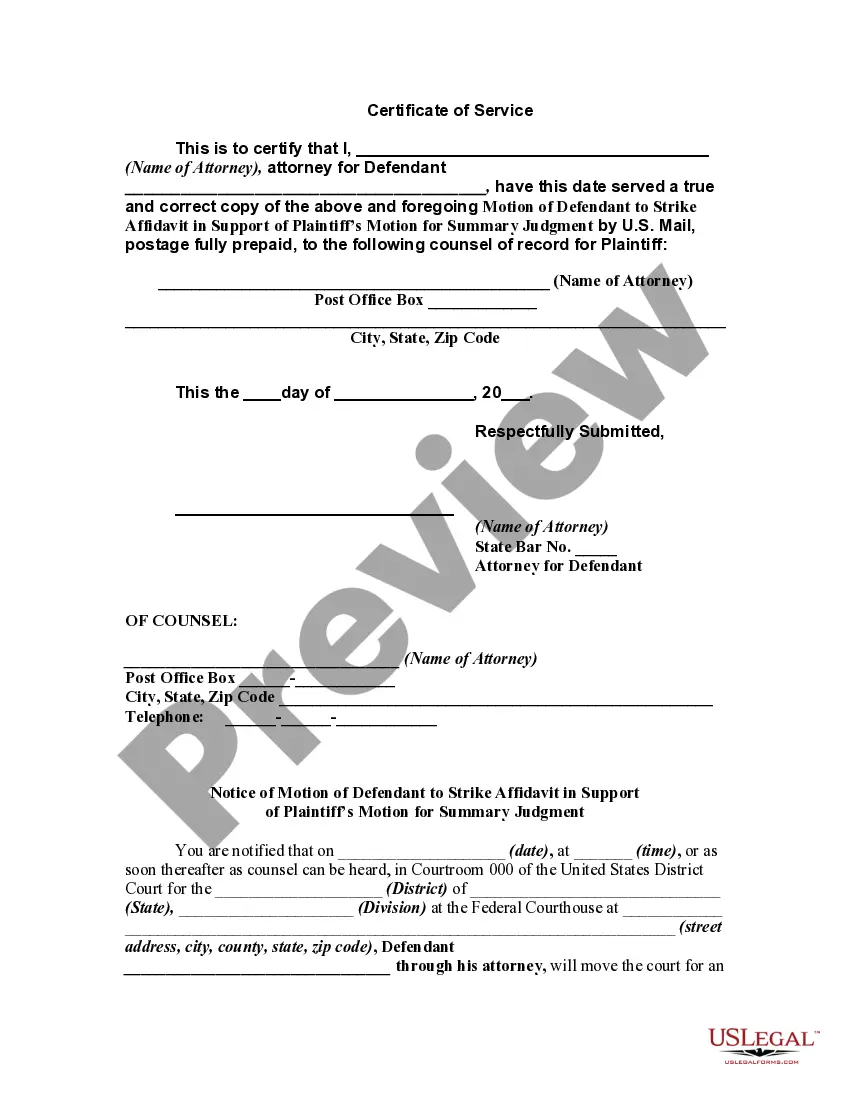
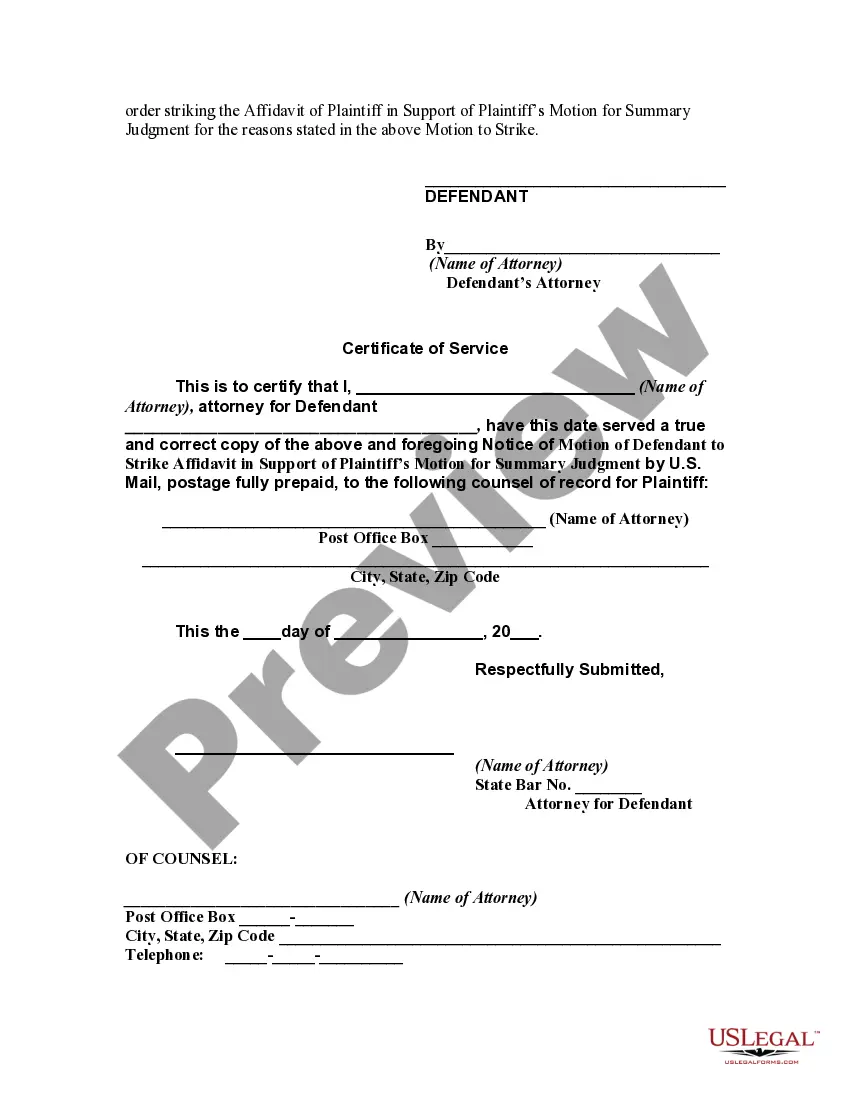
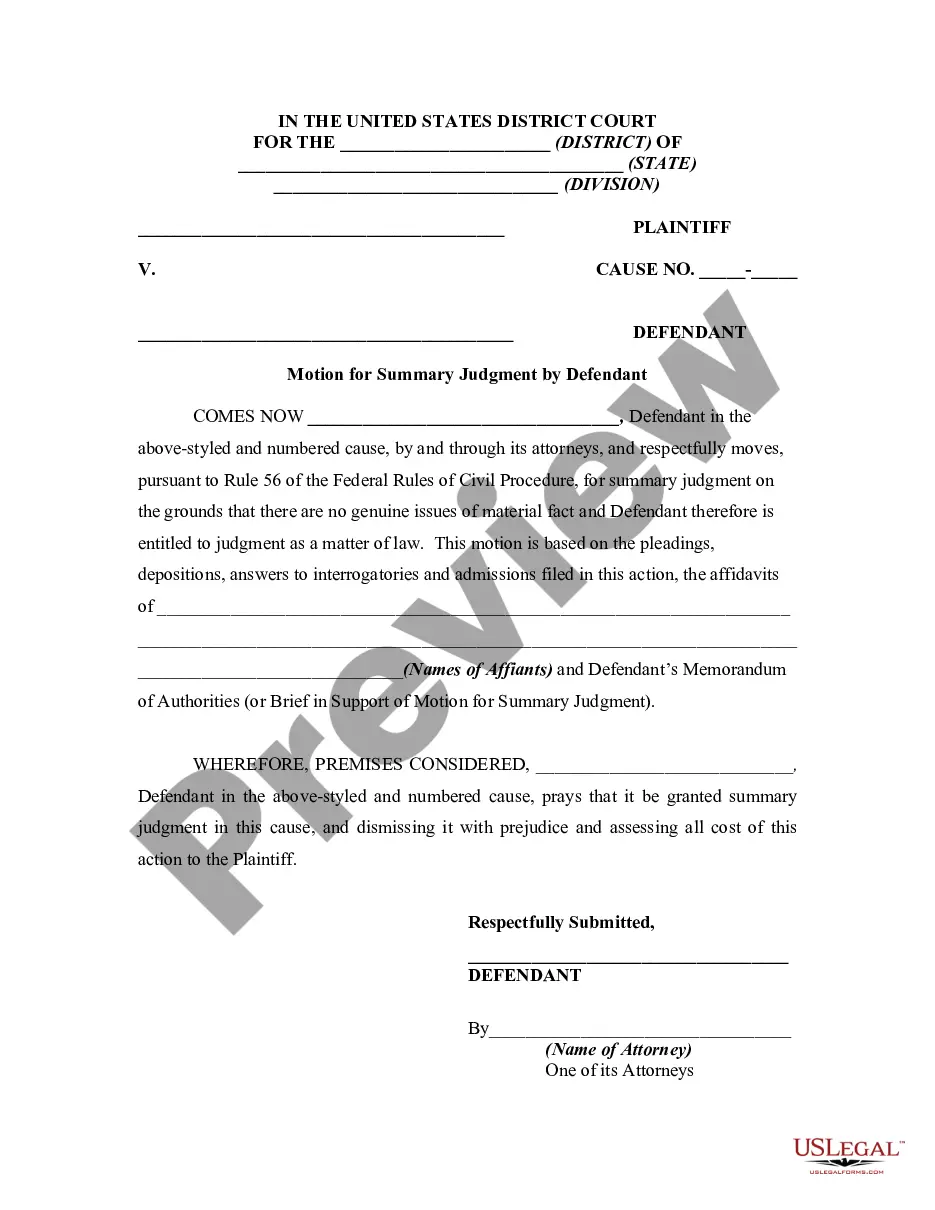
How to fill out Motion Of Defendant To Strike Affidavit In Support Of Plaintiffs Motion For Summary Judgment And Notice Of Motion To Strike?
Drafting legal paperwork from scratch can sometimes be daunting. Some cases might involve hours of research and hundreds of dollars invested. If you’re looking for a a simpler and more cost-effective way of preparing Motion To Strike Example or any other documents without the need of jumping through hoops, US Legal Forms is always at your disposal.
Our virtual collection of over 85,000 up-to-date legal documents covers almost every element of your financial, legal, and personal matters. With just a few clicks, you can quickly get state- and county-specific templates diligently prepared for you by our legal experts.
Use our platform whenever you need a trustworthy and reliable services through which you can quickly locate and download the Motion To Strike Example. If you’re not new to our website and have previously created an account with us, simply log in to your account, locate the form and download it away or re-download it anytime later in the My Forms tab.
Not registered yet? No worries. It takes minutes to register it and navigate the library. But before jumping directly to downloading Motion To Strike Example, follow these recommendations:
- Check the document preview and descriptions to make sure you have found the document you are looking for.
- Make sure the form you choose conforms with the requirements of your state and county.
- Choose the right subscription option to buy the Motion To Strike Example.
- Download the form. Then complete, certify, and print it out.
US Legal Forms boasts a spotless reputation and over 25 years of experience. Join us today and turn form completion into something easy and streamlined!
Form popularity
FAQ
Motions to Strike are important If an attorney is successful, they can eliminate evidence or statements presented by their opponent. If the evidence is important to the other party's claim, it can turn the tide of a lawsuit. Here's an example. Example: Shelly is the defendant in a nuisance lawsuit.
The purpose of a motion to strike is to avoid the expenditure of time and money that must arise from litigating spurious issues by dispensing with those issues prior to trial.
A motion to strike means that we are asking the court to throw out the answer that was submitted by the defense lawyer. When a lawsuit is started, we are obligated to file papers known as a 'summons and complaint'. The complaint makes general allegations of wrongdoing against the person you have sued.
At the trial stage, a party may wish to make a motion to strike to remove evidence?usually part of a witness's testimony?from the court record, with the jury instructed to disregard the evidence. This is commonly accomplished by raising an objection, which a judge can either sustain or overrule.
At the trial stage, a party may wish to make a motion to strike to remove evidence?usually part of a witness's testimony?from the court record, with the jury instructed to disregard the evidence. This is commonly accomplished by raising an objection, which a judge can either sustain or overrule.