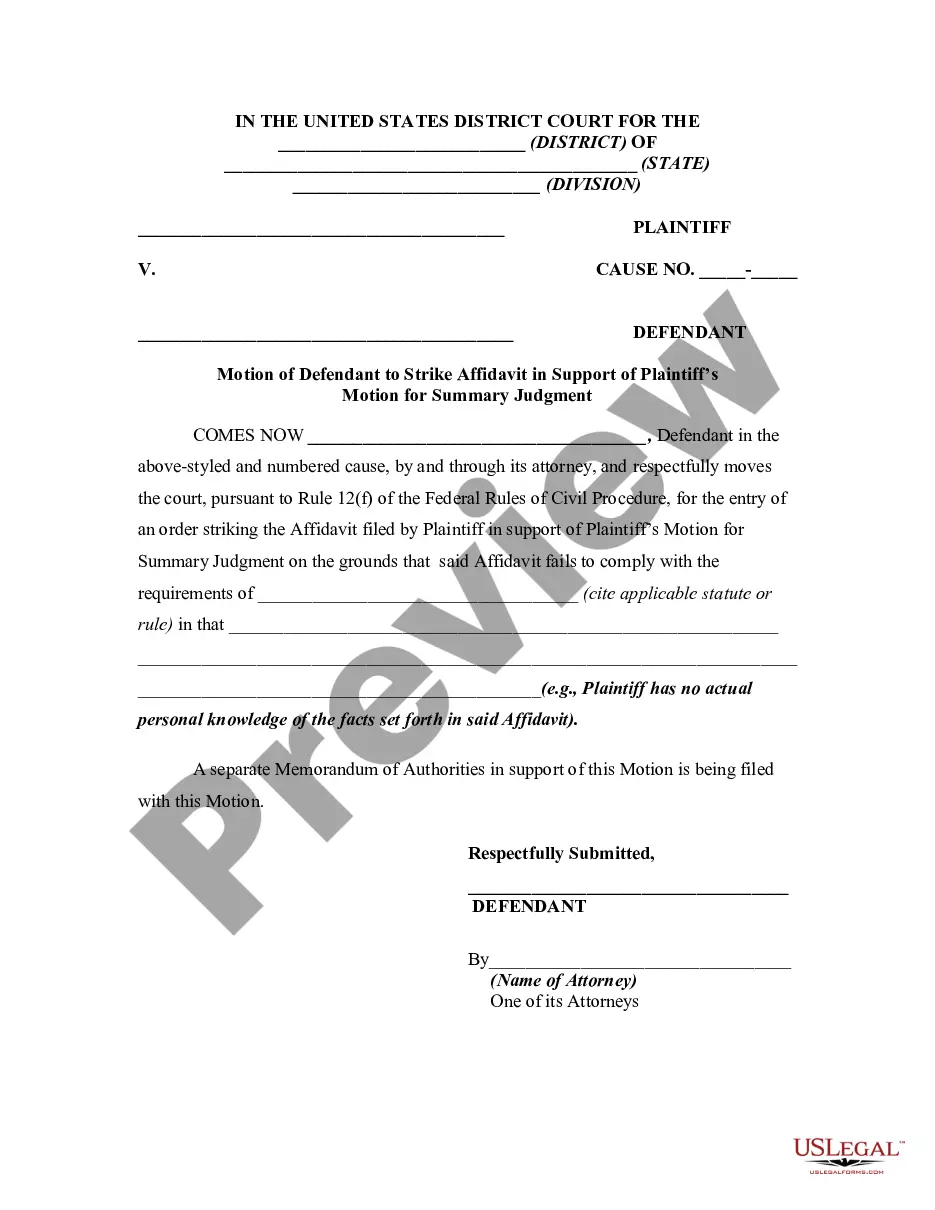
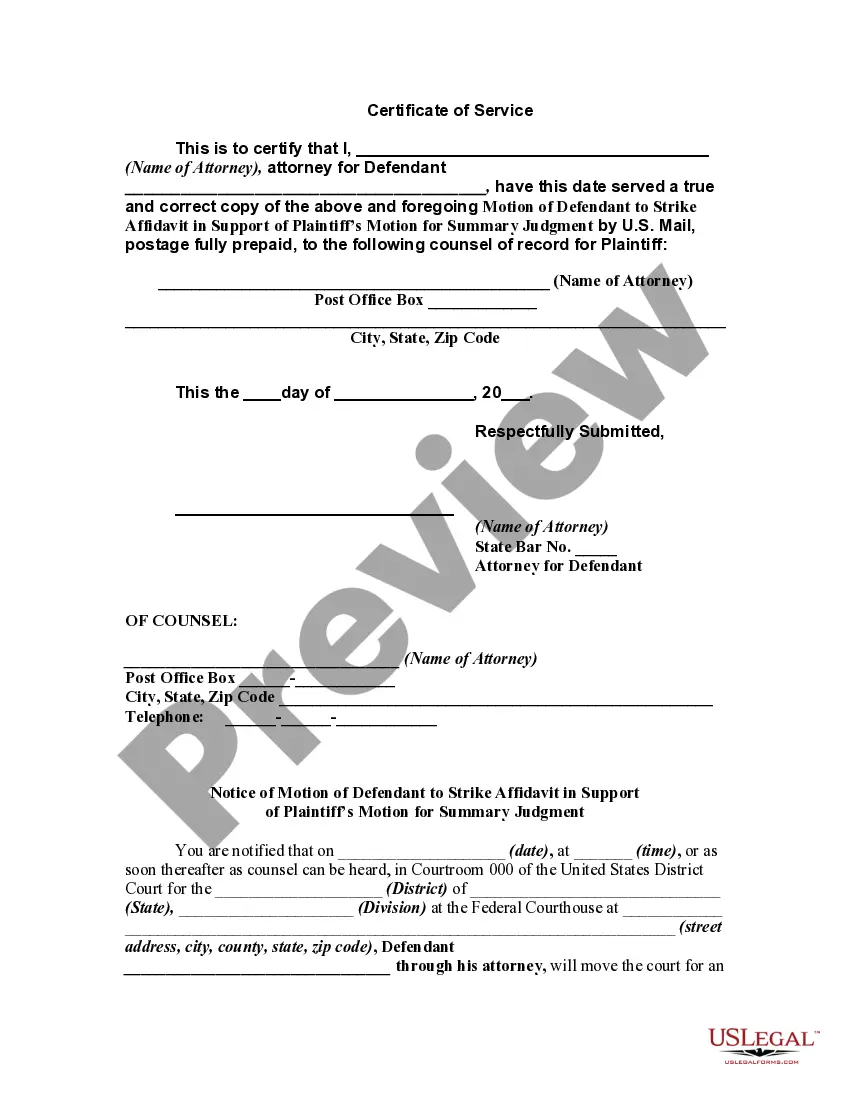
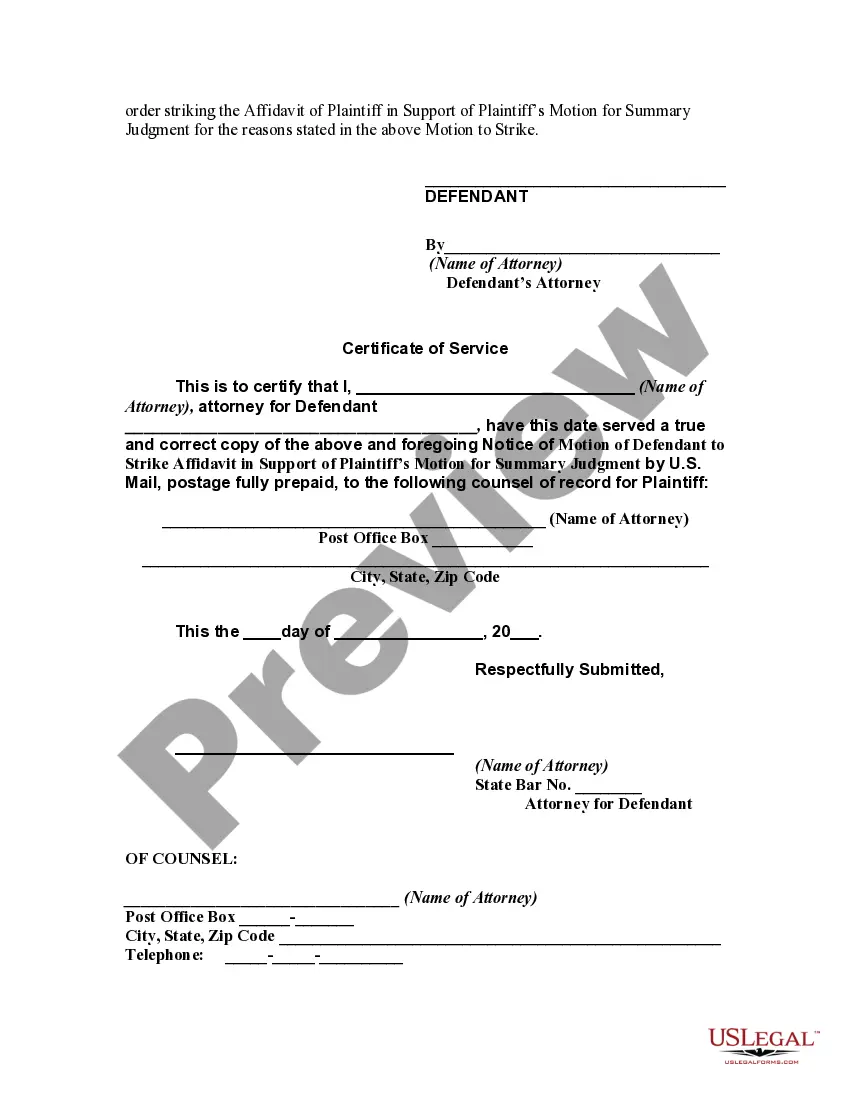
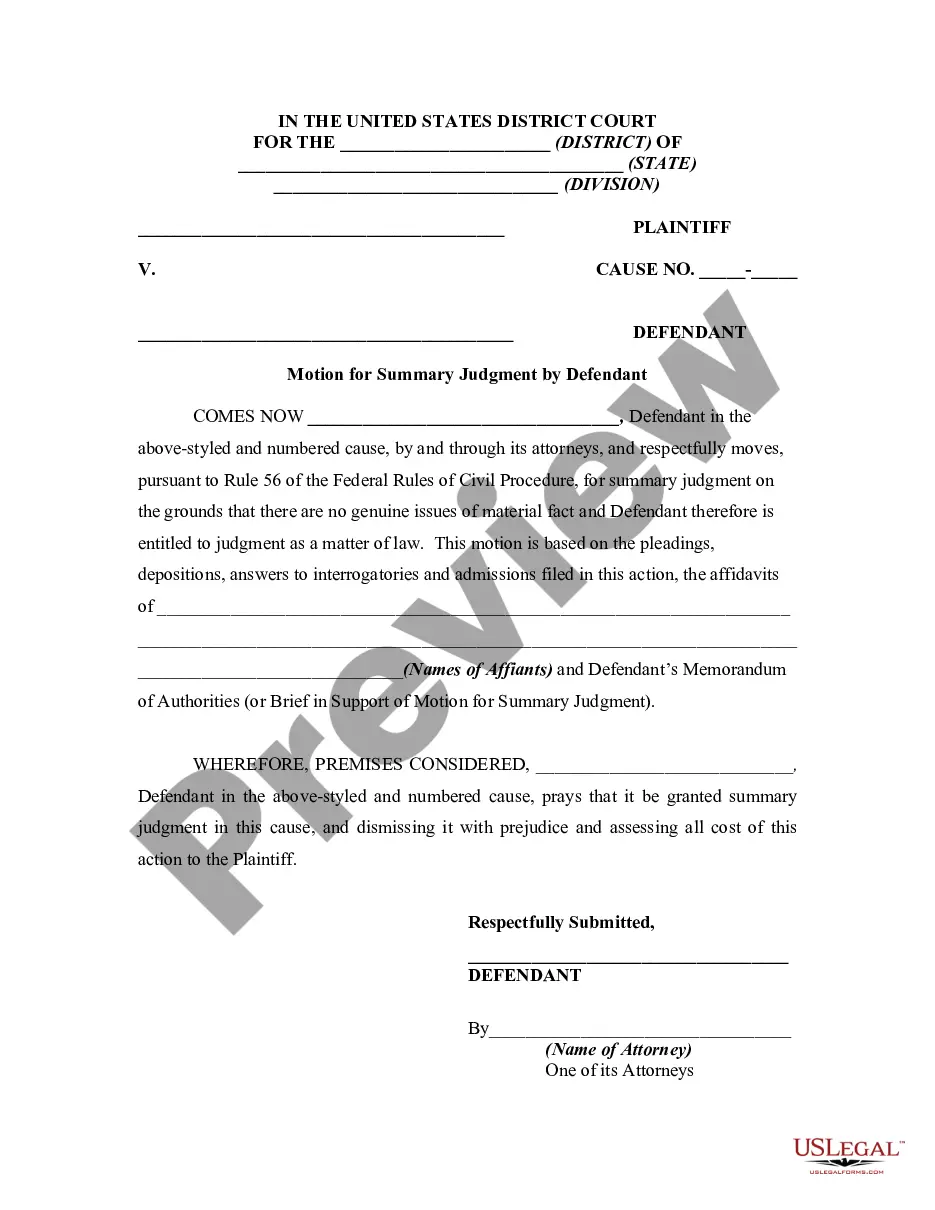
Motion Strike Template With Lines
Description

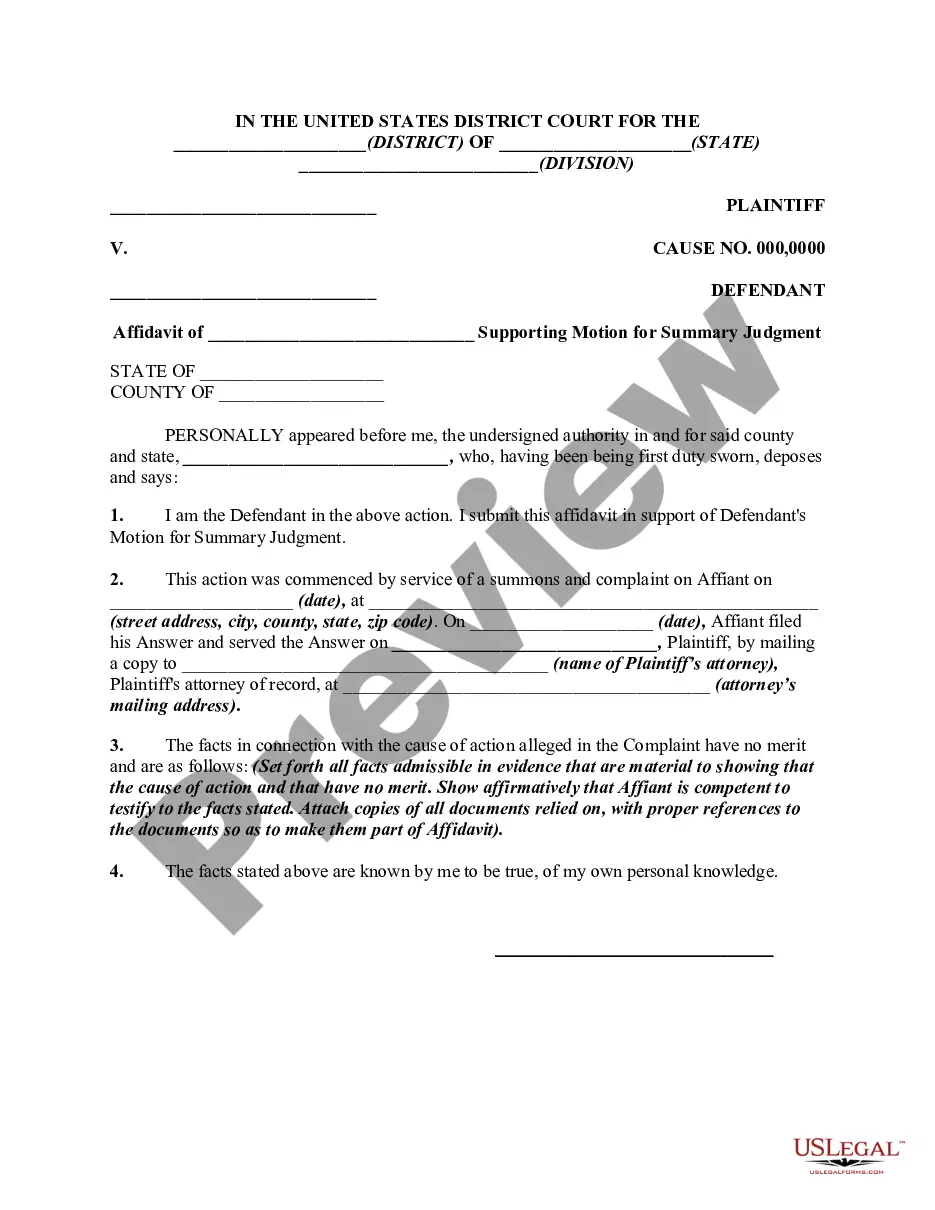
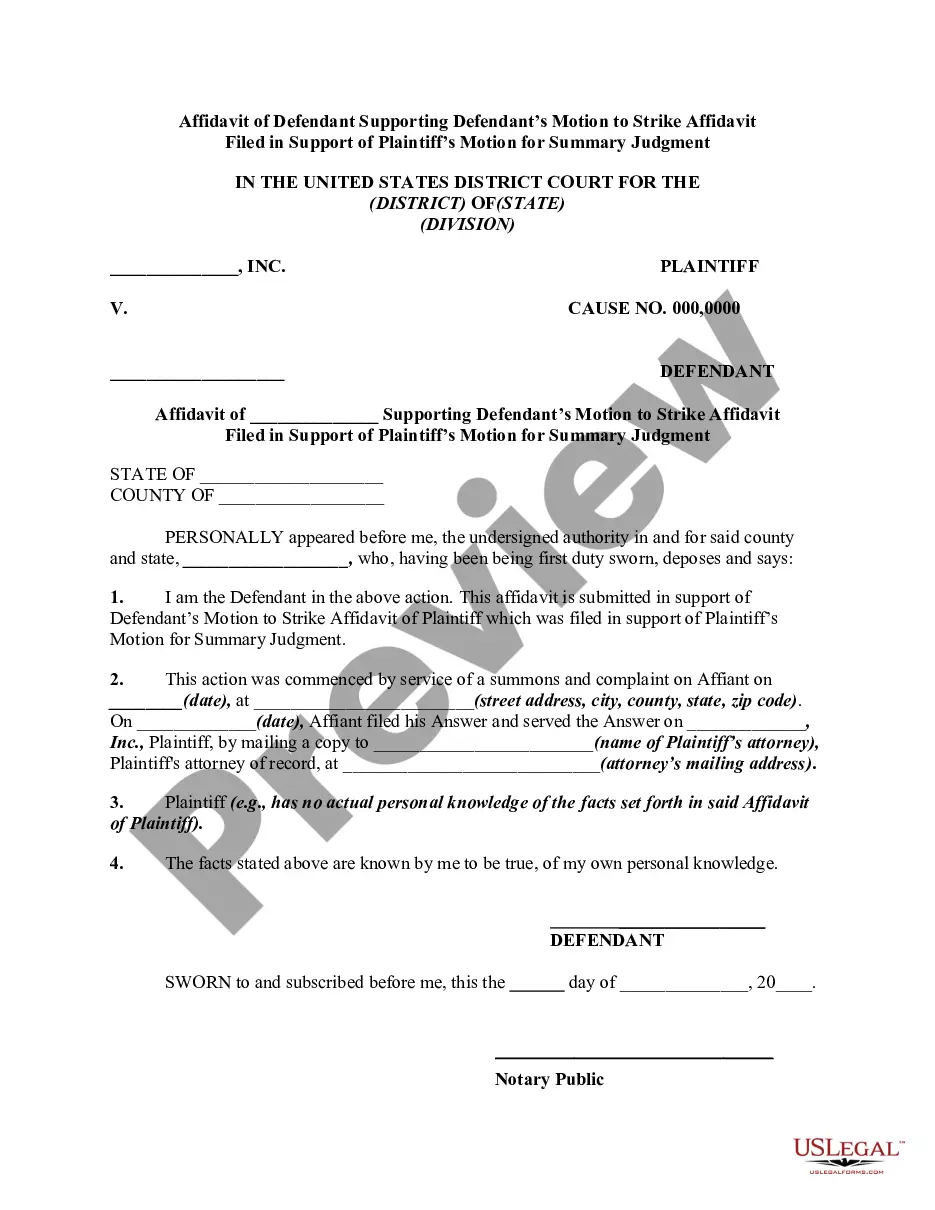
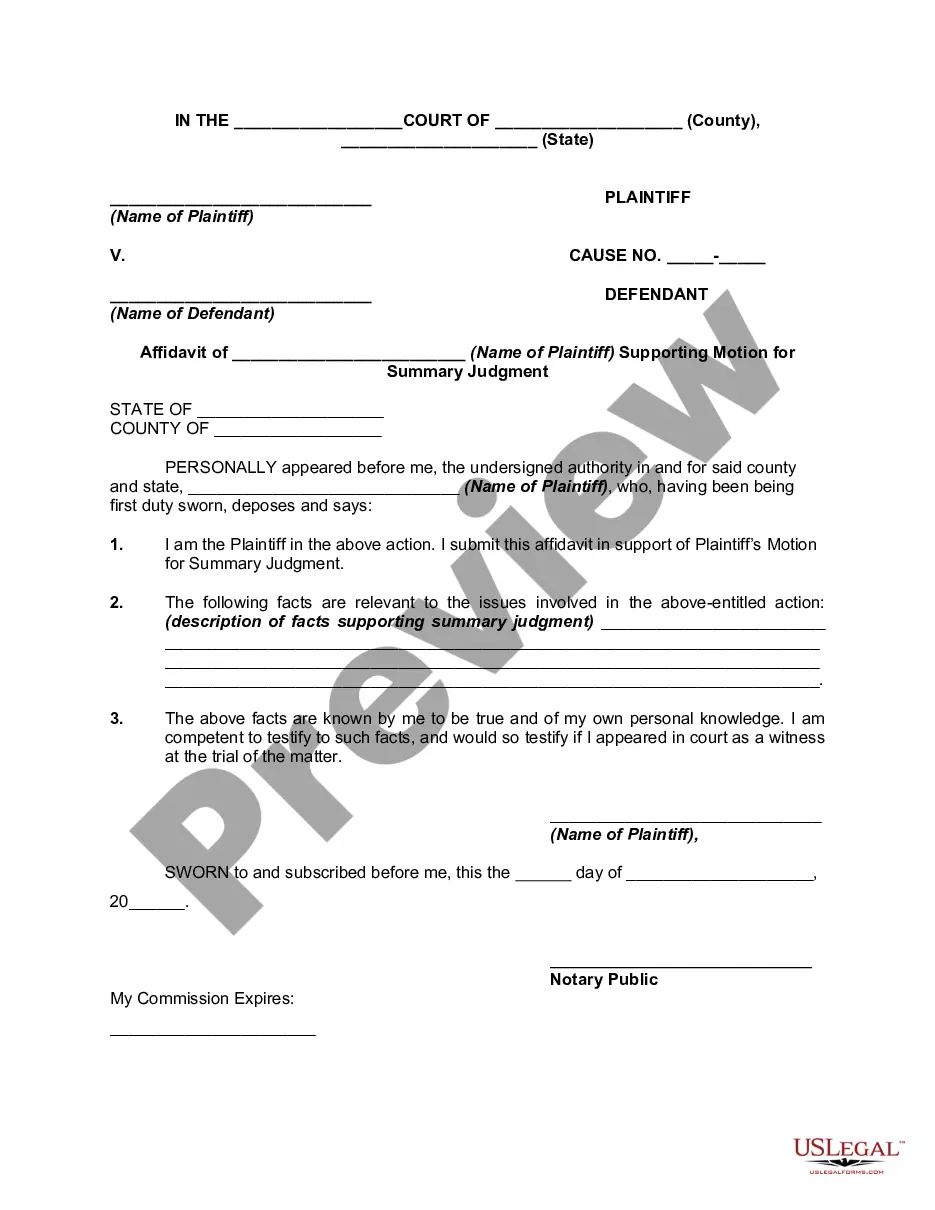
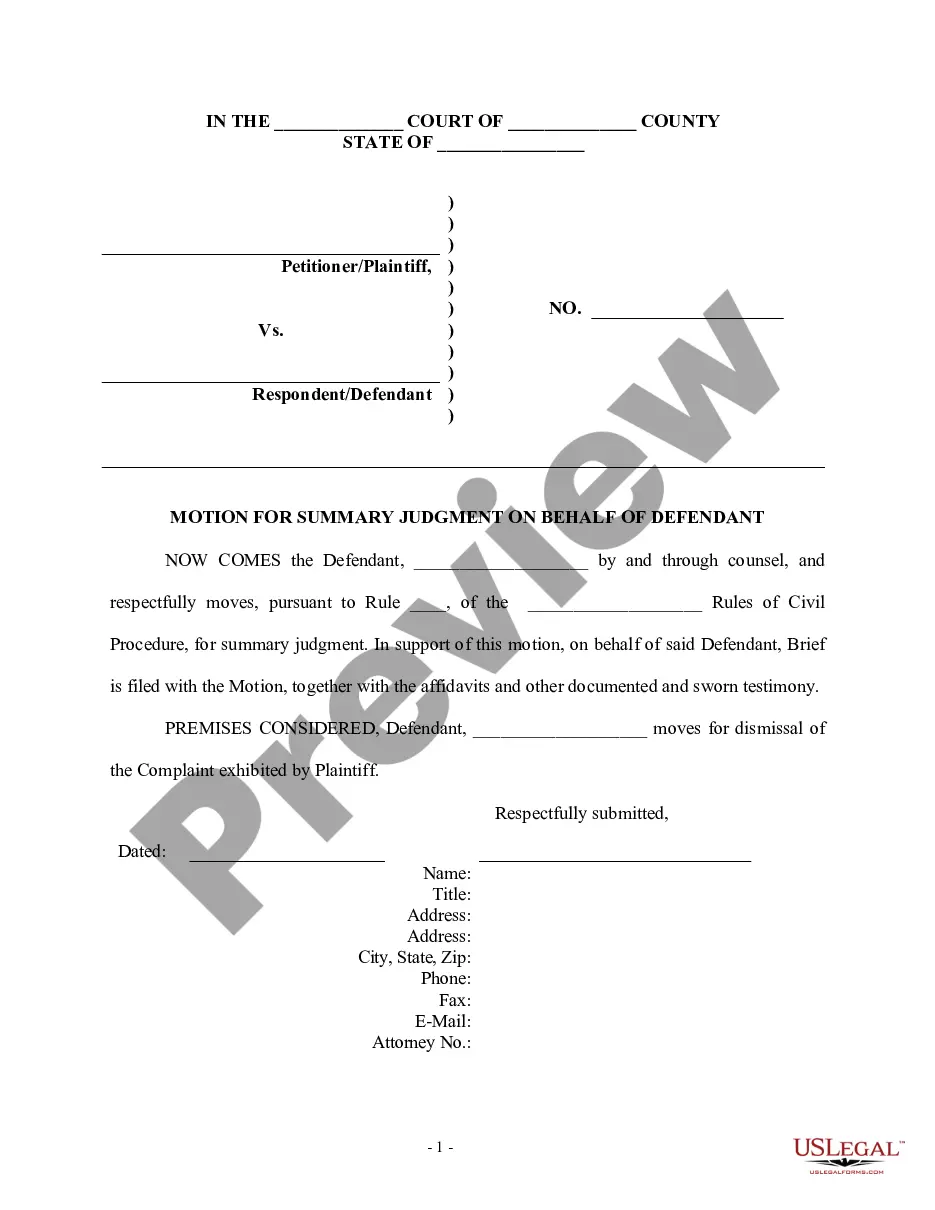
Get your form ready online
Our built-in tools help you complete, sign, share, and store your documents in one place.
Make edits, fill in missing information, and update formatting in US Legal Forms—just like you would in MS Word.
Download a copy, print it, send it by email, or mail it via USPS—whatever works best for your next step.
Sign and collect signatures with our SignNow integration. Send to multiple recipients, set reminders, and more. Go Premium to unlock E-Sign.
If this form requires notarization, complete it online through a secure video call—no need to meet a notary in person or wait for an appointment.
We protect your documents and personal data by following strict security and privacy standards.

Make edits, fill in missing information, and update formatting in US Legal Forms—just like you would in MS Word.

Download a copy, print it, send it by email, or mail it via USPS—whatever works best for your next step.

Sign and collect signatures with our SignNow integration. Send to multiple recipients, set reminders, and more. Go Premium to unlock E-Sign.

If this form requires notarization, complete it online through a secure video call—no need to meet a notary in person or wait for an appointment.

We protect your documents and personal data by following strict security and privacy standards.
Looking for another form?


How to fill out Motion Of Defendant To Strike Affidavit In Support Of Plaintiffs Motion For Summary Judgment And Notice Of Motion To Strike?
Whether for professional reasons or personal issues, everyone must confront legal circumstances at some point in their life.
Filling out legal documents requires meticulous care, starting from selecting the correct form template.
With an extensive US Legal Forms catalog available, you won't need to waste time searching for the right sample online. Utilize the library's easy navigation to find the suitable template for any event.
- For instance, if you select an incorrect version of the Motion Strike Template With Lines, it will be denied upon submission.
- Thus, it is crucial to obtain a reliable source of legal documents such as US Legal Forms.
- If you need to acquire a Motion Strike Template With Lines template, follow these straightforward steps.
- Locate the sample you require by using the search bar or catalog browsing.
- Review the form's details to confirm it aligns with your circumstances, state, and county.
- Click on the form's preview to review it.
- If it is not the correct document, return to the search feature to find the Motion Strike Template With Lines sample you need.
- Obtain the template if it satisfies your criteria.
- If you already possess a US Legal Forms account, simply click Log in to access previously stored documents in My documents.
- If you do not have an account yet, you can download the form by clicking Buy now.
- Choose the correct payment option.
- Complete the account registration form.
- Select your payment method: either a credit card or PayPal account.
- Choose the file format you desire and download the Motion Strike Template With Lines.
- Once it is saved, you can fill out the form using editing software or print it and complete it by hand.
Form popularity
FAQ
C.C.P. § 436 allows for a motion to strike ?any irrelevant, false, or improper matter asserted in any pleading? or portion of a pleading ?not drawn of filed in conformity with the laws of this state.? A motion to strike is proper ?when a substantive defect is clear from the face of a complaint.? (PH II, Inc.
A motion to strike asks the court to ban a pleading, like an Answer, from being used. See CPLR 3126. A motion for contempt asks the court to fine and/or jail the other side for ignoring the court's order.
A motion to strike challenges the legal sufficiency of a pleading, and, consequently, requires no factual findings by the trial court. ... [The court takes] the facts to be those alleged in the complaint ... and [construes] the complaint in the manner most favorable to sustaining its legal sufficiency. ...
A Motion to Strike is used to challenge improper or irrelevant information, or complaints not made in conformity with laws, rules, or court orders. Additionally, a Demurrer is used only to attack entire causes of action, while a Motion to Strike can be used to attack portions of a cause of action.
At the trial stage, a party may wish to make a motion to strike to remove evidence?usually part of a witness's testimony?from the court record, with the jury instructed to disregard the evidence. This is commonly accomplished by raising an objection, which a judge can either sustain or overrule.