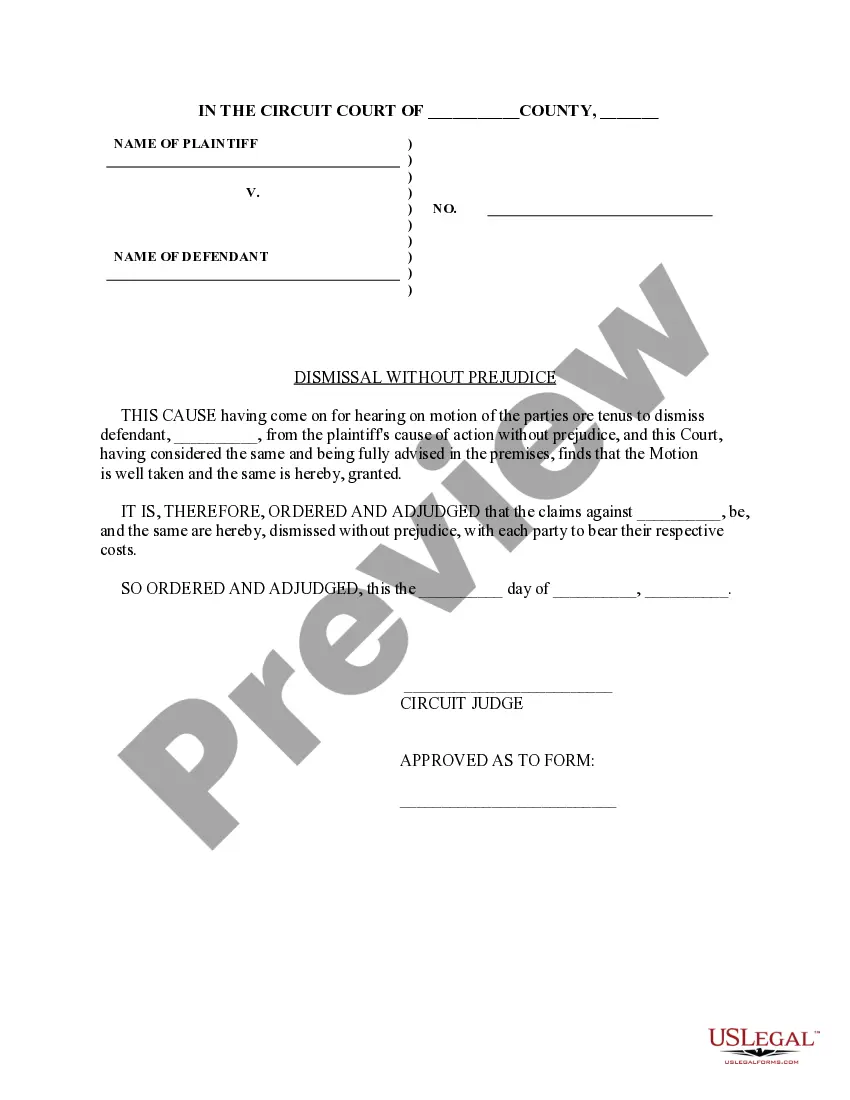
Civil Procedure Dismissal Without Prejudice
Description
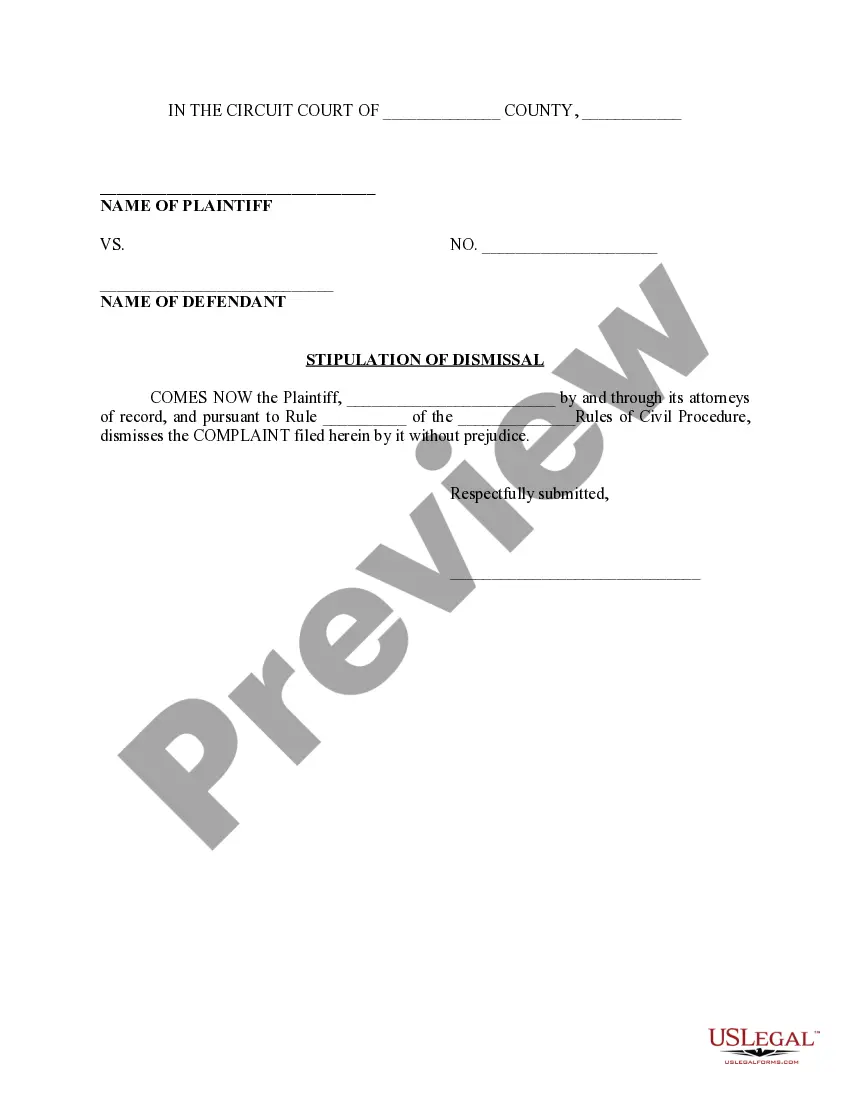
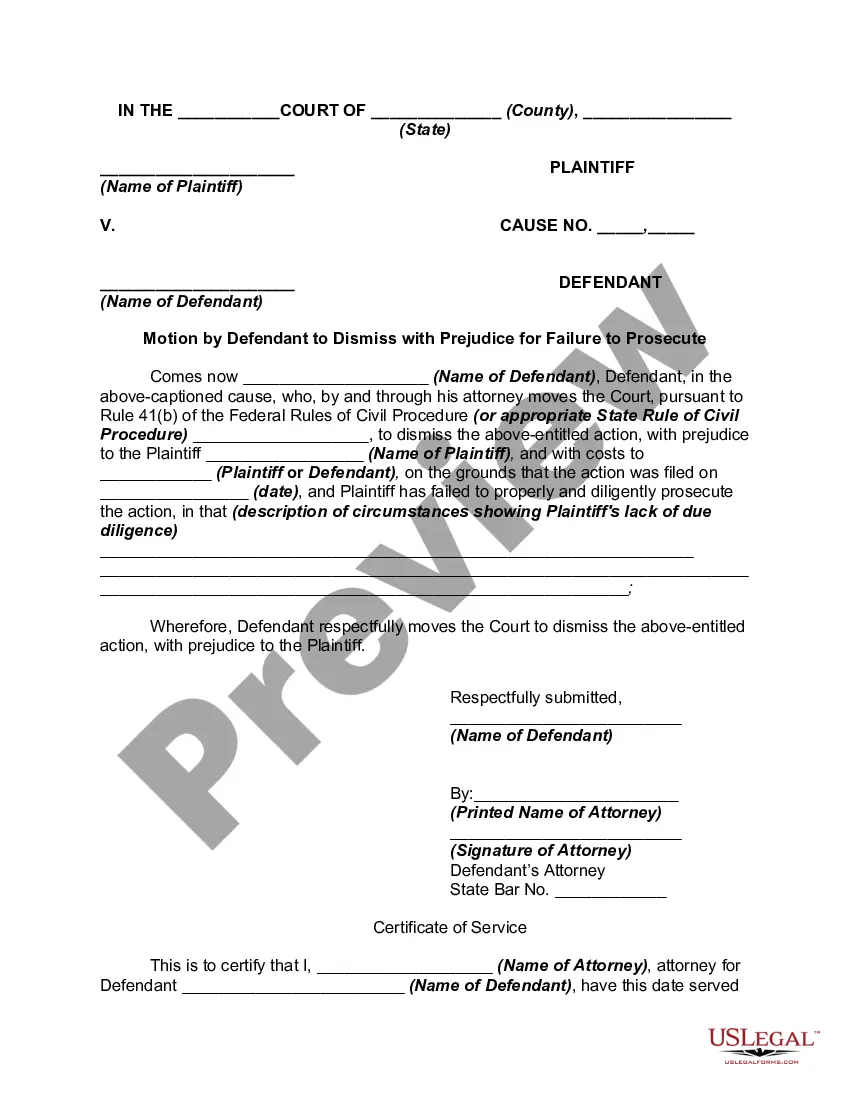
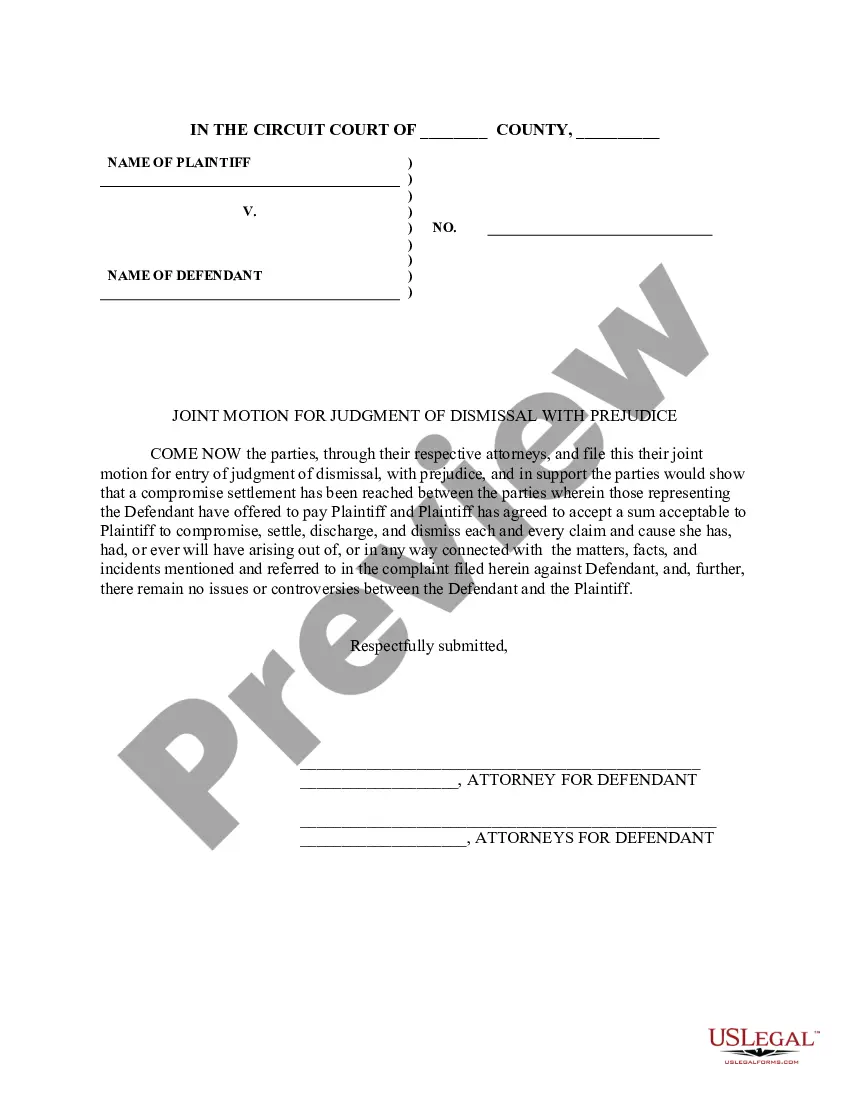
Get your form ready online
Our built-in tools help you complete, sign, share, and store your documents in one place.
Make edits, fill in missing information, and update formatting in US Legal Forms—just like you would in MS Word.
Download a copy, print it, send it by email, or mail it via USPS—whatever works best for your next step.
Sign and collect signatures with our SignNow integration. Send to multiple recipients, set reminders, and more. Go Premium to unlock E-Sign.
If this form requires notarization, complete it online through a secure video call—no need to meet a notary in person or wait for an appointment.
We protect your documents and personal data by following strict security and privacy standards.

Make edits, fill in missing information, and update formatting in US Legal Forms—just like you would in MS Word.

Download a copy, print it, send it by email, or mail it via USPS—whatever works best for your next step.

Sign and collect signatures with our SignNow integration. Send to multiple recipients, set reminders, and more. Go Premium to unlock E-Sign.

If this form requires notarization, complete it online through a secure video call—no need to meet a notary in person or wait for an appointment.

We protect your documents and personal data by following strict security and privacy standards.
Looking for another form?








How to fill out Dismissal Without Prejudice?
Creating legal documents from the beginning can occasionally be daunting. Some situations may require extensive research and significant financial investment.
If you seek a more straightforward and economical method for preparing Civil Procedure Dismissal Without Prejudice or other paperwork without unnecessary complications, US Legal Forms is always accessible.
Our online repository of more than 85,000 current legal documents encompasses nearly every aspect of your financial, legal, and personal matters. With only a few clicks, you can swiftly obtain state- and county-specific templates meticulously crafted for you by our legal experts.
Utilize our website whenever you require dependable and trustworthy services to easily find and download the Civil Procedure Dismissal Without Prejudice. If you are already familiar with our site and have previously registered an account, simply Log In to your account, find the form and download it or re-download it at any time in the My documents section.
Verify that the form you select meets the criteria of your state and county. Select the appropriate subscription plan to purchase the Civil Procedure Dismissal Without Prejudice. Download the document. Then complete, validate, and print it. US Legal Forms has a solid reputation and over 25 years of experience. Join us now and make form completion a simple and efficient process!
- Don’t have an account? No problem.
- It only takes a few minutes to register and browse the catalog.
- But before proceeding to download Civil Procedure Dismissal Without Prejudice, adhere to these guidelines.
- Review the document preview and descriptions to confirm that you have located the form you need.
Form popularity
FAQ
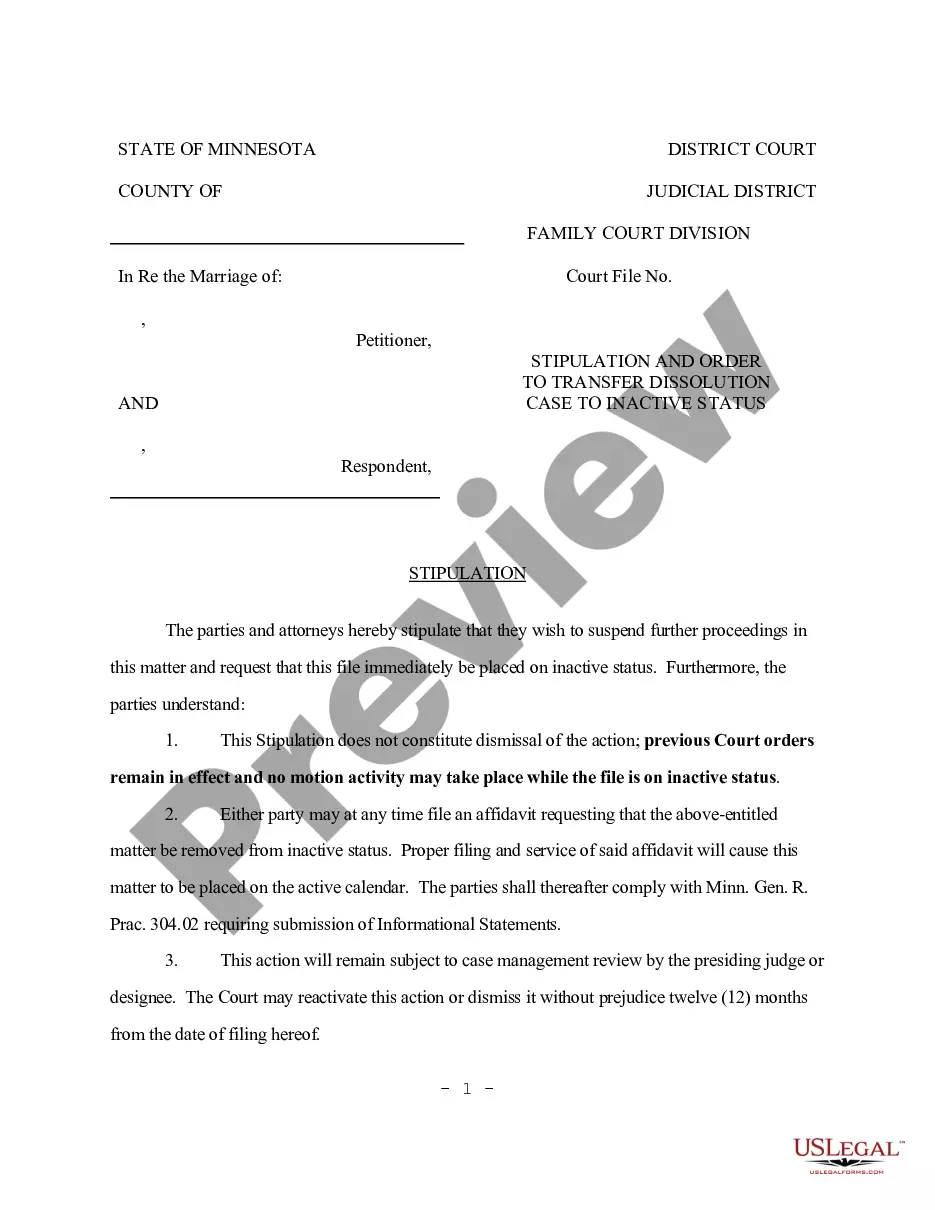
A civil case may be dismissed without prejudice to allow the plaintiff to refile the case in the future. This type of dismissal often happens when there are procedural issues, such as improper filing or lack of jurisdiction. Dismissing a case without prejudice means the plaintiff retains the right to pursue the case later, addressing the issues that led to the dismissal. Understanding civil procedure dismissal without prejudice is crucial as it provides an opportunity for plaintiffs to correct their claims without losing their legal rights.
Filling out a motion for dismissal involves a few key steps. First, clearly state your name, the case number, and the court where the case is filed. Next, include a brief explanation of why you are seeking dismissal and specify that it is 'without prejudice.' Lastly, be sure to sign and date the motion before submitting it to the court. For templates and guidance, consider accessing resources from US Legal Forms.
You should use the term 'without prejudice' when you want to dismiss a case but still maintain the right to pursue it later. This is typically appropriate in situations where you need more time to gather evidence or reconsider your legal options. By including 'without prejudice' in your dismissal, you protect your interests without permanently closing the door on your case. If you have questions about this process, platforms like US Legal Forms can provide helpful resources.
Having your case dismissed without prejudice can be beneficial as it allows you to refile the case later, should you choose to do so. This type of dismissal does not prevent you from pursuing your claims in the future. However, it is important to consider the reasons behind the dismissal and ensure that it aligns with your overall legal strategy. Consulting with a knowledgeable attorney can help you navigate these decisions effectively.
To dismiss a case without prejudice, you generally need to file a motion for dismissal with the court. This motion should clearly state your intention to dismiss the case and specify that the dismissal is without prejudice. By doing so, you preserve your right to refile the case in the future. It's advisable to consult with a legal expert or use platforms like US Legal Forms for guidance on the process.
?With prejudice? means that you cannot re-file your case ever. ?Without prejudice? means that you can re-file your case at a later date (as long as you are still within the statute of limitations).
Reasons for dismissal without prejudice The parties came to an agreement and the plaintiff wants to end the case. The person the plaintiff sued paid you the money he or she owed you. The plaintiff cannot locate the defendant to serve him or her, but wants to reserve the right to sue at a later date.
A court may allow a plaintiff to voluntarily withdraw from the suit through a Rule 41(a) dismissal without prejudice if the plaintiff would suffer hardship from continuing the suit. Also, under Rule 37(b)(2), a court may dismiss without prejudice to sanction a party acting in bad faith.
Dismissal Without Prejudice For example, if a person beats another person very severely, the prosecutor may file assault charges against the aggressor. If the victim later dies, the prosecutor may want to drop the assault charges in favor of a murder charge.
Dismissal without prejudice means that the judge dismissed the plaintiff's or prosecutor's case without damaging their right to have their matter heard in court later. A prosecutor may ask to withdraw the case against a person to have more time to make a case stronger, find more evidence or question other witnesses.