Order Of Default With
Description
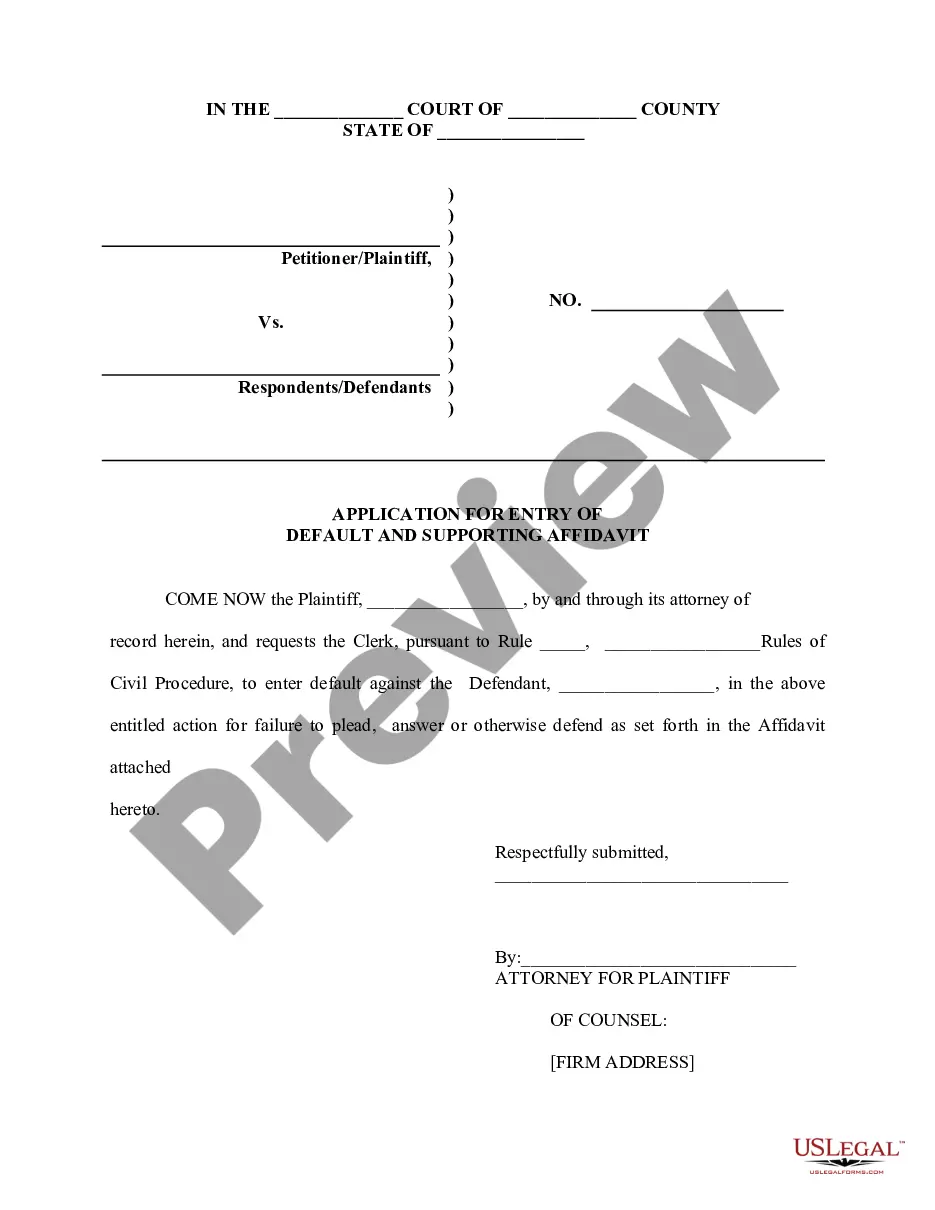
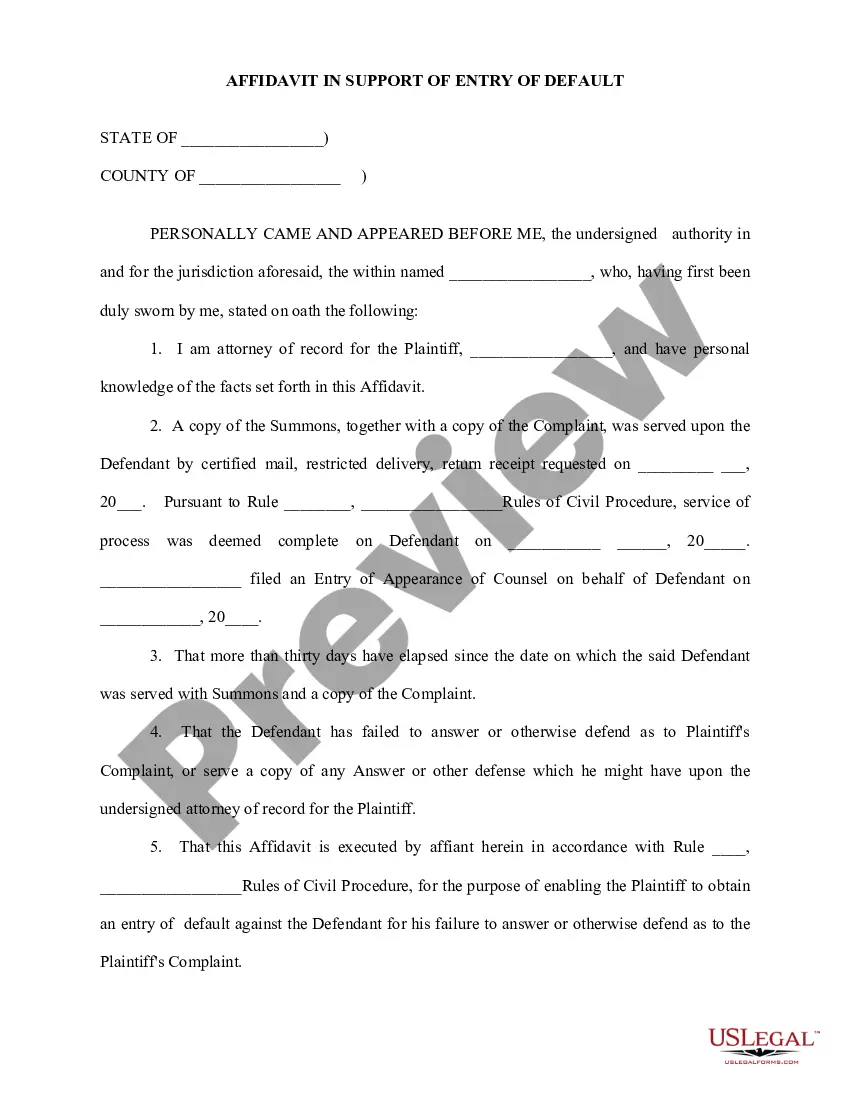
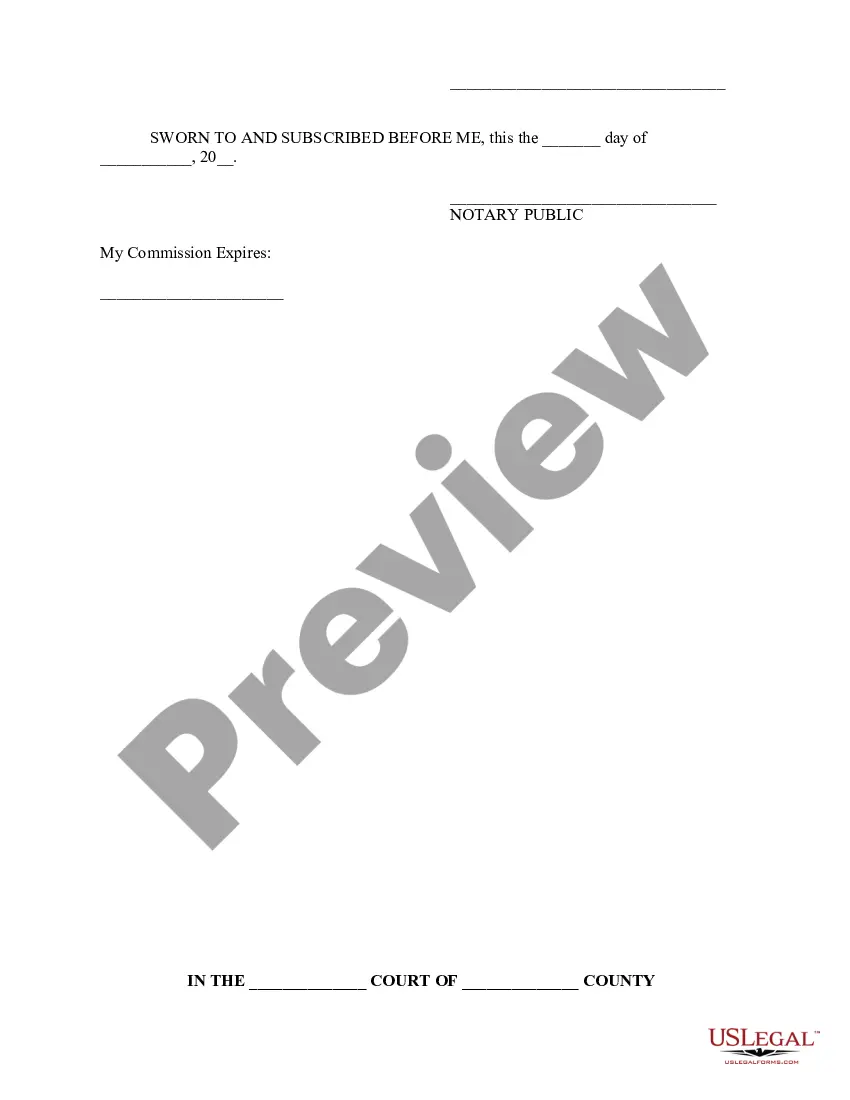
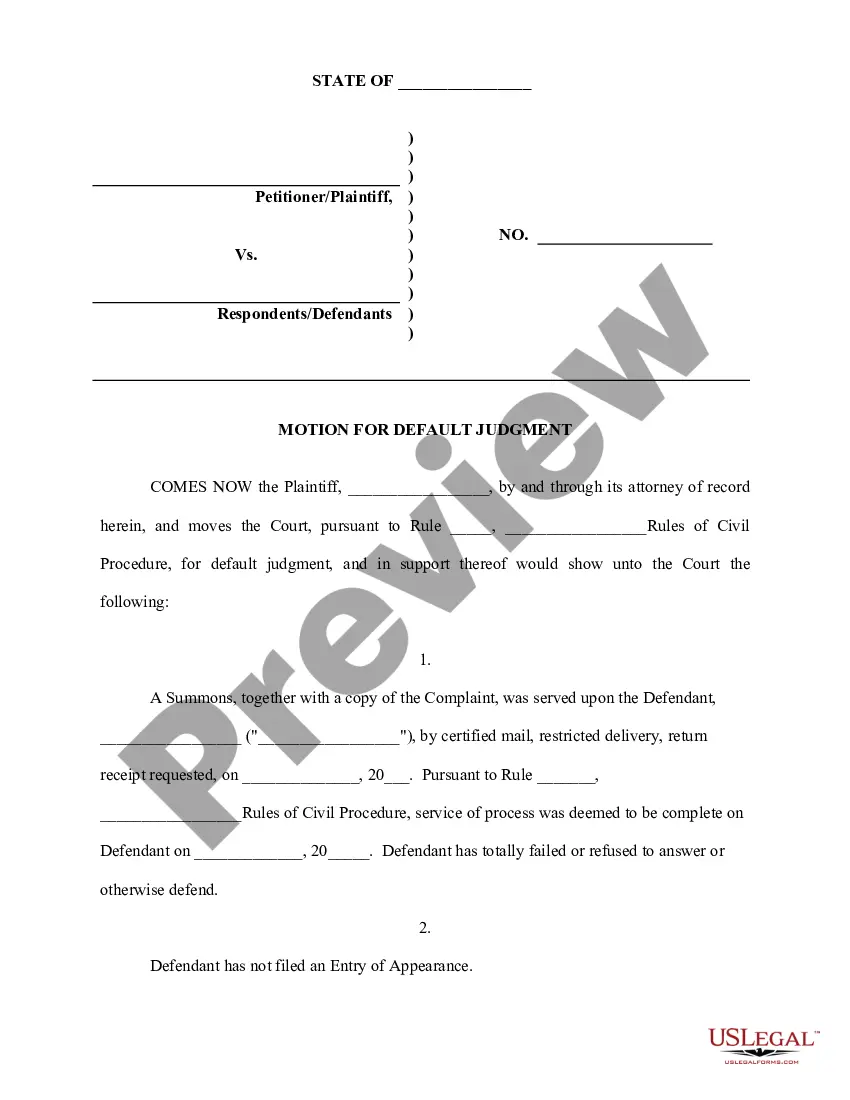
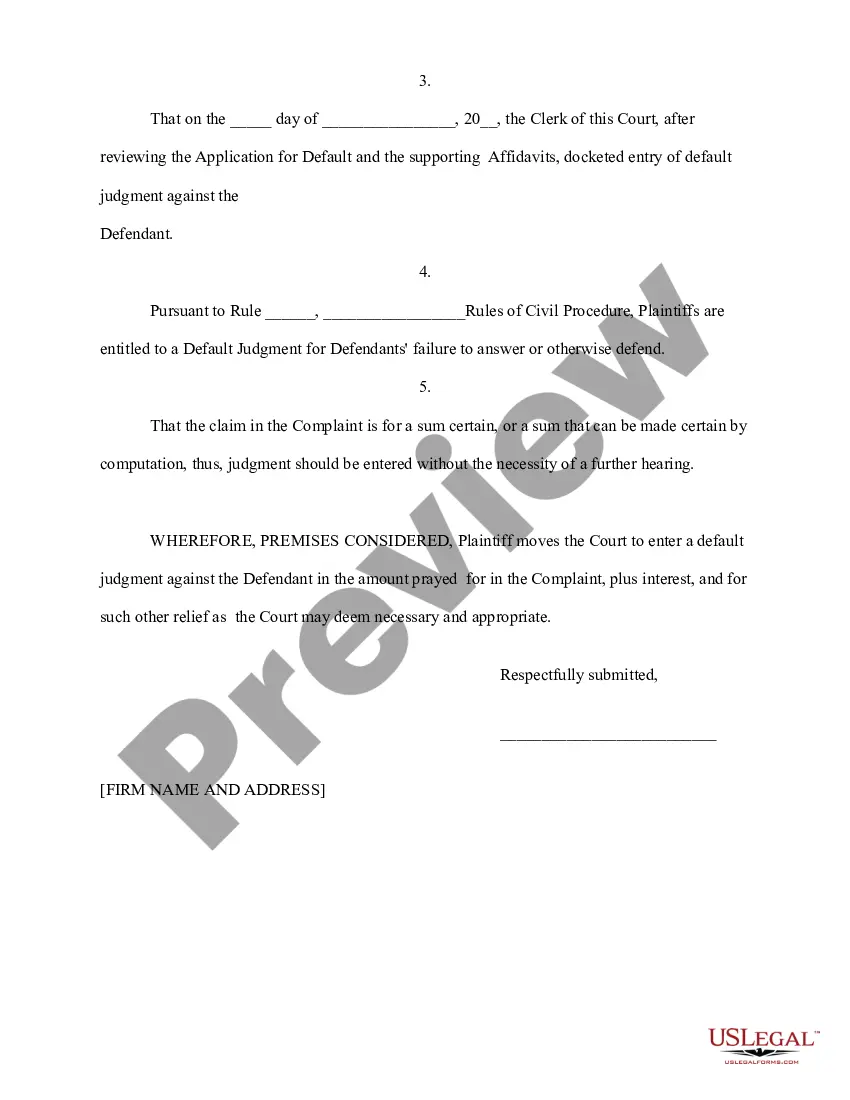
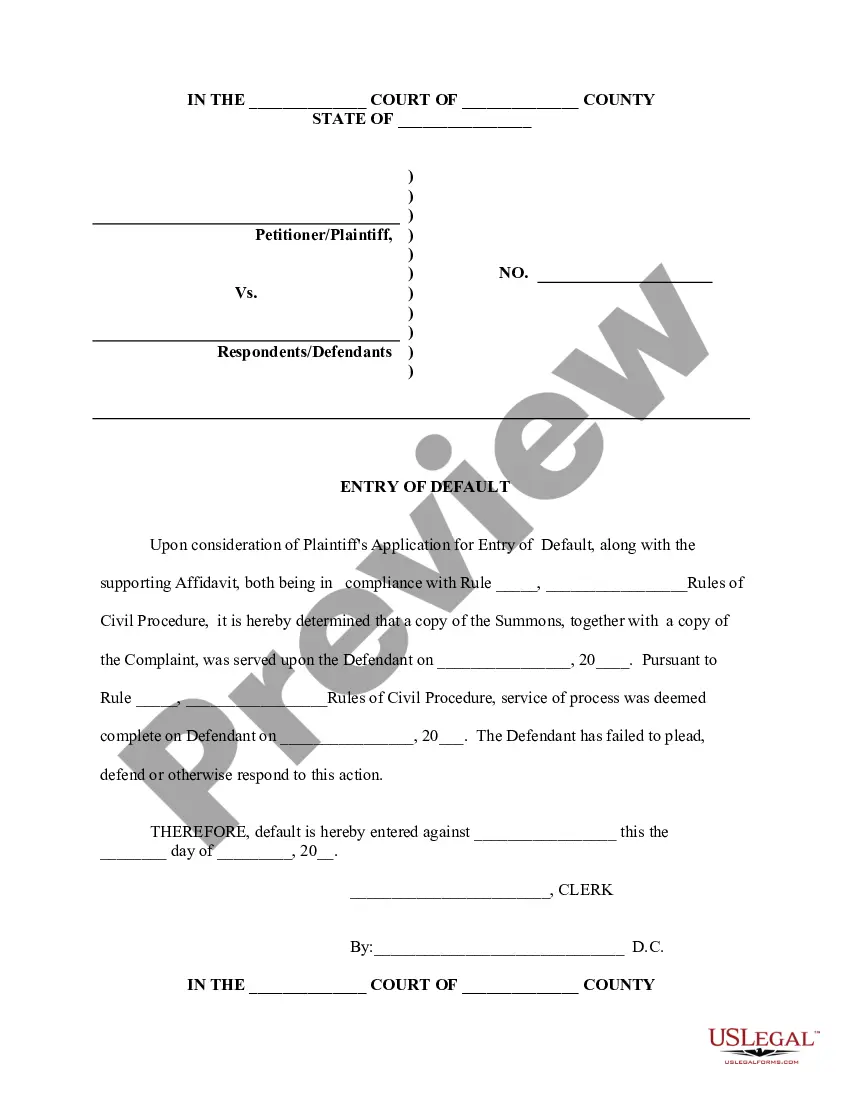
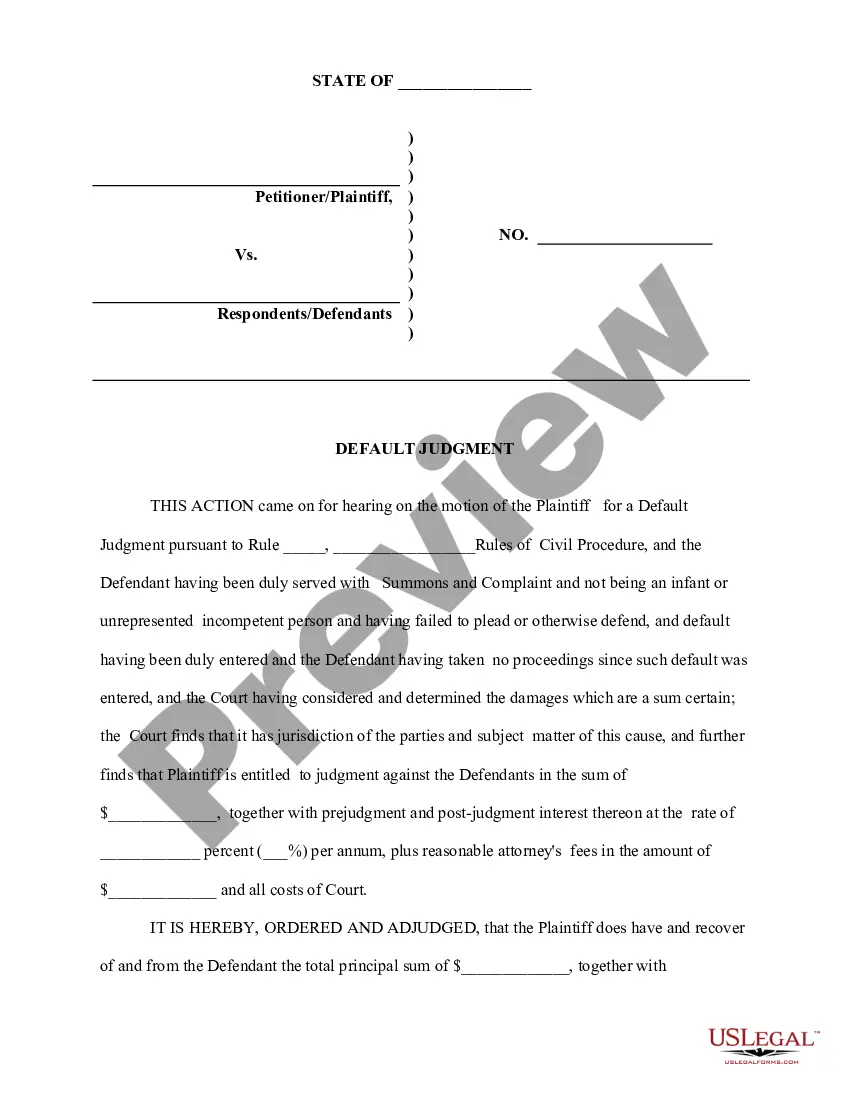
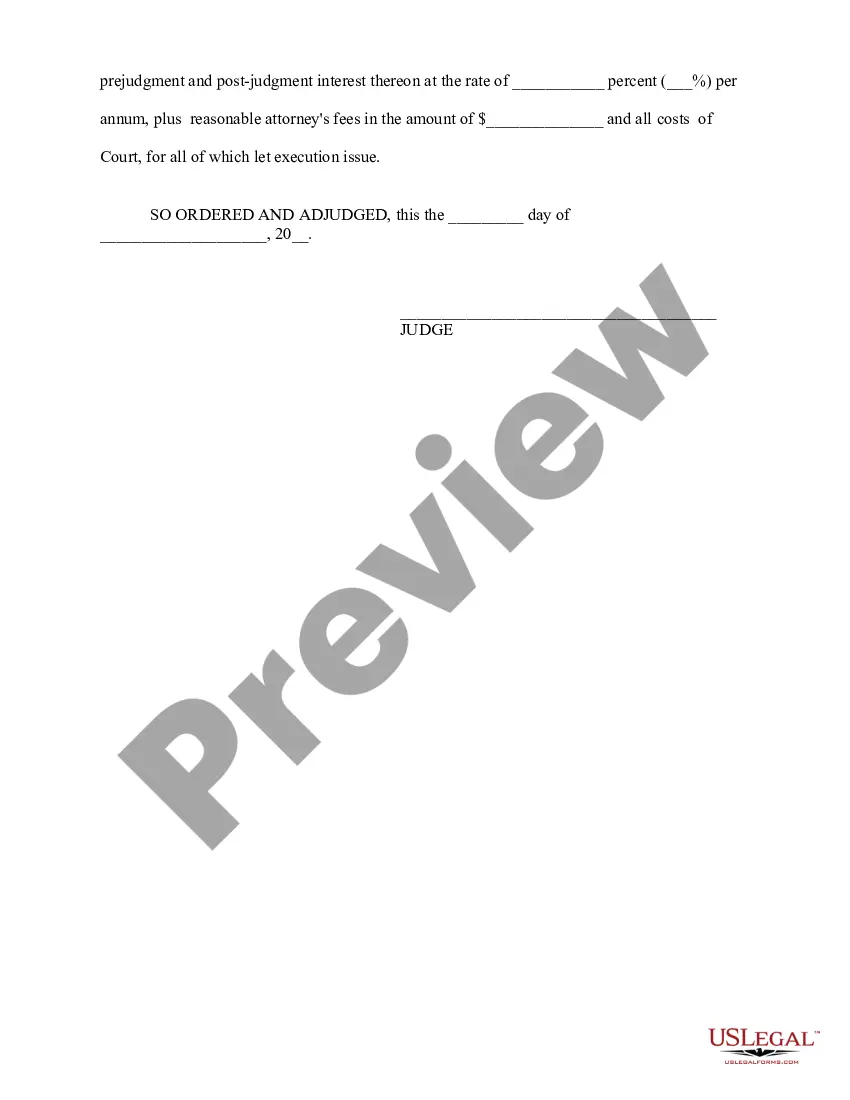
Get your form ready online
Our built-in tools help you complete, sign, share, and store your documents in one place.
Make edits, fill in missing information, and update formatting in US Legal Forms—just like you would in MS Word.
Download a copy, print it, send it by email, or mail it via USPS—whatever works best for your next step.
Sign and collect signatures with our SignNow integration. Send to multiple recipients, set reminders, and more. Go Premium to unlock E-Sign.
If this form requires notarization, complete it online through a secure video call—no need to meet a notary in person or wait for an appointment.
We protect your documents and personal data by following strict security and privacy standards.

Make edits, fill in missing information, and update formatting in US Legal Forms—just like you would in MS Word.

Download a copy, print it, send it by email, or mail it via USPS—whatever works best for your next step.

Sign and collect signatures with our SignNow integration. Send to multiple recipients, set reminders, and more. Go Premium to unlock E-Sign.

If this form requires notarization, complete it online through a secure video call—no need to meet a notary in person or wait for an appointment.

We protect your documents and personal data by following strict security and privacy standards.
Looking for another form?

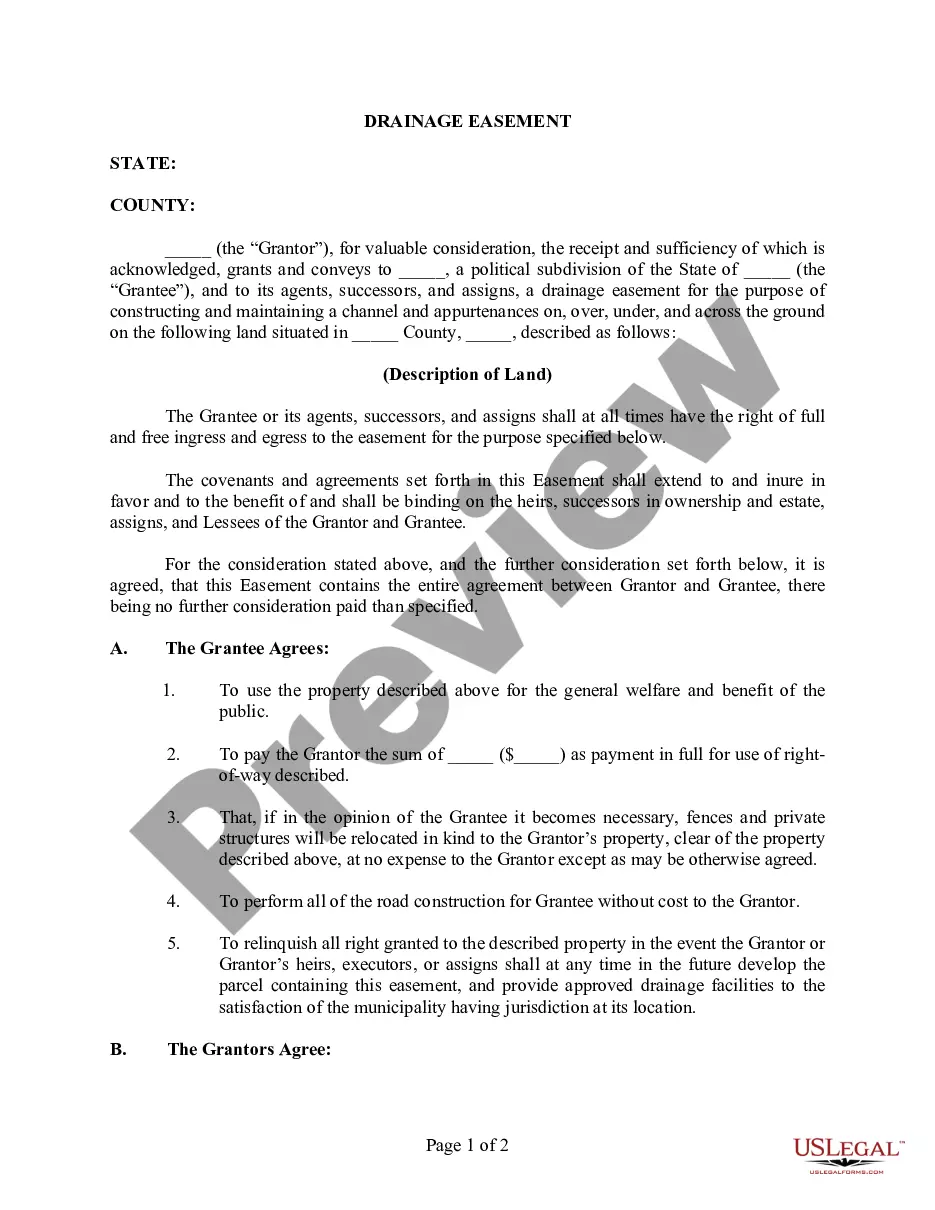

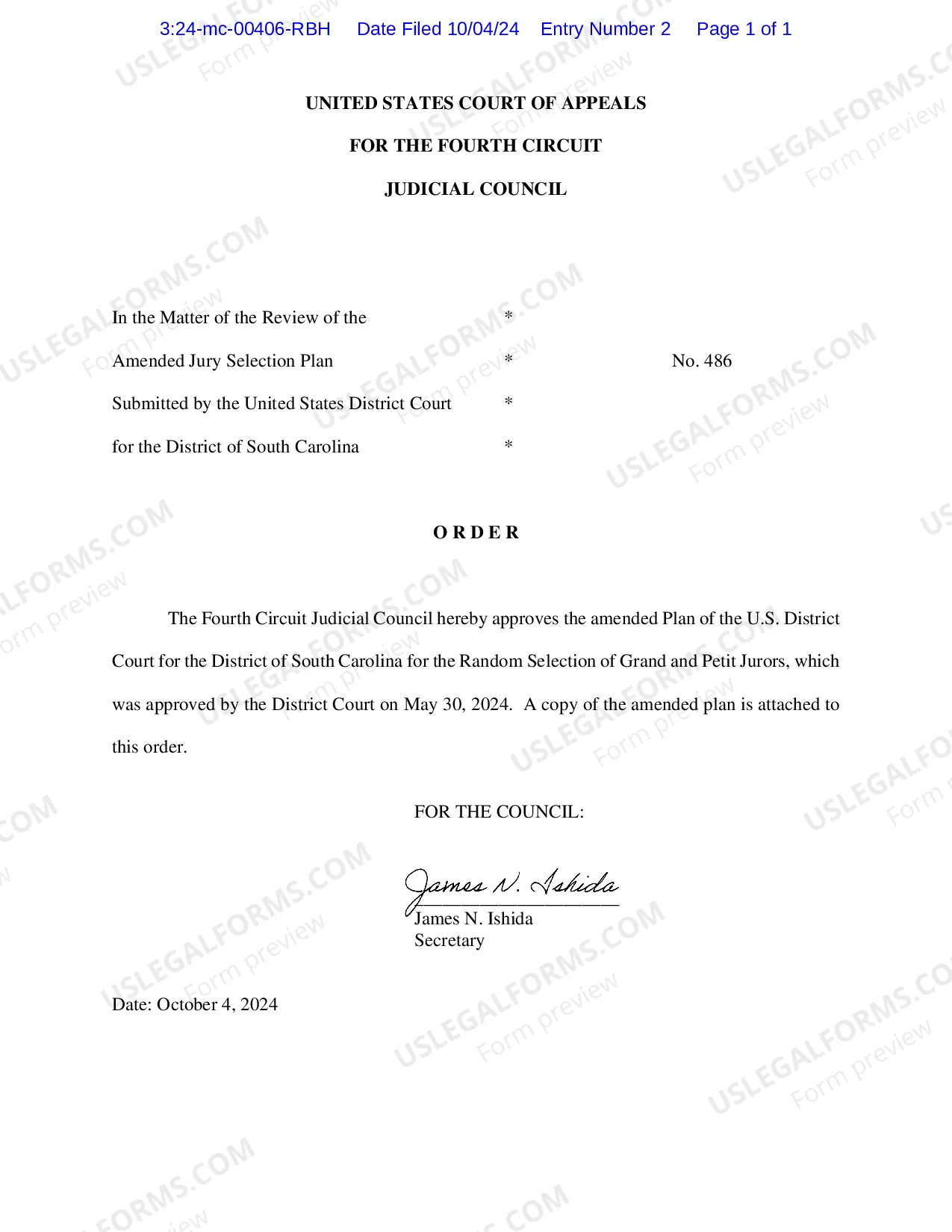


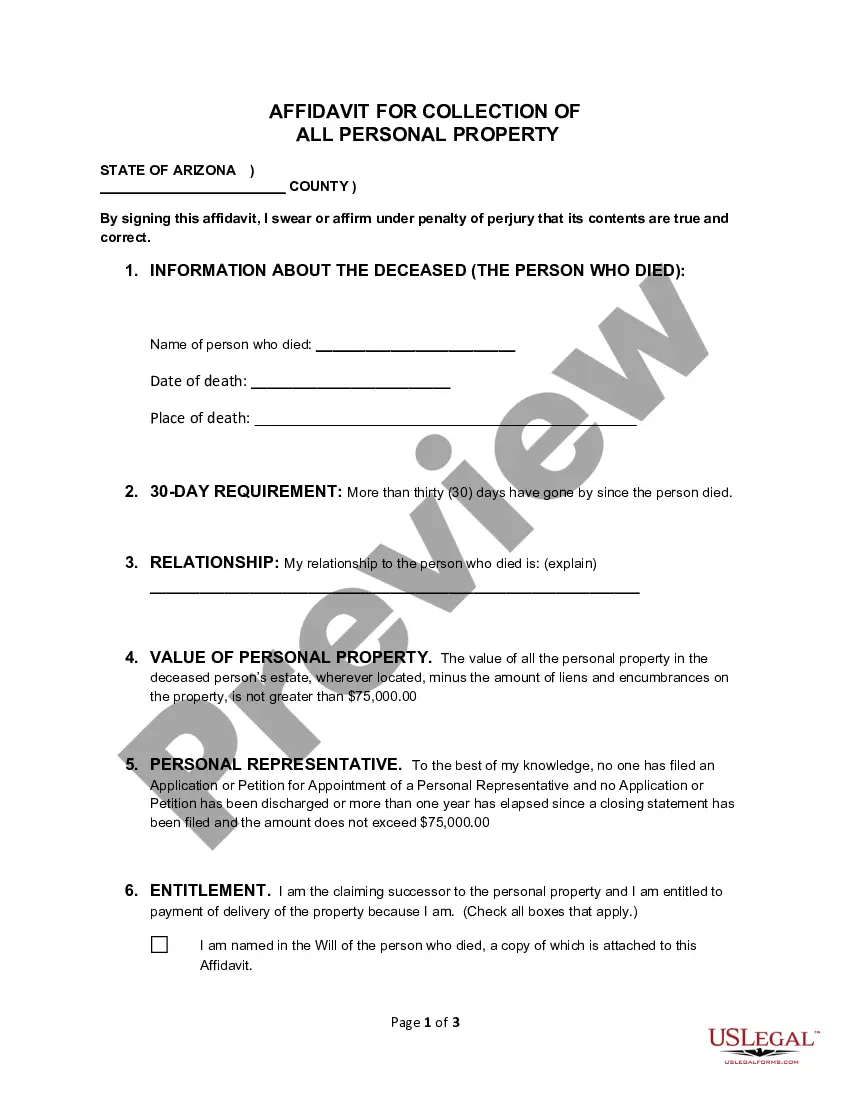



How to fill out Application For Entry Of Default - Affidavit - Motion - Entry Of Default - Default Judgment?
Managing legal paperwork can be exasperating, even for the most experienced professionals.
When you're searching for an Order Of Default With and lack the opportunity to devote to locating the correct and current version, the tasks can be challenging.
Access legal and business forms specific to your state or county. US Legal Forms addresses all your needs, covering both personal and business documents in one location.
If it’s your first time using US Legal Forms, create a free account for unlimited access to all the benefits of the library. Here are the steps to follow after obtaining the form you need: Confirm it is the correct document by previewing it and reviewing its details. Ensure that the template is valid in your state or county. Click Buy Now once you're prepared. Select a subscription plan. Choose the format you desire, and Download, complete, eSign, print, and send your documents. Take advantage of the US Legal Forms online library, supported by 25 years of expertise and trustworthiness. Transform your daily document management into a seamless and user-friendly process today.
- Use advanced features to complete and manage your Order Of Default With.
- Access a repository of articles, guides, and resources pertinent to your situation and requirements.
- Save time and energy searching for the documents you require, utilizing US Legal Forms’ sophisticated search and Review feature to locate Order Of Default With and obtain it.
- If you are a member, Log Into your US Legal Forms account, search for the form, and download it.
- Check the My documents tab to see the documents you have previously downloaded and manage your folders as you see fit.
- Utilize a comprehensive online form library that can transform the way you tackle these issues.
- US Legal Forms is a leader in online legal forms, offering over 85,000 state-specific legal documents at your fingertips.
- With US Legal Forms, you can.
Form popularity
FAQ
In the context of legal orders, 'default' refers to a party's failure to act, particularly failing to respond to a summons or complaint. A default signifies that one party did not engage in the legal process, thus allowing the court to proceed without their involvement. Understanding this term is crucial when navigating legal actions, especially if you’re aiming for an order of default with a judgment.
To declare a defendant in default, you must file a motion for default after ensuring that the defendant has been properly served and has failed to respond in time. Include all necessary documents and evidence demonstrating the lack of response. By doing this, the court can issue an order of default with the judgment you seek without the defendant's participation.
In the context of ordering, 'default' refers to a situation where a party fails to fulfill their obligations, often by not responding to a legal complaint. When you order something in a legal framework, a default can lead to a judgment against you if you do not act. Understanding this concept is crucial, especially when navigating the order of default with legal processes.
You can ask to cancel, or ?set aside? a default judgment. You have to have a good reason for not responding in 30 days. If the judgment is canceled, you'll get a chance to answer.
If you are asking to set aside a default judgment or an order where you never filed a response, you should include a proposed response. If the judge decides to set aside the judgment or order, then the judge will order that your proposed response becomes the official response (it gets filed).
What is an Order of Default? An order of default is a court order saying that one party (usually the plaintiff) has won the case, and the defendant has lost, because the defendant did not participate in the case. The order of default does not settle the issue of how much money is owed.
Default sorts are intended to ensure a sensible implicit ordering to the data is retained, and therefore they do not show on columnHeaders as sorts unless the user explicitly sorts by that column. For better performance with the following example, you can choose to load the ui-grid.
You should file a Motion for Default with the clerk of the superior court. Schedule a court hearing and ask the judge or court commissioner to sign an Order on Motion for Default granting the default.