Entry Of Default Vs Default Judgment
Description
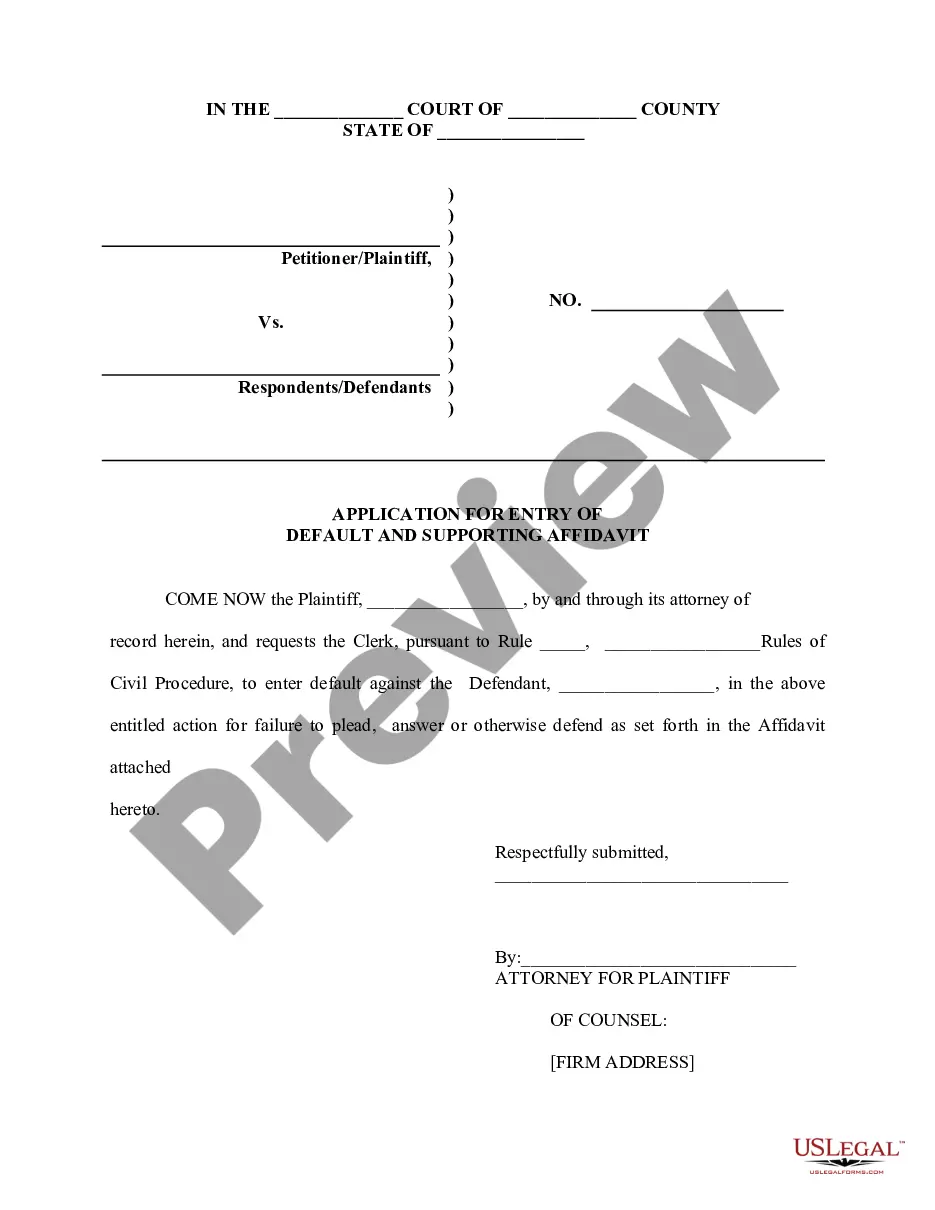
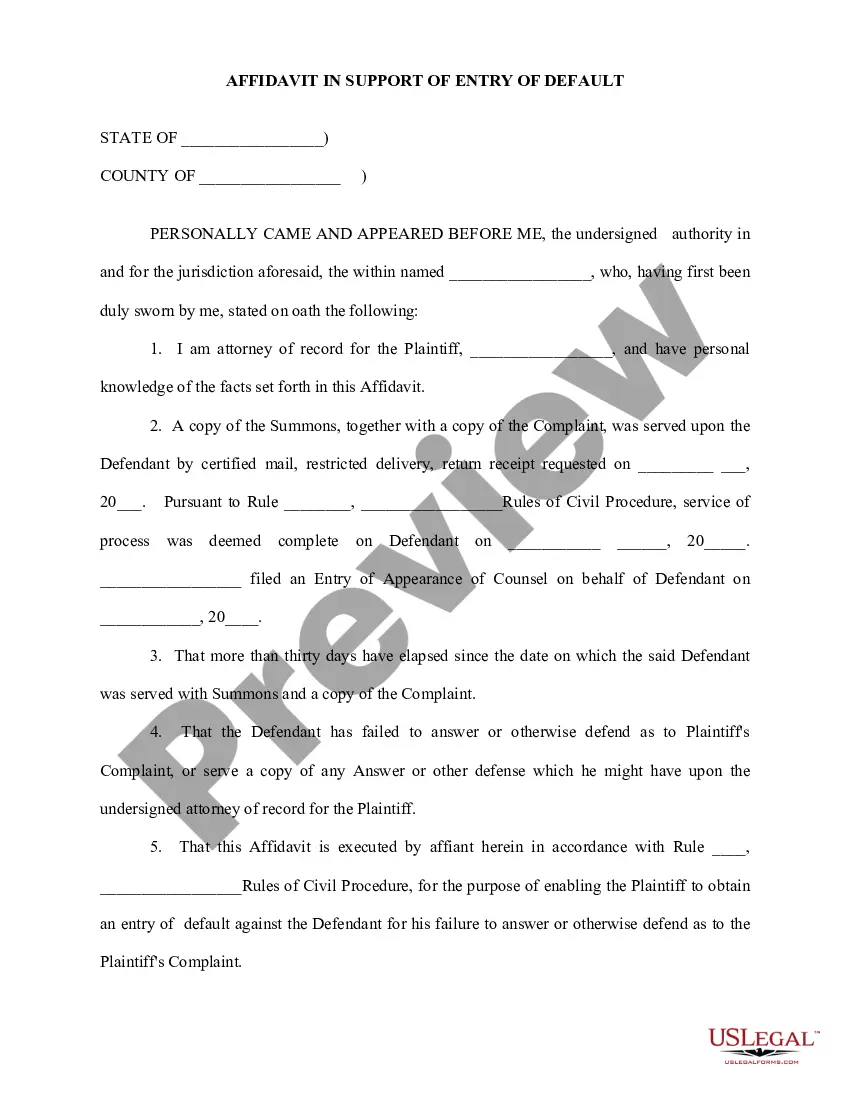
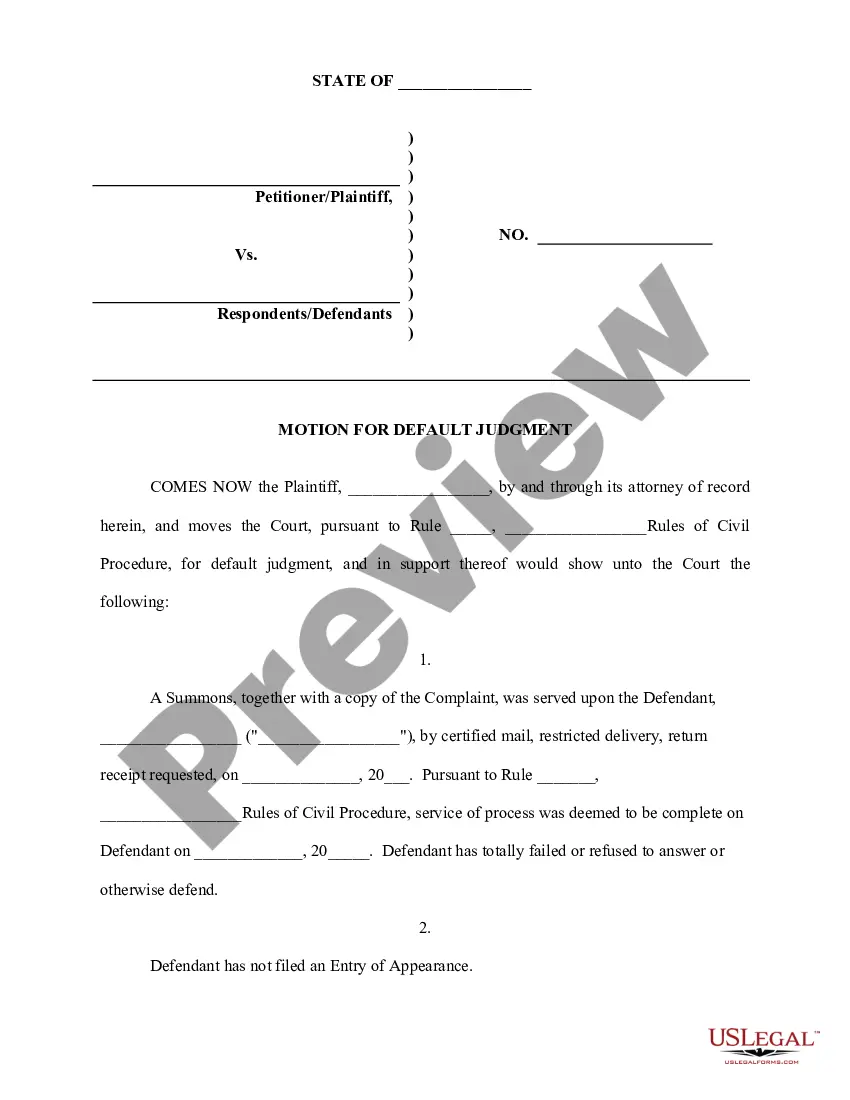
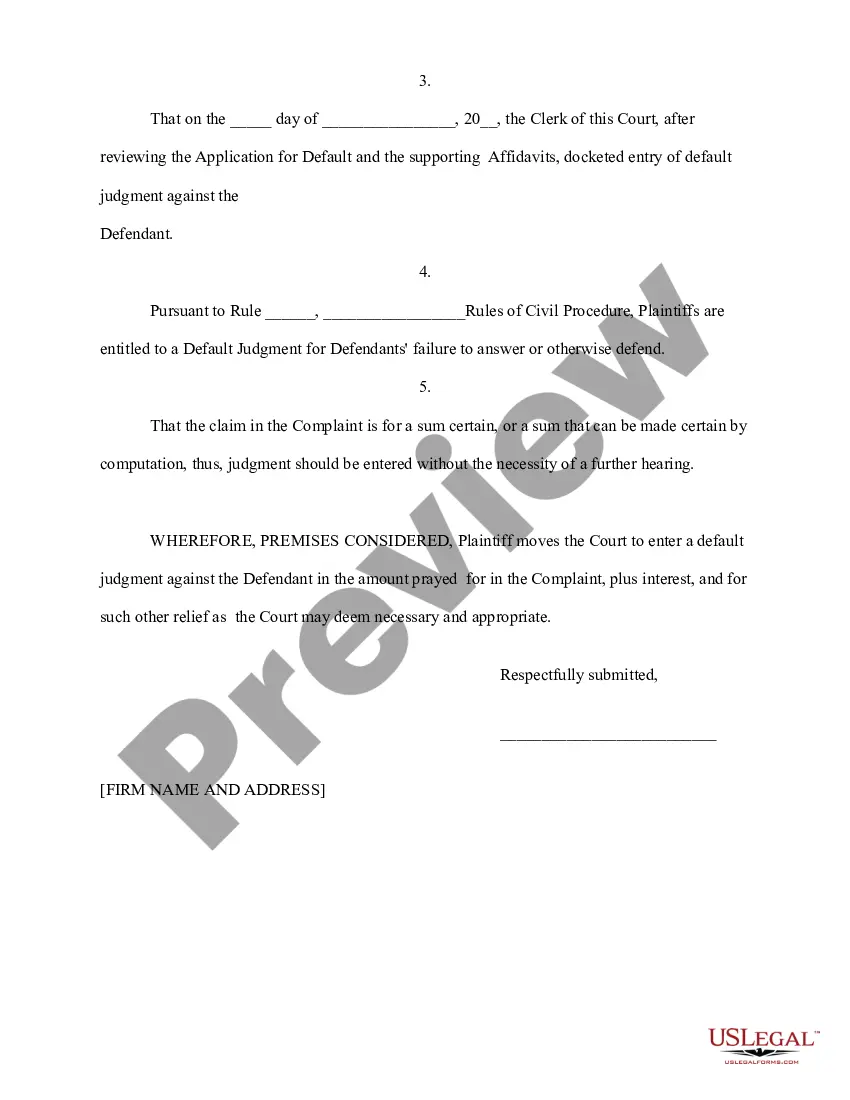
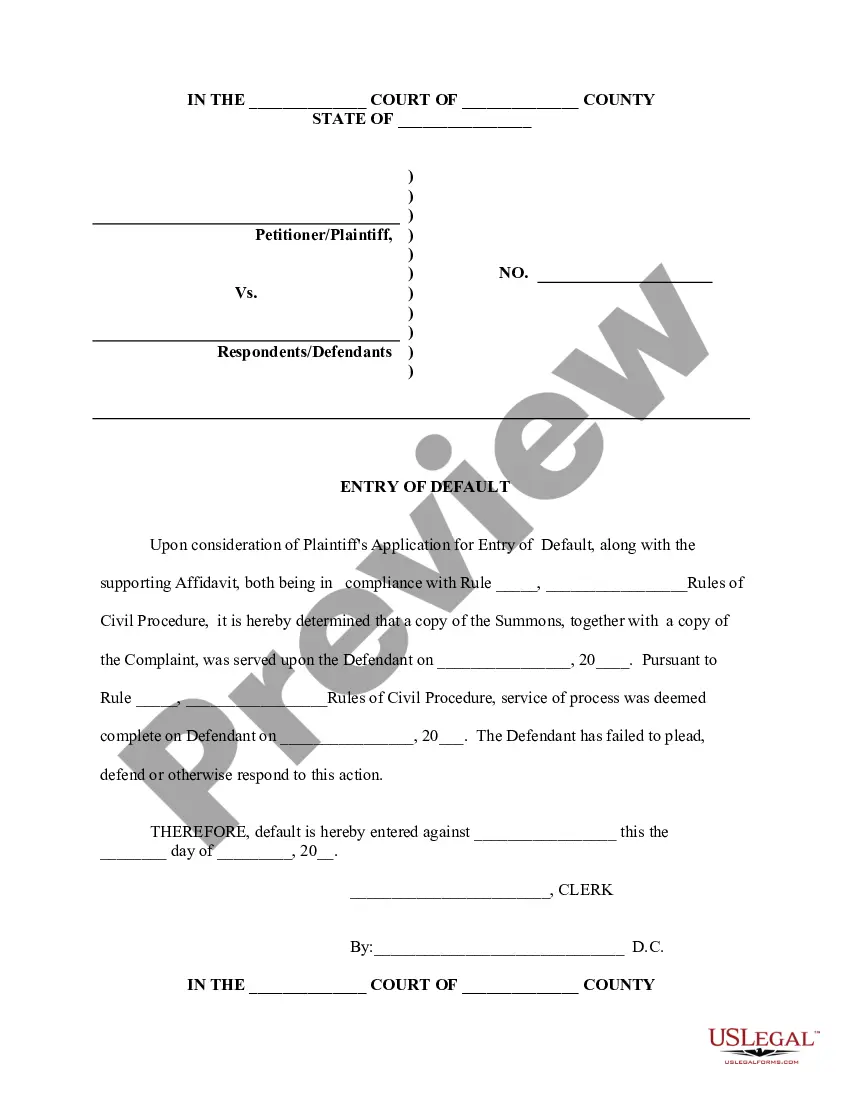
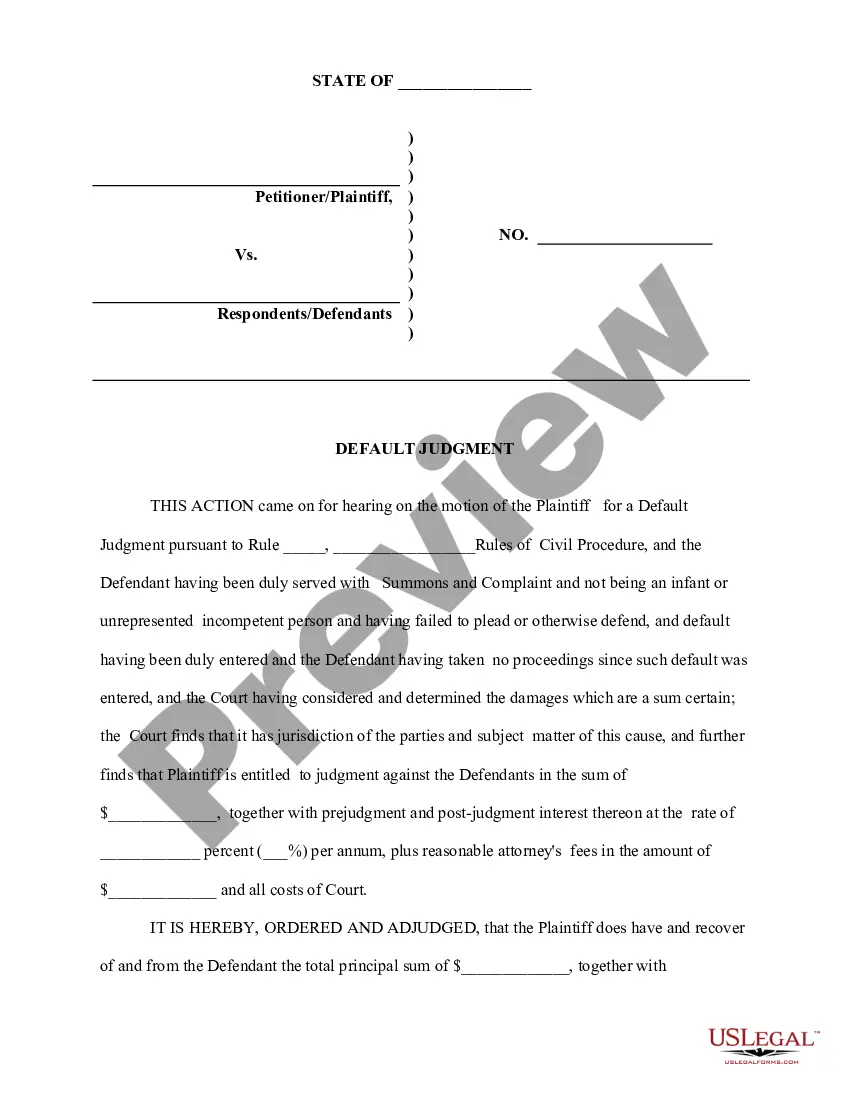
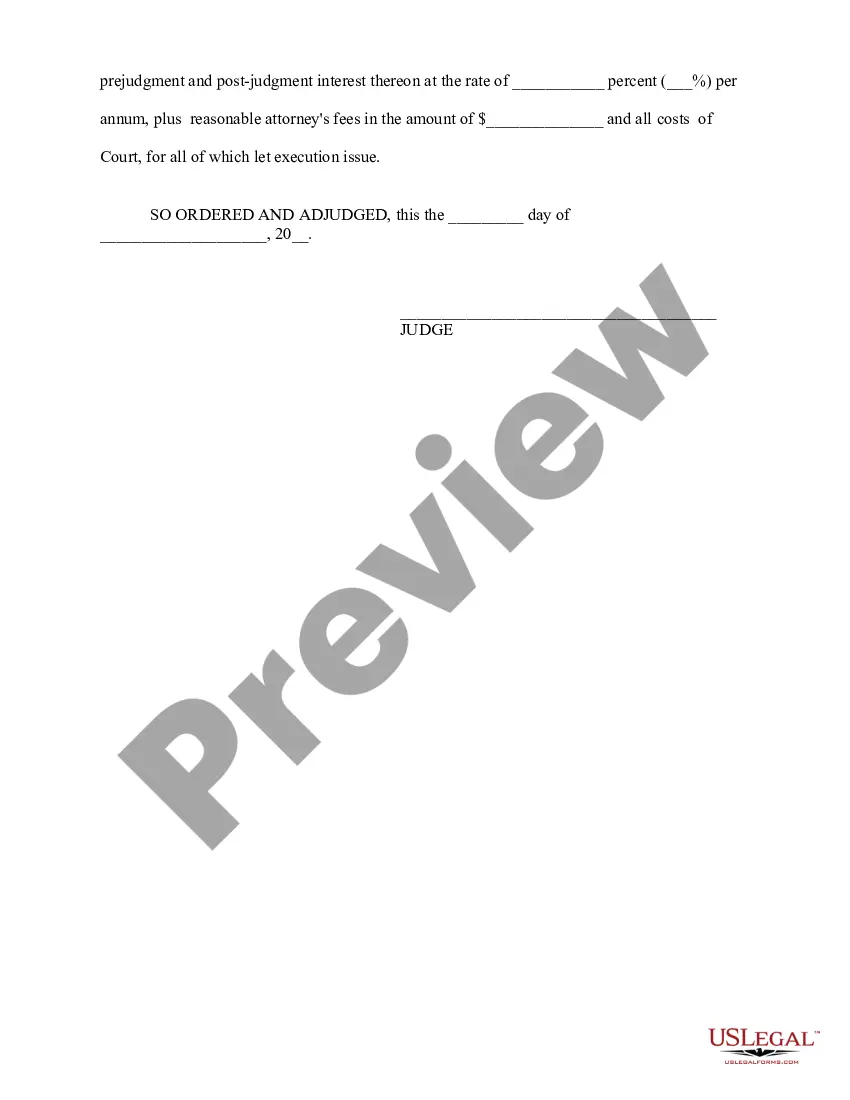

How to fill out Application For Entry Of Default - Affidavit - Motion - Entry Of Default - Default Judgment?
Creating legal documents from the ground up can frequently be daunting.
Certain situations might require extensive research and significant financial investment.
If you are seeking a more straightforward and affordable method of preparing Entry Of Default Vs Default Judgment or any other documentation without excessive hassle, US Legal Forms is always available to assist you.
Our online collection of over 85,000 current legal documents covers nearly every aspect of your financial, legal, and personal affairs. With just a few simple clicks, you can immediately obtain state- and county-compliant forms meticulously created for you by our legal experts.
Opt for the appropriate subscription plan to acquire the Entry Of Default Vs Default Judgment. Download the document, then fill it out, verify, and print it. US Legal Forms has an impeccable track record and over 25 years of experience. Join us today and simplify the document completion process!
- Utilize our platform whenever you need dependable and trustworthy services through which you can swiftly locate and download the Entry Of Default Vs Default Judgment.
- If you’re a returning user and have previously registered with us, simply sign in to your account, choose the form, and download it or re-download it anytime later in the My documents section.
- Not yet a member? No worries. It only takes a few moments to register and browse the catalog.
- Before you begin downloading Entry Of Default Vs Default Judgment, be sure to follow these tips.
- Examine the form preview and descriptions to ensure you are on the correct form.
- Ensure the template you select meets the criteria of your state and county.
Form popularity
FAQ
Default refers to the failure of a party to respond or appear in a legal proceeding, while a default judgment is the court's decision that results from that inaction. Simply put, default is the condition; default judgment is the final legal ruling. Recognizing this difference is crucial, especially when dealing with legal paperwork and processes related to entry of default vs default judgment.
An example of a default judgment might involve a tenant who fails to respond to an eviction notice. If the landlord takes the case to court, and the tenant does not show up, the court may issue a default judgment in favor of the landlord. This ruling allows the landlord to proceed with eviction without further contest. It highlights the importance of knowing your rights in scenarios related to entry of default vs default judgment.
A judgment is the official decision made by a court regarding a legal matter. On the other hand, a default happens when a party fails to respond or defend themselves in a case. Therefore, a default can lead to a default judgment, which constitutes a specific legal outcome. Understanding these distinctions can help you navigate legal situations more effectively.
Default judgment occurs when one party in a legal case fails to respond or appear in court. In such situations, the court typically rules in favor of the party that did participate. It is important to understand how default judgments differ from other legal outcomes, especially in the context of entry of default vs default judgment.
The entry of default occurs when a party fails to respond to a legal complaint within a specified time frame. In contrast, a default judgment is a formal court decision made in favor of the plaintiff when the defendant does not appear in court or respond adequately. Understanding the difference between entry of default and default judgment is vital, as each step has unique legal implications. For those needing assistance, US Legal Forms offers valuable resources to navigate these processes effectively.
A request to enter default is a formal document submitted to the court by a plaintiff, indicating that the defendant has not responded to the lawsuit. This request seeks official recognition of the defendant's failure to act within the allowed time. Once granted, it opens the door for the plaintiff to pursue a default judgment. Knowing the distinction between entry of default vs default judgment is essential to understanding this process.
To have the defendant noted in default, you must: prepare an Affidavit of Service (Form 16B) for your Statement of Claim (Form 14A or 14D) prepare a Requisition for Default Judgment (Form 19D) file your affidavit and requisition with the court registrar.
A default is a failure to perform a duty in legal proceedings. A default judgment is binding, and the defaulting defendant may not litigate his case or present any evidence. A civil action default judgment will grant the amount of relief sought in a plaintiff's complaint.
The process is as follows: Complete the form called Application and select Setting aside a Default Judgment. You will also be required to complete and file an Affidavit in Support of Application. File both documents at the Court of Justice location where the Judgment was entered.
A default judgment (also known as judgment by default) is a ruling granted by a judge or court in favor of a plaintiff in the event that the defendant in a legal case fails to respond to a court summons or does not appear in court.