Questions Guardian Ad Litem With Child
Description
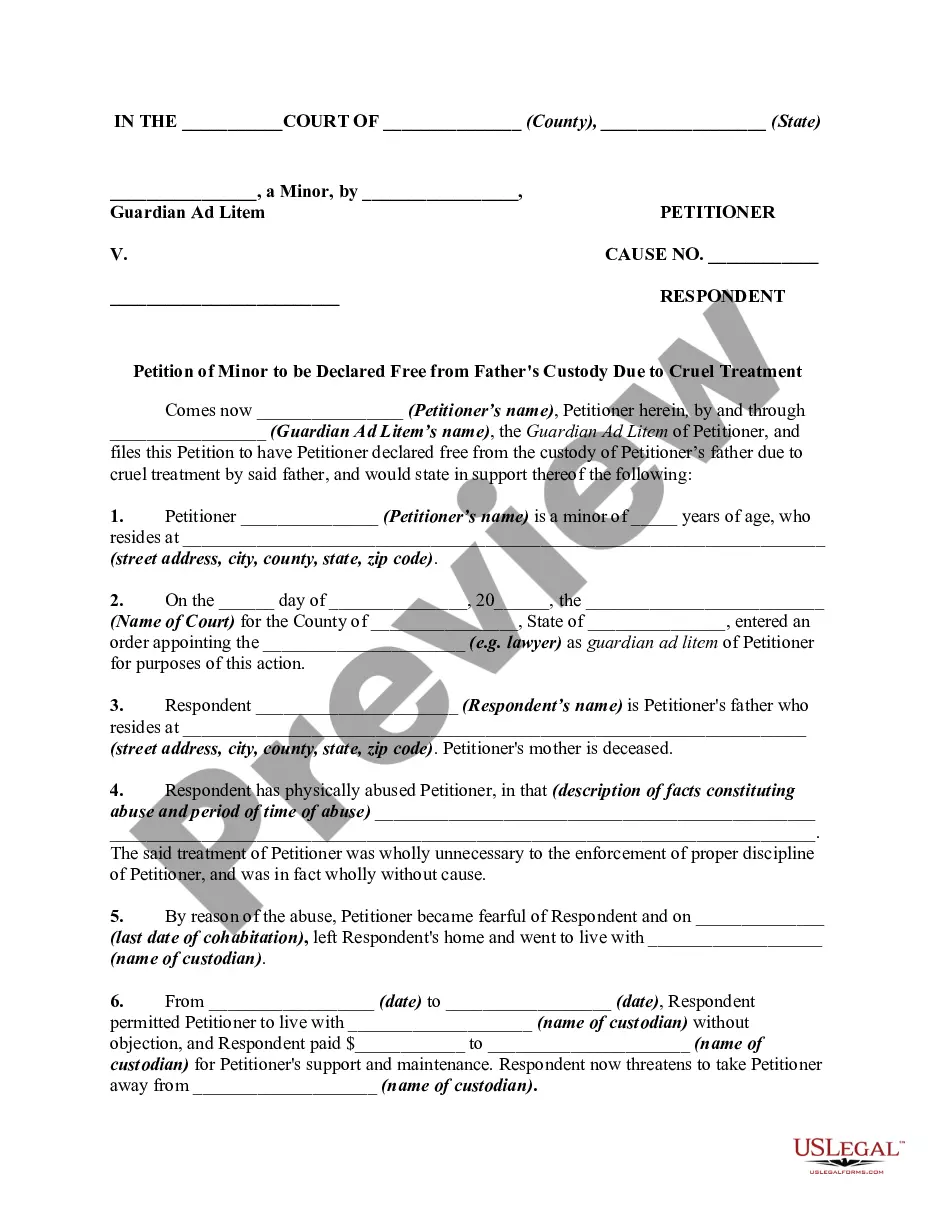
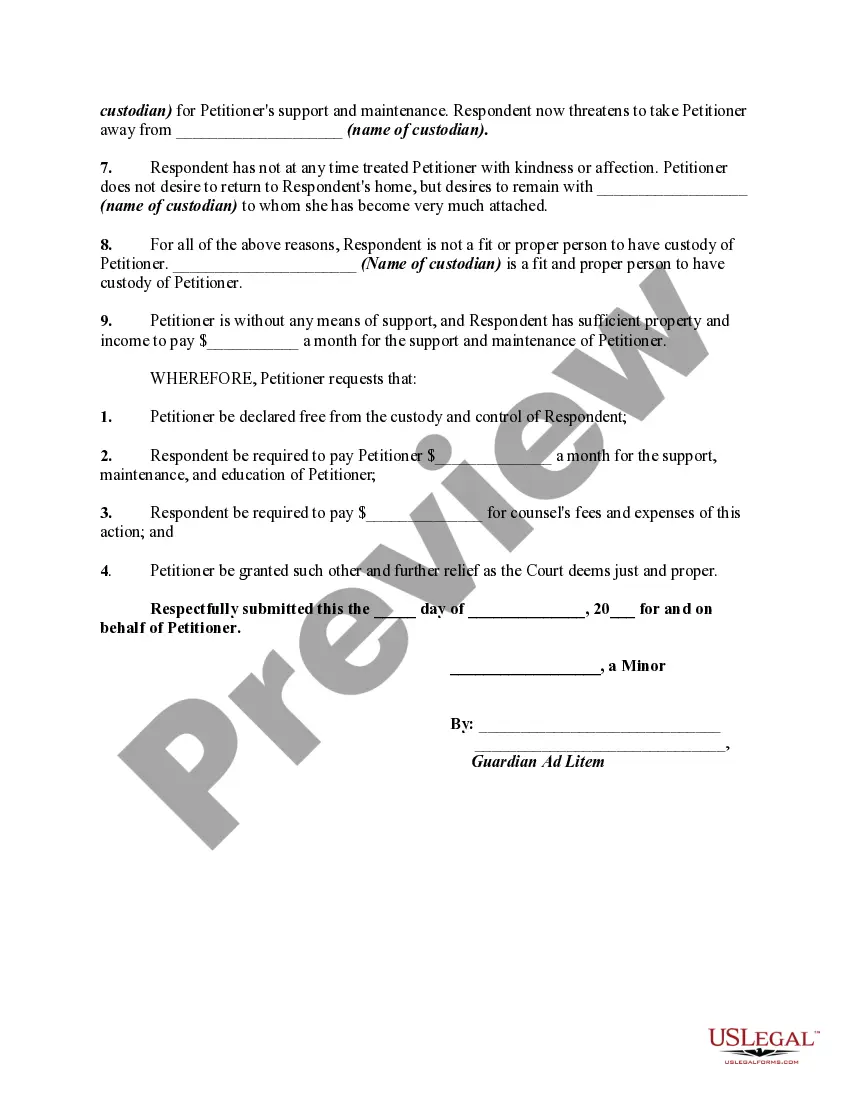
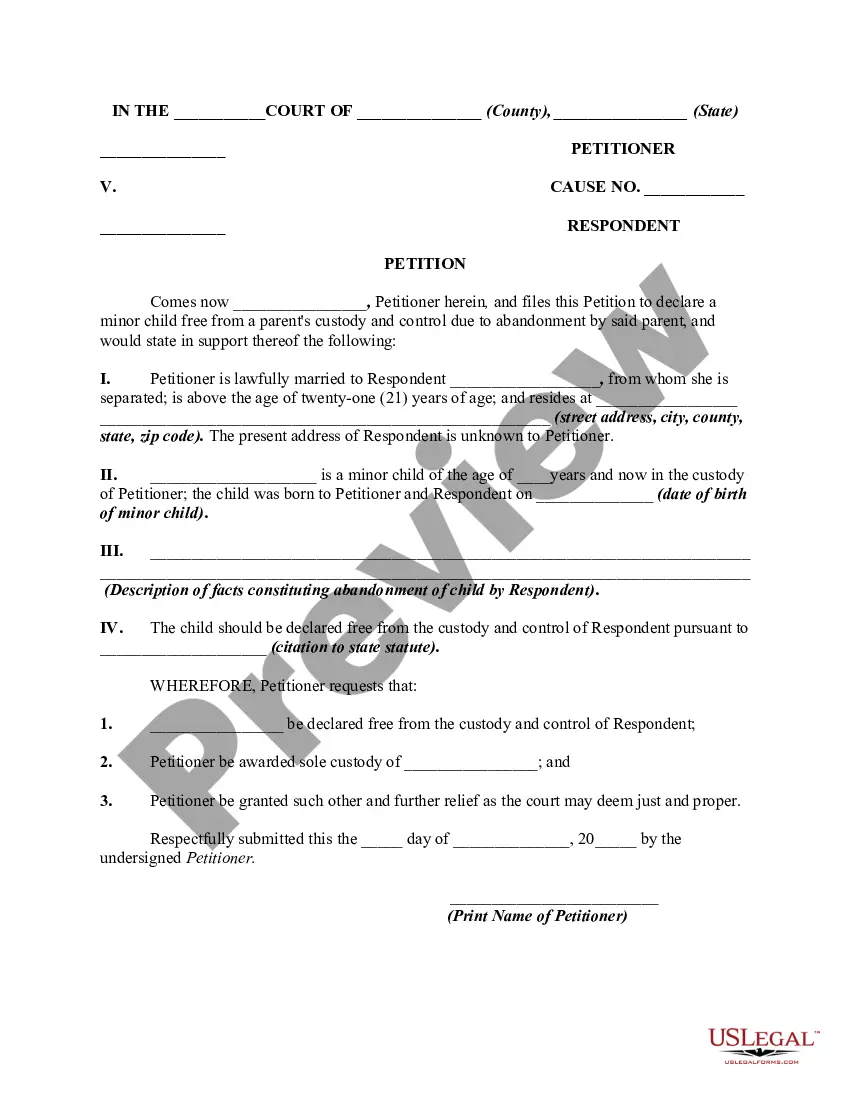
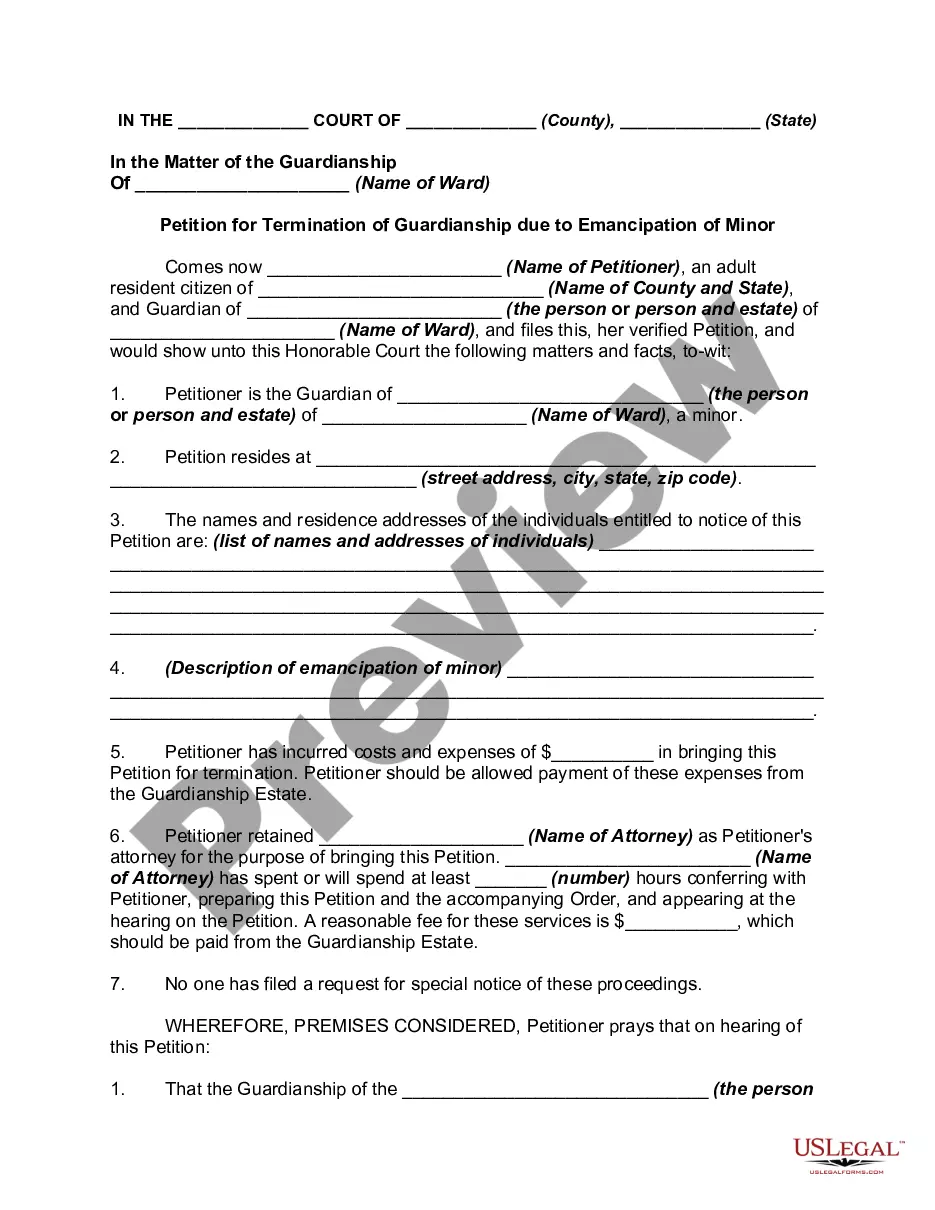

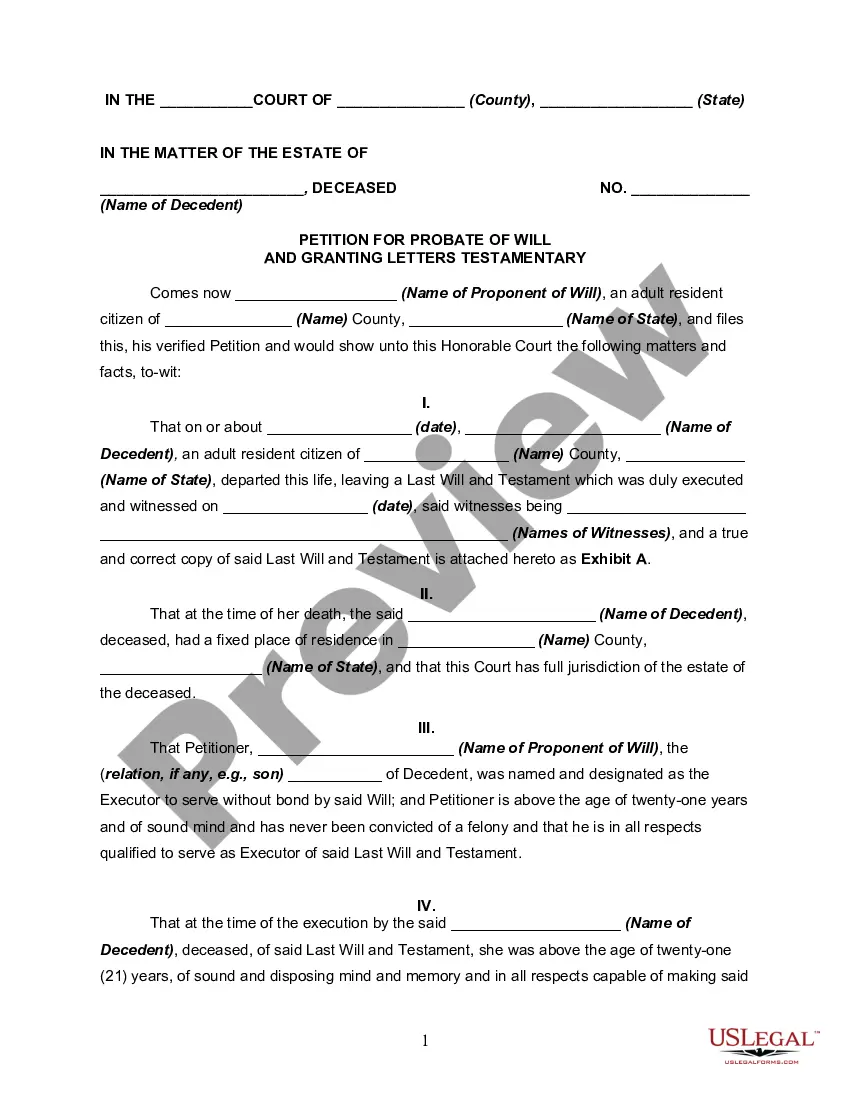
How to fill out Petition Of Minor By Guardian Ad Litem To Be Declared Free From Father's Custody Due To Cruel Treatment - Release Of Parental Rights?
The Queries Guardian Ad Litem With Minor you observe on this page is a reusable formal framework crafted by professional attorneys in accordance with federal and local statutes.
For over 25 years, US Legal Forms has delivered individuals, enterprises, and lawyers with more than 85,000 validated, state-specific documents for any business and personal needs. It’s the fastest, easiest, and most dependable method to acquire the forms you require, as the service assures bank-level data protection and anti-malware safeguards.
Register with US Legal Forms to have verified legal templates for all of life’s situations readily available.
- Look for the document you need and examine it. Browse through the file you searched and preview it or review the form description to make sure it meets your specifications. If it does not, use the search bar to locate the suitable one. Click Buy Now when you have found the template you need.
- Register and Log In. Choose the pricing plan that best suits you and create an account. Use PayPal or a credit card to make an instant payment. If you already possess an account, Log In and check your subscription to continue.
- Obtain the fillable template. Choose the format you desire for your Queries Guardian Ad Litem With Minor (PDF, DOCX, RTF) and save the document on your device.
- Complete and sign the document. Print the template to fill it out manually. Alternatively, use an online multi-functional PDF editor to quickly and accurately fill out and sign your form with a valid signature.
- Redownload your documents as needed. Use the same document again whenever necessary. Open the My documents tab in your profile to redownload any previously purchased documents.
Form popularity
FAQ
If you need to report a Guardian ad litem, begin by documenting your concerns with specific examples. Gather any relevant evidence, such as emails or communication logs, to support your claim. You can contact the court that appointed the guardian or a local child services agency to discuss your concerns. With Questions guardian ad litem with child, understanding the reporting process can empower you to advocate for your child's best interests.
When speaking with a Guardian ad litem, avoid making negative comments about the other parent or making threats. This can undermine your credibility and show a lack of cooperation. Focus instead on providing clear, honest information that supports your case. If you have Questions guardian ad litem with child, remember that maintaining a respectful tone is crucial for a positive outcome.
One of the biggest mistakes parents make in custody battles is failing to focus on the best interests of the child. Instead of prioritizing the child's needs, parents might engage in conflicts that can hurt their relationship with the child. By considering the rights and welfare of the child, parents can make informed decisions. When faced with Questions guardian ad litem with child, understanding the role of the guardian can guide you towards better choices.
Judges tend to disapprove of any behavior that undermines the child's best interests, such as manipulation or dishonesty. They expect parents and guardians to collaborate and communicate effectively. Avoid overly aggressive or passive behavior in court proceedings, as this can leave a negative impression. Keeping a constructive approach and focusing on solutions will foster a more favorable environment for your case.
A Guardian ad litem typically asks questions about your relationship with the child, your parenting style, and your perspective on what is best for the child. They may inquire about your child's daily routine, schooling, and relationships with peers and family members. Expect them to delve into any past incidents that might affect the child's wellbeing. Answer these questions thoughtfully, as they help the gal form a comprehensive view of the child's situation.
In family court, credible evidence includes documentation like school records, medical reports, and witness statements that support your claims. Gather any communication records, such as emails or text messages, that demonstrate your concern and care for the child. Presenting organized, factual evidence can greatly strengthen your position. Always keep the child's best interests in mind while preparing your evidence.
Avoid being confrontational or defensive in discussions with a Guardian ad litem. Do not hide facts or mislead them, as honesty is crucial for effective communication. Refrain from speaking negatively about the other parent or party involved; instead, prioritize the well-being of the child. Remember, your behavior reflects on how the court perceives your commitment to your child.
When interacting with a Guardian ad litem, maintain a respectful and open attitude. Share your thoughts clearly, and listen actively to their observations and questions. Remember, they aim to understand the child's needs, so focus your discussions on what's best for the child involved. Be honest and forthcoming, as transparency fosters trust.
In family court, demonstrating a stable home environment, consistent parenting, and open communication with the child and other caregivers is crucial. Providing evidence of your involvement in the child's education, extracurricular activities, and overall welfare can also strengthen your case. By presenting these factors effectively, you satisfy essential questions guardian ad litem with child, showing your dedication to their growth and happiness.
The guardian ad litem will typically ask about your parenting style, daily routines, and interactions with the child. They may also want to know about your child's emotional needs and any concerns you have about their safety. These inquiries help the guardian ad litem form a comprehensive understanding of the child's circumstances, directly addressing vital questions guardian ad litem with child.