Guardian Ad Litem Appointed For
Description
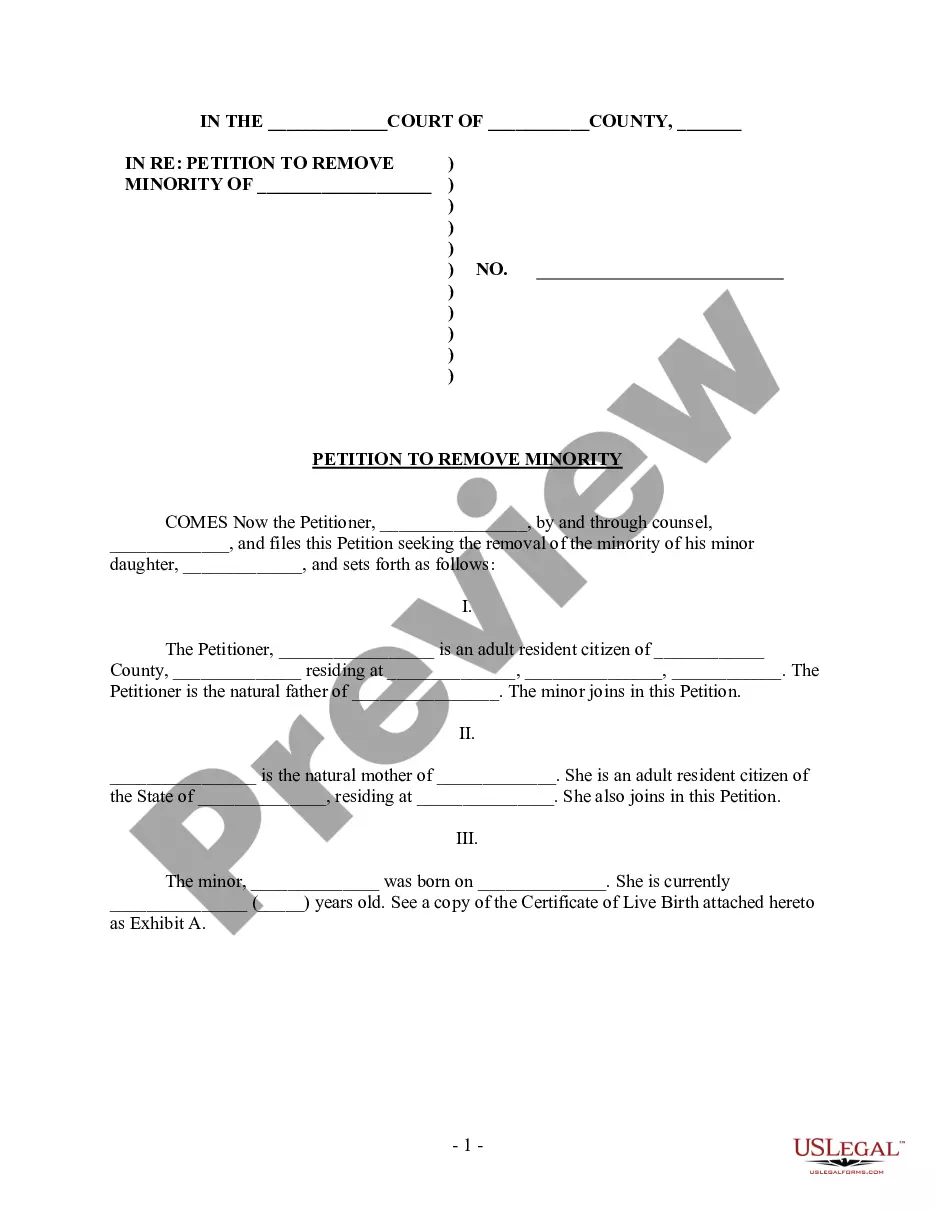

Get your form ready online
Our built-in tools help you complete, sign, share, and store your documents in one place.
Make edits, fill in missing information, and update formatting in US Legal Forms—just like you would in MS Word.
Download a copy, print it, send it by email, or mail it via USPS—whatever works best for your next step.
Sign and collect signatures with our SignNow integration. Send to multiple recipients, set reminders, and more. Go Premium to unlock E-Sign.
If this form requires notarization, complete it online through a secure video call—no need to meet a notary in person or wait for an appointment.
We protect your documents and personal data by following strict security and privacy standards.

Make edits, fill in missing information, and update formatting in US Legal Forms—just like you would in MS Word.

Download a copy, print it, send it by email, or mail it via USPS—whatever works best for your next step.

Sign and collect signatures with our SignNow integration. Send to multiple recipients, set reminders, and more. Go Premium to unlock E-Sign.

If this form requires notarization, complete it online through a secure video call—no need to meet a notary in person or wait for an appointment.

We protect your documents and personal data by following strict security and privacy standards.
Looking for another form?

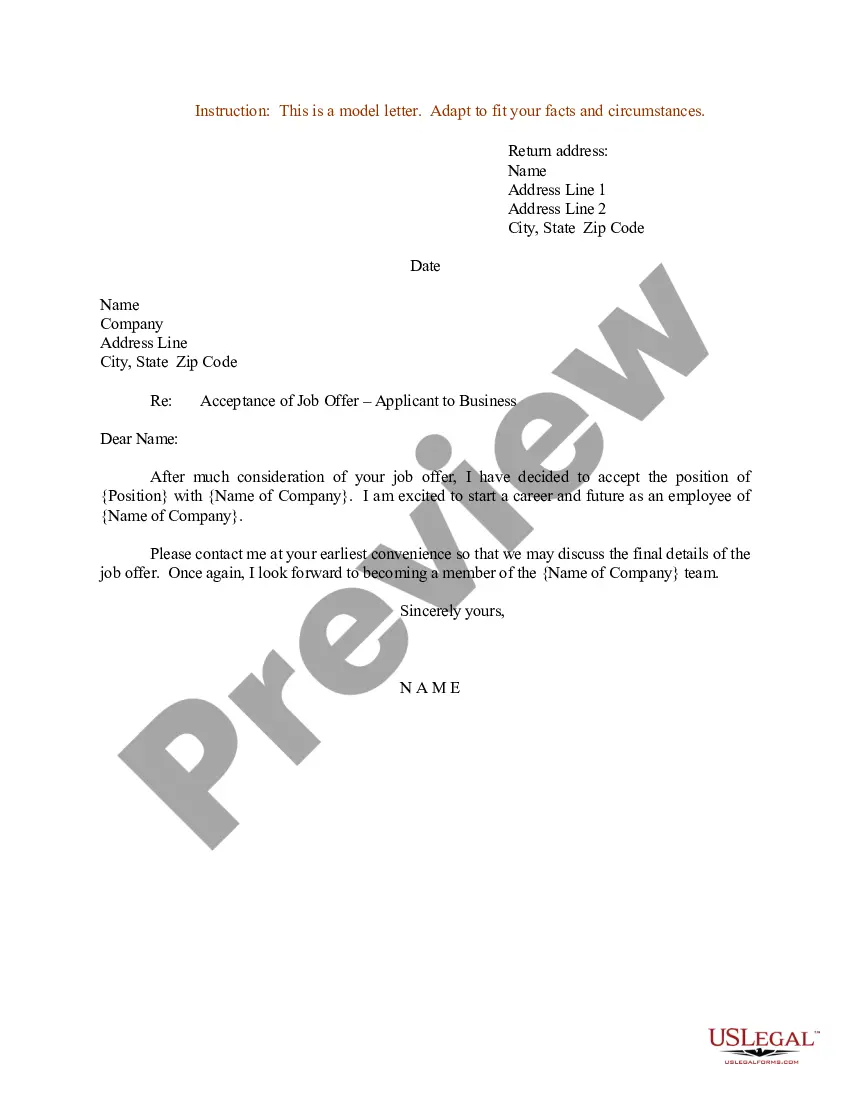








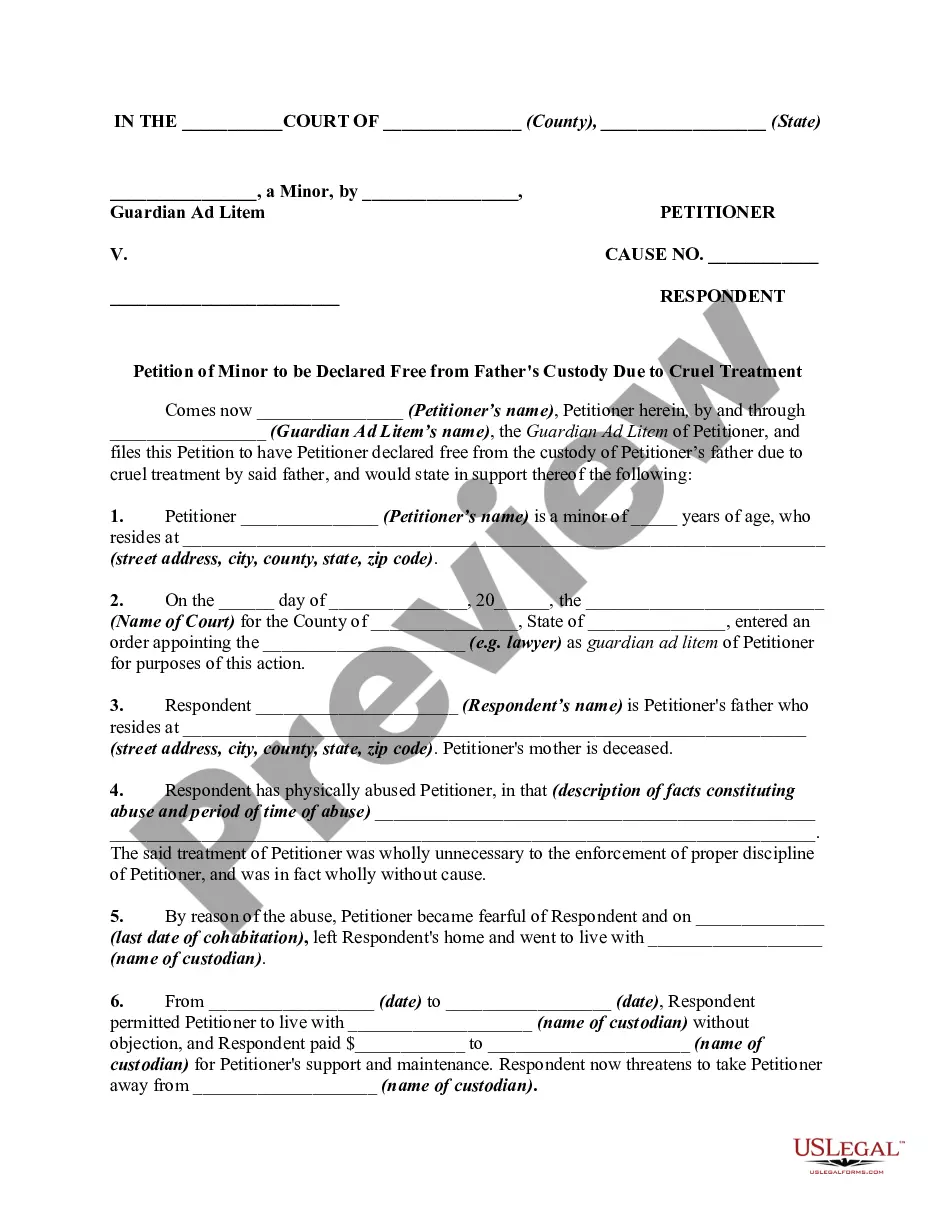
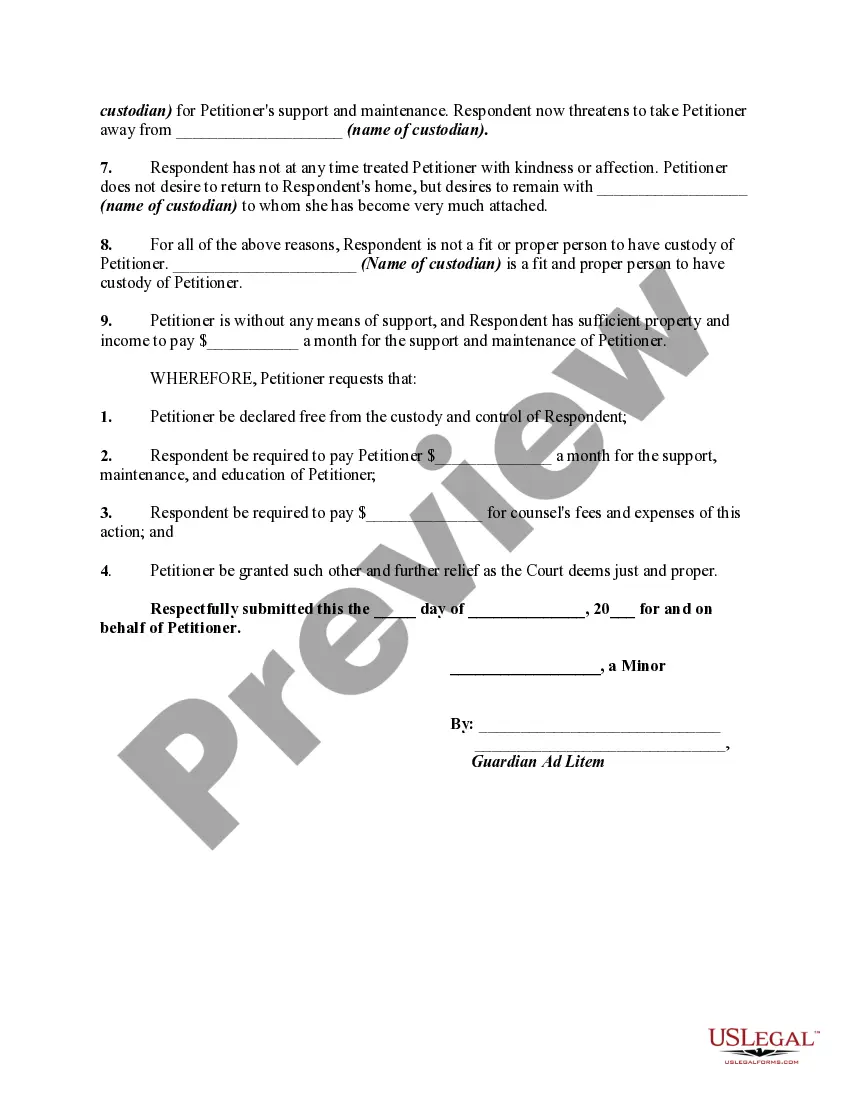
How to fill out Petition Of Minor By Guardian Ad Litem To Be Declared Free From Father's Custody Due To Cruel Treatment - Release Of Parental Rights?
Locating a reliable source to obtain the latest and suitable legal templates is a significant part of managing red tape.
Selecting the appropriate legal documents requires precision and meticulousness, which is why it is crucial to obtain samples of Guardian Ad Litem Appointed For exclusively from reputable providers, such as US Legal Forms. An incorrect template can squander your time and delay the issue at hand. With US Legal Forms, you have minimal concerns.
Once the form is on your device, you can modify it using the editor or print it out and fill it in by hand. Eliminate the complications associated with your legal paperwork. Browse the extensive US Legal Forms inventory where you can discover legal templates, verify their applicability to your situation, and download them instantly.
- Utilize the catalog browsing or search option to find your template.
- Examine the form’s description to determine if it meets the demands of your state and locality.
- Check the form preview, if accessible, to ensure the form is the one you seek.
- Continue searching for the suitable template if the Guardian Ad Litem Appointed For does not meet your requirements.
- When you are certain about the form’s applicability, download it.
- If you are a registered user, click Log in to verify and access your selected forms in My documents.
- If you do not yet have an account, click Buy now to acquire the template.
- Choose the pricing option that aligns with your needs.
- Proceed to register to complete your transaction.
- Finalize your purchase by selecting a payment method (credit card or PayPal).
- Select the document format for downloading Guardian Ad Litem Appointed For.
Form popularity
FAQ
How Much Does a Guardian Ad Litem Cost in Georgia. In Georgia, guardian ad litem (GAL) fees typically start at around $350 per hour. However, fees can vary in quality through experience from around $2,000 upwards to $3,500, most commonly depending on the guardian's knowledge, expertise, and years of service.
They can be paid for their services, or serve as volunteer GALs. Paid GALs can be employed by a county (perhaps family court services) but more often are individuals who do GAL work as part- or full-time self-employment. Most volunteer GALs serve as court appointed special advocates (CASA) in dependency actions.
GALs require payment for their services. You might have to pay the GAL upfront before the GAL will start working on your case. This payment is called a retainer. The cost of a GAL can be anywhere from $1,000 to $3,000 or even higher.
In custody cases, the court appoints a guardian ad litem to investigate on behalf of the child at the rate of $150.00 per hour with an initial retainer that can range from several hundred dollars to several thousand dollars.
Who Pays for the Guardian ad Litem in an Illinois Child Custody Case? Under Illinois statutes, a guardian ad litem is paid for by one or both parents, the marital estate, or the child's separate estate.