Trial Criminal Statement Format
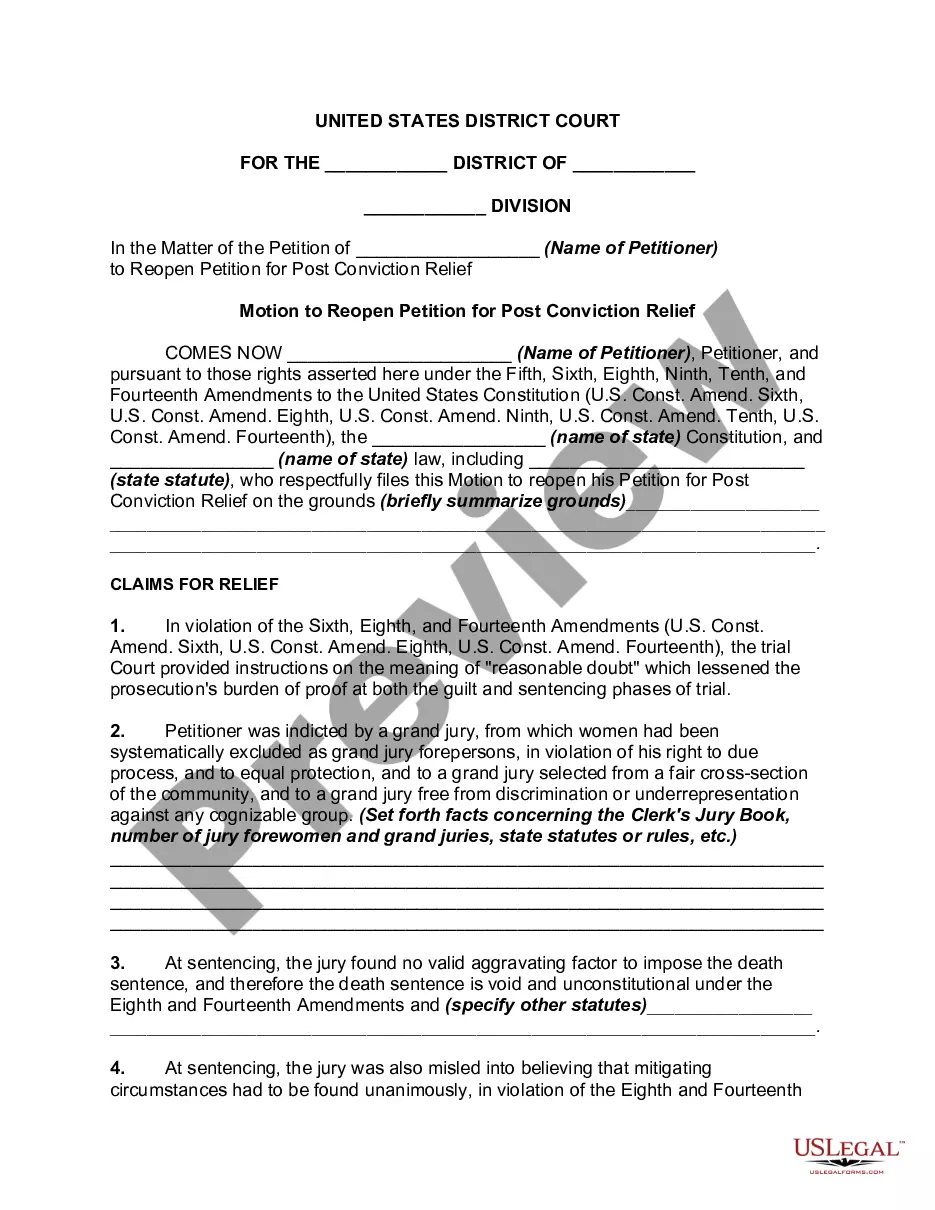
Description
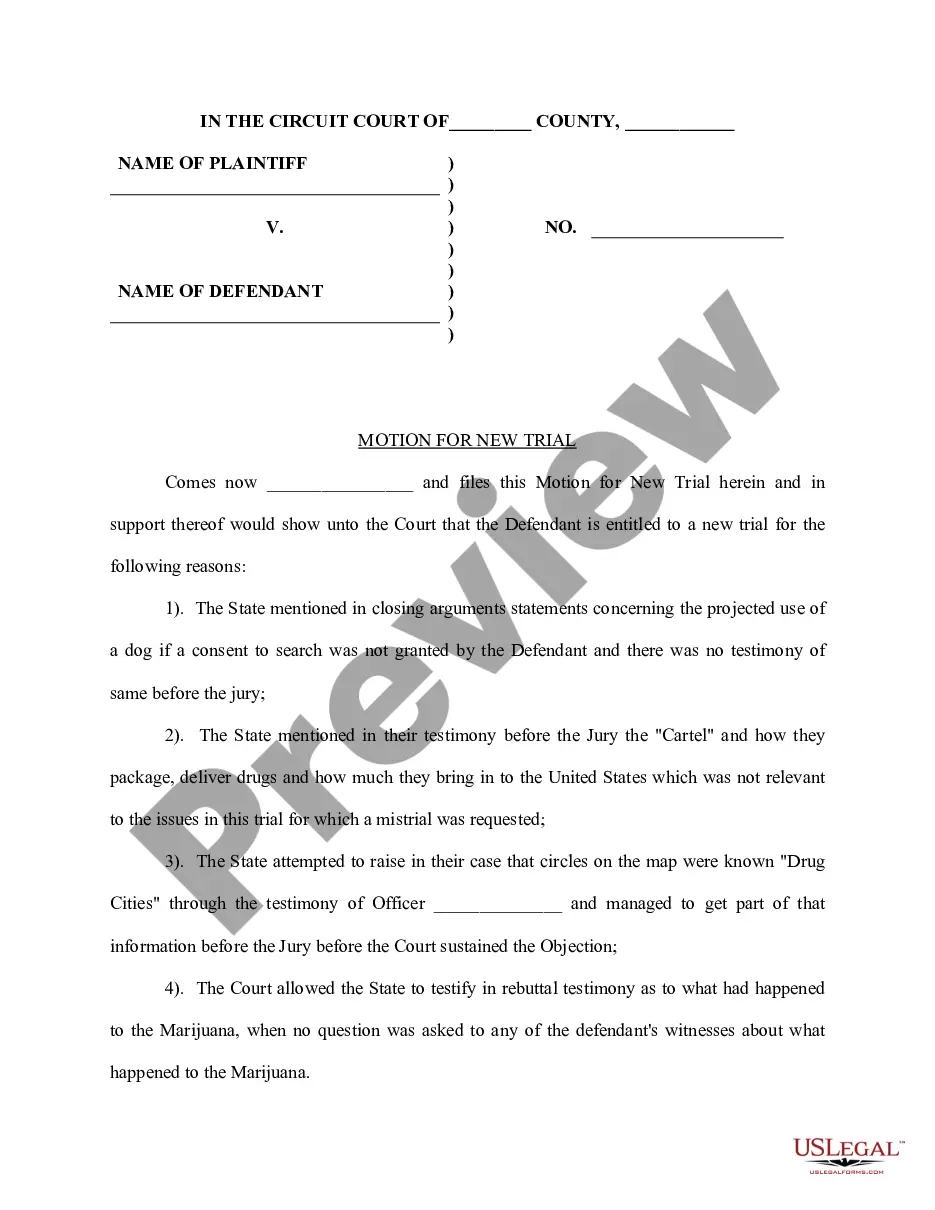
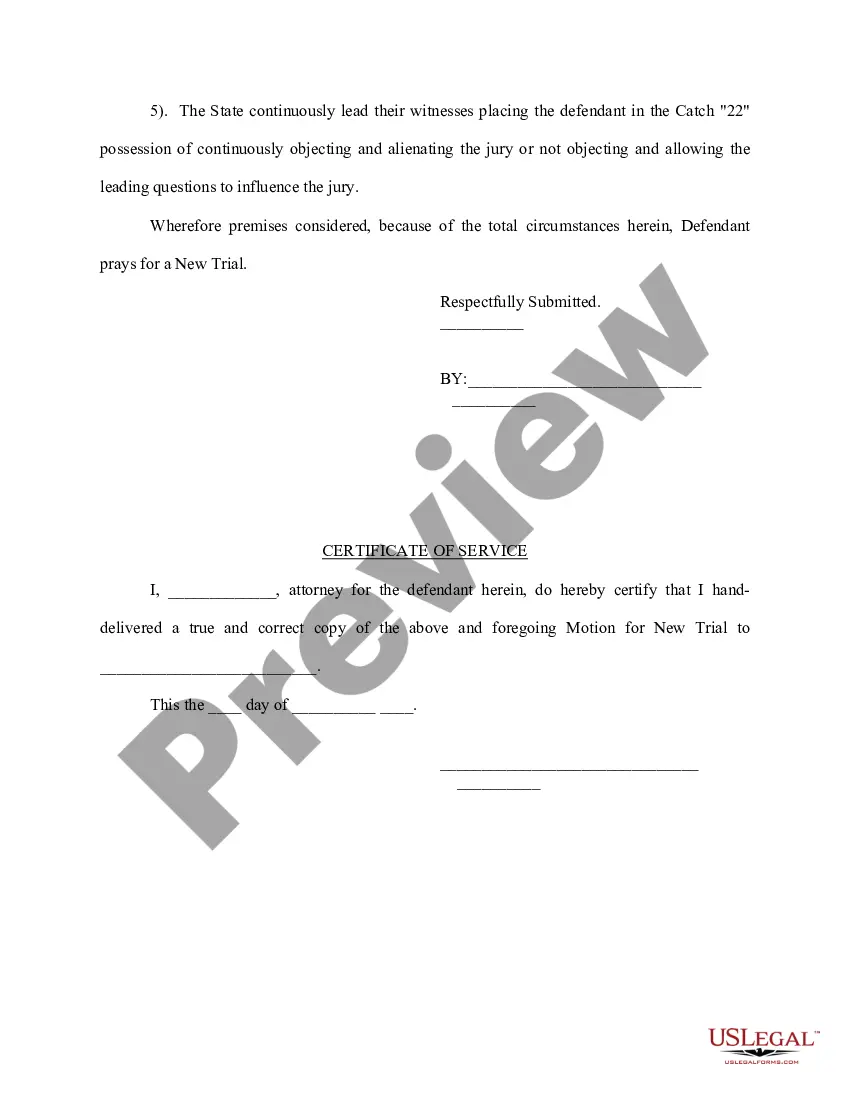
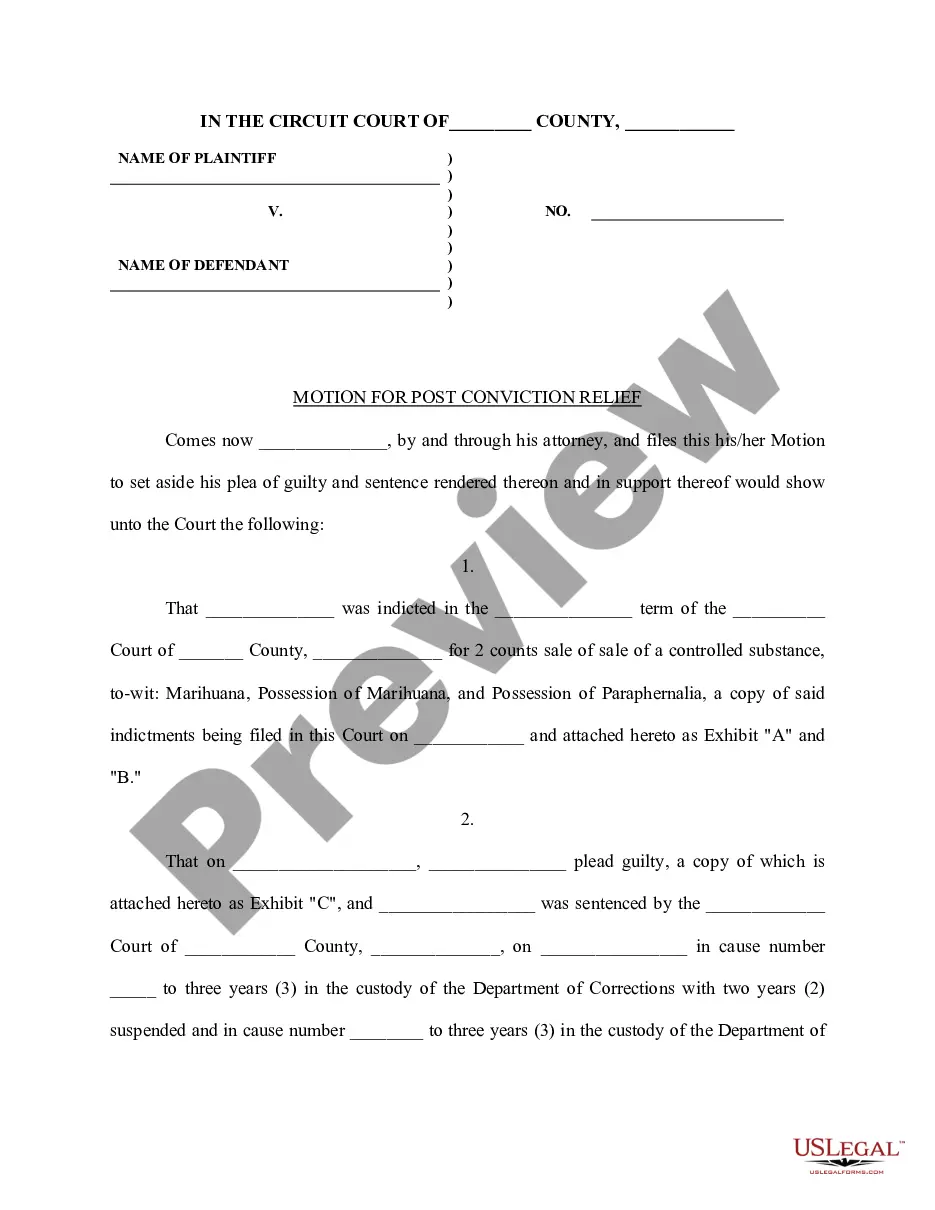
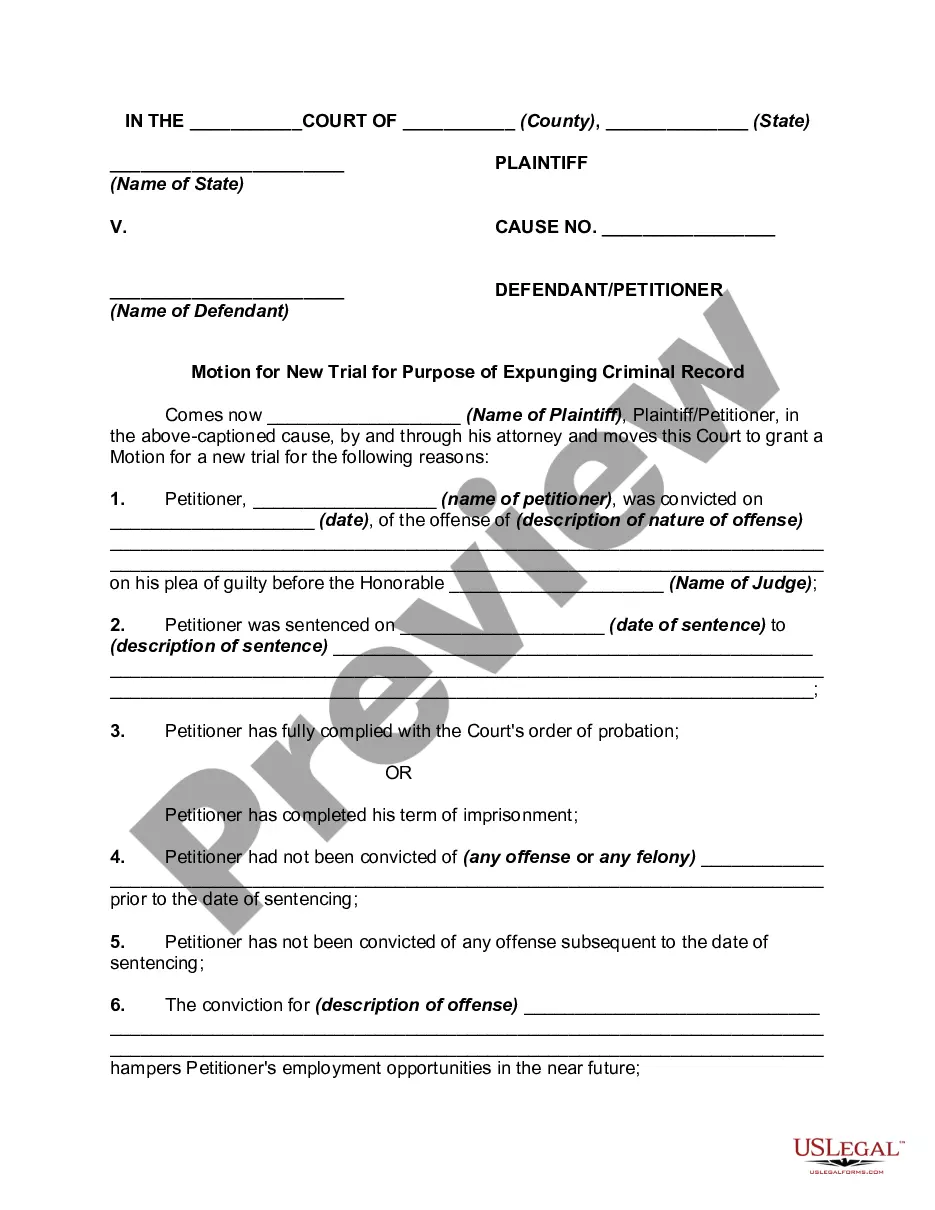
Get your form ready online
Our built-in tools help you complete, sign, share, and store your documents in one place.
Make edits, fill in missing information, and update formatting in US Legal Forms—just like you would in MS Word.
Download a copy, print it, send it by email, or mail it via USPS—whatever works best for your next step.
Sign and collect signatures with our SignNow integration. Send to multiple recipients, set reminders, and more. Go Premium to unlock E-Sign.
If this form requires notarization, complete it online through a secure video call—no need to meet a notary in person or wait for an appointment.
We protect your documents and personal data by following strict security and privacy standards.

Make edits, fill in missing information, and update formatting in US Legal Forms—just like you would in MS Word.

Download a copy, print it, send it by email, or mail it via USPS—whatever works best for your next step.

Sign and collect signatures with our SignNow integration. Send to multiple recipients, set reminders, and more. Go Premium to unlock E-Sign.

If this form requires notarization, complete it online through a secure video call—no need to meet a notary in person or wait for an appointment.

We protect your documents and personal data by following strict security and privacy standards.
Looking for another form?


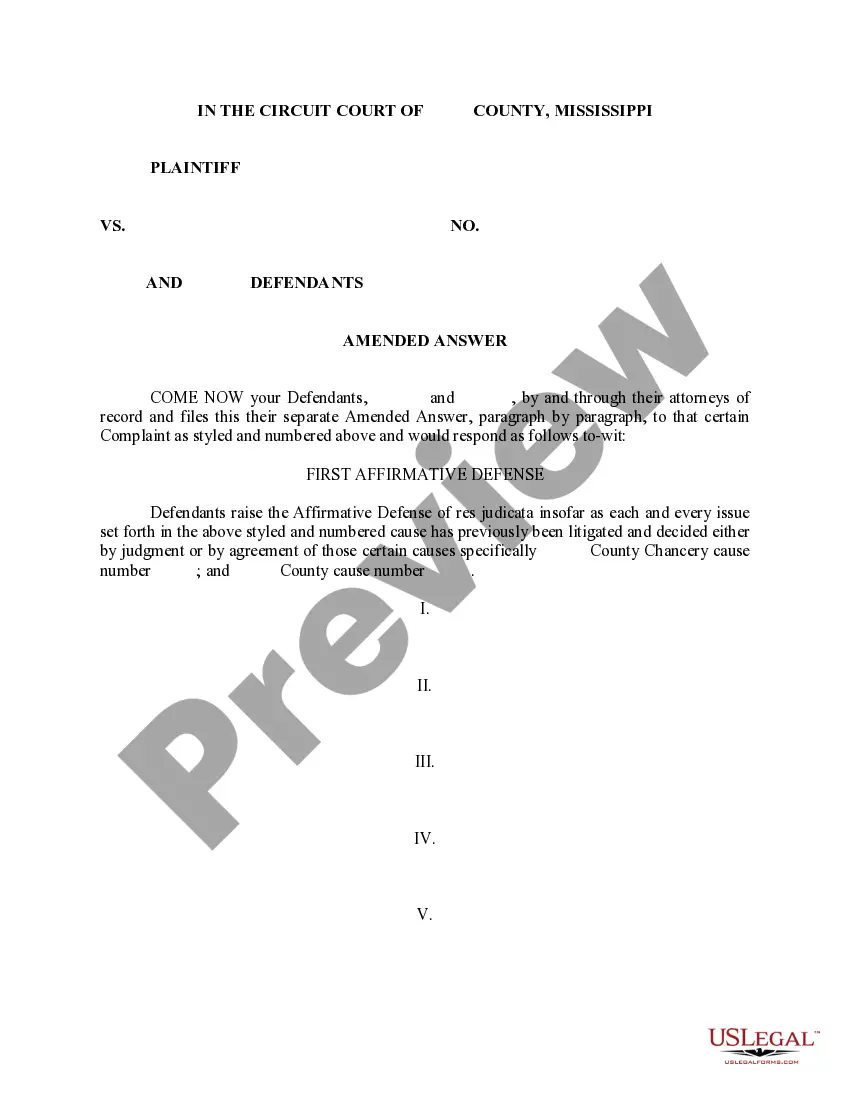
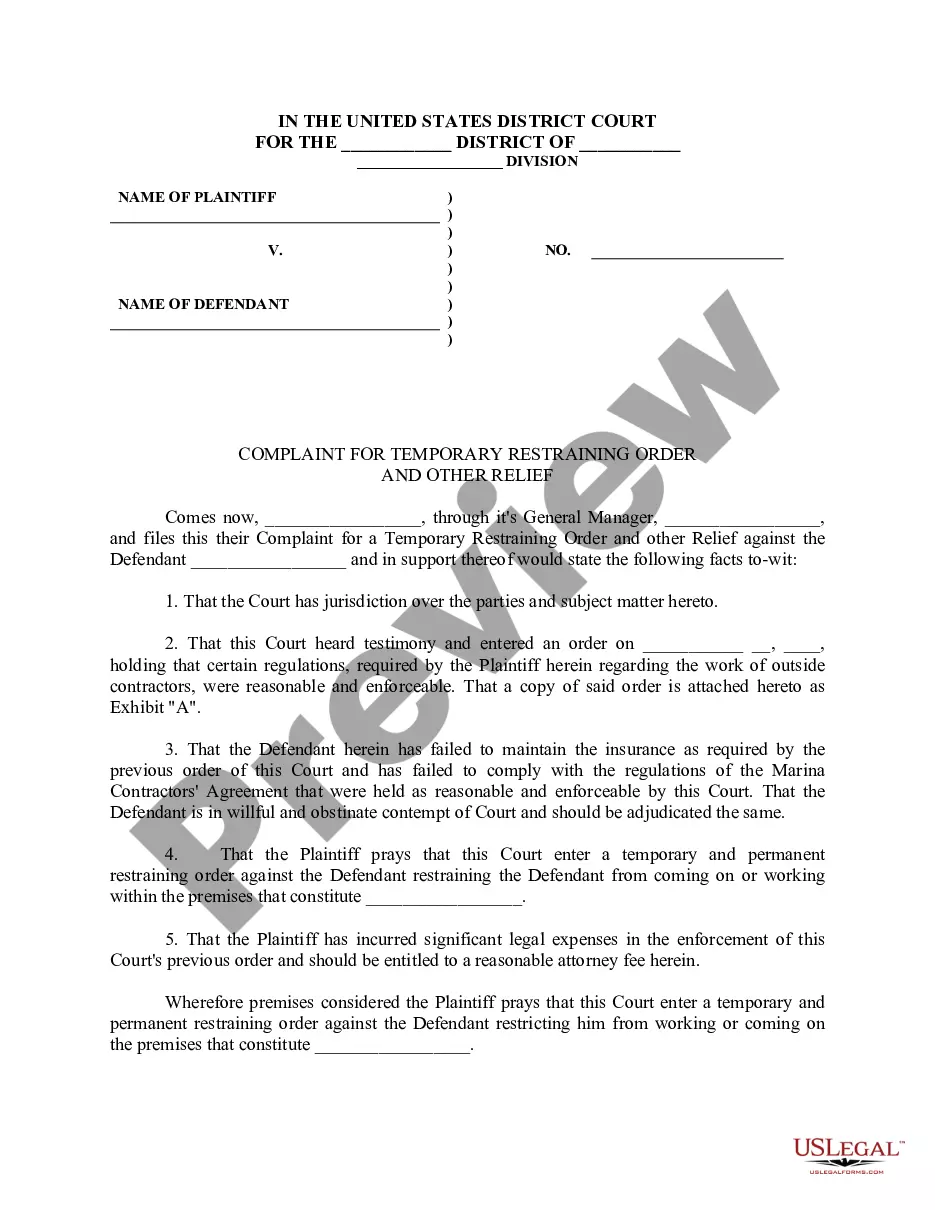
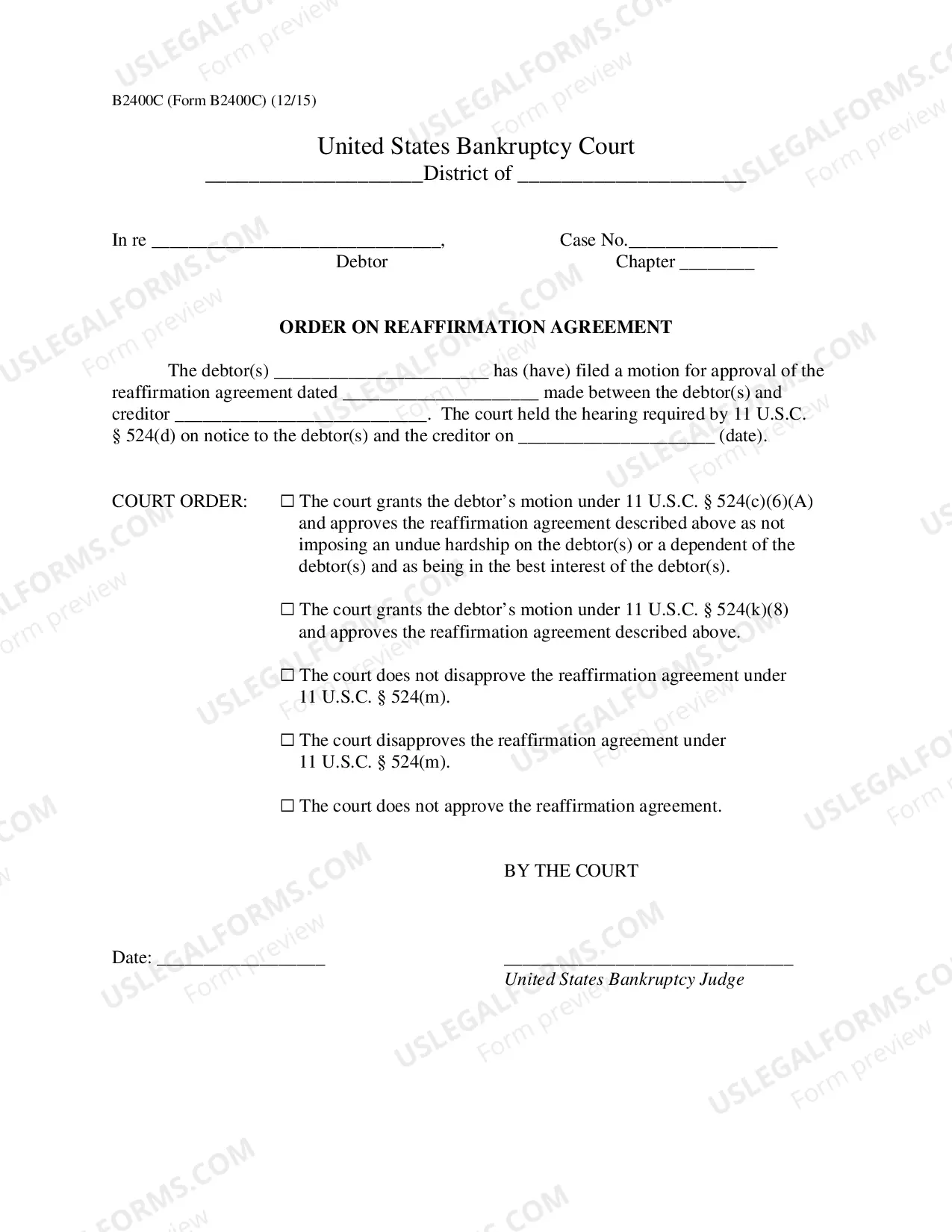
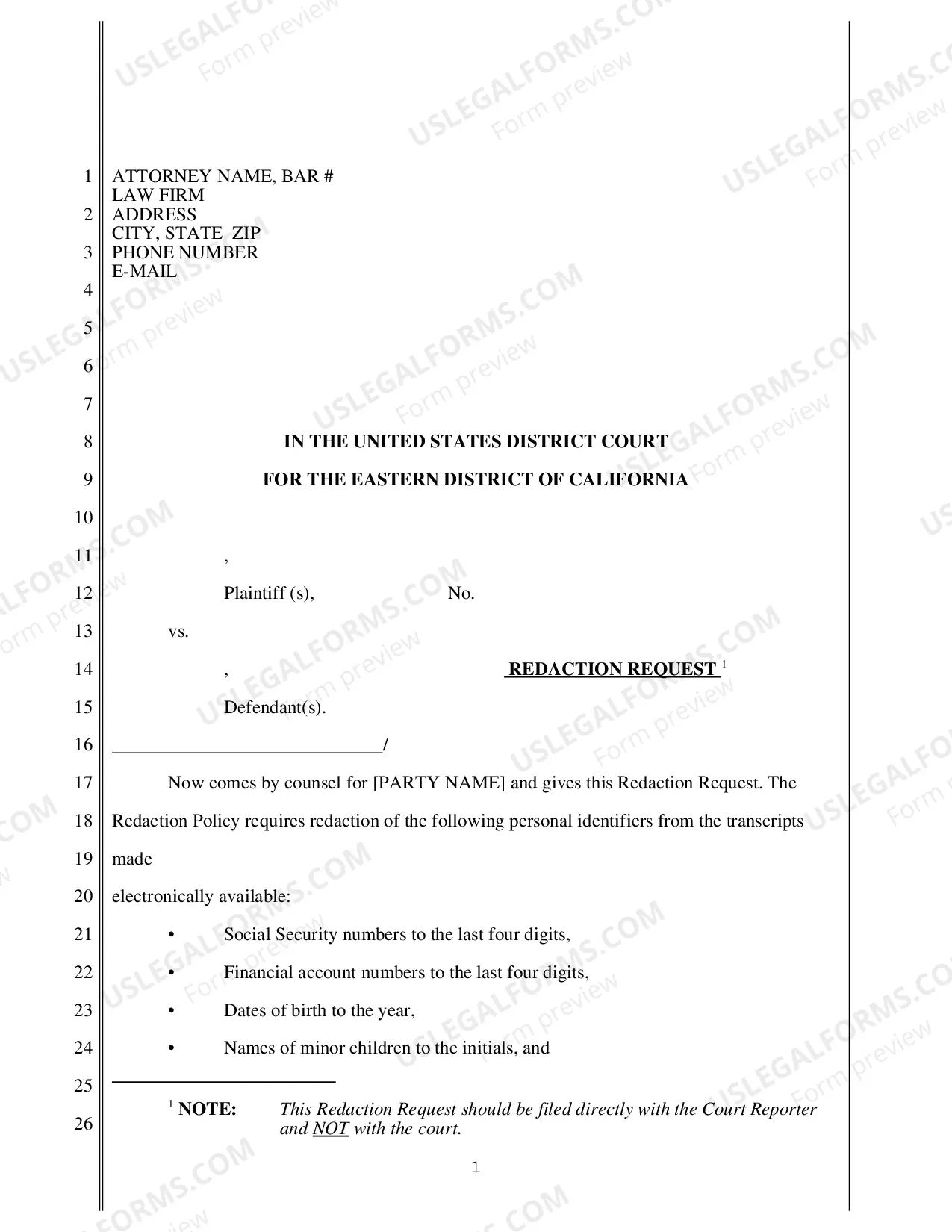
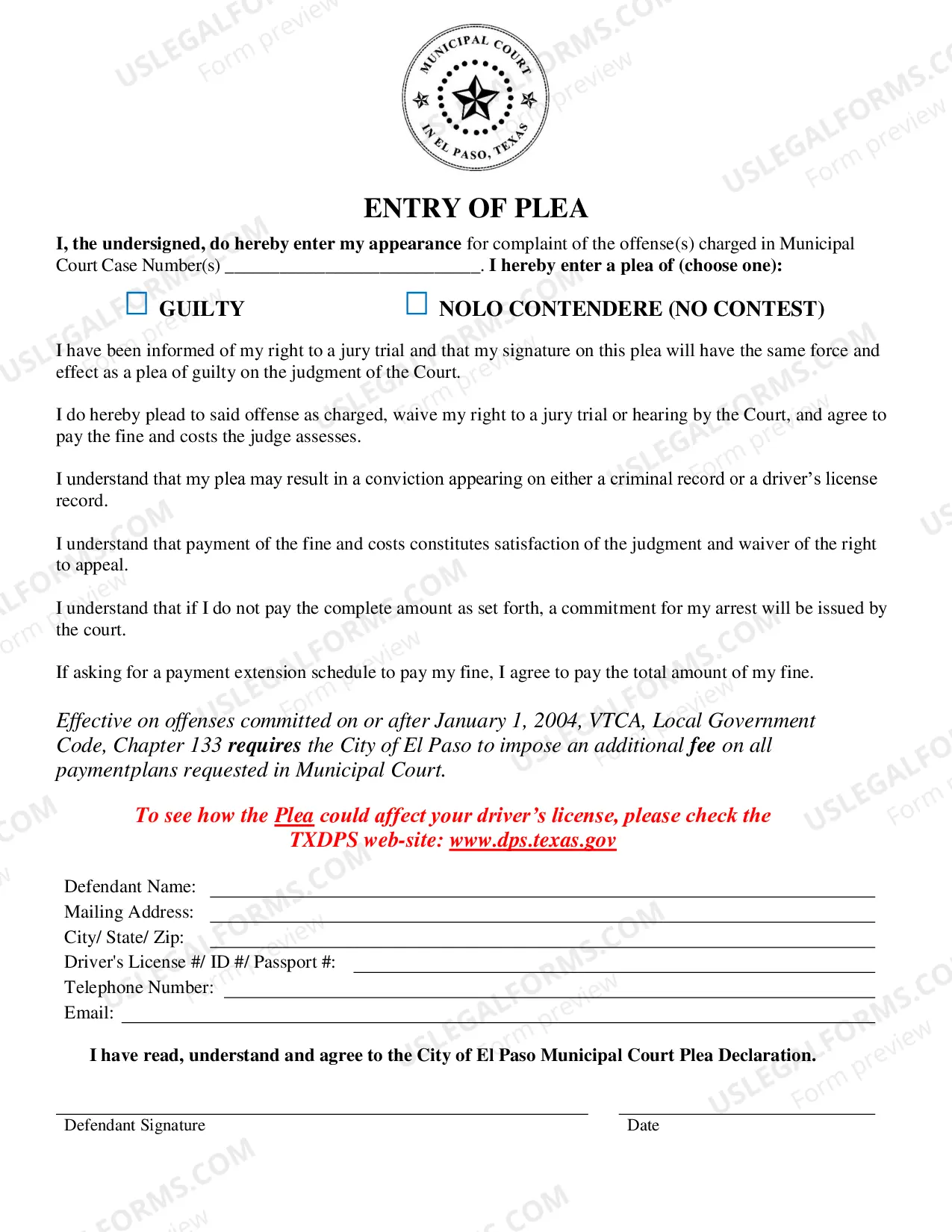
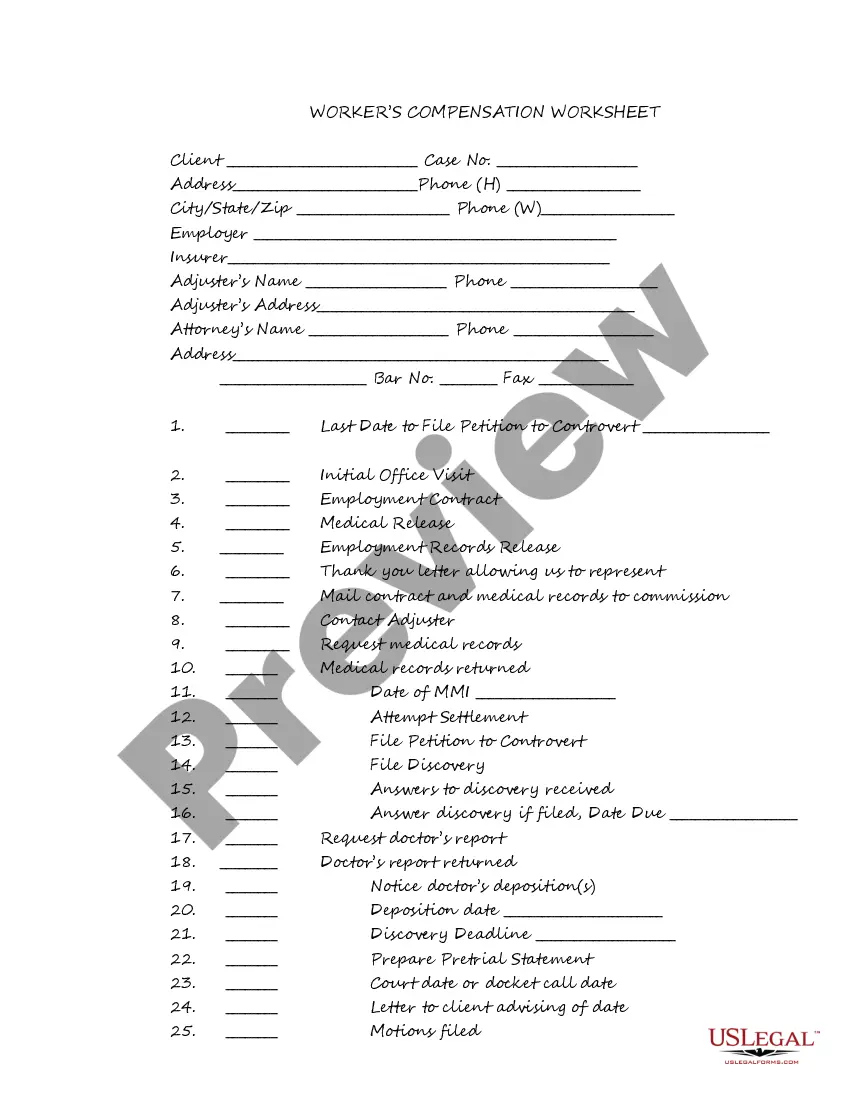
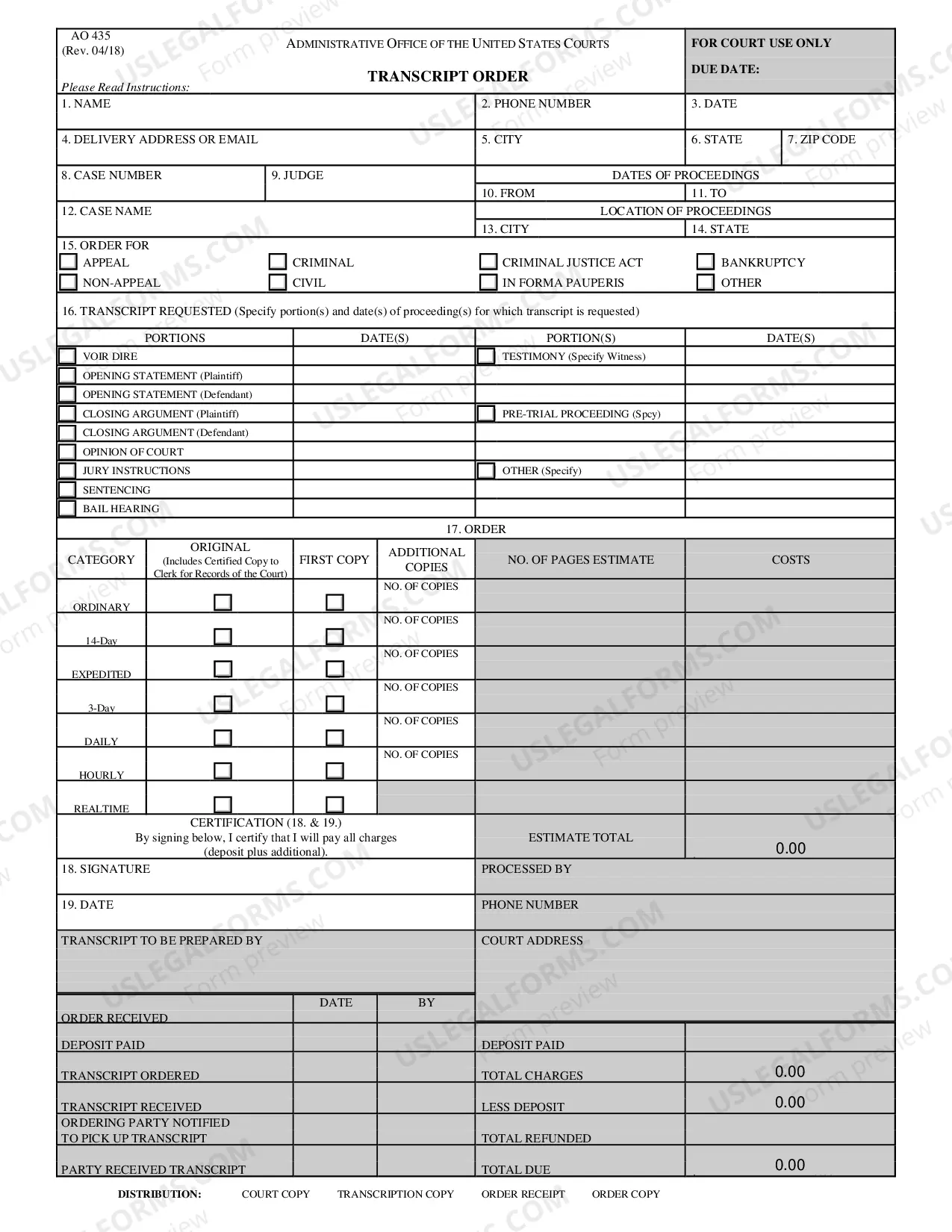
How to fill out Motion For New Trial?
It’s clear that you cannot instantly become a legal authority, nor can you quickly learn how to draft a Trial Criminal Statement Format without possessing a specialized skill set. Assembling legal documents is a lengthy process that necessitates specific education and abilities. So why not entrust the development of the Trial Criminal Statement Format to the professionals.
With US Legal Forms, one of the most comprehensive legal document repositories, you can discover anything from court papers to templates for internal corporate correspondence. We recognize how vital compliance and adherence to federal and state regulations are. That’s why, on our platform, all templates are location-specific and current.
Let’s begin with our website and obtain the form you need in just a few minutes.
You can re-access your documents from the My documents tab at any time. If you’re an existing client, you can simply Log In, and find and download the template from the same tab.
Regardless of the nature of your documents—whether they are financial and legal, or personal—our website has you covered. Try US Legal Forms today!
- Locate the document you need using the search bar at the top of the page.
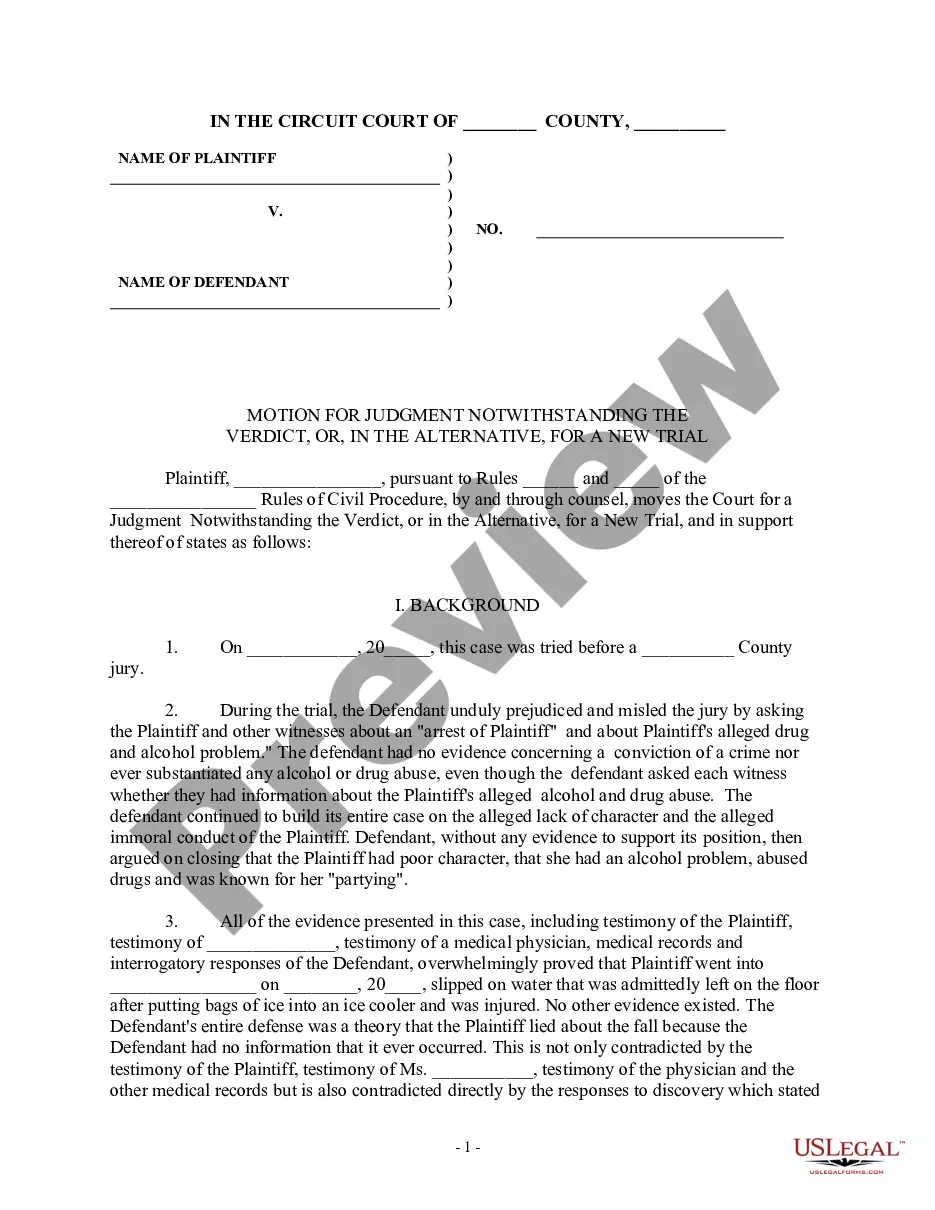
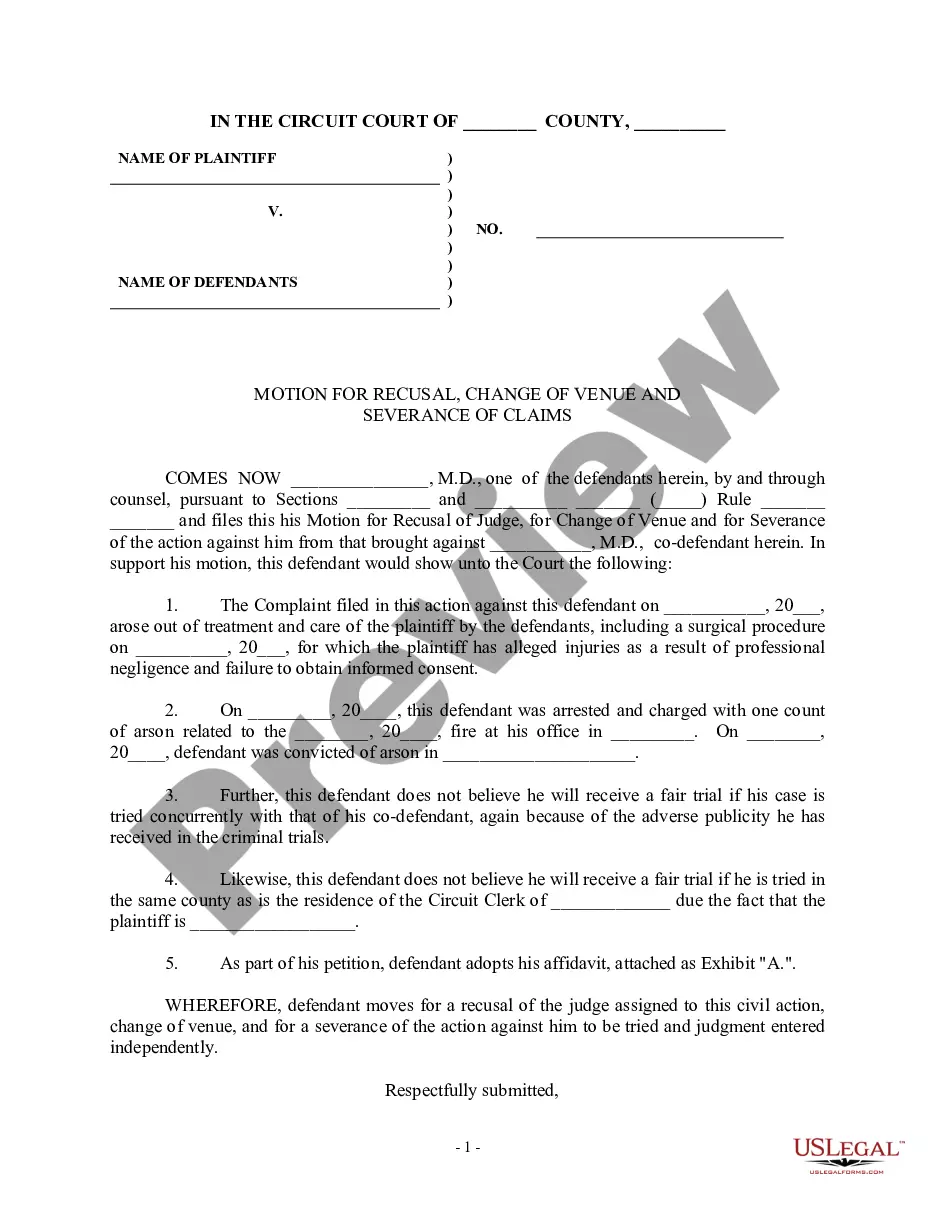
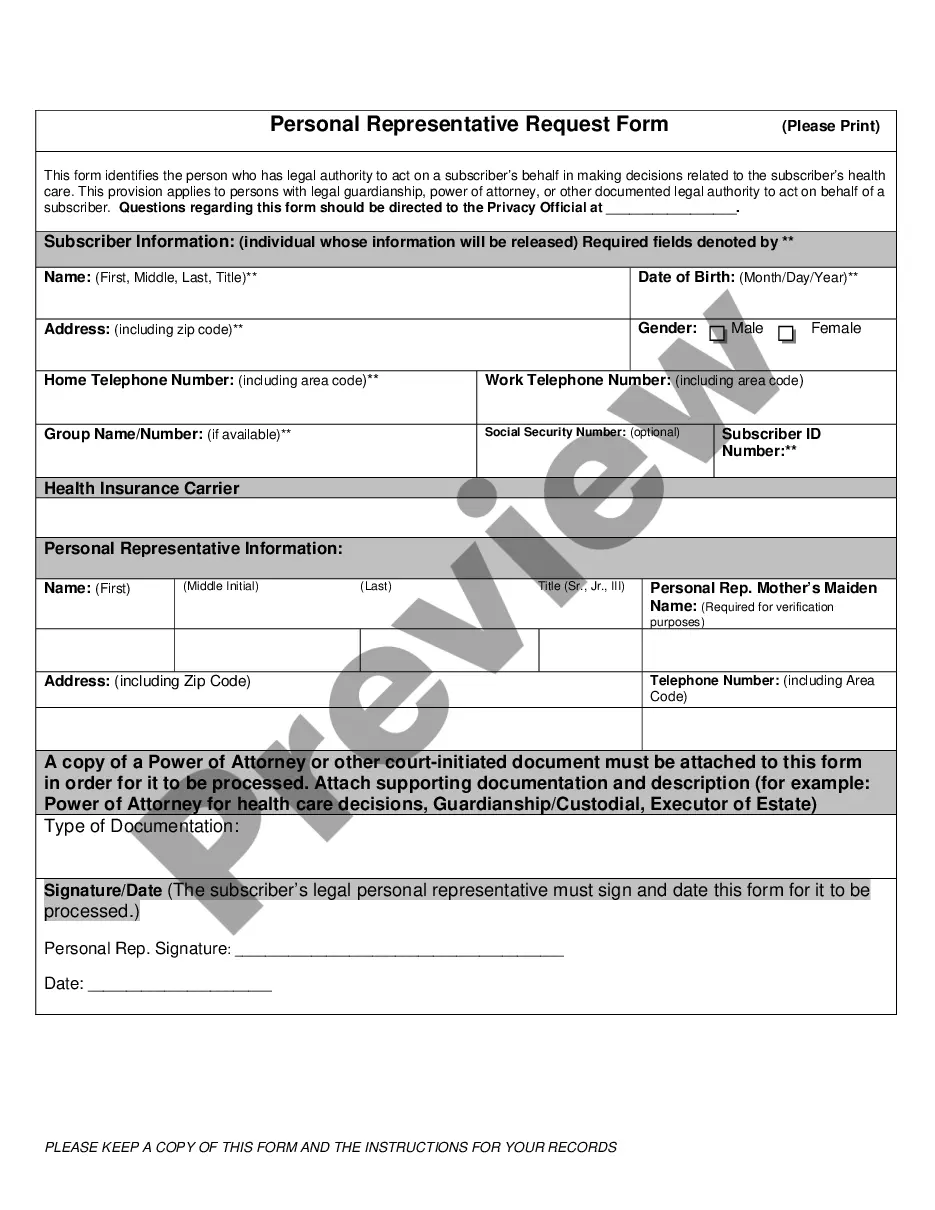
- Preview it (if this option is available) and review the supporting description to see if the Trial Criminal Statement Format is what you’re looking for.
- Restart your search if you require a different template.
- Create a free account and choose a subscription option to purchase the template.
- Click Buy now. Once the payment is processed, you can access the Trial Criminal Statement Format, complete it, print it, and send it or mail it to the necessary individuals or entities.
Form popularity
FAQ
The bailiff announces when a judge enters a courtroom by saying, ?All rise!? to show respect. Everyone stands until the judge says, ?Please be seated.?
Good morning, my name is John Smith, and I am the prosecutor in this case. It is my pleasure to represent the people of this state. On October 3rd, 2009, the defendant in this case [describe what he or she did in detail]. At the conclusion of the case we will ask for a verdict of guilty.
In the opening statement, a lawyer should provide the jury with a theme that will serve as a framework for every piece of evidence the jury hears during the case. The theme should communicate how the evidence will fit together, and why your client's position in the case is the right one.
Elements of a strong defense opening statement in a criminal trial Tell a story. ... Plant the defense themes. ... Make concessions only with great caution. ... Make the defense case concisely. ... Humanize the defendant. ... Make no promises about the defendant testifying. ... Argue the defendant's case. ... End on a high note.
The judge speaks to the jurors, telling them the names of the people involved in the case and stating what the case is about.