Property Damage File For Tenant
Description
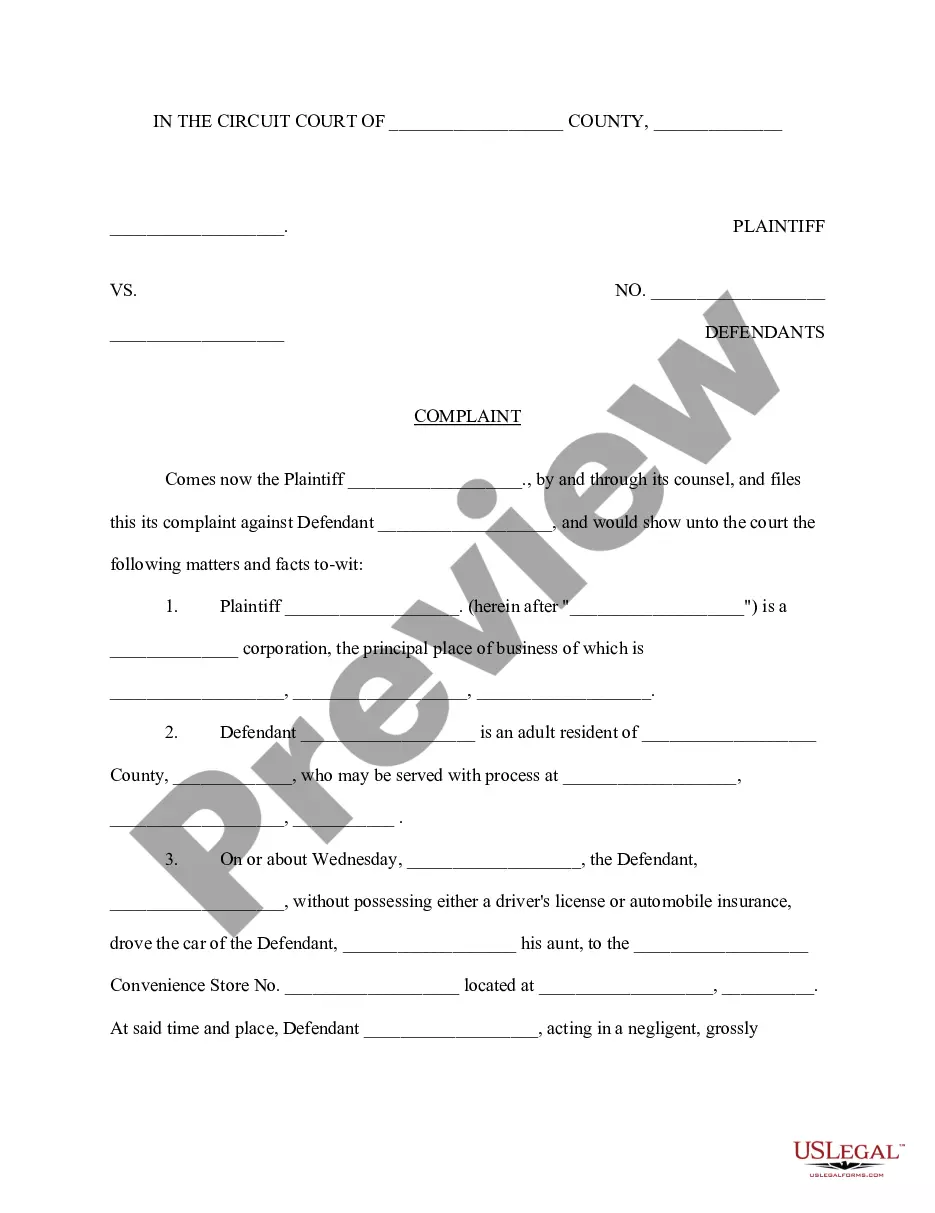
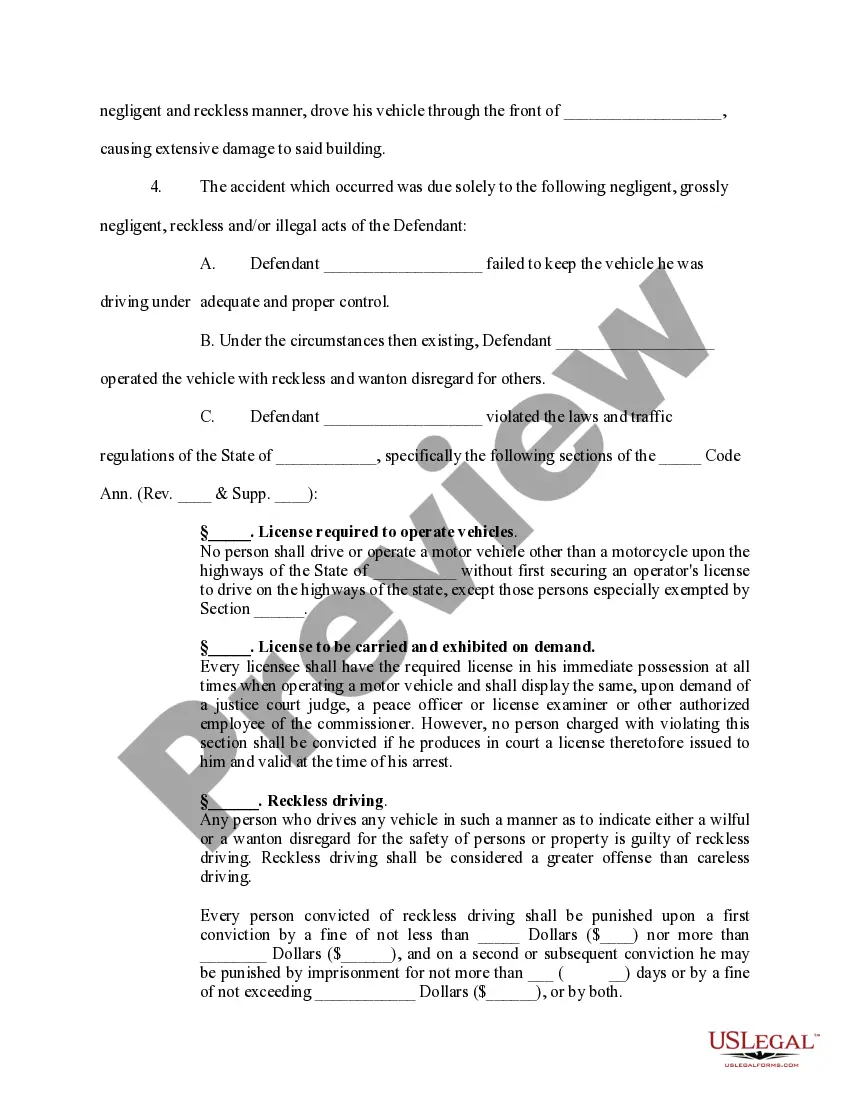
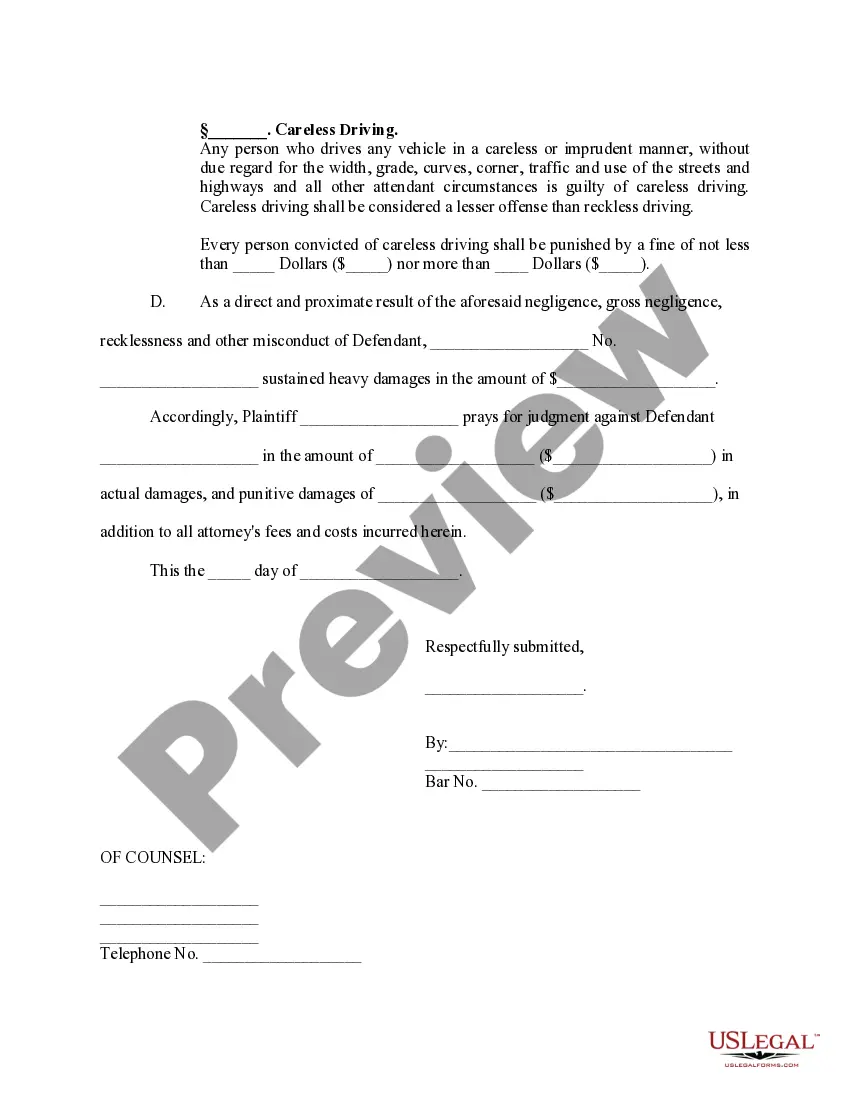
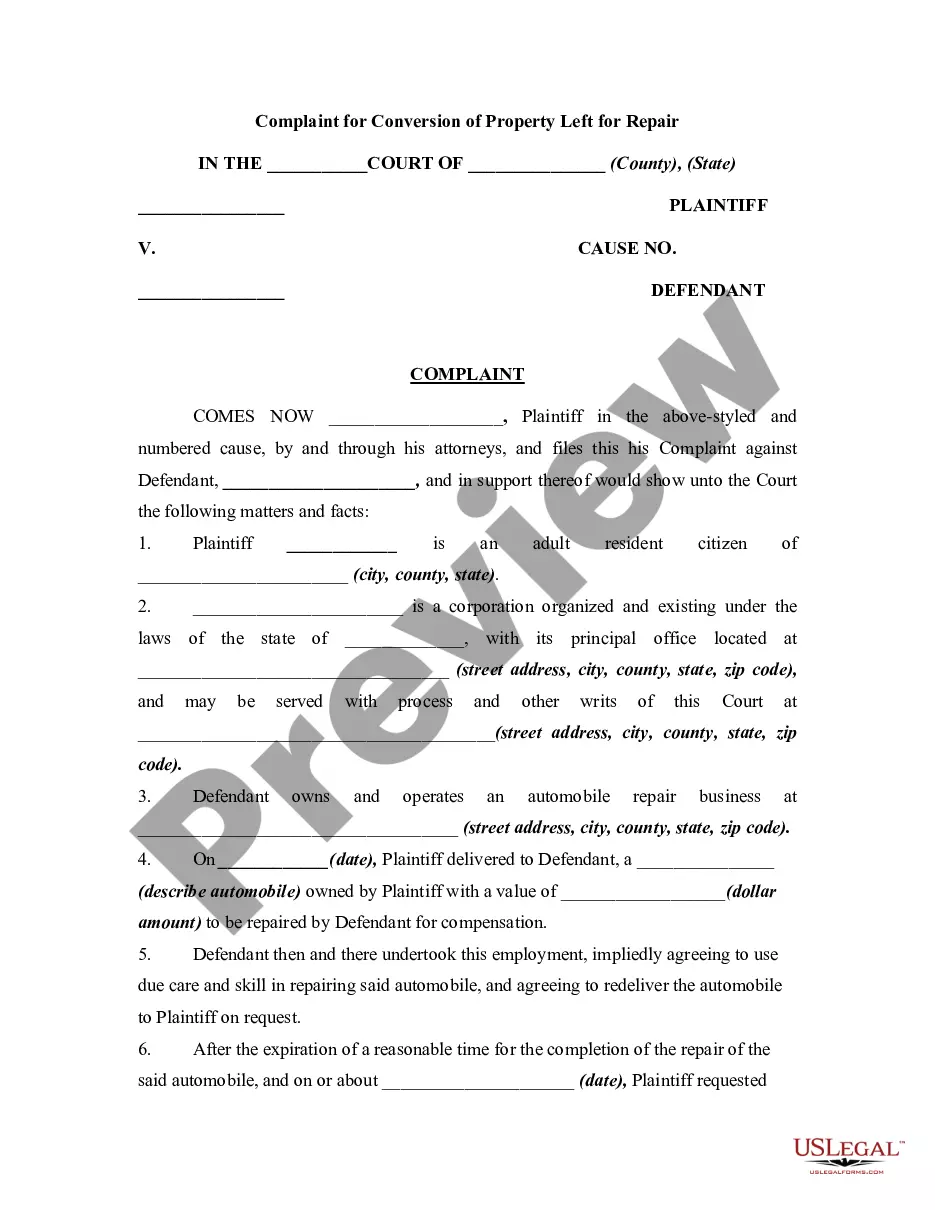

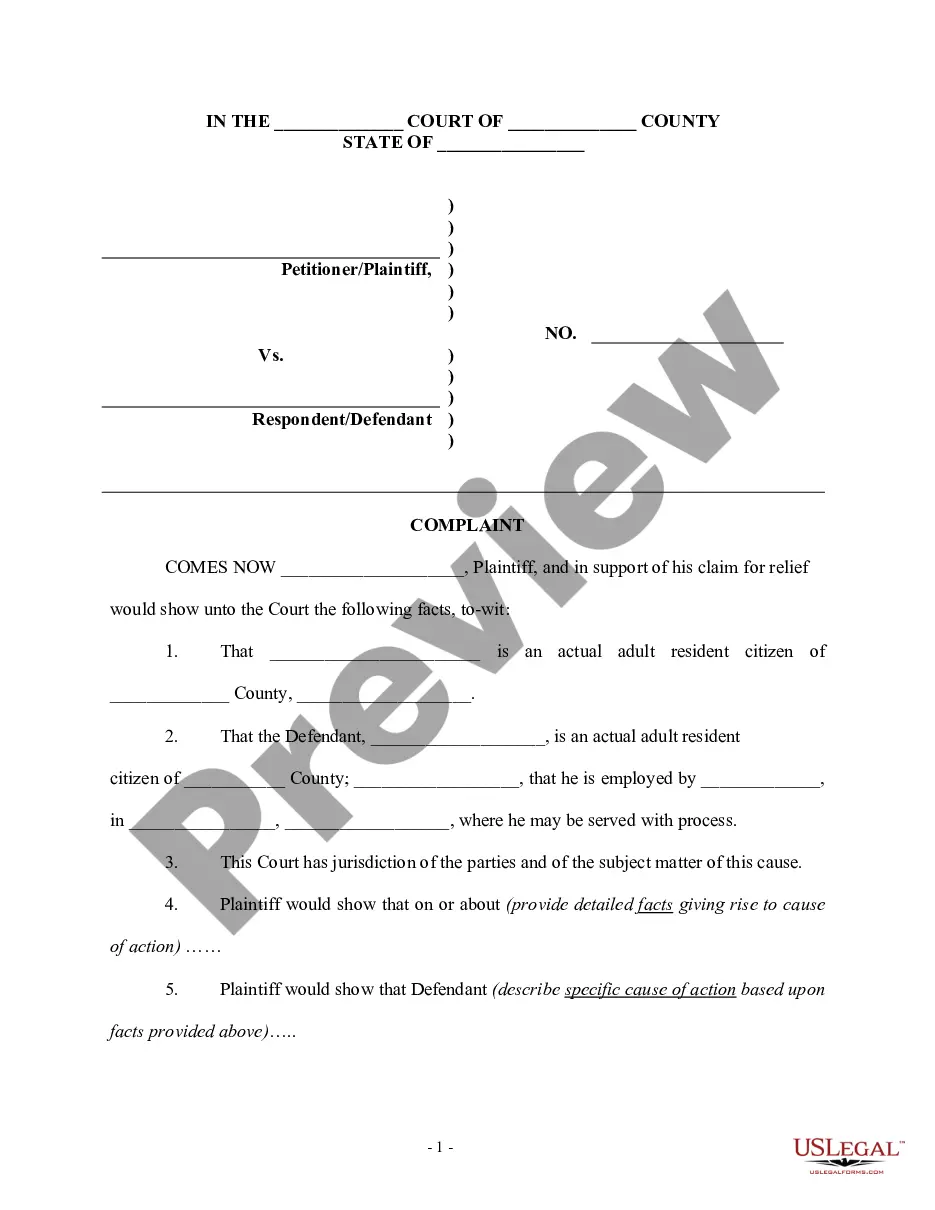

Get your form ready online
Our built-in tools help you complete, sign, share, and store your documents in one place.
Make edits, fill in missing information, and update formatting in US Legal Forms—just like you would in MS Word.
Download a copy, print it, send it by email, or mail it via USPS—whatever works best for your next step.
Sign and collect signatures with our SignNow integration. Send to multiple recipients, set reminders, and more. Go Premium to unlock E-Sign.
If this form requires notarization, complete it online through a secure video call—no need to meet a notary in person or wait for an appointment.
We protect your documents and personal data by following strict security and privacy standards.

Make edits, fill in missing information, and update formatting in US Legal Forms—just like you would in MS Word.

Download a copy, print it, send it by email, or mail it via USPS—whatever works best for your next step.

Sign and collect signatures with our SignNow integration. Send to multiple recipients, set reminders, and more. Go Premium to unlock E-Sign.

If this form requires notarization, complete it online through a secure video call—no need to meet a notary in person or wait for an appointment.

We protect your documents and personal data by following strict security and privacy standards.
Looking for another form?
How to fill out Complaint Property Damage?
Creating legal documents from the ground up can frequently feel somewhat daunting.
Certain situations may require extensive investigation and a significant financial commitment.
If you’re seeking a more straightforward and cost-effective method for preparing the Property Damage File For Tenant or any other documents without encountering hurdles, US Legal Forms is readily available to you.
Our online collection of over 85,000 current legal forms encompasses nearly every facet of your financial, legal, and personal matters.
However, before rushing to download the Property Damage File For Tenant, consider these suggestions: Review the form preview and descriptions to confirm that you are looking at the correct document. Verify if the template you select meets the criteria of your state and county. Choose the most suitable subscription plan to acquire the Property Damage File For Tenant. Download the document. Then fill it out, certify it, and print it. US Legal Forms has a solid reputation and over 25 years of expertise. Join us now and transform form completion into a simple and efficient process!
- With just a few clicks, you can swiftly access state- and county-specific templates meticulously crafted by our legal experts.
- Utilize our platform whenever you require reliable and trustworthy services through which you can promptly find and download the Property Damage File For Tenant.
- If you’re familiar with our services and have previously established an account with us, simply Log In to your account, select the template, and download it or re-download it at any time in the My documents section.
- Don't have an account? No problem. It only takes a few minutes to sign up and browse the catalog.
Form popularity
FAQ
If your tenant has damaged your property, start by assessing the extent of the damage. Communicate with your tenant to discuss the situation and find a resolution. You may need to document everything and consider filing a property damage file for tenant to protect your interests. Using platforms like US Legal Forms can help you navigate the legal steps effectively.
To file a property damage claim, gather all necessary documentation, including photos and repair estimates. Contact your insurance provider to understand the claims process. Additionally, you may want to file a property damage file for tenant to formally document the incident. This step can streamline your claim and ensure all details are recorded.
If a tenant damages property, a landlord has several options. First, review the lease agreement to see what it says about property damage. Next, consider discussing the issue with the tenant directly to find a solution. If necessary, you may need to file a property damage file for tenant through your local court to recover costs for repairs.
To prove damages, you need a variety of evidence, including photographs of the damage, repair estimates, and receipts. Creating a property damage file for tenant-related disputes helps organize this information effectively. Additionally, having witness accounts can strengthen your claim. The clearer and more comprehensive your evidence, the more likely you are to receive compensation.
Collecting damages from a tenant involves documenting the damage meticulously in a property damage file for tenant purposes. Landlords should communicate with the tenant regarding the damages and the costs involved. If necessary, pursue claims through small claims court with the evidence gathered. Using platforms like uslegalforms can provide templates and guidance on the process.
To prove someone damaged your property, start by compiling a property damage file for tenant circumstances. Collect evidence such as before-and-after photos, repair bills, and witness statements. This documentation can clearly demonstrate the extent of the damage. The more detailed your records, the better your chances of successfully claiming damages.
Landlords are responsible for proving damages to recover costs from tenants. This requires maintaining a comprehensive property damage file for tenant-related issues. Documenting the state of the property before and after the lease period is crucial. Utilizing tools and resources can help landlords gather and present strong evidence.
Yes, a landlord must provide proof of damages when claiming amounts from a tenant's security deposit. This often includes a property damage file for tenant records, which documents the condition of the property before and after the tenant's occupancy. Clear evidence, such as photographs and repair invoices, strengthens the landlord's case. Always ensure that your documentation is thorough to avoid disputes.
Deciding whether to sue a tenant for damages can depend on several factors, including the extent of the damage and potential recovery costs. Consider the time, effort, and legal fees involved in pursuing a claim. If the damages are significant, creating a property damage file for tenant and consulting with a legal expert may provide clarity on the best course of action.
Reporting damage to your property starts with documenting the incident thoroughly. Create a property damage file for tenant, including photographs, descriptions, and any related documents. Next, notify your landlord or property management company promptly. A clear and organized report will facilitate quicker action and resolution.