Attorney Court Having For Child
Description
Get your form ready online
Our built-in tools help you complete, sign, share, and store your documents in one place.
Make edits, fill in missing information, and update formatting in US Legal Forms—just like you would in MS Word.
Download a copy, print it, send it by email, or mail it via USPS—whatever works best for your next step.
Sign and collect signatures with our SignNow integration. Send to multiple recipients, set reminders, and more. Go Premium to unlock E-Sign.
If this form requires notarization, complete it online through a secure video call—no need to meet a notary in person or wait for an appointment.
We protect your documents and personal data by following strict security and privacy standards.

Make edits, fill in missing information, and update formatting in US Legal Forms—just like you would in MS Word.

Download a copy, print it, send it by email, or mail it via USPS—whatever works best for your next step.

Sign and collect signatures with our SignNow integration. Send to multiple recipients, set reminders, and more. Go Premium to unlock E-Sign.

If this form requires notarization, complete it online through a secure video call—no need to meet a notary in person or wait for an appointment.

We protect your documents and personal data by following strict security and privacy standards.
Looking for another form?


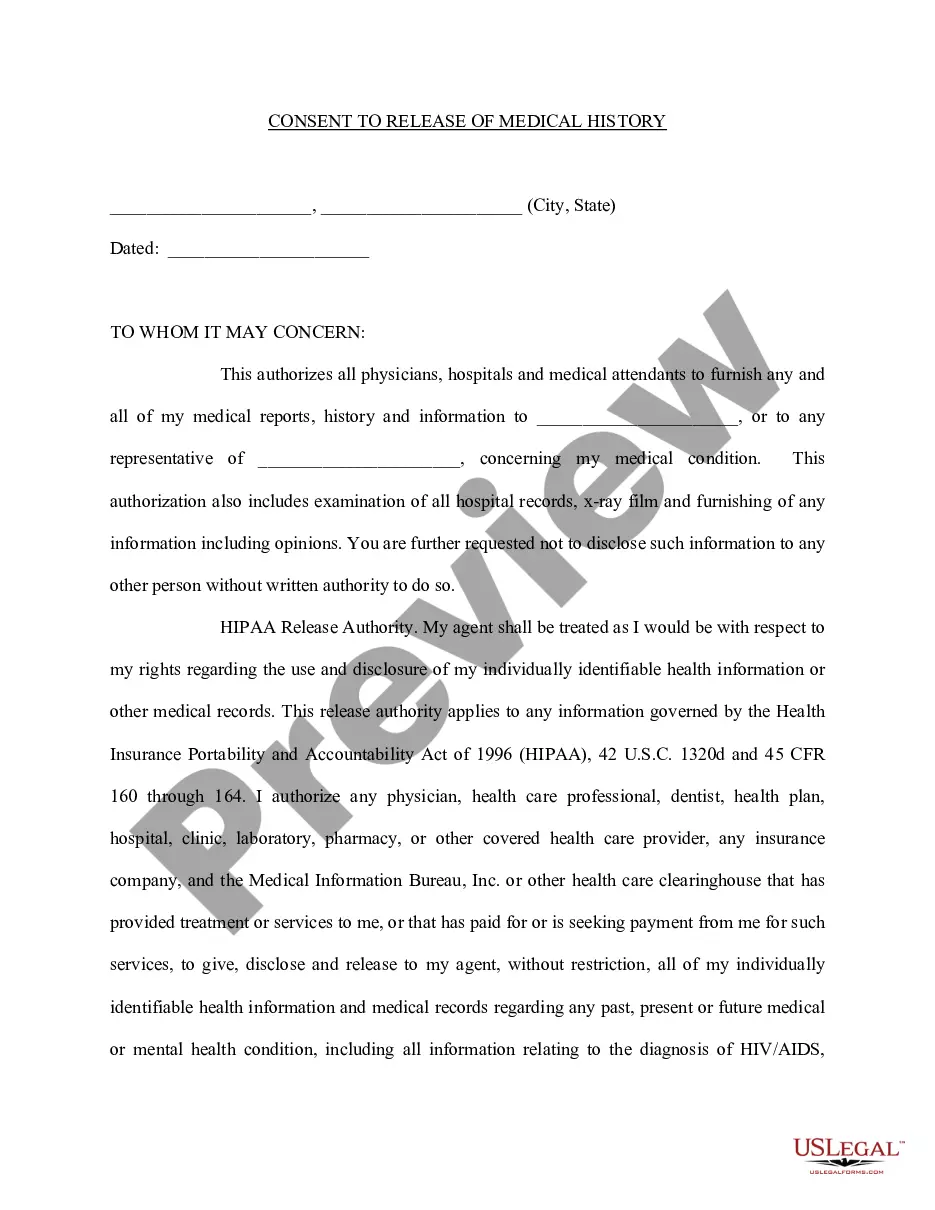

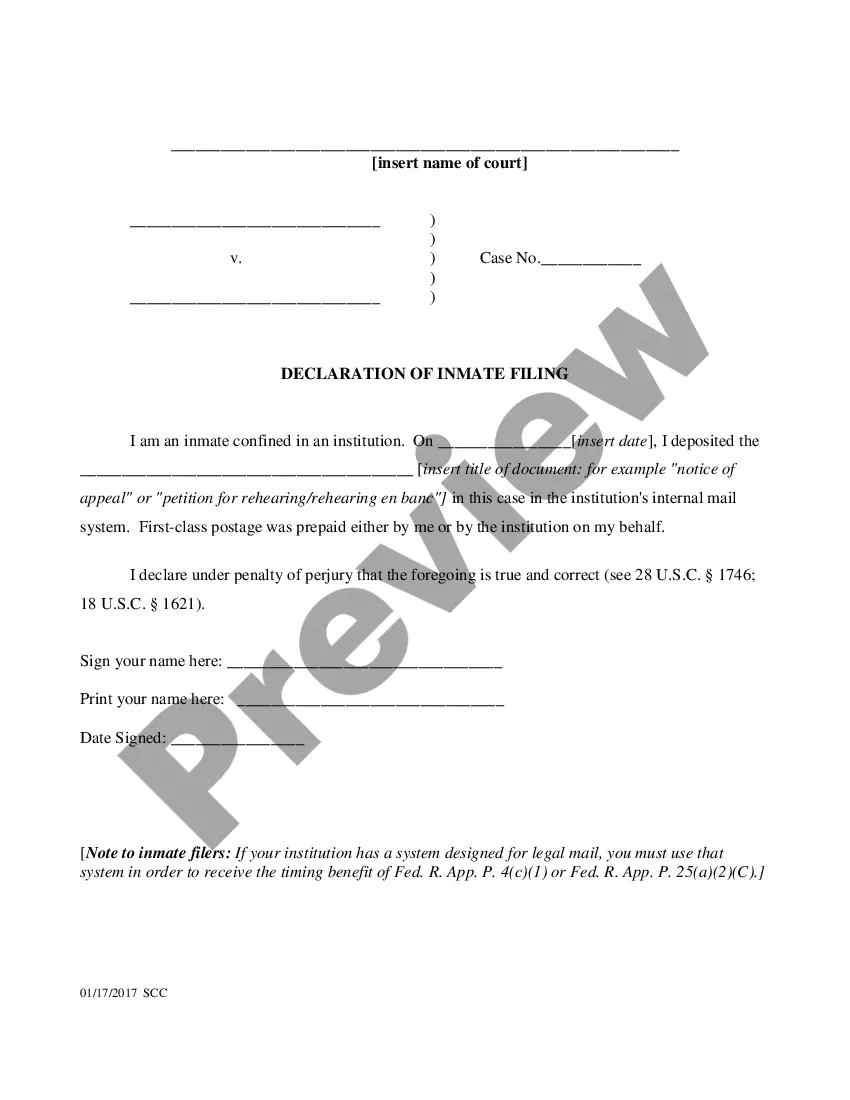
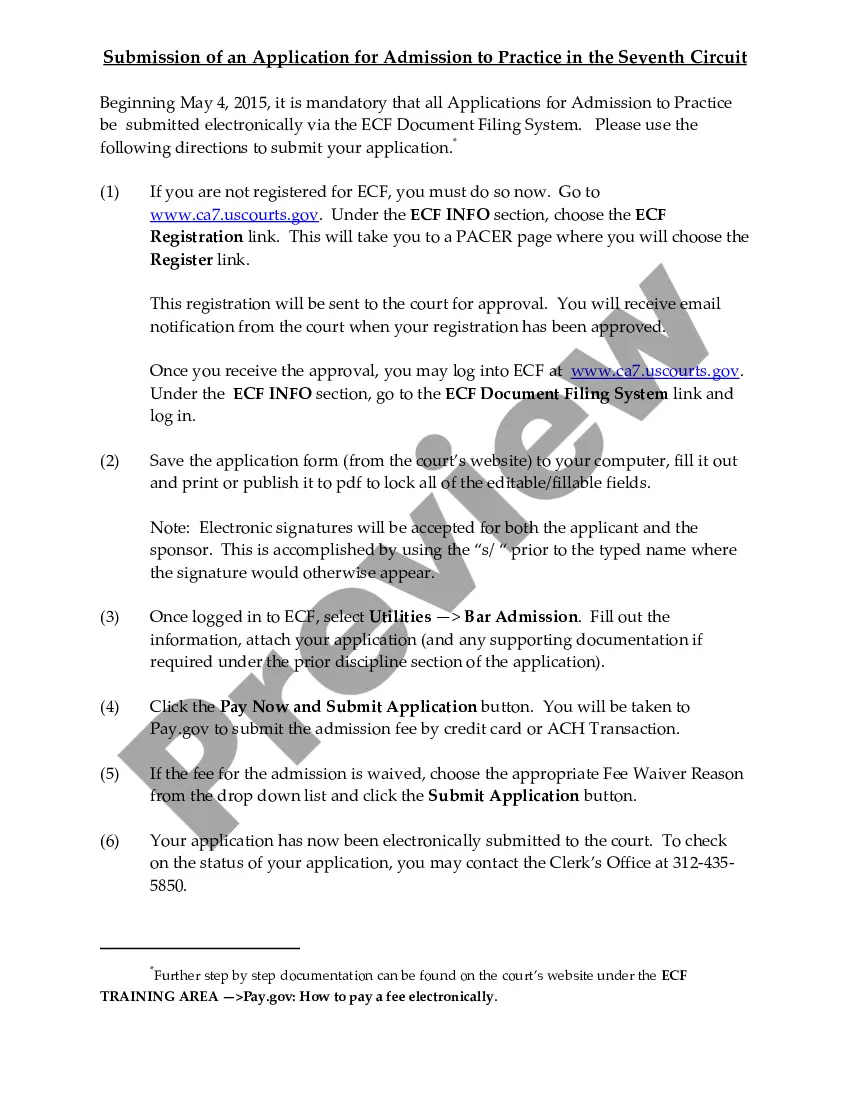
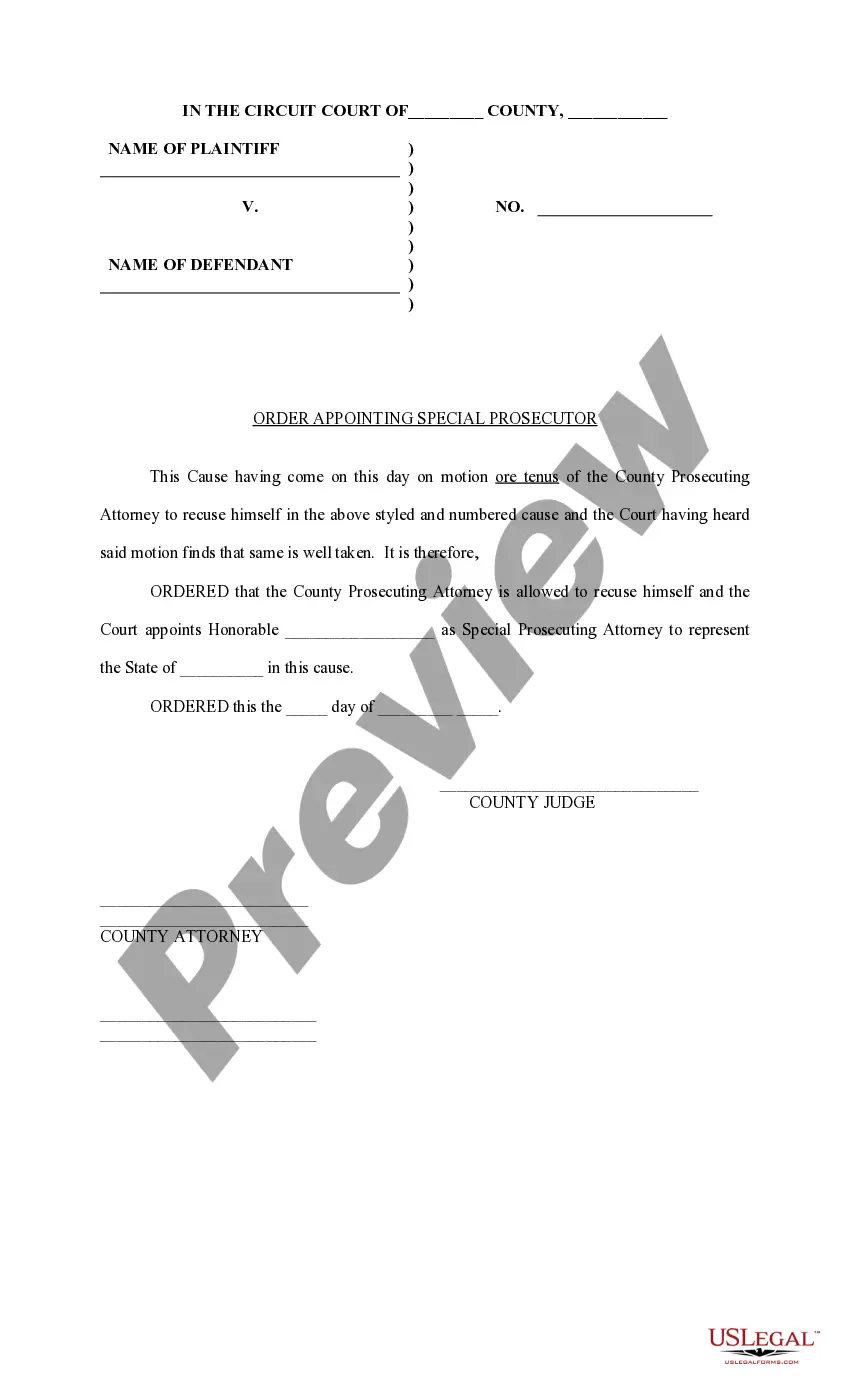
How to fill out Order Appointing Special Prosecutor?
Whether for commercial reasons or personal matters, everyone eventually has to navigate legal situations during their lifetime.
Filling out legal paperwork requires meticulous care, beginning with choosing the appropriate form template.
Choose the desired file format and download the Attorney Court Having For Child. Once downloaded, you can fill out the form using editing software or print it and complete it by hand. With a vast US Legal Forms catalog available, you won’t waste time searching for the right template online. Use the library’s straightforward navigation to discover the appropriate template for any circumstance.
- For example, if you select an incorrect version of an Attorney Court Having For Child, it will be denied upon submission.
- Thus, it is crucial to secure a trustworthy source of legal documents like US Legal Forms.
- If you need to acquire a Attorney Court Having For Child template, follow these simple steps.
- Locate the template you require using the search bar or catalog browsing.
- Review the form's details to confirm it aligns with your situation, state, and county.
- Click on the form's preview to examine it.
- If it is not the correct document, return to the search feature to find the Attorney Court Having For Child sample you need.
- Download the template if it suits your requirements.
- If you already possess a US Legal Forms account, just click Log in to access previously stored documents in My documents.
- Should you not have an account yet, you can get the form by clicking Buy now.
- Choose the right pricing option.
- Fill out the account registration form.
- Select your payment method: use a credit card or PayPal account.
Form popularity
FAQ
Create the POA Using a Form, Software or an Attorney For a more user-friendly experience, try WillMaker, which guides you through a series of questions to arrive at a POA (and estate plan) that meets your specific aims and is valid in your state. You can also hire an Oregon lawyer to create a POA for you.
A common law ?marriage? is not created in Oregon. However, if a couple is from a state that acknowledges common law marriages, and the couple meets the requirements of common law marriage of that state, then the state of Oregon will recognize the marriage of that state as valid in Oregon. Legal editor: Erin K.
No, Oregon does not have common law marriage. You cannot create a common law marriage in Oregon, however, if a couple is from another state and meets the requirements of common law marriage in their state, then Oregon recognizes it as a valid marriage.
Common law marriage is a type of informal marriage that used to be widely recognized around the world, but has been largely phased out over the last few centuries. Only eight states in the U.S. and the District of Columbia legally recognize common law marriage.
A registered domestic partnership is "a civil contract entered into between two individuals of the same sex who are at least 18 years of age, who are otherwise capable and at least one of whom is a resident of Oregon." Oregon doesn't recognize civil unions or domestic partnerships certified in other states.
You must be 18 years old to get married in Oregon without a parent's permission. You can get married at age 17 if: 1) you have written permission from a parent or guardian, or 2) neither parent lives in Oregon and you have lived here for six months in the county where you are applying for the marriage license.
The short answer is no, Oregon doesn't have common-law marriage. With so many misconceptions about the concept, Oregon keeps it simple. You can't create a common-law marriage here. However, the state does acknowledge those from other places.
It is a common misconception that there is a ?magic age? when a child can decide which parent they will live with. In both Washington and Oregon, a child can only choose which parent they'd like to live with when they turn 18 or are otherwise emancipated.