Motion For Ex Parte
Description

Get your form ready online
Our built-in tools help you complete, sign, share, and store your documents in one place.
Make edits, fill in missing information, and update formatting in US Legal Forms—just like you would in MS Word.
Download a copy, print it, send it by email, or mail it via USPS—whatever works best for your next step.
Sign and collect signatures with our SignNow integration. Send to multiple recipients, set reminders, and more. Go Premium to unlock E-Sign.
If this form requires notarization, complete it online through a secure video call—no need to meet a notary in person or wait for an appointment.
We protect your documents and personal data by following strict security and privacy standards.

Make edits, fill in missing information, and update formatting in US Legal Forms—just like you would in MS Word.

Download a copy, print it, send it by email, or mail it via USPS—whatever works best for your next step.

Sign and collect signatures with our SignNow integration. Send to multiple recipients, set reminders, and more. Go Premium to unlock E-Sign.

If this form requires notarization, complete it online through a secure video call—no need to meet a notary in person or wait for an appointment.

We protect your documents and personal data by following strict security and privacy standards.
Looking for another form?
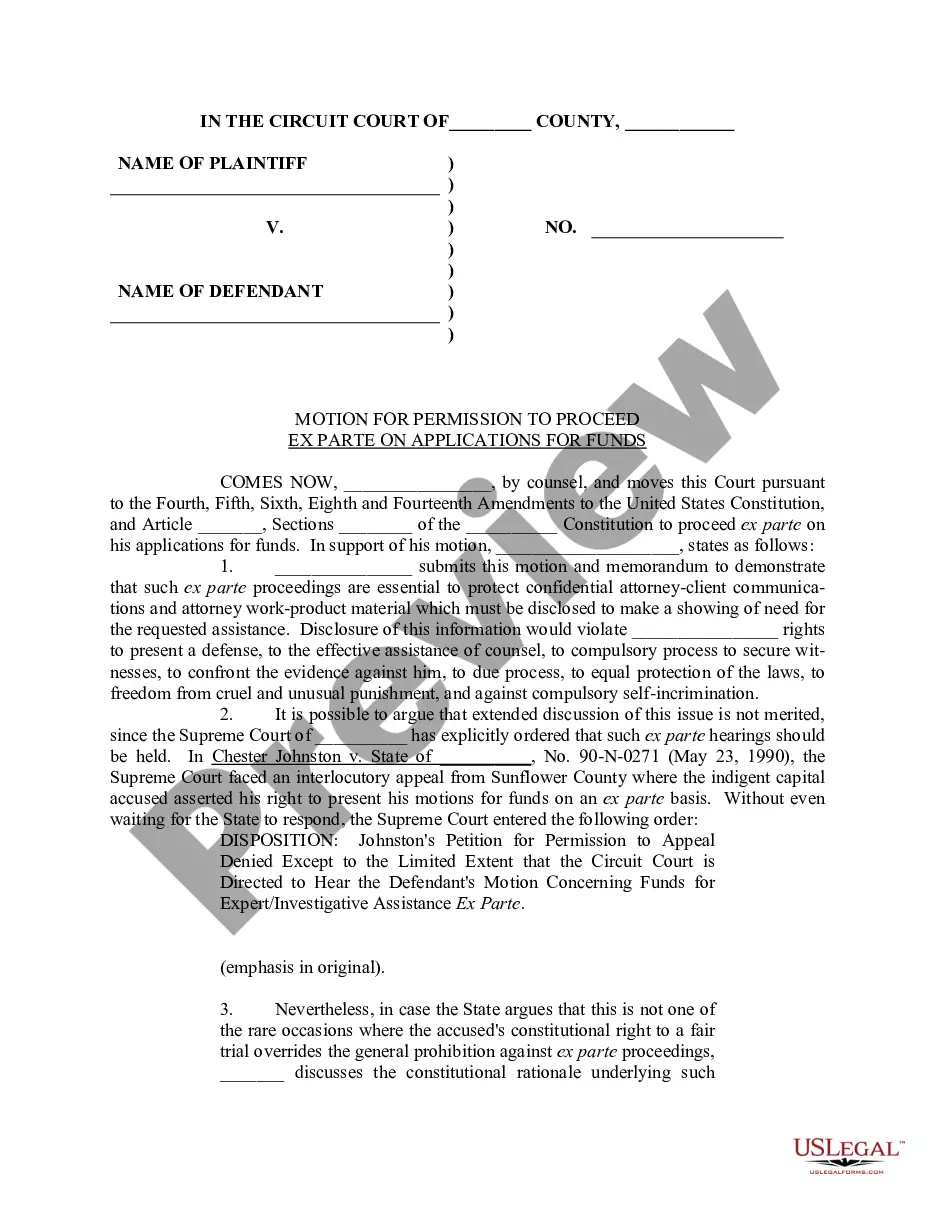
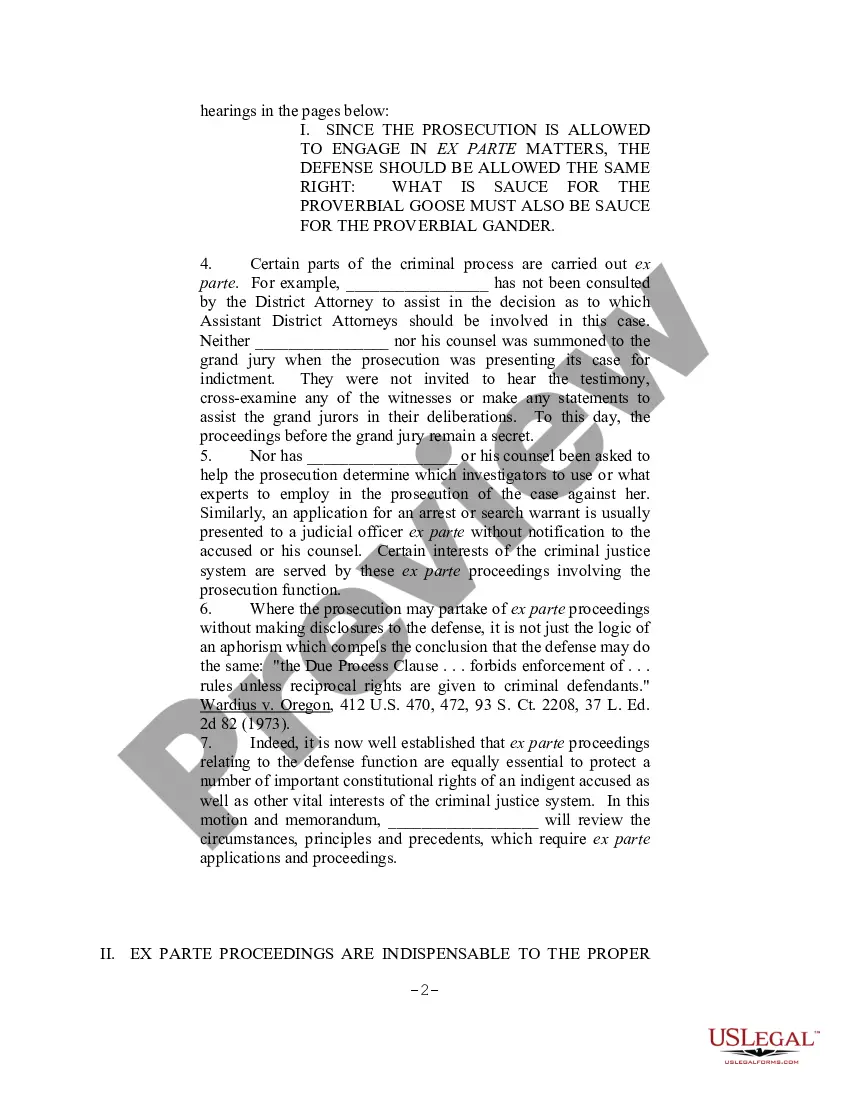
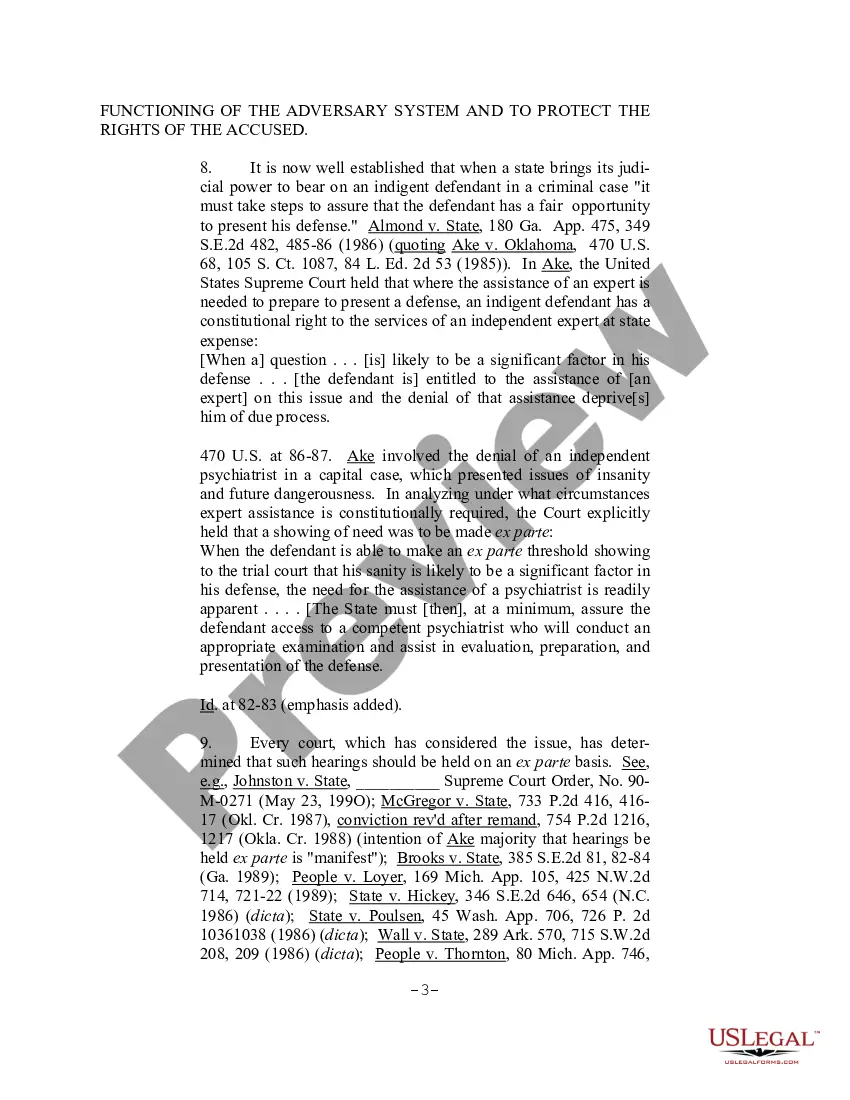
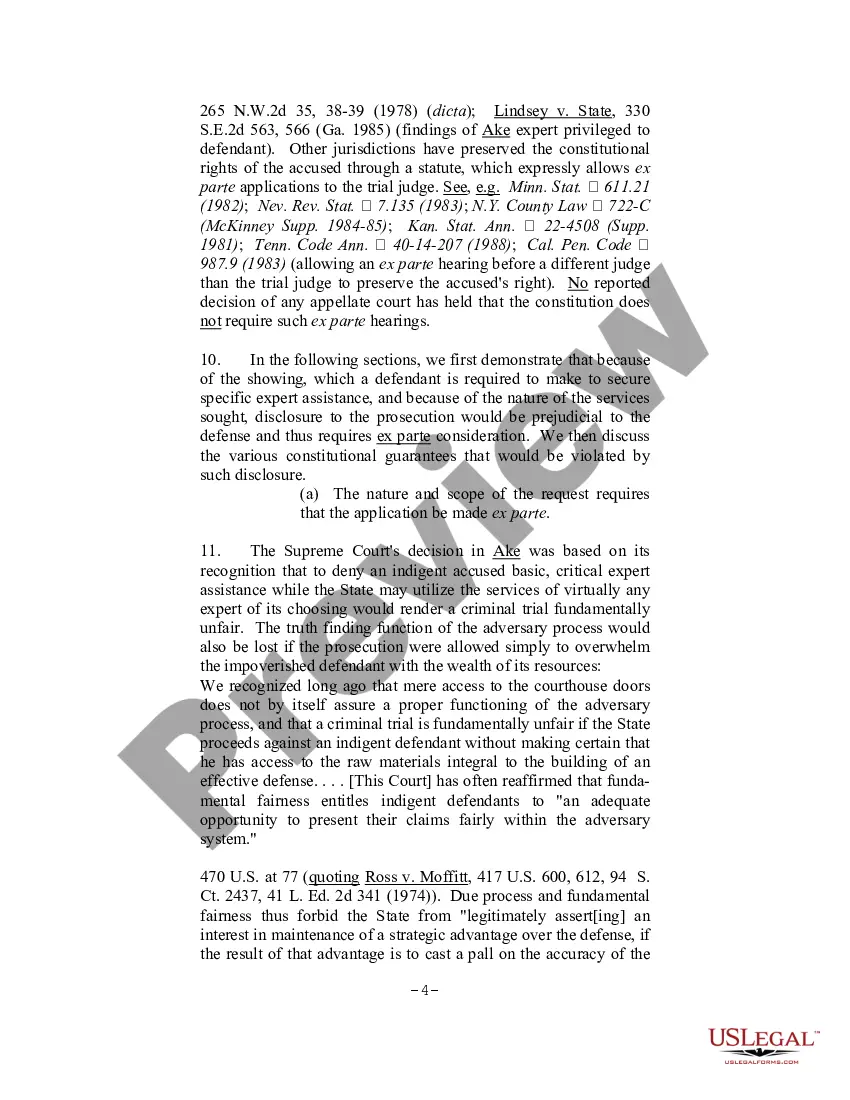
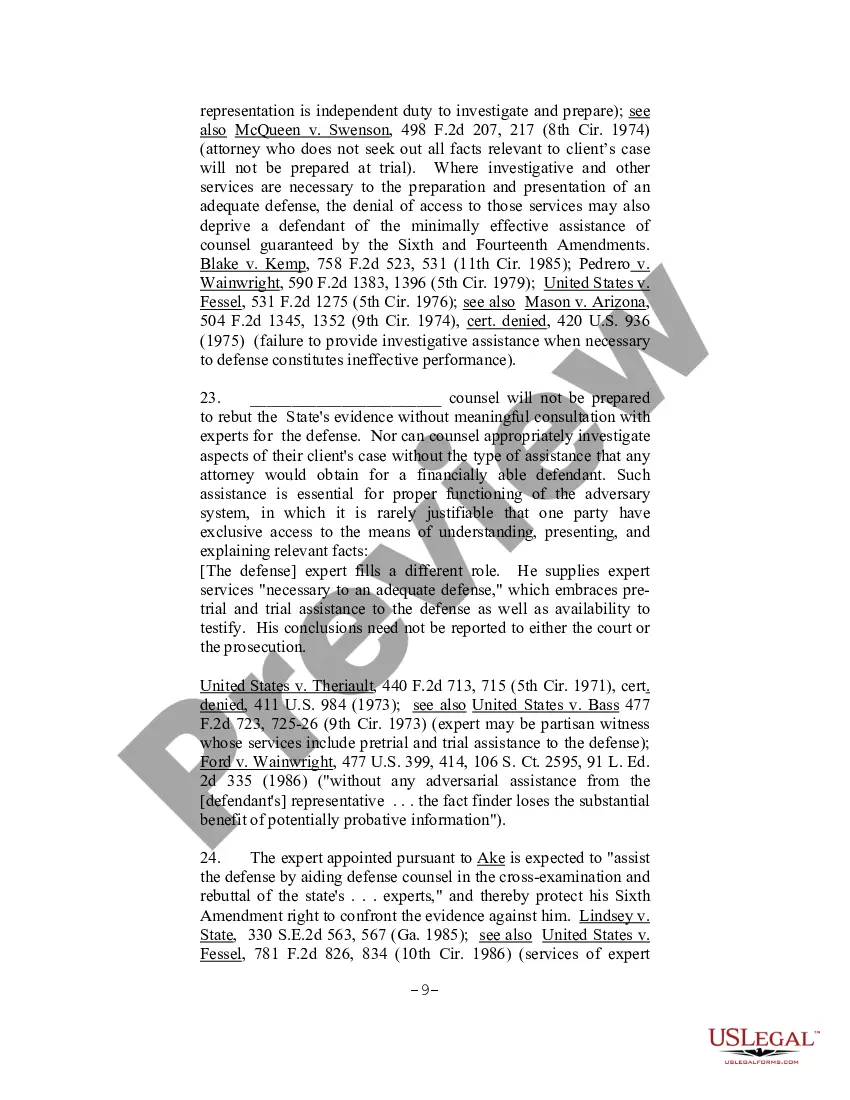
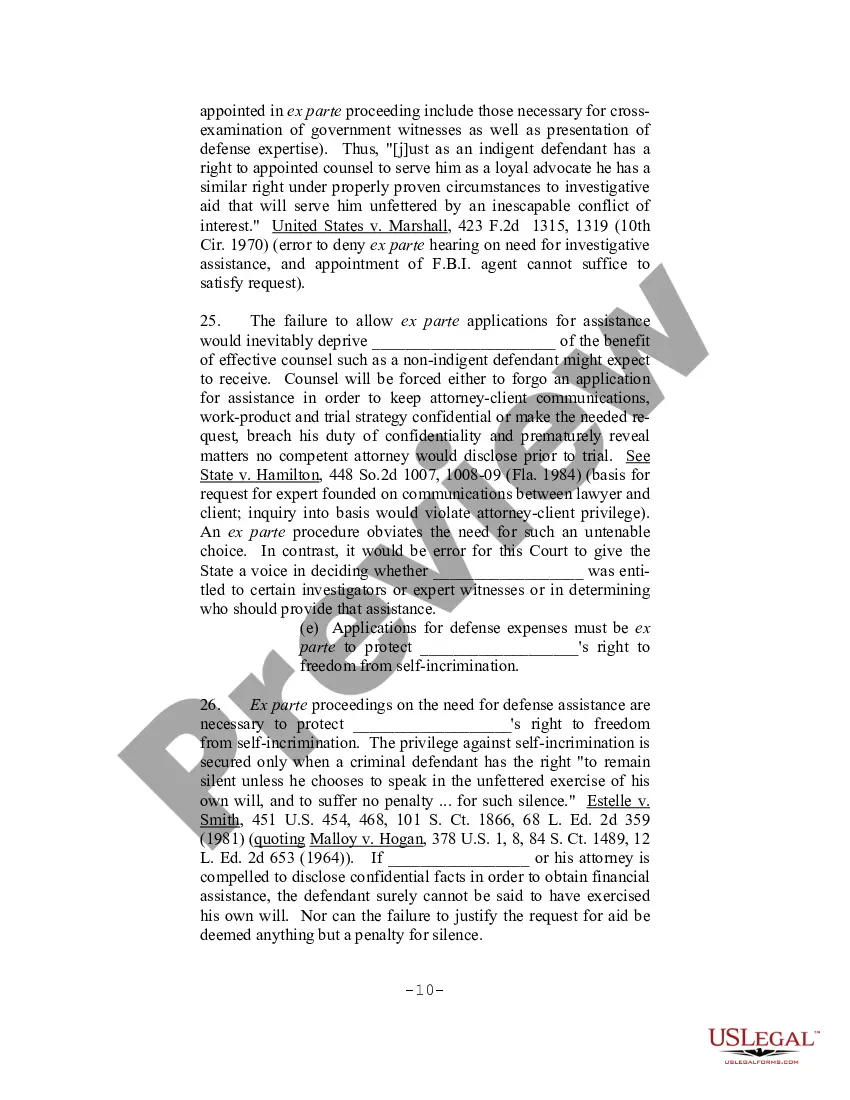
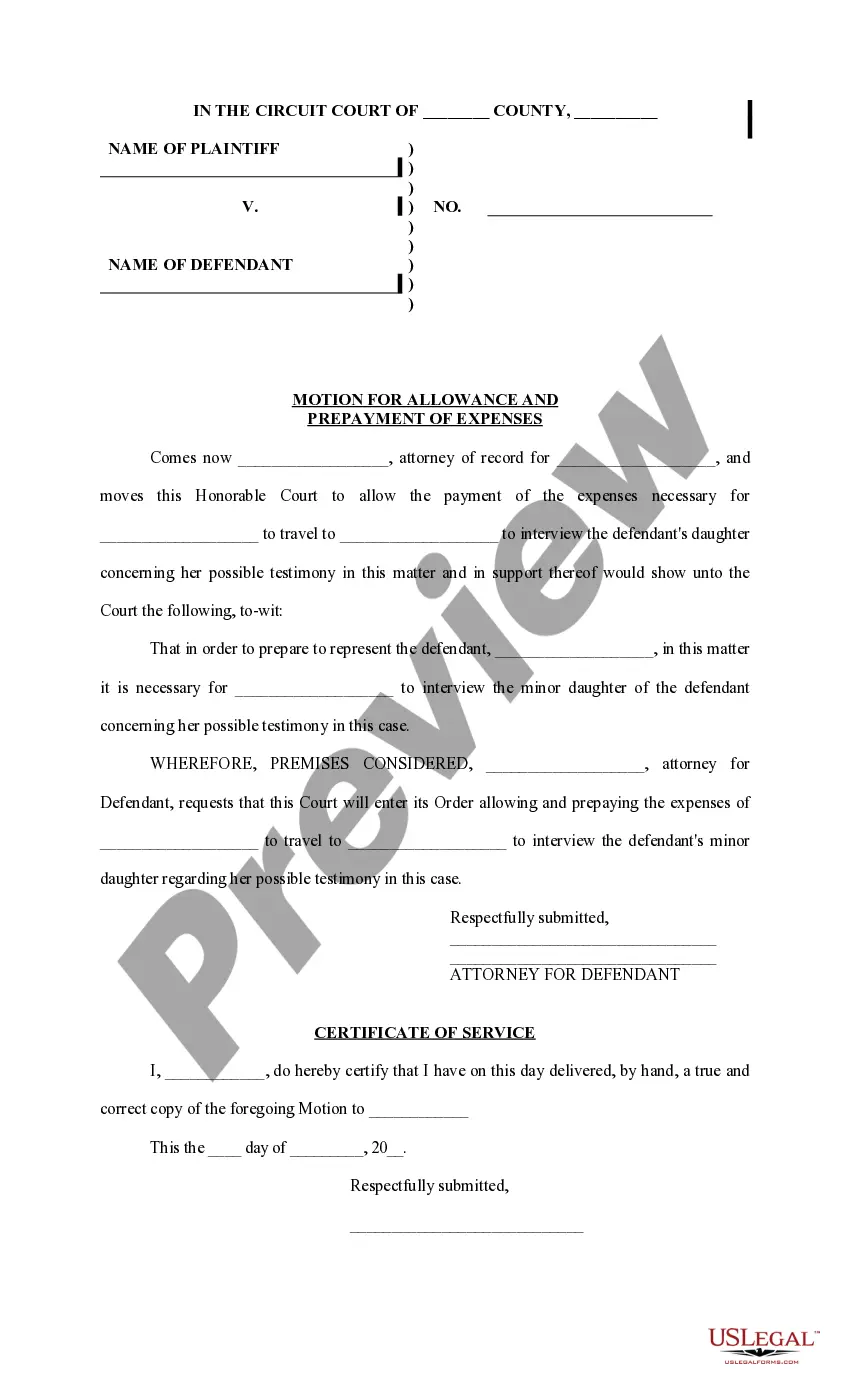
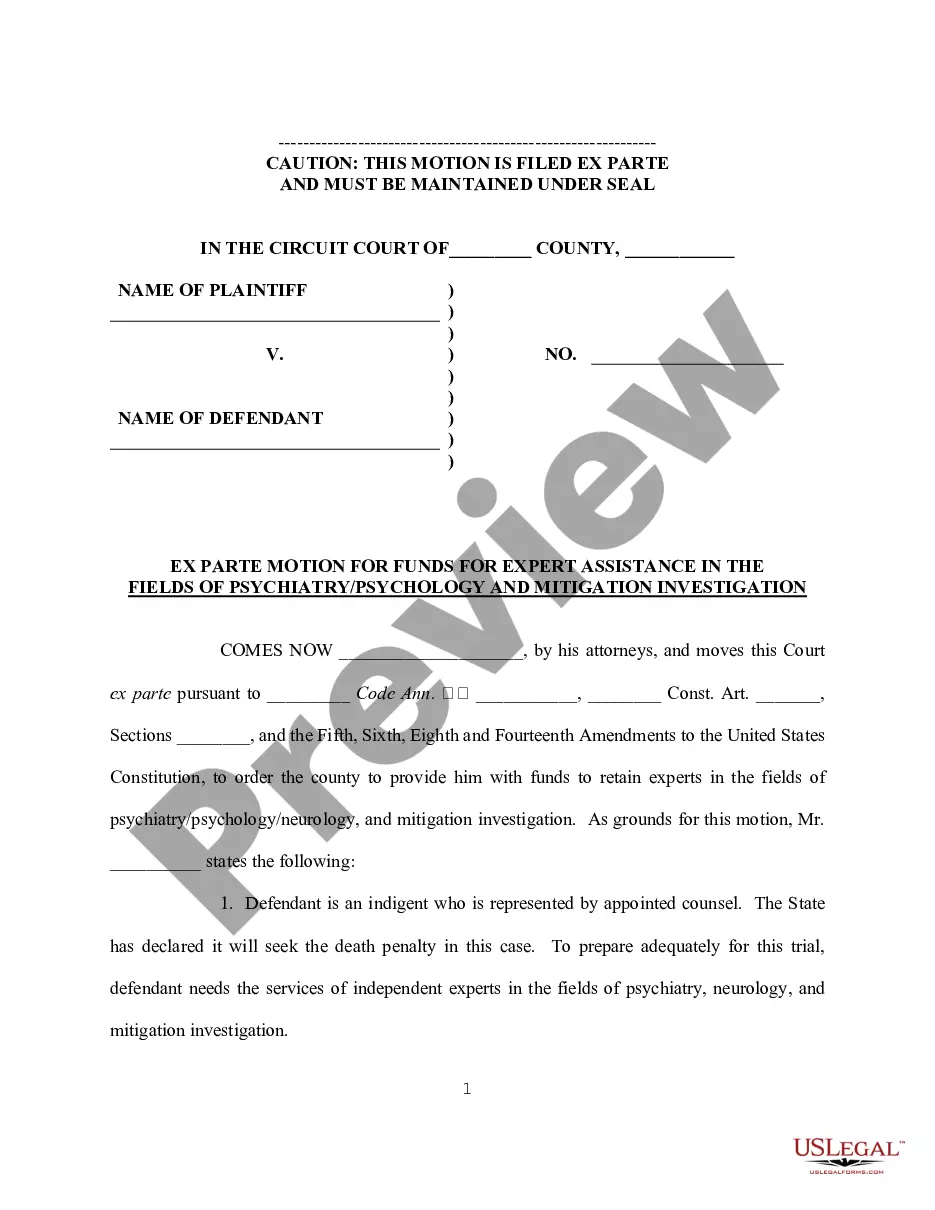
How to fill out Motion For Permission To Proceed Ex Parte On Applications For Funds?
Dealing with legal documents and procedures can be a labor-intensive addition to your whole day.
Motion For Ex Parte and similar documents frequently require you to locate them and comprehend how to fill them out correctly.
Therefore, whether you are handling financial, legal, or personal issues, having a comprehensive and user-friendly online repository of documents at your disposal will greatly assist you.
US Legal Forms is the leading online platform for legal templates, providing over 85,000 state-specific documents and various tools to help you complete your forms effortlessly.
Is it your first experience with US Legal Forms? Sign up and create your account in just a few minutes, and you’ll gain access to the document library and Motion For Ex Parte. Then, follow the steps below to complete your document.
- Explore the collection of relevant documents that are accessible to you with just one click.
- US Legal Forms offers you state- and county-specific documents available anytime for download.
- Protect your document management tasks with a reliable service that enables you to prepare any document in minutes without extra or hidden fees.
- Simply Log In to your account, find Motion For Ex Parte, and download it immediately from the My documents section.
- You can also retrieve previously saved documents.
Form popularity
FAQ
If You Have Been Noticed of an Ex Parte Hearing You are not required to file a Response to the Ex Parte request. However, you may submit a response along with valid proof of service to the moving party via the Court's dropbox by a.m. on the scheduled ex parte hearing date.
When notice of an ex parte application is given, the person giving notice must: (1) State with specificity the nature of the relief to be requested and the date, time, and place for the presentation of the application; and. (2) Attempt to determine whether the opposing party will appear to oppose the application.
Some examples of ex parte orders are orders that: Prevent the other party from taking a child out of the country or state. Prevent the other party from destroying property. Prevent the other party from removing assets in a divorce proceeding.
Tips to Win an Ex Parte Hearing: Submit a comprehensive and clear ex parte application. ... Find out 2-3 foolproof reasons why the order should be in your favor (depending on the cause of action). ... If the other party is harassing you or forcing you, provide the court with the records. ... Be prepared for a full hearing.
In civil procedure, ex parte is used to refer to motions for orders that can be granted without waiting for a response from the other side. Generally, these are orders that are only in place until further hearings can be held, such as a temporary restraining order.