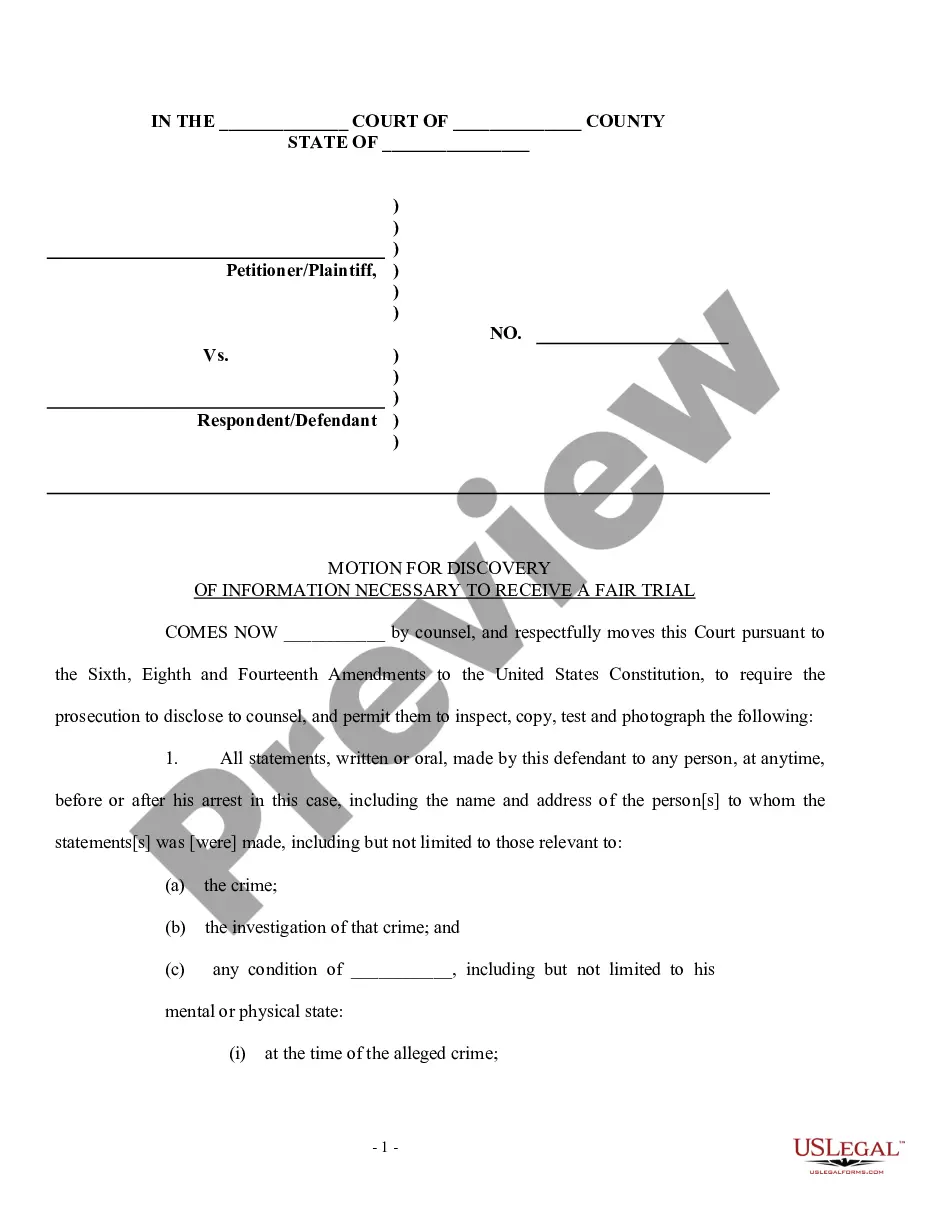
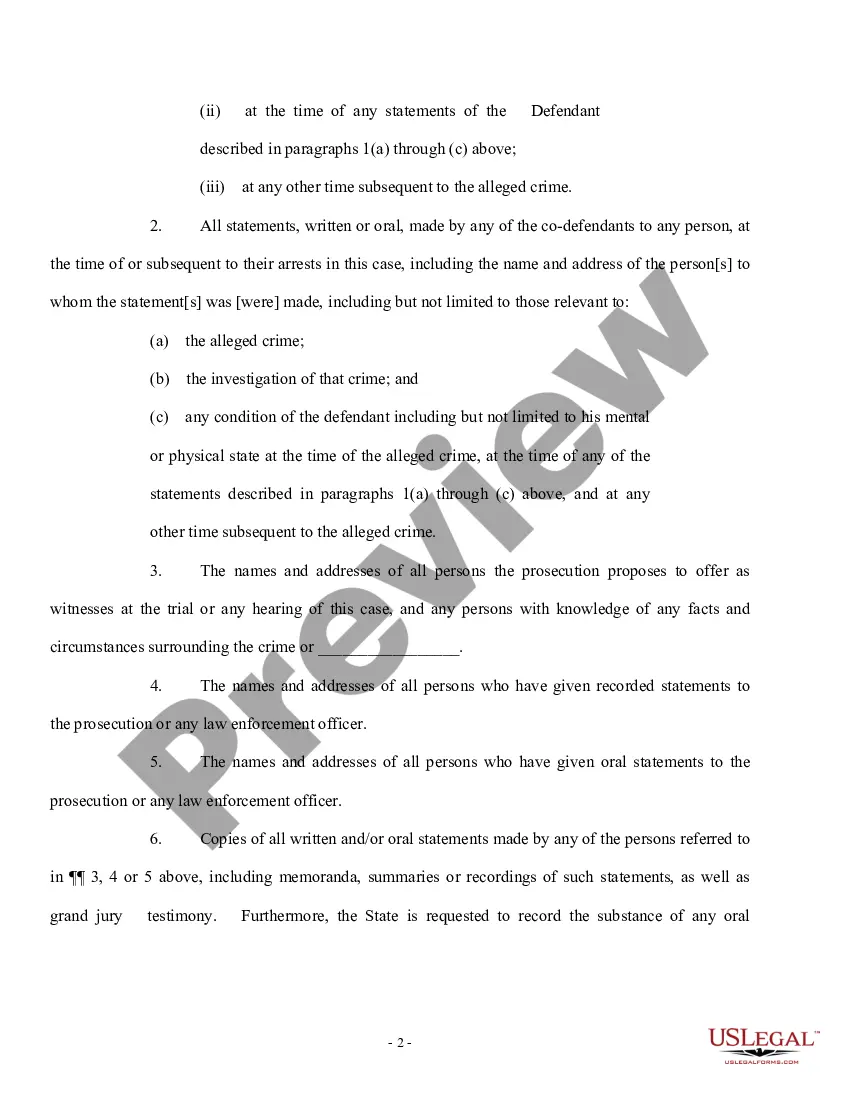
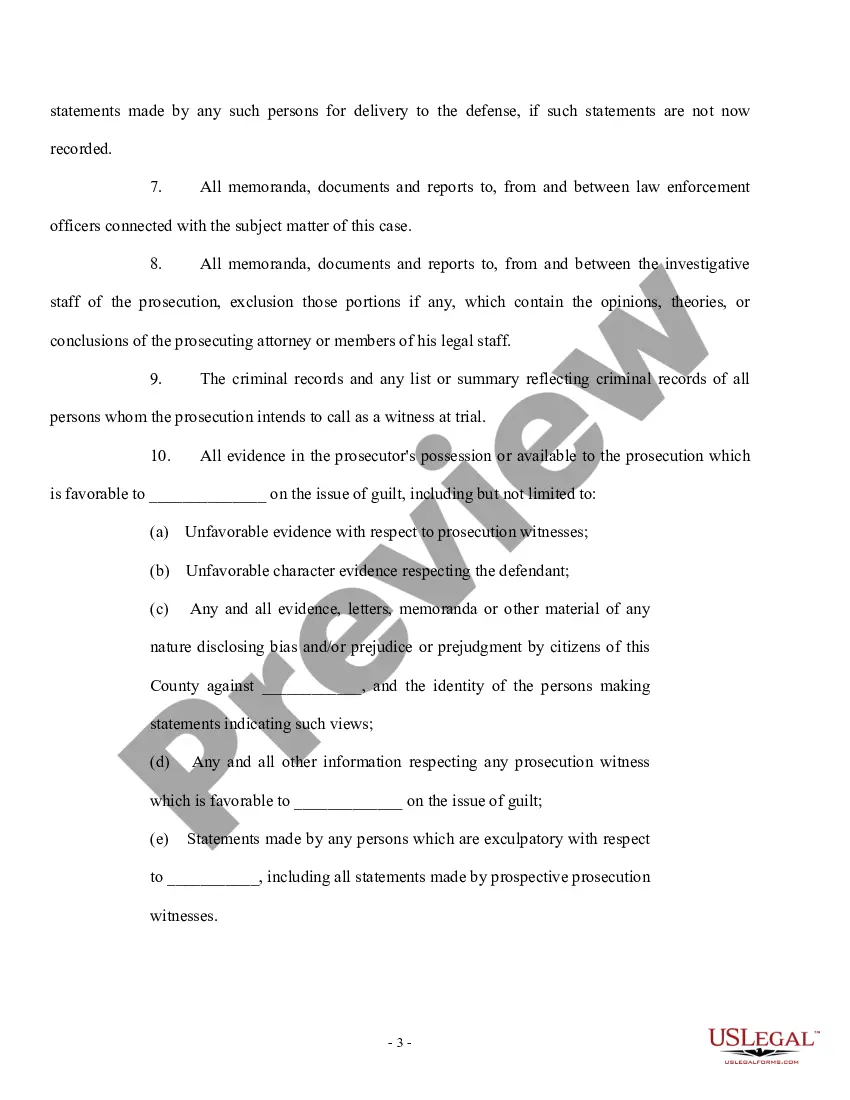
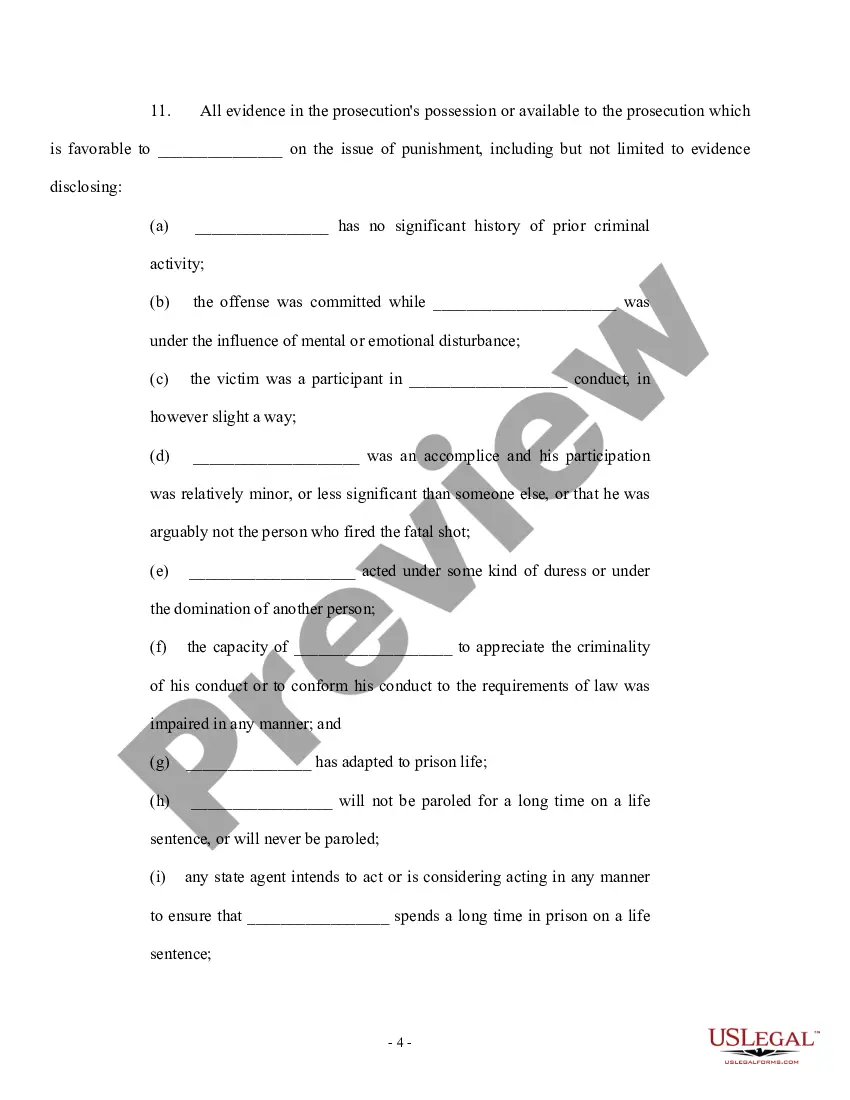
Motion For Discovery Form Pennsylvania
Description
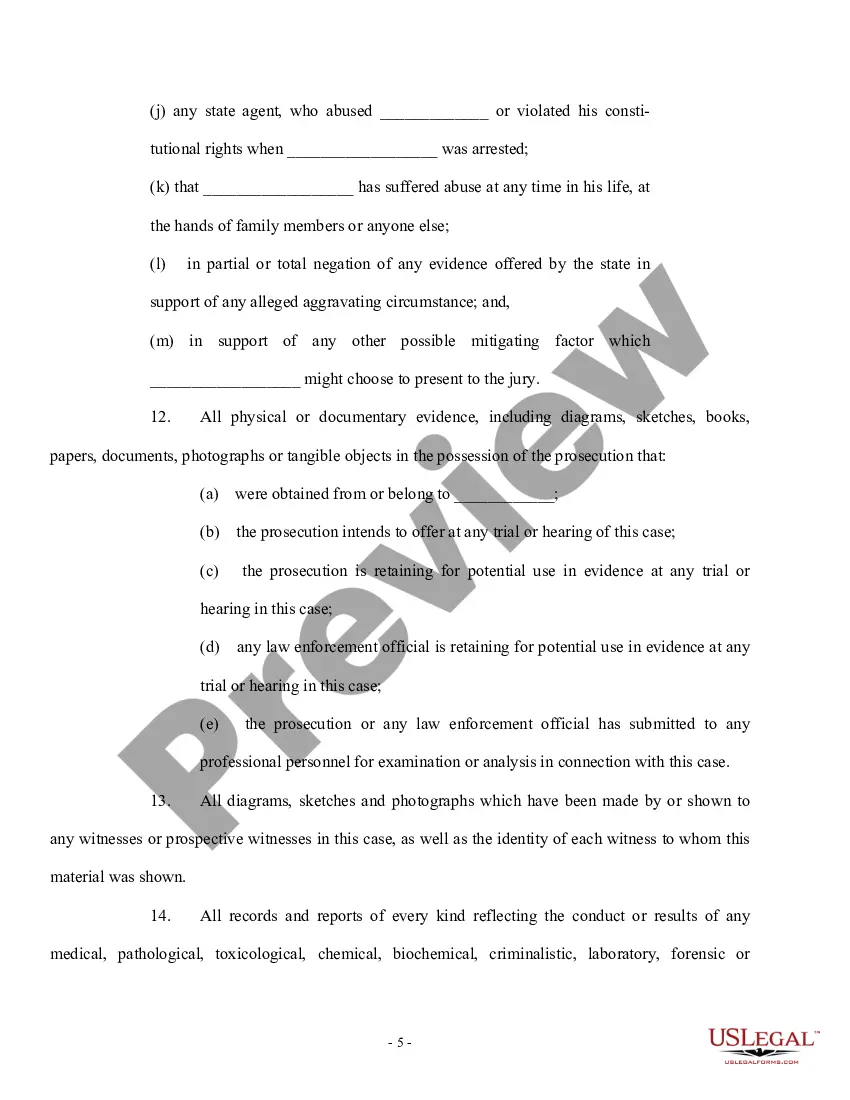
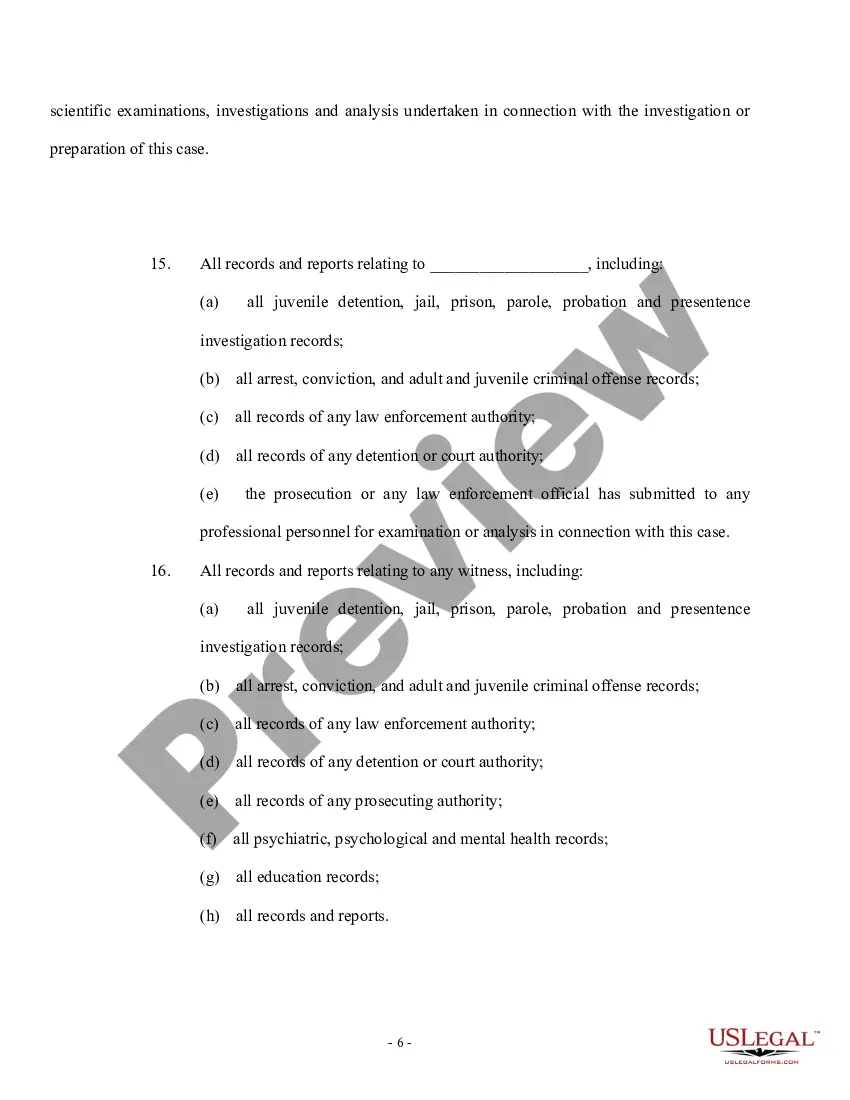
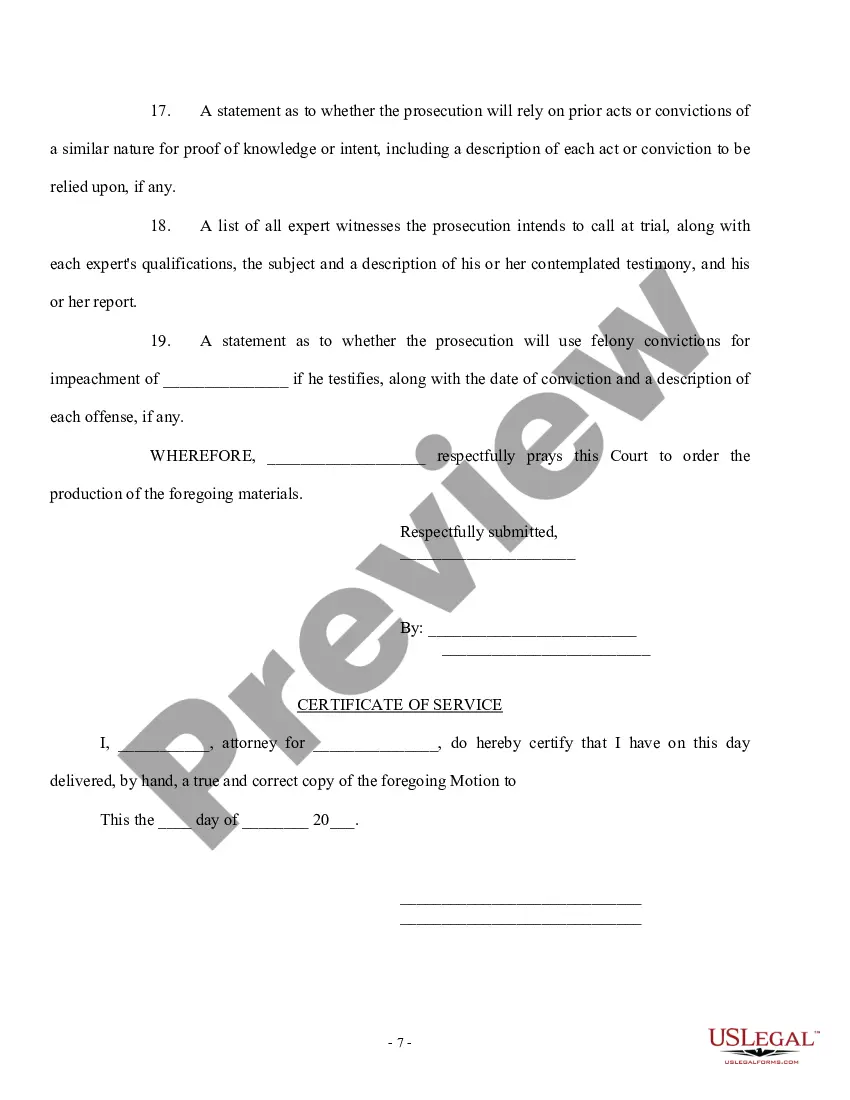
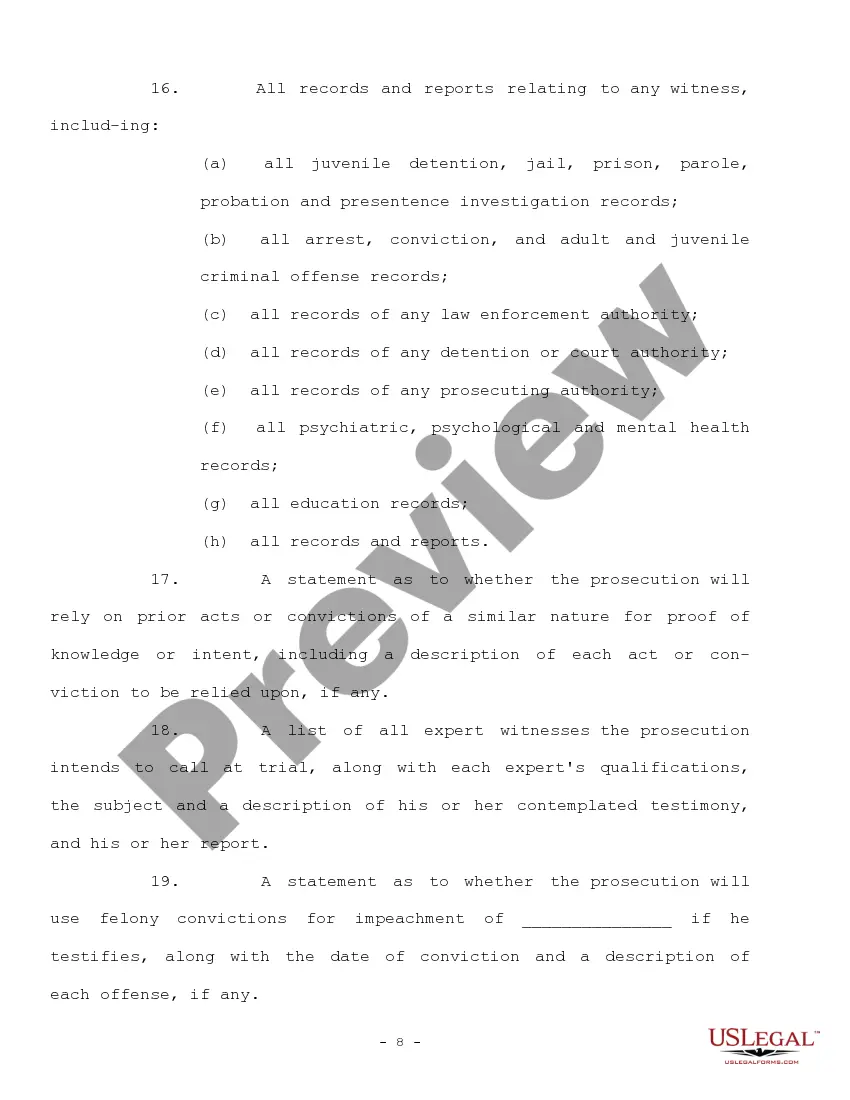
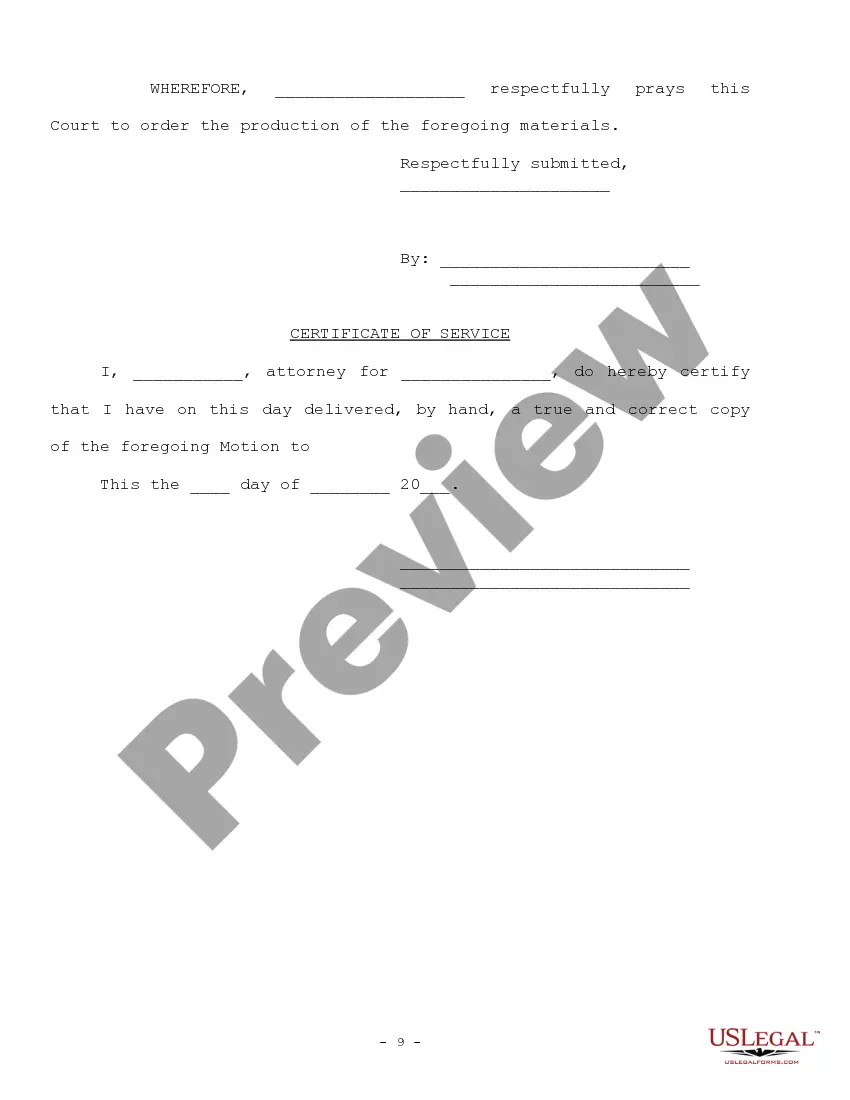
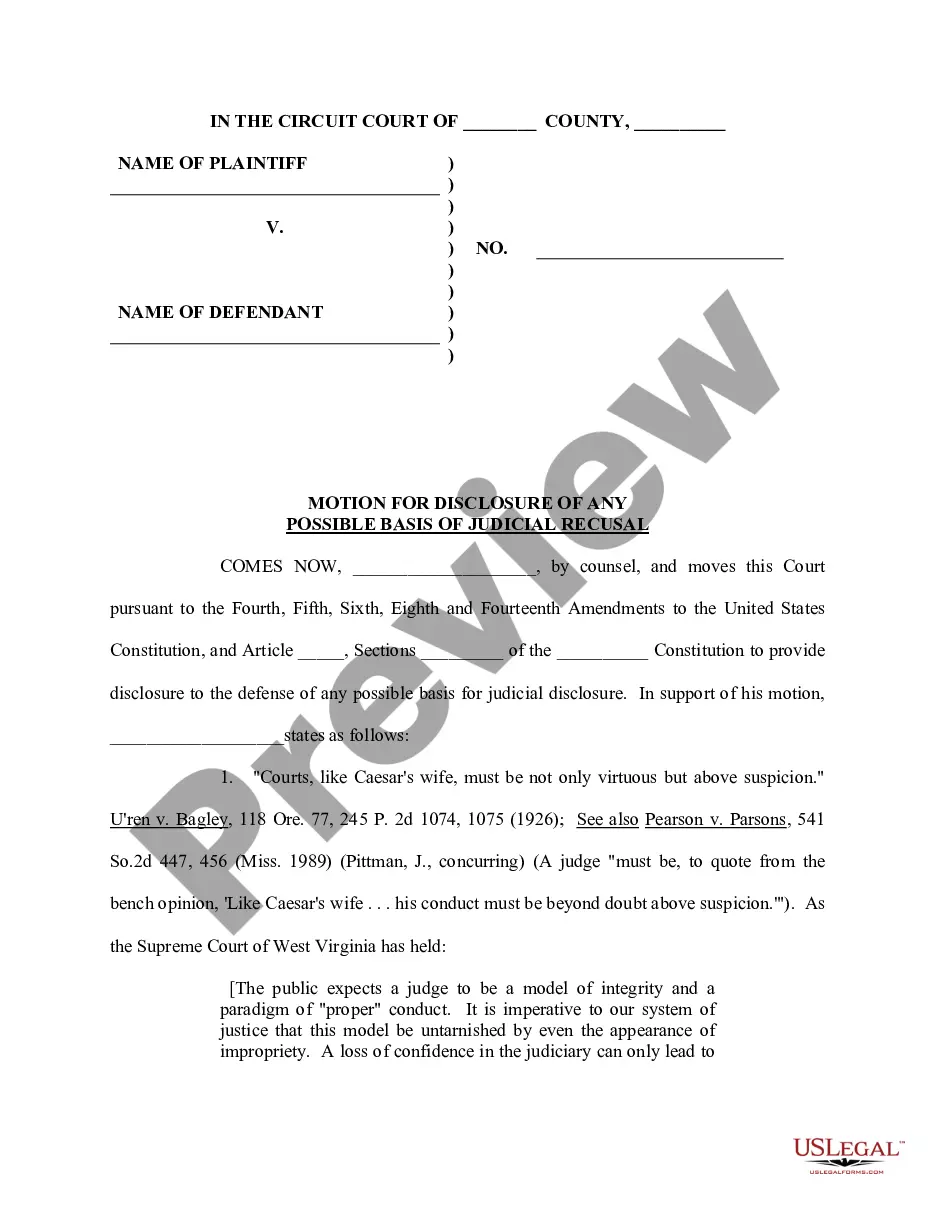
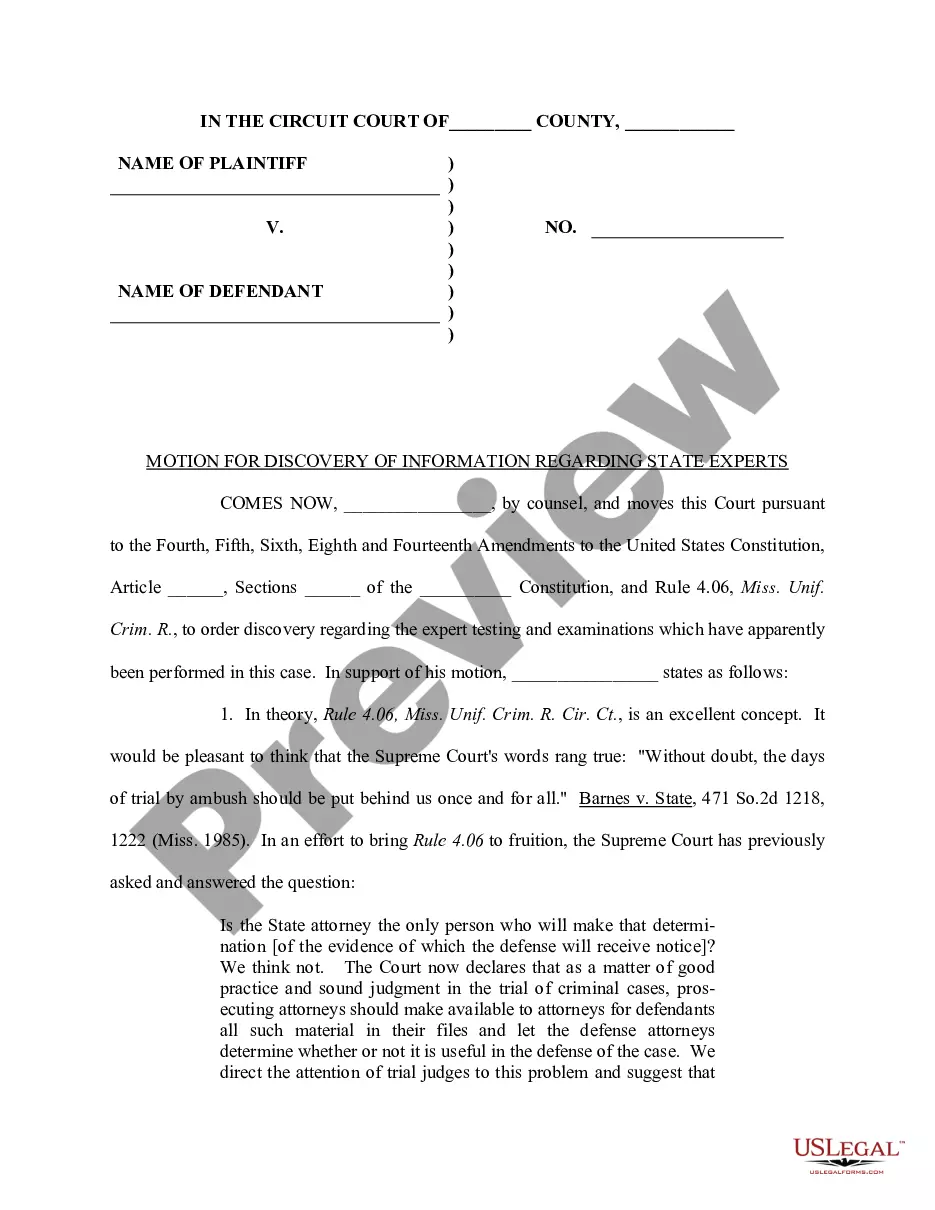
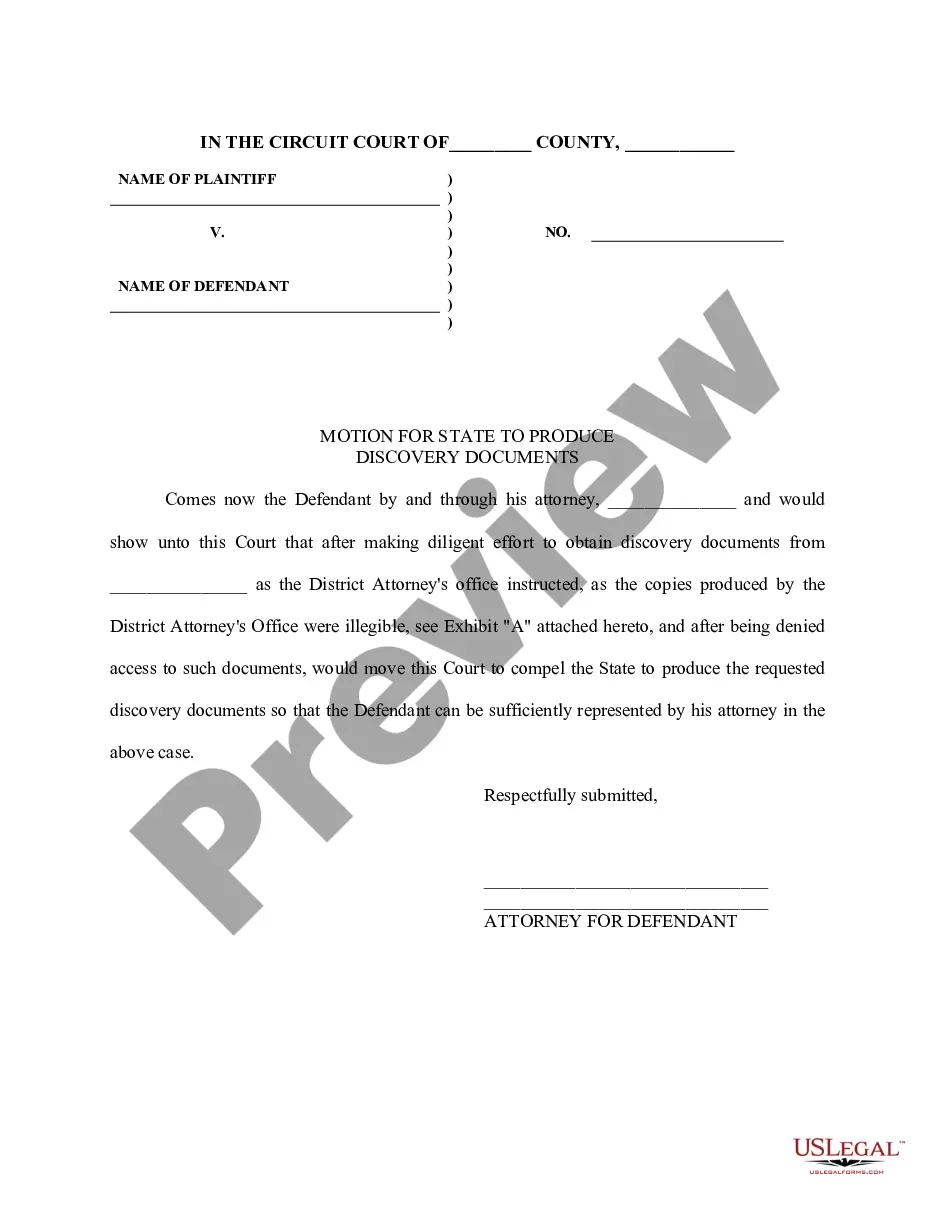
Get your form ready online
Our built-in tools help you complete, sign, share, and store your documents in one place.
Make edits, fill in missing information, and update formatting in US Legal Forms—just like you would in MS Word.
Download a copy, print it, send it by email, or mail it via USPS—whatever works best for your next step.
Sign and collect signatures with our SignNow integration. Send to multiple recipients, set reminders, and more. Go Premium to unlock E-Sign.
If this form requires notarization, complete it online through a secure video call—no need to meet a notary in person or wait for an appointment.
We protect your documents and personal data by following strict security and privacy standards.

Make edits, fill in missing information, and update formatting in US Legal Forms—just like you would in MS Word.

Download a copy, print it, send it by email, or mail it via USPS—whatever works best for your next step.

Sign and collect signatures with our SignNow integration. Send to multiple recipients, set reminders, and more. Go Premium to unlock E-Sign.

If this form requires notarization, complete it online through a secure video call—no need to meet a notary in person or wait for an appointment.

We protect your documents and personal data by following strict security and privacy standards.
Looking for another form?


How to fill out Motion For Discovery Of Information Necessary To Receive A Fair Trial?
Finding a reliable source to obtain the latest and suitable legal documents is a significant part of navigating bureaucracy.
Selecting the correct legal forms requires precision and careful consideration, which is why sourcing Motion For Discovery Form Pennsylvania exclusively from reputable providers, such as US Legal Forms, is crucial. An inadequate document will squander your time and delay your situation.
Once you have the form on your device, you can edit it using the editor or print it out and complete it manually. Streamline the complexities associated with your legal documentation. Explore the extensive US Legal Forms library where you can discover legal templates, verify their applicability to your needs, and download them immediately.
- Use the library navigation or search function to locate your template.
- Examine the form's description to verify if it complies with the criteria of your state and county.
- Check the form preview, if available, to ensure it is indeed the form you require.
- Return to the search and find the appropriate document if the Motion For Discovery Form Pennsylvania does not fit your requirements.
- Once you are confident about the form's significance, download it.
- If you are a registered user, click Log in to verify and access your chosen templates in My documents.
- If you have not created an account yet, click Buy now to purchase the template.
- Select the pricing option that aligns with your preferences.
- Proceed with registration to finalize your transaction.
- Conclude your payment by choosing a method (credit card or PayPal).
- Select the document format for downloading Motion For Discovery Form Pennsylvania.
Form popularity
FAQ
In Pennsylvania, a motion to compel discovery is a formal request made to a court to urge a party to comply with discovery obligations. This motion typically arises when one party believes the other is withholding relevant information. It is crucial to properly draft a motion for discovery form Pennsylvania to clearly outline the requests and the context, thus enhancing your chances of a favorable ruling.
The primary purpose of a motion to compel discovery is to request the court to enforce compliance with a discovery request. It ensures that parties provide evidence that is essential to the case. This process can lead to a more equitable legal proceeding, and utilizing a motion for discovery form Pennsylvania can streamline your request for the necessary documents.
A motion to compel can be viewed as both good and bad, depending on your perspective. For parties seeking information, it represents a necessary step to obtain crucial evidence. Conversely, for those resisting disclosure, it may signify an unwelcome escalation. Understanding how to navigate this process is essential, and utilizing a motion for discovery form Pennsylvania can simplify matters.
In Pennsylvania, you generally have 30 days to respond to a motion to compel after it has been served. This timeframe is important because not responding in time could lead to unfavorable outcomes for your case. Make sure to have the proper motion for discovery form Pennsylvania ready to ensure you meet this deadline and protect your rights.
Generally, attorney-client communications and documents prepared in anticipation of litigation are protected from discovery in Pennsylvania. This protection helps maintain the confidentiality of legal advice and strategic discussions. Recognizing these protections is vital when preparing your Motion for discovery form Pennsylvania, as it ensures that you do not inadvertently request privileged materials. Being aware of these aspects can enhance your legal strategies significantly.
Discovery rules in Pennsylvania are designed to ensure that both parties can access relevant information before trial. These rules establish how and when discovery can occur, including types of evidence that may be requested. To comply with these regulations, filing a Motion for discovery form Pennsylvania is often necessary. Understanding these rules can significantly influence the success of your legal strategy.
In Pennsylvania, any party involved in a legal case can file a motion for discovery as part of the pre-trial process. However, it is essential to follow proper legal procedures and guidelines outlined in the state rules. By effectively using a Motion for discovery form Pennsylvania, you can request relevant information that supports your position. If you need assistance, considering a reputable platform like USLegalForms may enhance your understanding and efficiency.
Limits to discovery in Pennsylvania include protections against overly broad or irrelevant requests. Courts also impose restrictions to safeguard privileged information. If you feel unsure about your rights concerning these limits, using a Motion for discovery form Pennsylvania may help clarify what you can ask for legally and appropriately. This knowledge can empower you during legal proceedings.
A motion to stay is not the same as a discovery motion, though it can be related. A motion to stay requests that the court pause discovery for specific reasons, such as pending appeals or other legal matters. In contrast, a Motion for discovery form Pennsylvania actively seeks to obtain information. Understanding both types of motions can help you effectively manage your litigation strategy.
The discovery rule in Pennsylvania allows parties to request information and documents that are relevant to a legal case. This process is crucial for gathering evidence and understanding the other party's claims. When you utilize a Motion for discovery form Pennsylvania, you facilitate transparency and ensure that both sides can adequately prepare for trial. Navigating these rules properly can significantly impact the outcome of your case.